Deze epische saga duikt in het hart van Ferrara, een stad die rijk is aan kunst, geschiedenis en politieke intriges. Het volgt de verweven lotgevallen van verschillende families door de eeuwen heen, waarbij hun persoonlijke strijd wordt verweven tegen de achtergrond van belangrijke historische gebeurtenissen. U zult een rijk tapijt van menselijke relaties, ambitie en liefde ontdekken tegen de achtergrond van de levendige Italiaanse Renaissance. Het is een meeslepende verkenning van het leven binnen een van de meest invloedrijke stadstaten uit de geschiedenis.
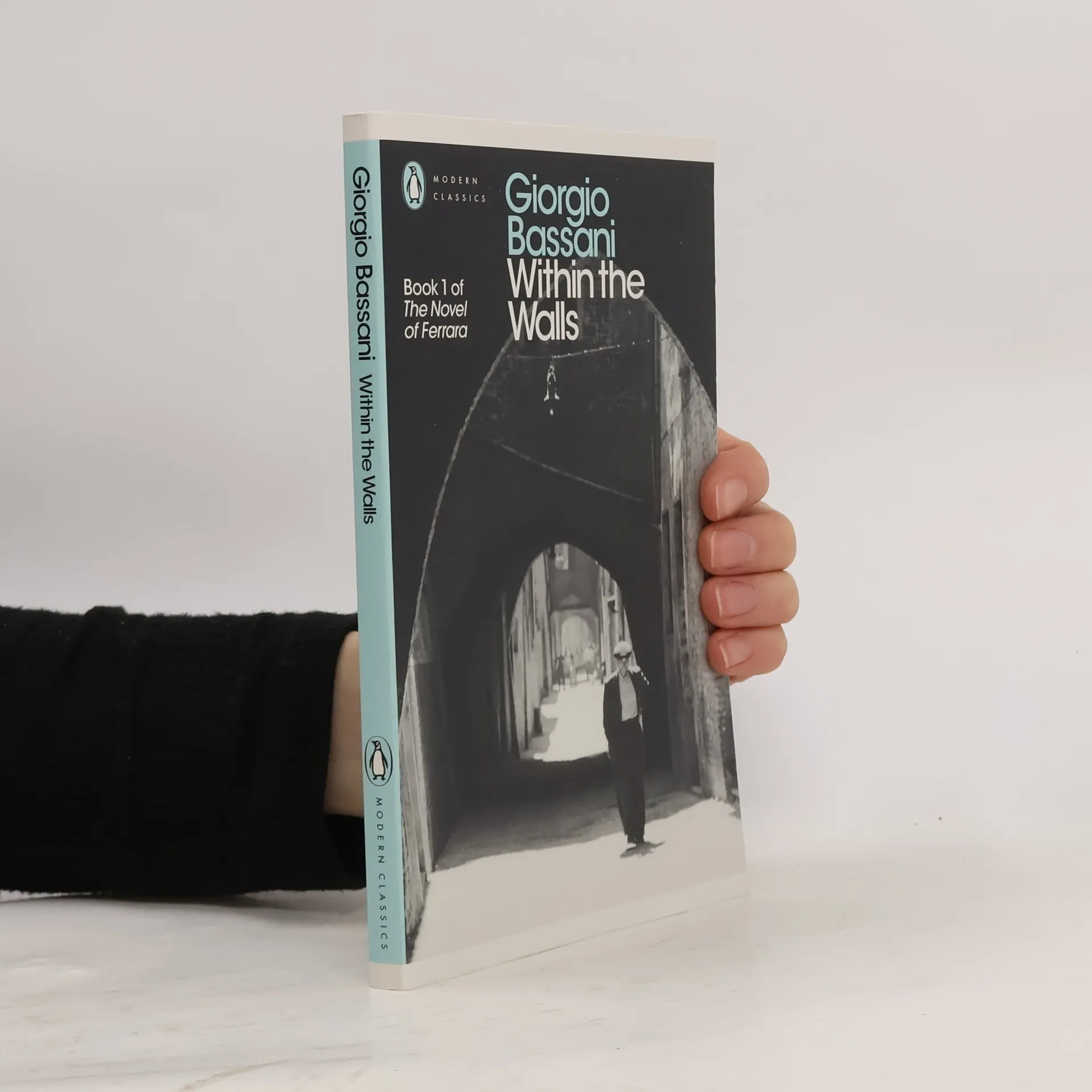
A young working class woman abandoned by her bourgeois lover; the tensions of intermarriage between established classes and communities; a holocaust survivor seemingly back from the dead; a formidable socialist activist defying house arrest; the only surviving witness to the first local atrocity of the Second World War.
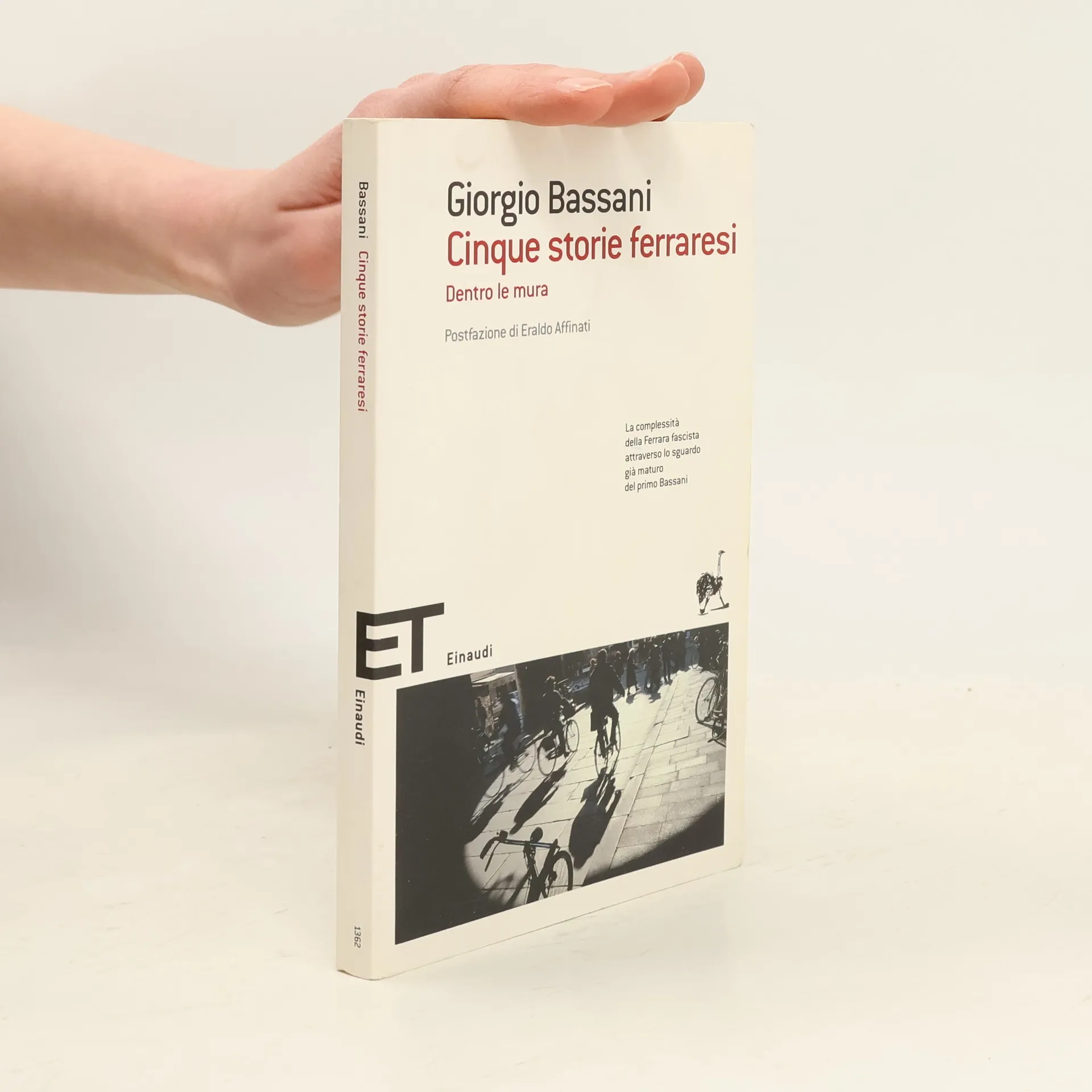
Cinque storie. Quella di Lida Mantovani, ragazza madre che sposa un brav'uomo ma non riesce a dargli un figlio; quella del dottor Elia Corcos, solitario appassionato di scienza che mal sopporta la moglie; quella di Geo Josz, di ritorno dal lager; quella di Clelia Trotti, anziana militante socialista morta in carcere durante l'occupazione nazista. Il libro, qui riproposto nella prima edizione del 1956, fece vincere a Bassani il Premio Strega.
Into the insular town of 1930s Ferrara, a new doctor arrives. Fadigati is
hopeful and modern, and more than anything wants to fit into his new home. But
his fresh, appealing appearance soon crumbles when the townsfolk discover his
homosexuality, and the young man he pays to be his lover humiliates him
publicly.
This is a haunting, elegiac novel which captures the mood and atmosphere of Italy (and in particular Ferrara) in the last summers of the thirties, focusing on an aristocratic Jewish family moving imperceptibly towards its doom. Vittorio De Sica turned the book into a film in 1970, winning the Academy Award for Best Foreign Language Film in 1974.
'It was useless to think I'd ever be able to throw open the door behind which I was yet again hiding ... Not now. Not ever.' School is a place of unspoken hierarchies and rivalries for a young teenage boy growing up in the provincial town of Ferrara. But as the everyday classroom and playground dramas are played out, they begin to reflect the disturbing undertones of 1930s Italy, and the narrator realizes that being Jewish means he will always be excluded. The fourth book in Bassani's Romanzo di Ferrara cycle, Behind the Door is a luminous portrayal of childhood friendship and the loss of innocence. A new translation by Jamie McKendrick 'Giorgio Bassani is one of the great witnesses of this century, and one of its great artists' Guardian 'Powerful new translations . . . Bassani began as a poet, and McKendrick's redelivery of this taut uncompromising fiction reveals resonance and generosity' Ali Smith
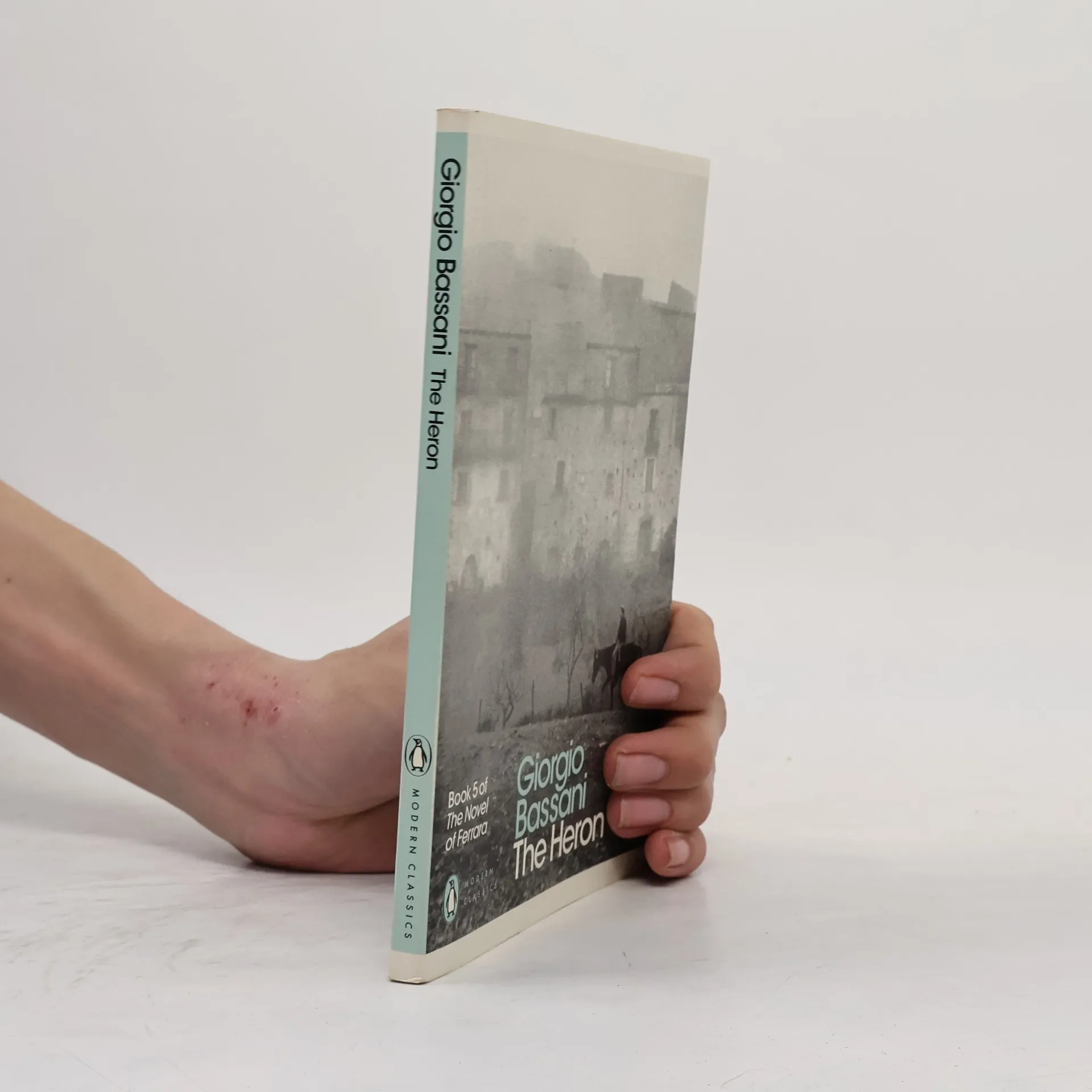
'Exquisite. . . a classic tour de force' The New York Times 'It struggled to keep itself aloft, to gain height. But then it suddenly gave up, and dropped as though it were breaking into many pieces' Early on a cold Sunday morning, forty-five-year-old Edgardo Limentani gets up to join a shooting party in the countryside surrounding the town of Ferrara. As the day passes, he contemplates his past, his disappointments and how he has got here. Like the birds he shoots, he realizes, he is trapped, broken, waiting alone for the final coup de grâce. Then he sees a way out. The fifth book in Bassani's Novel of Ferrara sequence, and his final novel, The Heron is a taut, poignant portrait of a middle-aged man's reckoning with his life.