

Diamond Head, Hawaii, 1941. Pvt. Robert E. Lee Prewitt is a champion welterweight and a fine bugler. But when he refuses to join the company's boxing team, he gets "the treatment" that may break him or kill him. First Sgt. Milton Anthony Warden knows how to soldier better than almost anyone, yet he's risking his career to have an affair with the commanding officer's wife. Both Warden and Prewitt are bound by a common bond: the Army is their heart and blood... and, possibly, their death. In this magnificent but brutal classic of a soldier's life, James Jones portrays the courage, violence and passions of men and women who live by unspoken codes and with unutterable despair... in the most important American novel to come out of World War II, a masterpiece that captures as no other the honor and savagery of men.
De Tweede Wereldoorlog Trilogie Reeks
Deze epische oorlogssaga volgt de ervaringen van Amerikaanse soldaten tijdens de Tweede Wereldoorlog. De romans beelden de rauwe realiteit van het conflict uit, met een focus op hun innerlijke strijd, kameraadschap en verliezen tegenover onvoorstelbare brutaliteit. Deze werken bieden een diepgaand inzicht in menselijk doorzettingsvermogen en de prijs van oorlog, en duiken onder het oppervlak van grote veldslagen naar de persoonlijke drama's van individuen.
![From Here to Eternity ['s Levens Taptoe]](https://rezised-images.knhbt.cz/1920x1920/92747162.webp)
Aanbevolen leesvolgorde
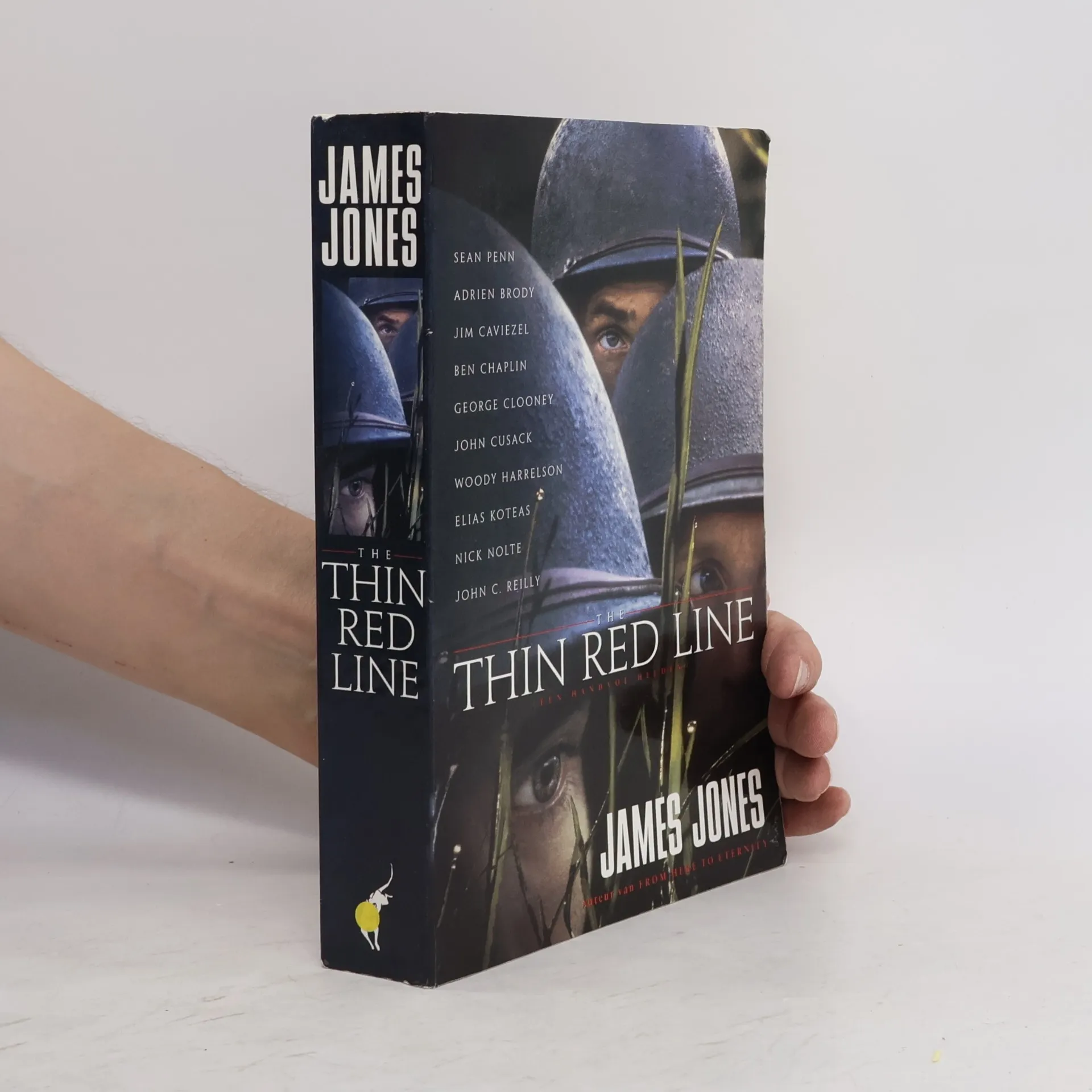
THE THIN RED LINE behoort tot d e beste romans die over de Tweede Wereldoorlog zijn geschreven. Onbetwistbaar een meesterwerk... CHICAGO DAILY NEWS Het is 1942. Een Amerikaanse eenheid wordt naar het eiland Guadalcanal gezonden, waar de japanners alles op alles zetten om hun overwicht in de westelijke Pacific te behouden. James Jones beschrijft de lotgevallen van de C-voor-Charlie compagnie met expliciet en meedogenloos realisme. 'Rauw, direct en krachtig... gaat dieper in op het dierlijke gevoel van bloeddorst dan ooit eerder gedaan is...' in de hitte, de dorst, de lust en de gewelddadigheid van de strijd is de dunne rode scheidslijn met de waanzin makkelijk overschreden...' EVENING STANDARD
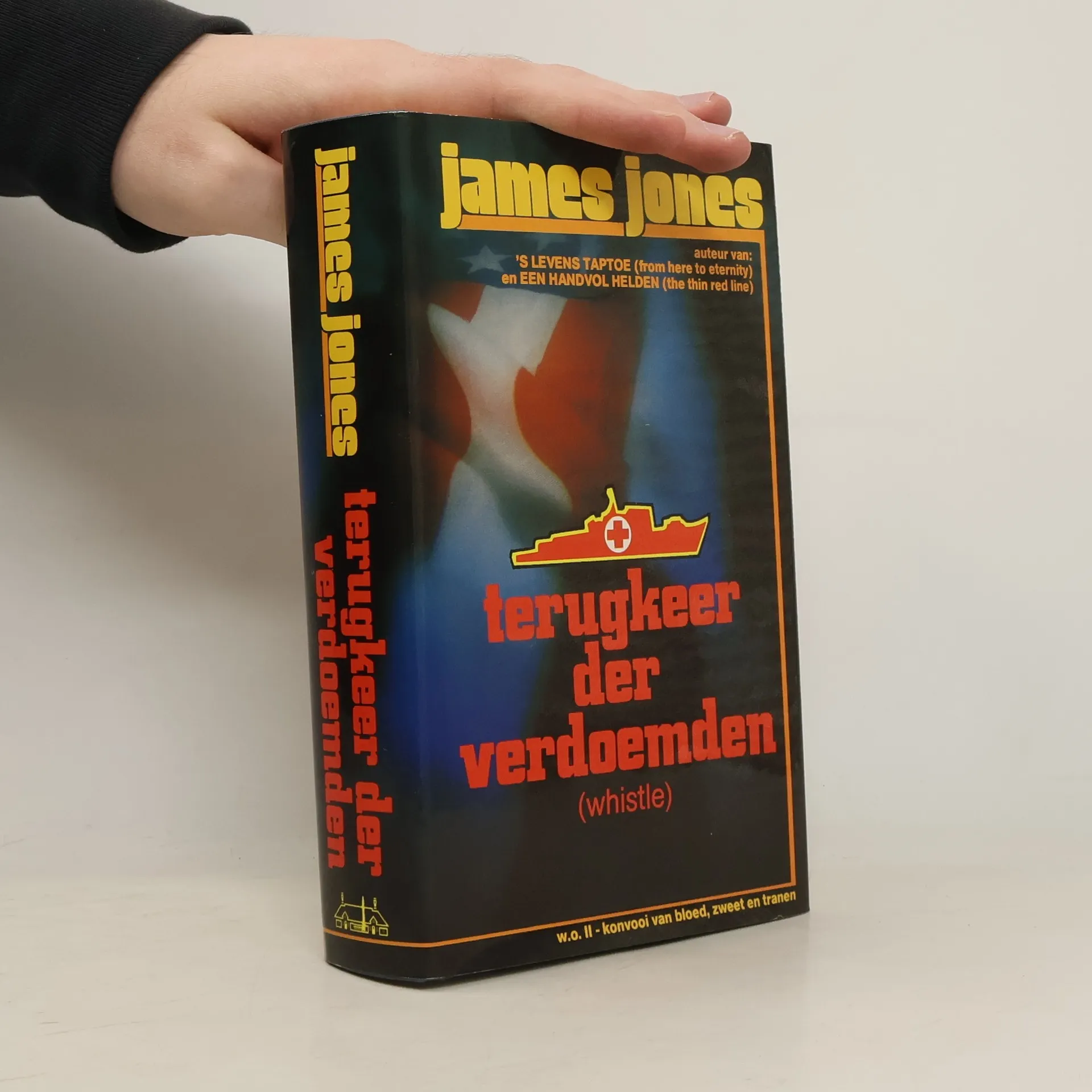
Deze roman is het vervolg op Jones' eerdere successen "'s Levens Taptoe" en "Een handvol helden". Hij beschrijft de thuiskomst van de gewonden uit de oorlogsarena van Guadalcanal en het lot dat hun in Amerika beschoren is. De schrijver praat over zijn vier vaste hoofdfiguren uit de vorige twee boeken. Uitgebreid komen hun verblijf in het hospitaal, hun vermaak in de stad en hun nieuwe carriere in het leger aan de orde. Het verhaal brengt duidelijk de verschillende karakters aan het licht en de wijze waarop ze met elkaar en anderen in botsing komen. De tragedie schuilt uiteindelijk in het feit, dat de hoofdpersonen een eind aan hun leven maken, hoofdzakelijk ingegeven door geestelijke aftakeling als gevolg van het nutteloze oorlogsgebeuren. (NBD|Biblion recensie, J.A.S. Koreman)