
Bookbot

De Volkstrilogie

Deze serie duikt in de aangrijpende periodes van de moderne geschiedenis, met een specifieke focus op China's turbulente verleden. Het onderzoekt nauwgezet de verwoestende gevolgen van radicale politieke ideologieën op het leven van gewone burgers. De werken kenmerken zich door gedegen historisch onderzoek, waarbij ontelbare verhalen worden onthuld en het belang wordt benadrukt om deze catastrofale gebeurtenissen te herinneren om toekomstige tragedies te voorkomen.

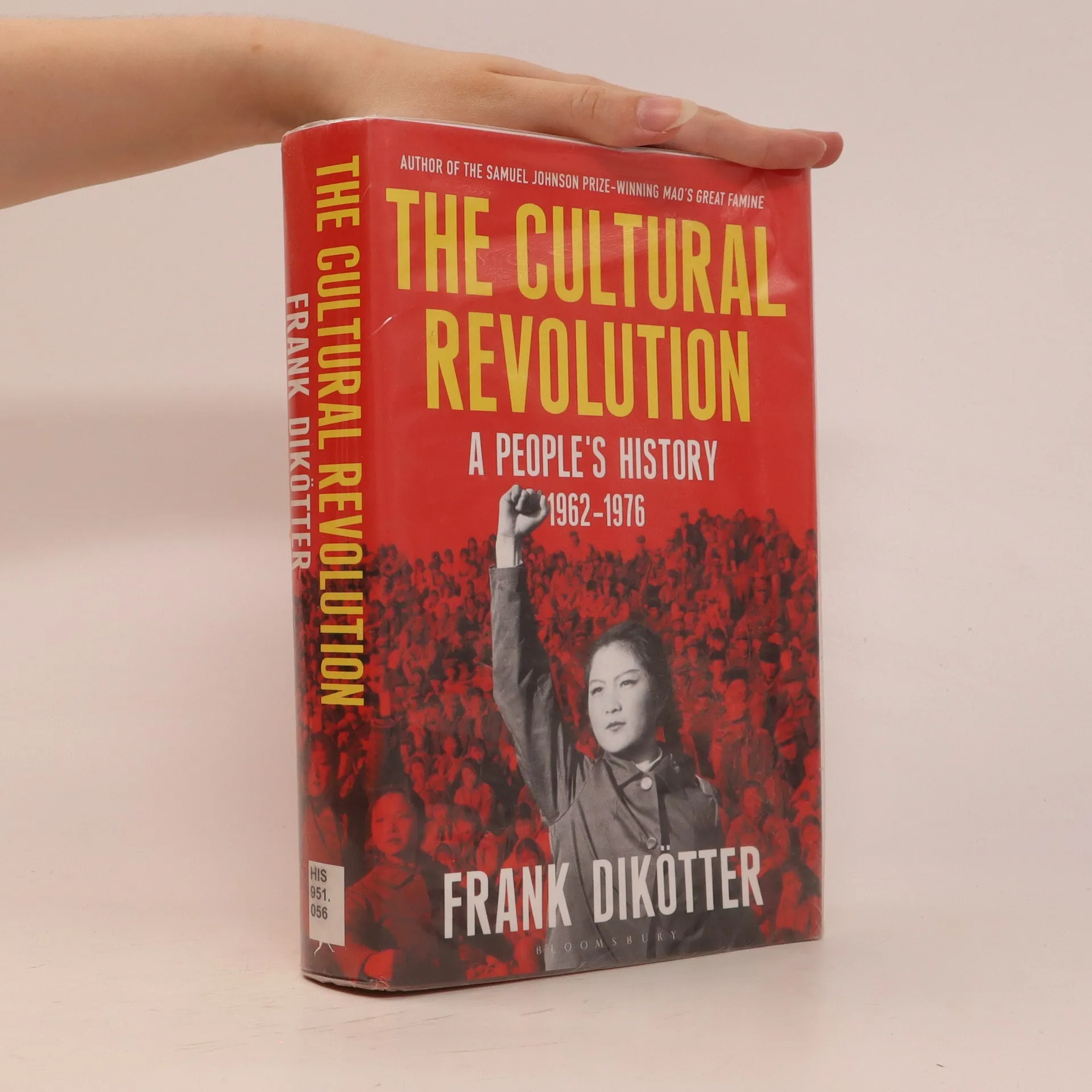
The Cultural Revolution: A People's History, 1962-1976
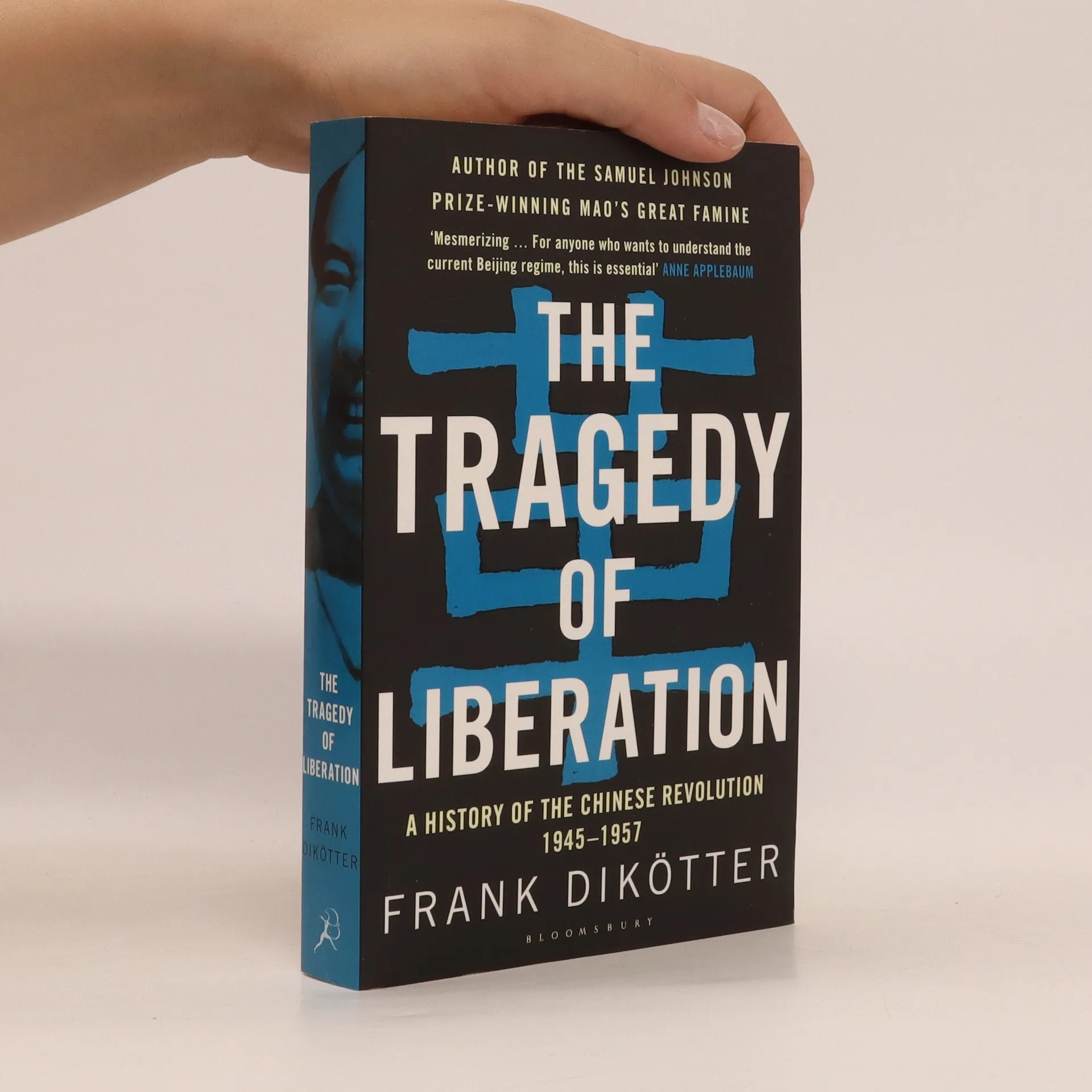
The Tragedy of Liberation
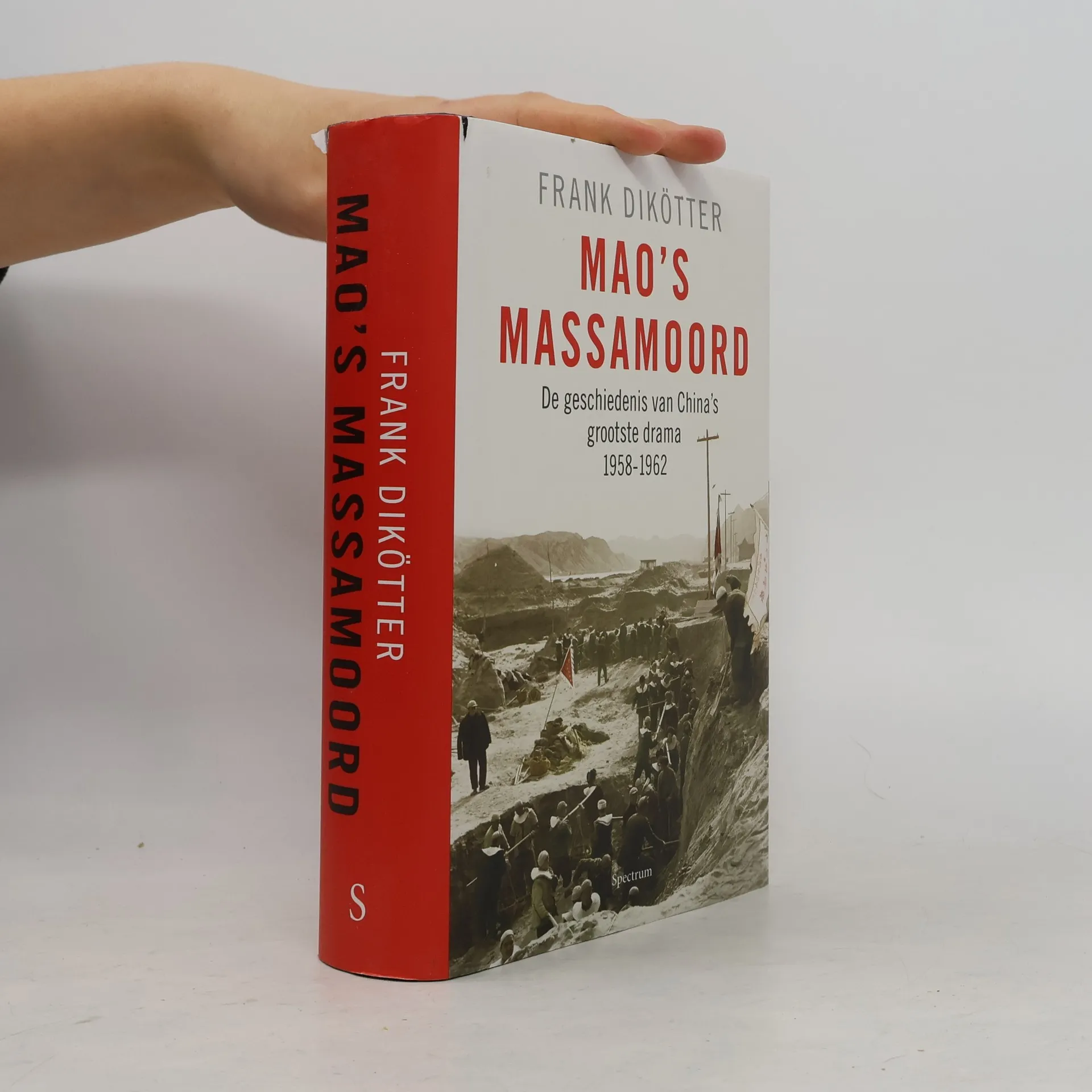
Mao's massamoord

Aanbevolen leesvolgorde

  1. Mao's massamoord

    • 496bladzijden
    • 18 uur lezen

    Tussen 1958 en 1962 kwam China in de hel terecht. Mao Zedong nam zijn land in een wurggreep met ‘De Grote Sprong Voorwaarts’, een poging om aan te haken bij de wereldmachten en de kracht van het communisme te tonen. Het experiment draaide uit op de grootste ramp ooit. Niet alleen werd het land het toneel van een van de dodelijkste massamoorden in de menselijke geschiedenis (meer dan 45 miljoen werden zo afgebeuld, uitgehongerd of gemarteld dat de dood erop volgde), maar China maakte ook nog de grootste sloop van onroerend goed ooit mee. Deze sloop was daarnaast catastrofaal voor het milieu. Ongeveer een derde van alle huizen werden tot puin gereduceerd en er werd roofbouw op het land gepleegd in de maniakale jacht naar staal en andere industriële benodigdheden.

    Mao's massamoord1
    4,2
  2. A groundbreaking chronicle of the violent early years of the People’s Republic of China by the author of the BBC Samuel Johnson Prize–winning Mao’s Great Famine.

    The Tragedy of Liberation2
    4,1
  3. After the Great Leap Forward's devastating economic disaster from 1958 to 1962, an ageing Mao sought to restore his reputation and eliminate perceived threats to his legacy through the Cultural Revolution. Officially aimed at purging bourgeois, capitalist elements, the movement also targeted Mao's own colleagues, subjecting many to public humiliation, imprisonment, and torture. Young students, forming Red Guards, pledged unwavering loyalty to Mao, but soon rival factions clashed violently in the streets over revolutionary purity. As chaos engulfed the nation, the military intervened, establishing a garrison state marked by brutal purges affecting as many as one in fifty people. When the army itself became a target, ordinary citizens exploited the turmoil to challenge the party's ideology, effectively burying Maoism. Through in-depth interviews and archival research, the author reveals the complex choices faced by individuals, contradicting the notion of conformity that often characterizes this era. By illustrating how grassroots decollectivization emerged from a decade of violence and fear, this work offers a fresh perspective on China's most tumultuous period. Utilizing previously classified party documents, it serves as a powerful reassessment of the People's Republic of China’s history.

    The Cultural Revolution: A People's History, 1962-19763
    4,1