

Tariq Ali tells us the story of the aftermath of the fall of Granada by narrating a family saga of those who tried to survive after the collapse of their world. Ali is particularly deft at evoking what life must have been like for those doomed inhabitants, besieged on all sides by intolerant Christendom. "This is a novel that have something to say, and says it well." --"The""Guardian"
Islam Kwartet Reeks
Deze epische saga, die zich afspeelt in het middeleeuwse Middellandse Zeegebied, verweeft de lotsbestemmingen van personages uit diverse culturen en geloven. Het verkent complexe relaties, politieke intriges en persoonlijke zoektochten naar identiteit in een tijd waarin het christendom, de islam en het jodendom elkaar kruisten. Reis door geschiedenis, passie en filosofische reflectie die u naar het hart van een van de meest turbulente tijdperken van de mensheid brengt. Het is een verhaal over liefde, oorlog en de zoektocht naar waarheid in een wereld in beweging.


Aanbevolen leesvolgorde
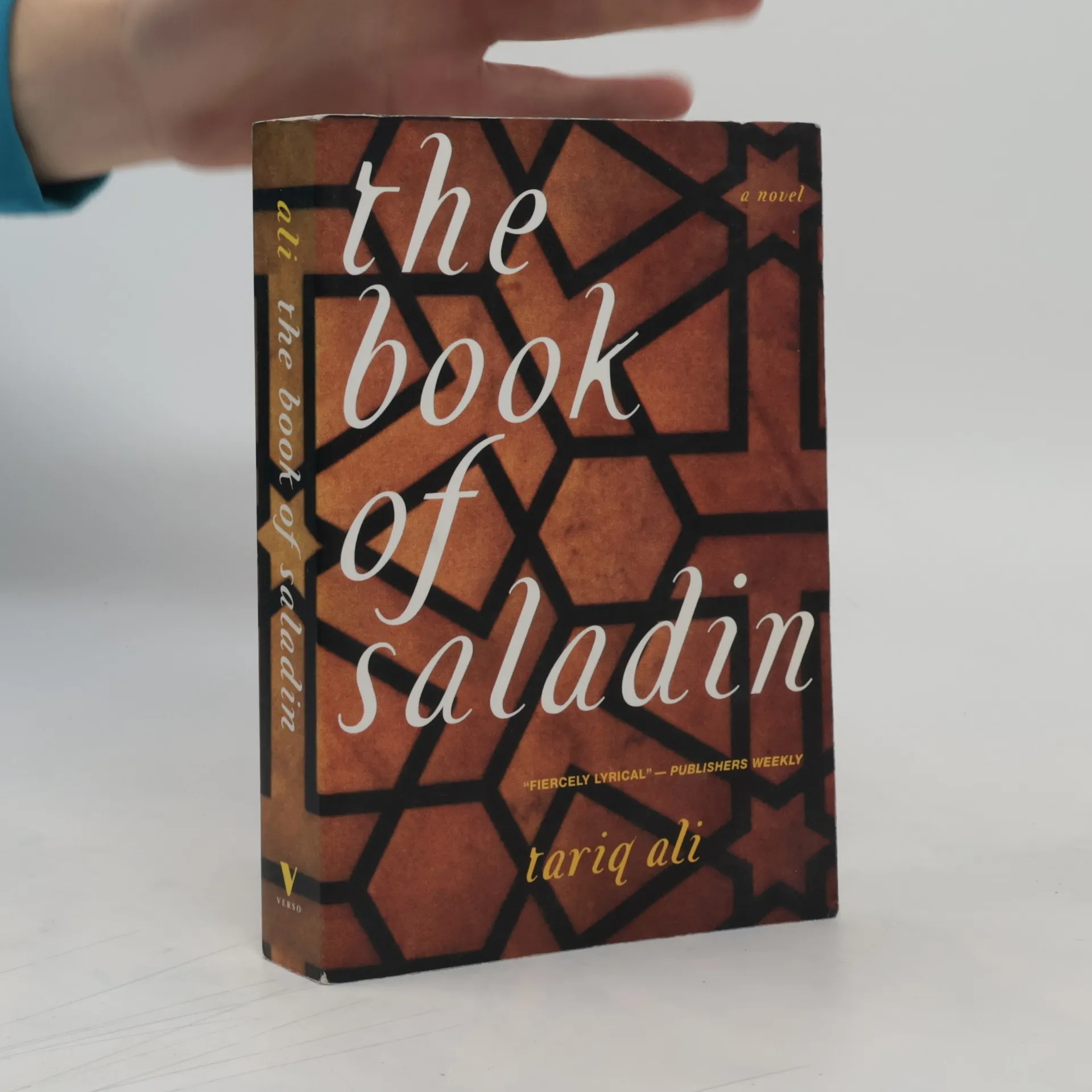
The Book of Saladin is the fictional memoir of Saladin, the Kurdish liberator of Jerusalem, as dictated to a Jewish scribe, Ibn Yakub. Saladin grants Ibn Yakub permission to talk to his wife and retainers so that he might present a full portrait in the Sultan’s memoirs. A series of interconnected stories follows, tales brimming over with warmth, earthy humor and passions in which ideals clash with realities and dreams are confounded by desires.At the heart of the novel is an affecting love affair between the Sultan’s favored wife, Jamila, and the beautiful Halina, a later addition to the harem. The novel charts the rise of Saladin as Sultan of Egypt and Syria and follows him as he prepares, in alliance with his Jewish and Christian subjects, to take Jerusalem back from the Crusaders. This is a medieval story, but much of it will be uncannily familiar to those who follow events in contemporary Cairo, Damascus, and Baghdad. Betrayed hopes, disillusioned soldiers and unrealistic alliances form the backdrop to The Book of Saladin .
The history of Ottoman offical Iskander Pasha's family mirrors the decline of the empire they have served for hundreds of years
A Sultan in Palermo
- 256bladzijden
- 9 uur lezen
The year is 1153. The Normans are ruling Siqqiliya, but Arab culture and language dominate the island and the court. Sultan Rujari surrounds himself with Muslim intellectuals, several concubines, and an administration presided over by gifted eunuchs. This fourth novel in Tariq Ali's Islam Quintet is set in medieval Palermo, a Muslim city.
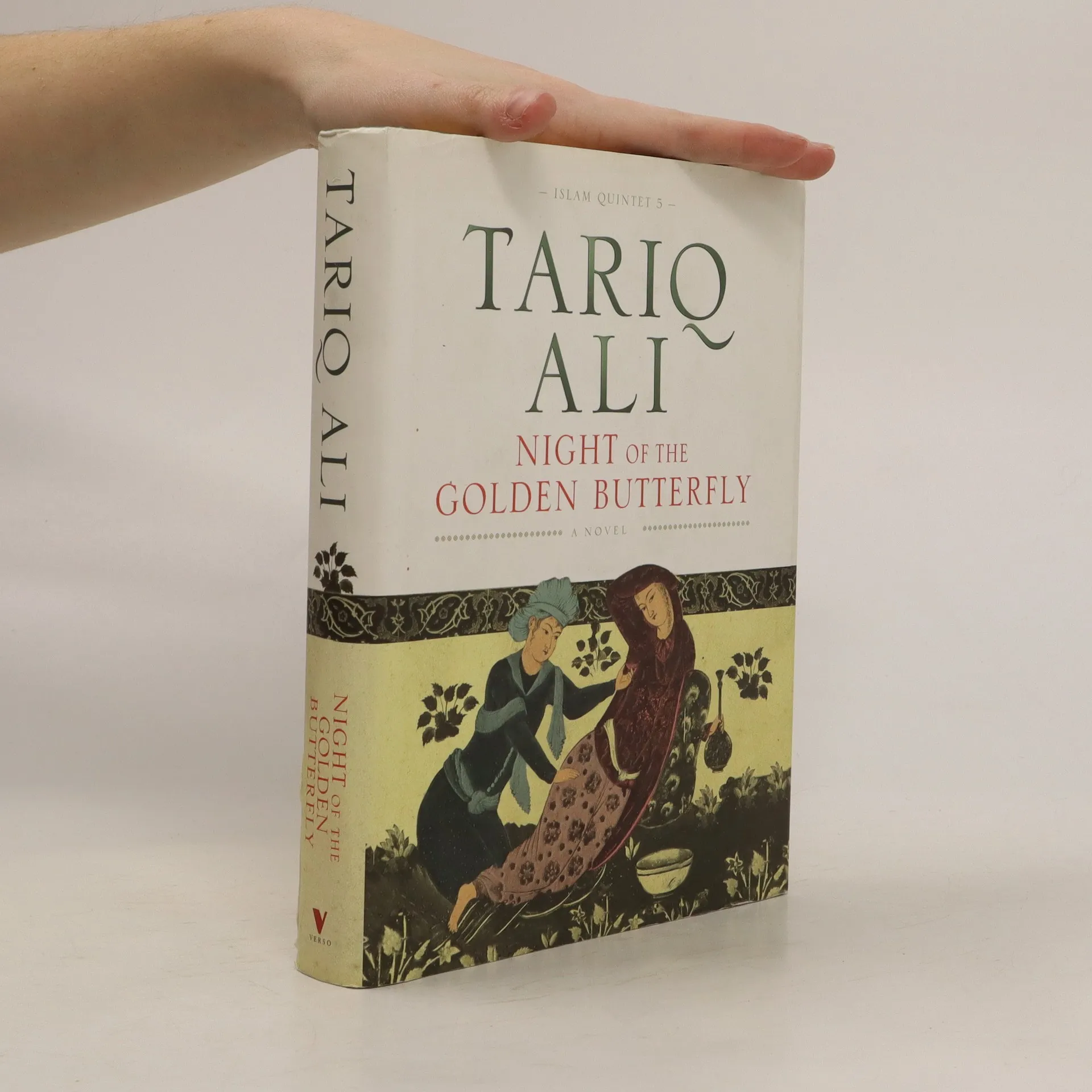
Night of the Golden Butterfly (Vol. 5) (The Islam Quintet)
- 288bladzijden
- 11 uur lezen
The final installment of the Islam Quintet, this novel weaves a rich tapestry of historical and contemporary narratives across cities like Lahore, London, Paris, and Beijing. The story begins when the narrator receives a call reminding him of a debt owed to Mohammed Aflatun, or Plato, a talented yet irritable painter in a Pakistan where human dignity has deteriorated. Plato seeks to have his life story documented, prompting a journey through his connections. Among them is Alice Stepford, a prominent music critic in New York, and Mrs. Naughty Latif, an Islamabad housewife whose attraction to military figures propels her to Paris, where she gains recognition as a leading intellectual voice in the Islamic world. The narrative also introduces Jindie, the Golden Butterfly, who represents the narrator's first love. Her family's tumultuous history is intertwined with the tale, featuring her ancestor Dù Wénxiù, who led a Muslim rebellion in nineteenth-century Yunnan and ruled Dali as Sultan Suleiman. This novel showcases the author's imaginative prowess, blending satire with profound insights into contemporary life and history.