
Bookbot

Klassiekers in Kinderontwikkeling

Deze serie duikt in de kernprincipes van de kinderlijke ontwikkeling en volgt de ingewikkelde reis van de vroege jeugd tot de adolescentie. Het onderzoekt fundamentele theorieën en de talloze invloeden die de cognitieve, emotionele en sociale groei van een kind vormen. Elk deel biedt essentiële inzichten voor ouders, opvoeders en iedereen die de vormende jaren van het menselijk leven wil begrijpen. Het is een onmisbare gids voor de wetenschap en kunst van het opvoeden van kinderen.

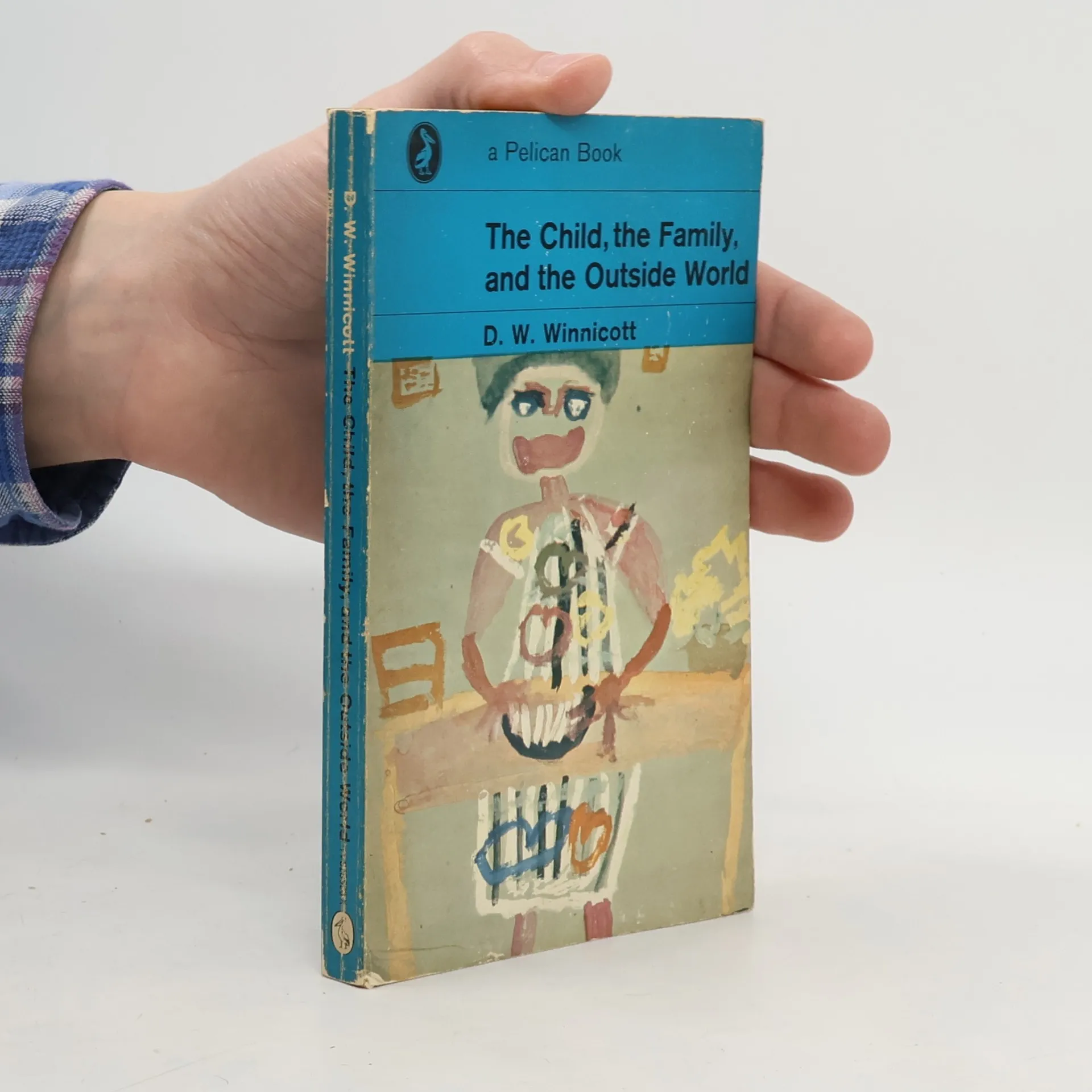
The Child, the Family and the Outside World
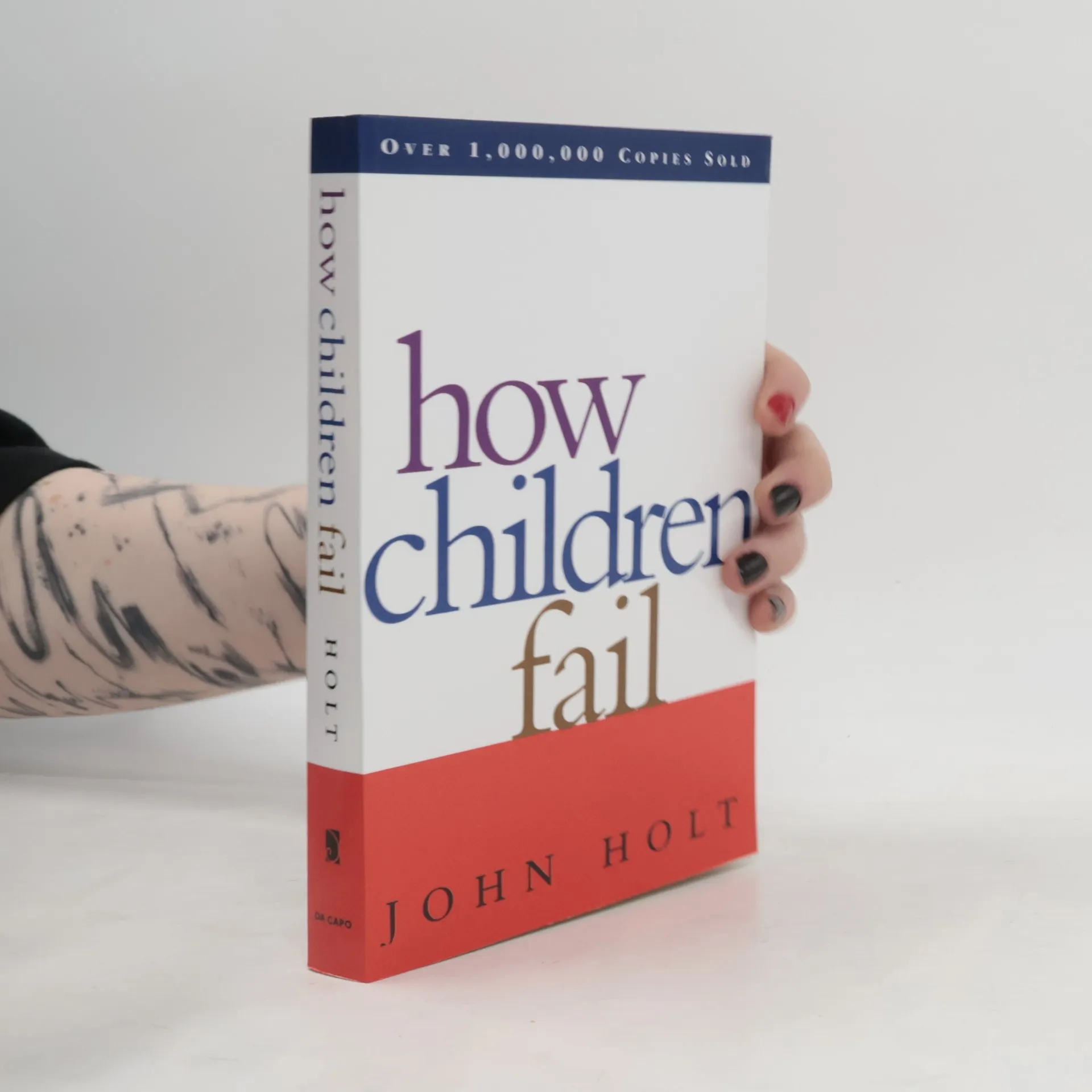
How Children Fail
Talking To Parents
Babies and Their Mothers
The Continuum Concept: In Search of Happiness Lost
How Children Learn
  • How Children Learn

    • 320bladzijden
    • 12 uur lezen

    This enduring classic of educational thought offers teachers and parents deep, original insight into the nature of early learning. John Holt was the first to make clear that, for small children, “learning is as natural as breathing.” In this delightful yet profound book, he looks at how we learn to talk, to read, to count, and to reason, and how we can nurture and encourage these natural abilities in our children.”
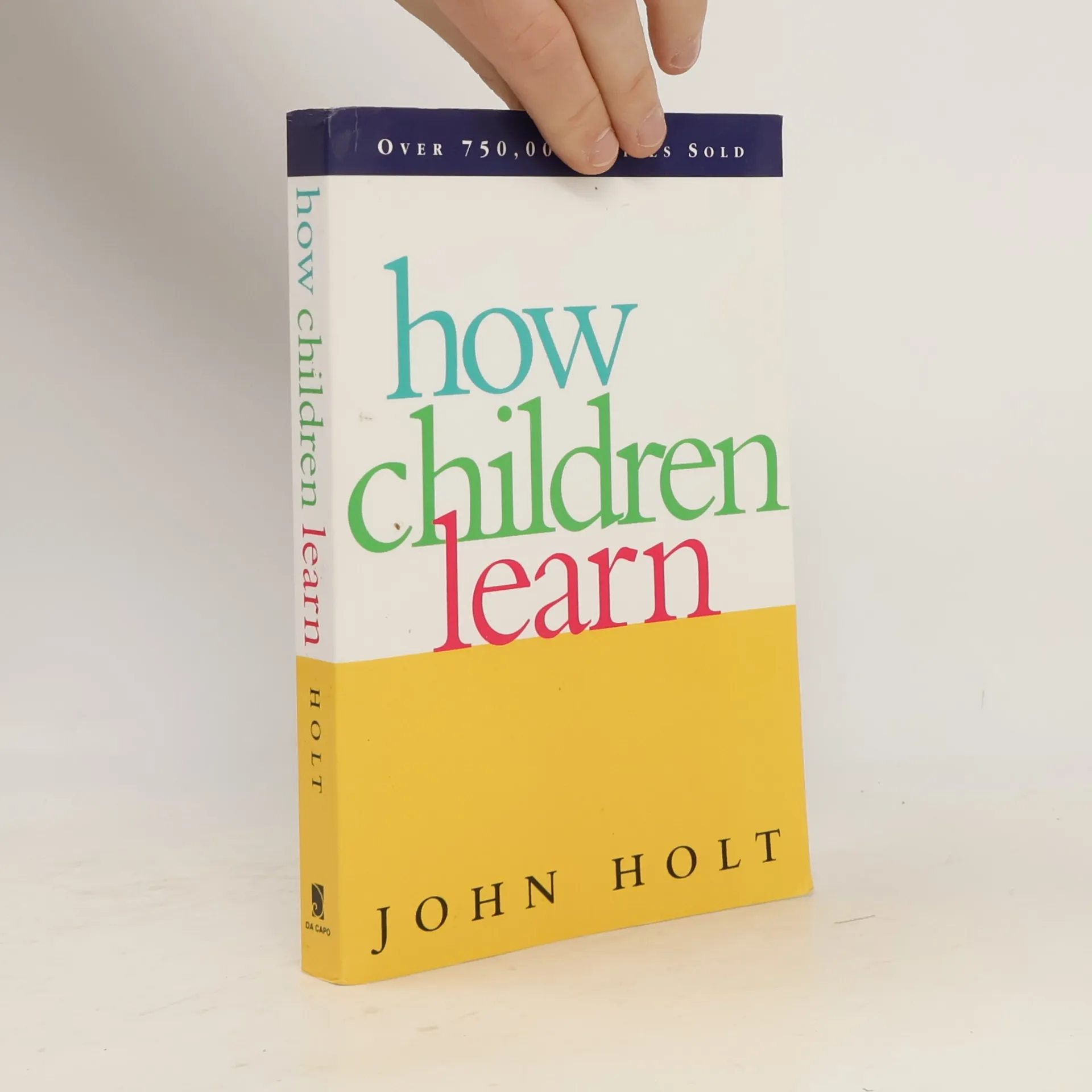
    How Children Learn
    4,4
  • Nesta obra o autor fala a um público amplo sobre as questões fundamentais da as necessidades mínimas de todo bebê, a amamentaçøo como primeiro diálogo, os primeiros sinais da personalidade e a natureza da comunicaçøo nøo-verbal no par møe-bebê.

    Babies and Their Mothers
    4,0
  • Since its first publication in 1964, this book has helped two generations of parents and teachers understand what actually happens in the classroom. Holt's astute observation of children, his clear simple style, and his lifelong conviction that we can do better by our children make How Children Fail an enduring classic.

    How Children Fail
    4,3
  • 'The greatest British psychoanalyst who ever lived. He writes beautifully and simply about the problems of everyday life' Alain de Botton The paediatrician and child psychiatrist D. W. Winnicott changed the way we think about childhood by placing the parent-infant relationship at the heart of human happiness, and by encouraging mothers and fathers to trust their own instincts. In this landmark work he follows the development of a child from their first weeks to finding their place in the wider world, touching on everything from crying and feeding to shyness, jealousy, independence and anger. His plain-speaking, humane and non-judgemental approach continues to influence our understanding of parenting today. 'His style is lucid, his manner friendly, and his years of experience provide much wise insight into child behaviour and parental attitudes' British Journal of Psychology

    The Child, the Family and the Outside World
    4,2