

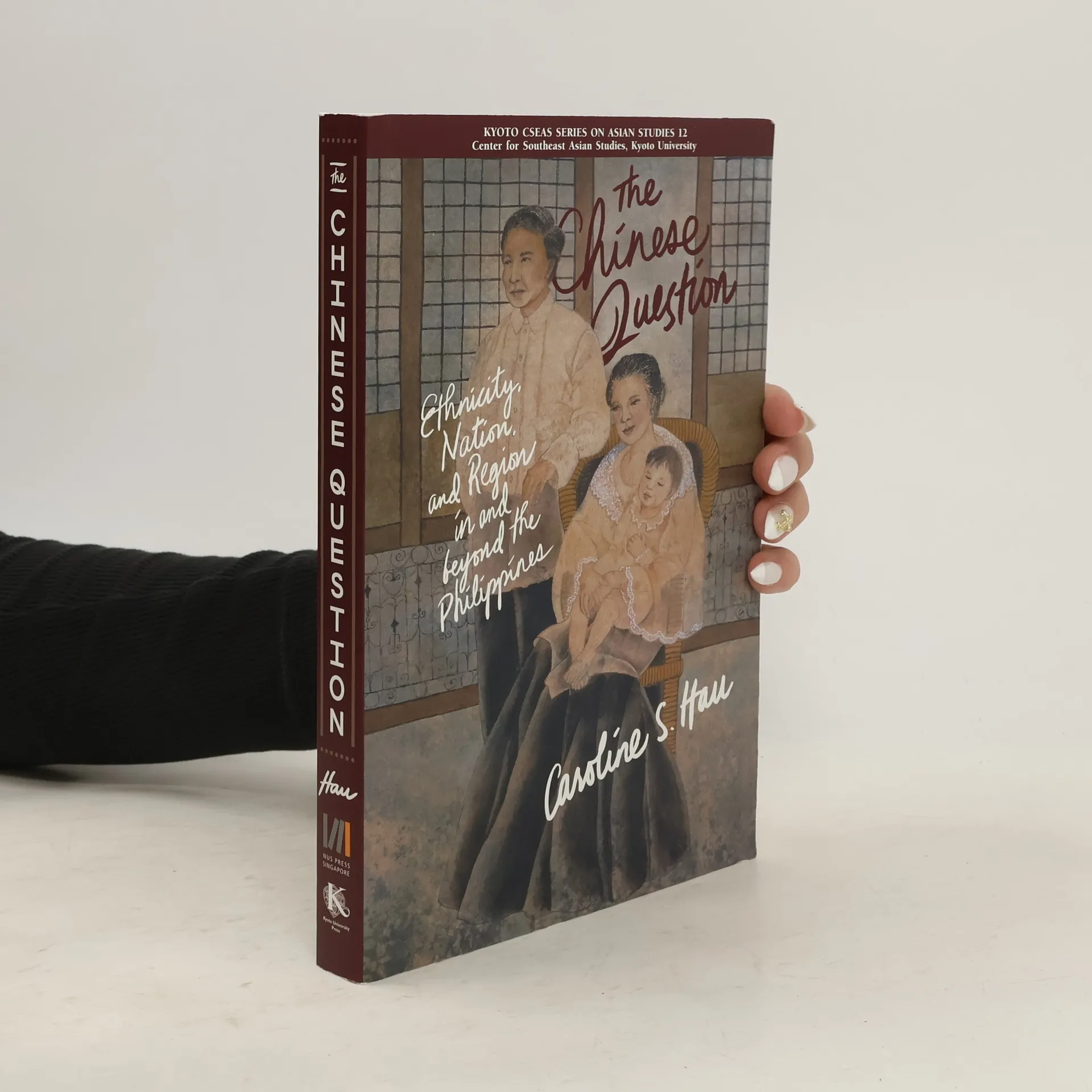
Kyoto Cseas Series on Asian Studies - 12: The Chinese Question
Ethnicity, Nation, and Region in and Beyond the Philippines
- 392bladzijden
- 14 uur lezen
The rising strength of mainland China has sparked a revival of “Chineseness” in the Philippines. Once viewed during the Cold War as economically dominant and culturally distinct, the local Chinese community is now seen as vital to East Asian economic development. This shift has led to a redefinition of “Chinese” racial and cultural identity. Philippine mestizos, once obscured within the Filipino nation, are reclaiming their Chinese heritage, moving away from a previous emphasis on “white” ancestry for claims to privilege. Concurrently, “pure Chinese” individuals are leveraging their connections for cultural and economic capital, with leaders of mainland Chinese companies forming alliances with the Filipino elite. As the meanings of “Chinese” and “Filipino” evolve, contradictions arise in citizenship and national belonging. Through an exploration of cinematic and literary works, the text illustrates how race, class, ideology, nationality, territory, sovereignty, and mobility influence national integration, regional identity, and global cosmopolitanism. This complex interplay highlights the changing landscape of identity in the Philippines amidst the backdrop of growing ties with China.