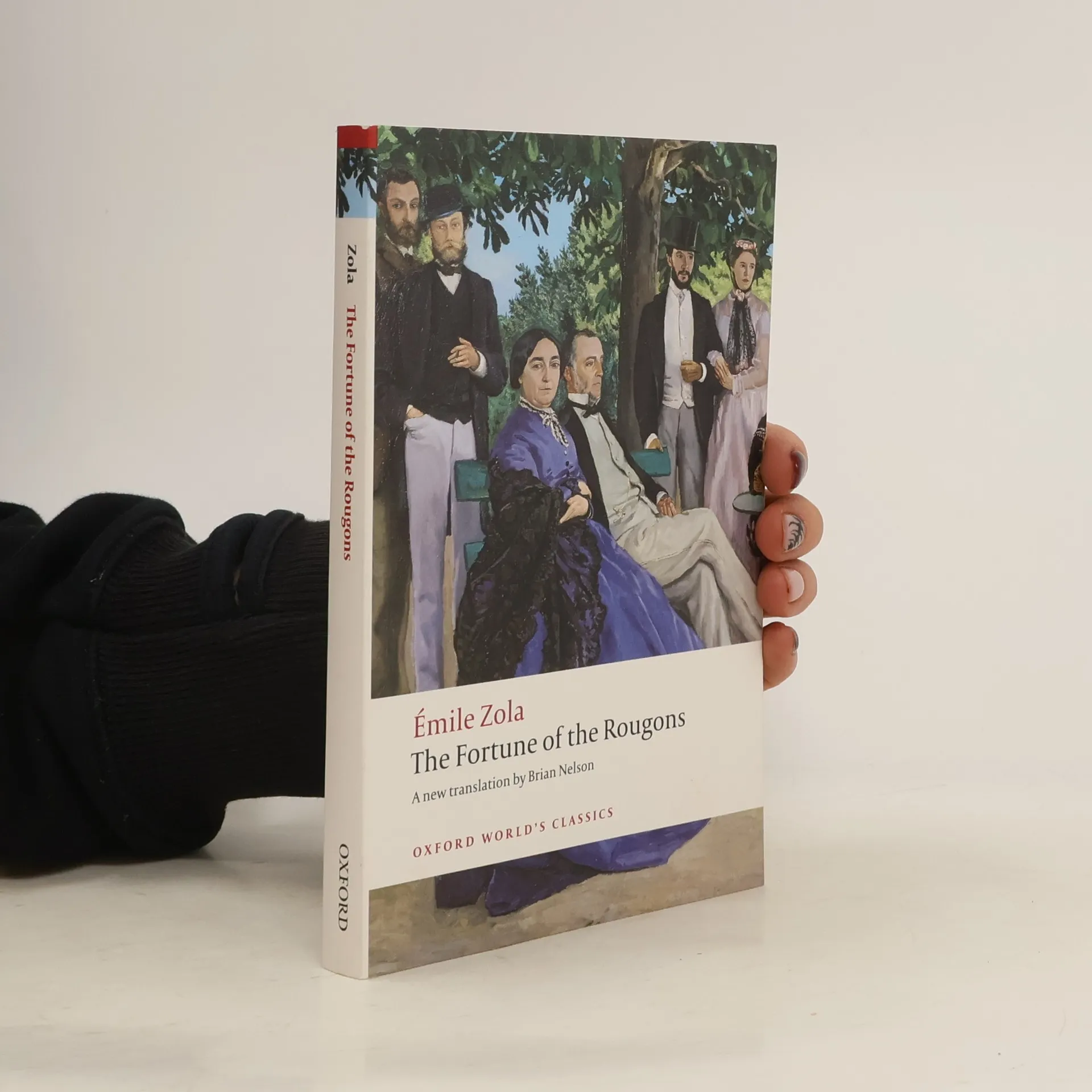
The Fortune of the Rougons is the first in Zola's famous Rougon-Macquart series of novels. Not only the inaugural novel, it is the series' founding text, establishing its genealogical basis. The family's greed and rapacity mirrors the diseased society in which it flourishes. This lively new translation is accompanied by introduction and notes.
Les Rougon-Macquart Reeks
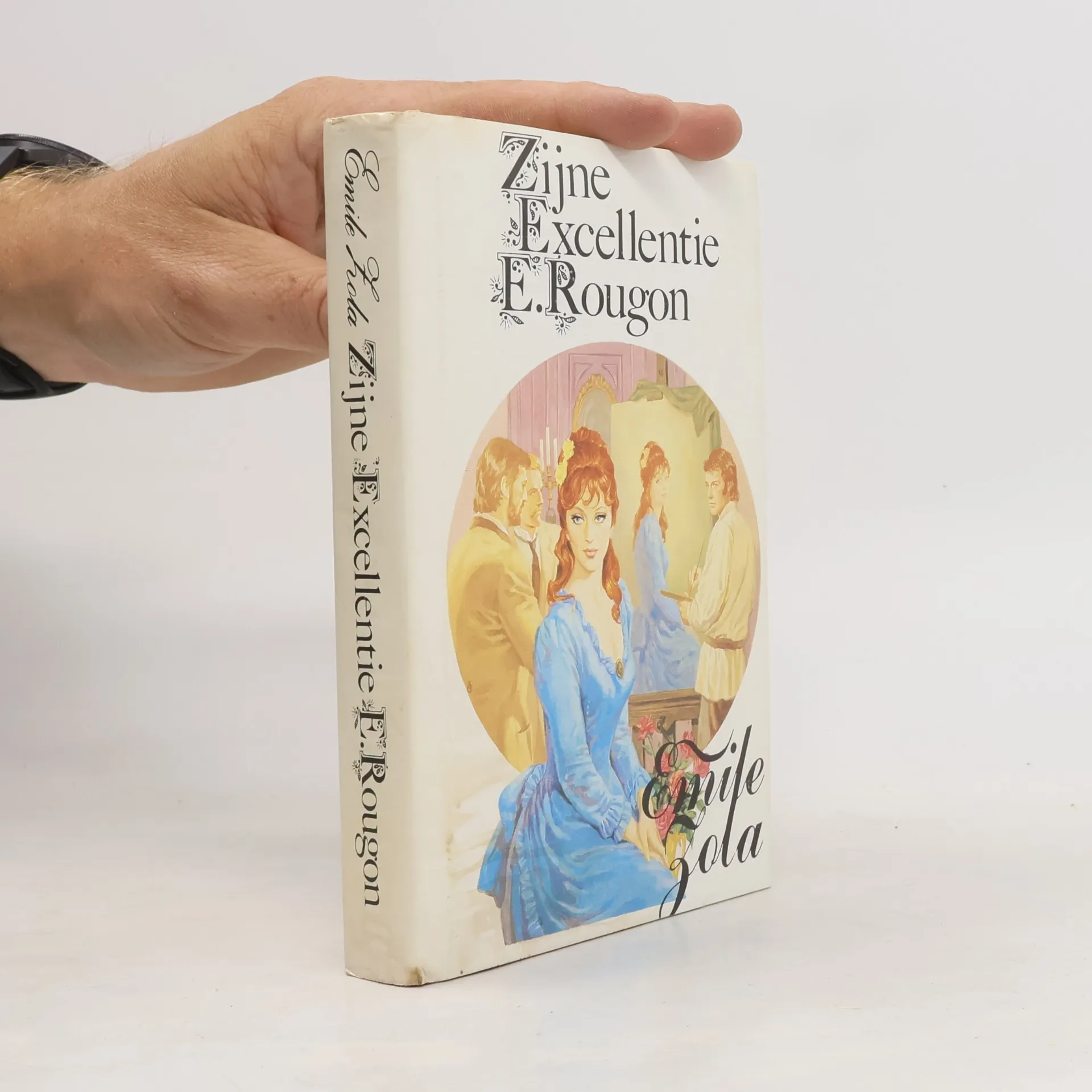
Les Rougon-Macquart is de verzamelnaam voor een reeks van twintig romans van de Franse schrijver Émile Zola. Het werk, met als ondertitel De natuurlijke en sociale geschiedenis van een familie tijdens het Tweede Keizerrijk, volgt het leven van de leden van twee takken van een fictieve familie die tijdens het Tweede Franse Keizerrijk leefden en is een van de belangrijkste werken van de Franse naturalistische literaire beweging.

Aanbevolen leesvolgorde
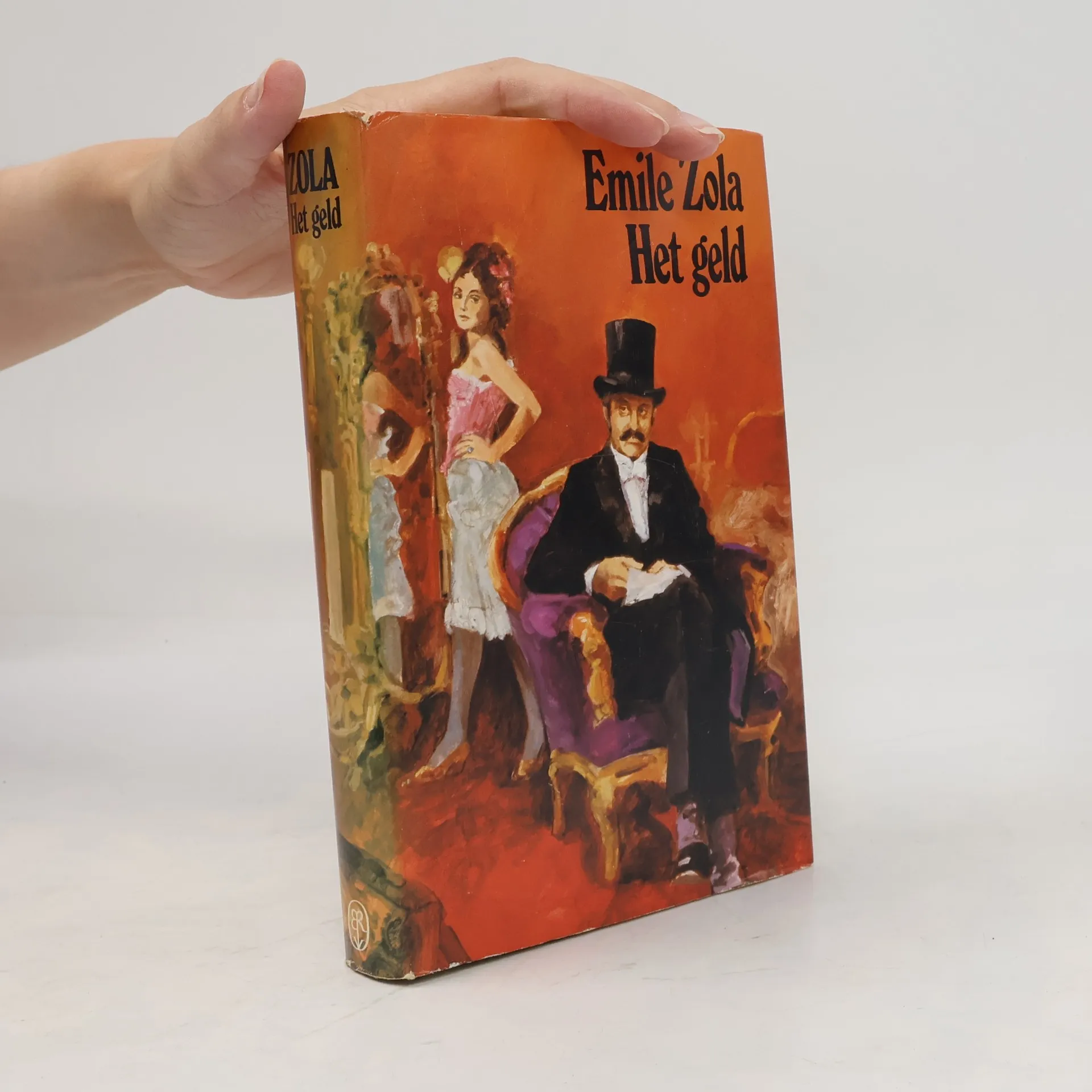
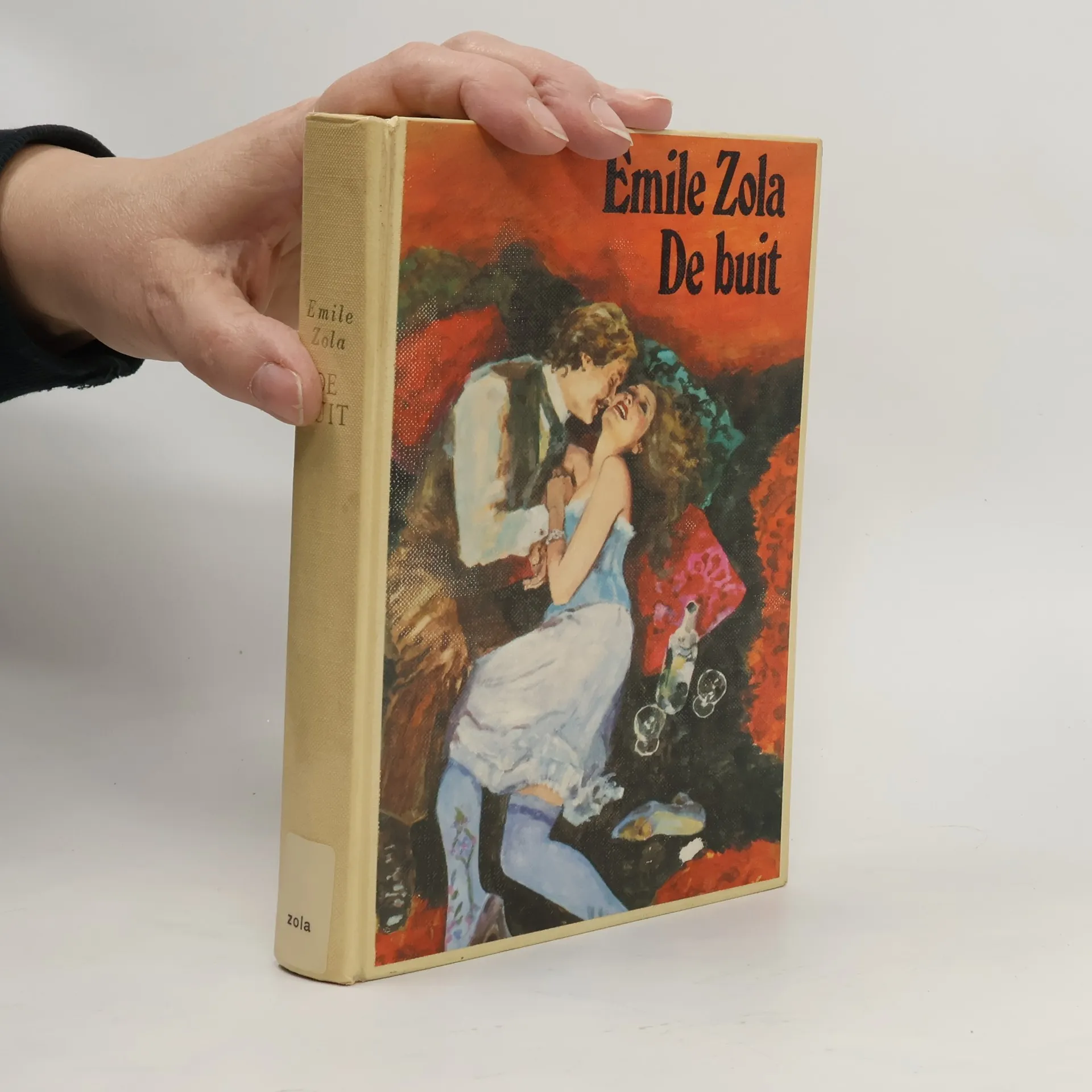
De Buit
- 320bladzijden
- 12 uur lezen
"De buit" is het verhaal van de gigantische grondspeculaties in de tijd dat Parijs vernieuwd werd en de grote boulevards ontstonden. Toen daarvoor oude gebouwen en hele straten moesten worden afgebroken vielen er fortuinen te verdienen en stortten de speculanten zich als aasgieren op de stad. Wie had kunnen dromen dat een onbeduidende straatarme klerk uit de provincie met een duister verleden, zich als één van de meest gewetenlozen onder hen zou ontpoppen? Misschien aleen zijn eerte vrouw die op haar sterfbed aan moet horen hoe hij zijn volgende huwelijk met een jonge rijke erfgename voorbereidt. Saccard noemt hij zich, deze man die even verzot is op geld als zijn nieuwe echtegnote op de liefde blijkt te zijn. In één opzicht passen ze goed bij elkaar: geen van beiden heeft last van een geweten als het erom gaat hun allesoverheersende hartstocht te bevredigen...
In Het Geld speelt evenals in De Buit de speculant Saccard weer een hoofdrol. Na de laatste schandaalverwekkende, noodlottige grondspeculatie waaruit hij slechts met moeite het vege lijf had weten te redden, leefde bij hem het sterke verlangen naar revanche. Samen met de idealistische ingenieur Hamelin sticht hij De Banque Universelle, waarin ook De Schatkist van het Heilige Graf is opgenomen die de Paus in staat moet stellen zich mettertijd in Jeruzalem te vestigen. Als Saccard bij de beurskoning Gundermann en zijn broer Rougon aanklopt om hulp en deze hem wordt geweigerd, besluit hij hen te vernietigen en het spel hoog te spelen waardoor Parijs of aan zijn voeten zal komen te liggen of hem gebroken zal uitwerpen in de goot. Op grootse wijze beschrijft Zola het speculeren, de eeuwige begeerte, die dwingt tot liefde en haat.
The Dream
- 256bladzijden
- 9 uur lezen
In The Dream, the sixteenth novel in the Rougon-Macquart series, Zola blends mysticism and fairy tale with naturalism as an orphan girl falls in love with a nobleman.
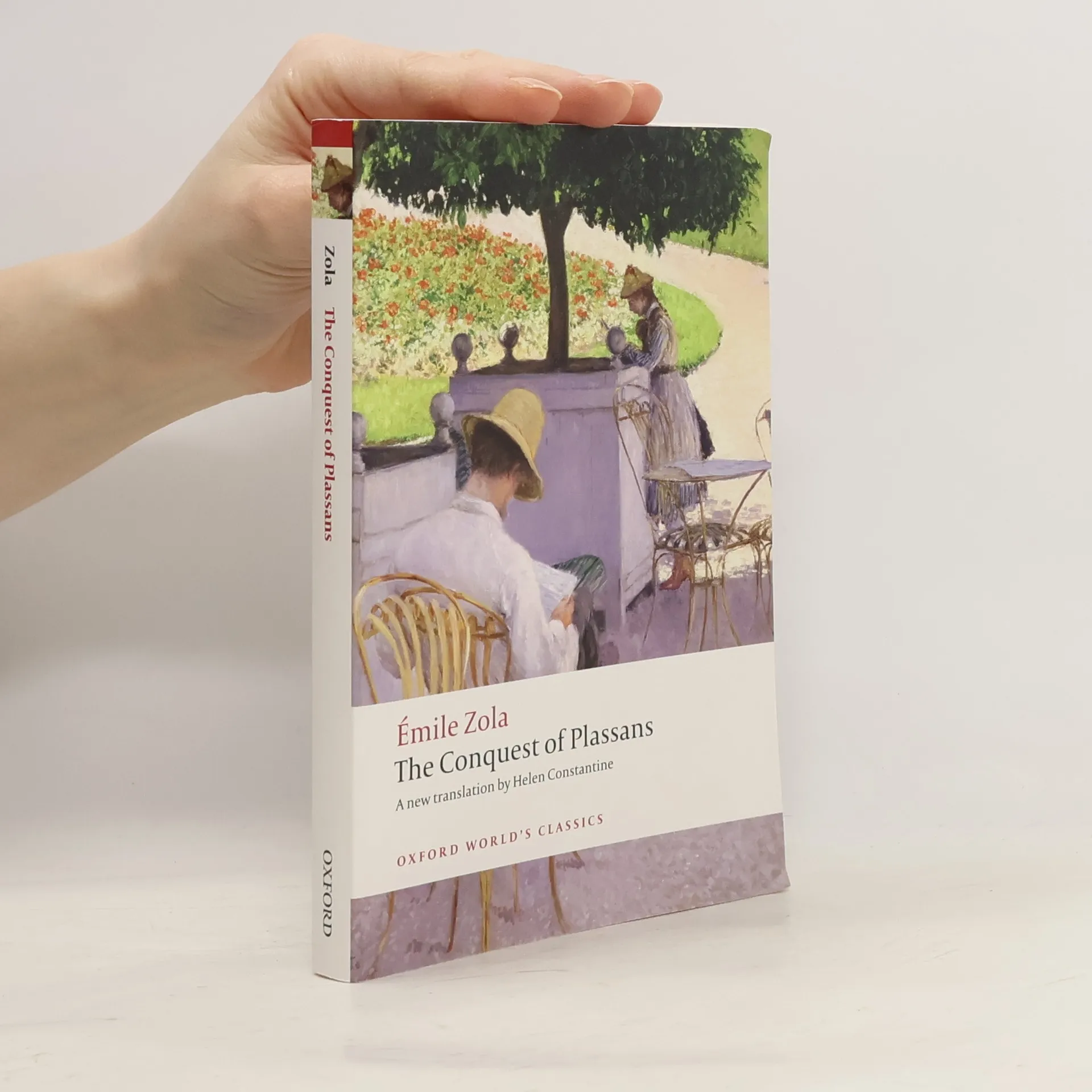
The Conquest of Plassans
- 307bladzijden
- 11 uur lezen
An ambitious and unscrupulous priest arrives in the provincial town of Plassans, intent on conquering its political and social life. His arrival has profound consequences for the Mouret family, whose lives are turned upside down. This is the fourth novel in Zola's Rougon-Macquart series, and the first modern translation for more than fifty years.
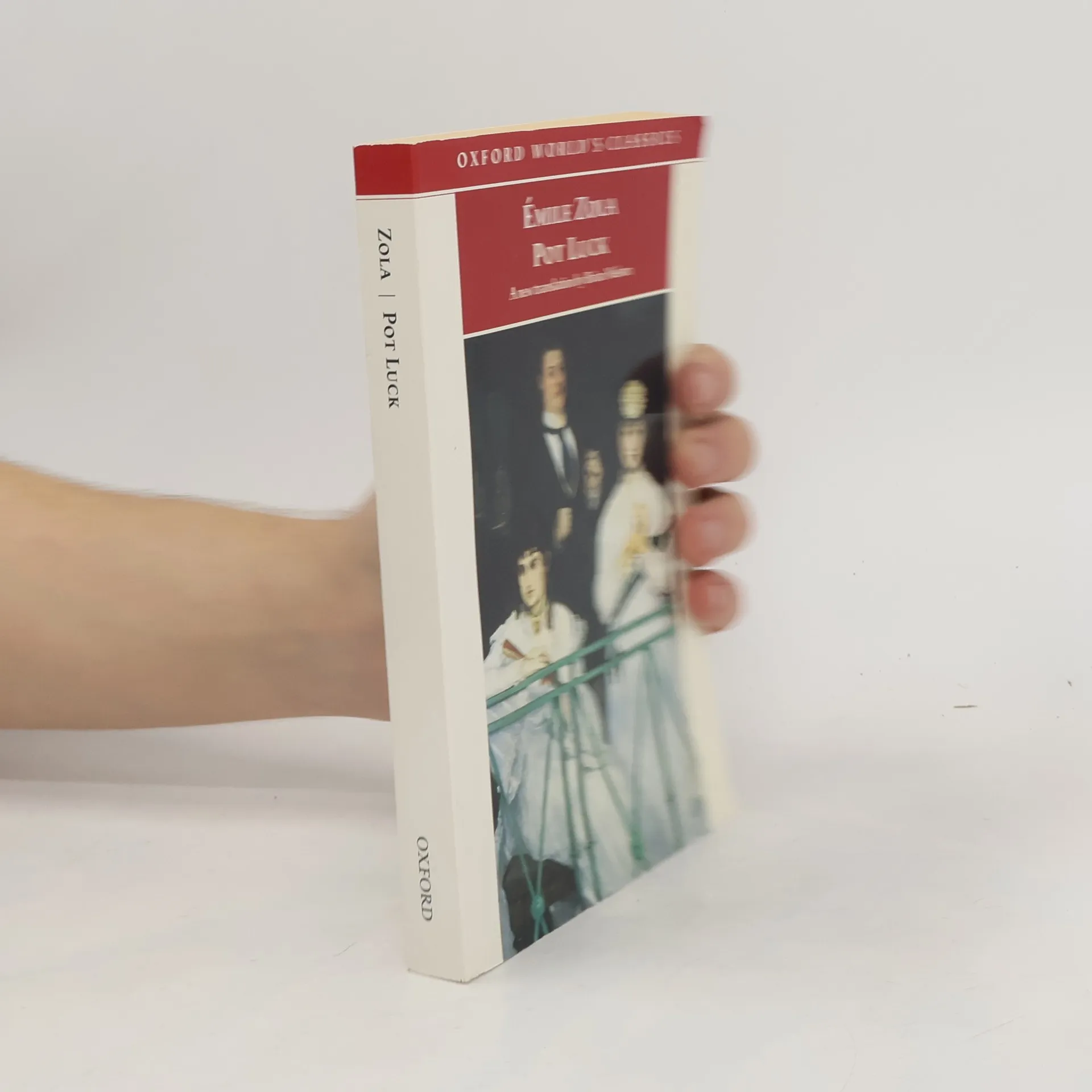
Pot Luck
- 416bladzijden
- 15 uur lezen
Pot Luck , Zola's most acerbic satire, describes daily life in a newly constructed block of flats in late nineteenth-century Paris. In examining the contradictions that pervade bourgeois life, Zola reveals a multitude of betrayals and depicts a veritable 'melting pot' of moral and sexualdegeneracy. This new translation captures the robustness of Zola's language and restores the omissions of earlier abridged versions.
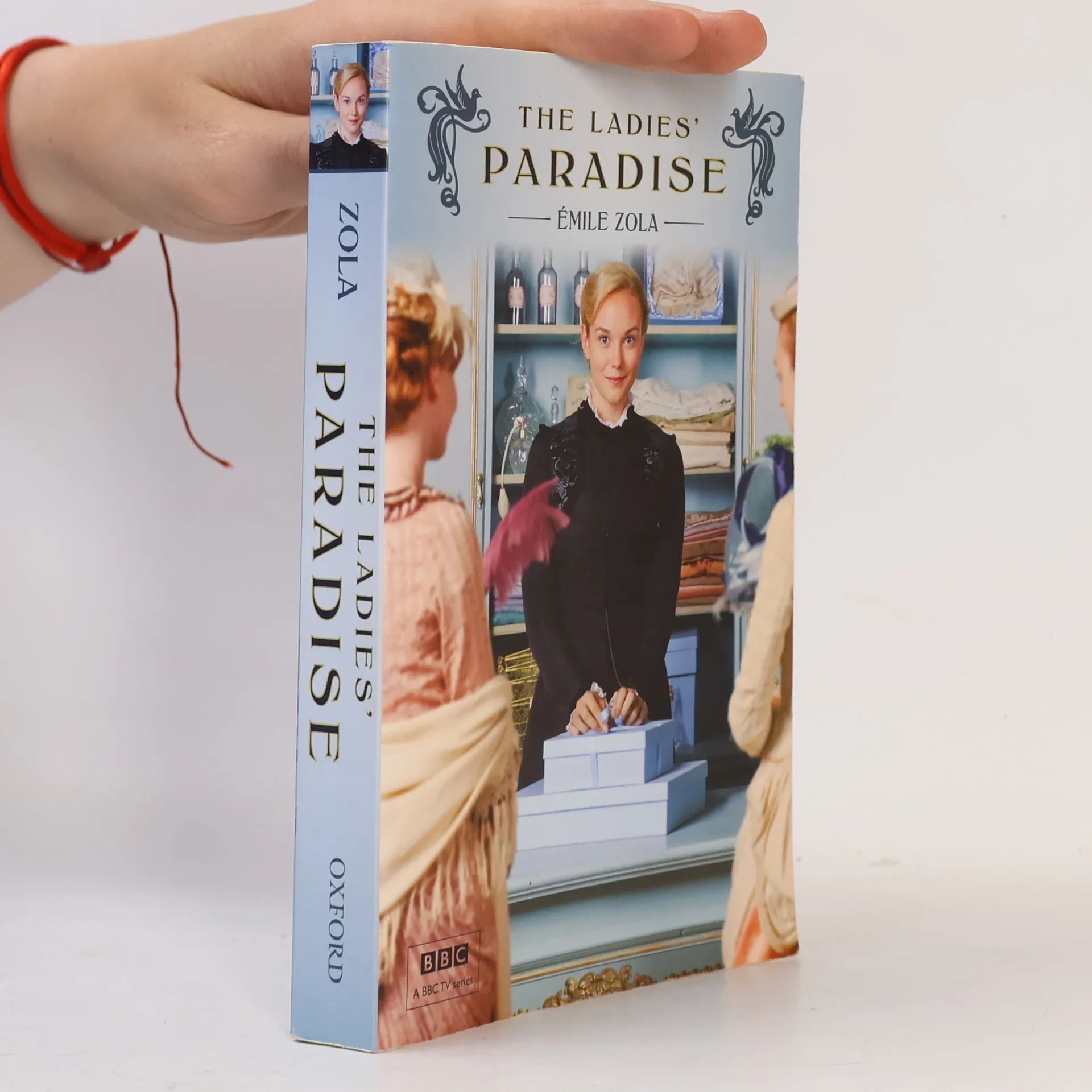
The Ladies' Paradise is a compelling story of ambition and love set against the backdrop of the spectacular rise of the department store in 1860s Paris. Octave Mouret is a business genius who transforms a modest draper's shop into a hugely successful retail enterprise, masterfully exploiting the desires of his female customers and ruining small competitors along the way. Through the eyes of trainee salesgirl Denise we see the inner workings of the store and the relations and intrigues among the staff, human dramas played out alongside the relentless pursuit of commercial supremacy.
The Sin of Abbé Mouret is the fifth novel in Zola's Rougon-Macquart series. It follows Serge Mouret, a young priest, aspiring to perfect purity and sanctity. An illness leaves him with amnesia, and no longer knowing he is a priest, he falls in love with his nurse. Together they roam an Eden-like garden called the 'Paradou'.
A Love Story
- 306bladzijden
- 11 uur lezen
A fascinating study in sexual psychology and sexual politics, the novel focuses on Helene Grandjean, a widow, and her shifting emotional states. This is the eighth novel in Zola's Rougon-Macquart series, and the first modern translation for more than fifty years.
Amidst the deep silence and solitude prevailing in the avenue several market gardeners' carts were climbing the slope which led towards Paris, and the fronts of the houses, asleep behind the dim lines of elms on either side of the road, echoed back the rhythmical jolting of the wheels. At the Neuilly bridge a cart full of cabbages and another full of peas had joined the eight waggons of carrots and turnips coming down from Nanterre; and the horses, left to themselves, had continued plodding along with lowered heads, at a regular though lazy pace, which the ascent of the slope now slackened. The sleeping waggoners, wrapped in woollen cloaks, striped black and grey, and grasping the reins slackly in their closed hands, were stretched at full length on their stomachs atop of the piles of vegetables. Every now and then, a gas lamp, following some patch of gloom, would light up the hobnails of a boot, the blue sleeve of a blouse, or the peak of a cap peering out of the huge florescence of vegetables-red bouquets of carrots, white bouquets of turnips, and the overflowing greenery of peas and cabbages.
The Bright Side of Life
- 368bladzijden
- 13 uur lezen
When Pauline Quenu is taken to the seaside to live with her relatives, her love of life contrasts with the pessimism which infects the family. This is the twelfth novel in Zola's Rougon-Macquart series, remarkable for it's depictions of intense emotions and physical and mental suffering.
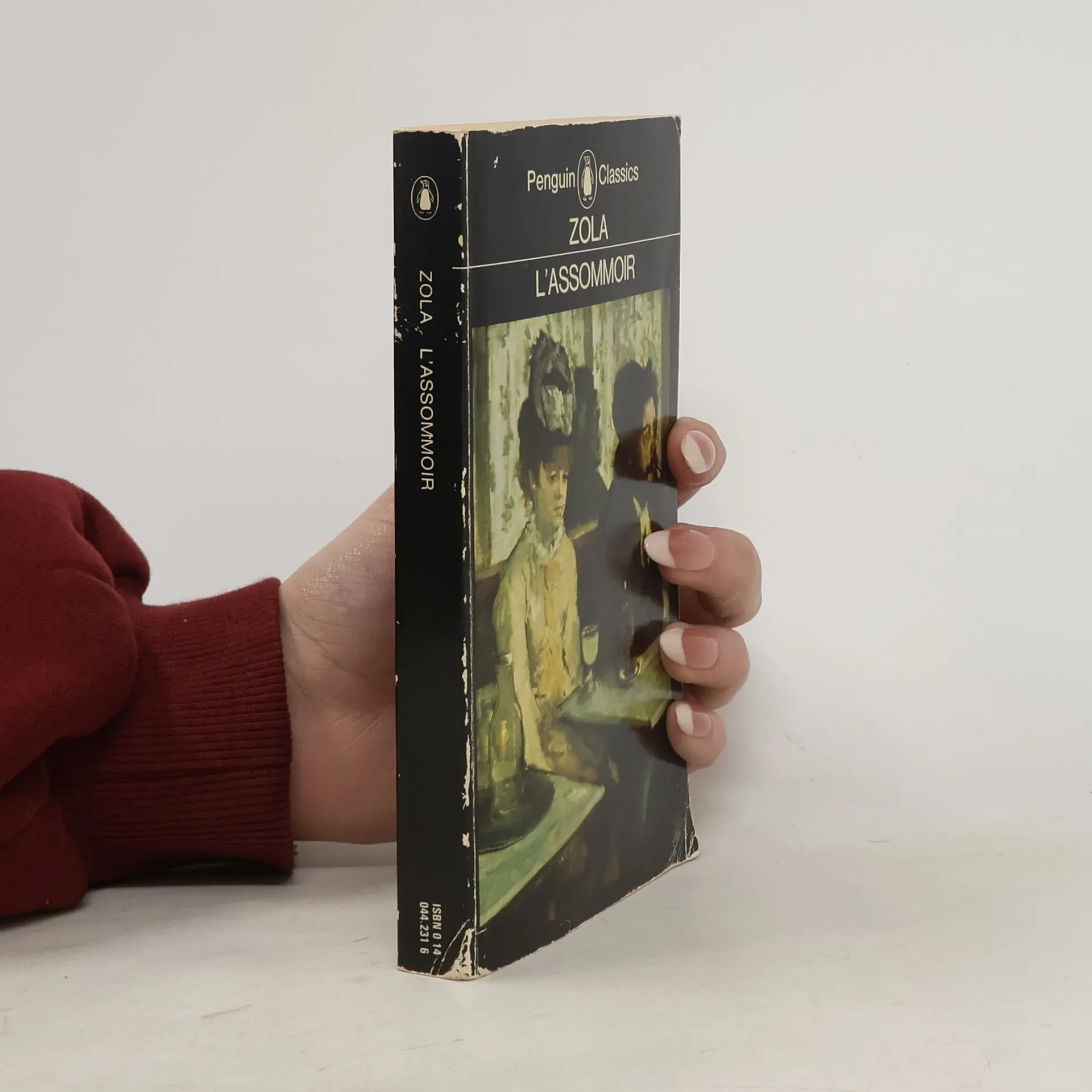
The seventh novel in Zola's Rougon-Macquart cycle, The Assommoir is the story of a woman's struggle for happiness in working-class Paris.
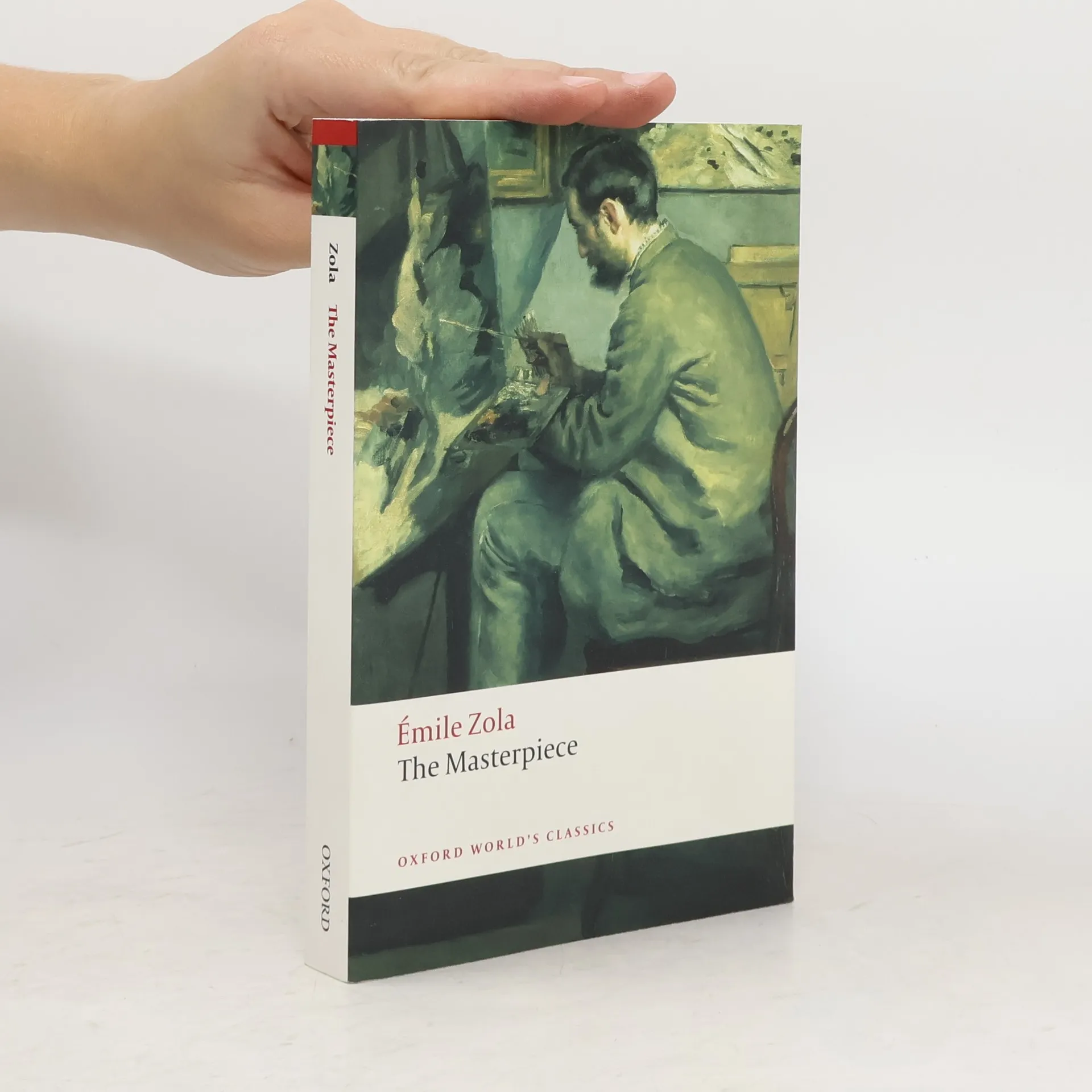
The Masterpiece
- 366bladzijden
- 13 uur lezen
The Masterpiece is the tragic story of Claude Lantier, an ambitious and talented young artist from the provinces who has come to conquer Paris and is conquered by the flaws in his own genius. While his boyhood friend Pierre Sandoz becomes a successful novelist, Claude's originality is mocked at the Salon and turns gradually into a doomed obsession with one great canvas. Life - in the form of his model and wife Christine and their deformed child Jacques - is sacrificed on the altar of Art. The Masterpiece is the most autobiographical of the twenty novels in Zola's Rougon-Macquart series. Set in the 1860s and 1870s, it provides a unique insight into his career as a writer and his relationship with Cézanne, a friend since their schooldays in Aix-en-Provence. It also presents a well-documented account of the turbulent Bohemian world in which the Impressionists came to prominence despite the conservatism of the Academy and the ridicule of the general public.
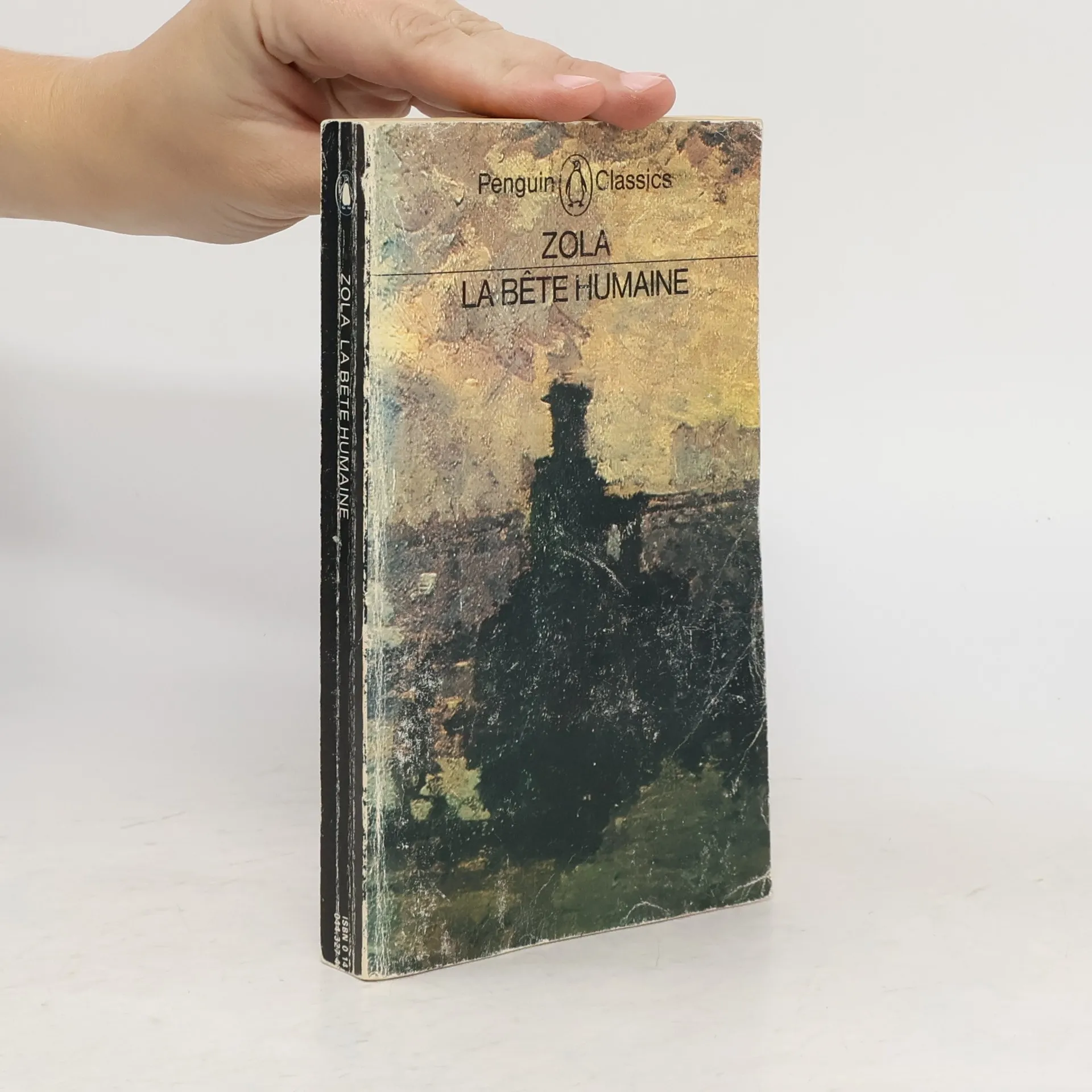
La Bête humaine
- 368bladzijden
- 13 uur lezen
One of Zola's most violent works, this novel is on one level a tale of murder and possession, and on another a compassionate study of individuals derailed by atavistic forces beyond their control. It evokes life at the end of the Second Empire in France, and a society hurtling towards the future.
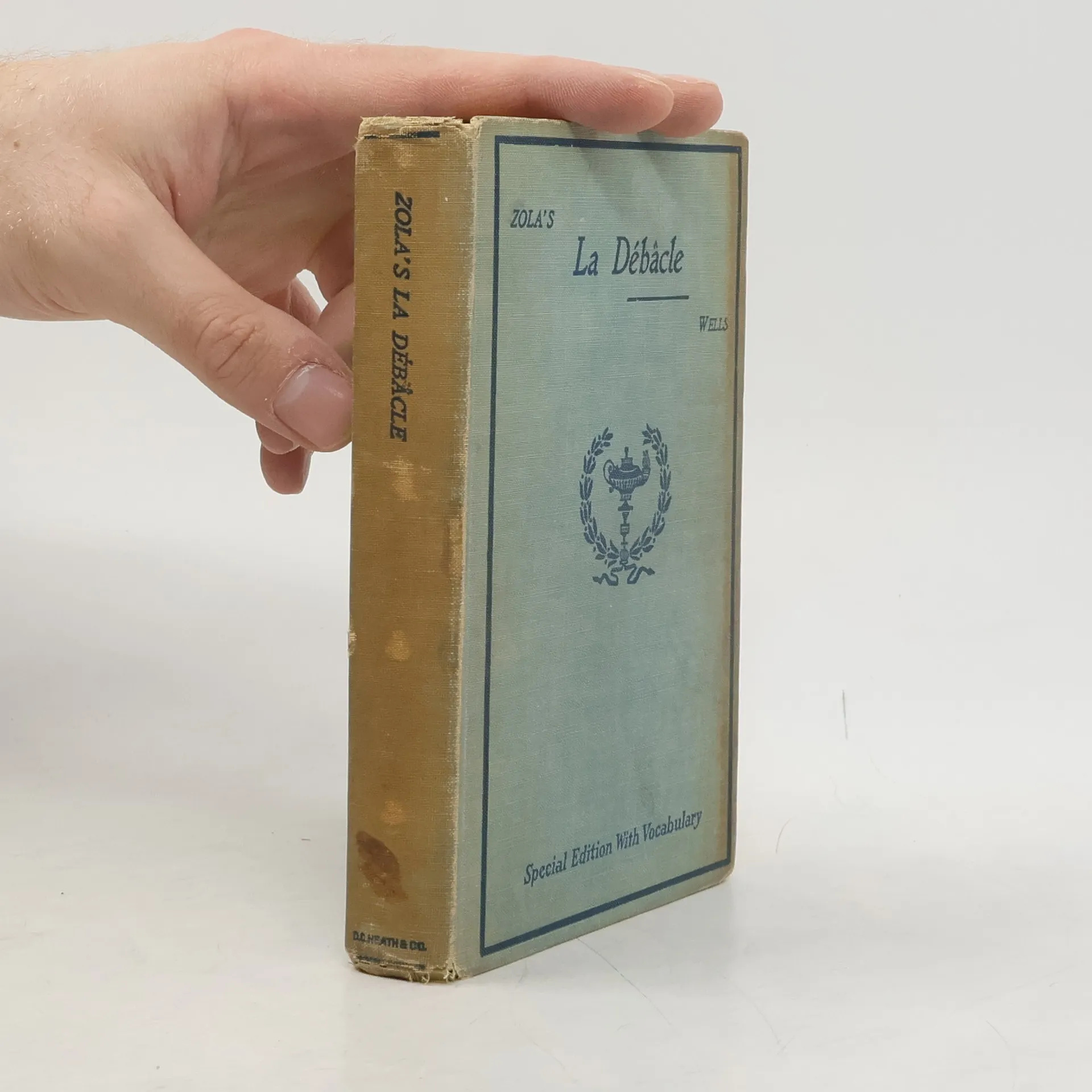
This is a pre-1923 historical reproduction that was curated for quality. Quality assurance was conducted on each of these books in an attempt to remove books with imperfections introduced by the digitization process. Though we have made best efforts - the books may have occasional errors that do not impede the reading experience. We believe this work is culturally important and have elected to bring the book back into print as part of our continuing commitment to the preservation of printed works worldwide.
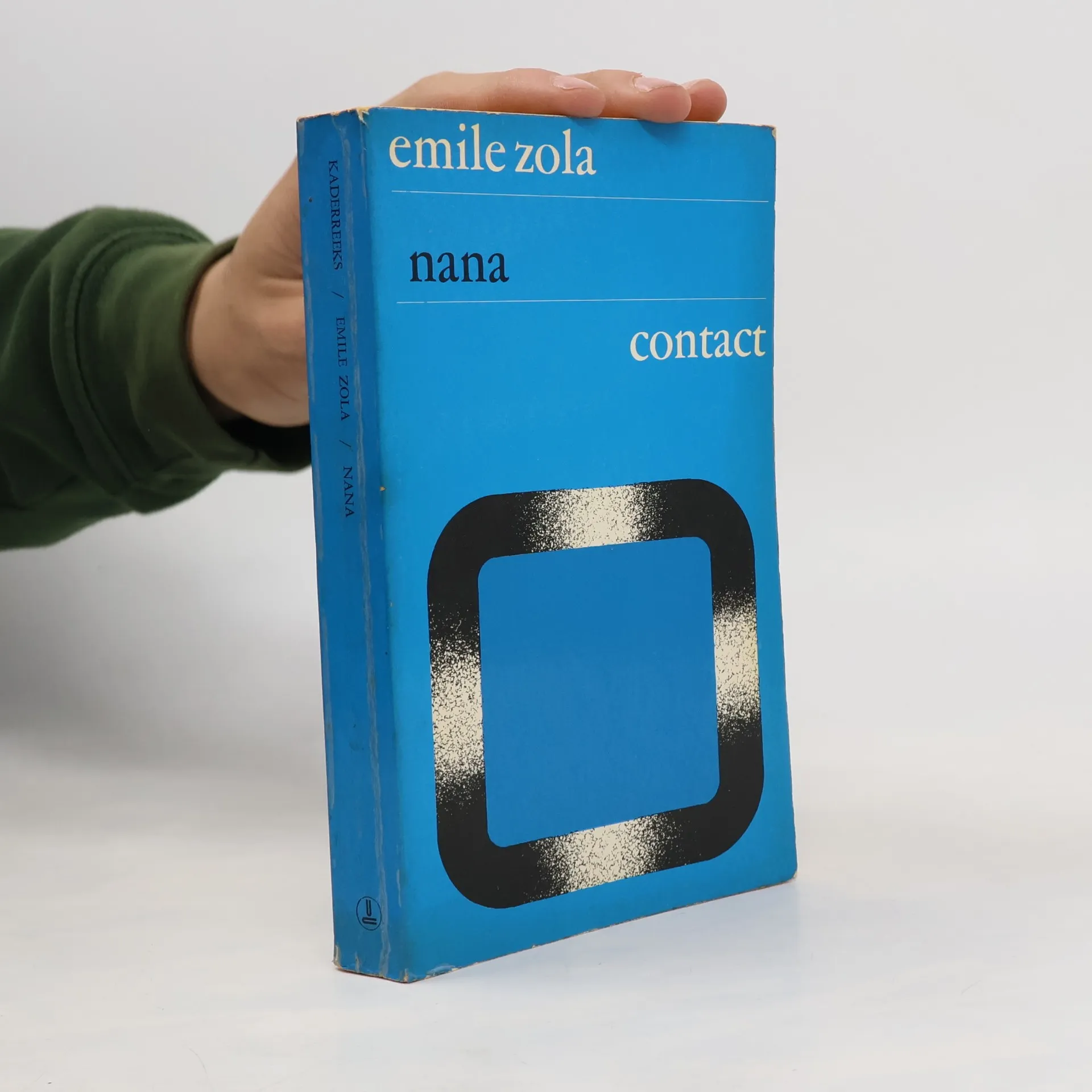
Door een zo objectief mogelijke beschrijving trachtten de naturalisten in de negentiende eeuw de werkelijkheid zo natuurgetrouw mogelijk te benaderen. Zola echter lardeerde zijn beschrijvingen met poëtische vrijheden waardoor zijn werk verstoken is van de dorheid vele naturalisten eigen. Nana behoort tot zijn uit twintig delen bestaande 'les Rougon-Macquart'. In dit levenswerk poogde hij het leven in de tweede helft van de negentiende eeuw, in al zijn facetten, in te lijven. Nana is een uitgesproken negentiende eeuwse vrouw: la femme fatale, de vrouw voor wie de mannen gelijk dominostenen vielen. Nana, de uit het wulpse vlees geknede volksvrouw die de heren uit de hoge kringen tot wanhoop dreef. Op weergaloze wijze beschrijft het boek de keerzijde van de glinsterende medaille van Parijs in 1850: volgevreten decadentie, een rotte appel in een glimmende schil.
Zola's novel of peasant life describes the disintegration of the Fouan family when Papa Fouan decides to divide his land between his three children. Greed and violence feed a bitter struggle for supremacy. This new translation captures the novel's blend of brutality and lyricism in its evocation of the inexorable cycle of the natural world.
Émile Zola is regarded as one of the most significant French novelists of the 19th century and a founder of Naturalism. He initially published loosely connected novels and worked as a journalist before conceptualizing most of his works as part of a cycle that illuminates the social and political realities of his time. The twenty novels in this series narrate the family saga of the Rougons and Macquarts, addressing the conflict between the bourgeoisie and the working class. Zola, a moderate leftist, aimed to enrich conservative French literature with progressive elements. The novels are arranged in chronological order and tackle central societal issues. The cycle includes titles such as "The Fortune of the Rougons," "Nana," "Germinal," and "Doctor Pascal," each depicting various aspects of life under the Second Empire. Zola's work is considered crucial for understanding the social structures and conflicts of his era and has left a lasting impact on literature.
Doctor Pascal is the twentieth and final novel in Zola's great Rougon-Macquart series. Pascal Rougon has spent his life chronicling the hereditary patterns and illnesses of his family, using medicine to attempt cures, whilst his niece Clotilde places her faith in God.