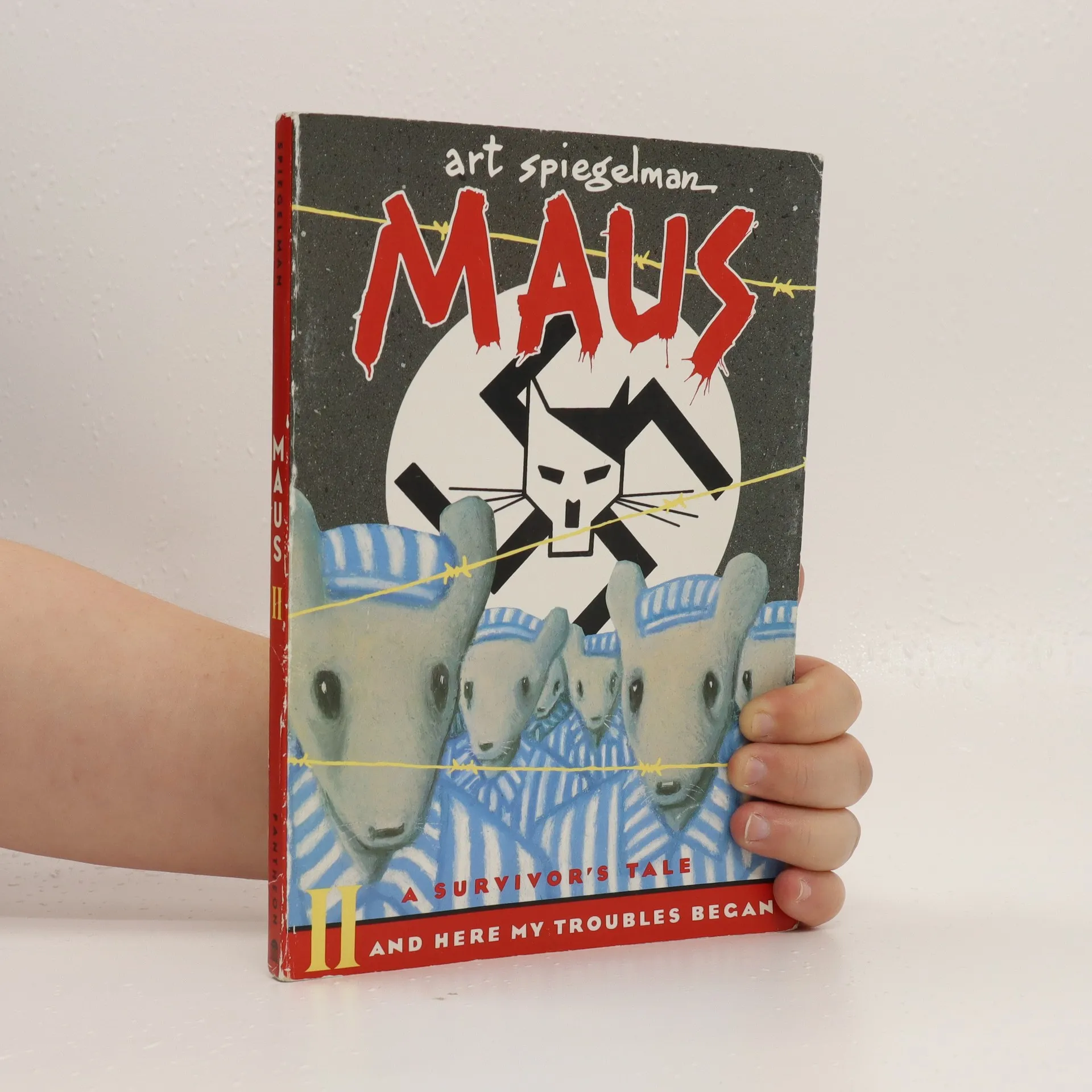
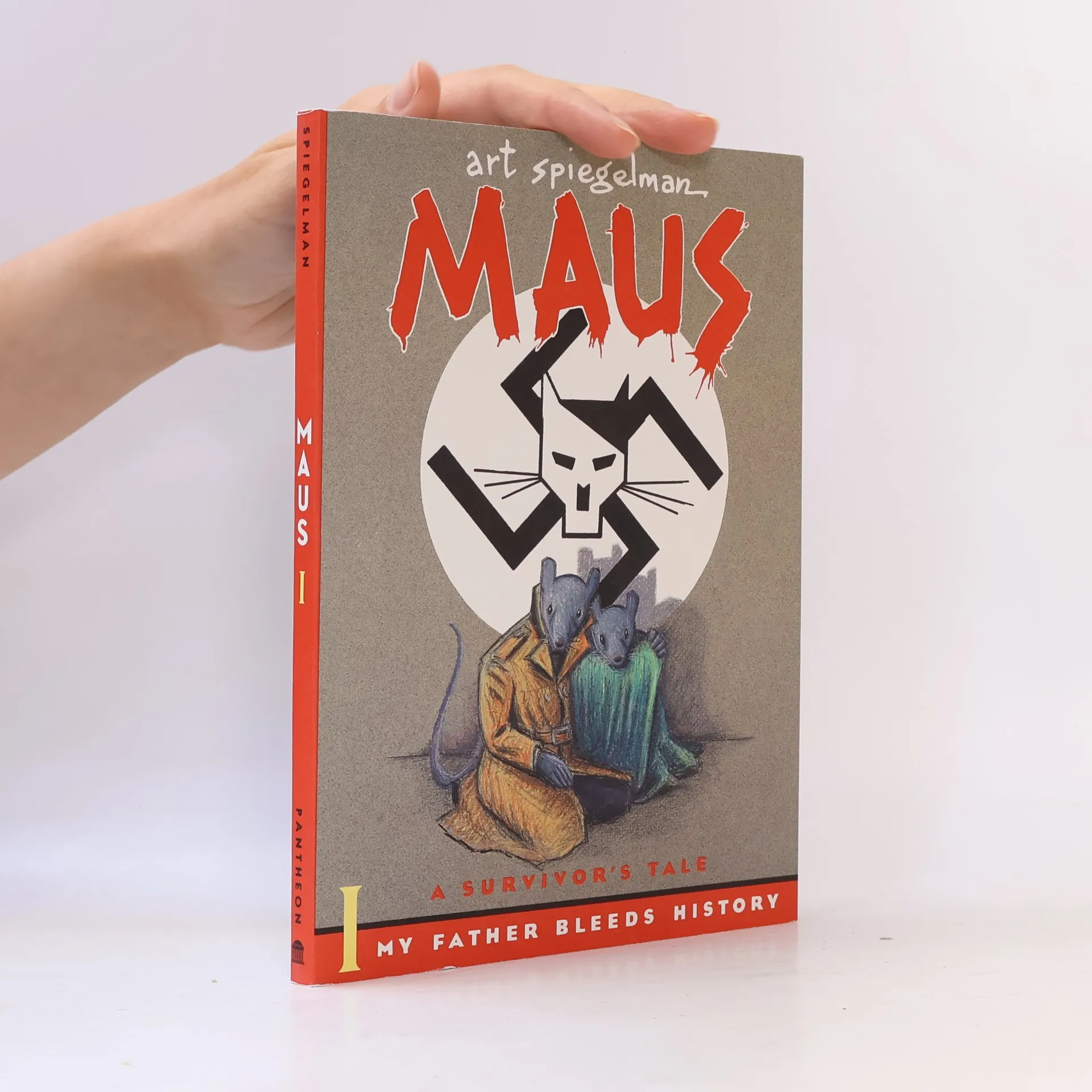
Deze aangrijpende serie duikt in de diepten van het menselijk geheugen en trauma, waarbij metaforen van dieren worden gebruikt om de verschrikkingen van de Tweede Wereldoorlog uit te beelden. Het verkent de complexe relaties tussen ouders en kinderen, en gaat op zowel persoonlijke als collectieve schaal om met de geschiedenis. De werken combineren meesterlijk grafische verhalen met een diepe emotionele resonantie. Het biedt een krachtige en onvergetelijke ervaring die tot diepe reflectie aanzet.
Maus is a haunting tale within a tale. Vladek's harrowing story of survival is woven into the author's account of his tortured relationship with his aging father. Against the backdrop of guilt brought by survival, they stage a normal life of small arguments and unhappy visits.
The bestselling second installment of the graphic novel acclaimed as “the most affecting and successful narrative ever done about the Holocaust” (Wall Street Journal) and “the first masterpiece in comic book history” (The New Yorker) • PULITZER PRIZE WINNER • One of Variety’s “Banned and Challenged Books Everyone Should Read” A brutally moving work of art—widely hailed as the greatest graphic novel ever written—Maus recounts the chilling experiences of the author’s father during the Holocaust, with Jews drawn as wide-eyed mice and Nazis as menacing cats. Maus is a haunting tale within a tale, weaving the author’s account of his tortured relationship with his aging father into an astonishing retelling of one of history's most unspeakable tragedies. It is an unforgettable story of survival and a disarming look at the legacy of trauma.
NATIONAL JEWISH BOOK AWARD WINNER • Visually and emotionally rich, MetaMaus is as groundbreaking as the masterpiece whose creation it reveals • Featured in the documentary Art Spiegelman: Disaster Is My Muse In the pages of MetaMaus, Art Spiegelman re-enters the Pulitzer Prize–winning Maus, the modern classic that has altered how we see literature, comics, and the Holocaust ever since it was first published decades ago. He probes the questions that Maus most often evokes—Why the Holocaust? Why mice? Why comics?—and gives us a new and essential work about the creative process. Compelling and intimate, MetaMaus is poised to become a classic in its own right.