

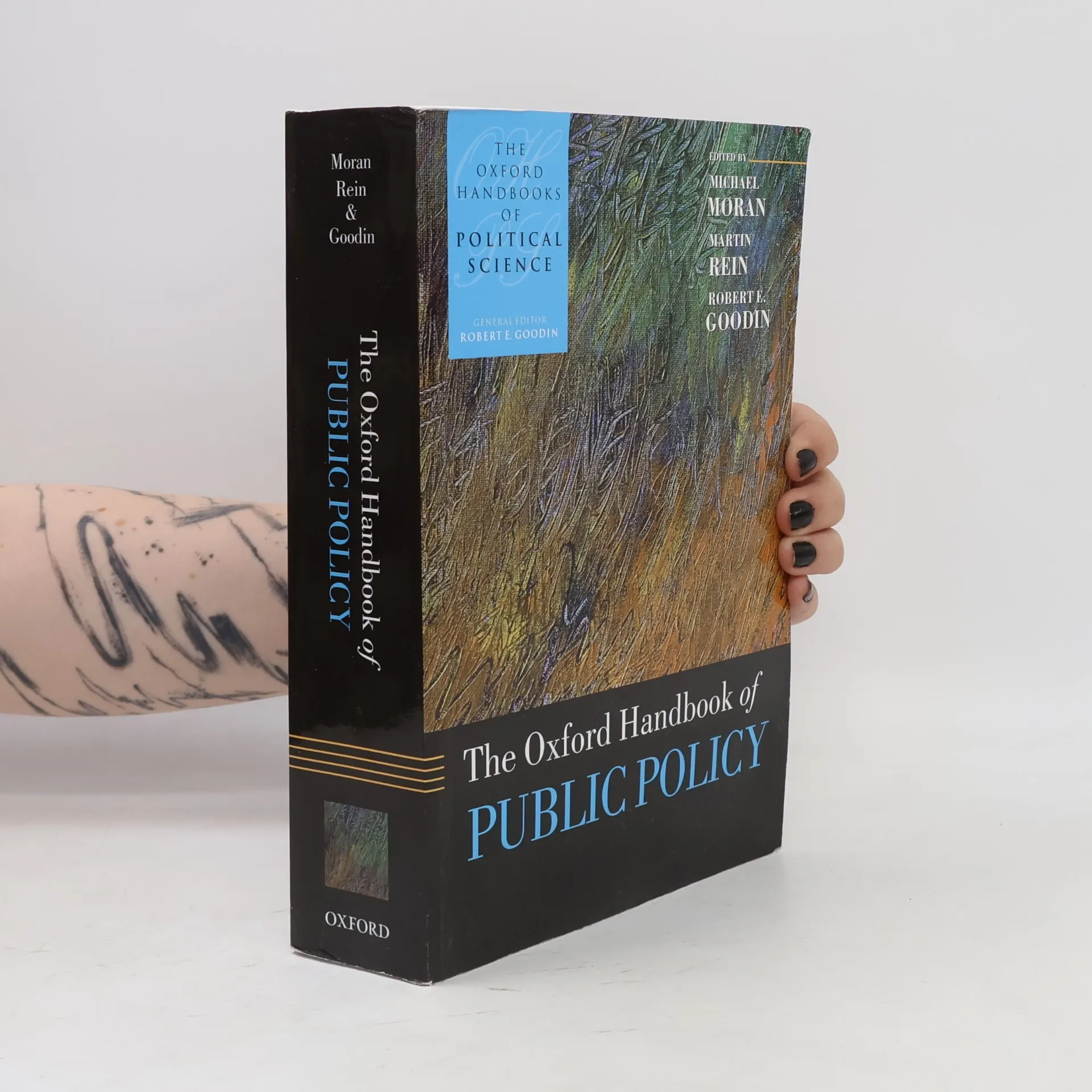
This is part of a ten volume set of reference books offering authoritative and engaging critical overviews of the state of political science. This work explores the business end of politics, where theory meets practice in the pursuit of public good.
The Oxford Handbooks of Political Science Reeks
Deze uitgebreide serie biedt gezaghebbende en inzichtelijke overzichten van de kerngebieden binnen de politicologie. Elke band duikt in een specifiek gebied, met onderwerpen van politieke theorie en vergelijkende politiek tot internationale betrekkingen en methodologie. Het dient als een onmisbare bron voor academici en onderzoekers die het huidige landschap en de toekomstige richtingen van de discipline willen begrijpen. De collectie is erop gericht niet alleen de stand van de politicologie te rapporteren, maar ook de voortdurende ontwikkeling ervan actief vorm te geven.

The Oxford Handbooks of Political Science are the essential guide to the state of political science today. With engaging contributions from major international scholars, The Oxford Handbook of Law and Politics provides the key point of reference for anyone working on the interception between law and political science.
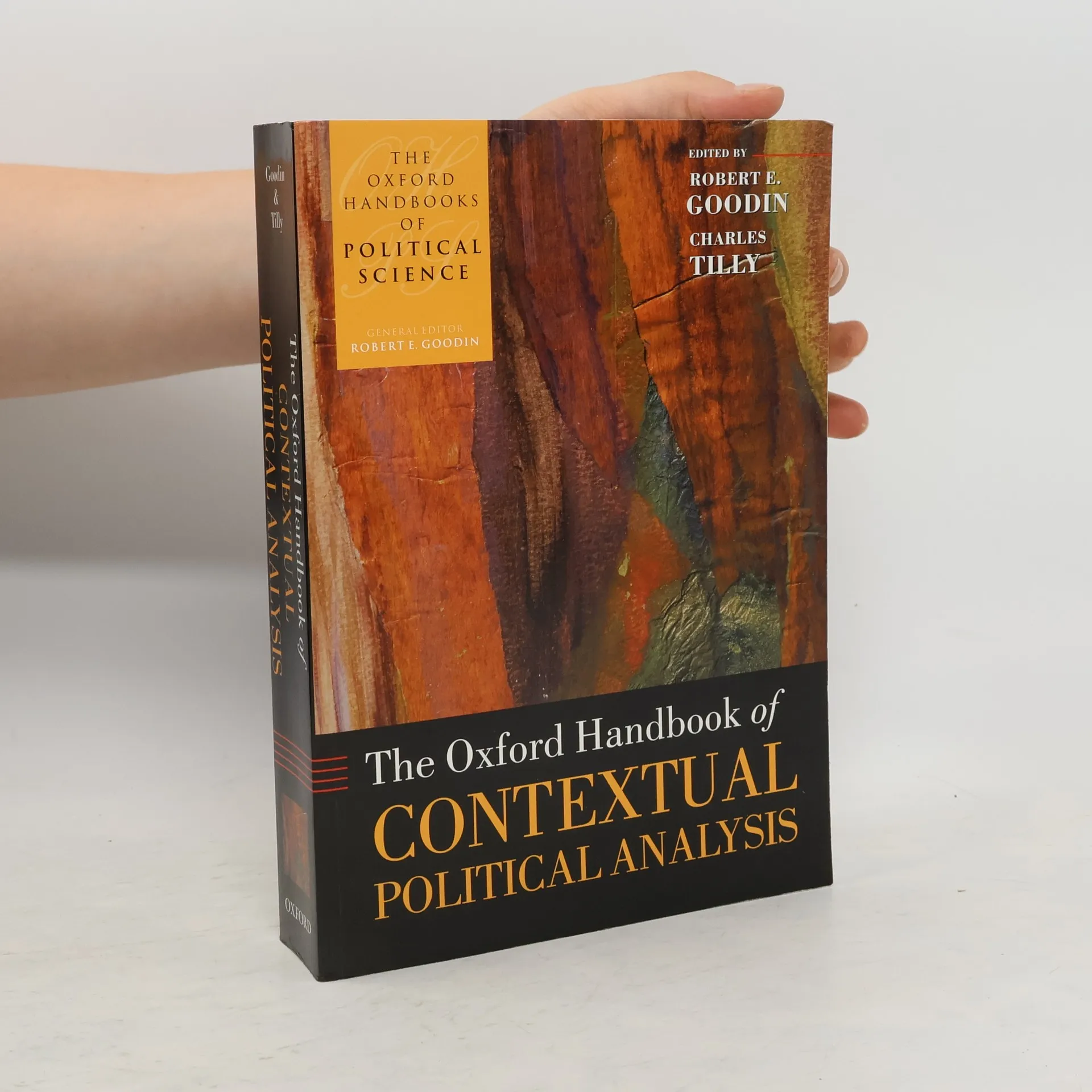
The Oxford Handbook of Contextual Political Analysis
- 883bladzijden
- 31 uur lezen
This is part of a ten volume set of reference books offering authoritative and engaging critical overviews of the state of political science. This work explores the idea of context in politics from a number of angles, including philosophically psychologically, historically and culturally.
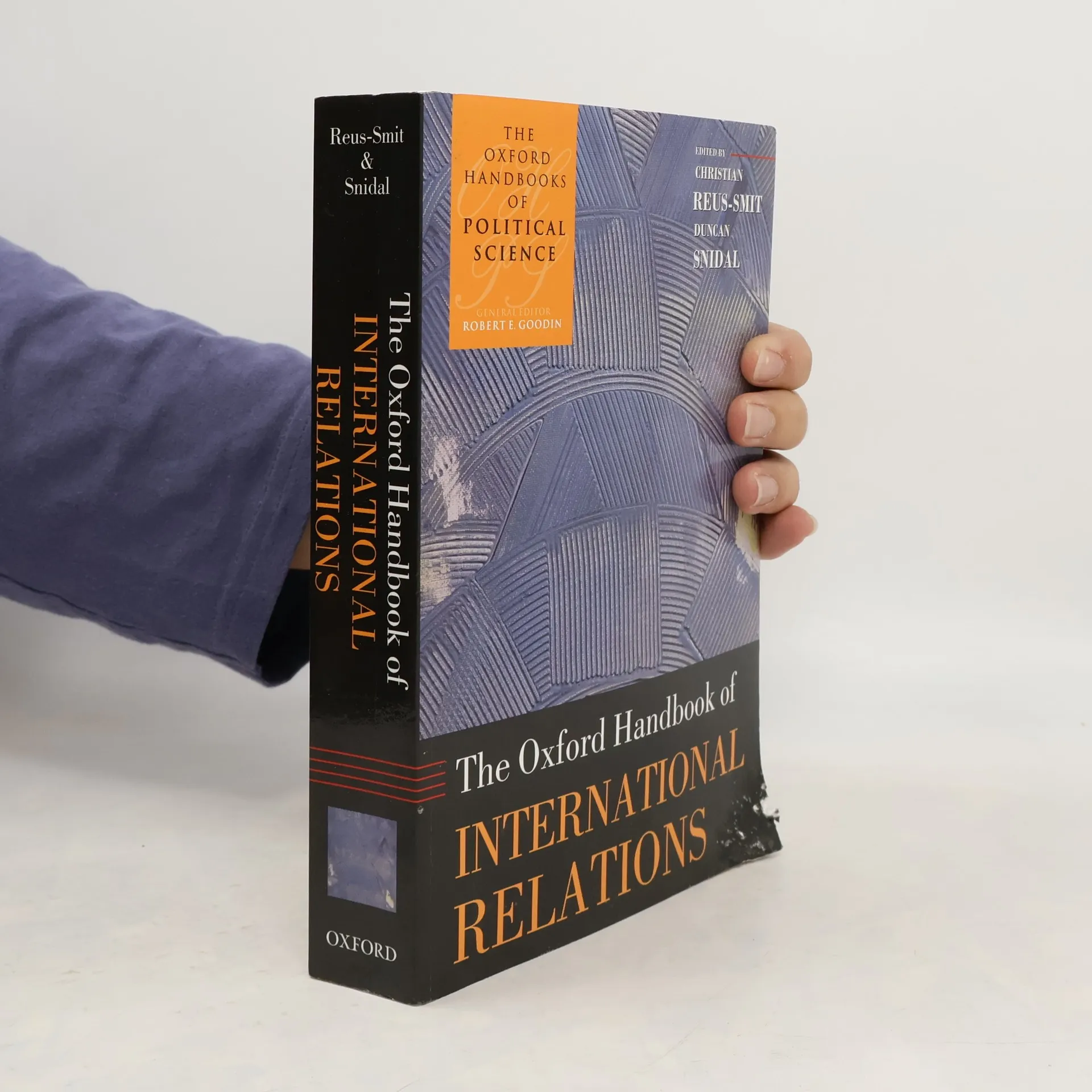
The Oxford Handbooks of Political Science: The Oxford Handbook of International Relations
- 772bladzijden
- 28 uur lezen
The Oxford Handbook of International Relations offers the most authoritative and comprehensive overview to date of the field of international relations. Arguably the most impressive collection of international relations scholars ever brought together within one volume, the Handbook debates the nature of the field itself, critically engages with the major theories, surveys a wide spectrum of methods, addresses the relationship between scholarship and policy making, and examines the field's relation with cognate disciplines. The Handbook takes as its central themes the interaction between empirical and normative inquiry that permeates all theorizing in the field and the way in which contending approaches have shaped one another. In doing so, it provides an authoritative and critical introduction to the subject and establishes a sense of the field as a dynamic realm of argument and inquiry. The Oxford Handbook of International Relations will be essential reading for all of those interested in the advanced study of global politics and international affairs.
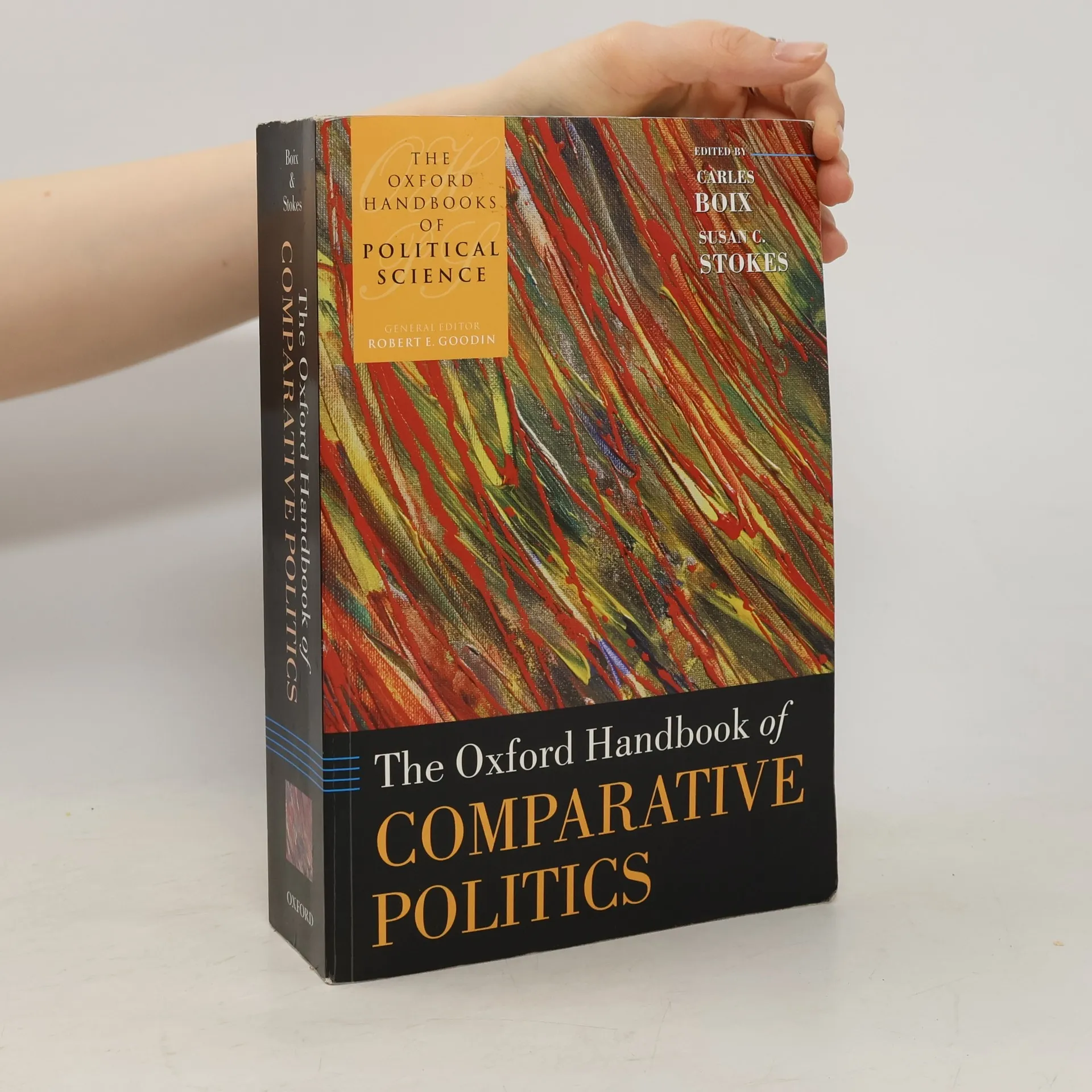
The Oxford Handbooks of Political Science: The Oxford Handbook of Comparative Politics
- 1034bladzijden
- 37 uur lezen
This comprehensive volume offers a critical survey of empirical political science through contributions from 48 leading scholars in comparative politics. Part I explores key research methodologies, including the comparative method, historical analysis, case-study research, and field research, while assessing the potential for establishing a science of comparative politics. Parts II to IV delve into the foundations of political order, examining state origins, their connections to war and economic development, and the sources of citizen compliance and political obligation. Topics such as democratic transitions, civic culture, authoritarianism, revolutions, civil wars, and contentious politics are also addressed. Parts V and VI focus on the mobilization, representation, and coordination of political demands. Part V investigates the emergence of political parties, their various forms, and voter behavior, alongside discussions on collective action, social movements, and political participation. Part VI examines the mechanisms for aggregating and coordinating political demands, leading to a systematic exploration of specific institutions like electoral systems, federalism, legislative-executive relationships, the judiciary, and bureaucracy. Lastly, Part VII highlights the growing literature on macropolitical economy from the past two decades.
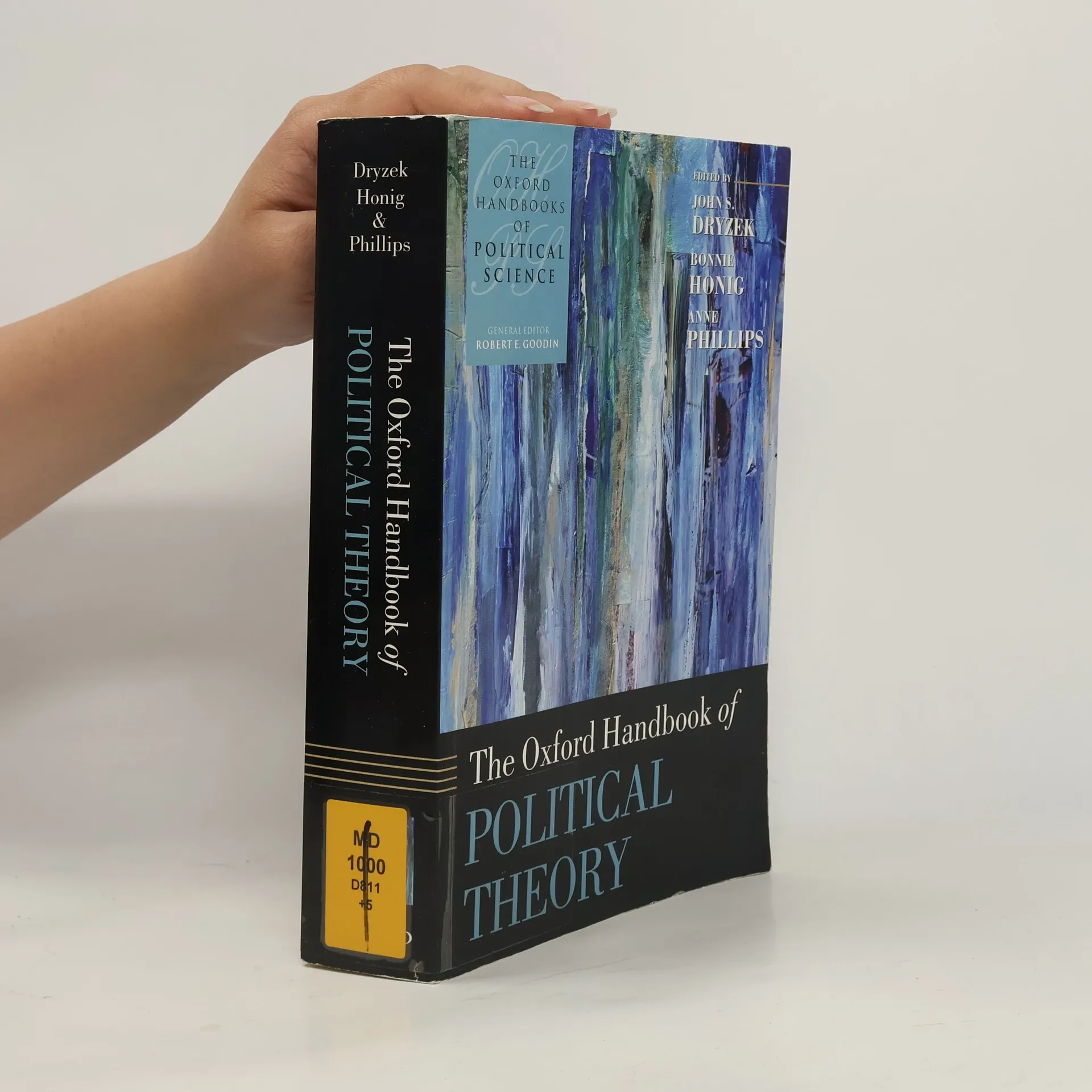
The Oxford Handbooks of Political Science: The Oxford Handbook of Political Theory
- 883bladzijden
- 31 uur lezen
Long recognized as one of the main branches of political science, political theory has in recent years burgeoned in many different directions. Close textual analysis of historical texts sits alongside more analytical work on the nature and normative grounds of political values. Continental and post-modern influences jostle with ones from economics, history, sociology, and the law. Feminist concerns with embodiment make us look at old problems in new ways, and challenges of new technologies open whole new vistas for political theory. This Handbook provides comprehensive and critical coverage of the lively and contested field of political theory, and will help set the agenda for the field for years to come. Forty-five chapters by distinguished political theorists look at the state of the field, where it has been in the recent past, and where it is likely to go in future. They examine political theory's edges as well as its core, the globalizing context of the field, and the challenges presented by social, economic, and technological changes.