Deze reeks leerboeken richt zich op kernthema's in de moderne econometrie en behandelt onderwerpen die studenten en onderzoekers dagelijks tegenkomen. Elk deel is geschreven om toegankelijk te zijn na een inleidende cursus econometrie en dient als een gezaghebbende, op zichzelf staande verhandeling. Met een duidelijke nadruk op pedagogische excellentie biedt de reeks een onschatbare bron om het begrip op dit gebied te verdiepen. Het is de eerste reeks in de discipline die zich expliciet richt op de studentenpopulatie.
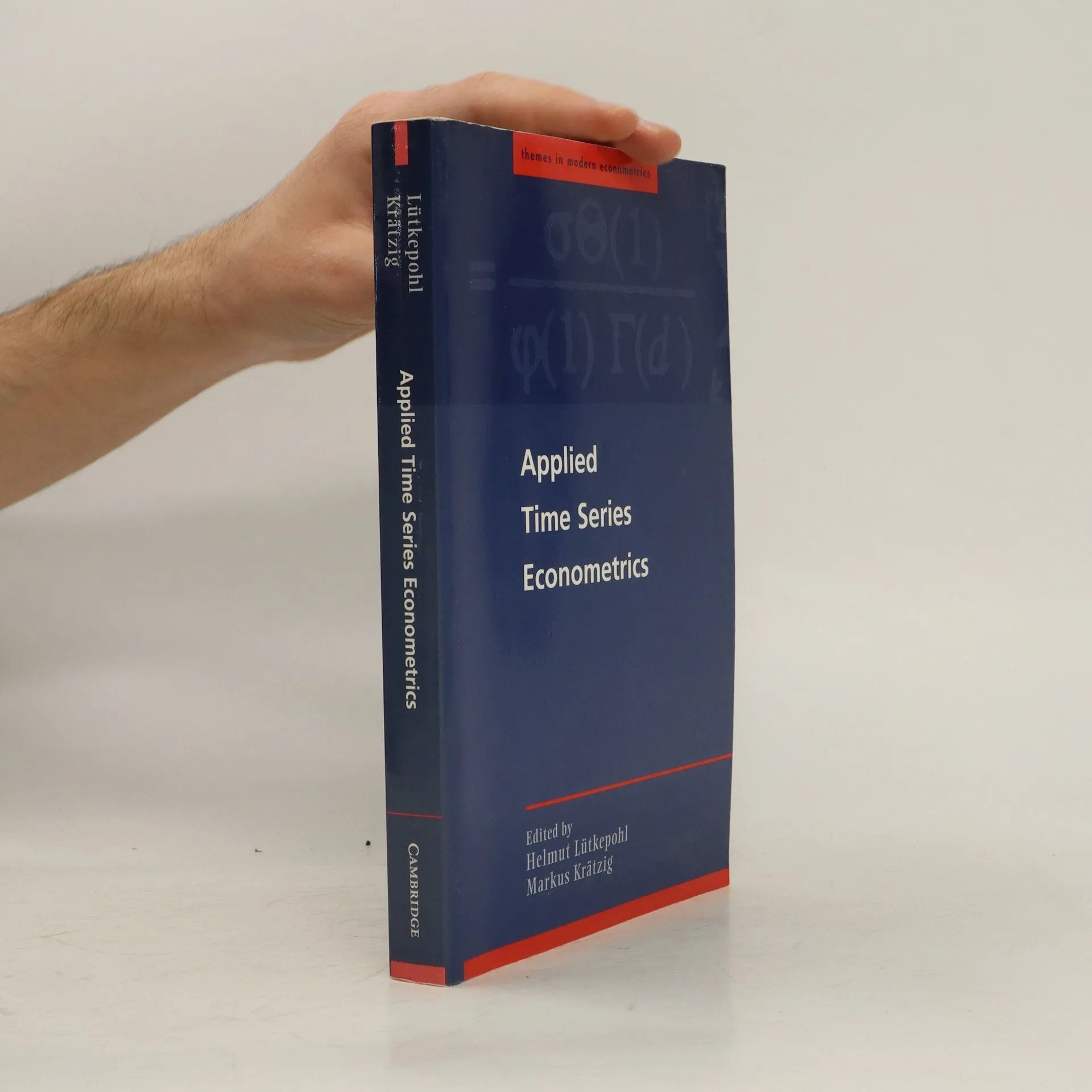
Time series econometrics is used for predicting future developments of variables of interest such as economic growth, stock market volatility or interest rates. A model has to be constructed, accordingly, to describe the data generation process and to estimate its parameters. Modern tools to accomplish these tasks are provided in this volume, which also demonstrates by example how the tools can be applied.
Designed for students with a foundational understanding of econometrics and statistics, this textbook delves into qualitative econometric models. It provides a comprehensive introduction to the concepts and methodologies essential for analyzing qualitative data, emphasizing their application in economic research.
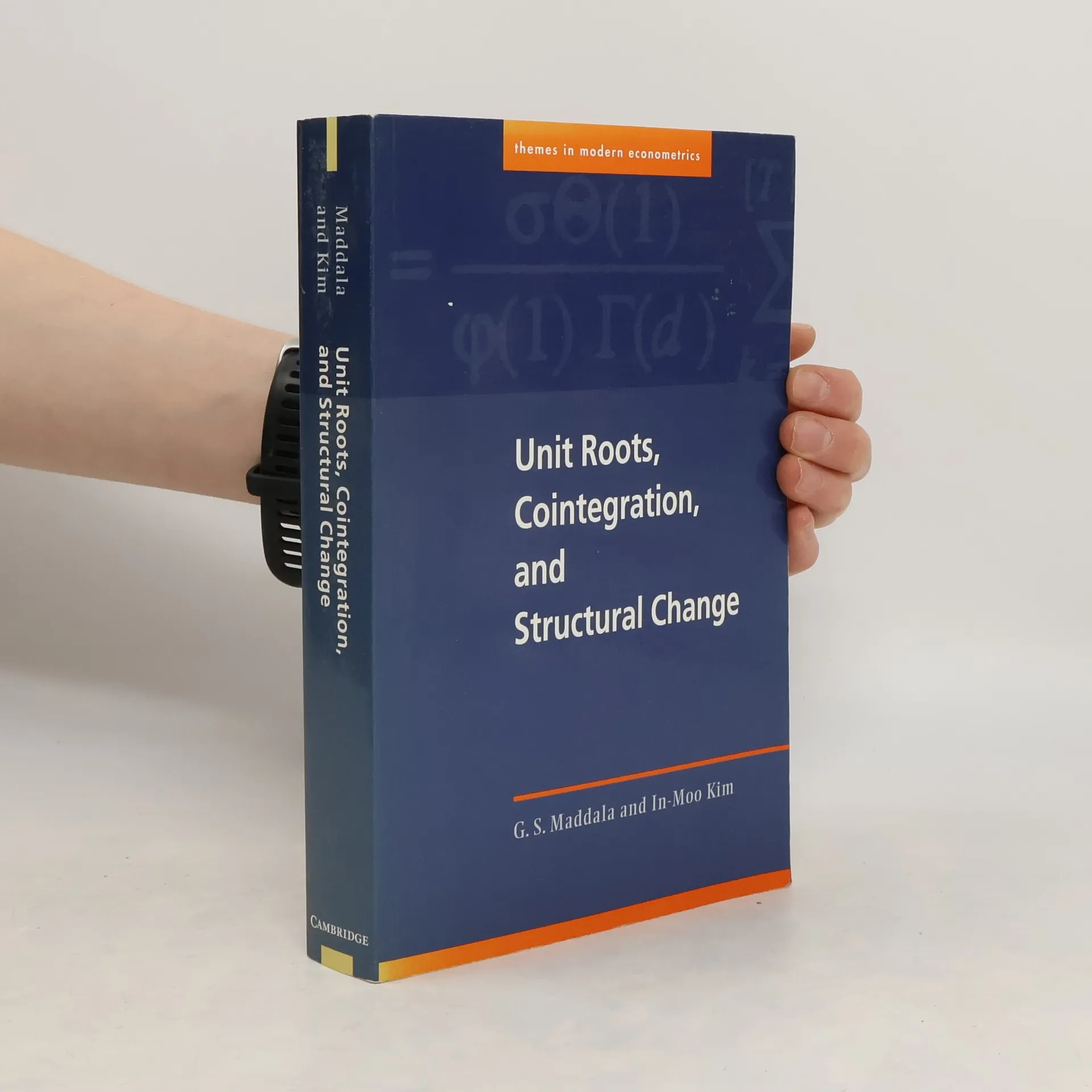
Time series analysis has undergone many changes in recent years with the advent of unit roots and cointegration. Maddala and Kim present a comprehensive review of these important developments and examine structural change. The volume provides an analysis of unit root tests, problems with unit root testing, estimation of cointegration systems, cointegration tests, and econometric estimation with integrated regressors. The authors also present the Bayesian approach to these problems and bootstrap methods for small-sample inference. The chapters on structural change discuss the problems of unit root tests and cointegration under structural change, outliers and robust methods, the Markov-switching model and Harvey's structural time series model. Unit Roots, Cointegration and Structural Change is a major contribution to Themes in Modern Econometrics, of interest both to specialists and graduate and upper-undergraduate students.