

Focusing on the impact of racial stereotyping, this book presents a passionate African perspective against the portrayal of people of African descent by influential white scholars. It critiques media practices that perpetuate racist ideas, especially in the context of African current events. The author exposes how respected American intellectuals often disguise racist ideologies within seemingly fair discussions. By challenging these narratives, the book aims to reshape the understanding of 'race' and highlight the detrimental effects of racism on scholarly work.
Wereldwijde Kwesties Reeks
Deze serie duikt in de complexe uitdagingen waarmee de hedendaagse wereld wordt geconfronteerd. Het biedt diepgaande analyses van cruciale onderwerpen, variërend van politieke onrust tot milieu crises. Elk deel onderzoekt de onderlinge verbondenheid van mondiale problemen en zoekt naar mogelijke oplossingen. Het is essentieel leesvoer voor iedereen die de dynamiek van onze planeet wil begrijpen.
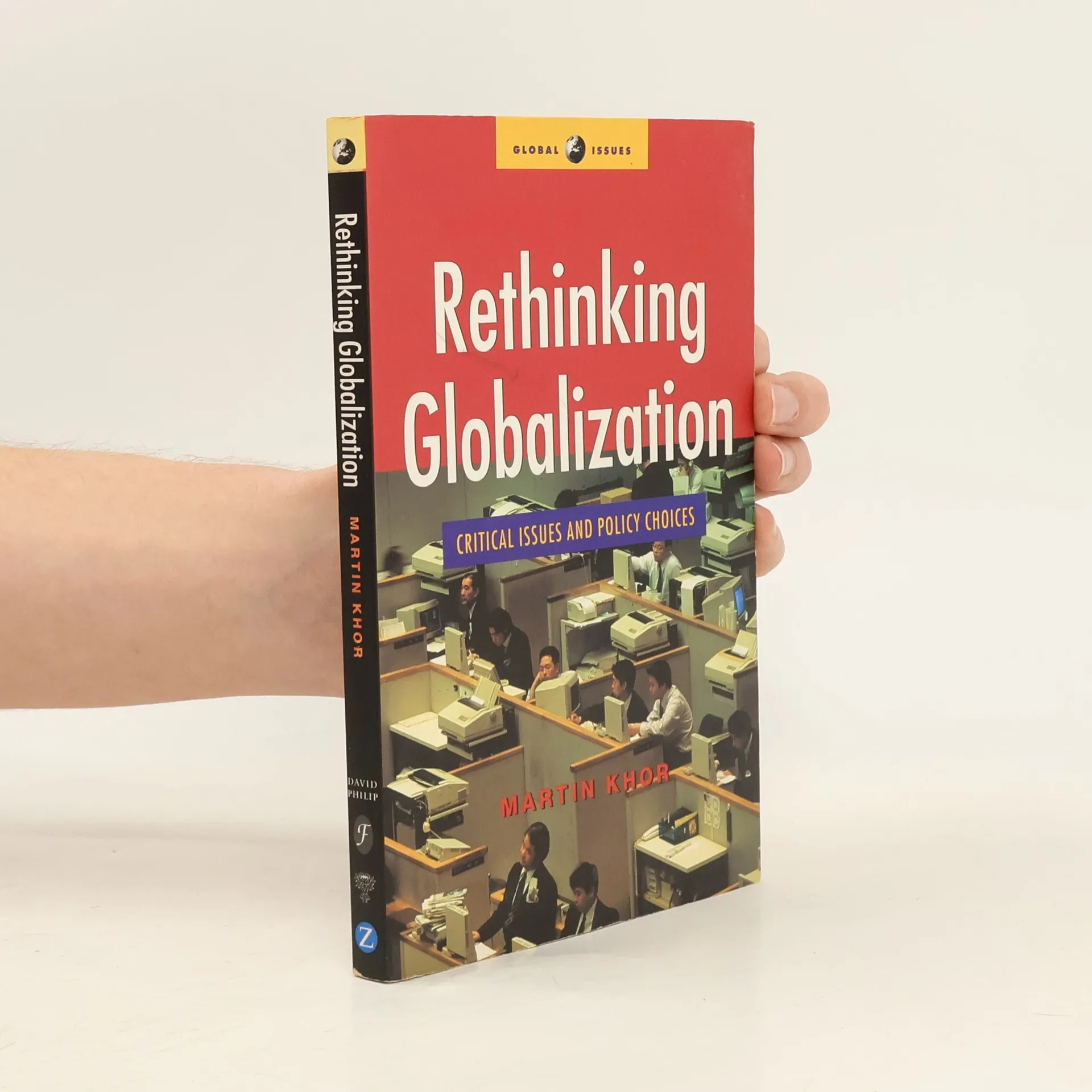

In this optimistic book Martin Khor, director of the influential Third World Network, sets out concrete proposals for what Third World governments can do to shape globalization to their particular circumstances. His book explains what economic globalization means in trade, finance and investment, and shows how globalization is not increasing economic growth in most countries, or reducing inequality and poverty.In the process, Khor refutes the 'one size fits all' policy prescriptions foisted by the World Bank, IMF and WTO on developing countries, arguing that these countries must themselves be allowed to decide when and how to open their economies to the global system. At stake is nothing less than the whole prospect of rapid, just and diversified development in the South, on which prosperity, the environment and an end to mass poverty depend.