
Bookbot

Alexandra N. Lenz

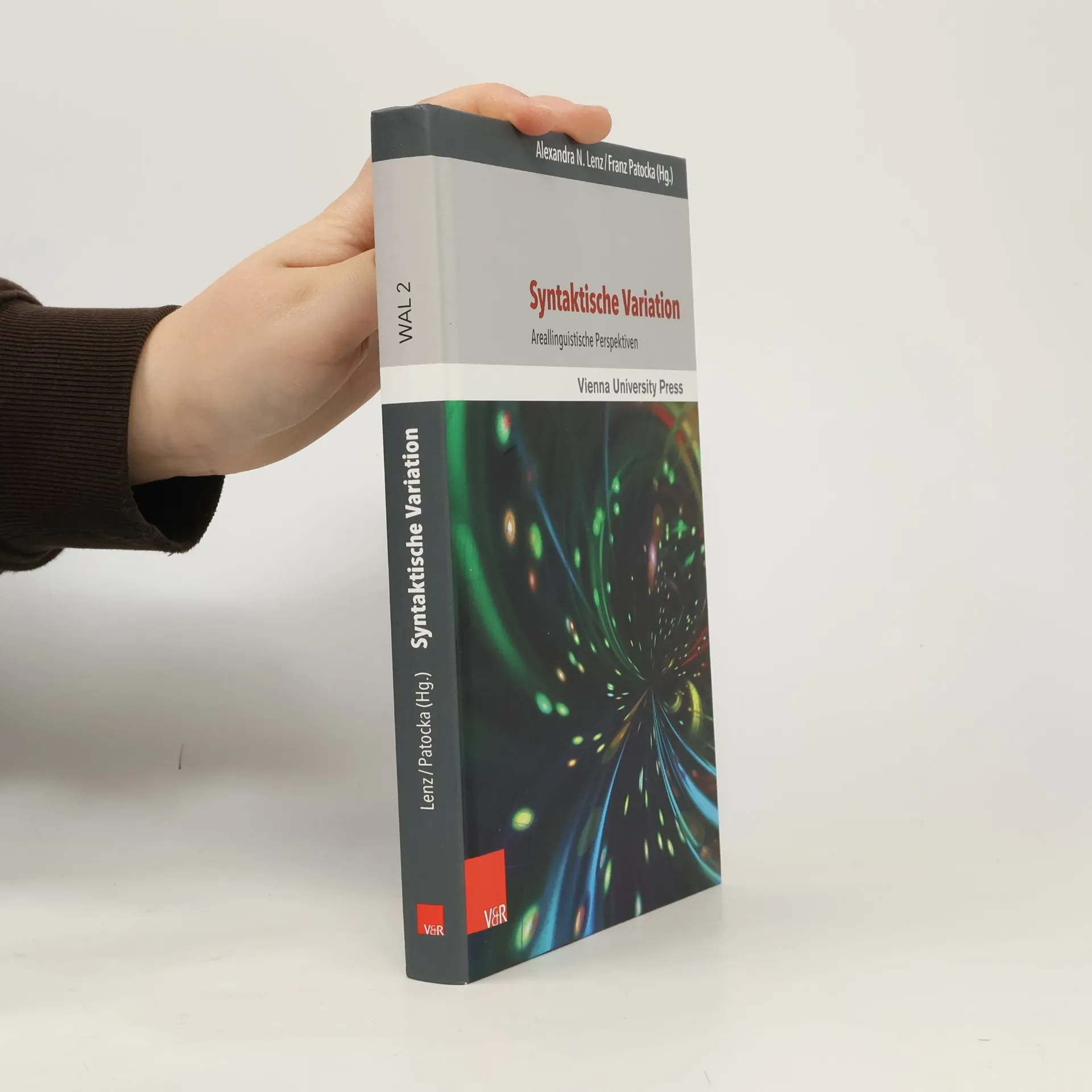
    Wiener Arbeiten zur Linguistik - 2: Syntaktische Variation
    Standarddeutsch im 21. Jahrhundert
    • Wiener Arbeiten zur Linguistik - 2: Syntaktische Variation

      Areallinguistische Perspektiven

      • 291bladzijden
      • 11 uur lezen

      This volume explores a linguistic level that has gained research interest in recent decades. Traditional focuses have raised numerous questions regarding syntactic variation, necessitating further research to provide solid empirical answers. The nine contributions share a commonality not just in their emphasis on syntactical issues, but also in their collective approach to the types of syntactic variation examined. They adopt an areal linguistics perspective, investigating the intricate relationship between language and geographical space. This focus highlights the complexity of how language interacts with its spatial dimensions, underscoring the need for a deeper understanding of syntactic variation within specific geographical contexts. The contributions aim to advance the field by addressing these questions and providing a more nuanced understanding of the correlation between syntax and geography, thereby enriching the discourse on linguistic variation.

      Wiener Arbeiten zur Linguistik - 2: Syntaktische Variation2015
    • Standarddeutsch im 21. Jahrhundert

      Theoretische und empirische Ansätze mit einem Fokus auf Österreich

      • 250bladzijden
      • 9 uur lezen

      Since the beginning of the new millennium, research on the German language in Austria has been characterized by new approaches: alongside work in the tradition of philological dialectology, discourse analysis in the “Viennese school” paradigm and “classically” correlative sociolinguistics, there has been an increasing number of studies in the areas of language dynamics-based variationist linguistics, interactional sociolinguistics, as well as modern attitudinal and perceptual research. This volume reflects the dynamism of this field of research, approaching it from various theoretical and empirical perspectives. It is the standard pole of the “vertical” spectrum of linguistic varieties that is central to all nine contributions compiled in this publication.

      Standarddeutsch im 21. Jahrhundert2015