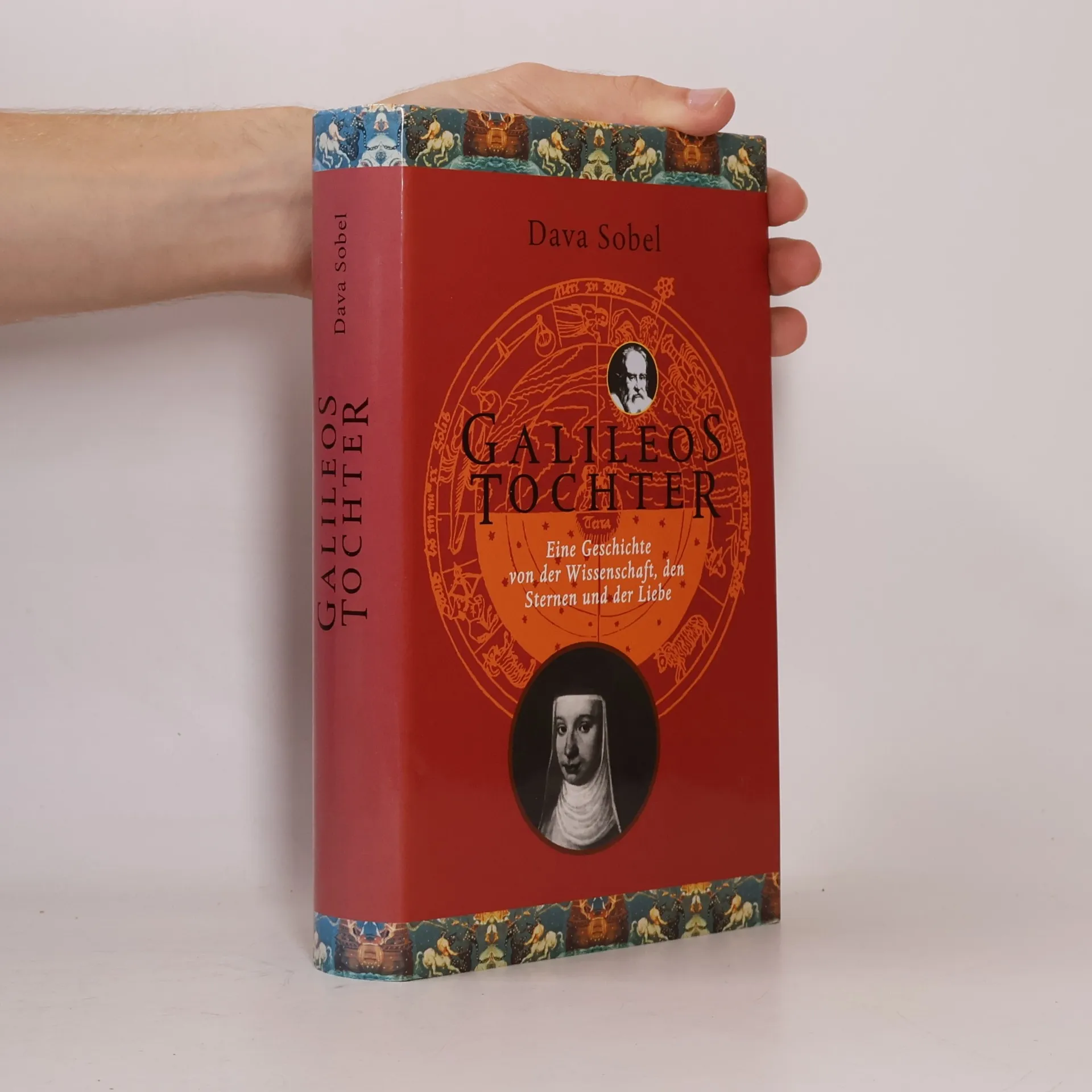
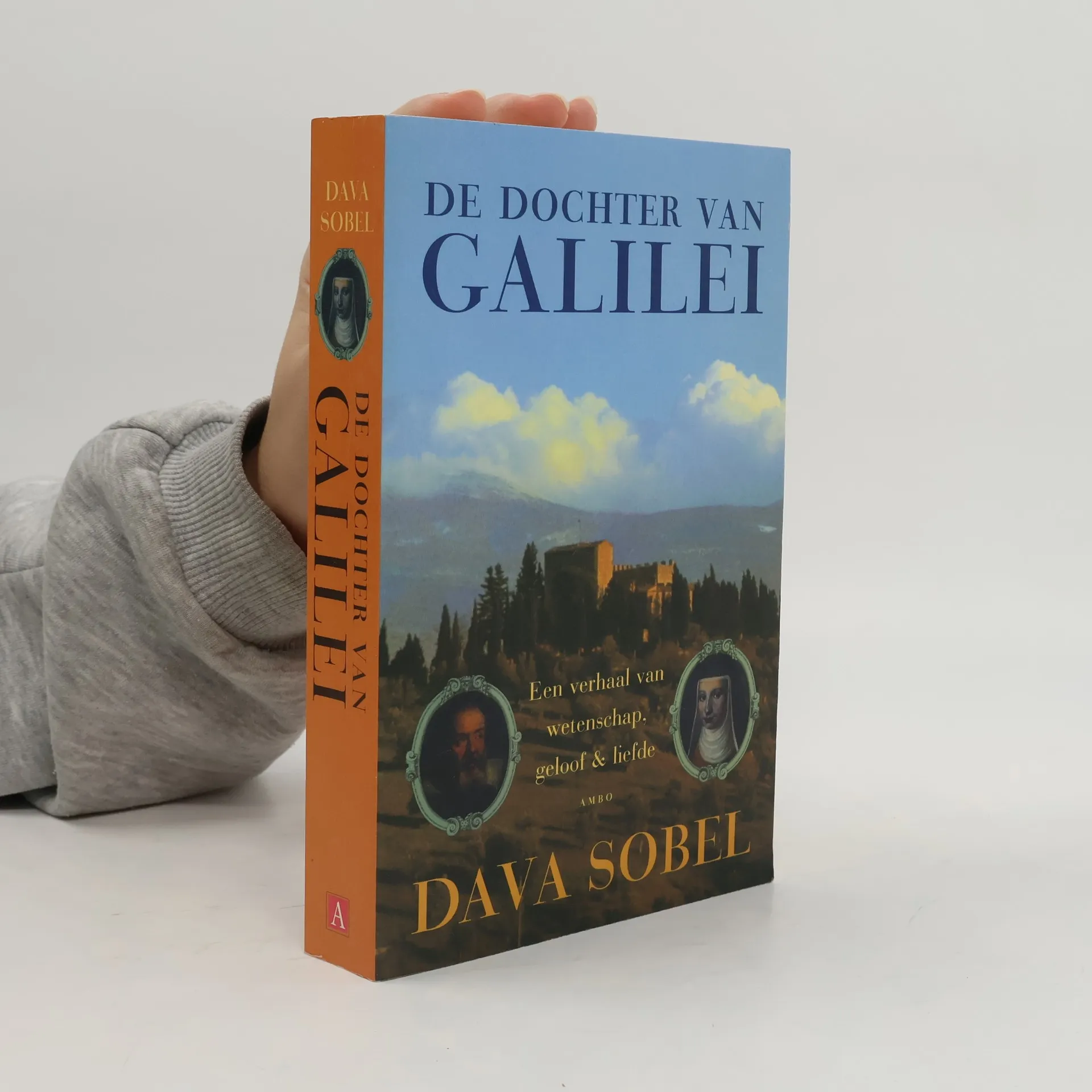
'En toch beweegt zij zich' zijn de beroemde woorden van Galileo Galilei, toen hij in 1633 werd veroordeeld tot gevangenschap in een kerker. De aarde beweegt zich rond de zon - een ongehoorde en godslasterlijke opvatting in die tijd. Veel meer dan dit weet men doorgaans niet van de beroemde Italiaanse natuur- en sterrenkundige. Weinigen zijn ervan op de hoogte dat er een opmerkelijke briefwisseling tussen Galilei en zijn dochter Virginia bewaard is gebleven. In 1600, toen zijn dochter dertien was, zorgde Galilei ervoor dat zij een plaats kreeg in een klooster vlak bij hem in de buurt in Florence. Tot die tijd bestierde zij het huishouden. Als Maria Celeste volgde zij de loopbaan van haar vader, adviseerde hem en sprak hem moed in in talloze brieven. Ze bleek de belangrijkste bron te zijn waar hij in moeilijke jaren kracht uit putte, en hij beantwoordde haar liefde op iedere mogelijke manier.
Dava Sobel Boeken
Dava Sobel is een begenadigd auteur van populaire wetenschappelijke uiteenzettingen. In haar veertigjarige carrière als wetenschapsjournalist heeft ze voor tal van tijdschriften geschreven en diverse boeken mede-geschreven. Haar meest erkende werk duikt in de complexiteit van lengtegraden.


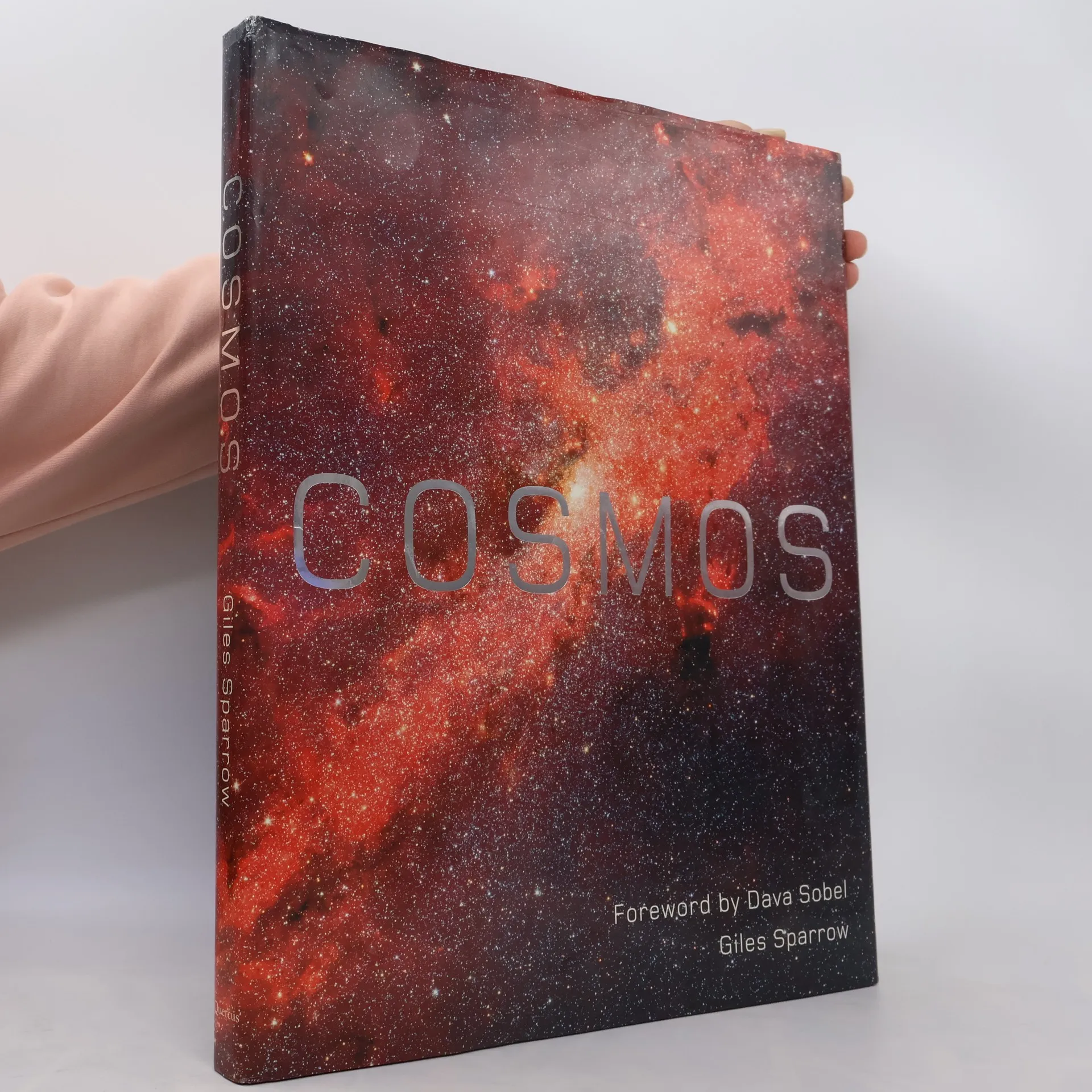
The magnificent vault of stars emblazoning Earth's night skies are but an infinitesimal fraction of the hundreds of billions that inhabit our galaxy - and there are at least as many galaxies in the universe as there are stars in the Milky Way. Cosmos makes sense of this dizzying celestial panorama by exploring it one step at a time, illustrating the planets, moons, stars, nebulae, white dwarfs, black holes and other exotica that populate the heavens with some of science's most spectacular photographs. The book opens with an orbital survey of planet Earth, before venturing into the solar system heading for interstellar space and the heart of our galaxy. As the journey unfolds, the rhythms of stellar life emerge: we pass through dark clouds of dust and gas ablaze with newly smelted stars and we witness dying stars bloom and fade as planetary nebulae, or tear themselves apart as supernovae. Having crossed the Milky Way, we enter intergalactic space. Out here we watch the hidden lives of galaxies: we see them flock and cluster, forming massive conglomerations that span millions of light years, visibly warping space with their tremendous gravity. After covering an almost unimaginable 13.4 billion light years, we approach the edge of space and the dawn of time where our voyage must end, but not before we consider how the universe was born, and how it might die.
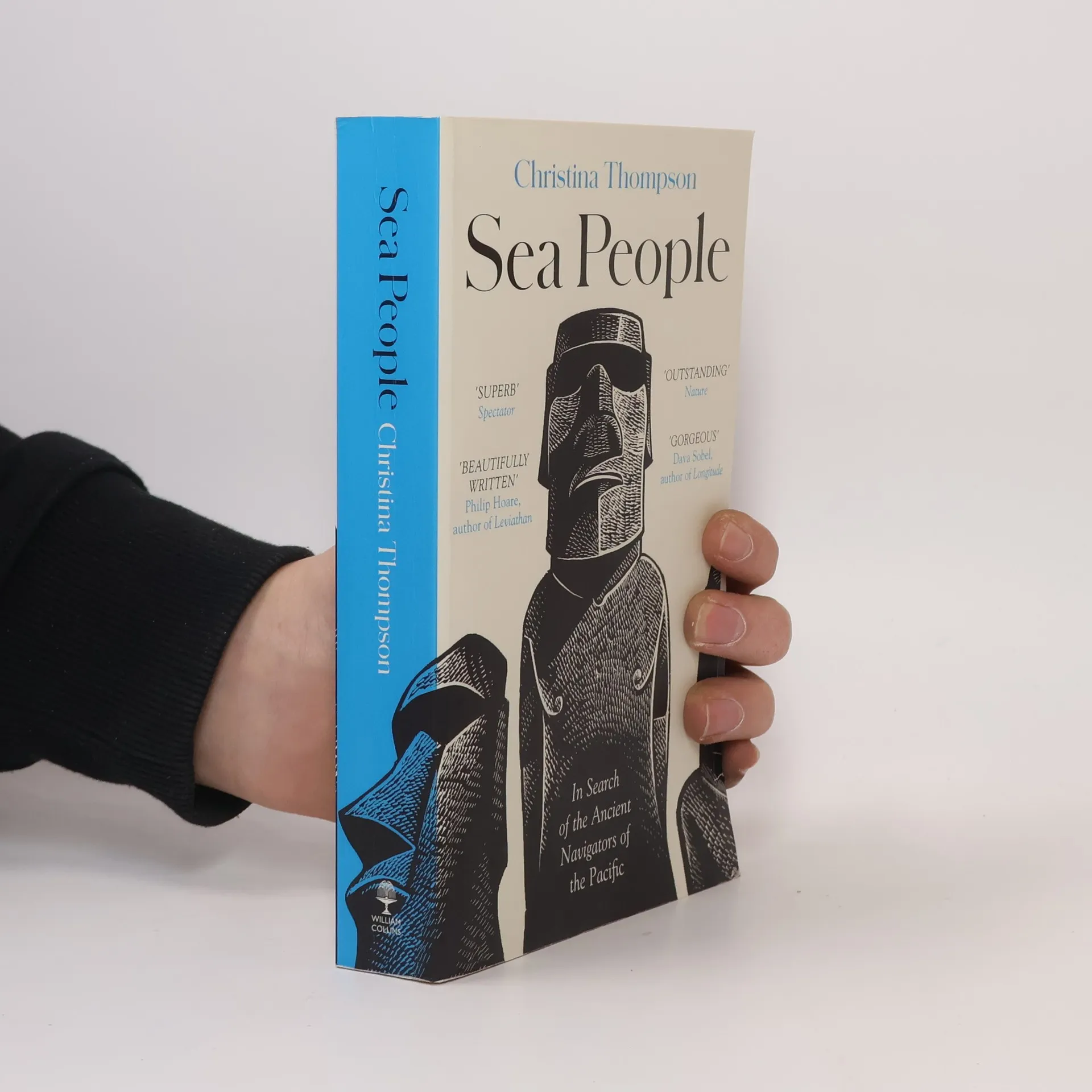
For over a millennium, Polynesians have inhabited the remote islands of the Pacific, a vast triangle from Hawaii to New Zealand to Easter Island. Before European explorers arrived, they were the sole inhabitants of these islands. Polynesians, both closely related and widely dispersed, trace their ancestry to epic voyagers who embarked on remarkable journeys across the ocean. The mystery of how these early Polynesians discovered and colonized such distant islands—without writing or metal tools—has puzzled scholars since the eighteenth century, known as the Problem of Polynesian Origins. This enigma is particularly personal for the author, whose Maori husband and sons descend from these ancient navigators. In this exploration, she delves into the rich history of these ancestors and the contributions of sailors, linguists, archaeologists, folklorists, biologists, and geographers who have sought to understand this legacy for three centuries. Blending history, geography, anthropology, and navigation science, the narrative offers a vivid tour of one of the world’s most intriguing regions, capturing the essence of Polynesian exploration and its significance in human history.
Elements of Marie Curie
How the Glow of Radium Lit a Path for Women in Science
- 336bladzijden
- 12 uur lezen
Focusing on the life and contributions of a groundbreaking female scientist, the book explores her significant impact on the field and highlights the lesser-known stories of the young women who trained in her laboratory. Through a blend of biography and historical context, it sheds light on their struggles and achievements, offering a fresh perspective on women's roles in science. The narrative emphasizes both the individual's legacy and the collective experiences of women in a male-dominated profession.
A More Perfect Heaven
- 288bladzijden
- 11 uur lezen
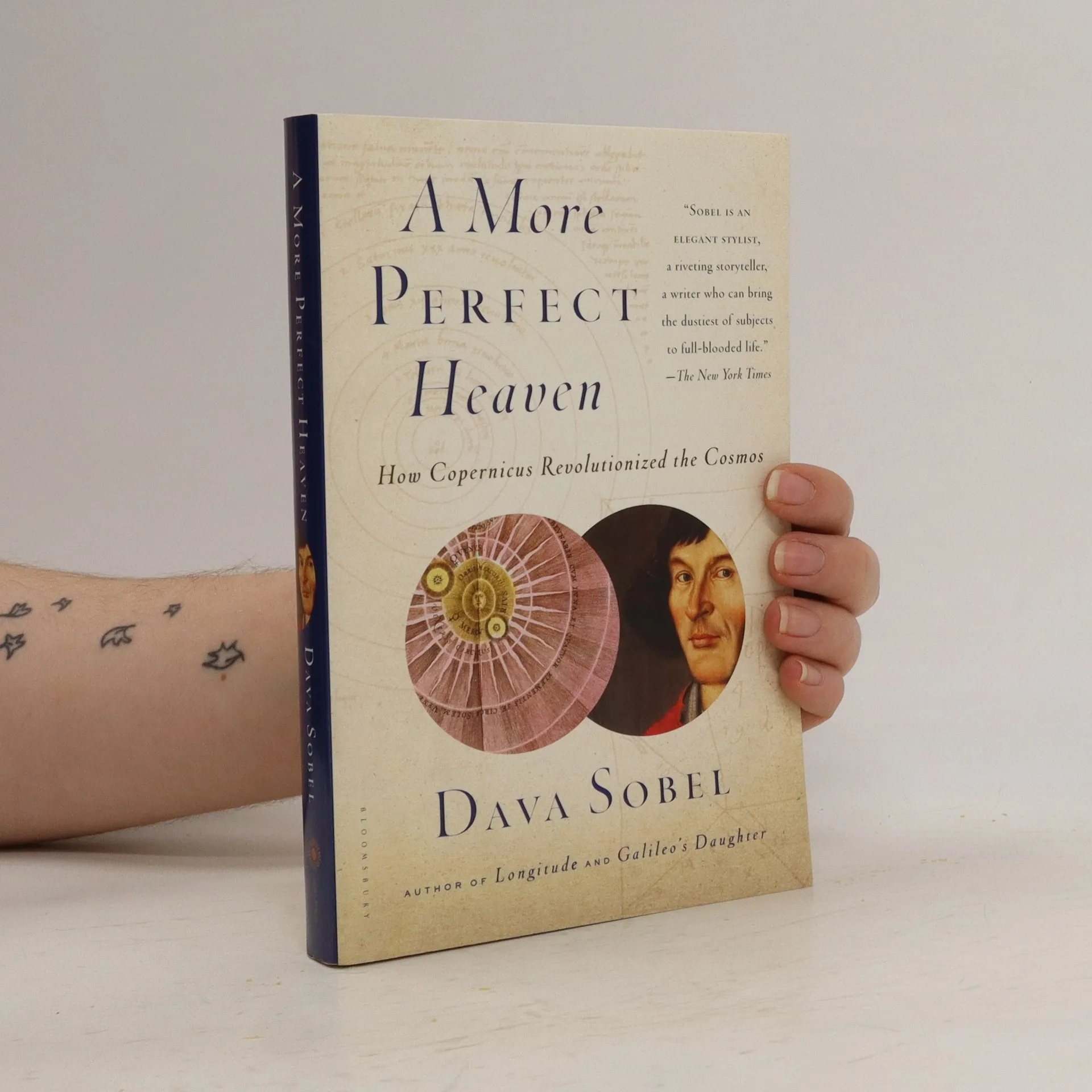
By 1514, the reclusive cleric Nicolaus Copernicus had developed an initial outline of his heliocentric theory-in which he defied common sense and received wisdom to place the sun, and not the earth, at the center of our universe, and set the earth spinning among the other planets. Over the next two decades, Copernicus expanded his theory and compiled in secret a book-length manuscript that tantalized mathematicians and scientists throughout Europe. For fear of ridicule, he refused to publish. In 1539, a young German mathematician, Georg Joachim Rheticus, drawn by rumors of a revolution to rival the religious upheaval of Martin Luther's Reformation, traveled to Poland to seek out Copernicus. Two years later, the Protestant youth took leave of his aging Catholic mentor and arranged to have Copernicus's manuscript published, in 1543, as De revolutionibus orbium coelestium (On the Revolutions of the Celestial Spheres)-the book that forever changed humankind's place in the universe. In her elegant, compelling style, Dava Sobel chronicles, as nobody has, the conflicting personalities and extraordinary discoveries that shaped the Copernican Revolution. At the heart of the book is her play "And the Sun Stood Still," imagining Rheticus's struggle to convince Copernicus to let his manuscript see the light of day.
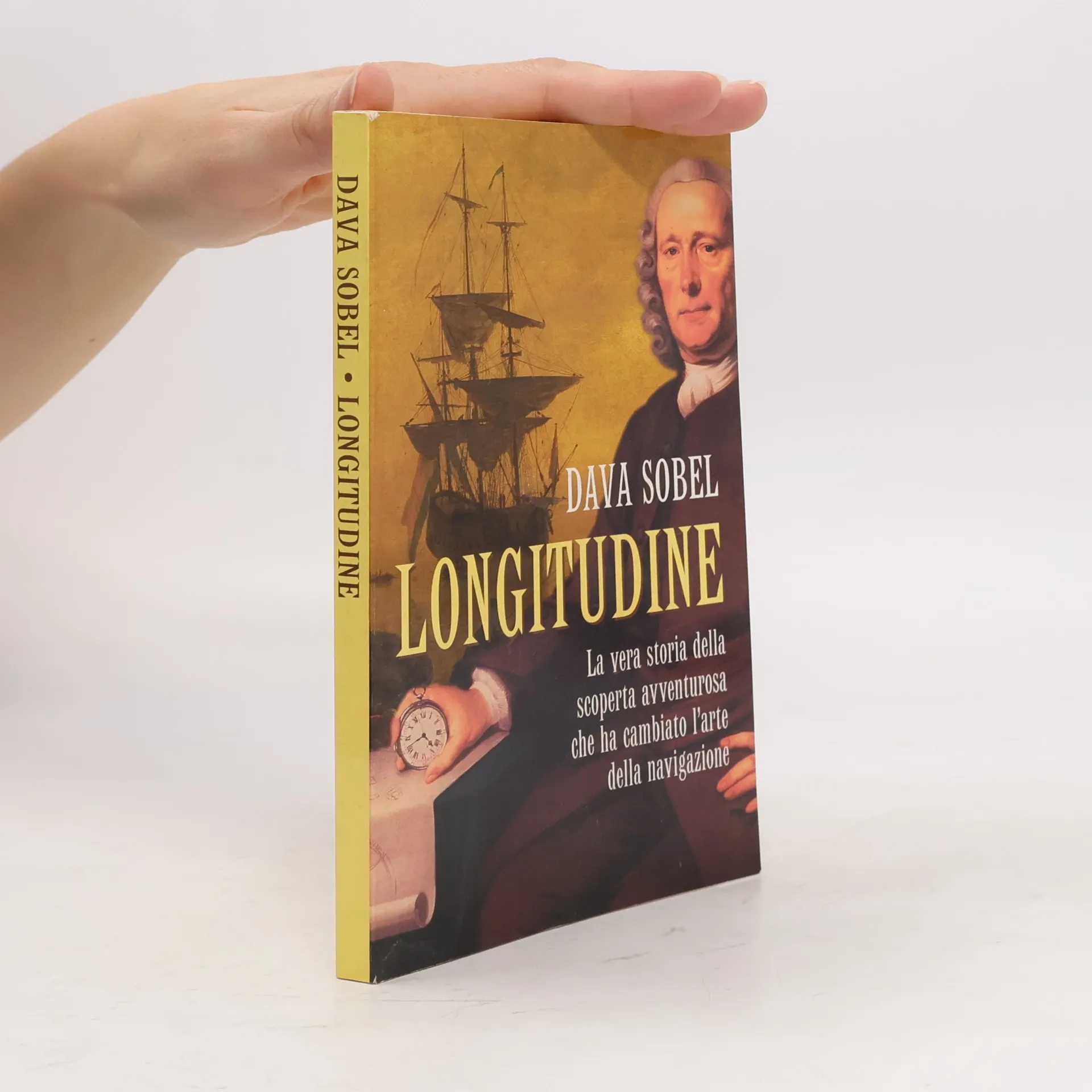
First published in 1996, Dava Sobel's story of an epic scientific quest - how to calculate longitude. The thorniest scientific problem of the day had occupied scientists and their patrons for the better part of two centuries until John Harrison dared to imagine a mechanical solution. The story encompasses astronomy, navigation and clockmaking.
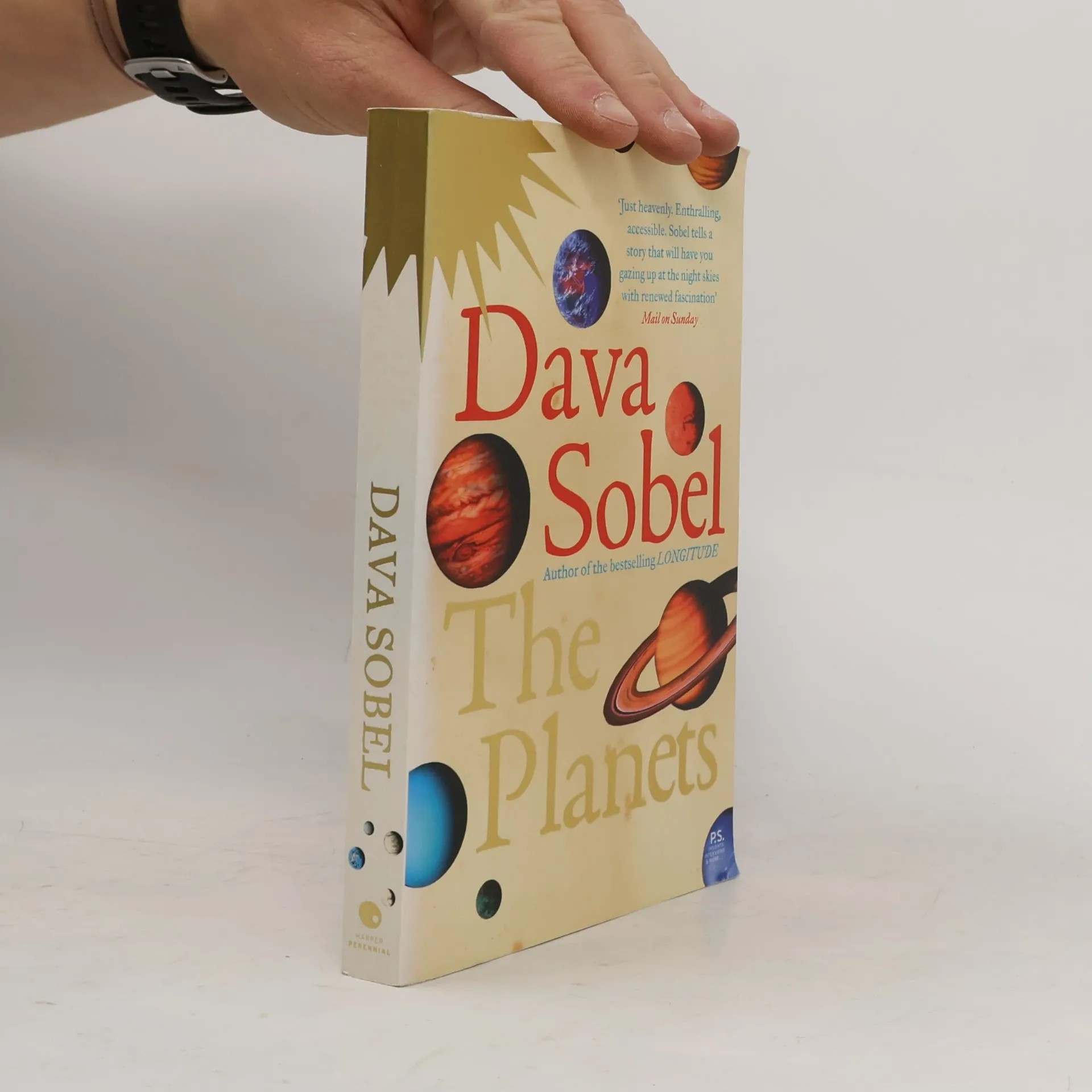
The Planets
- 304bladzijden
- 11 uur lezen
After the huge national and international success of Longitude' and Gallileo's Daughter', Dava Sobel tells the human story of the nine planets of our solar system.
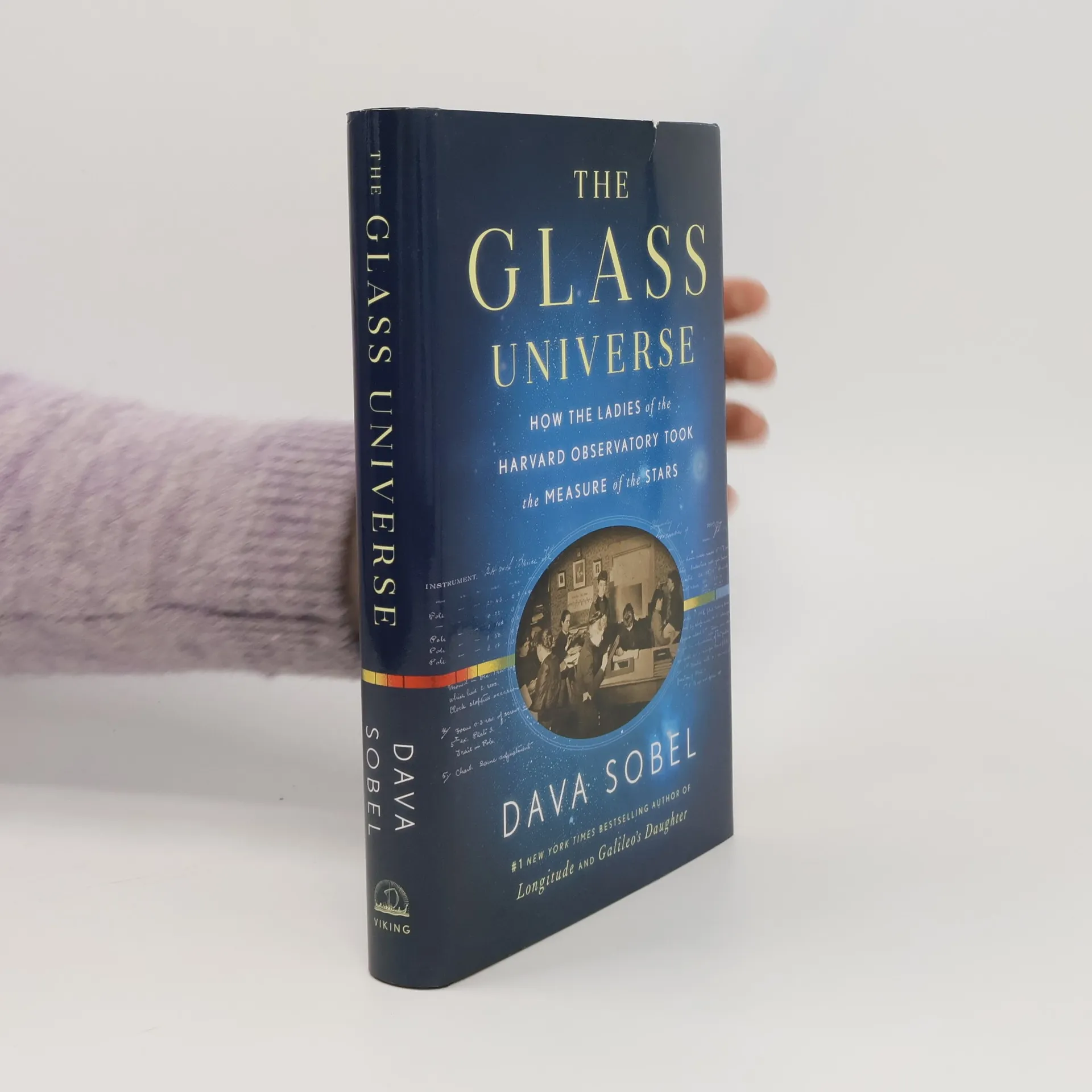
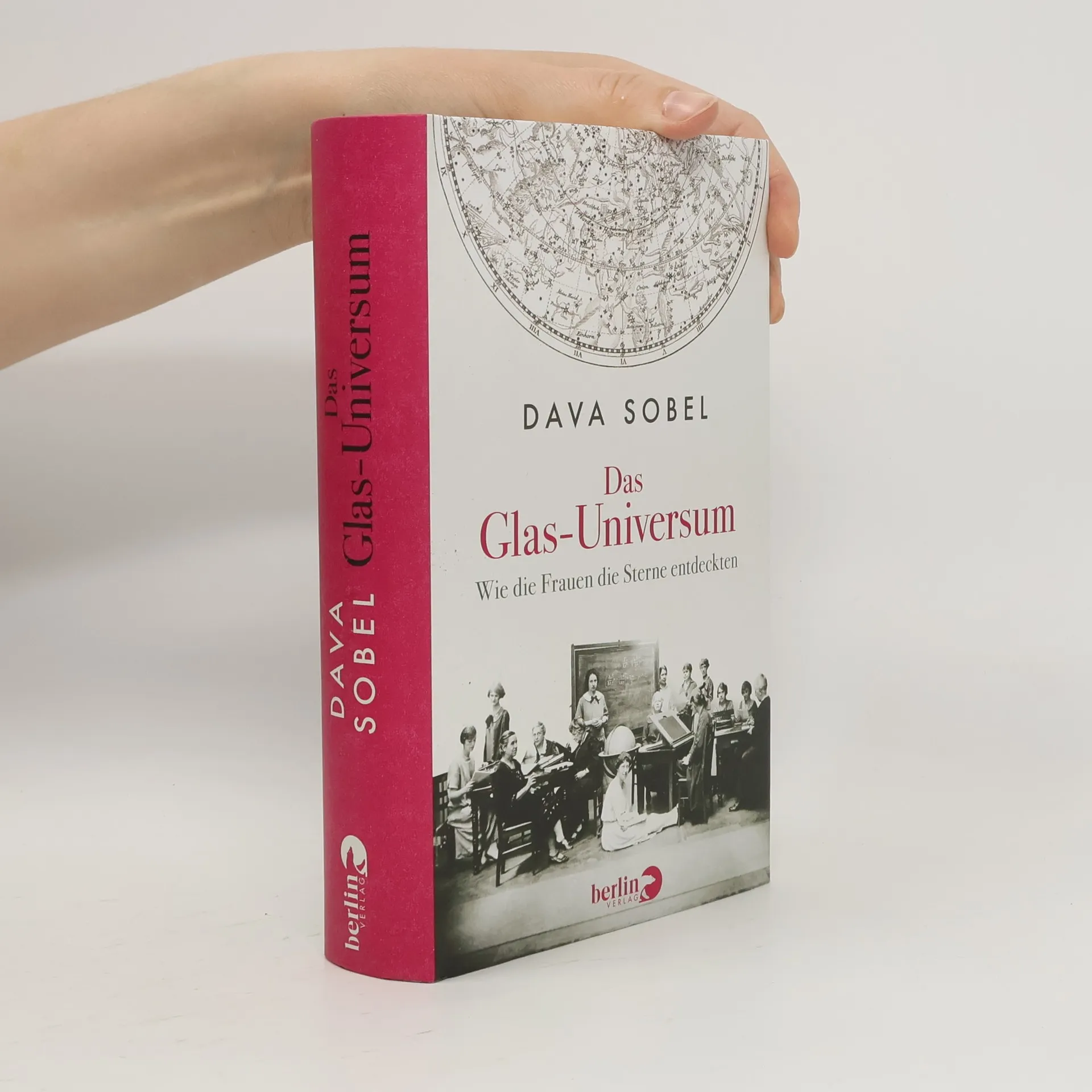
The Glass Universe
- 324bladzijden
- 12 uur lezen
Named one of the best books of the month by various prestigious outlets, the work showcases Sobel's talent for detail and elegant prose. Critics praise her ability to illuminate the intricate web of individuals who contributed to our understanding of the stars, describing it as a joy to read. The narrative captures both scientific breakthroughs and the personal lives of pioneering women, highlighting how their achievements in astronomy and photography paralleled the progress of female empowerment. Sobel traces a remarkable line in American female achievement, vividly portraying the spirit of these early astronomers who began as 'human computers' at Harvard Observatory. The book serves as an inspiring tribute to these often-overlooked female pioneers and their contributions to science. Reviewers commend Sobel for interweaving professional accomplishments with personal insights, creating a compelling and emotional narrative. The work is described as sensitive, exacting, and filled with the wonder of discovery, showcasing Sobel's extraordinary skill in uncovering hidden stories of science. It is a feast for those eager to learn about resolute American women who expanded human knowledge, presented with grace, clarity, and historical context. Overall, the book is celebrated as a significant contribution to intellectual history and a captivating read.
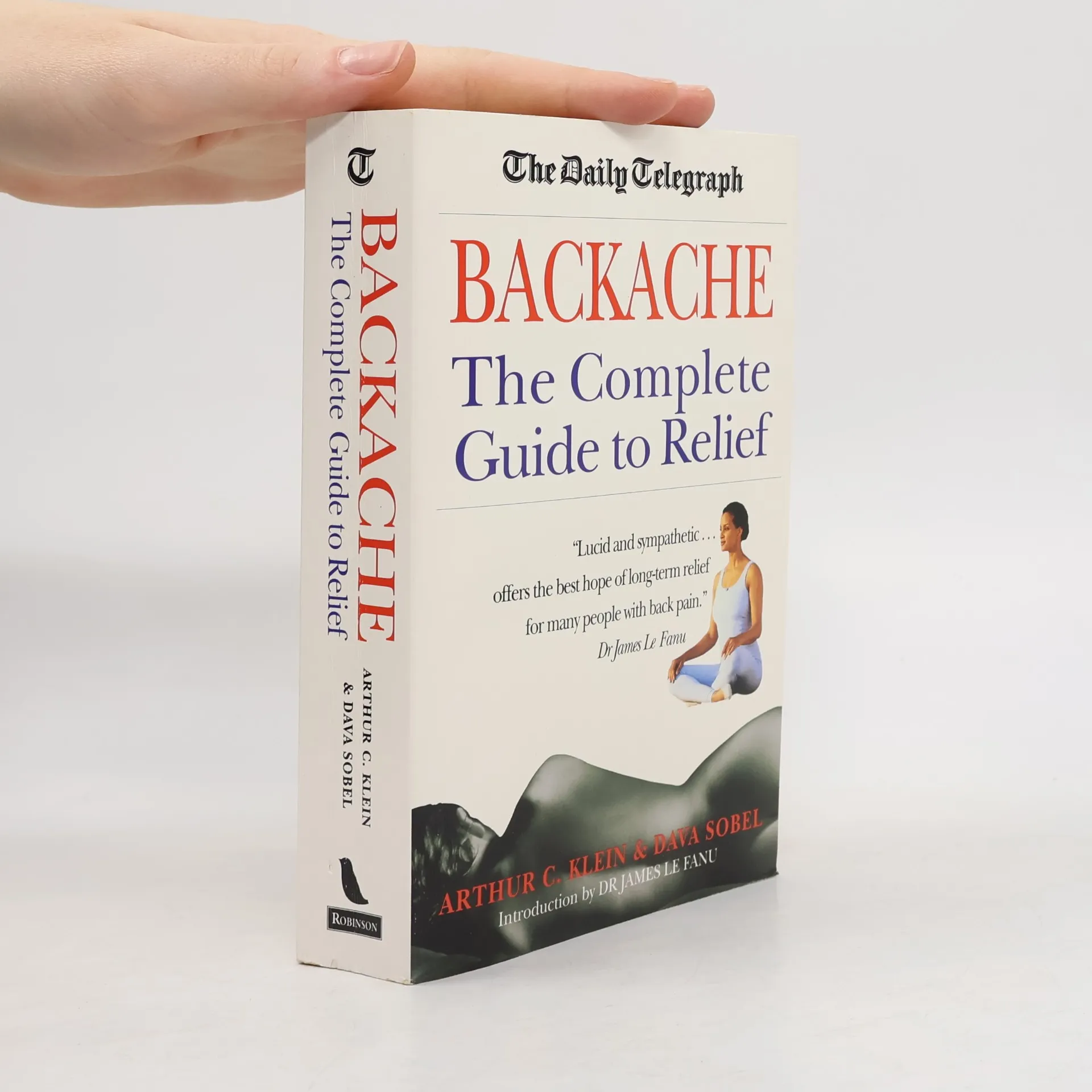
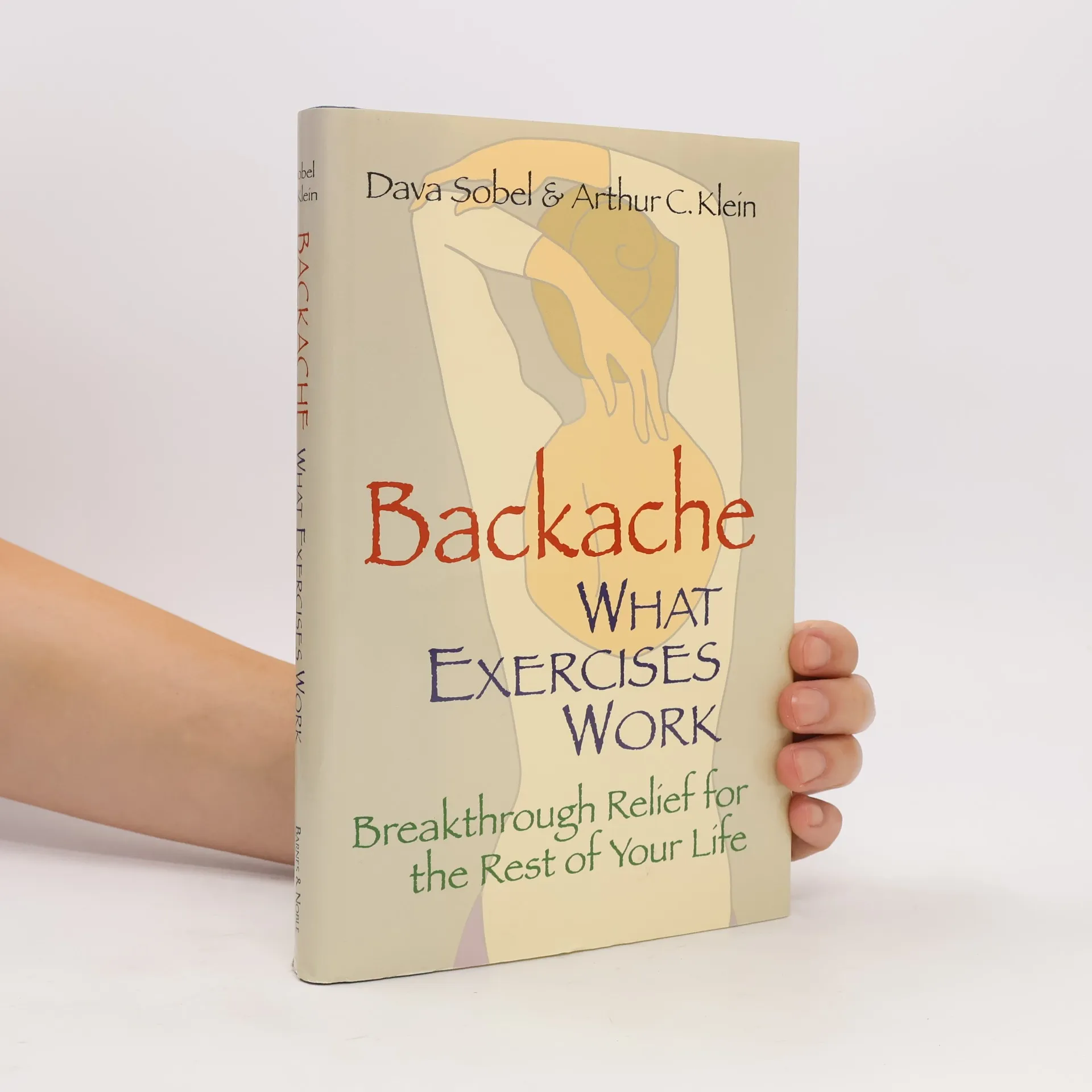
Combining Backache Relief and Backache: What Exercises Really Work?, this book provides answers and treatment options for every back pain problem: conventional medicine, drugs, surgery, alternative therapies, self-help techniques, diet and exercise plans.
Es war die Zeit, in der Edison mit seiner elektrischen Glühbirne für Aufsehen sorgte, als Frauen an der amerikanischen Ostküste erstmals die Gestirne erkundeten. Ein Professor der Harvard University engagierte sie Anfang der 1880er-Jahre zunächst als »Computer« – als Rechnerinnen – am Observatorium. Darunter nicht nur Familienmitglieder von Astronomen, sondern auch Absolventinnen der neuen Frauen-Colleges und begeisterte Sternbeobachterinnen. Und sie leisteten wahrlich Erstaunliches: Die ledige Mutter und ehemalige Haushälterin Williamina Fleming etwa machte durch ihre Berechnungen allein schon an die 300 Sterne ausfindig. Die Pfarrerstochter Antonia Maury entwickelte eine eigene Klassifikation der Planeten, die heute als Grundstein der modernen Astrophysik gelten kann. Doch wenige der Harvard-Frauen fanden später die verdiente Anerkennung auf einer eigenen Forschungsstelle. Dem Wirken der ambitionierten Wissenschaftlerinnen ein Denkmal zu setzen ist daher Dava Sobels Anliegen mit ihrem neuen, spannend erzählten Buch.
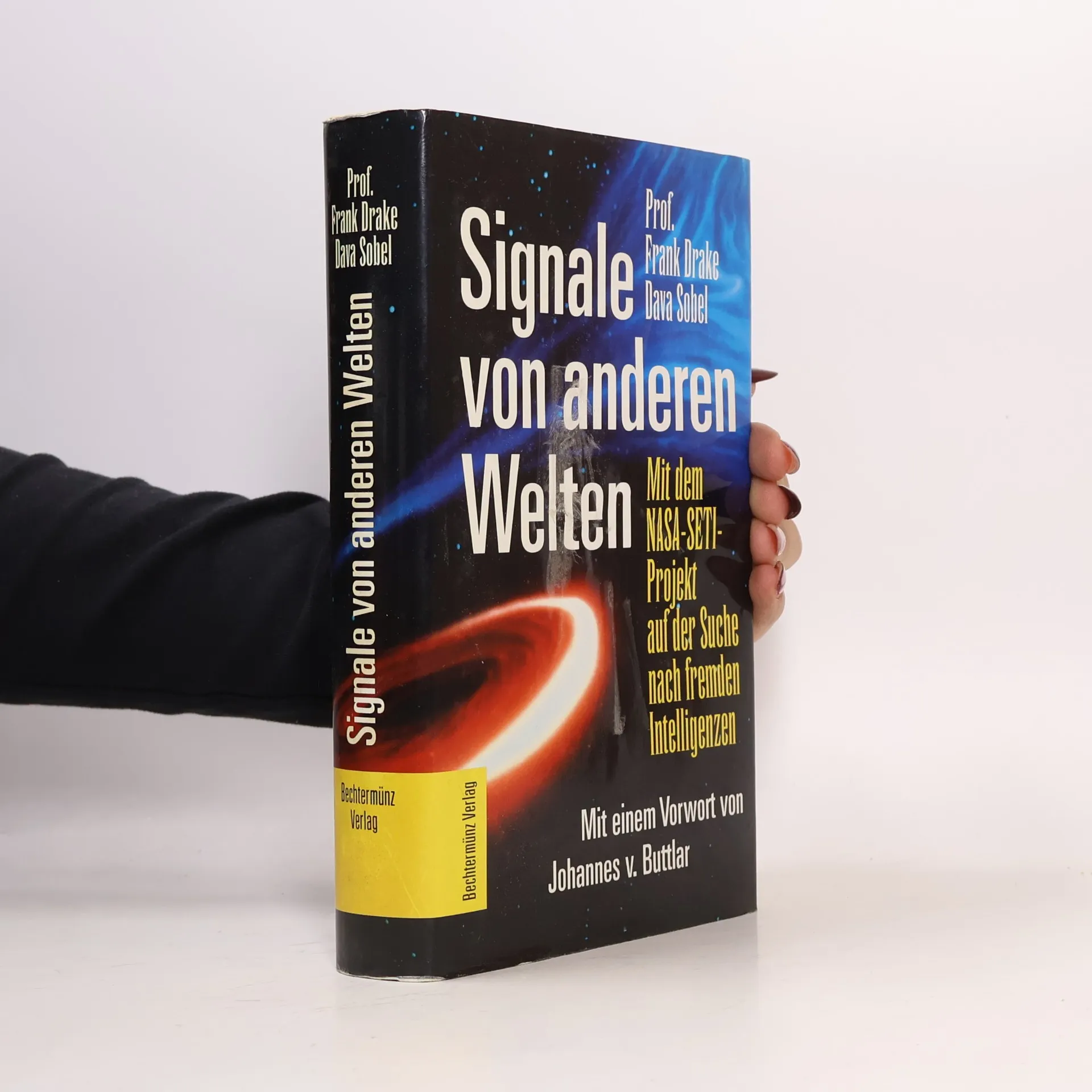
Weltraumforschung ; Intelligenz ; Ausserirdische.
Die Elemente der Marie Curie
Wie Radium Frauen den Weg in die Wissenschaft leuchtete | Von der Autorin des Weltbestsellers »Längengrad«
- 416bladzijden
- 15 uur lezen
Dava Sobel erzählt die Geschichte der berühmtesten Frau der Wissenschaft – und die der Frauen, die in ihrem Labor ausgebildet wurden. Nach dem Tod ihres Mannes übernahm Marie Curie seine Professur an der Sorbonne, zog zwei Töchter groß, brachte im Ersten Weltkrieg ein Röntgengerät an die Front und inspirierte Generationen von Frauen, Wissenschaft als Lebensweg zu wählen. Sobel nähert sich der zweifachen Nobelpreisträgerin aus einem neuen Blickwinkel. Sie erzählt von den Frauen, die ihr Vermächtnis fortführten. Das außerordentliche Porträt einer der bedeutendsten Persönlichkeiten der Moderne.
Galileos Tochter
Eine Geschichte von der Wissenschaft, den Sternen & der Liebe