

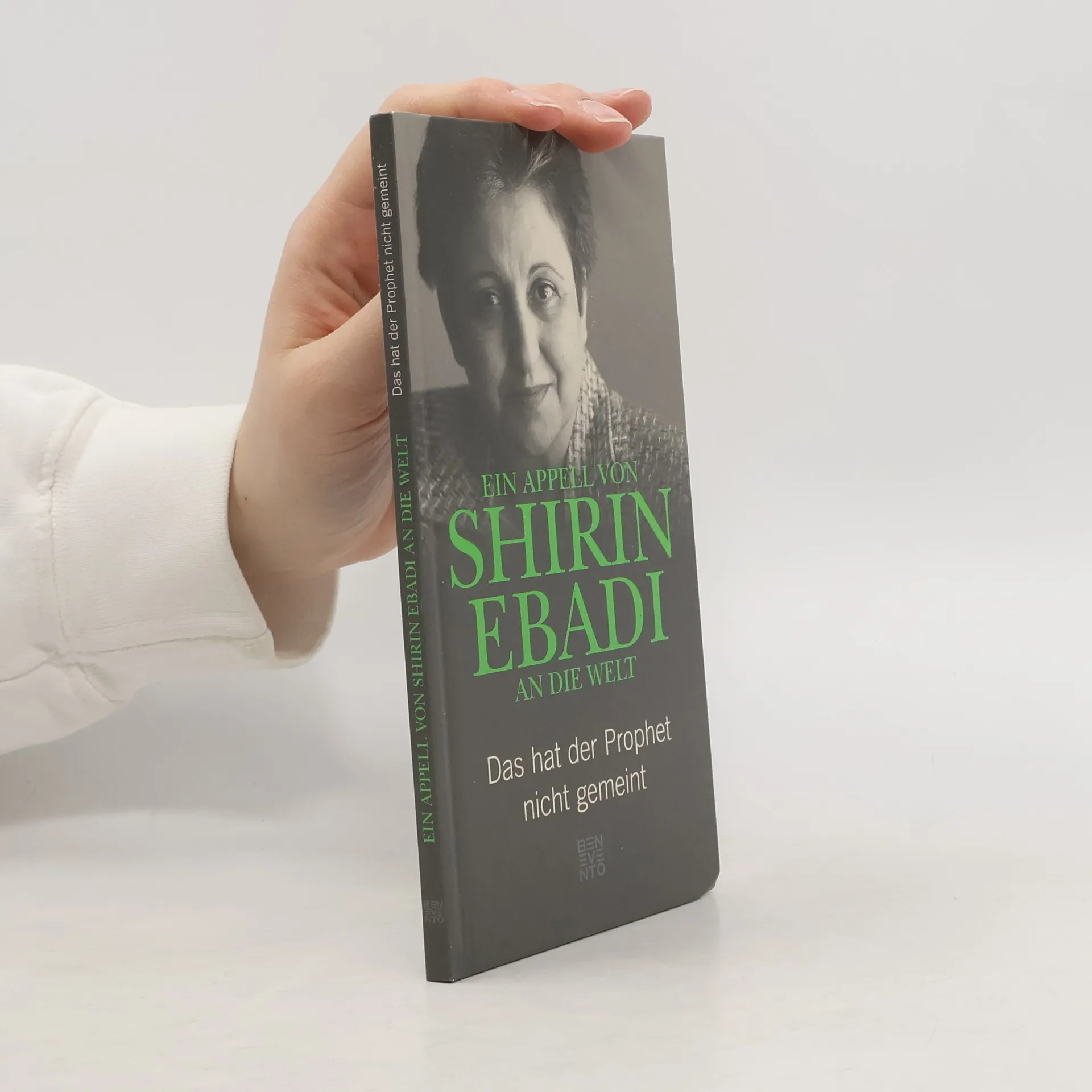
Shirin Ebadi, Iranerin, Muslimin, Juristin, Friedensnobelpreisträgerin, hat Gewalt, Unterdrückung und Terrorismus im Namen von Religion am eigenen Leib erfahren. Da hat sie zur Kämpferin für Menschenrechte, zur Aktivistin für Frieden und Stabilität gemacht. Ihre Waffen sind die Worte. Weil man nur mit ihnen Menschen überzeugen kann, dass Religion nicht als Rechtfertigung für Gewalt und Mord dienen darf.
Šīrīn ʿIbādī Volgorde van de boeken (chronologisch)
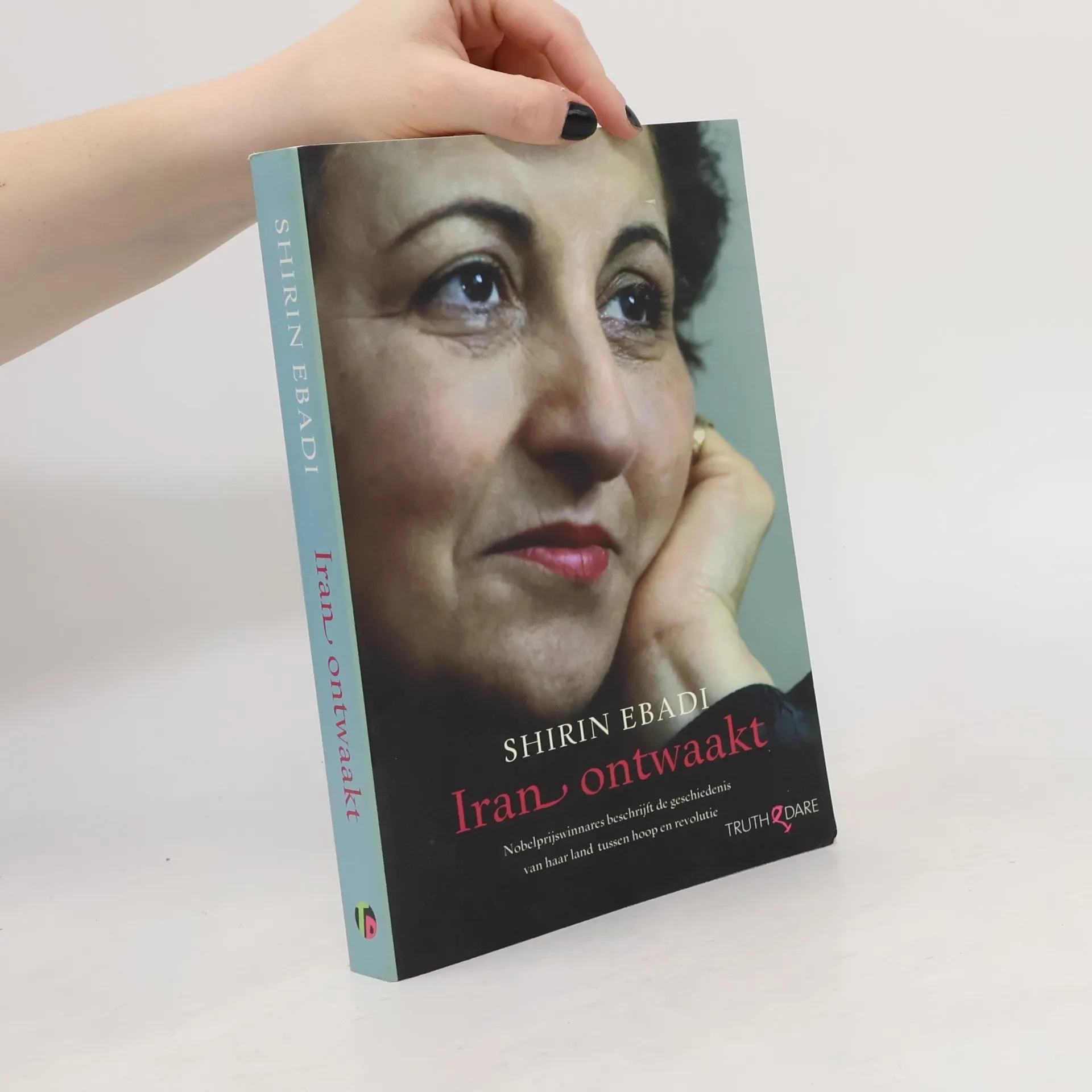
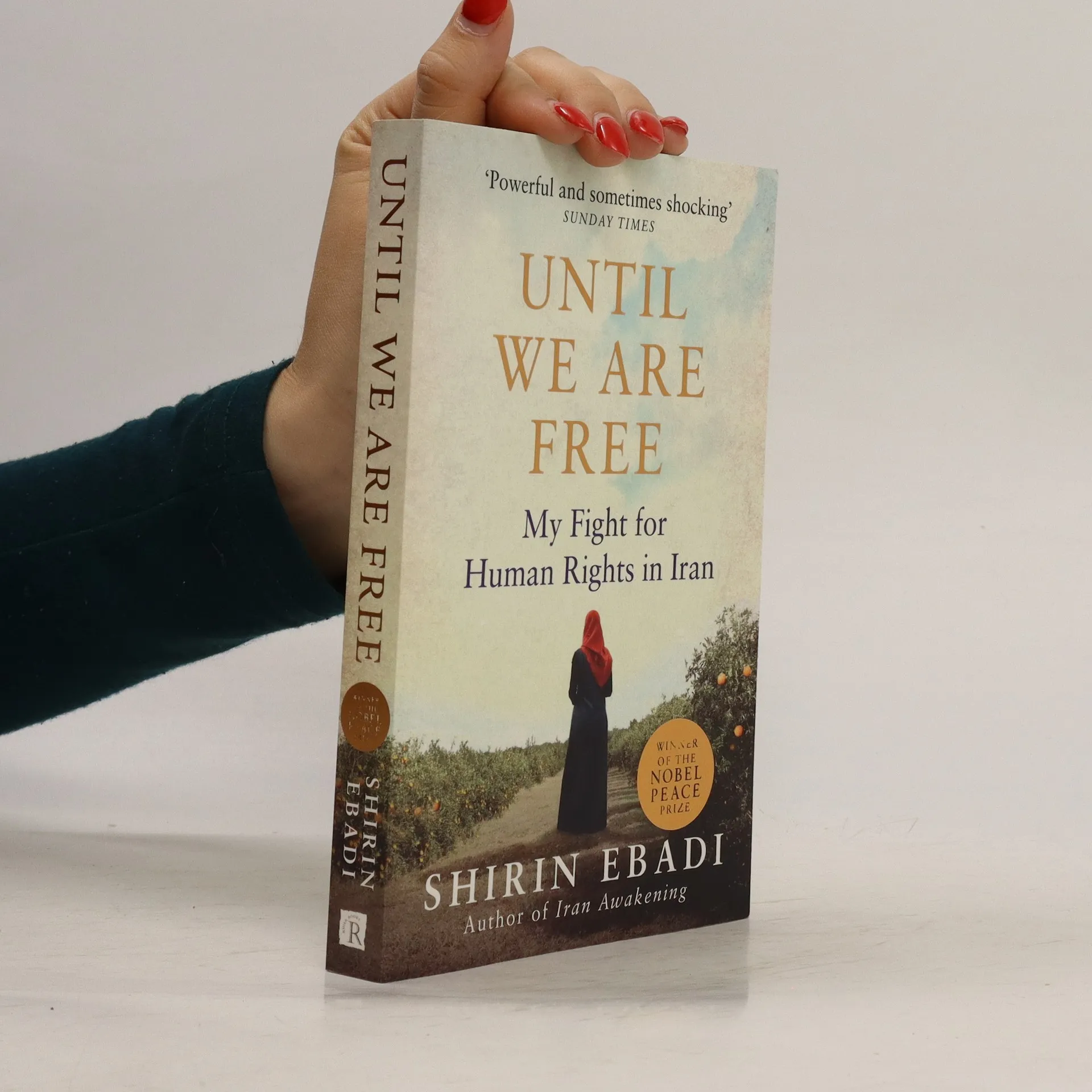
Until We Are Free
- 304bladzijden
- 11 uur lezen
'Powerful and sometimes shocking...' Sunday Times In this powerful book, Dr Shirin Ebadi, Iranian human rights lawyer and activist, tells of her fight for reform inside Iran, and the devastating backlash she faced after winning the Nobel Peace Prize. Having fought tirelessly for democracy, equality before the law and freedom of speech, Ebadi became a global voice of inspiration. Yet, inside her own country, her life has been plagued by surveillance, intimidation and violence. Until We Are Free tells shocking stories of how the Iranian authorities eventually forced her into exile. Her sister and daughter were detained, her husband was enmeshed in an espionage plot with another woman, her Nobel medal was stolen from her safety deposit box, and her offices in Tehran were ransacked. An illuminating depiction of life in Iran today as well as the account of Ebadi's personal struggle to uphold her work and keep her family together, Until We Are Free is ultimately a work of hope and perseverance under circumstances of exceptional difficulty.
Throughout her extraordinary career as a lawyer, writer, activist, and dissident, Shirin Ebadi has been a powerful voice for her native Iran, resonating well beyond its borders. As a dedicated human rights advocate and Nobel Peace Prize winner, she has instilled hope for a better future in both Iran and the world. In her memoir, Ebadi shares her eyewitness account of standing courageously at a pivotal moment in history. Known for defending women and children in politically sensitive cases, she reveals her public career alongside her private life, including her faith, experiences, and desire for a traditional life while being a rebellious voice in a repressive society. Ebadi reflects on her upbringing in a modest Tehran household, her education, and her rise as Iran's most accomplished female jurist in the mid-1970s. She articulates her initial hopes for the 1979 Islamic Revolution and her subsequent disillusionment with the hard-line clerics' rule. She recounts her demotion to clerk after being deemed unfit to serve as a judge and speaks out against the oppressive patriarchy that has stripped women of their rights and citizens of their freedoms. Despite her formidable presence, Ebadi is portrayed as an everywoman—a devoted daughter, wife, and mother—who balances her activism with family responsibilities, never leaving for a lecture or prison without preparing meals for her loved ones.