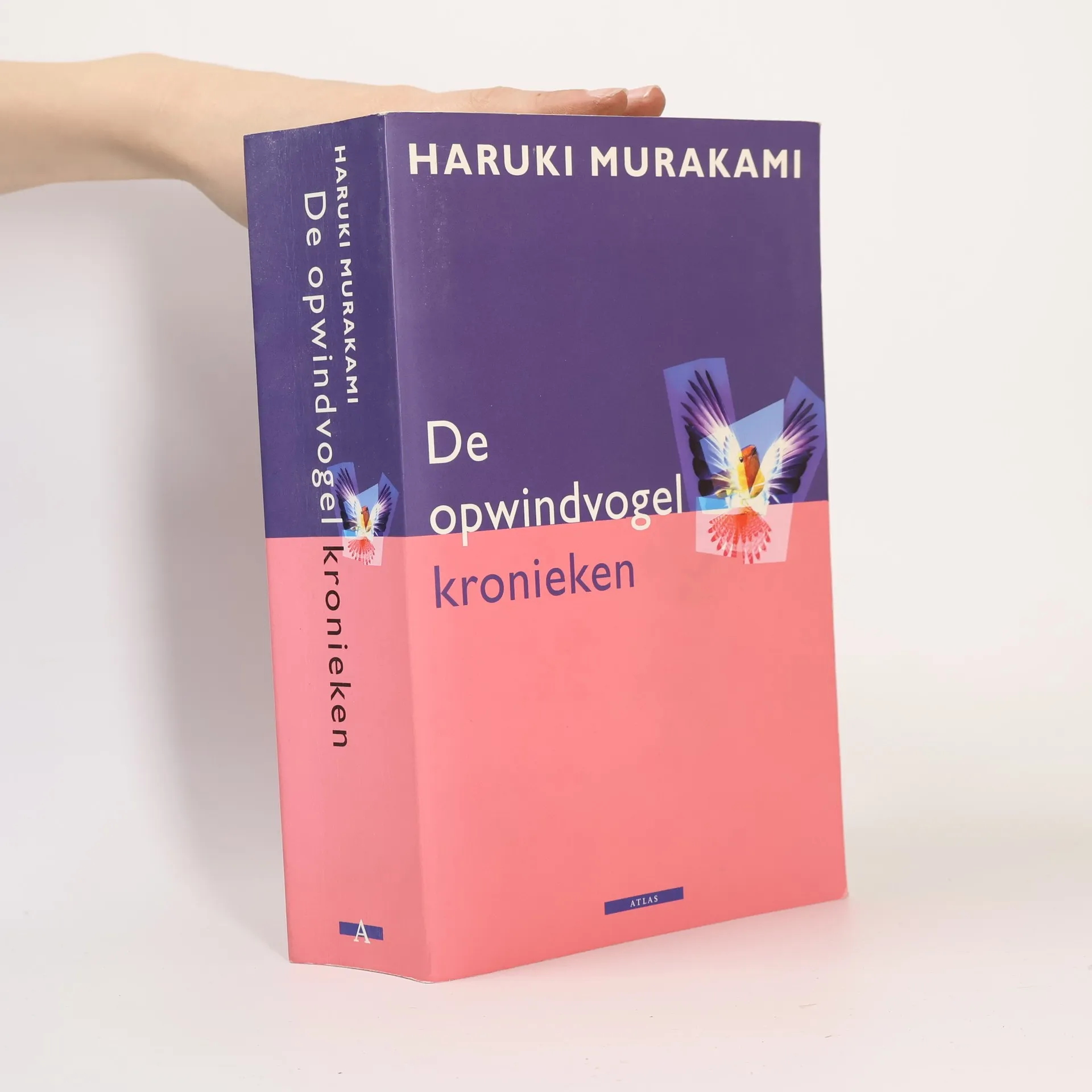
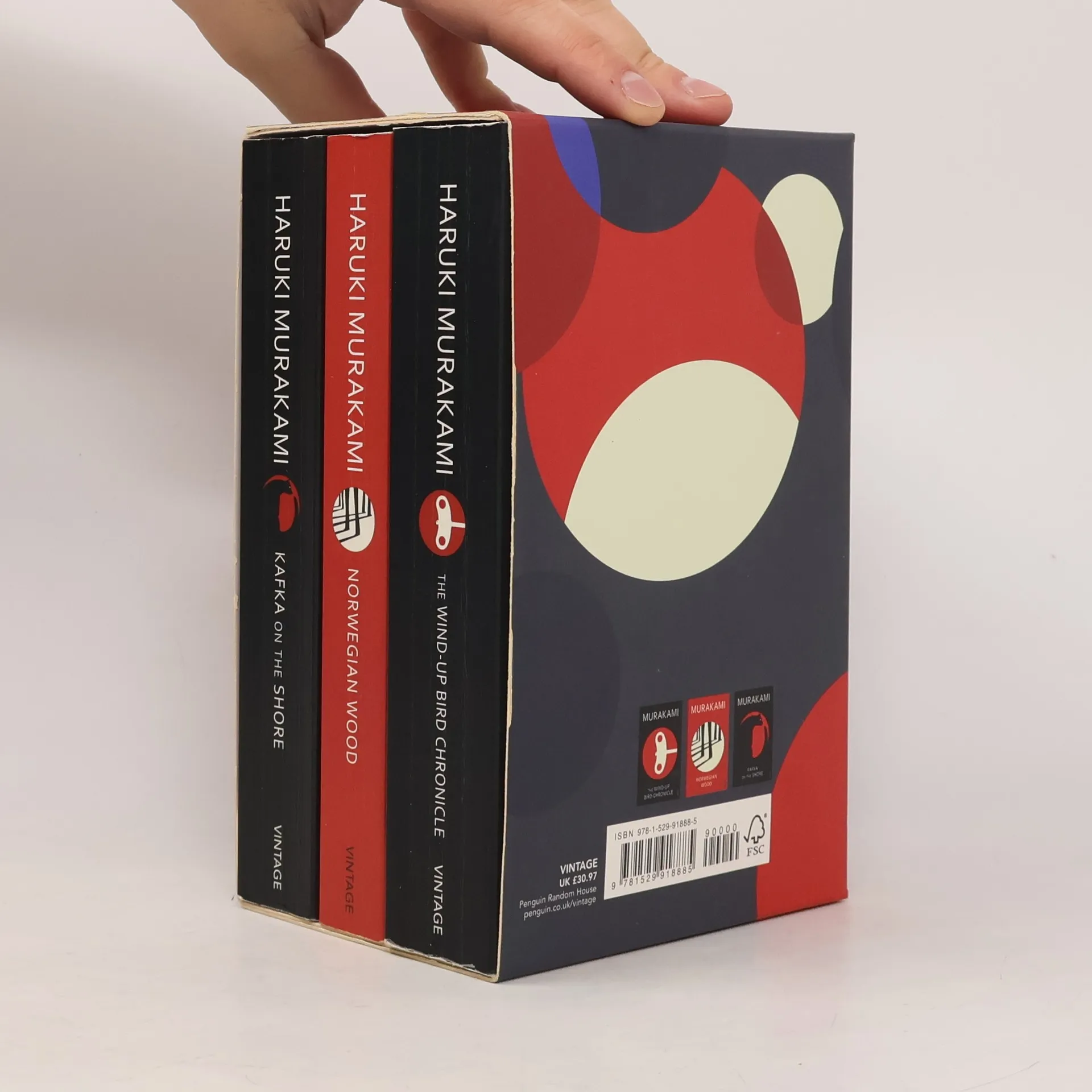
Het noodlot slaat wel erg hard toe bij Toru Okada: hij raakt zijn baan kwijt, zijn kat is spoorloos en dan komt zijn vrouw ook ineens niet meer thuis na haar werk. De tocht die daarop volgt, op zoek naar zijn vrouw en kat, brengt hem in contact met een aantal bizarre mensen, zoals twee gestoorde zusters, een tamelijk vreemde tiener, een oude soldaat die de slachtingen in China net voor de Tweede Wereldoorlog heeft gadegeslagen en een zeer dubieuze politicus.
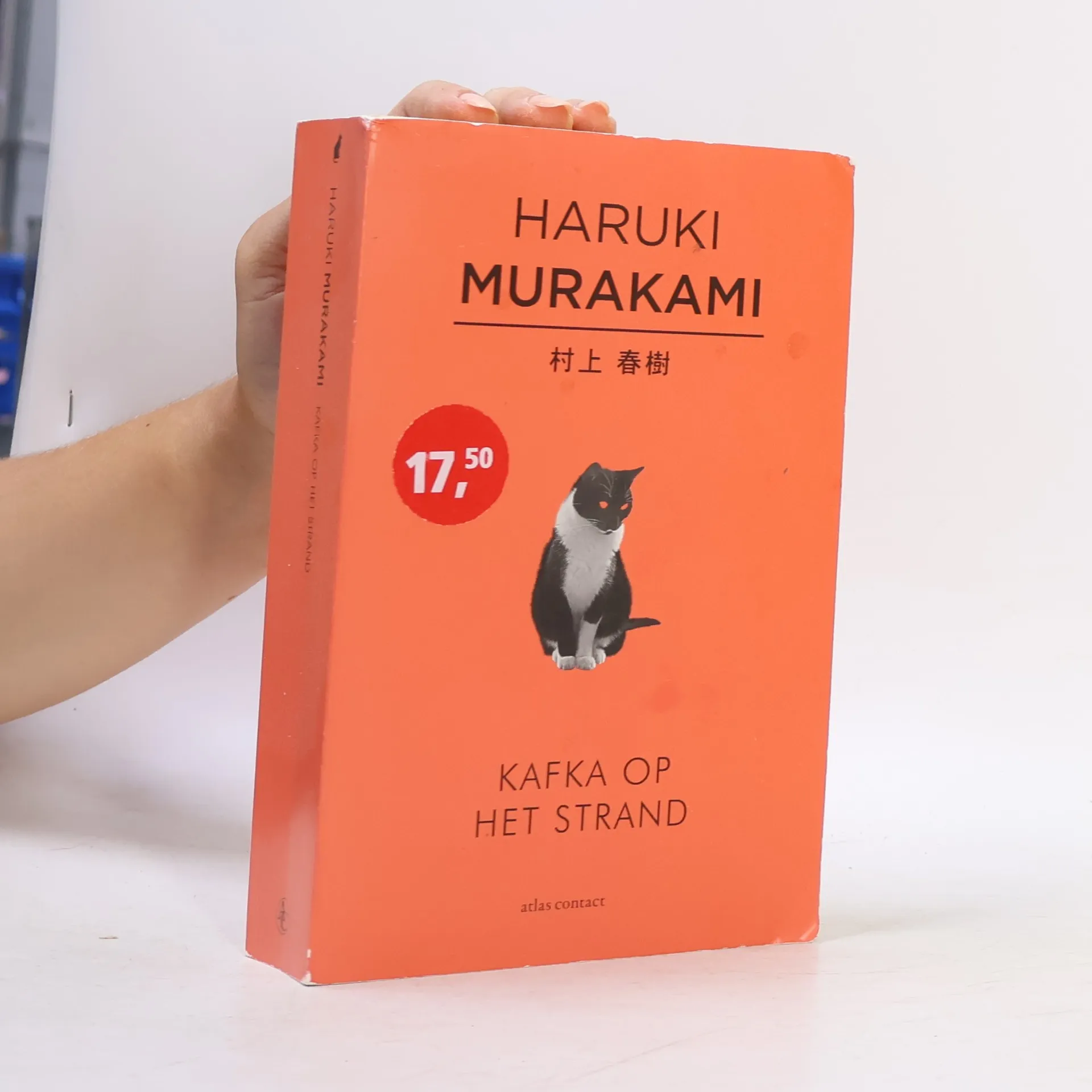
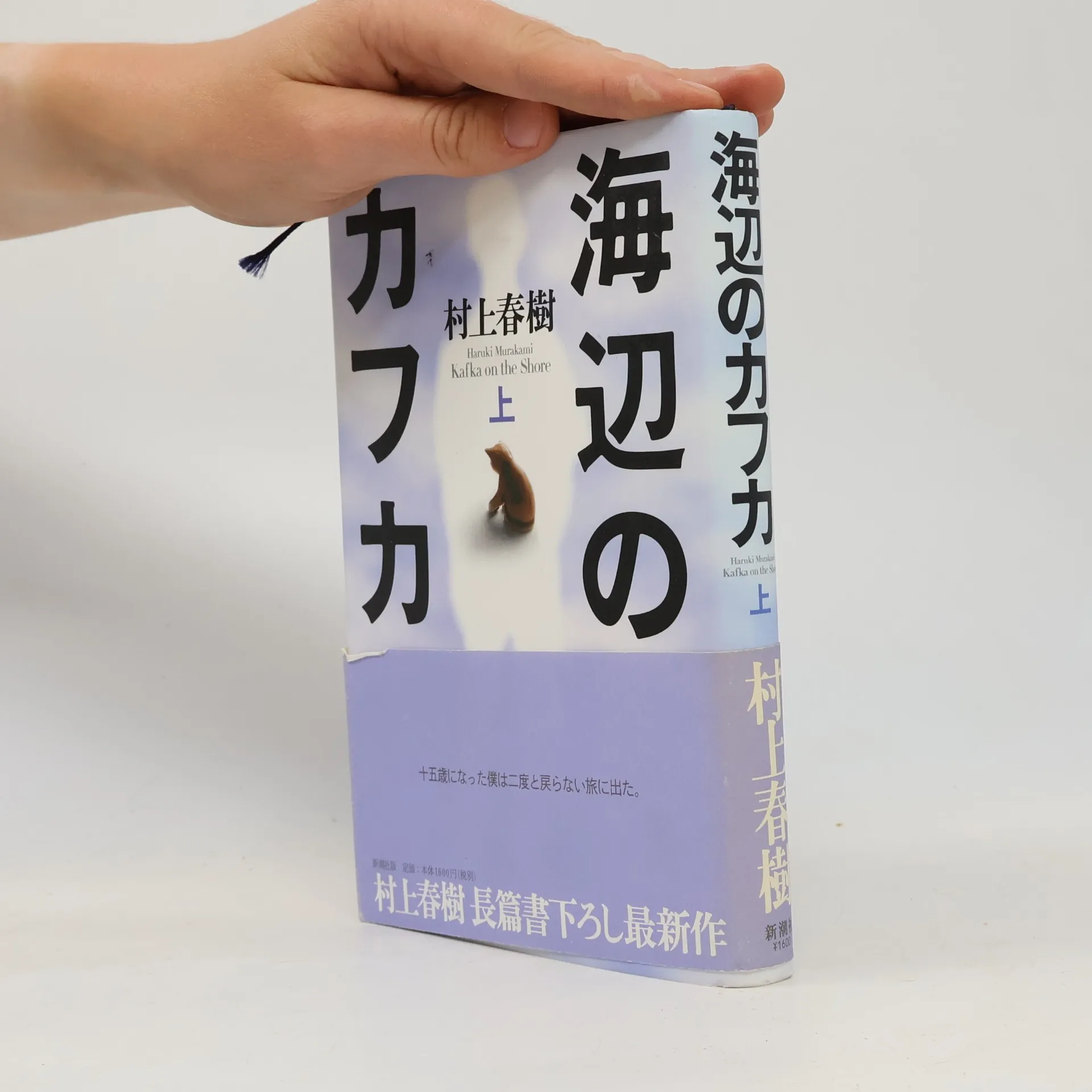
Coming of age' roman over de 15-jarige Kafka Tamura die, om te ontkomen aan de voorspelling dat hij met zijn verdwenen moeder en zijn zus zal slapen, van huis wegloopt. Op onverklaarbare wijze wordt de jongen aangetrokken tot een bibliotheek in Takamatsu en tot de directrice, mevrouw Saeki. Kafka's pad kruist eveneens dat van het meisje Sakura, van een bibliothecaris, en van de geheimzinnige meneer Nakata, die met katten praat. De laatste was in de oorlog het slachtoffer van massahysterie en spoort niet helemaal. Als Kafka's vader op gruwelijke wijze in Tokyo vermoord wordt, raken de gebeurtenissen in een stroomversnelling.
Een zesendertigjarige pas gescheiden portretschilder neemt zijn intrek in een oud atelier in de bergachtige omgeving ten zuidwesten van Tokio. Behalve door liefdesperikelen wordt hij geplaagd door een painter’s block, een onvermogen om te schilderen. Hij hoopt in het afgelegen atelier tot rust te komen, en zijn inspiratie terug te vinden, maar het zal anders gaan. Een mysterieus schilderij op de zolder van zijn verblijf lijkt tot leven te komen, vanuit een heuvel in het bos achter het huis klinkt ’s nachts het geluid van een bel. Een meisje verdwijnt, en de hoofdpersoon gaat haar zoeken – een zoektocht die hem afvoert naar de wereld der metaforen, waar hij met zijn diepste angsten wordt geconfronteerd.
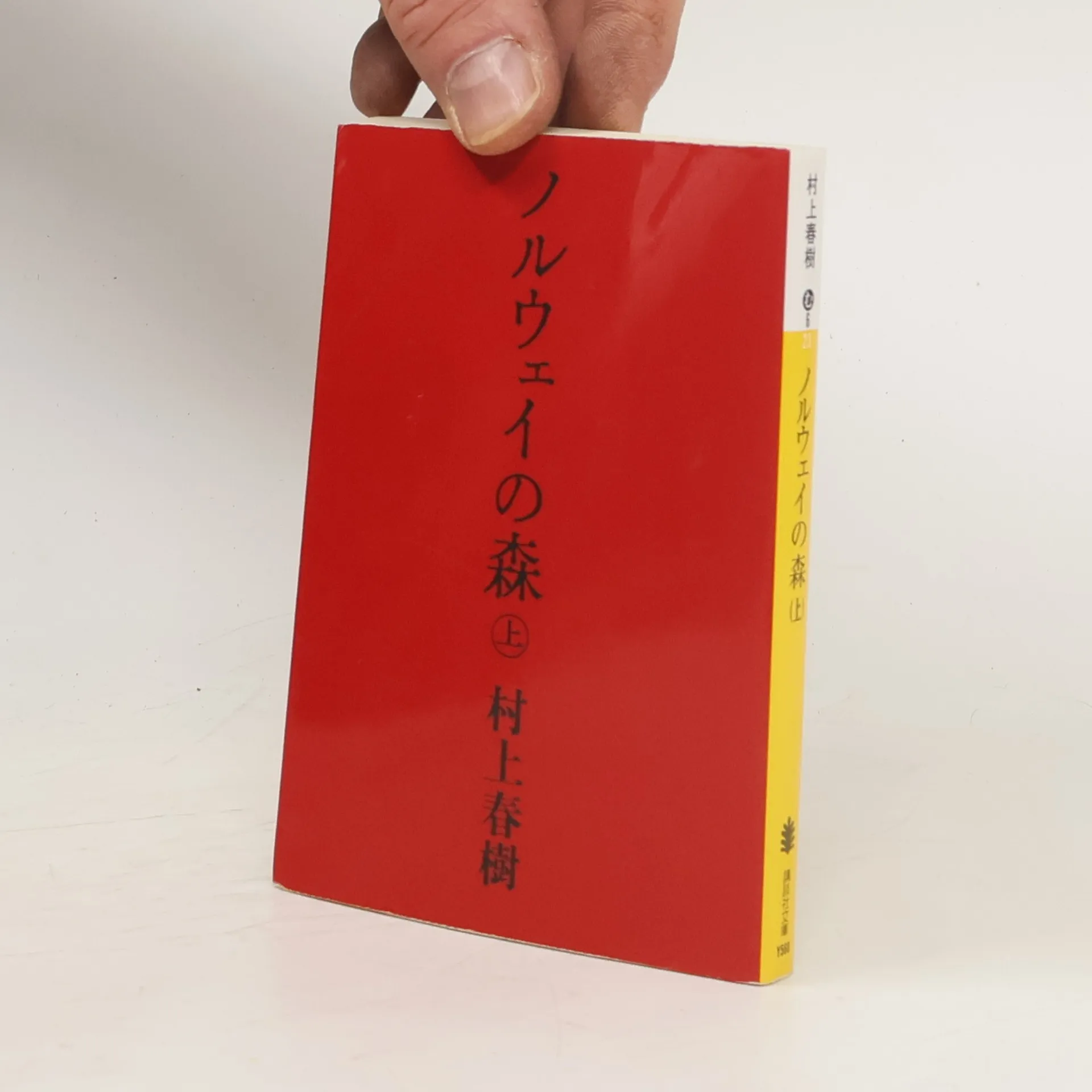
Watanabe is een stille en buitengewoon serieuze jonge student in Tokio. Hij is dol op Naoko, een mooie jonge vrouw, maar hun wederzijdse liefde wordt getekend door de tragische dood van hun beste vriend jaren geleden.Watanabe went aan het campusleven en de eenzaamheid en afzondering die hij daar ervaart, maar Naoko kan de druk en verantwoordelijkheid van het leven niet verdragen. Terwijl zij zich verder terugtrekt in haar eigen wereld, vindt Watanabe aansluiting bij de andere studenten en voelt hij zich aangetrokken tot een jonge, onafhankelijke en seksueel geëmancipeerde vrouw. Norwegian Wood is een indringend verhaal over romantiek en volwassenheid, over de onmogelijke en dappere liefde van een jonge man.Met deze prachtige en weemoedige roman brak Haruki Murakami door in Japan. Er werden miljoenen exemplaren van verkocht.
De levens van twee solitaire dertigers met een beladen verleden blijken in het Tokio van 1984 op mysterieuze wijze intenser verstrengeld dan ze zelf voor mogelijk houden.
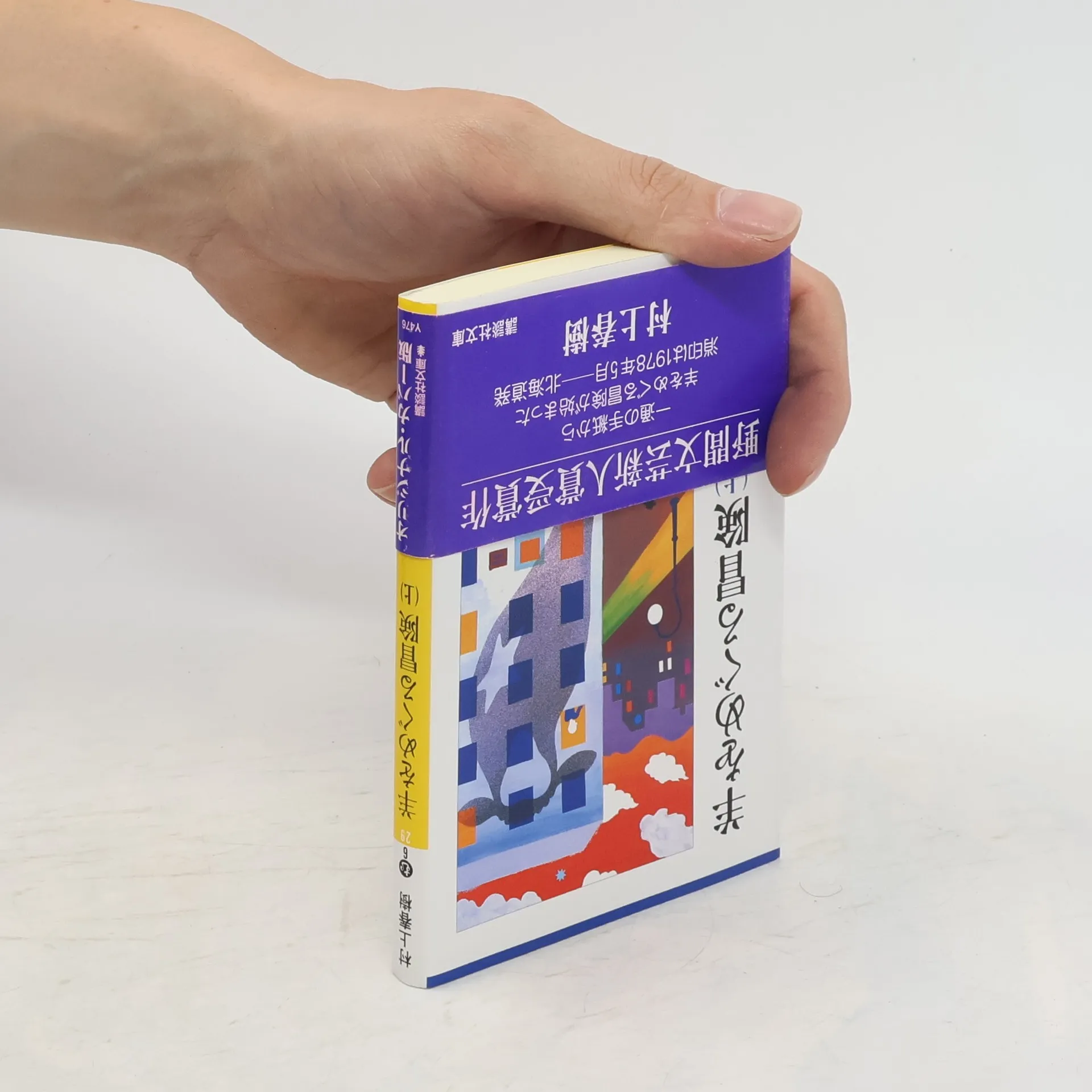
De hoofdpersoon van De jacht op het verloren schaap , 'een held van onze tijd', is een jongeman van tegen de dertig die samen met zijn vriendin, een meisje met sensationeel mooie oren, op zoek gaat naar een zeer speciaal schaap met een ster op de rug. Door een sinistere keren, die volgeling is van de Leider, het kopstuk van een extreem-rechtse beweging, wordt hij hiertoe gedwongen.
Aomame kan niet weg uit de flat waar ze zich schuilhoudt, Tengo kan niet weg bij zijn stervende vader, en Ushikawa kan niet weg achter de verborgen camera waarmee hij op ze loert. Ieder bezint zich op zichzelf. Wat kunnen ze anders doen? Maar wie zal de eerste zijn die deze patstelling verbreekt? Wat is de werkelijke reden dat de sekte Aomame ten koste van alles levend in handen wil krijgen? En wie is de mysterieuze NHK-collecteur die bij alle drie op de voordeur bonst? In deze zinderende roman brengt Haruki Murakami zijn meesterlijke trilogie tot haar onverbiddelijke, ontroerende ontknoping.
Hajime en zijn jeugdliefde Shimamoto groeien allebei op als enig kind. Na schooltijd luisteren ze samen naar muziek, houden elkaars hand vast en praten over de toekomst. Als Hajime met zijn familie naar een andere stad verhuist, verliezen ze elkaar uit het oog. Jaren later komen ze elkaar echter weer tegen. Hajime is de succesvolle eigenaar van een nachtclub, echtgenoot en vader. Shimamoto's leven is gehuld in vele geheimen die ze niet wil prijsgeven. Maar na hun ontmoeting zet Hajime alles op alles om zijn jeugdliefde weer te veroveren.
"Een zesendertigjarige portretschilder neemt zijn intrek in een oud atelier in de bergen ten zuidwesten van Tokio. Hij is onlangs gescheiden, na zes jaar huwelijk. Behalve door hartzeer wordt hij geplaagd door een painter’s block. Hij hoopt in het afgelegen atelier tot rust te komen en zijn inspiratie terug te vinden, maar het loopt anders. Een mysterieus schilderij lijkt tot leven te komen. Vanuit een heuvel in het bos achter het huis klinkt ’s nachts het geluid van een bel. Een flamboyante buurman biedt hulp, maar hij heeft zijn eigen agenda. Het leidt tot een zoektocht waarin de hoofdpersoon met zijn diepste angsten wordt geconfronteerd."--Back cover of dust jacket (volume 1).
K. is onderwijzer op een basisschool. Sumire is zijn beste vriendin en vertrouwelinge, en K. is verliefd op haar. Maar Sumire is tot haar eigen verbazing verliefd op Mioe, haar getrouwde bazin. In urenlange telefoonsessies met K. praat ze over haar problemen: wat is seksuele aantrekkingskracht en moet ze Mioe ooit vertellen wat ze voor haar voelt? Gefrustreerd door zijn onbeantwoorde liefde begint K. een affaire met de moeder van een van zijn leerlingen. Dan krijgt hij een wanhopig telefoontje vanaf een Grieks eiland. Het is Mioe, die hem smeekt meteen naar Griekenland te komen omdat Sumire op raadselachtige wijze is verdwenen. Er volgt een zoektocht waarin de grens tussen droom en werkelijkheid niet meer herkenbaar is.
Haruki Murakami bewijst met deze fantastische verhalenbundel opnieuw dat hij elke literaire vorm beheerst. Blinde wilg, slapende vrouw bestrijkt het hele spectrum van de menselijke ervaring. De mysterieuze verhalen variëren in sfeer van surrealistisch tot alledaags. De lezer vindt krassende kraaien, een misdadige aap en een ijscoman op zijn pad, en wordt geconfronteerd met de dromen die ons leven bepalen en de wensen die we koesteren. Bij een onverwachte ontmoeting in Italië, een romantische ballingschap in Griekenland, een vakantie op Hawaii of in de greep van het dagelijks leven worden de personages geraakt – door het opgloeien van een vuurvliegje, een pijnlijk verlies, opvlammende erotiek en de schrijnende afstand tussen mensen die eigenlijk snakken naar elkaars nabijheid.
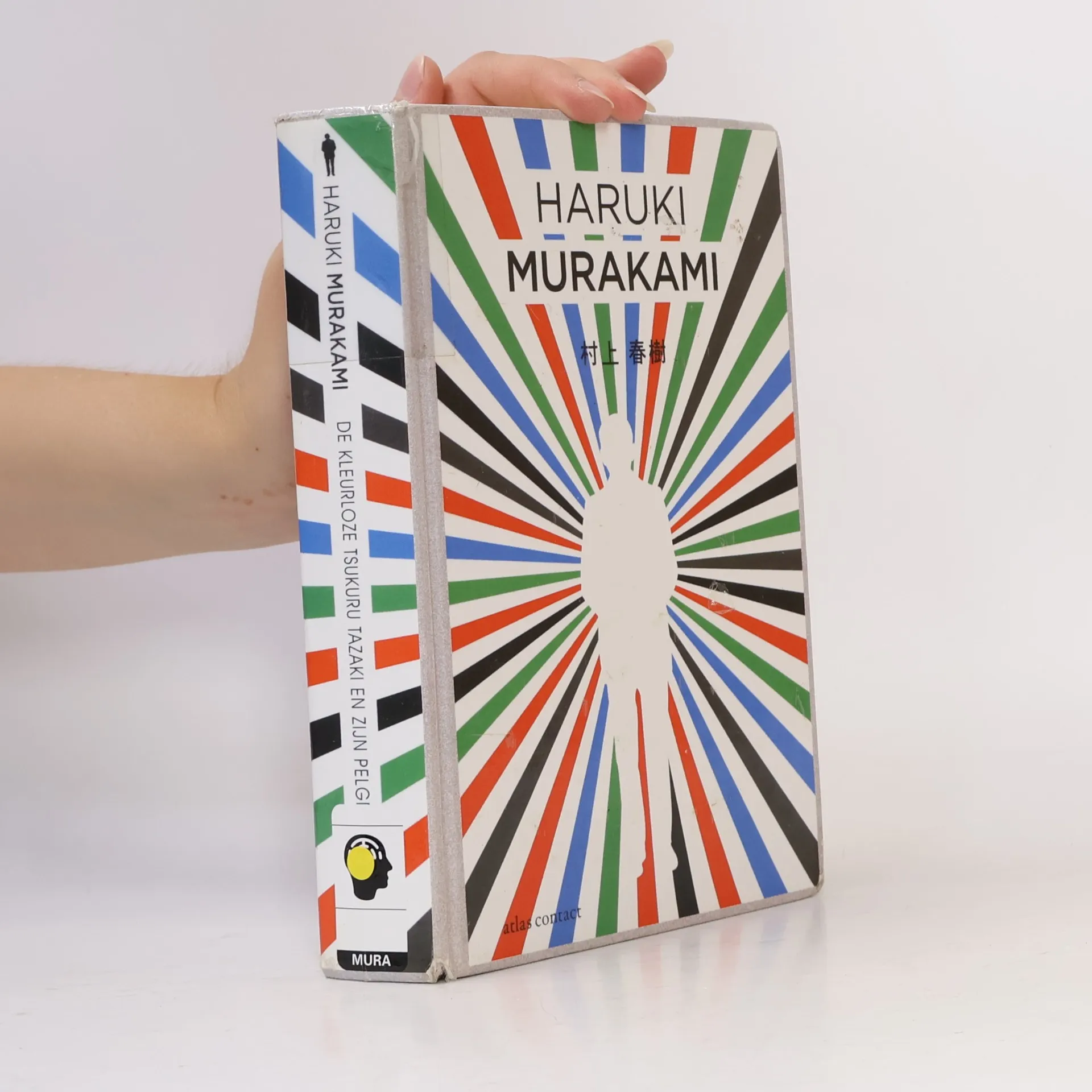
Vanaf juli van zijn tweede jaar aan de universiteit tot januari van het jaar daarop leefde Tsukuru Tazaki met constante gedachten aan de dood. Gedurende die tijd werd hij twintig en dus officieel volwassen, maar die gewichtige dag had geen speciale betekenis voor hem. Al die dagen kwam het idee om zelf een eind aan zijn leven te maken hem voor als het meest natuurlijke en logische wat hij kon doen. Ook nu begrijpt hij nog niet goed waarom hij op het laatste ogenblik die beslissende stap nooit heeft gezet.’ Tsukuru Tazaki is opeens helemaal alleen. Zijn oude vrienden, die zijn achtergebleven in zijn geboortestad toen hij in Tokyo ging studeren, willen hem van de ene op de andere dag niet meer kennen. Hij doet de dagelijkse dingen – opstaan, douchen, eten, naar college gaan – maar zijn leven is leeg en hol. En hoewel hij de definitieve stap nooit zet, ouder wordt, afstudeert, een baan vindt en carrière maakt, kan hij het verlies van zijn jeugdvrienden niet loslaten, totdat zijn vriendin Sala hem ertoe aanzet om nu eindelijk eens uit te zoeken wat er gebeurd is al die jaren terug. Maar hoe dieper hij in het verleden graaft, hoe hoger de prijs van vriendschap blijkt te zijn.
In zeven nieuwe verhalen – zijn eerste sinds negen jaar – wijdt levensgids en meesterverteller Haruki Murakami zich opnieuw aan een van zijn grote thema’s: de liefde. De verhalen in Mannen zonder vrouw horen tot de meest tedere, ontroerende teksten uit zijn oeuvre – en ze zijn onmiskenbaar Murakami. Ze gaan over eenzame, beschadigde mannen, mannen die iets beslissends mankeert, melancholieke mannen. Met andere woorden: kleurloze mannen…
Vaste grond onder je voeten hebben is een veilig gevoel, maar als die grond opeens dreigt weg te vallen, kan dat heel nare gevolgen hebben. De zes verhalen in deze bundel verkennen de psychologische gevolgen die een aardbeving teweeg kan brengen, zelfs als zij ver weg gebeurt. In Na de aardbeving is Murakami op zijn absurde, grappige, ontroerende best.
The journey of Haruki Murakami from a jazz bar owner to a literary sensation began in 1978 when a moment of inspiration struck him during a baseball game. His debut novel, Hear the Wind Sing, garnered acclaim and set the stage for subsequent works like A Wild Sheep Chase and Hard-Boiled Wonderland and the End of the World. However, it was the 1987 release of Norwegian Wood that catapulted him to international fame, establishing his reputation as a bestselling author and introducing readers to his captivating and distinctive fictional world.
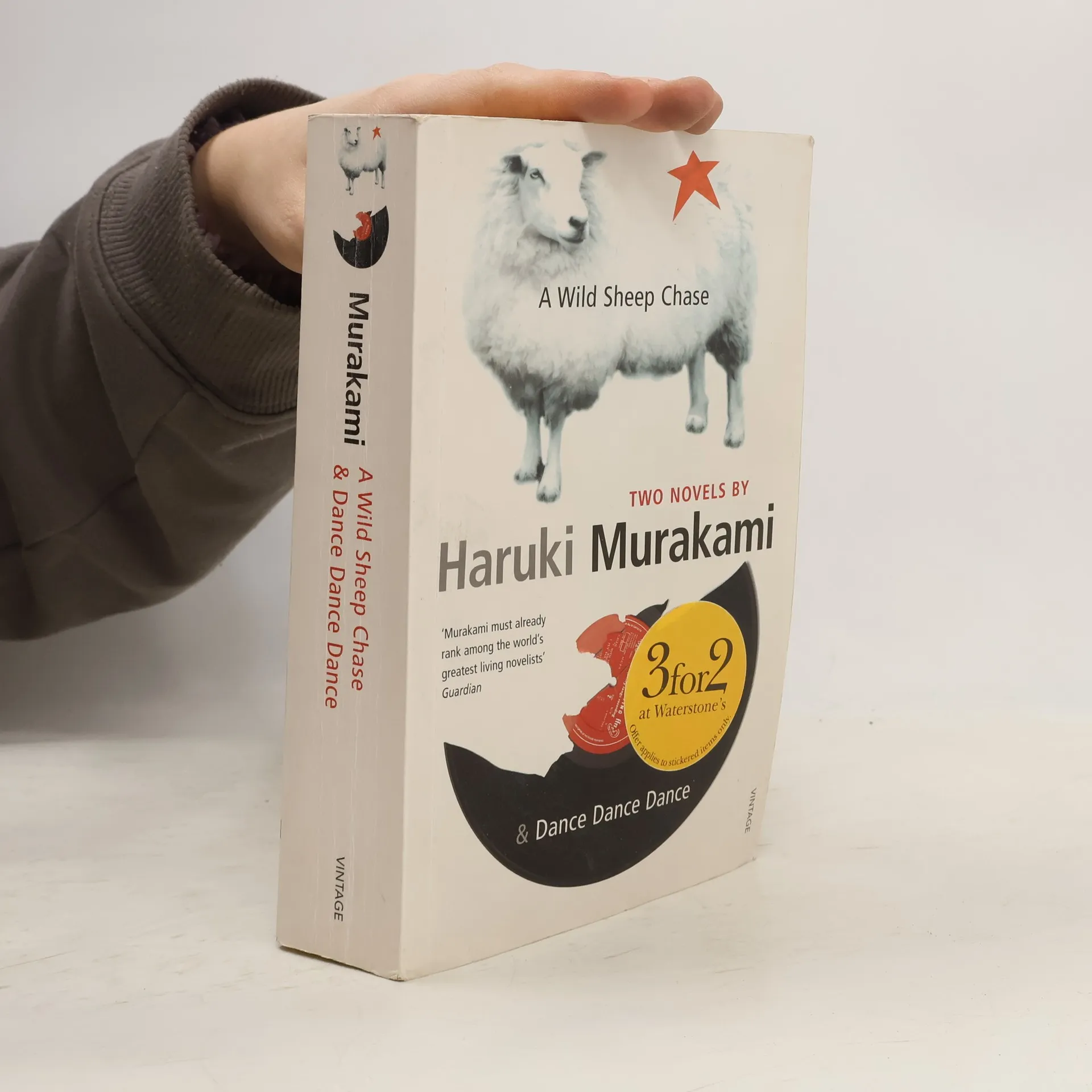
"A Wild Sheep Chase" - His life was like his recurring nightmare: a train to nowhere. But an ordinary life has a way of taking an extraordinary turn. Add a girl whose ears are so exquisite that, when uncovered, they improve sex a thousand-fold, a runaway friend, a right-wing politico, an ovine-obsessed professor and a manic-depressive in a sheep outfit, implicate them in a hunt for a sheep, that may or may not be running the world, and the upshot is another singular masterpiece from Haruki Murakami. "Dance Dance Dance" - High-class call girls billed to Mastercard; a psychic thirteen-year-old drop-out with a passion for Talking Heads; a hunky matinee idol doomed to play dentists and teachers; a one-armed beach-combing poet, an uptight hotel clerk and one very bemused narrator caught in the web of advanced capitalist mayhem; combine this offbeat cast of characters with Murakami's idiosyncratic prose and out comes "Dance Dance Dance". It is an assault on the senses, part murder mystery, part metaphysical speculation; a fable for our times as catchy as a rock song blasting from the window of a sports car.
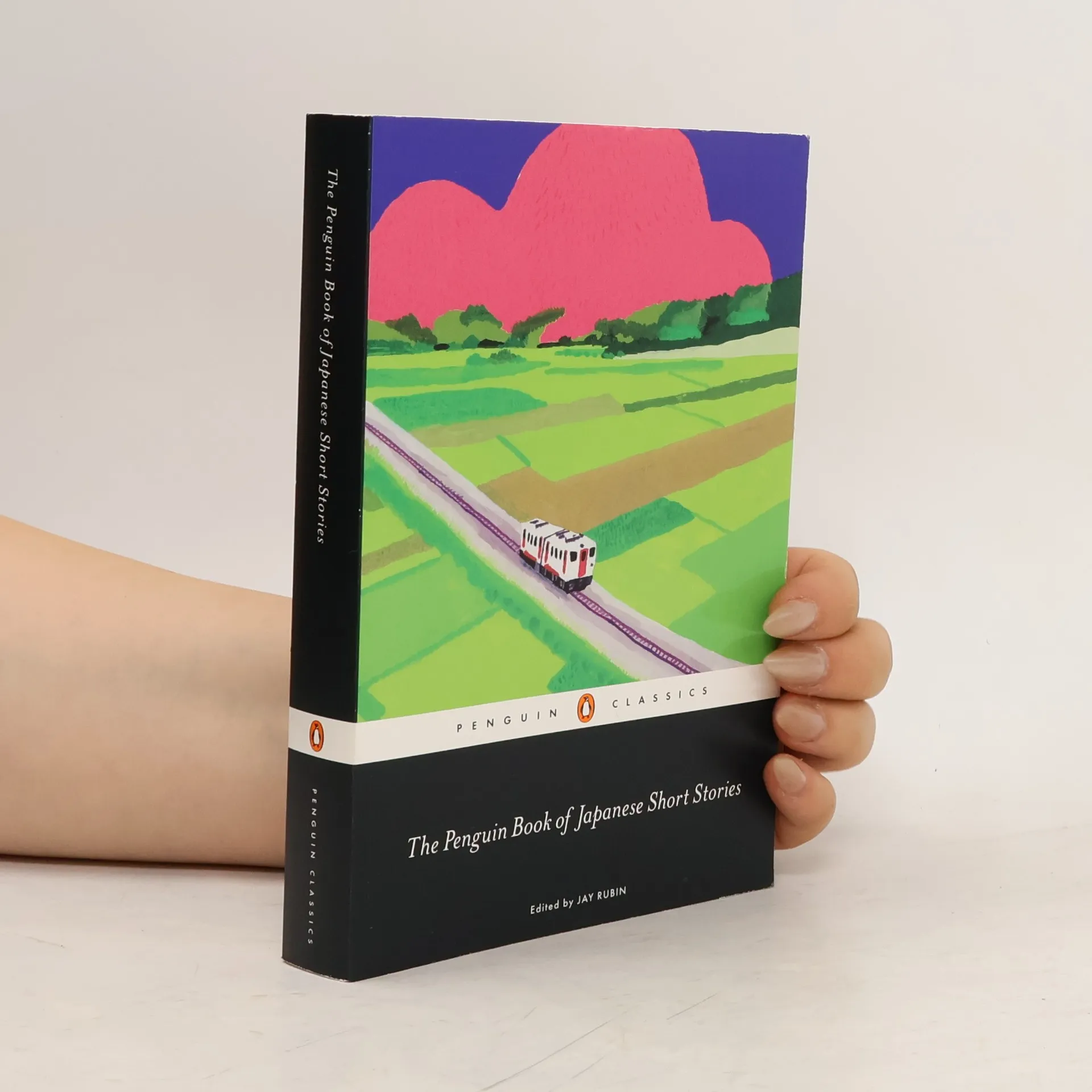
A major new anthology of great Japanese short stories introduced by Haruki Murakami.This fantastically varied and exciting collection celebrates the great Japanese short story collection, from its origins in the nineteenth century to the remarkable practitioners writing today. Curated by Jay Rubin (who has himself freshly translated several of the stories) and introduced by Haruki Murakami this is a book which will be a revelation to many of its readers. Short story writers already well-known to English-language readers are all included - Tanizaki, Akutagawa, Murakami, Mishima, Kawabata, Yoshimoto - but also many surprising new finds. From Tsushima Yuko's 'Flames' to Sawanishi Yuten's 'Filling Up with Sugar', from Hoshi Shin'ichi's 'Shoulder-Top Secretary' to Yoshimoto Banana's 'Bee Honey', The Penguin Book of Japanese Short Stories is filled with fear, charm, beauty and comedy.
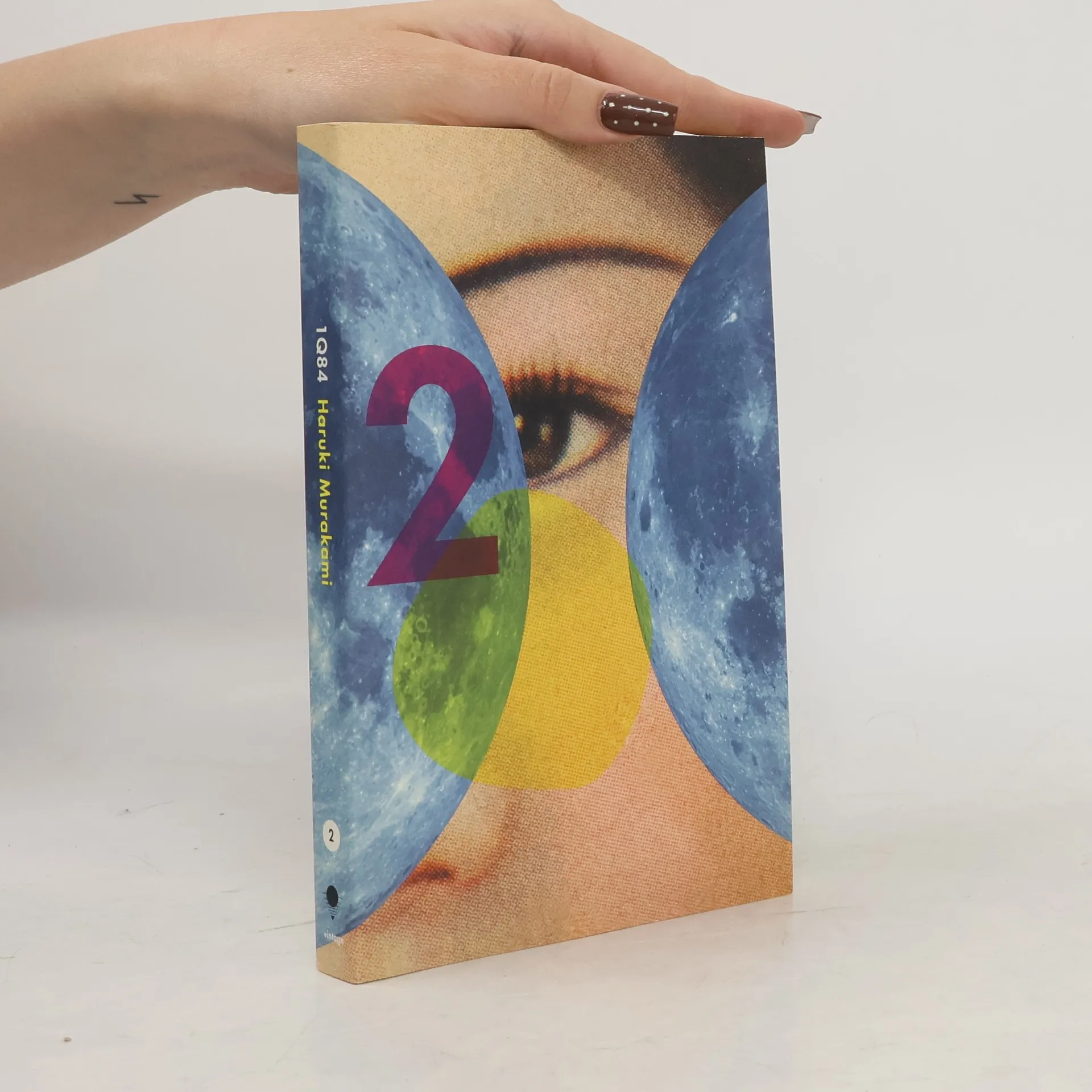
U ovom drugom tomu, Aomame i Tengo, sticajem neobičnih događaja, potvrđuju svoje sumnje da se nalaze u drugom vremenu - u godini 1Q84 - iz kojeg ne mogu da se vrate natrag u 1984. godinu i svoje realno vreme. Njihova ljubav, iako je čini samo stisak ruke u detinjstvu, jedina je istinska i prava u ovom romanu. Ona je pokretač svih dešavanja i jača uprkos njihovoj razdvojenosti, a oni se sve više približavaju jedno drugom. Murakami se u ovom nastavku produbljeno bavi filozofskim temama, odnosom dobra i zla, krivice i kazne i, pre svega, smislom života, stavom prema smrti, žrtvovanjem, ali i porodičnim vezama i, neizostavno, ljubavlju. „Ako u svetu nema ljubavi, sve je iluzija i imitacija." Autor nas upozorava da ljubav jeste glavni pokretač, ali je u modernom svetu često nema onde gde najviše treba da je bude - između muža i žene i roditelja i dece. Poznat, i zbog toga u Japanu često kritikovan, kao pisac koji unosi previše zapadnjačke tradicije u svoje romane, Murakami je ovu priču o univerzalnim temama zajedničkim za ceo svet, obojio više no ikad pre istočnjačkom filozofijom i japanskim načinom života, naročito kuhinjom, čiji nas sastojci omamljuju sa stranica ove knjige. Nastaviće se u trećem delu......
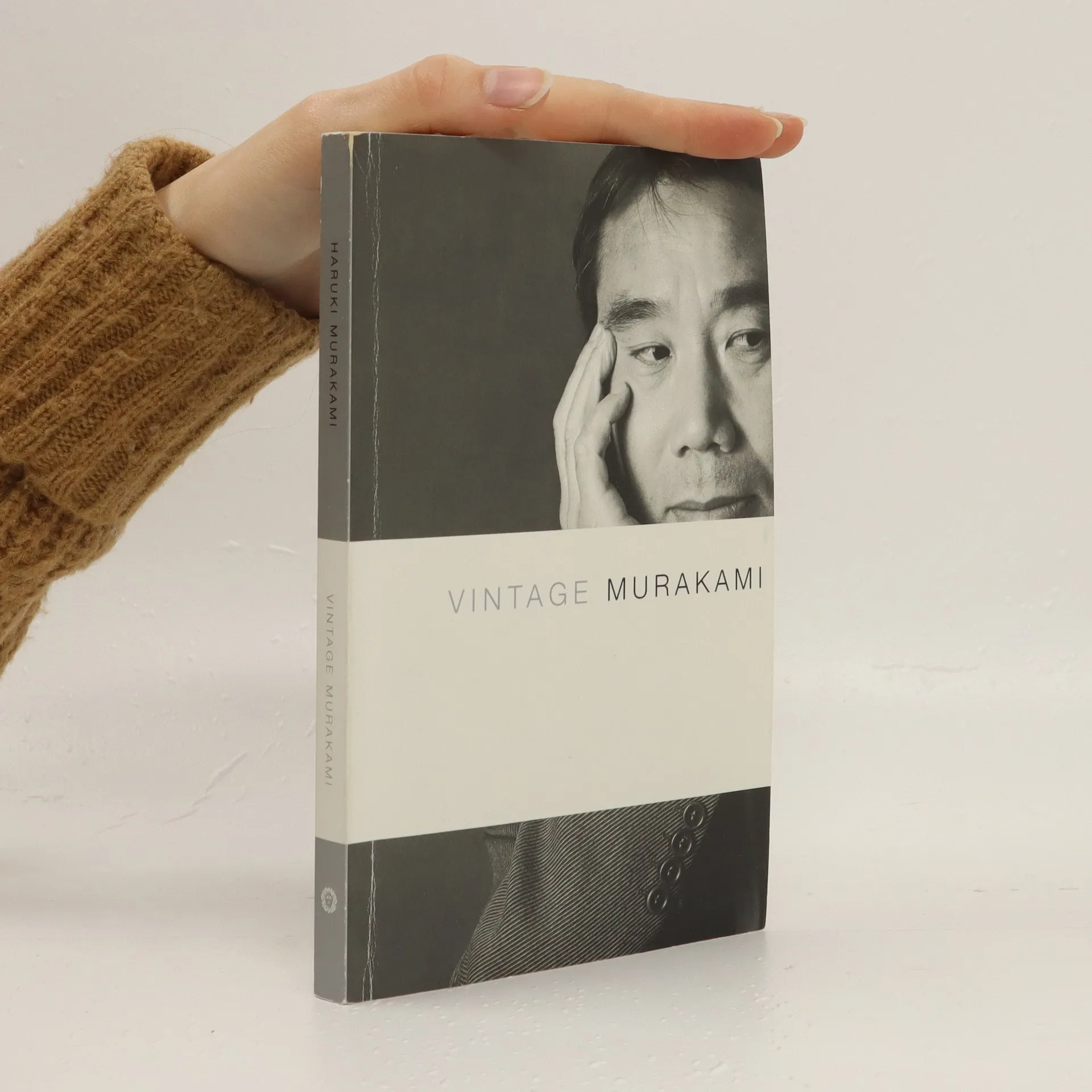
Not since Yukio Mishima and Yasunari Kawabata has a Japanese writer won the international acclaim enjoyed hy Haruki Murakami. His genre- busting novels, short stones, and repodage, which have been translated into thirty-four languages, meld the surreal and the hard-boiled, deadpan comedy and delicate introspection.Vintage Murakami includes the opening cnapter of the international bestseller Norwegian Wood; •'Lieueenant Mamiya's Long Story: Parts I and II" from his monumental novel The Wind-Up Bird Chronicle; "Shizuko Akashi" from: Underground, his nonfiction book on the Toyko subway attack 1995; and the short stories "Barn Burning," and "honey pie."Also included, for the first time in book form, the short story "Ice Man."--back coverTable of Contents"Barn burning" from The Elephant vanished -- "Shizuko Akashi" from Underground -- "Honeypie" from After the Quake -- "Lieutenant Mamiya's long stories: Part I" from the Wind-up bird chronicle -- "Lieutenant Mamiya's long stories: Part II" from the Wind-up bird chronicle -- "Ice man."
From the #1 New York Times bestselling author of 1Q84 and The Wind-Up Bird Chronicle comes a relentlessly inventive novel that dives deep into the very nature of consciousness. “Fantastical, mysterious, and funny . . . a fantasy world that might have been penned by Franz Kafka.”—The Philadelphia Inquirer Across two parallel narratives, Murakami draws readers into a mind-bending universe in which Lauren Bacall, Bob Dylan, a split-brained data processor, a deranged scientist, his shockingly undemure granddaughter, and various thugs, librarians, and subterranean monsters collide to dazzling effect. What emerges is a hyperkinetic novel that is at once hilariously funny and a deeply serious meditation on the nature and uses of the mind.
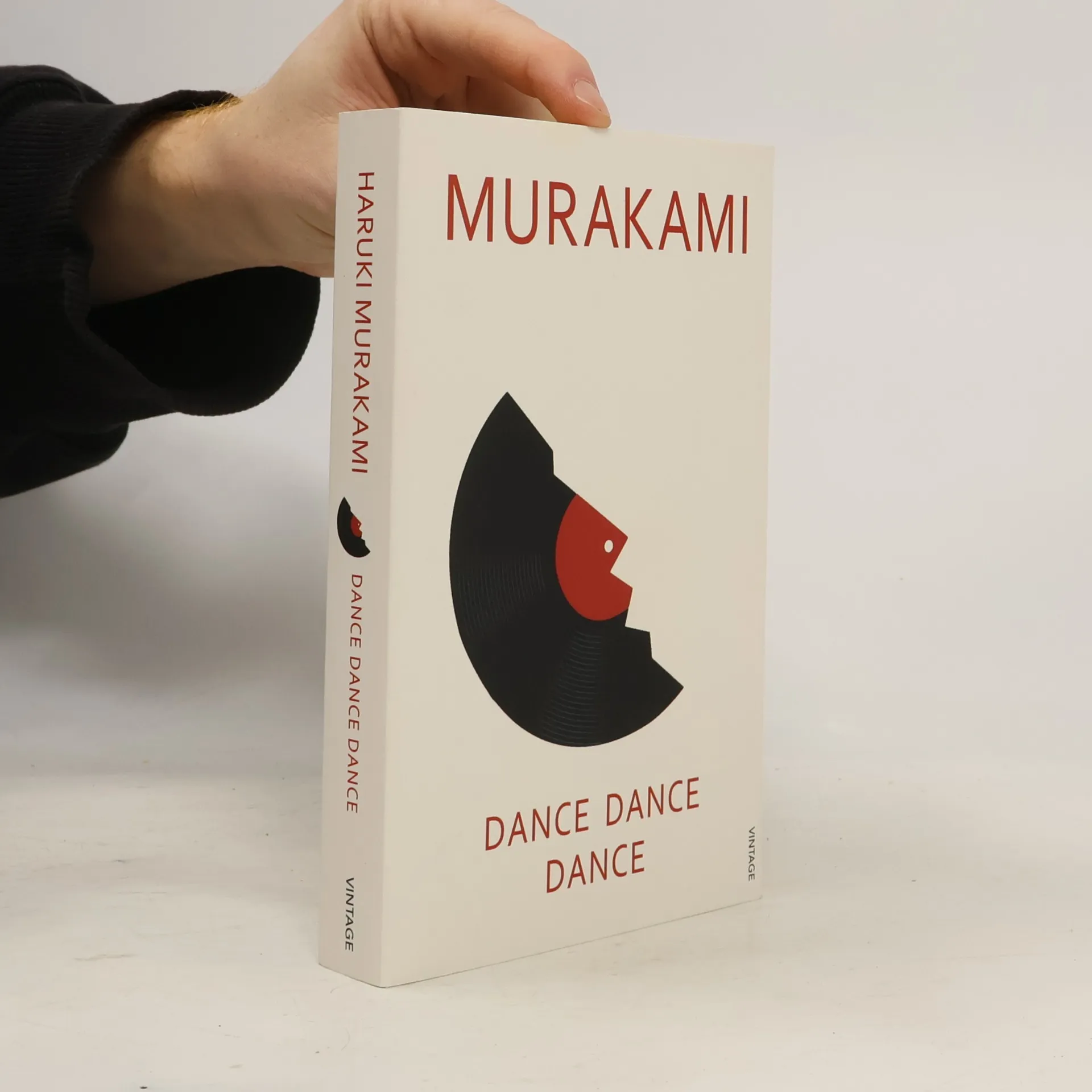
Alternate cover edition here.High-class call girls billed to Mastercard. A psychic 13-year-old dropout with a passion for Talking Heads. A hunky matinee idol doomed to play dentists and teachers. A one-armed beach-combing poet, an uptight hotel clerk and one very bemused narrator caught in the web of advanced capitalist mayhem. Combine this offbeat cast of characters with Murakami's idiosyncratic prose and out comes Dance Dance Dance.
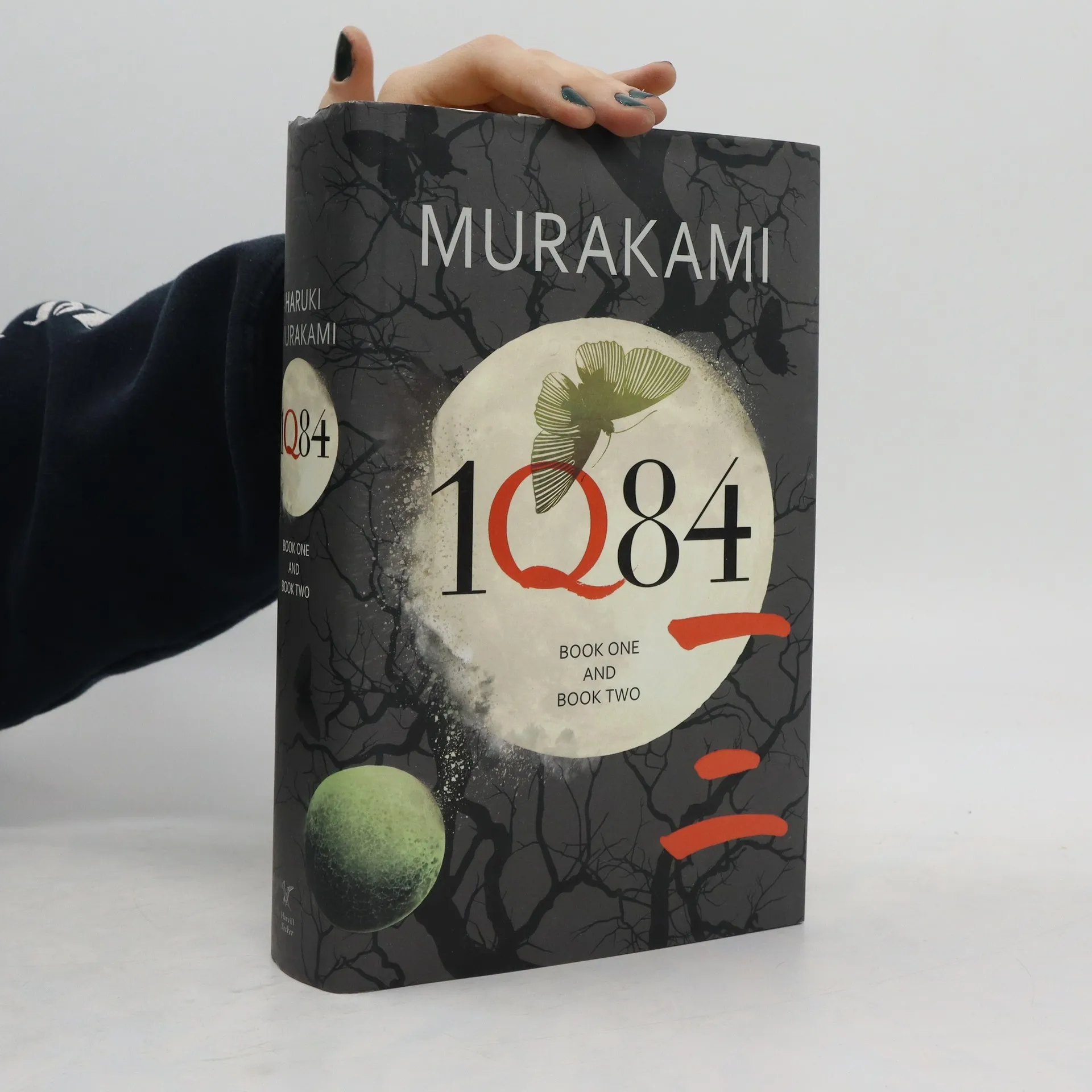
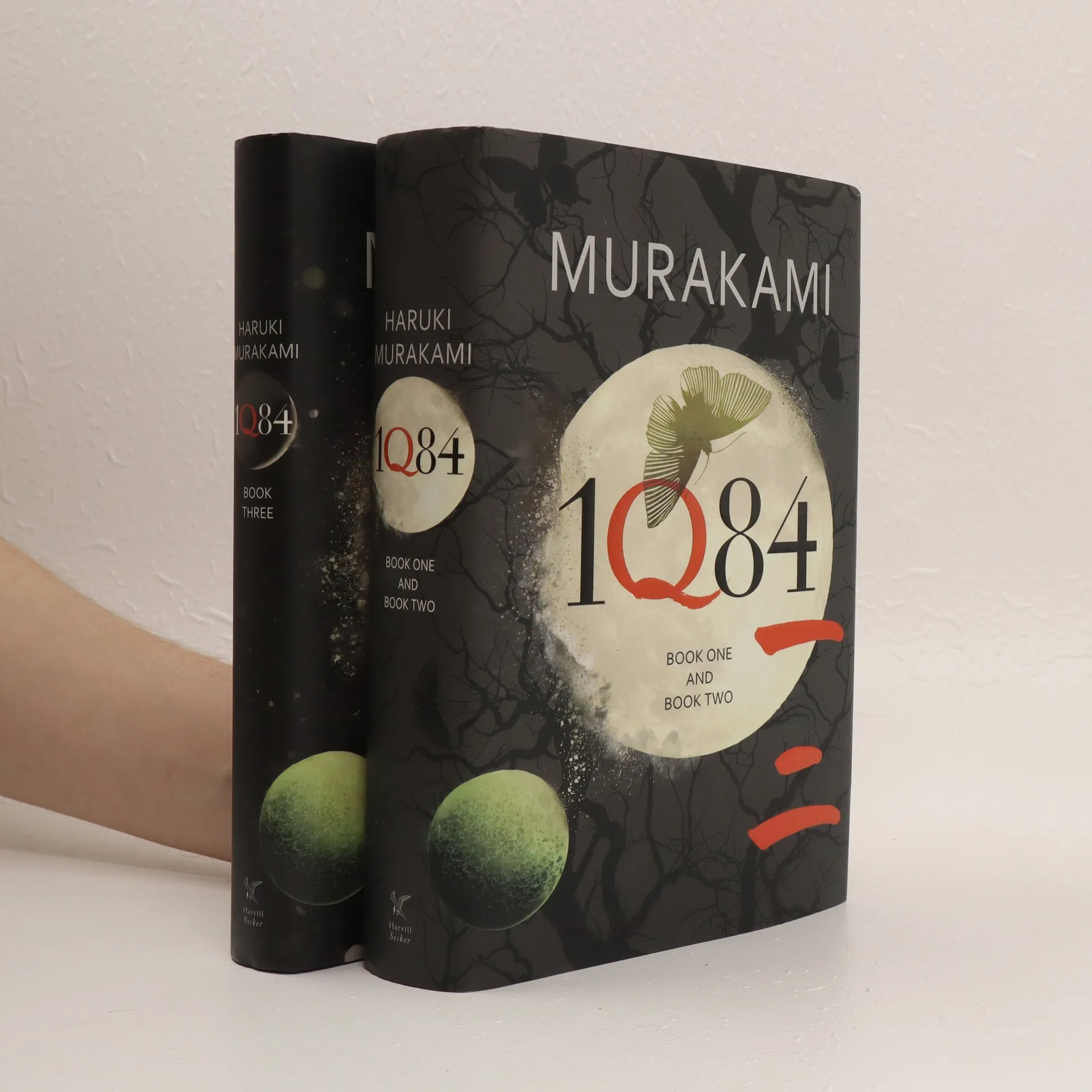
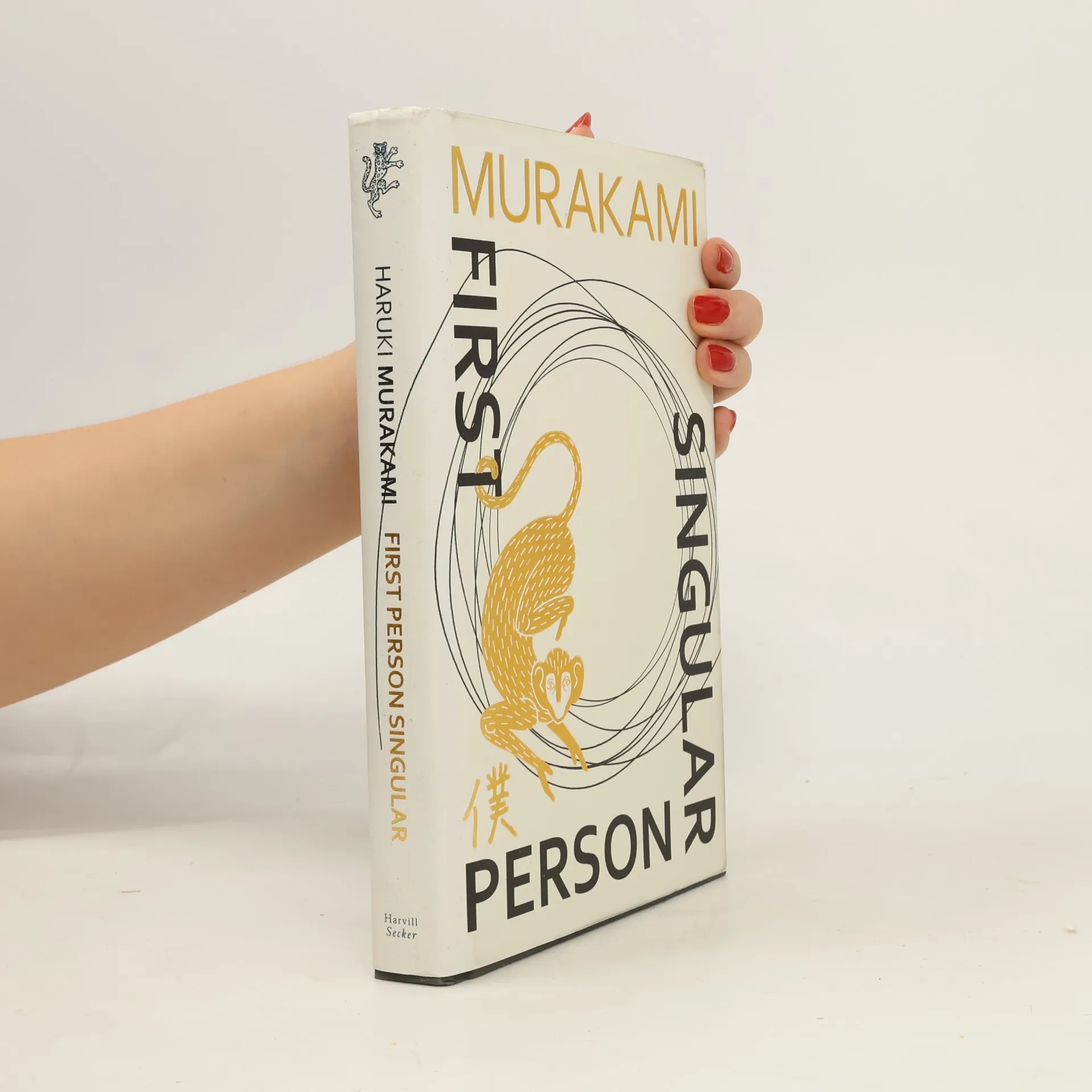
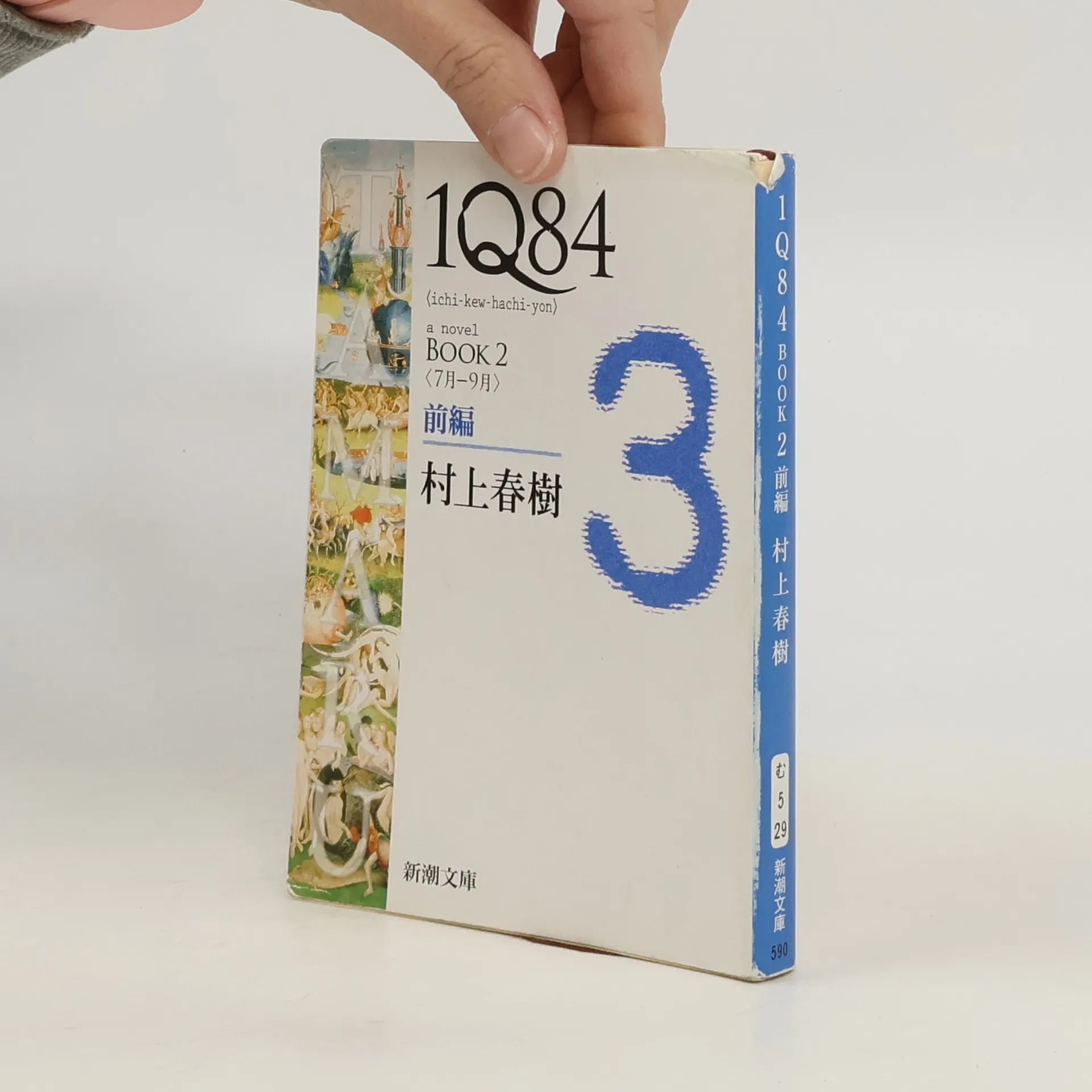
In 1984, Aomame, a woman with two differently sized ears, commits an assassination during a rendezvous with a wealthy oil dealer, seeking to right a past wrong. Meanwhile, Tengo, an aspiring writer, is tasked with rewriting a novel by the eccentric 17-year-old Fukaeri to help her win a literary prize. Though the story is highly original, it is poorly written, making this a risky endeavor. Aomame begins to question why her crime has not been reported in the news and wonders if she has entered a parallel world. To distinguish this eerie realm from her ordinary life in 1984, she names it 1Q84. The narrative intertwines the lives of Aomame and Tengo as they navigate their respective journeys, exploring themes of reality, identity, and the nature of existence.
A unique look at the craft of writing from a bestelling master of storytelling. In this engaging book, the internationally best-selling author shares with readers what he thinks about being a novelist; his thoughts on the role of the novel in our society; his own origins as a writer; and his musings on the sparks of creativity that inspire other writers, artists, and musicians. Readers who have long wondered where the mysterious novelist gets his ideas and what inspires his strangely surreal worlds will be fascinated by this highly personal look at the craft of writing. 'An insightful collection of essays on his work and methods... You end this collection of beautiful essays vowing to never let life, or writing, get so complicated again' Guardian 'Murakami is like a magician who explains what he's doing as he performs the trick and still makes you believe he has supernatural powers' New York Times Book Review 'A fascinating glimpse of the peculiar writerly life' Sunday Times ** A TIMES, SUNDAY TIMES and NEW STATESMAN BOOK OF THE YEAR**
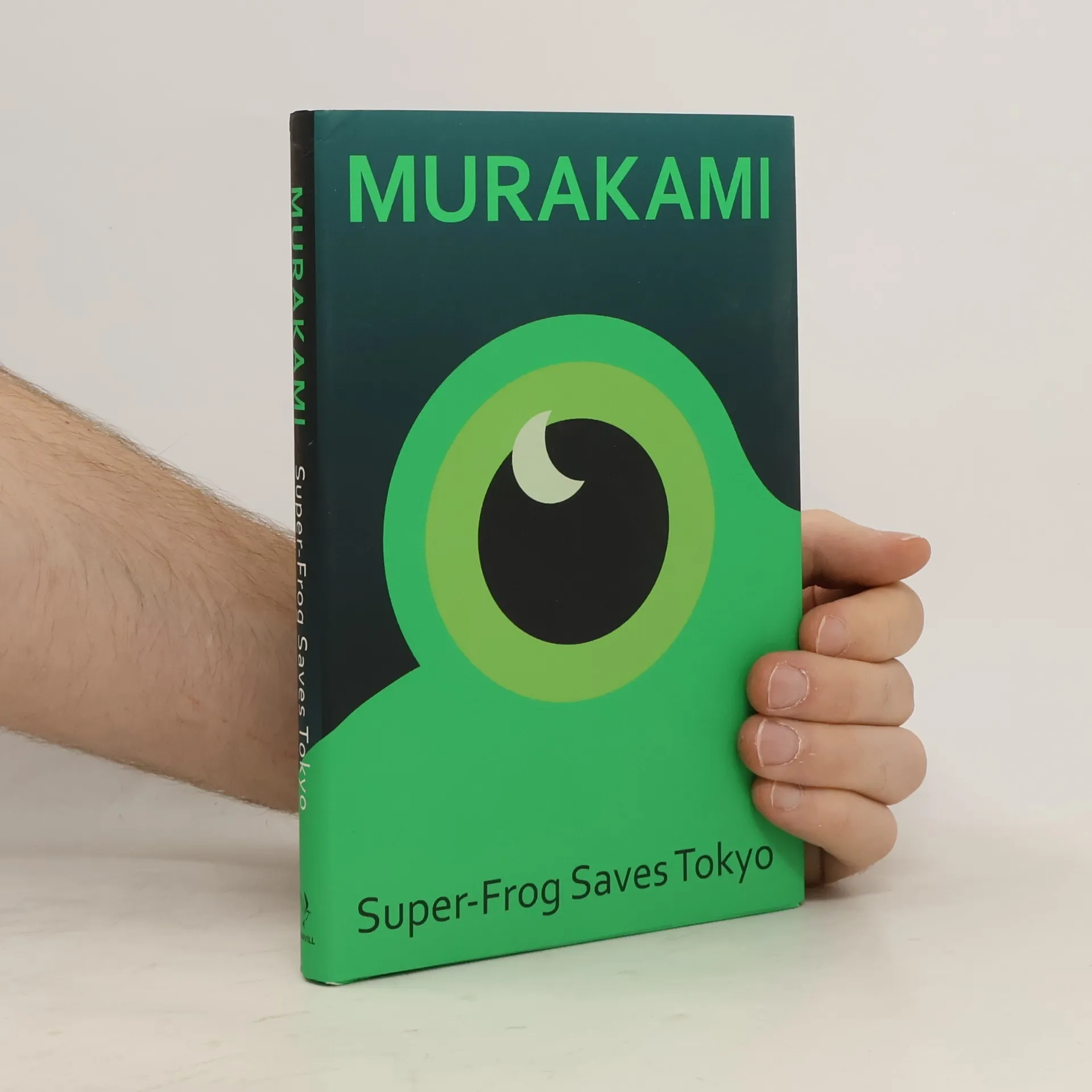
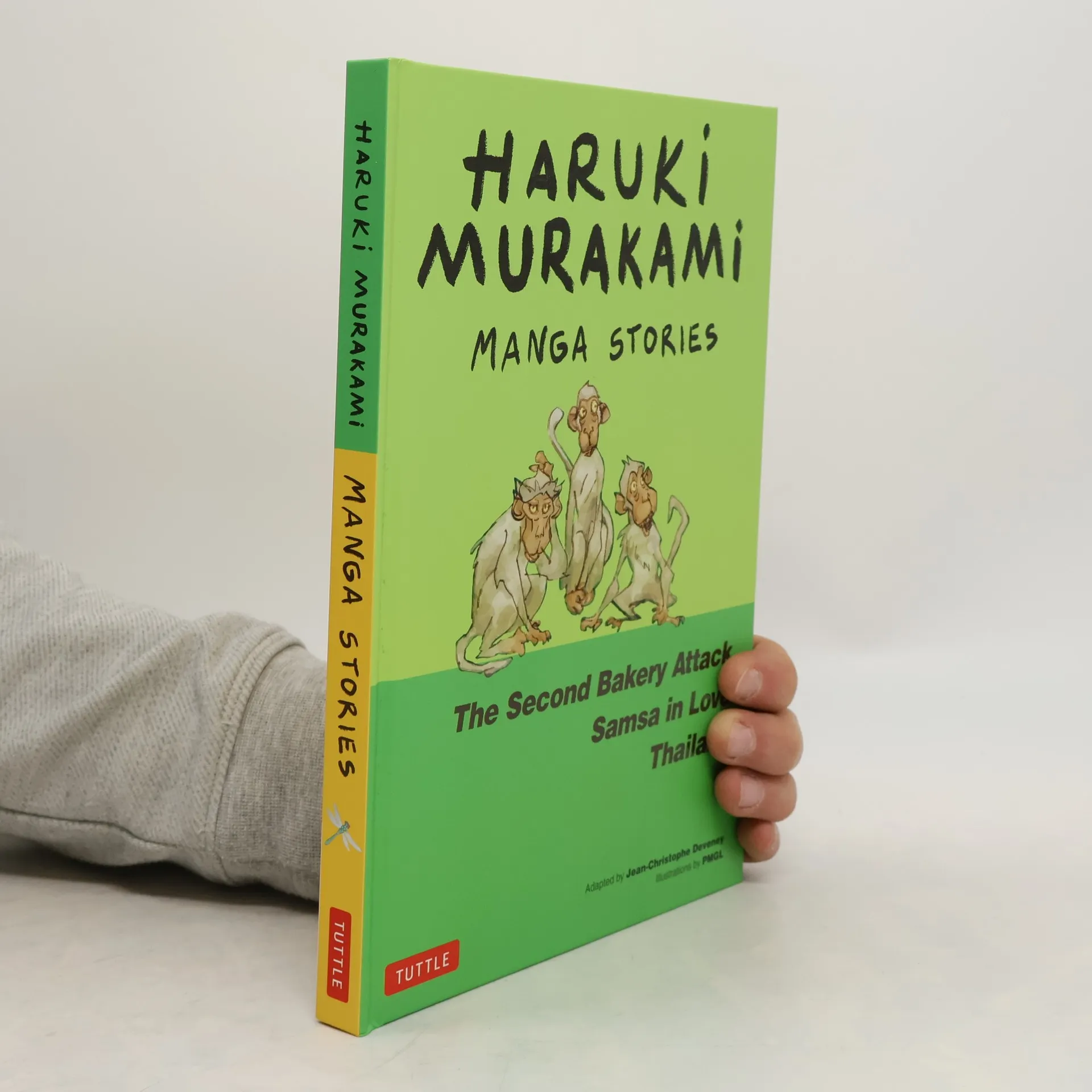
A bank employee is visited in his apartment by a giant frog who wants to save Tokyo from destruction by a worm; a fortune teller sees deep into the hate-filled soul of a doctor who seeks to find herself after a congress in Bangkok, following a man who has shattered her hopes; on her twentieth birthday, she works as a waitress like every Friday evening, but that night chance brings her the fulfillment of a mysterious wish.
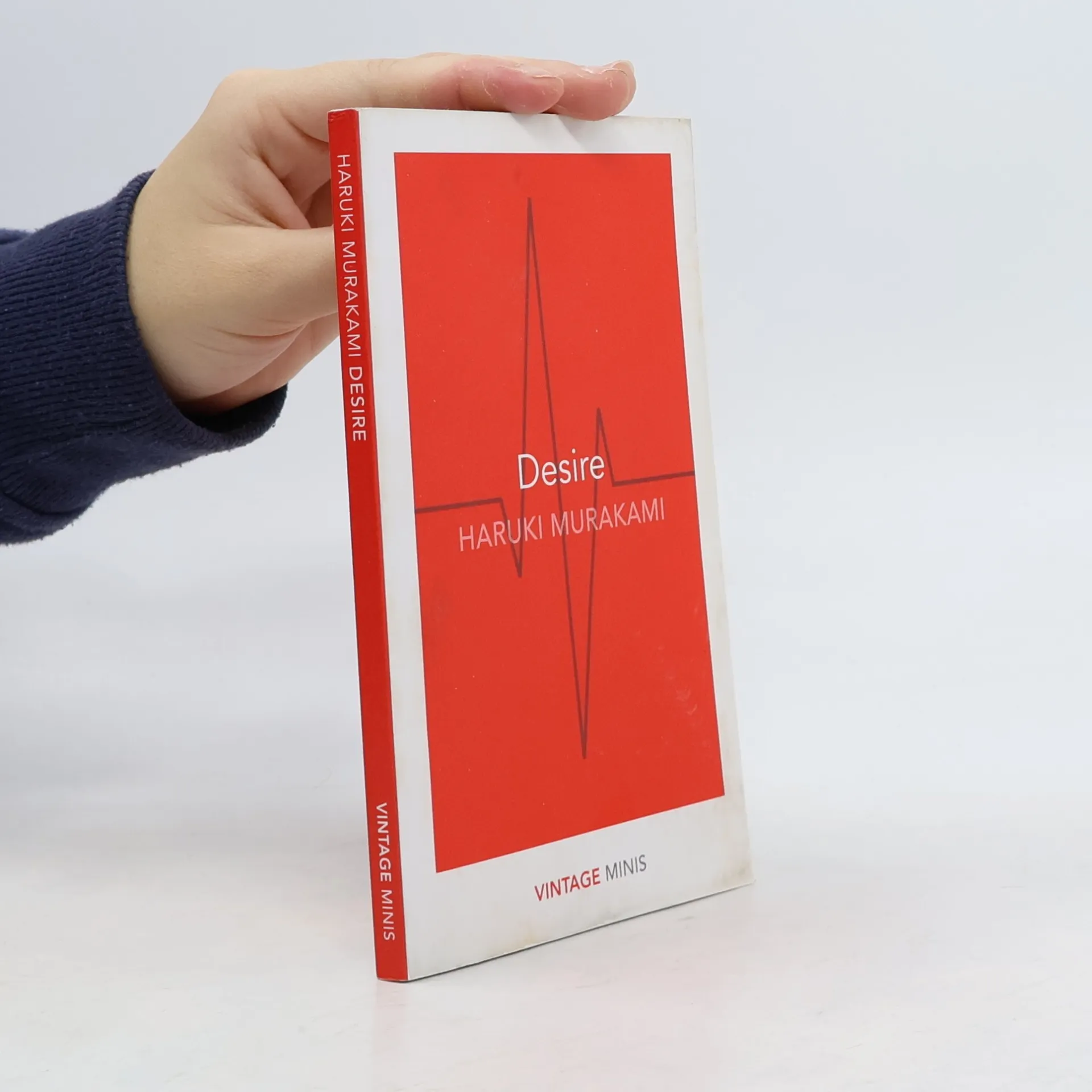
You've just passed someone on the street who could be the love of your life, the person you're destined for - what do you do? In Murakami's world, you tell them a story. The five weird and wonderful tales collected here each unlock the many-tongued language of desire, whether it takes the form of hunger, lust, sudden infatuation or the secret longings of the heart. Selected from Haruki's Murakami's short story collections The Elephant Vanishes, Blind Willow Sleeping Woman, Men Without Women VINTAGE MINIS- GREAT MINDS. BIG IDEAS. LITTLE BOOKS. A series of short books by the world's greatest writers on the experiences that make us human Also in the Vintage Minis series- Love by Jeanette Winterson Psychedelics by Aldous Huxley Eating by Nigella Lawson Summer by Laurie Lee
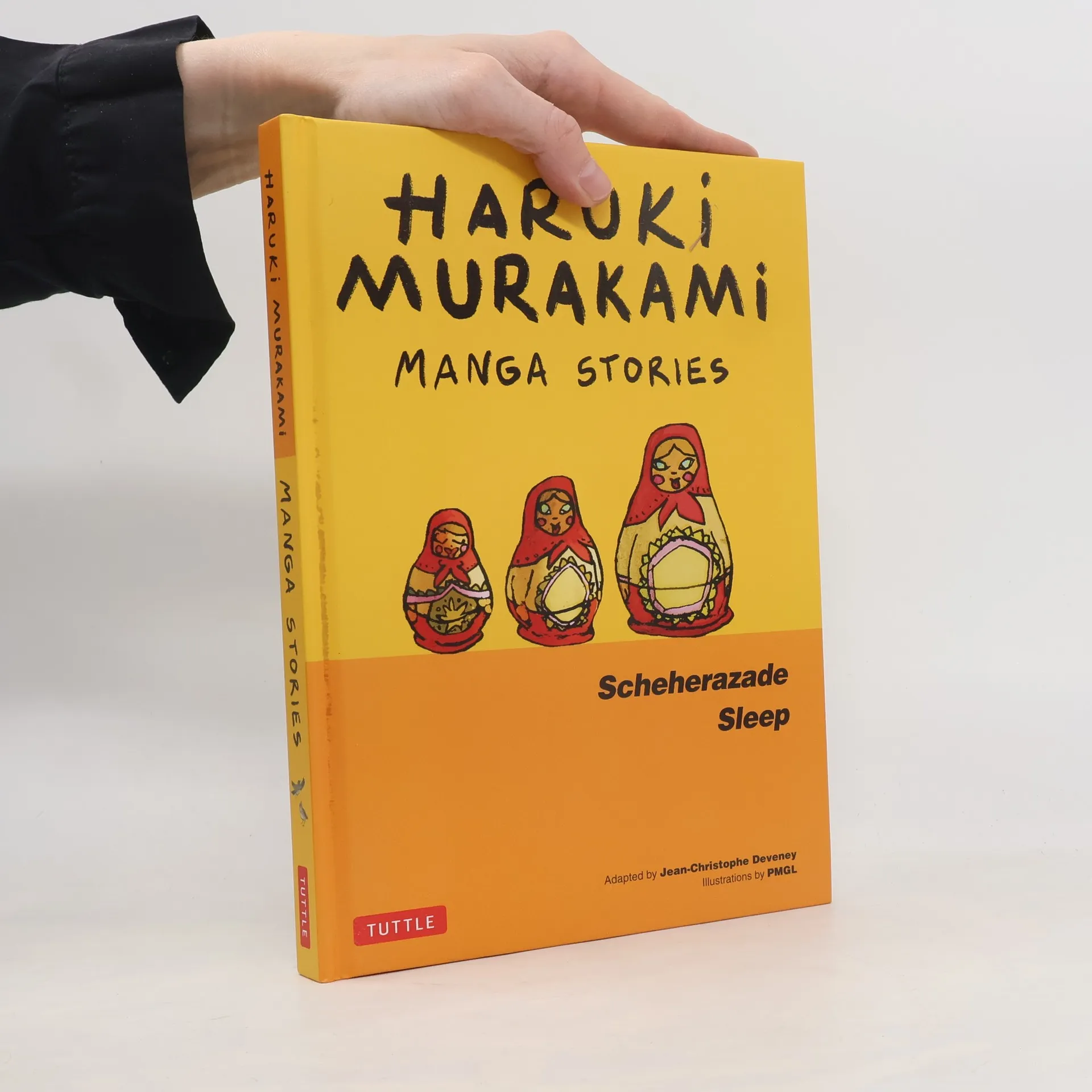
Haruki Murakami's best-loved stories finally available in graphic novel form!With their trademark mix of realism and fantasy, centering around Murakami's signature themes of loss, remorse and confusion, the two stories in this volume are: Scheherezade: a man named Habara is confined to his house and is visited by a nurse, Scheherezade, who brings him provisions and has sex with him. She tells Habara the story of a boy she had a crush on when she was young, whose house she repeatedly broke into. She tells him the story over several visits, and the story ends before Scheherezade finishes. Habara worries he may never see Scheherezade again. Sleep: recounts the life of a housewife with a regimented existence. But at night, she has her own life, as though she enters an extra-dimensional space. In this world she examines her own life and family and ponders the meaning of death.These new graphic versions of classic Murakami short stories will be devoured by his fans and will provide a new window onto his work for a new generation of readers not yet familiar with it!
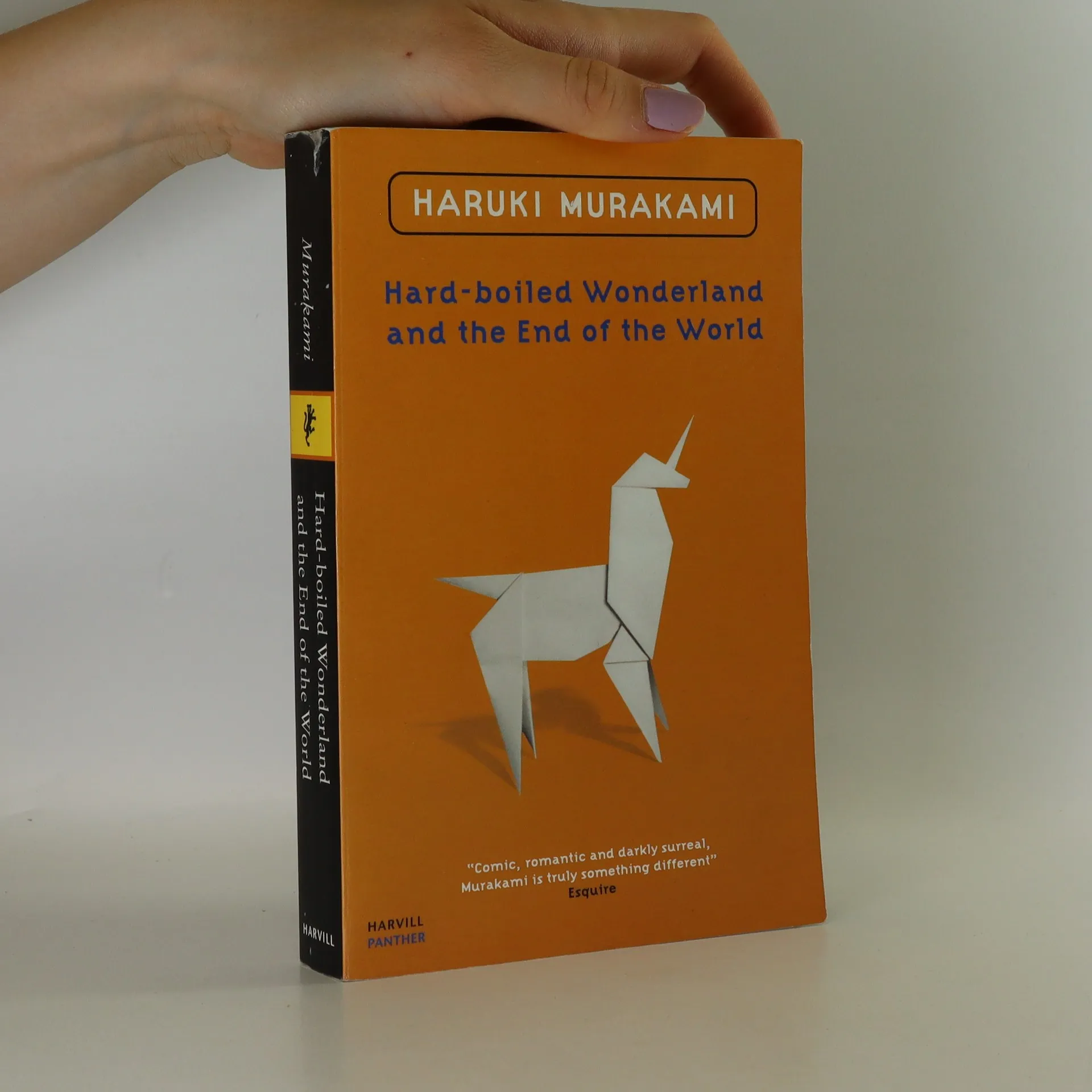
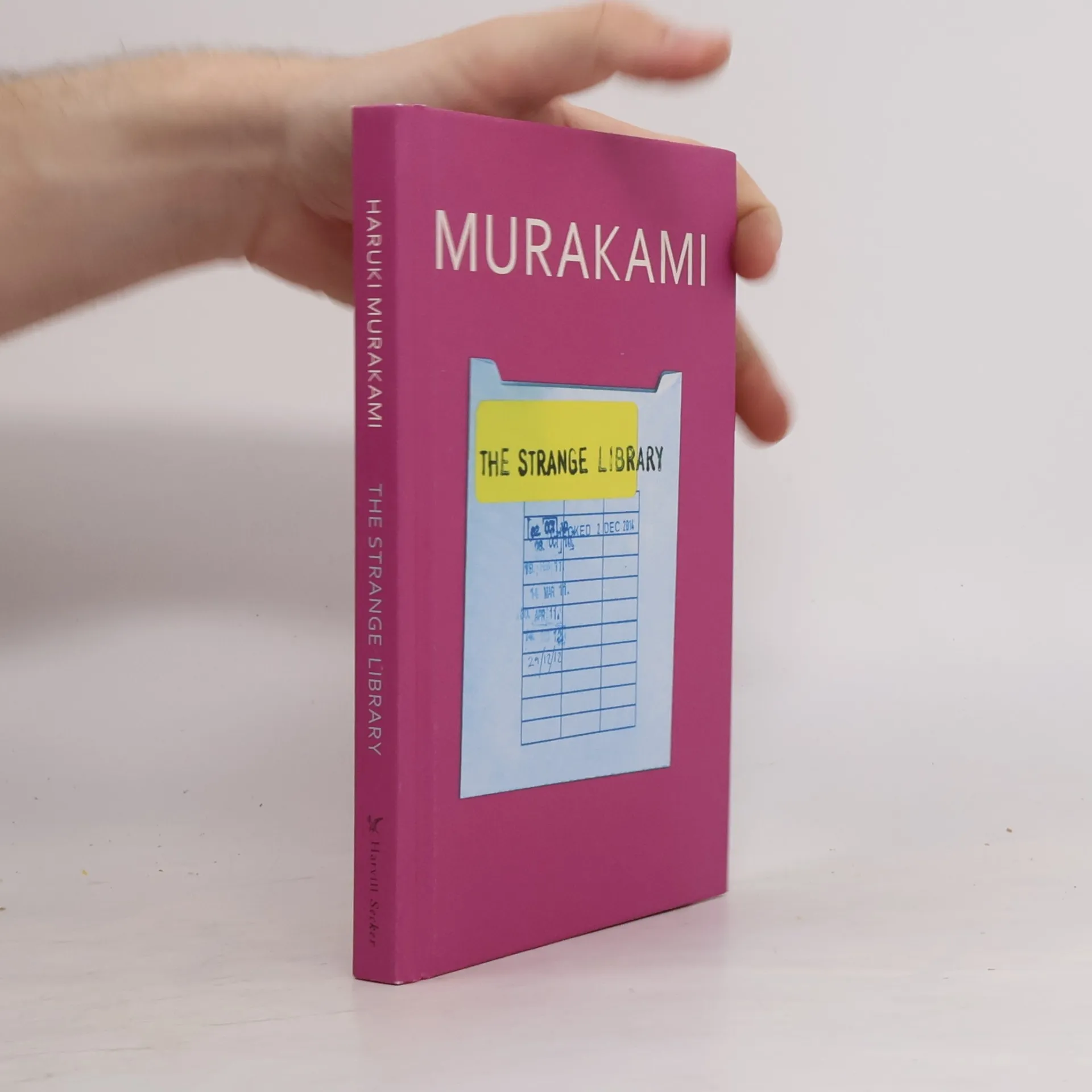
NEW YORK TIMES BESTSELLER • A GLOBE AND MAIL BEST BOOK OF THE YEAR • A REAL SIMPLE BEST BOOK OF THE YEAR From the author of Norwegian Wood and Hard-Boiled Wonderland and the End of the World comes a poignant love story and quest, celebrating books and the libraries that house them. When a young man's girlfriend mysteriously disappears, he is heartbroken and determined to find the imaginary town where he believes she has gone. This lifelong search leads him into middle age and a job at a remote library filled with its own mysteries. He journeys between the real world and a shadowless city where unicorns roam and willow trees grow. There, he discovers his beloved working in a dream library, but she has no memory of their past together. As seasons change and the man grapples with the blurred lines between these two worlds, he must confront what he is willing to sacrifice. This narrative serves as a parable for our times, exploring themes of love, loss, and the transformative power of stories. "Truth is not found in fixed stillness, but in ceaseless change/movement. Isn't this the quintessential core of what stories are all about?” —Haruki Murakami, from the afterword.
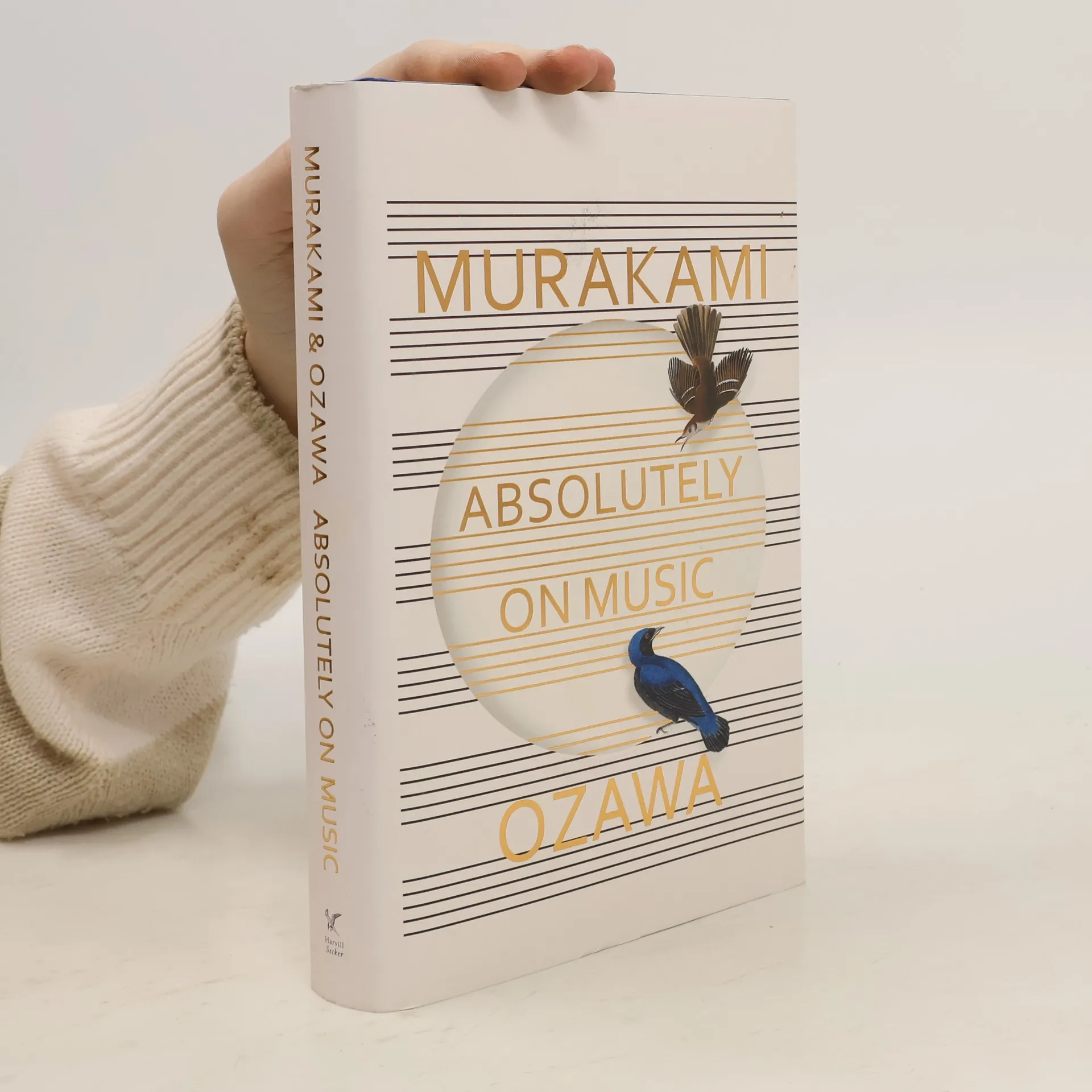
An intimate conversation about music and creativity, between the internationally bestselling writer and a world-class conductor. 'My only purpose in this book was for me, as a music lover, to have a discussion of music with the musician Seiji Ozawa that was as open and honest as possible. I simply wanted to bring out the ways that each of us (though on vastly different levels) is dedicated to music.' Haruki Murakami's passion for music runs deep. Before turning his hand to writing, he ran a jazz club in Tokyo, and the aesthetic and emotional power of music permeates every one of his much-loved books. Now, in Absolutely on Music, Murakami fulfills a personal dream, sitting down with his friend, acclaimed conductor Seiji Ozawa, to talk about their shared interest. Transcribed from lengthy conversations about the nature of music and writing, here they discuss everything from Brahms to Beethoven, from Leonard Bernstein to Glenn Gould, from record collecting to pop-up orchestras, and much more. Ultimately this book gives readers an unprecedented glimpse into the minds of two maestros.
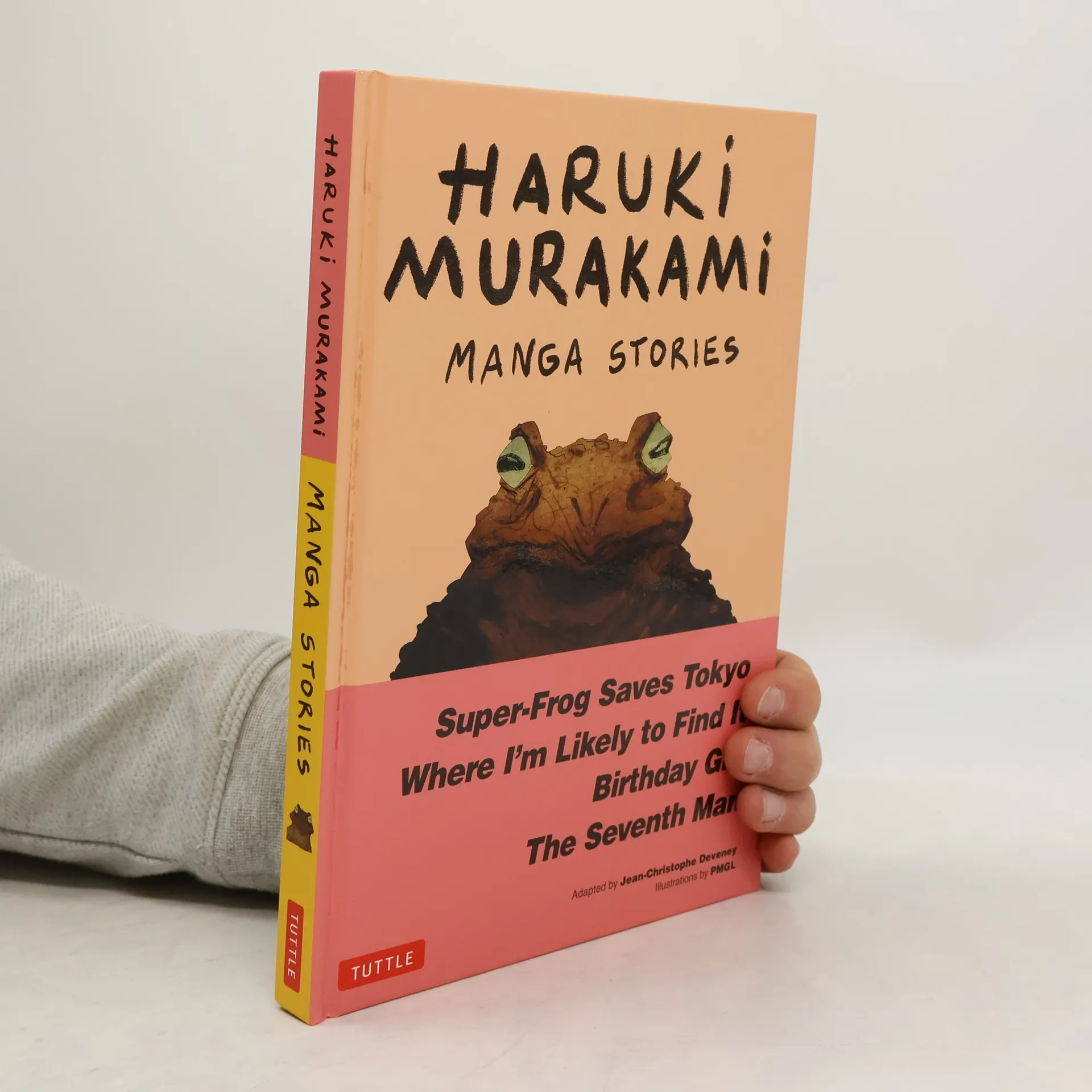
Haruki Murakami's beloved short stories are now presented in graphic novel form for the first time in English. This volume, the first of three, features four captivating tales from his bestselling collections, blending realism and fantasy while exploring themes of loss, remorse, and confusion.
In "Super-Frog Saves Tokyo," Katagiri encounters a giant frog promising to save Tokyo from another earthquake, leading him to question reality and confront his feelings of powerlessness. "Where I'm Likely to Find It" follows a woman whose missing husband prompts a detective to reflect on his own life amidst a Kafkaesque exploration of disappearance and coping.
"Birthday Girl" recounts a surreal encounter on a woman's twentieth birthday with her restaurant's owner, who grants her a wish. "The Seventh Man" tells the poignant story of a man haunted by the death of his childhood friend in a tsunami, capturing Murakami's signature emotional depth and surrealism.
This graphic adaptation offers a fresh perspective on Murakami's work, appealing to both dedicated fans and younger readers new to his stories. Recommended for ages 16 and up due to mature themes and graphic content.
When A Man'S Favourite Elephant Vanishes, The Balance Of His Whole Life Is Subtly Upset; A Couple'S Midnight Hunger Pangs Drive Them To Hold Up A Mcdonald'S; A Woman Finds She Is Irresistible To A Small Green Monster That Burrows Through Her Front Garden; An Insomniac Wife Wakes Up To A Twilight World Of Semi-Consciousness In Which Anything Seems Possible - Even Death. In Every One Of The Stories That Make Up The Elephant Vanishes, Murakami Makes A Determined Assault On The Normal. He Has A Deadpan Genius For Dislocating Realities To Uncover The Surreal In The Everyday, The Extraordinary In The Ordinary.
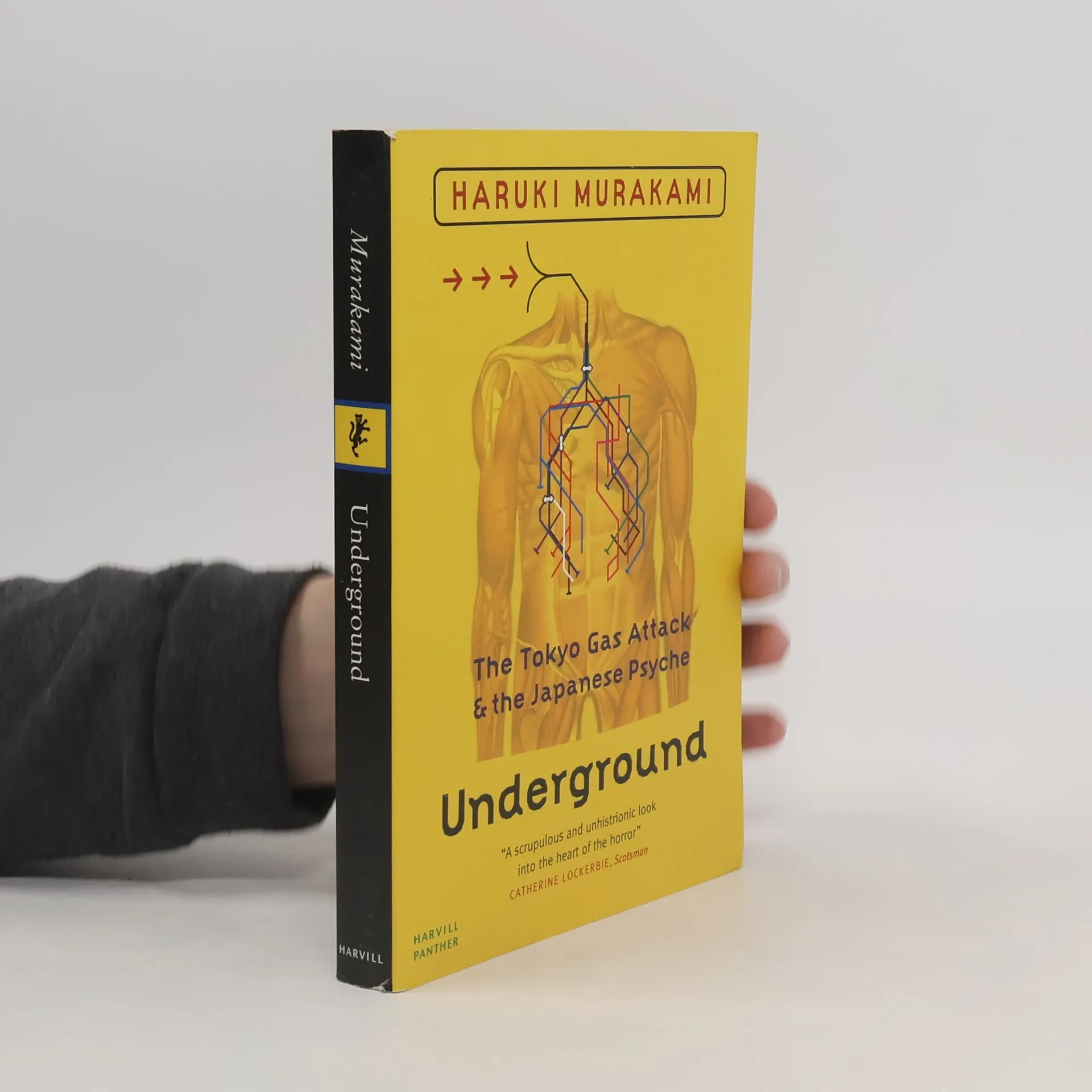
Un document necessari i commovedor de l’atac terrorista que va sacsejar Tokio el 1995. Una obra de literatura periodística que recull els testimonis de les víctimes de l’atac amb gas sarín al metro de Tòquio l’any 1995, així com la visió dels botxins, membres de la secta Aum Shinrikyo, i que analitza amb molta precisió la psicologia nipona i busca el perquè d’uns atemptats tan violents i cruels.
In this enviable gathering, Haruki Murakami has chosen for his party some of the very best short story writers of recent years, each with their own birthday experiences, each story a snapshot of life on a single day. Including stories by Russell Banks, Et
"The international literary icon opens his eclectic closet: Here are photographs of Murakami's extensive and personal T-shirt collection, accompanied by essays that reveal a side of the writer rarely seen by the public. Considered "the world's most popular cult novelist" (The Guardian), Haruki Murakami's books have galvanized millions around the world. Many of his fans know about his 10,000 vinyl record collection, and his obsession with running, but few have heard about a more intimate, and perhaps more unique, passion: his T-shirt collecting habit. In Murakami T, the famously reclusive novelist shows us his T-shirts--including gems from the Springsteen on Broadway show in NYC, from The Beach Boys concert in Honolulu to the shirt that inspired the beloved short story, "Tony Takitani." Accompanied by short, frank essays that have been translated into English for the first time, these photographs reveal much about Murakami's multifaceted and wonderfully eccentric persona"--Publisher's description
She waited on tables as usual that day, her twentieth birthday. She always worked Fridays, but if things had gone according to plan on that particular Friday, she would have had the night off. One rainy Tokyo night, a waitress's uneventful twentieth birthday takes a strange and fateful turn when she's asked to deliver dinner to the restaurant's reclusive owner. Birthday Girl is a beguiling, exquisitely satisfying taste of master storytelling, published to celebrate Murakami's 70th birthday.
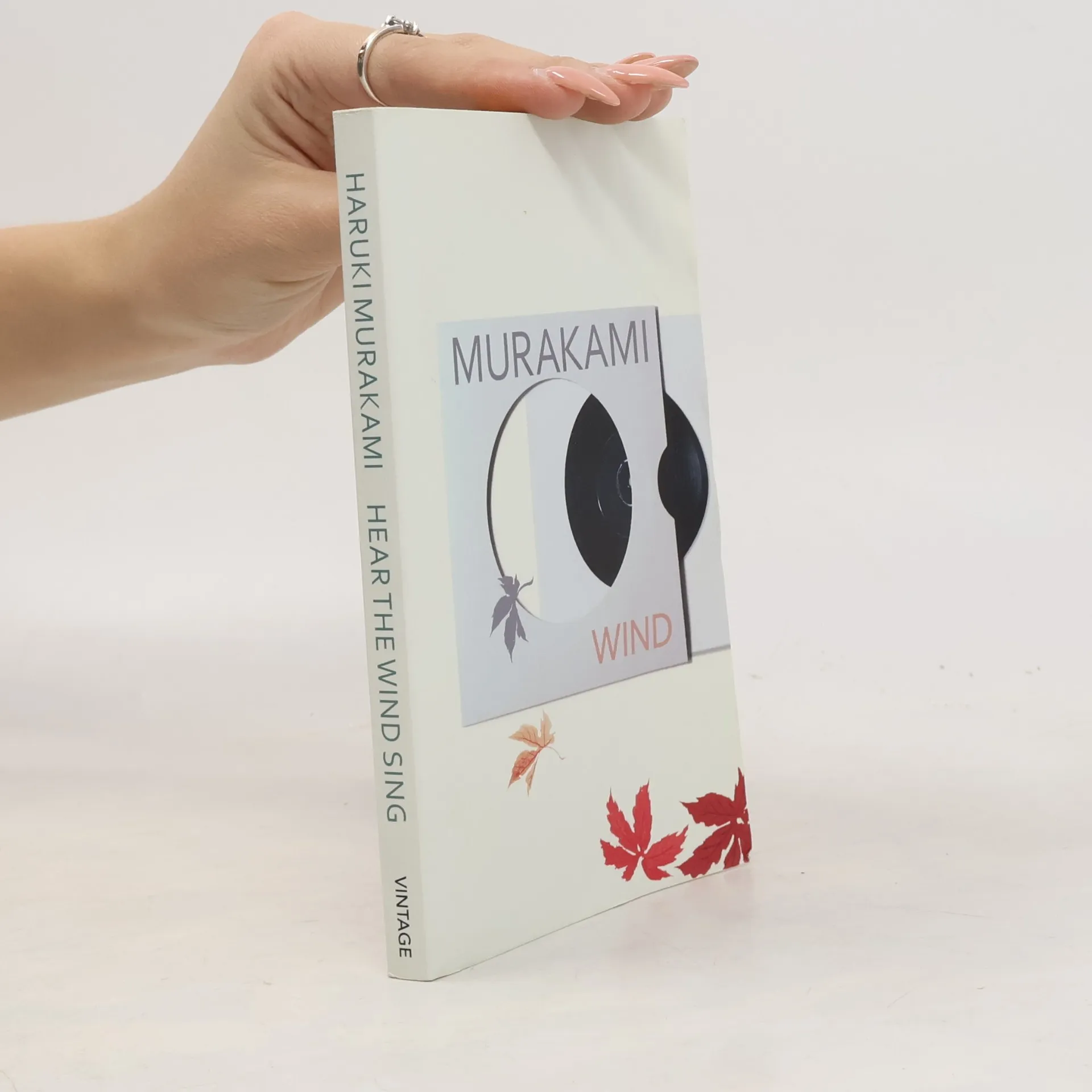
NATIONAL BESTSELLER Wind/Pinball, a unique two-in-one volume, includes, on one side, Murakami’s first novel Hear the Wind Sing. When you flip the book over, you can read his second novel, Pinball, 1973. Each book has its own stunning cover. In the spring of 1978, a young Haruki Murakami sat down at his kitchen table and began to write. The result: two remarkable short novels—Hear the Wind Sing and Pinball, 1973—that launched the career of one of the most acclaimed authors of our time. These powerful, at times surreal, works about two young men coming of age—the unnamed narrator and his friend the Rat—are stories of loneliness, obsession, and eroticism. They bear all the hallmarks of Murakami’s later books, and form the first two-thirds, with A Wild Sheep Chase, of the trilogy of the Rat. Widely available in English for the first time ever, newly translated, and featuring a new introduction by Murakami himself, Wind/Pinball gives us a fascinating insight into a great writer’s beginnings.
Hear the Wind Sing is Murakami's first novel, available for the first time in English outside Japan. In Hear the Wind Sing the narrator is home from college on his summer break. He spends his time drinking beer and smoking in Jâe(tm)s Bar with the Rat, listening to the radio, thinking about writing and the women he has slept with, and pursuing a relationship with a girl with nine fingers. The story of the narrator, the Rat and J continues in Pinball, 1973.
Pinball, 1973 is Murakami's second novel, available for the first time in English outside Japan. With a new introduction by the author. Hear the Wind Sing and Pinball, 1973 are Haruki Murakamiâe(tm)s earliest novels. They follow the fortunes of the narrator and his friend, known only by his nickname, the Rat. Pinball, 1973 picks up three years after the events of Hear the Wind Sing. The narrator has moved to Tokyo to work as a translator and live with indistinguishable twin girls, but the Rat has remained behind, despite his efforts to leave both the town and his girlfriend. The narrator finds himself haunted by memories of his own doomed relationship but also, more bizarrely, by his short-lived obsession with playing pinball in Jâe(tm)s Bar. This sends him on a quest to find the exact model of pinball machine he had enjoyed playing years earlier: the three-flipper Spaceship.
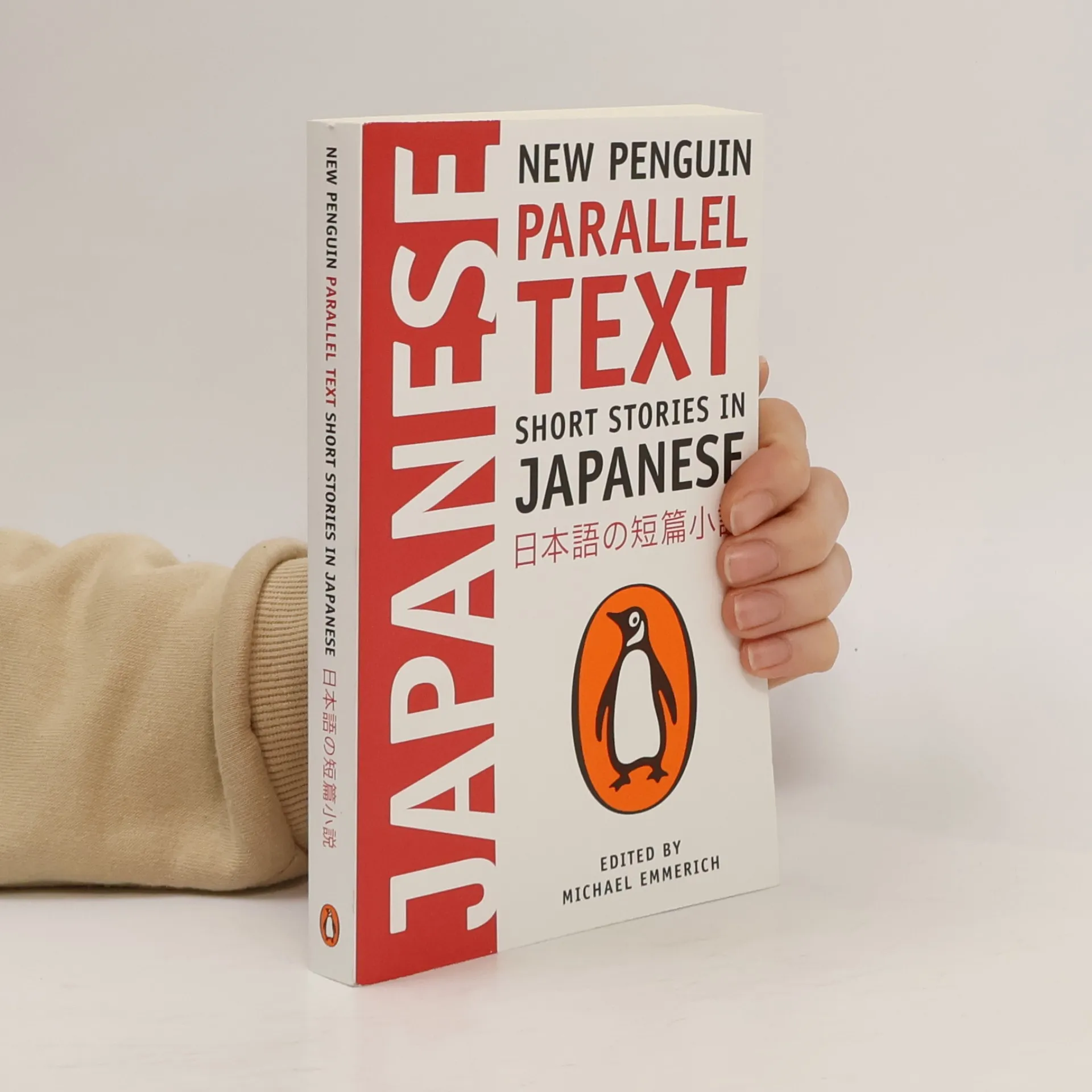
A dual-language edition of Japanese stories—many appearing in English for the first time This volume of eight short stories, with parallel translations, offers students at all levels the opportunity to enjoy a wide range of contemporary literature without having constantly to refer back to a dictionary. The stories—many of which appear here in English for the first time—are by well-known writers like Haruki Murakami and Banana Yoshimoto, as well as emerging voices like Abe Kazushige, Ishii Shinji, and Kawakami Hiromi. From the orthodox to the cutting-edge, they represent a range of styles and themes, showcasing the diversity of Japanese fiction over the past few decades in a collection that is equally rewarding for beginning, intermediate, and advanced students of English or Japanese. Complete with notes, the stories make excellent reading in either language.
The haunting, enigmatic love story that turned Murakami into a literary superstar in Japan, and is his bestselling title throughout the world Autumn 1969, and soon I would be 20. When he hears her favourite Beatles song, Toru Watanabe recalls his first love Naoko, the girlfriend of his best friend Kizuki. Immediately he is transported back almost twenty years to his student days in Tokyo, adrift in a world of uneasy friendships, casual sex, passion, loss and desire - to a time when an impetuous young woman called Midori marches into his life and he has to choose between the future and the past. 'Such is the exquisite, gossamer construction of Murakami's writing that everything he chooses to describe trembles with symbolic possibility' Guardian 'Poignant, romantic and hopeless, it beautifully encapsulates the heartbreak and loss of faith' Sunday Times 'A masterly novel' New York Times
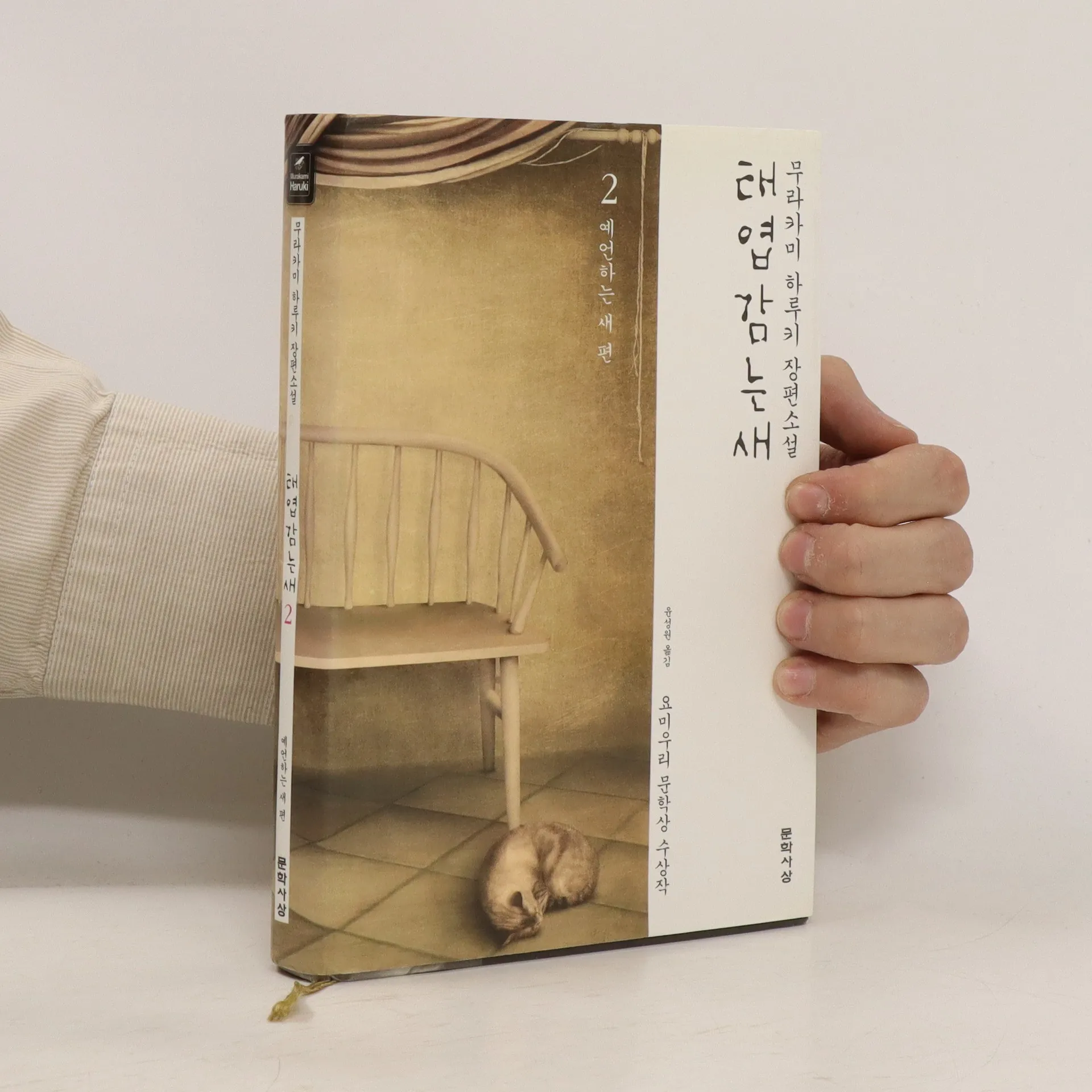
소설 "태엽감는 새"는 세계에서 가장 인기 있는 작가 중 한 명인 하룬키 무라카미의 작품으로, 진정한 조이스적 규모를 지니고 있다. 제2차 세계대전의 공포와 현대 일본인의 운명, 편지, 신비로운 꿈, 기억, 잡지 기사, 암호화된 파일 등으로 구성된 이 작품은 믿을 수 없는 사건들, 섬세한 아이러니, 그리고 하룬키 무라카미 특유의 독창적인 어조로 엮인 완전한 서사이다. "태엽감는 새. 3: 새잡이꾼 편 I"는 "태엽감는 새"의 세 번째 부분이다.
Художник, способный уловить тайны, скрывающиеся за лицами людей, которых он рисует. Запутанная картина, найденная спустя десятки лет на чердаке дома. Шорох в лесу, окруженном странными соседями. И колокол с его величественным и печальным звоном проникает между деревьями леса в сердце ночи. Роман о созидательной силе искусства и разрушительной силе насилия; о способности превращать нашу хрупкость в золото, как бы мрачными ни казались наши дни. Как всегда, Муараками очаровывает нас своим раскрытием сверхъестественного в нашей рутине, находя магию в деталях нашей повседневной жизни. В "Убийстве Командора" гениальность Муараками мастерски движется между реальностью и бредом.
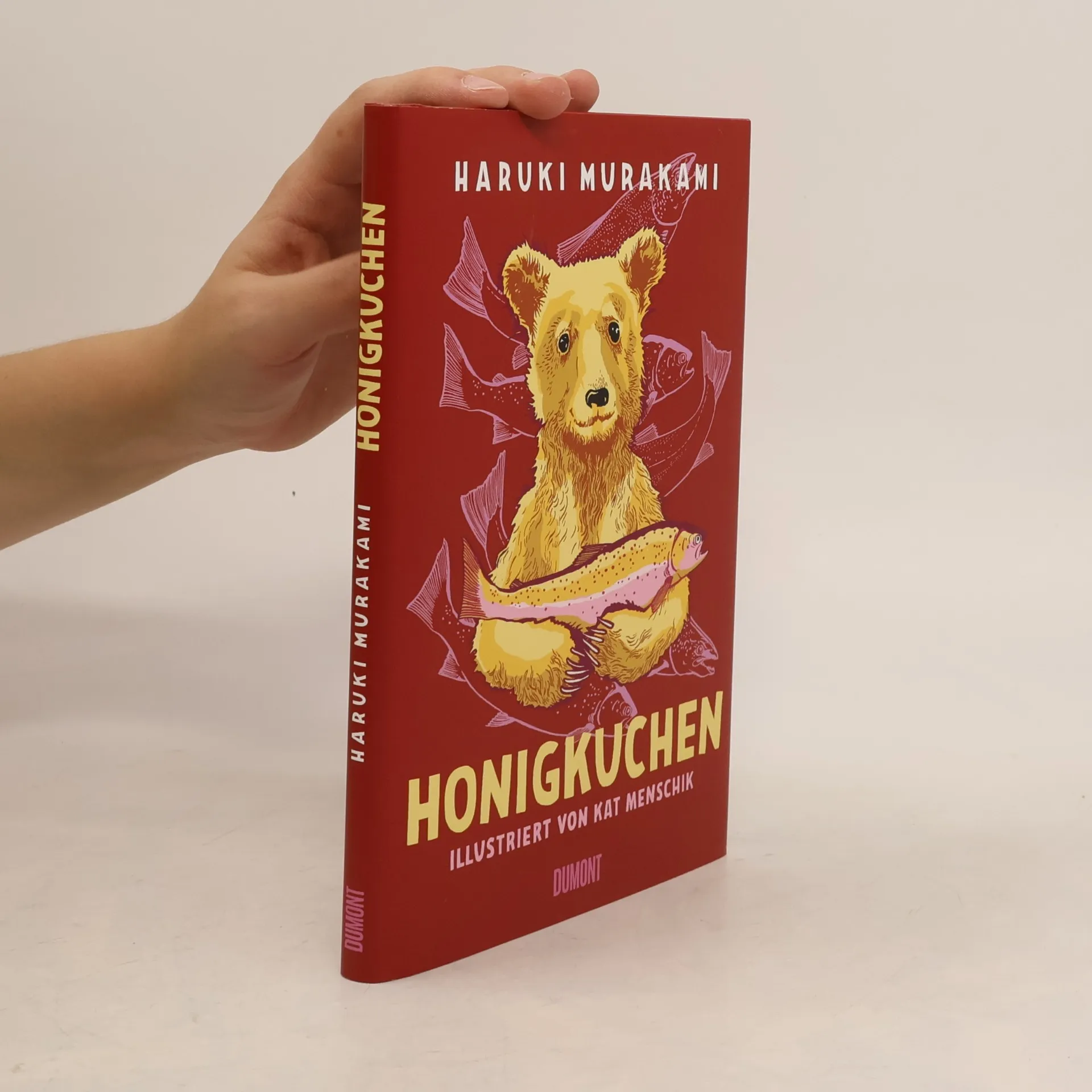
Eine melancholische Geschichte über eine Dreiecksbeziehung, das Schreiben und zwei Bären. Junpei ist Schriftsteller, seine Spezialität: Kurzgeschichten über unerwiderte Liebe. Das Thema seines Lebens. Seit der Uni ist er in Sayoko verliebt, die seinen besten Freund geheiratet hat. Trotz allem hat die Freundschaft zwischen den dreien Bestand, anders als die Liebe von Sayoko und Junpeis bestem Freund: Sie bekommen eine Tochter namens Sara, trennen sich aber kurz darauf. Mit den Jahren wird Junpei zu einer Art Ersatzvater für Sara. Nach einem schrecklichen Erdbeben leidet sie unter Albträumen. Nur Junpei kann sie beruhigen – mit seinen Geschichten über einen Bären und seinen besten Freund. Und er ist fest entschlossen, für immer über Sayokos und Saras Schlaf zu wachen … Haruki Murakami ist ein Meister der kurzen Form. In ›Honigkuchen‹ offenbart er sein großes Herz für alle Zögernden und Zaudernden. Kat Menschik hat die warmherzige Geschichte des wichtigsten japanischen Autors unserer Zeit in unvergessliche Bilder gegossen.
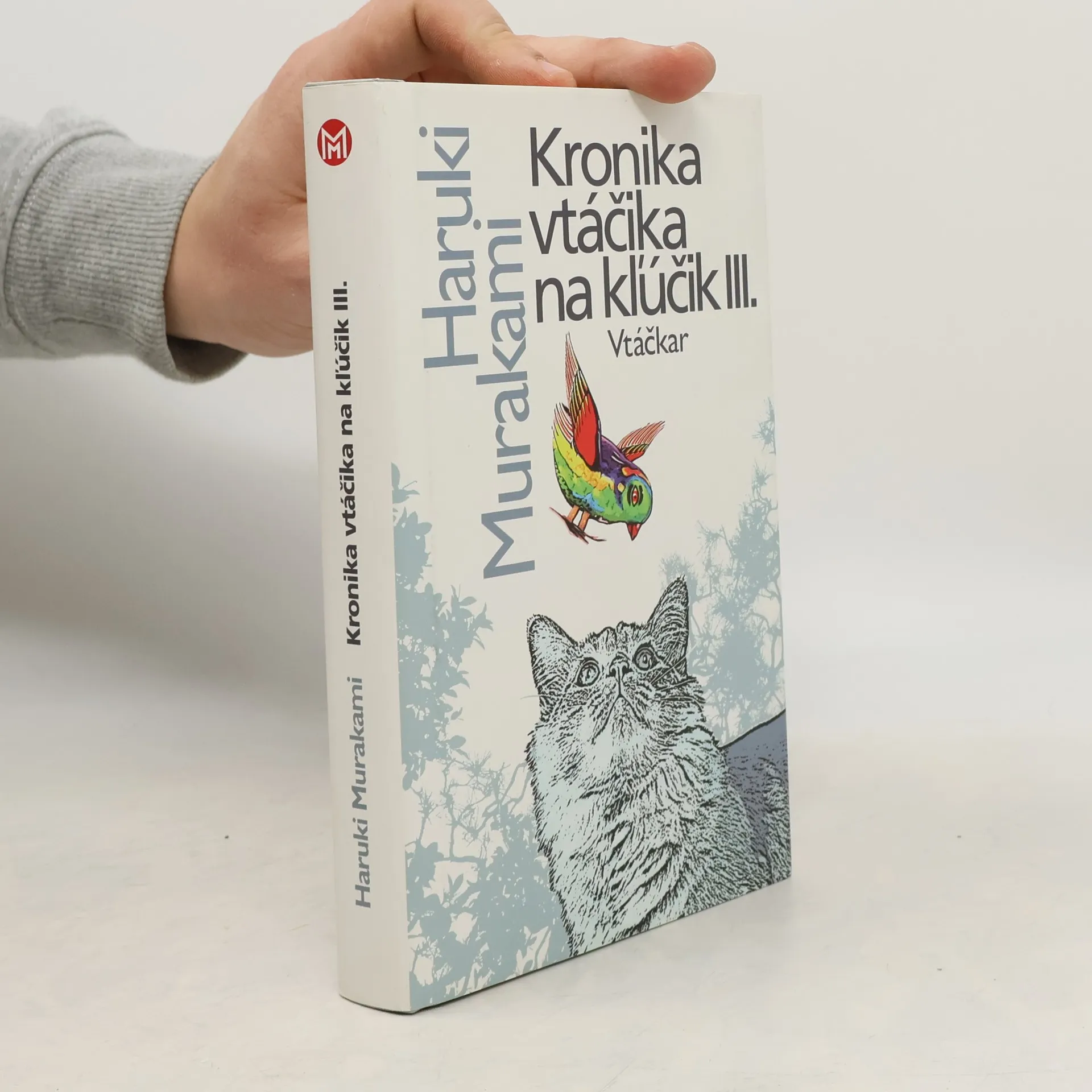
Udalosti v Tóruho živote naberú rýchly spád. Mei Kasaharová mu napíše list z neznámeho miesta, v ktorom ho dôrazne upozorňuje na článok v istom bulvárnom denníku, kde sa píše o tajomnom majiteľovi domu na opustenej parcele poznačenej ľudským nešťastím. Tóru stále hľadá Kumiko, zbližuje sa s ďalšou prapodivnou dvojicou, a do jeho života čoraz nevyberanejšími spôsobmi vstupuje jeho švagor Naboru Wataja, vysokopostavený politik, ktorý sa obáva škandálu. Kumiko je však stále preč, a k Tóruovi sa celkom nečakane vráti stratený kocúr.
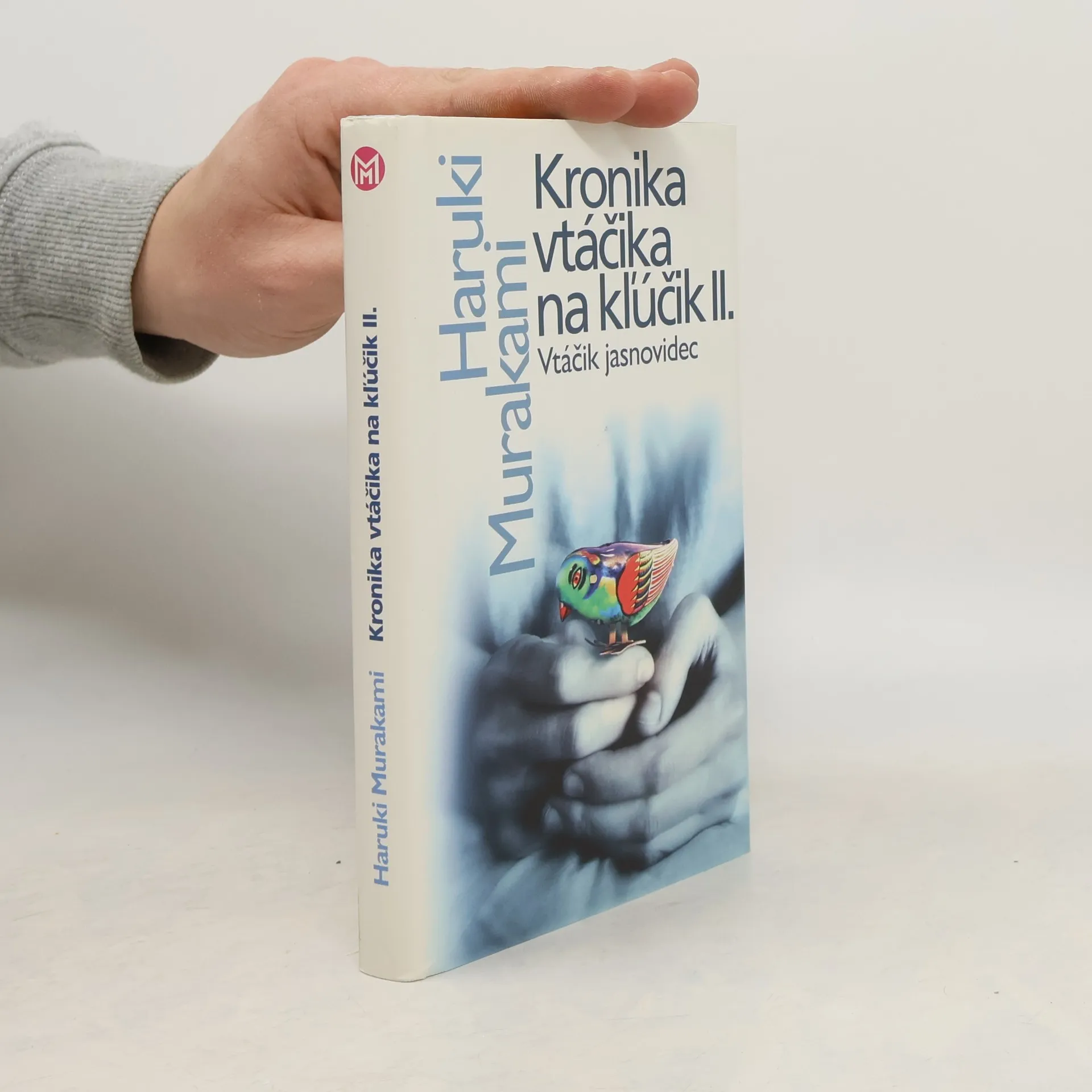
Druhý diel trilógie Kronika vtáčika na kľúčik zachytáva udalosti obdobia štyroch mesiacov po zmiznutí Tóruho manželky Kumiko. Tá sa jedného rána ako obyčajne vydá do práce a nevráti sa domov. Podľa všetkého opustila manžela kvôli inému mužovi, Tóru si však takýto koniec ich na pohľad harmonického vzťahu nedokáže vysvetliť. V zúfalstve ho mimovoľne inšpiruje motív studne, ktorý sa v jeho živote v poslednom čase opakovane objavuje. S úmyslom nerušene porozmýšľať zíde do vyschnutej studne v záhrade neďalekého opusteného domu. Tu sa poriadok jeho sveta drasticky narúša a udalosti nadobúdajú prudký spád...
Ο Μουρακάμι με μαεστρία δημιουργεί φανταστικούς χαρακτήρες και παράλληλους κόσμους, θολώνοντας τα όρια ανάμεσα στην πραγματικότητα και τη λογοτεχνία. Το 1Q84 είναι μια ιστορία που αφηγείται εναλλάξ τη ζωή μιας γυναίκας και ενός άνδρα, της Αομάμε και του Τένγκο, γεμάτη ένταση και στιγμές τρόμου. Οι δύο τους γνωρίζονταν καλά από την παιδική τους ηλικία και όλα δείχνουν ότι οι δρόμοι τους θα συναντηθούν ξανά. Η Αομάμε είναι εκπαιδεύτρια πολεμικών τεχνών, μασέζ και, μετά τη δουλειά, μια άριστη δολοφόνος. Ο Τένγκο είναι καθηγητής μαθηματικών και, στον ελεύθερο χρόνο του, αρχάριος συγγραφέας και επιμελητής. Η Αομάμε εισέρχεται σε μια άλλη πραγματικότητα και οι δύο προσπαθούν απεγνωσμένα να ξαναβρούν ο ένας τον άλλον. Όταν η Αομάμε αποτυγχάνει να επιστρέψει στον κανονικό κόσμο, αποφασίζει να αυτοκτονήσει, ελπίζοντας ότι έτσι θα εγκαταλείψει τον δεύτερο εαυτό της που ζει το 1Q84 και θα επιστρέψει στο 1984. Την ίδια στιγμή, ο Τένγκο αποφασίζει να ζήσει σε έναν κόσμο όπου αιωρούνται δύο φεγγάρια, γνωρίζοντας ότι μόνο εκεί μπορεί να συναντήσει την Αομάμε.
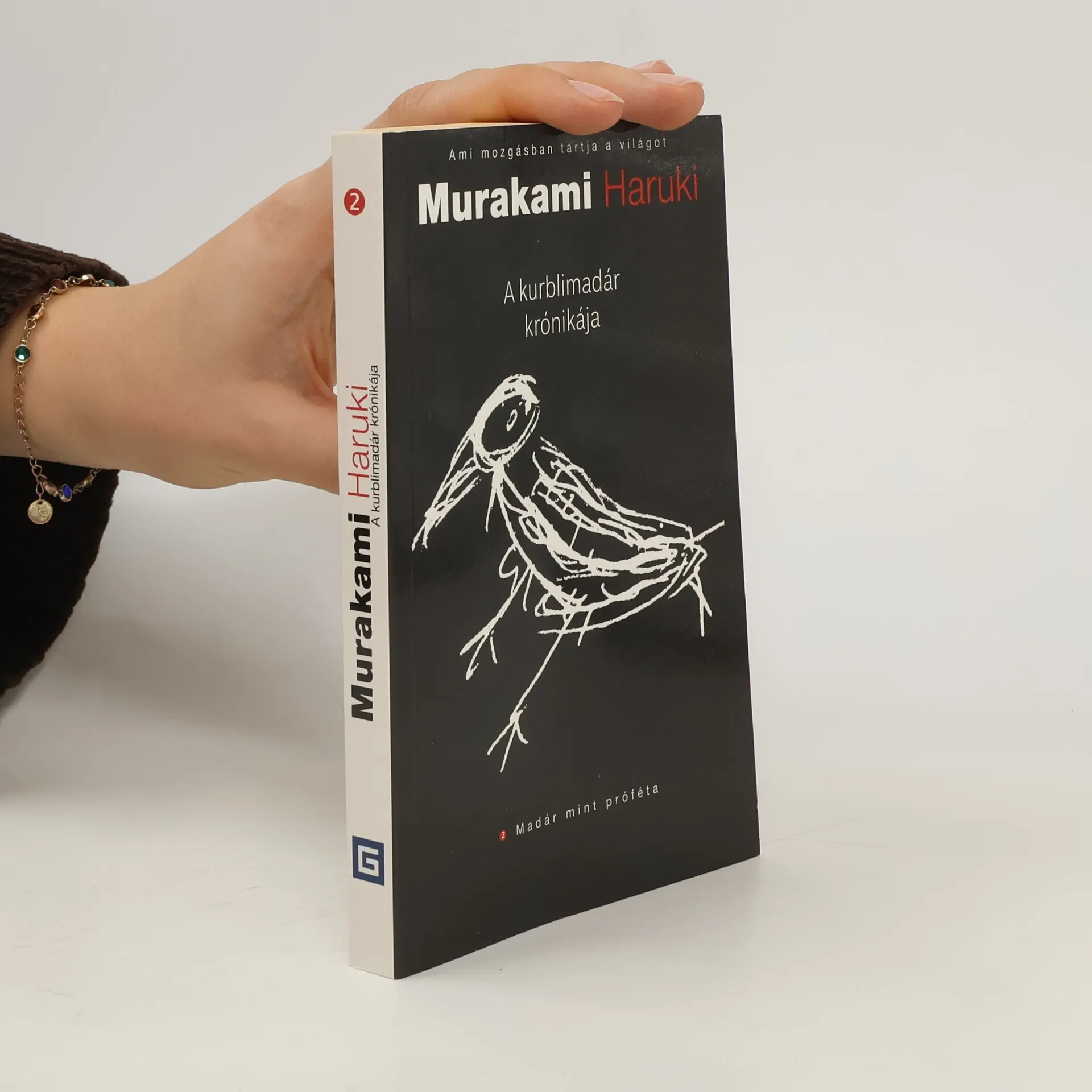
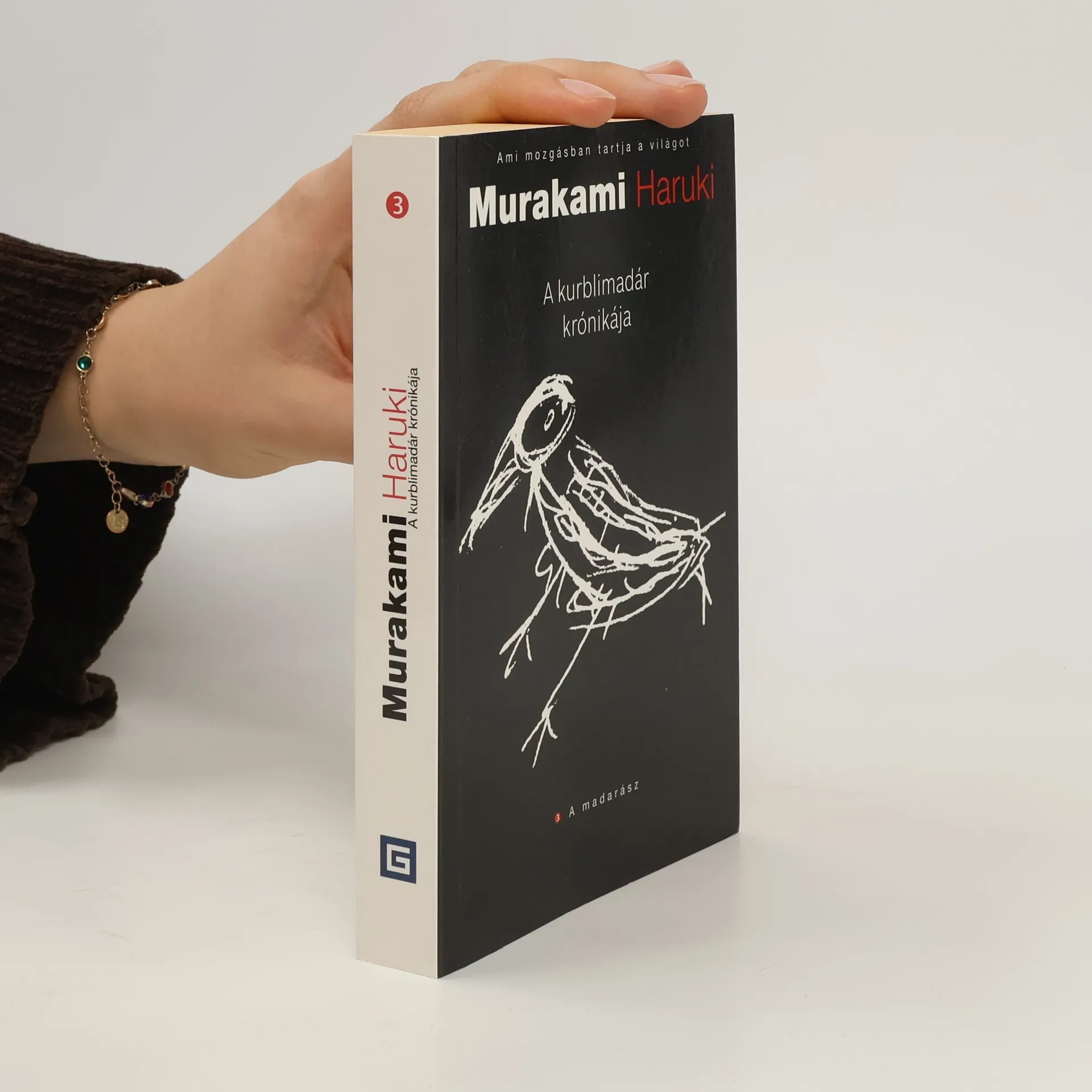
Tokió külvárosában egy Okada Toru nevű munka nélküli fiatalember először csak felesége elveszett macskája keresésére indul, idővel aztán rádöbben, hogy a felesége is elhagyta. A város békés felszíne alatt rejtőző föld alatti világba keveredve különös ismeretséget köt egy testvérpárral, akik a görög szigetvilág két tagjáról kapták a nevüket. A szomszédban lakó bolondos lány révén beavatást nyer a parókakészítés rejtelmeibe, egy nyugalmazott tiszt pedig a mandzsúriai háború tapasztalatait osztja meg vele. A zenekedvelő és rezignált Toru titokzatos állást vállal az inkognitójukat messzemenőkig őrző Szerecsendiónál és Fahéjnál, s eltűnt háziállatának és házastársának felkutatása miatt szó szerint sötét és mély kútba kell alászállnia. Murakami valóságot és misztikumot ötvöző regényének felzaklató történeteit az elbeszélés szenvtelen nyugalma ellensúlyozza, feszült kíváncsiságot ébresztve az olvasóban, aki az események sodrásának engedve képtelen letenni a könyvet. A lapok közül pedig minduntalan kihallatszik a világ mozgásban tartásáért felelős, láthatatlan kurblimadár hangja: gíííííííí...
Tokió külvárosában egy Okada Toru nevű munka nélküli fiatalember először csak felesége elveszett macskája keresésére indul, idővel aztán rádöbben, hogy a felesége is elhagyta. A város békés felszíne alatt rejtőző föld alatti világba keveredve különös ismeretséget köt egy testvérpárral, akik a görög szigetvilág két tagjáról kapták a nevüket. A szomszédban lakó bolondos lány révén beavatást nyer a parókakészítés rejtelmeibe, egy nyugalmazott tiszt pedig a mandzsúriai háború tapasztalatait osztja meg vele. A zenekedvelő és rezignált Toru titokzatos állást vállal az inkognitójukat messzemenőkig őrző Szerecsendiónál és Fahéjnál, s eltűnt háziállatának és házastársának felkutatása miatt szó szerint sötét és mély kútba kell alászállnia. Murakami valóságot és misztikumot ötvöző regényének felzaklató történeteit az elbeszélés szenvtelen nyugalma ellensúlyozza, feszült kíváncsiságot ébresztve az olvasóban, aki az események sodrásának engedve képtelen letenni a könyvet. A lapok közül pedig minduntalan kihallatszik a világ mozgásban tartásáért felelős, láthatatlan kurblimadár hangja: gíííííííí...
Никто не скажет о предлагаемой вашему вниманию книге лучше, чем сам автор — наиболее знаменитый мастер современной японской литературы: «Ультракороткие рассказы (вероятно, это странноватое название, но другого мне не приходит в голову) этого сборника, на самом деле были написаны для серии журнальной рекламы. Первая часть — для марки одежды “J. Press”, вторая — для перьевых ручек «Паркер». Хотя, как видите, содержание рассказов совершенно не связано ни с одеждой, ни с перьевыми ручками. Я просто написал их по собственному вкусу, Андзай Мидзумару сделал для них иллюстрации, а рядом с ними в журнале как-то виновато опубликовали рекламу товара. Серия рассказов для “J. Press” печаталась в журнале “Men’s Club”, серия для ручек — в журнале “Тайё”. Не знаю, насколько эффективными они оказались с точки зрения рекламы, — и, честно говоря, даже думать об этом не хочу».
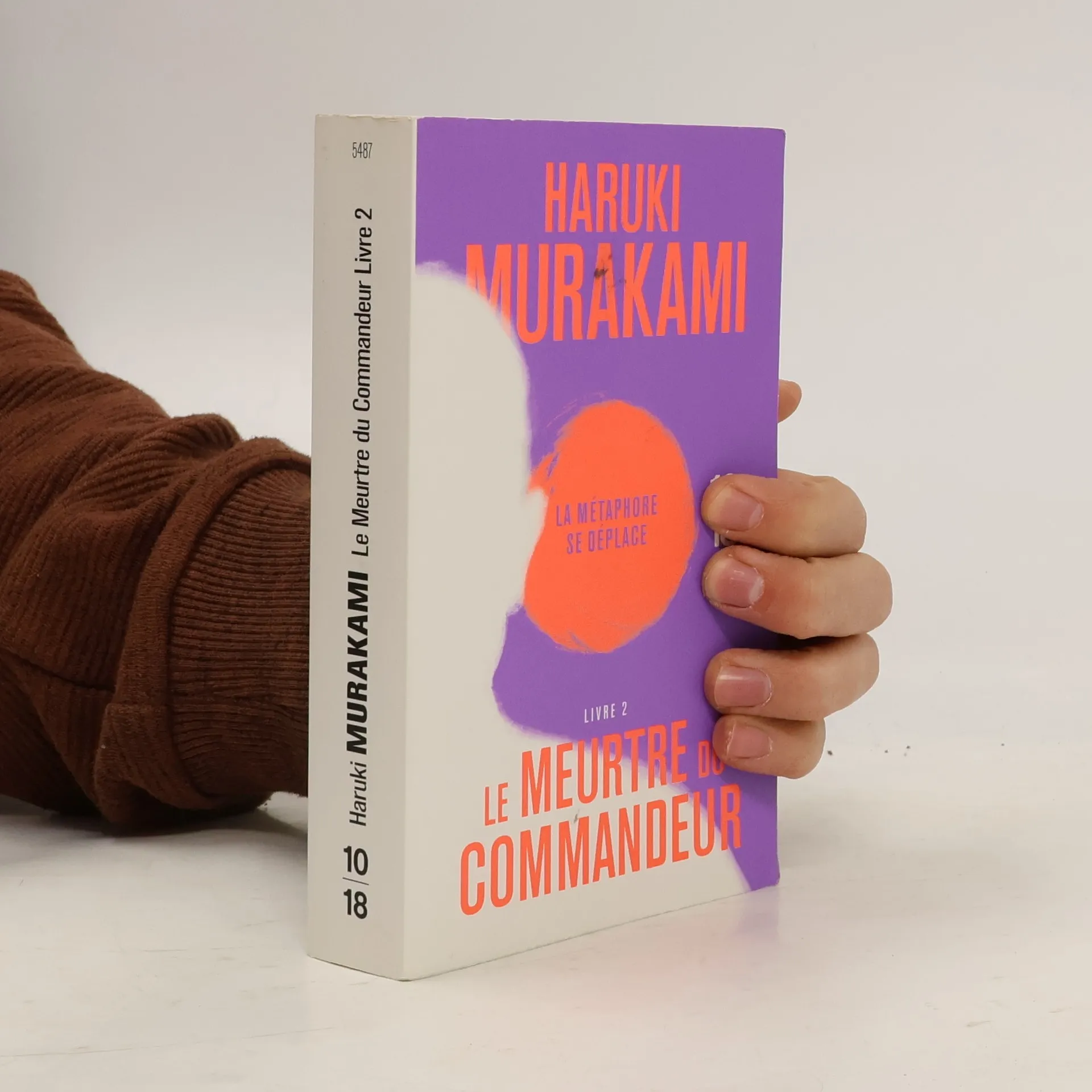
La suite de l'épopée de Murakami qui déstabilise encore un peu plus son lecteur. Une exploration des obsessions humaines au sein d'une histoire onirique et artistique. Au Japon, de nos jours. Une jeune fille a disparu. Le narrateur avait entrepris de faire son portrait. Il va rendre visite au vieux peintre Tomohiko Amada. Dans la chambre d'hôpital, le Commandeur apparaît. Le narrateur écoute le Commandeur : ce dernier est une idée ; une idée multiforme, chacun peut y projeter ce dont il a besoin. Il est prêt à offrir sa vie pour que la jeune fille soit retrouvée. Il faut faire revivre la scène du tableau, le Commandeur doit être poignardé. Le narrateur lui plante un couteau dans le coeur. Une trappe s'ouvre dans un coin de la chambre. Un personnage étrange en surgit qui invite à entrer dans le passage souterrain. C'est le début d'un périple qui va le conduire au-devant des forces du mal..
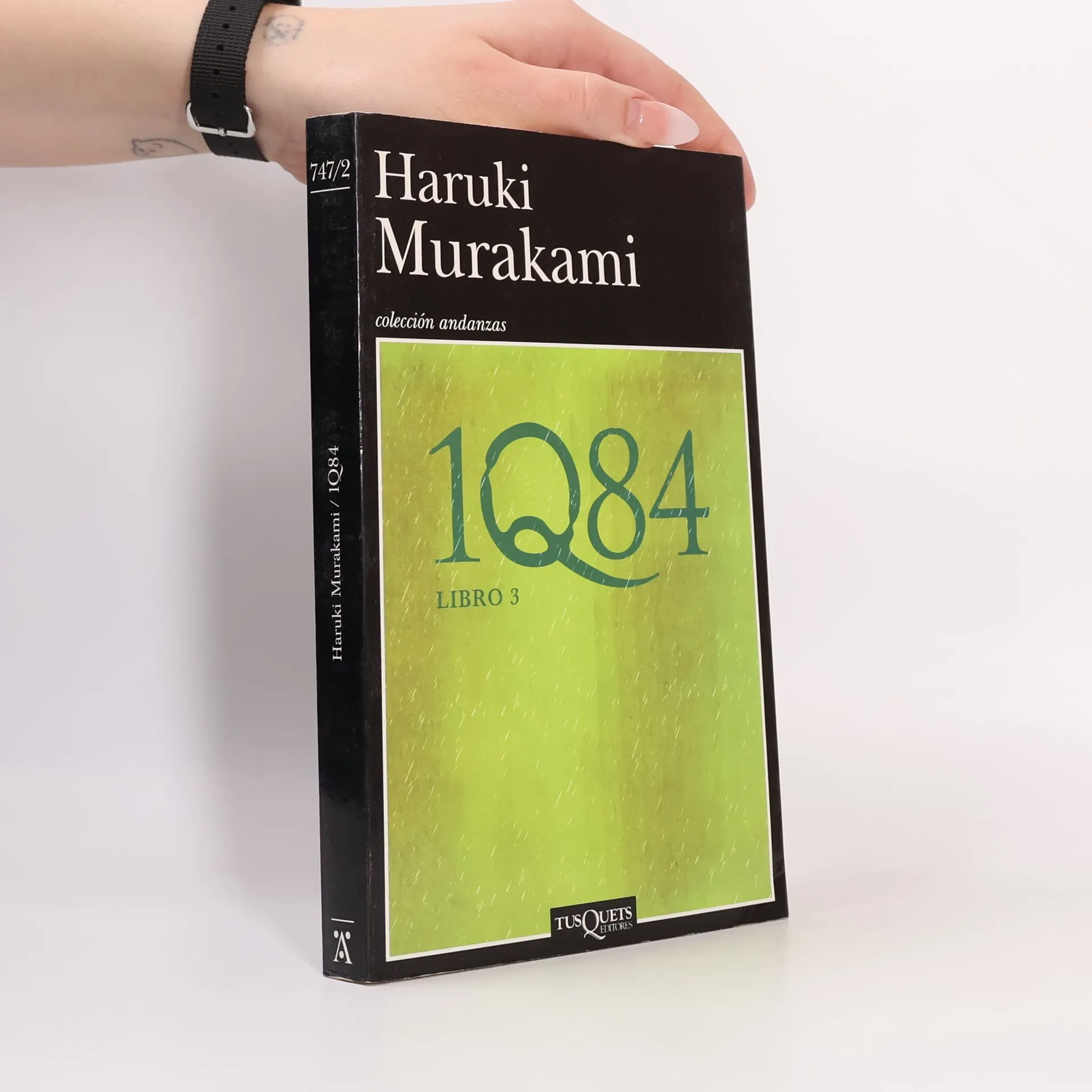
A las voces de Aomame –la enigmática instructora de gimnasia y asesina– y de Tengo –el profesor de matemáticas y escritor–, se suma, en este tercer volumen de la novela 1Q84 , la de un nuevo personaje, un detective llamado Ushikawa. Su última misión, encargada por Vanguardia, el misterioso culto religioso, consistió en comprobar si Aomame era digna de confianza para trabajar para el líder. Ushikawa dio el visto bueno a la joven, pero ésta los traicionó a todos, cometió un nuevo asesinato y luego desapareció. Si el detective no logra encontrarla, la venganza de la secta se abatirá sobre él. Entretanto, Aomame y Tengo, cada uno a su modo, siguen deseándose en la ausencia, buscándose –en el más puro estilo de Murakami– casi sin moverse de su sitio, aislados, quizás a punto de experimentar un giro radical en sus vidas y esperando un reencuentro que los redima... en el mundo de 1984, o en el de 1Q84, ese fantasmagórico universo con dos lunas.