Geert HofstedeVolgorde van de boeken (chronologisch)
2 oktober 1928 – 12 februari 2020
Gerard Hendrik Hofstede is een invloedrijke Nederlandse auteur die de complexe wisselwerking tussen nationale en organisatorische culturen onderzoekt. Zijn baanbrekende werk onderzoekt hoe nationale en regionale culturele groeperingen het maatschappelijk en organisatorisch gedrag diepgaand beïnvloeden en hun opmerkelijke persistentie door de tijd heen aantonen. Hofstedes studie biedt diepgaande inzichten in hoe deze culturele verschillen onze sociale en professionele werelden vormgeven. Zijn benadering biedt lezers een sleutel tot het begrijpen van de complexe culturele dynamiek die zowel organisaties als hele gemeenschappen beïnvloedt.
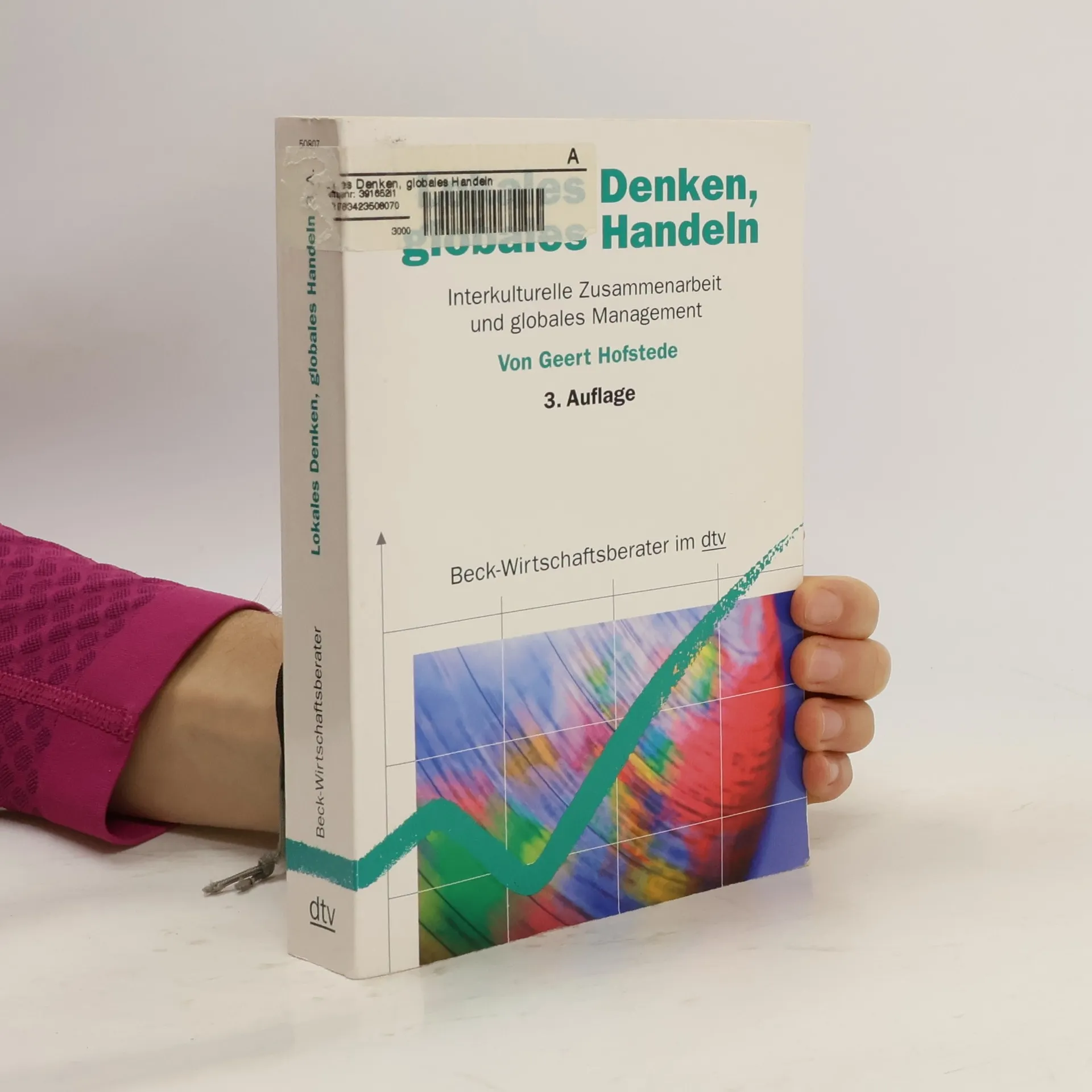
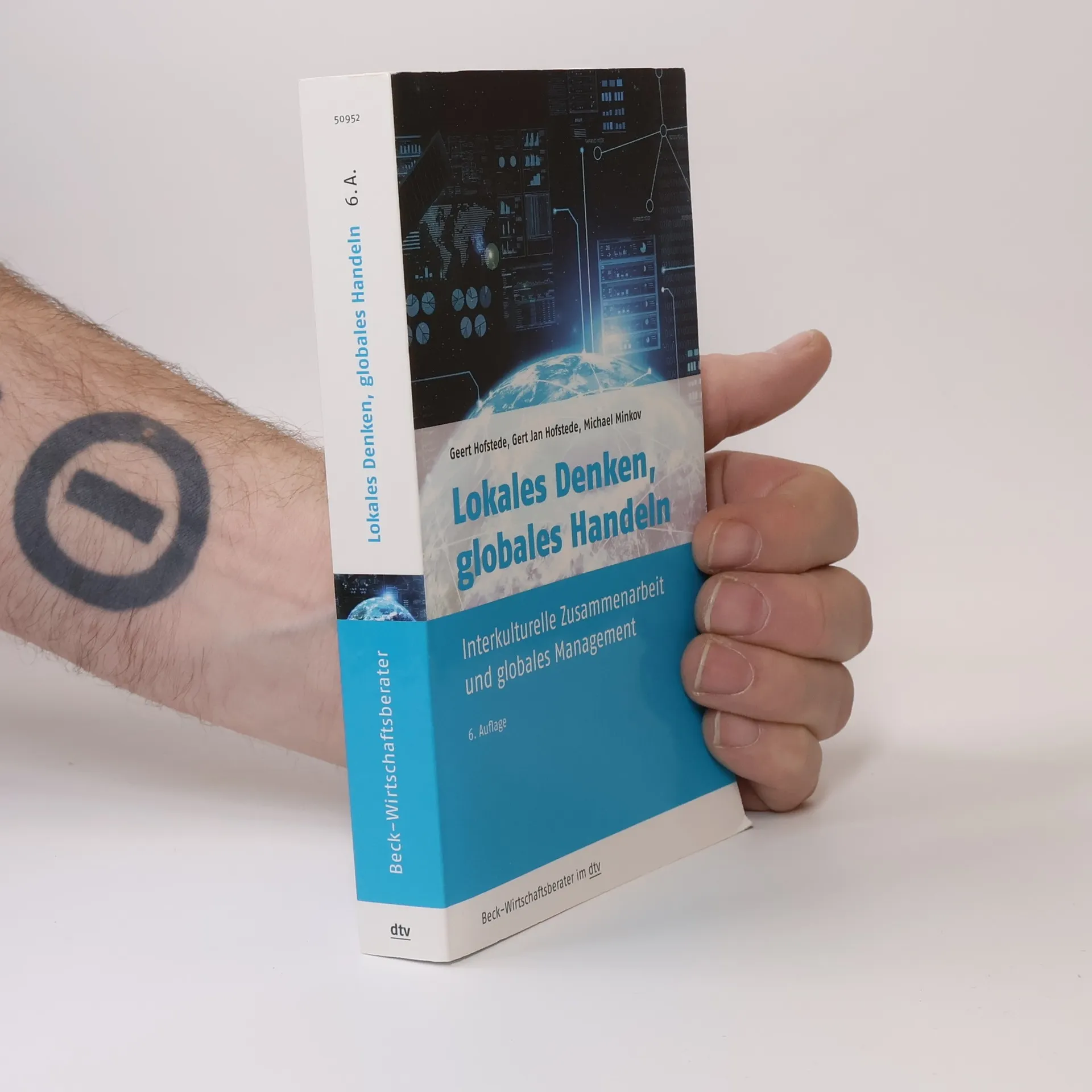
Interkulturelle Zusammenarbeit und globales Management - 6. Auflage
557bladzijden
20 uur lezen
Wie unsere Herkunft das Denken, Fühlen und Handeln beeinflusst: Brandaktuell in Zeiten großer Migrationsbewegungen erhält der Leser auf gut verständliche und anregende Weise Einsichten darüber, wie der Ort, an dem wir aufgewachsen sind, unsere Art zu denken, zu fühlen und zu handeln formt.
Wie unsere Herkunft das Denken, Fühlen und Handeln beeinflusst: Die Polarisierung der Welt ist heute bedenklicher als am Ende des Kalten Krieges, trotz freiem Handel und digitaler Technik, durch die eine globale Verbundenheit zustande kam, von der Science-Fiction-Autoren vor 50 Jahren nicht einmal träumten. Woran liegt es aber, dass Menschen getrennte Wege gehen, wenn doch Kooperation so klar in jedermanns Interesse liegt? Sind wir eine Spezies, die dazu verdammt ist, sich permanent misszuverstehen und in Konflikt miteinander zu geraten? Sie finden die Antworten in diesem Buch. Dieser Atlas für kulturelle Werte basiert auf über 30-jähriger Forschung über mehr als 70 Länder. Gleichzeitig beschreibt das Buch eine revolutionäre Theorie des kulturellen Relativismus und seiner Anwendungsmöglichkeiten in verschiedenen Berufen.
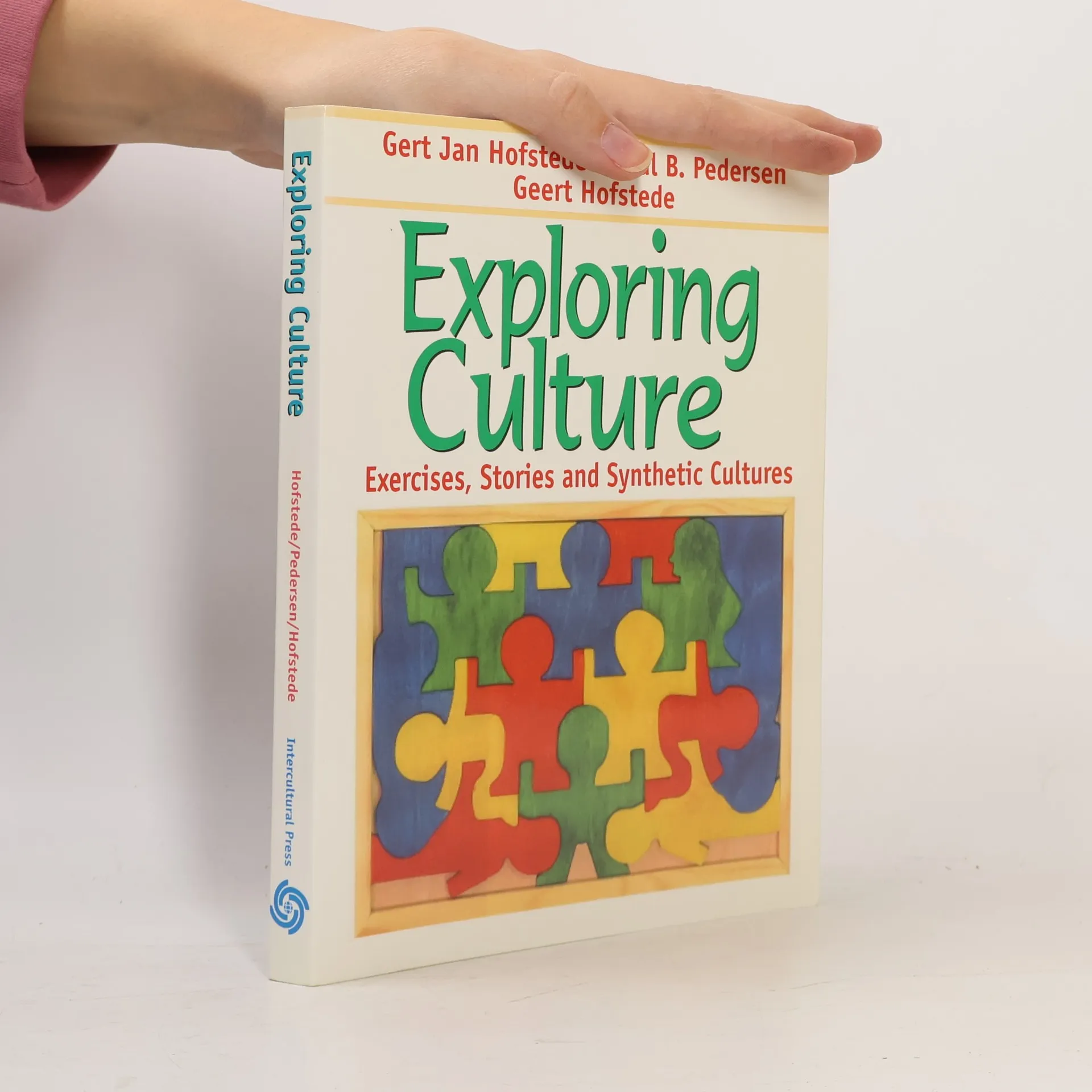
A guidebook book to Hofstede's five dimensions of culture (power distance, collectivism versus individualism, femininity versus masculinity, uncertainty avoidance and long term versus short term orientation) and derivative synthetic cultures. It provides more than 75 exercises, dialogues, stories and simulations for trainers, educators, and students.
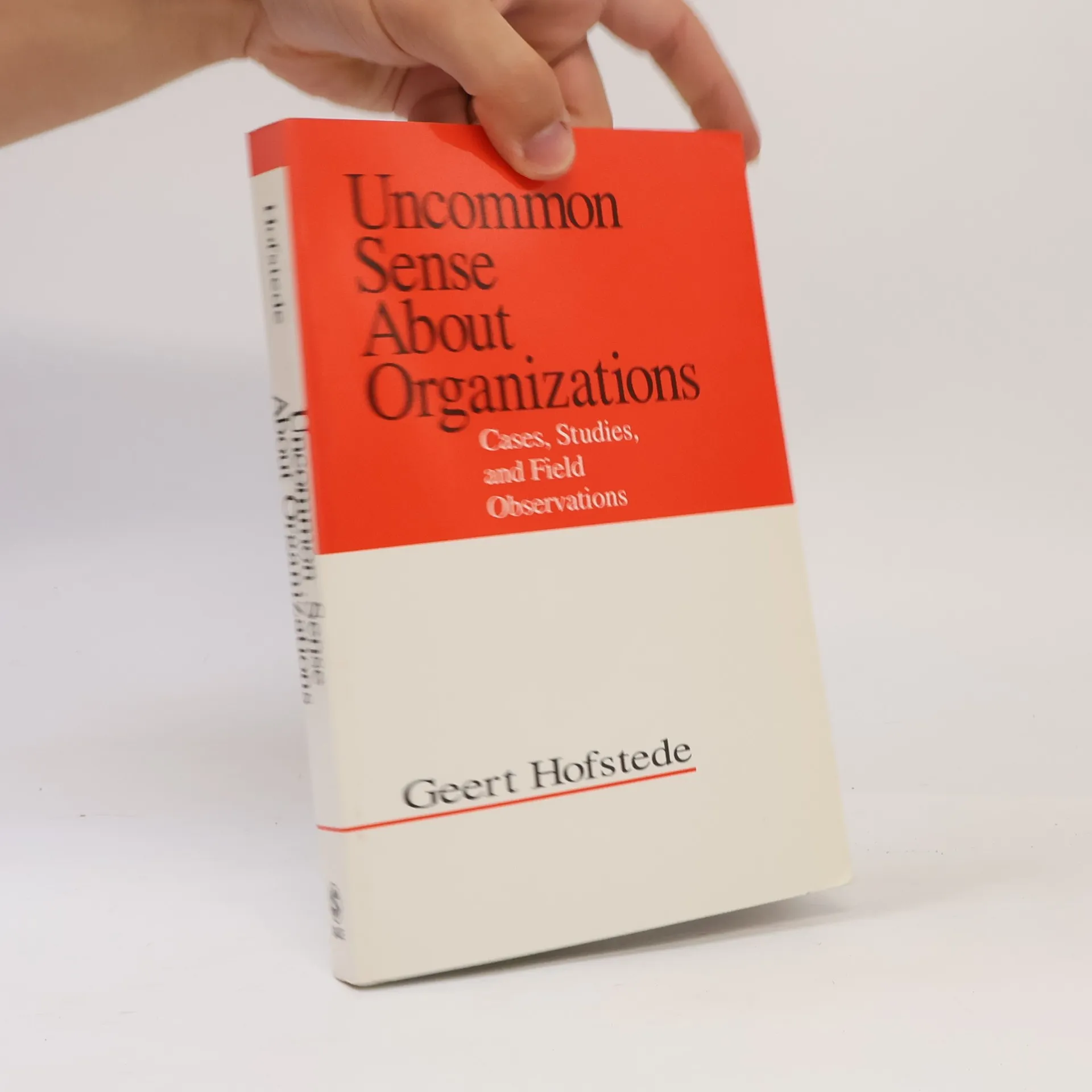
Geert Hofstede, author of the classic Culture's Consequences , brings together 17 articles and case studies in this book. The work is grouped around three main themes: the impact of jobs on people; power and control in organizations; and studies in training settings. Throughout, there is a concern with exploring and uncovering hidden organizational realities, whilst moving across the boundaries of psychology, sociology and anthropology.
Omgaan met cultuurverschillen - Geheel vernieuwde editie
431bladzijden
16 uur lezen
Since its original hardcover publication in 1991, this influential work has garnered significant attention, selling over 100,000 copies globally and translated into 15 languages. Professor Geert Hofstede's extensive field research on cultural differences provides insights into how we think as members of groups. This revised edition incorporates the latest data from Hofstede's ongoing research, offering detailed comparisons of cross-cultural differences across 70 nations in various domains, including business, family, education, and politics. Hofstede addresses phenomena such as culture shock, ethnocentrism, and stereotyping, while highlighting the practical implications of understanding these cultural differences for more productive collaboration among diverse groups. He combines rigorous intellectual analysis with social, cultural, and organizational research to illustrate a world often lacking self-awareness of the significant differences among cultures, organizations, and nations, especially in the context of globalization. Hofstede argues that culture shock—whether experienced by individuals, organizations, or diplomats—can be advantageous if understood. This work elucidates the differences in thought processes between leaders and their followers, providing practical solutions for resolving conflicts in business and politics.