Ein junger Pariser erlebt, dass seine Liebe nicht ausreicht, um seine Geliebte zu halten. Als die Pest ausbricht, herrscht Anarchie in der Stadt, während politische und ethnische Konflikte eskalieren. Bruno Jasieńskis Roman von 1928 thematisiert die Gefahren von Seuchen und die radikale Ablehnung des Kapitalismus.
Bruno Jasieński Volgorde van de boeken (chronologisch)
Bruno Jasieński was een sleutelfiguur in de Poolse futuristische beweging, wiens werk de dynamiek van de moderniteit en maatschappelijke verandering verkende met expressieve en experimentele poëzie. Zijn geschriften weerspiegelden vaak zijn radicale politieke overtuigingen en zijn zoektocht naar een nieuwe artistieke taal die de turbulente tijden kon evenaren. Jasieński's leven, dat tragisch eindigde te midden van de Sovjetzuiveringen, verleent zijn literaire nalatenschap een diepe dimensie en dient als een indringende herinnering aan de complexe relaties tussen kunst, politiek en persoonlijk lot. Zijn invloed als avant-gardistische dichter en theoreticus wordt tot op de dag van vandaag erkend in modernistische kunstkringen.

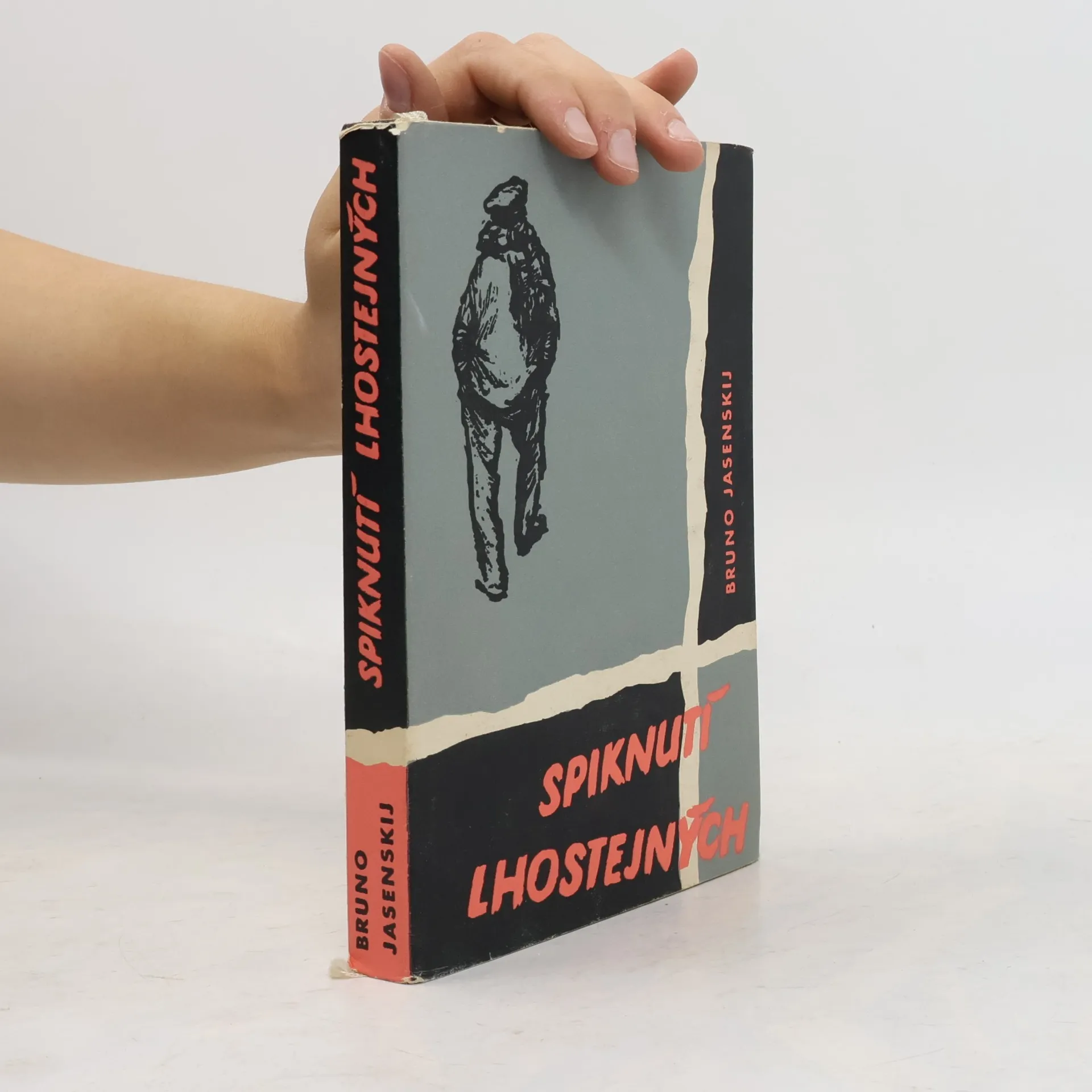

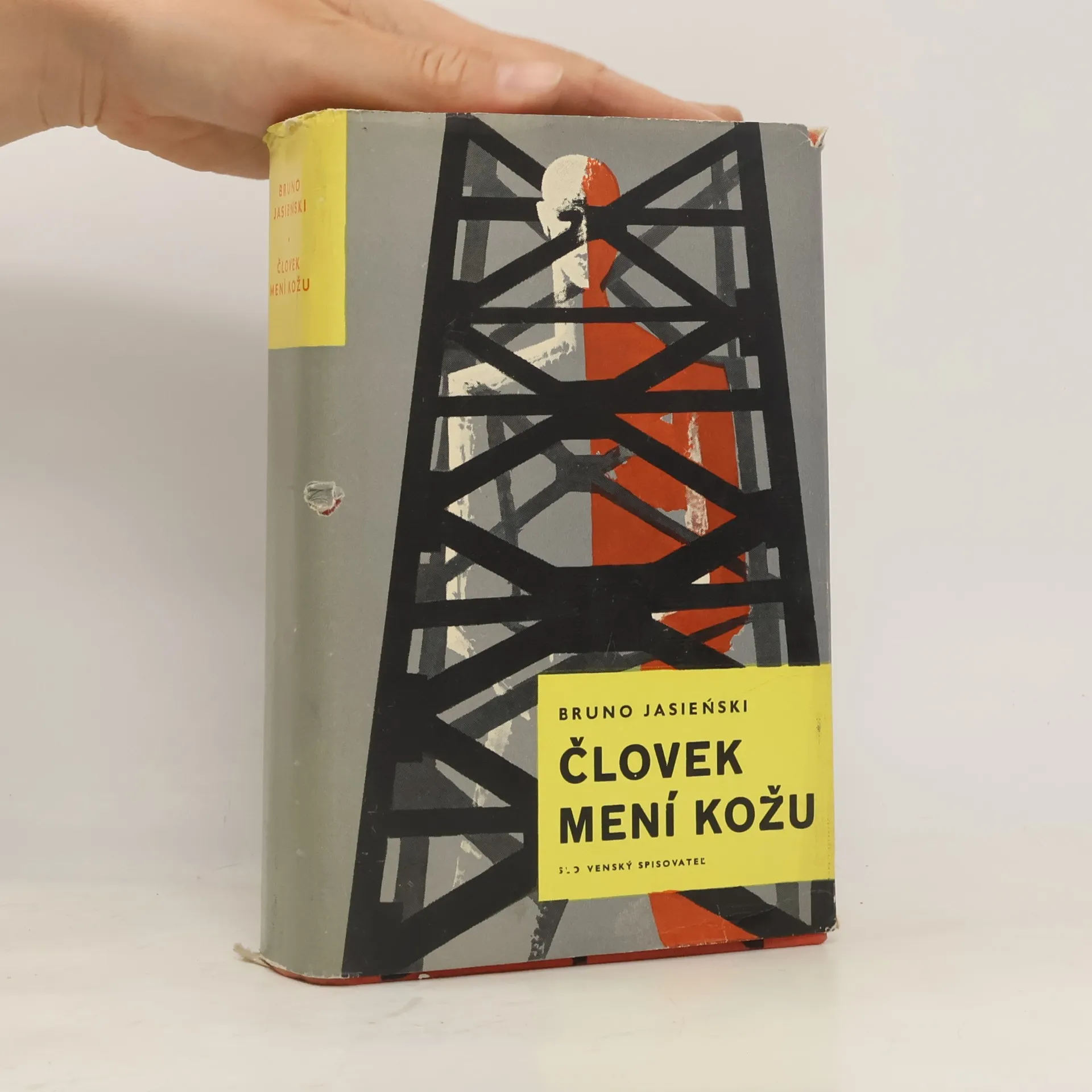

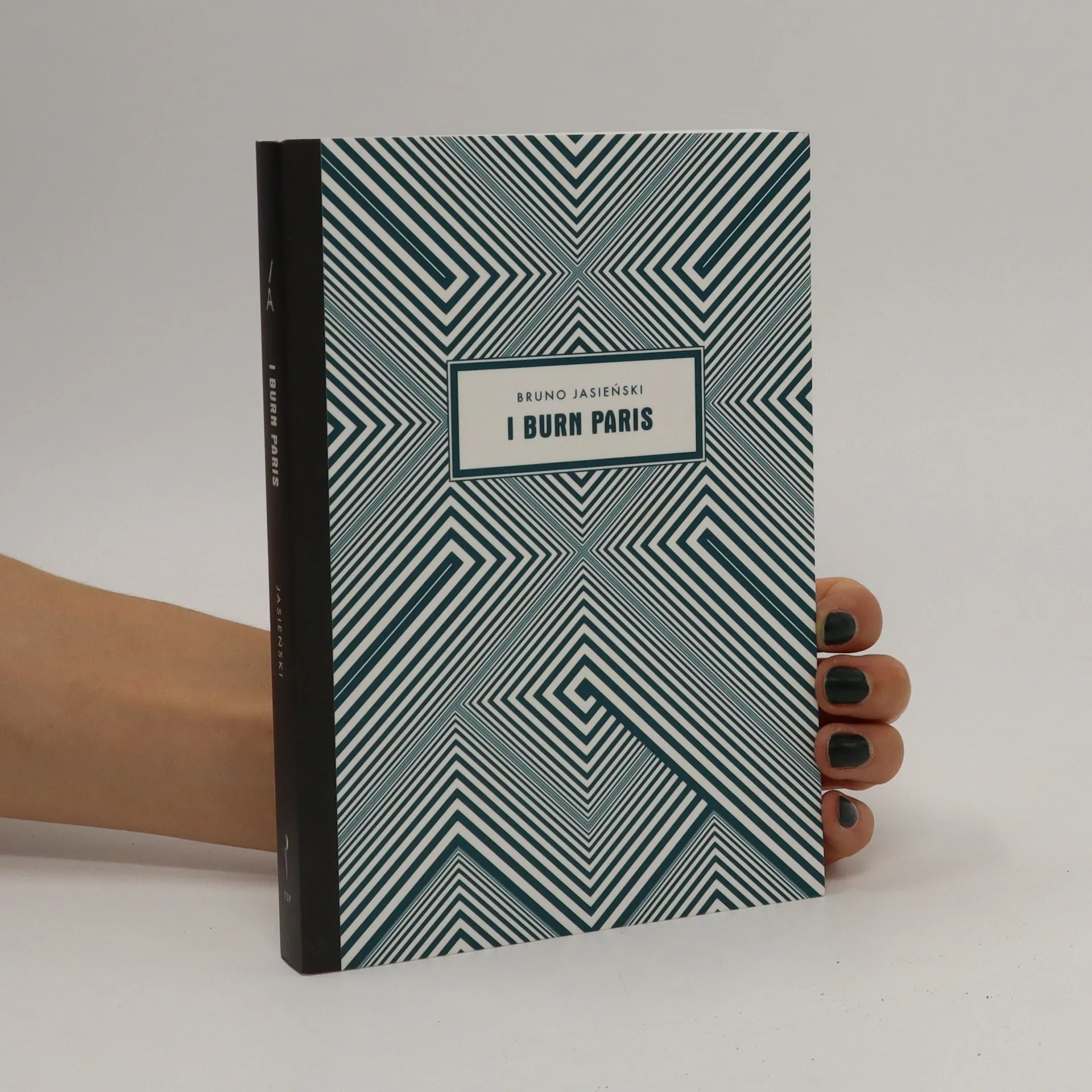
I Burn Paris
- 299bladzijden
- 11 uur lezen
Tato kniha byla vydána českým nakladatelstvím Twisted Spoon Press, které sídlí v Praze a zaměřuje se na české a slovanské autory v angličtině. Oficiální anotace nakladatele: I Burn Paris zůstává jedním z nejnepříjemnějších literárních děl Polska od své kontroverzní serializace Henri Barbussem v roce 1928 v L'Humanité, což vedlo k deportaci Jasieńského za šíření subverzivní literatury. Příběh sleduje nespokojeného dělníka, který, ocitnuvší se na ulici, se rozhodne otrávit pařížský vodovod. Jak se počty mrtvých zvyšují, setkáváme se s čínskými komunisty, rabíny, zklamanými vědci, ruskými emigranty, francouzskými komunardy a royalisty, americkými milionáři a mnoha dalšími, jak se město rozděluje na etnické enklávy a každý plánuje svou cestu k útěše. Uprostřed kosmopolitního města se ukrývá hluboce zakořeněná xenofobie a nenávist, což je společný prvek všech těchto skupin. Jak Paříž směřuje k záhubě, Jasieński vydává výzvu utlačovaným světa, mísící prvky "Internacionály" s populární hudbou. S montážními strategiemi připomínajícími ranou avantgardní kinematografii a silnými metaforami, I Burn Paris si zachovává svou vitalitu. Jasieński neúprosně rozebírá utopické fantazie a transformuje pařížskou krajinu na produkt nemocnými myslí. Dielo představuje zdegenerovaný svět, kde továrny a stroje nahradily lidské vztahy, přičemž město je zobrazeno jako povrchně kosmopolitní, avšak v jádru nepřátelské a zvířecí. Tato anglická verze vyplň