


Koop 10 boeken voor 10 € hier!
Bookbot

Daniel Kahneman

    Daniel Kahneman was een Israëlisch-Amerikaanse psycholoog wiens werk zich verdiepte in de cognitieve processen die ten grondslag liggen aan menselijk oordeel en besluitvorming. Samen met Amos Tversky legde hij een cognitieve basis voor veelvoorkomende menselijke fouten, waarbij hij heuristieken en biases onderzocht. Kahneman onderzocht uitvoerig hoe mensen risico's en beloningen waarnemen en ontwikkelde de cruciale Prospect Theory. Zijn onderzoek heeft de gedragseconomie en psychologie aanzienlijk vooruitgeholpen door diepgaande inzichten te bieden in de rationaliteit en irrationaliteit van de menselijke geest.

    Daniel Kahneman
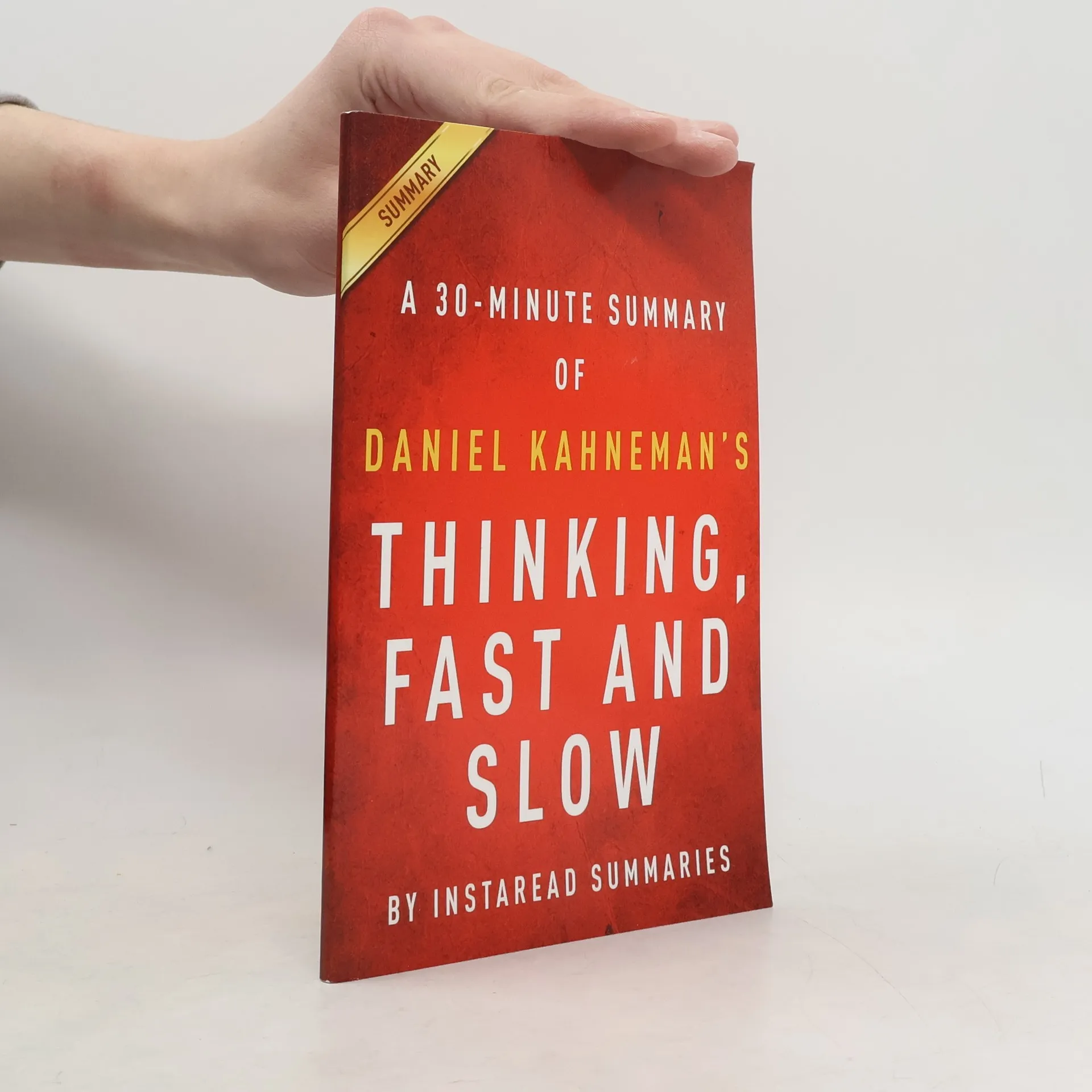
    Summary of Thinking, Fast and Slow
    Noise
    Thinking, Fast and Slow
    Choices, Values, and Frames
    The Importance of the Community Rabbi
    Heuristics and Biases : The Psychology of Intuitive Judgment
    • 2021
      3,7(11867)Tarief

      THE INTERNATIONAL BESTSELLER 'A monumental, gripping book ... Outstanding' SUNDAY TIMES 'Noise may be the most important book I've read in more than a decade. A genuinely new idea so exceedingly important you will immediately put it into practice. A masterpiece' Angela Duckworth, author of Grit 'An absolutely brilliant investigation of a massive societal problem that has been hiding in plain sight' Steven Levitt, co-author of Freakonomics From the world-leaders in strategic thinking and the multi-million copy bestselling authors of Thinking Fast and Slow and Nudge, the next big book to change the way you think. We like to think we make decisions based on good reasoning - and that our doctors, judges, politicians, economic forecasters and employers do too. In this groundbreaking book, three world-leading behavioural scientists come together to assess the last great fault in our collective decision-making: noise. We all make bad judgements more than we think. Noise shows us what we can do to make better ones.

      Noise
    • 2020

       The contemporary rabbi is influenced by the modern rabbinic establishments throughout the world, including the rabbinate in Israel. The rabbinate's monopoly on opinions and interpretations prevents rabbis from expressing their individual positions out of fear of delegitimization. The current structure gives the public a negative impression of the rabbinic establishment. The Importance of the Community Rabbi strives to describe and delineate key requirements for a good rabbi, i.e., one who can provide socially acceptable halachic solutions within the parameters of Orthodox thinking. Rabbi Sperber elucidates the halachic techniques and mechanisms that may be used toward this goal. These are further illustrated with stories from rabbinic literature and examples from various responsa.

      The Importance of the Community Rabbi
    • 2018

      The Psychology of Stupidity

      • 384bladzijden
      • 14 uur lezen
      3,3(110)Tarief

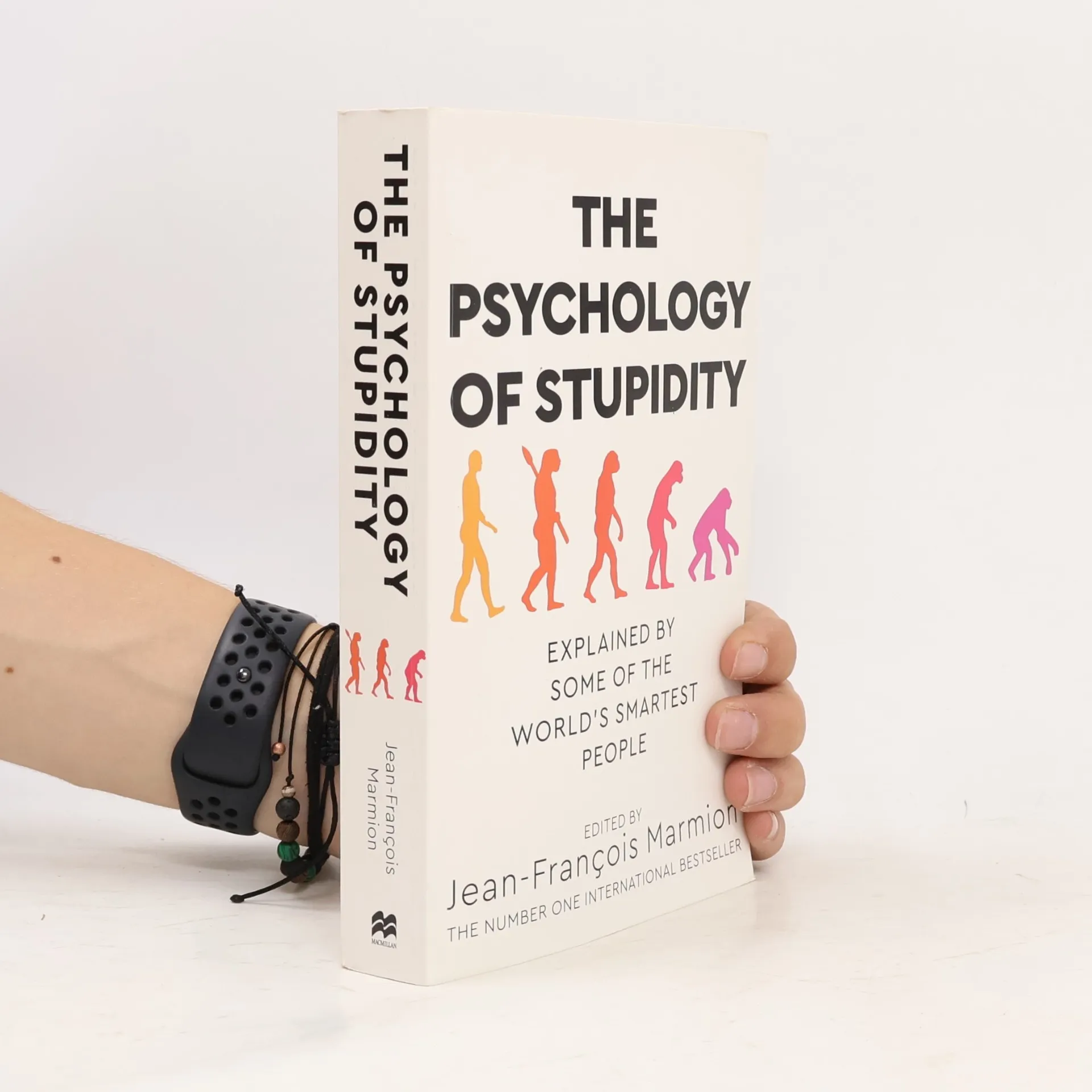
      Stupidity is all around is, from the coworkers who won't stop hitting 'reply all' to the former school friends posting conspiracy theories on Facebook. But in order to battle idiocy, we must first understand it. In The Psychology of Stupidity, some of the world's leading psychologists and thinkers - including Nobel Prize winners - will show you... why smart people sometimes believe in utter nonsense, how our lazy brains cause us to make the wrong decisions, why trying to debate fools is a trap, how media manipulation and Internet overstimulation makes us dumber, why the stupidest people don't think they're stupid. Their wisdom and wit are a balm for our aggrieved souls and a beacon of hope in a world of morons.

      The Psychology of Stupidity
    • 2014

      Наши действия и поступки определены нашими мыслями. Но всегда ли мы контролируем наше мышление? Нобелевский лауреат Даниэль Канеман объясняет, почему мы подчас совершаем нерациональные поступки и как мы принимаем неверные решения. У нас имеется две системы мышления. «Медленное» мышление включается, когда мы решаем задачу или выбираем товар в магазине. Обычно нам кажется, что мы уверенно контролируем эти процессы, но не будем забывать, что позади нашего сознания в фоновом режиме постоянно работает «быстрое» мышление – автоматическое, мгновенное и неосознаваемое…

      Думай медленно... решай быстро. Dumay medlenno... reshay bystro
    • 2011

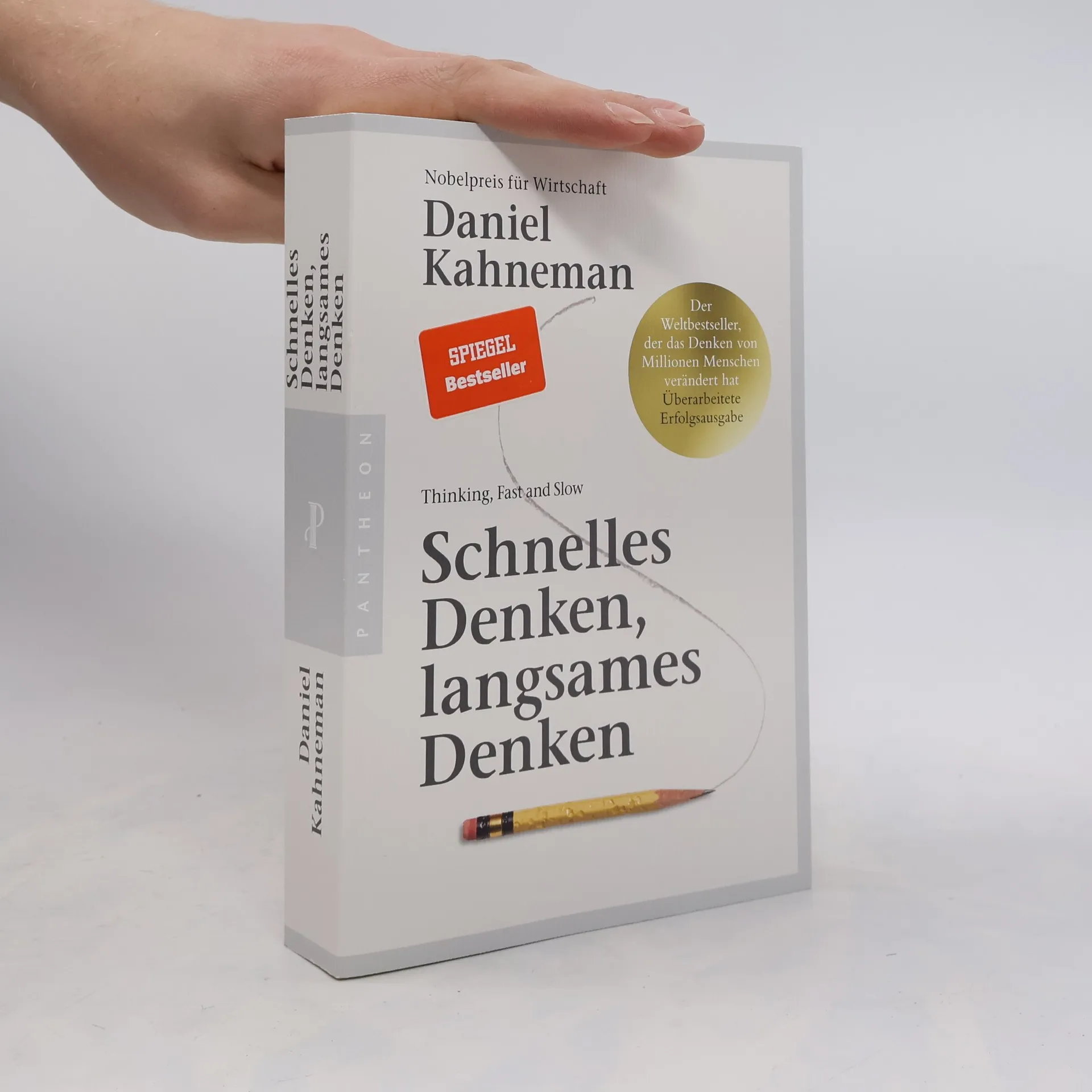
      Thinking, Fast and Slow

      • 512bladzijden
      • 18 uur lezen
      4,2(490299)Tarief

      Psychologist Daniel Kahneman reveals the truth about our intuitions and rationality to teach us how to better our lives. He explores the fascinating flaws and marvels of human behaviour and reveals to us the common errors in people's beliefs.

      Thinking, Fast and Slow
    • 2010

      Sociálna inteligencia

      • 208bladzijden
      • 8 uur lezen
      5,0(1)Tarief

      Aký rozdiel je medzi prirodzeným (intuitívnym) a formálno-logickým usudzovaním? Sú všetky logické chyby zlé? Aké postupy (heuristiky) používa intuitívne usudzovanie? Prečo sú hybnou silou rozvoja intelektu sociálne vzťahy? Aké komunikačné riziká sú spojené s informáciami získanými prostredníctvom svedectva? Na základe čoho vieme odhadnúť, čo sa deje v mysli iného? Prečo sa etnické klasifikácie zásadne líšia od iných sociálnych klasifikácií, napríklad profesijných či športových? Práve na tieto otázky hľadajú odpovede autori knihy Sociálna inteligencia. Prvú časť knihy tvoria preklady prác renomovaných zahraničných autorov (D. Kahneman, G. Gigerenzer, N. Humphrey a D. Sperber). Druhá časť knihy obsahuje príspevky domácich autorov (J. Bašnáková, M. Filko, M. Kanovský, V. Kvasnička, E. Pauková, J. Pospíchal a J. Rybár). Sme presvedčení, že kniha môže pomôcť vedeckým pracovníkom a študentom počítačovej vedy, psychológie, antropológie, ekonómie a ďalších prírodných a sociálnych vied zorientovať sa v danej oblasti. Dúfame, že poslúži aj všetkým, ktorí sa chcú bližšie oboznámiť so súvislosťami medzi intuitívnym usudzovaním a sociálnou inteligenciou.

      Sociálna inteligencia
    • 2002

      Judgment pervades human experience. Do I have a strong enough case to go to trial? Will the Fed change interest rates? Can I trust this person? This book examines how people answer such questions. How do people cope with the complexities of the world economy, the uncertain behavior of friends and adversaries, or their own changing tastes and personalities? When are people's judgments prone to bias, and what is responsible for their biases? This book compiles psychologists' best attempts to answer these important questions.

      Heuristics and Biases : The Psychology of Intuitive Judgment
    • 2000

      Choices, Values, and Frames

      • 860bladzijden
      • 31 uur lezen
      4,2(950)Tarief

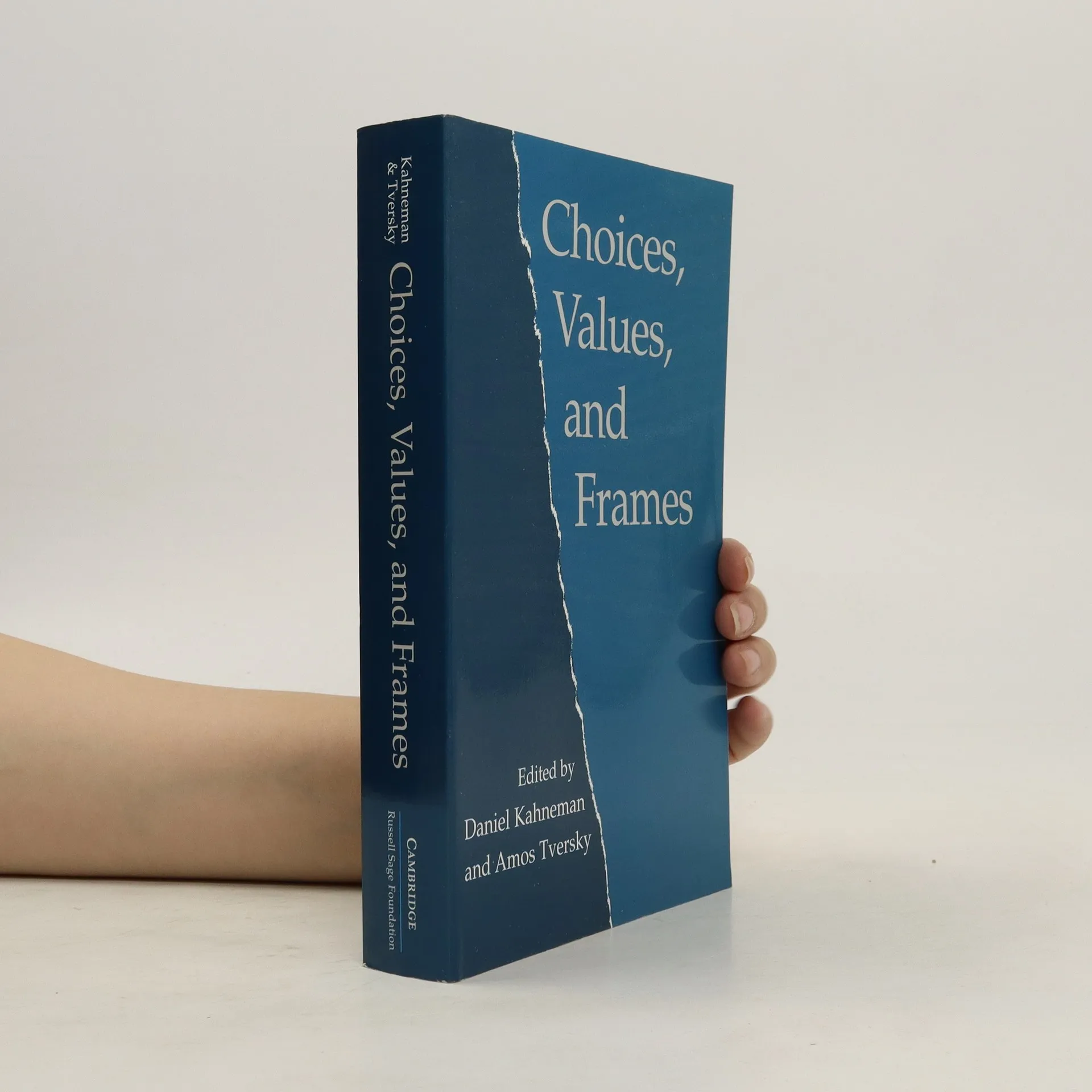
      Choices, Values, and Frames presents an empirical and theoretical challenge to classical utility theory, offering prospect theory as an alternative framework. Extensions and applications to diverse economic phenomena and to studies of consumer behavior are discussed. The book also elaborates on framing effects and other demonstrations that preferences are constructed in context, and it develops new approaches to the standard view of choice-based utility. As with the classic 1982 volume, Judgment Under Uncertainty, this volume is comprised of papers published in diverse academic journals. The editors have written several new chapters and a preface to provide a context for the work.

      Choices, Values, and Frames