Recipes from the American South
- 432bladzijden
- 16 uur lezen


Michael W. Twitty is een culinair historicus en onafhankelijke academicus die zich toelegt op het behoud en de promotie van Afro-Amerikaanse eetculturen en hun Afrikaanse en Diasporische wortels. Hij deelt zijn uitgebreide kennis en passie voor het culinaire erfgoed van het Zuiden via zijn platform Afroculinaria, de eerste blog gewijd aan historische Afro-Amerikaanse eetculturen. Zijn werk duikt in de complexe verbanden van identiteit, geschiedenis en voedsel, met een focus op de Afro-Amerikaanse invloed op de Zuidelijke keuken. Twitty's lezingen en optredens bij instellingen wereldwijd benadrukken zijn toewijding aan het ontdekken en vieren van deze vitale culturele tradities.

The James Beard award-winning author of the acclaimed The Cooking Gene explores the cultural crossroads of Jewish and African diaspora cuisine and issues of memory, identity, and food. In Koshersoul, Michael W.
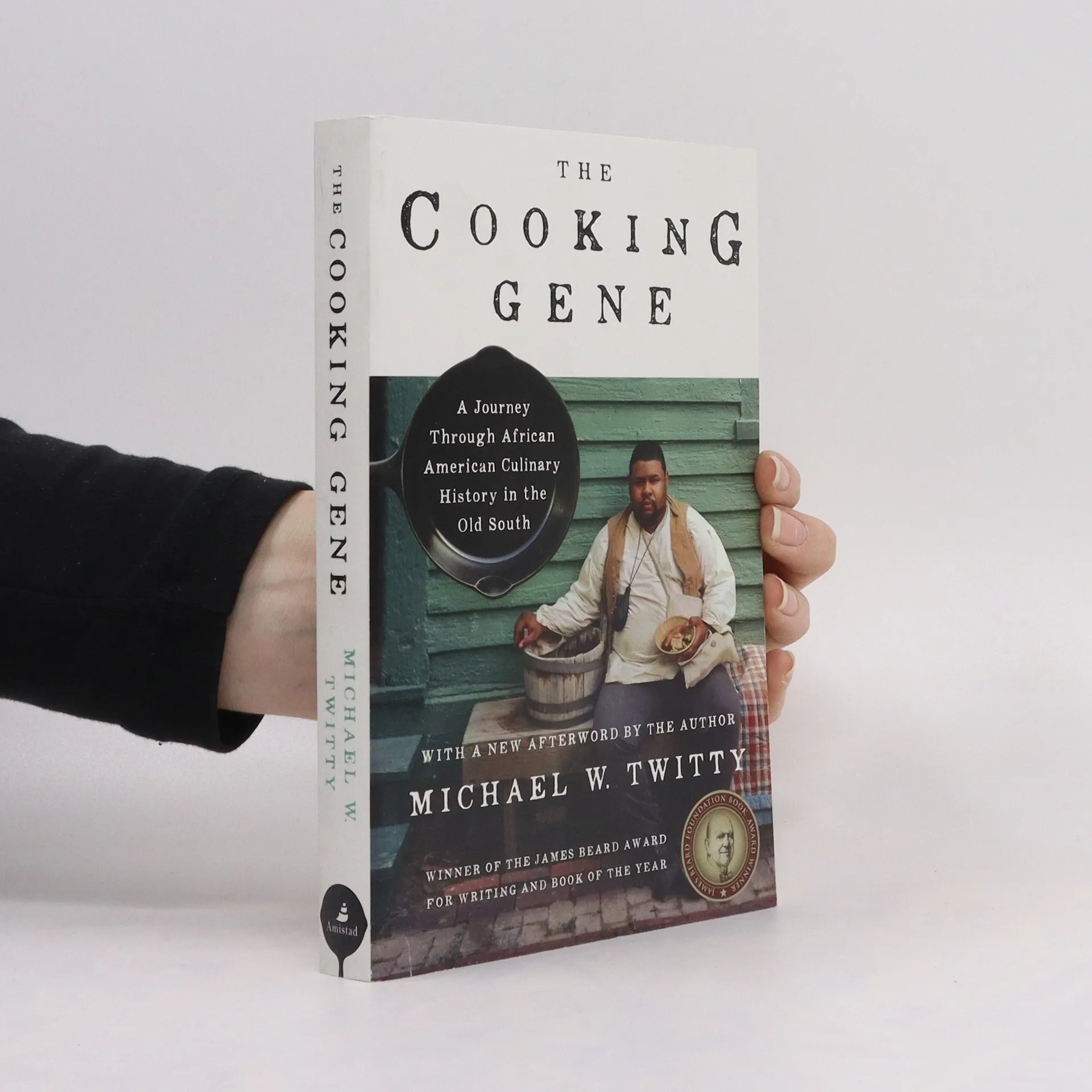
Culinary historian Michael W. Twitty offers a fresh perspective on race through an illuminating memoir that explores Southern cuisine and food culture by tracing his ancestry—both black and white—through food from Africa to America, and from slavery to freedom. Southern food is a cornerstone of American culinary tradition, yet the question of ownership remains a provocative issue in racial discourse. In this memoir, Twitty delves into his family's roots and the complex politics surrounding the origins of soul food, barbecue, and Southern cuisine. He journeys through the tobacco and rice farms of colonial times, plantation kitchens, and the arduous cotton fields, highlighting the struggles his family endured and how food played a crucial role in their survival over three centuries. Twitty weaves together stories, recipes, genetic tests, and historical documents while visiting significant sites such as Civil War battlefields in Virginia, synagogues in Alabama, and black-owned organic farms in Georgia. Through his exploration of ancestral culinary history, he posits that healing can stem from confronting the discomfort of the South's past, revealing the profound ability of food to unite the descendants of the enslaved and their former slaveholders at the table, fostering a shared understanding of America.