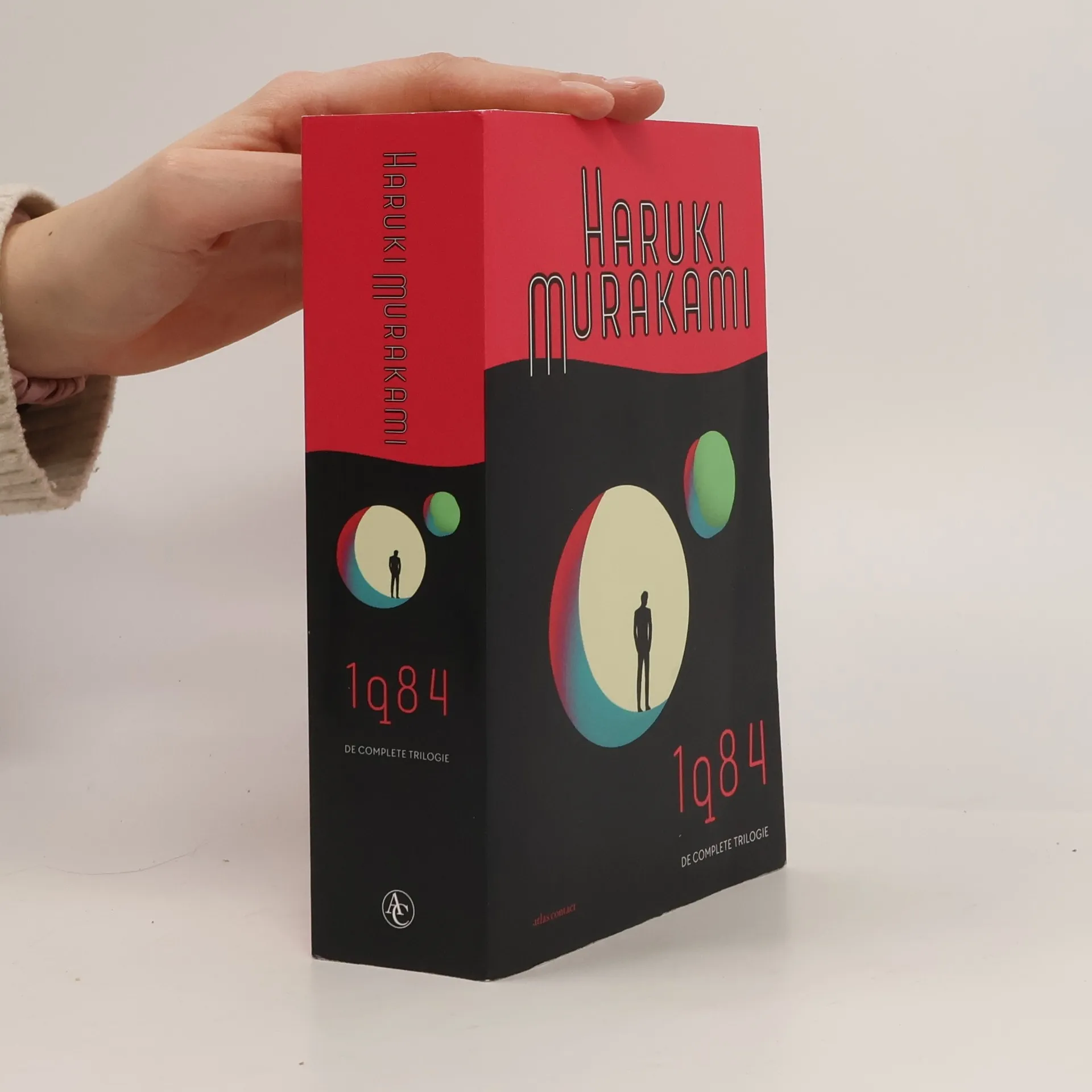
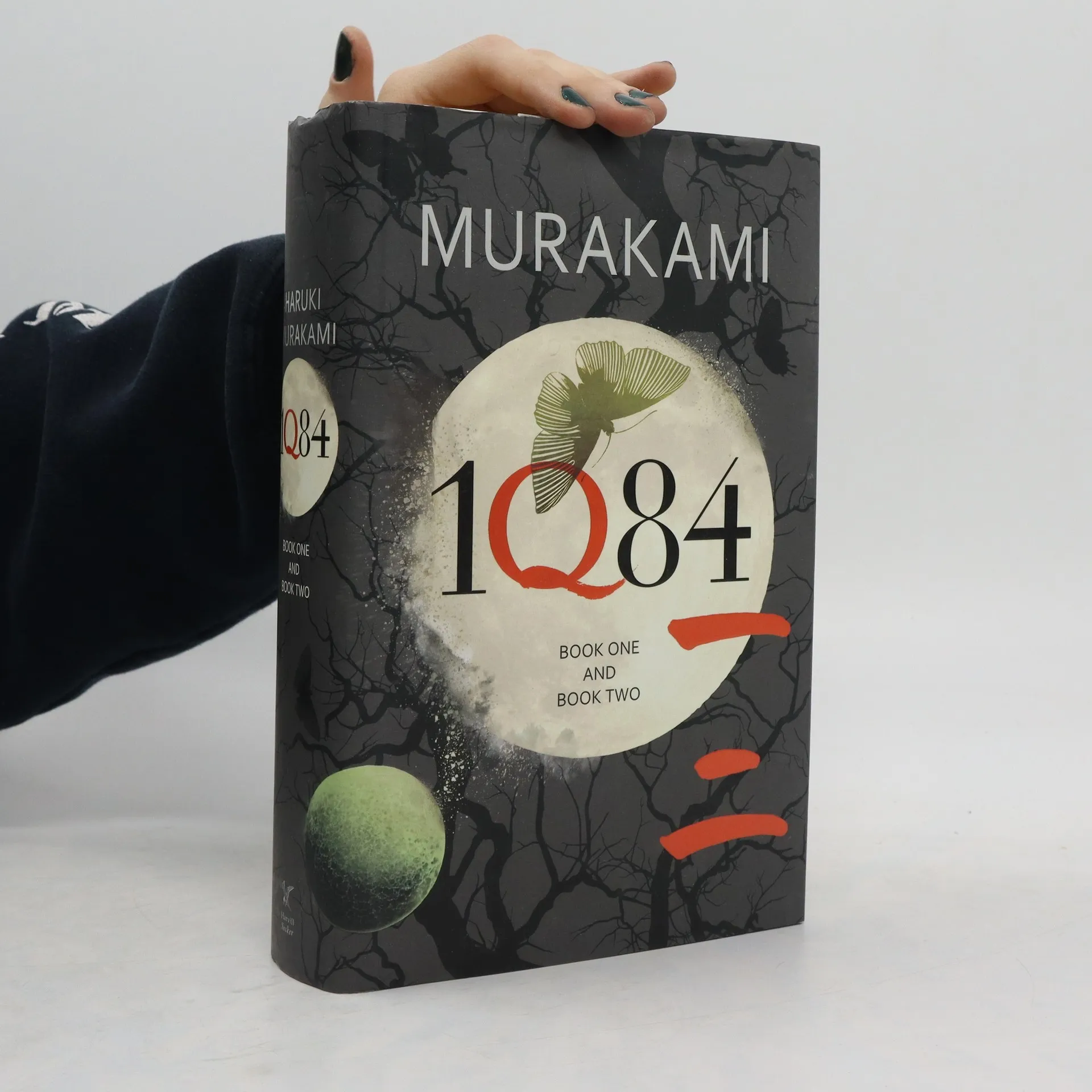
1Q84: Book One and Book Two
- 623bladzijden
- 22 uur lezen
Vol. 2: book three translated from the Japanese by Philip Gabriel


Jay Rubin is een Amerikaanse academicus en vertaler, algemeen erkend voor zijn cruciale rol in het vertalen van de werken van de Japanse romanschrijver Haruki Murakami naar het Engels. Zijn bijdragen reiken verder dan vertalingen en omvatten inzichtelijke gidsen over de Japanse taal en academische analyses van het literaire landschap van Murakami. Rubins werk duikt in de nuances van de Japanse literatuur en cultuur, en biedt lezers een diepere waardering voor de complexiteit ervan. Door zijn toegewijde inspanningen overbrugt hij linguïstische en culturele kloven, waardoor diepgaande literaire werken toegankelijk en begrijpelijk worden.

Vol. 2: book three translated from the Japanese by Philip Gabriel
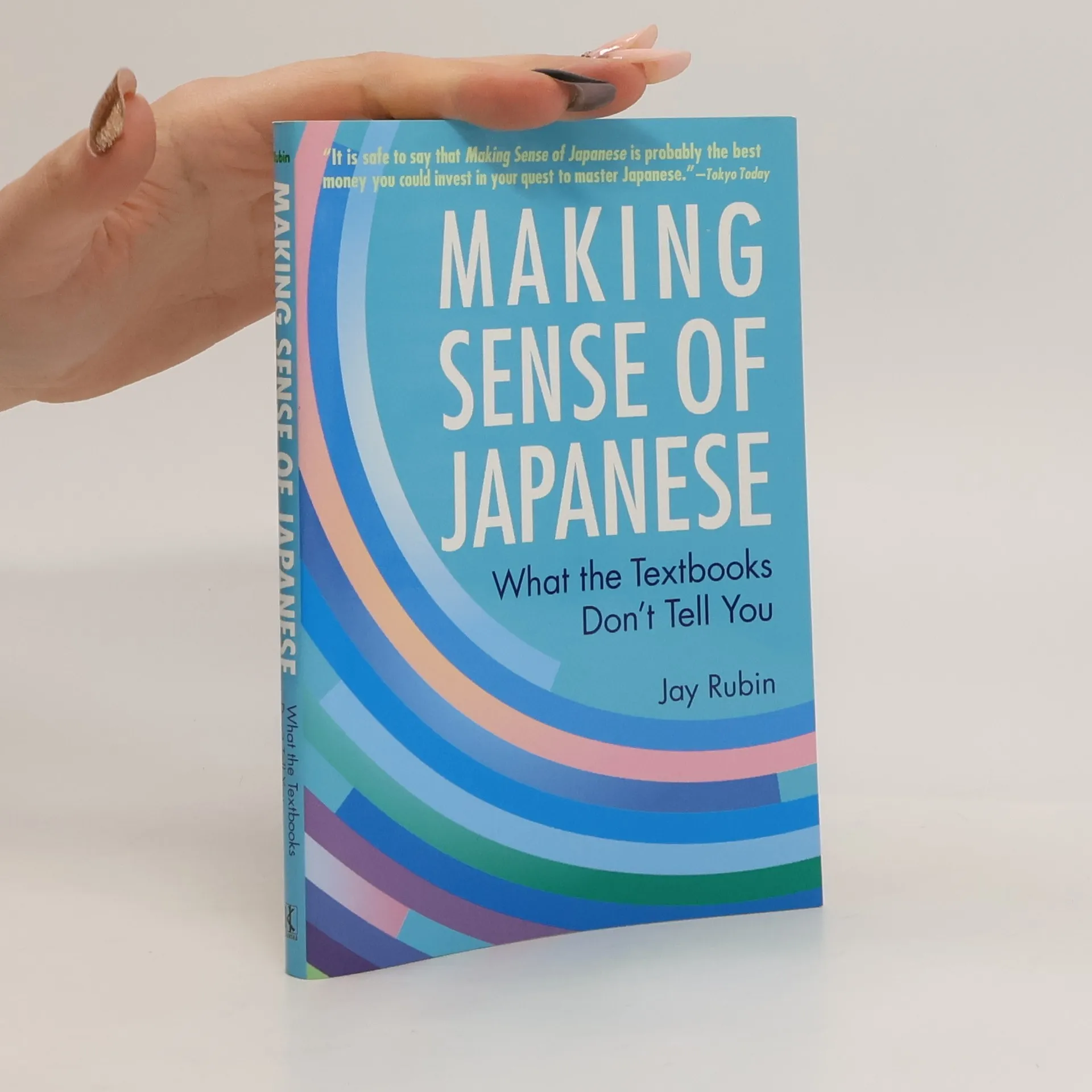
Making Sense of Japanese is the result of an American's thirty-year journey to learn and teach the complexities of the Japanese language. Formerly titled Gone Fishin', this work has garnered significant feedback, even amidst some criticism. Rubin aims to demonstrate that the Japanese language is not vague, offering clear explanations of challenging grammatical forms using everyday English. From a recuperative center in Kyoto, he maintains that Japanese is not as vague as it may seem. The first part of the book closely examines the "subjectless sentence," providing tools to uncover hidden subjects. It also addresses the rest of the sentence, known technically as "the rest of the sentence." In the second part, Rubin tackles expressions that have perplexed students over the years, introducing his unique method of analyzing upside-down Japanese sentences in a more straightforward manner. Quoting the renowned Japanese novelist Soseki Natsume, who noted that scholars often make the comprehensible incomprehensible, Rubin seems to have achieved the opposite. Previously published in the Power Japanese series, this book continues to be a valuable resource for those seeking clarity in the Japanese language.
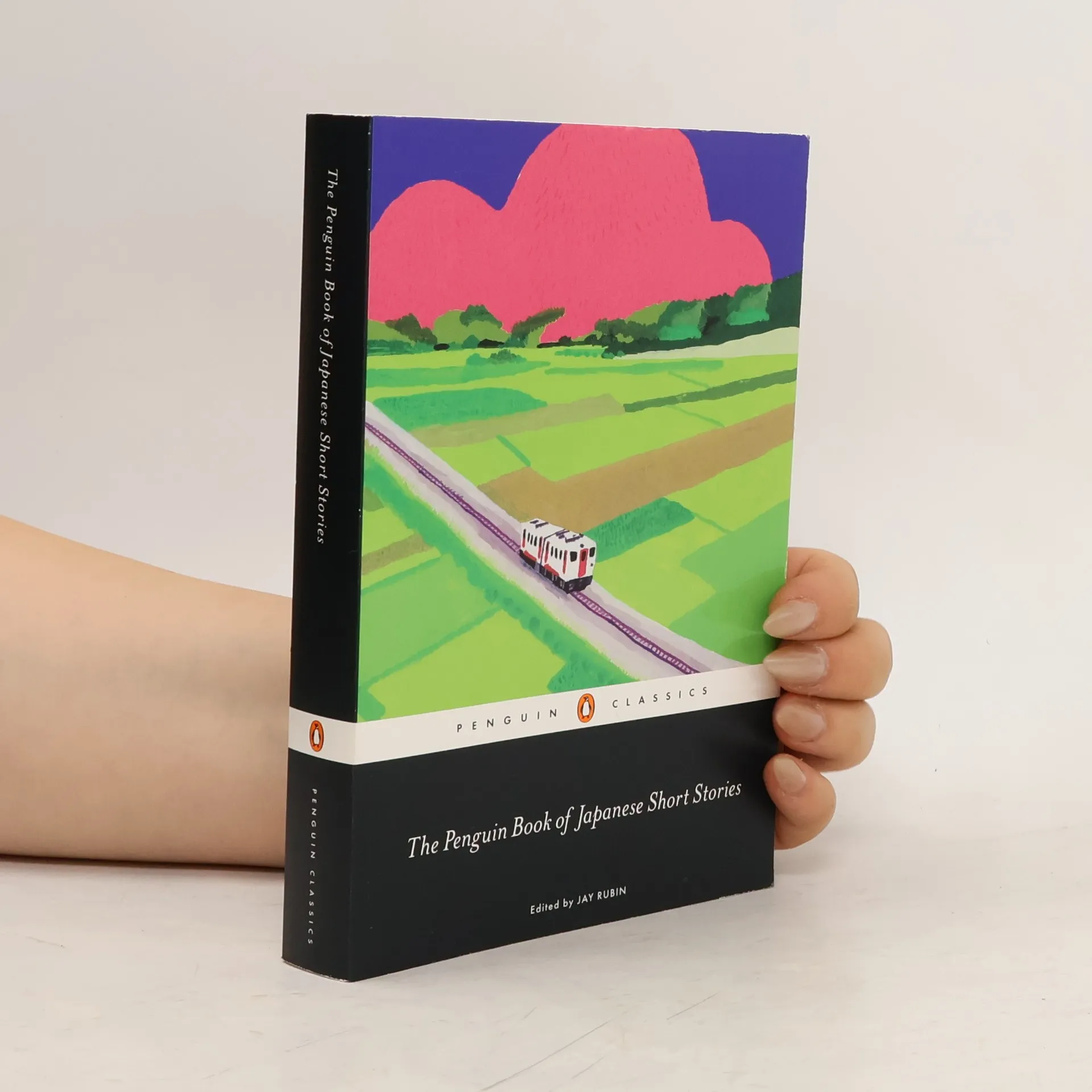
A major new anthology of great Japanese short stories introduced by Haruki Murakami.This fantastically varied and exciting collection celebrates the great Japanese short story collection, from its origins in the nineteenth century to the remarkable practitioners writing today. Curated by Jay Rubin (who has himself freshly translated several of the stories) and introduced by Haruki Murakami this is a book which will be a revelation to many of its readers. Short story writers already well-known to English-language readers are all included - Tanizaki, Akutagawa, Murakami, Mishima, Kawabata, Yoshimoto - but also many surprising new finds. From Tsushima Yuko's 'Flames' to Sawanishi Yuten's 'Filling Up with Sugar', from Hoshi Shin'ichi's 'Shoulder-Top Secretary' to Yoshimoto Banana's 'Bee Honey', The Penguin Book of Japanese Short Stories is filled with fear, charm, beauty and comedy.
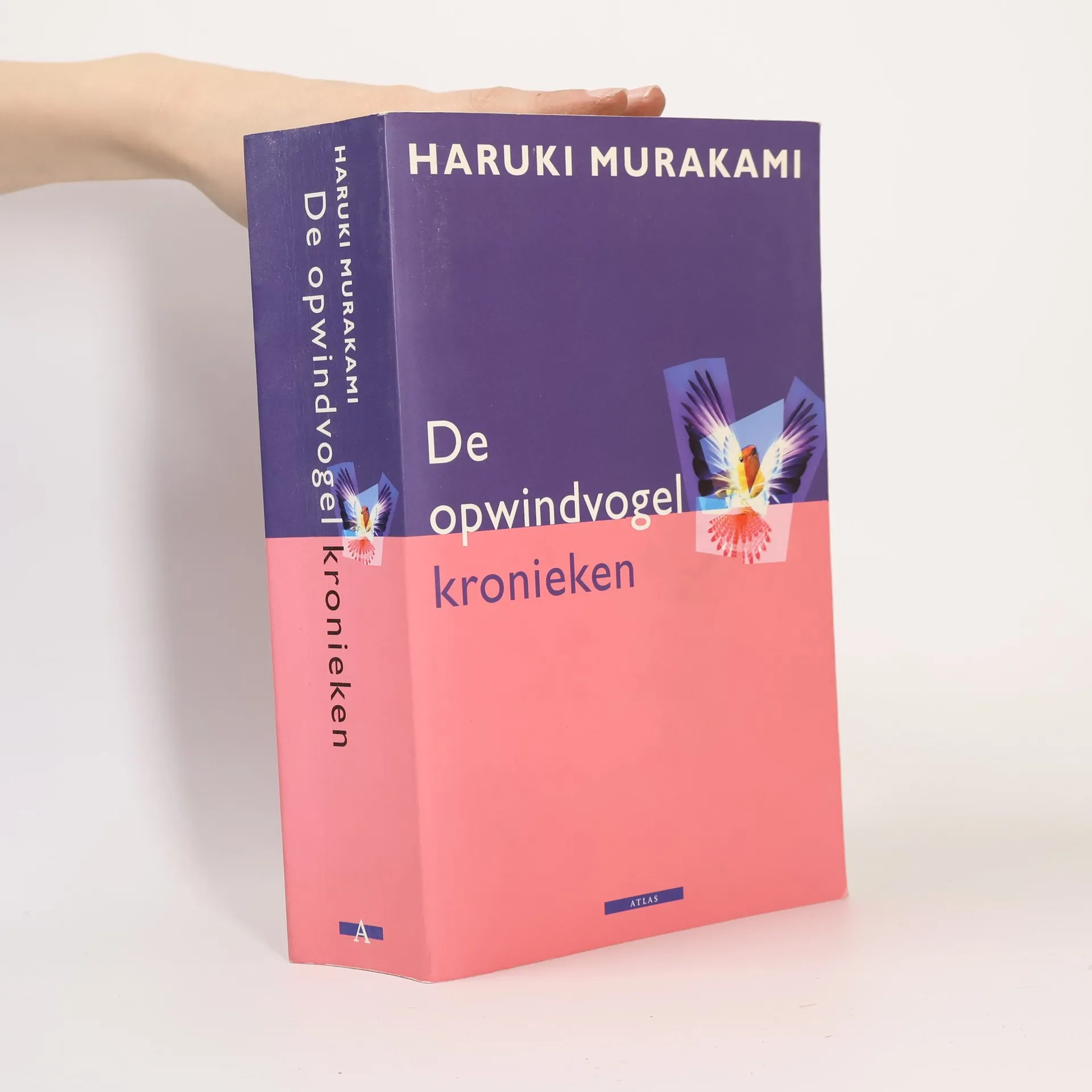
Het noodlot slaat wel erg hard toe bij Toru Okada: hij raakt zijn baan kwijt, zijn kat is spoorloos en dan komt zijn vrouw ook ineens niet meer thuis na haar werk. De tocht die daarop volgt, op zoek naar zijn vrouw en kat, brengt hem in contact met een aantal bizarre mensen, zoals twee gestoorde zusters, een tamelijk vreemde tiener, een oude soldaat die de slachtingen in China net voor de Tweede Wereldoorlog heeft gadegeslagen en een zeer dubieuze politicus.
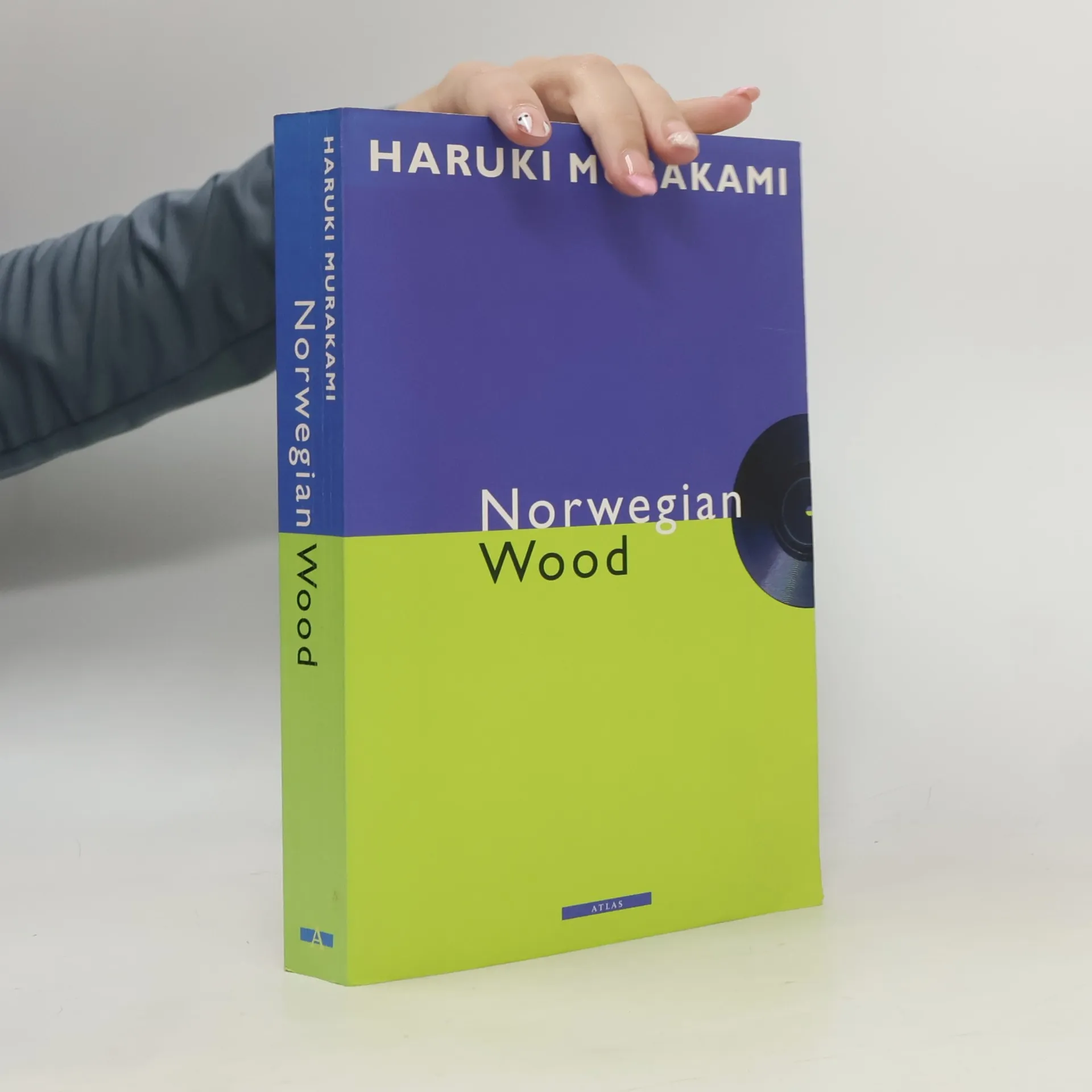
Toru Watanabe is een student in Tokio die zijn leven zo eerlijk mogelijk probeert te leiden, maar in wiens verleden een onverwerkt verdriet huist: ooit pleegde zijn beste vriend Kizuki zelfmoord. Voor Watanabe is dat nog altijd een pijnlijke herinnering, en Kizuki's toenmalige vriendin Naoko stort er zelfs door in. Wanneer Watanabe dan de levendige Midori ontmoet, is het zijn half verliefde, half medelijdende houding tegenover Naoko die zijn eigen geluk in de weg lijkt te staan.
De levens van twee solitaire dertigers met een beladen verleden blijken in het Tokio van 1984 op mysterieuze wijze intenser verstrengeld dan ze zelf voor mogelijk houden.
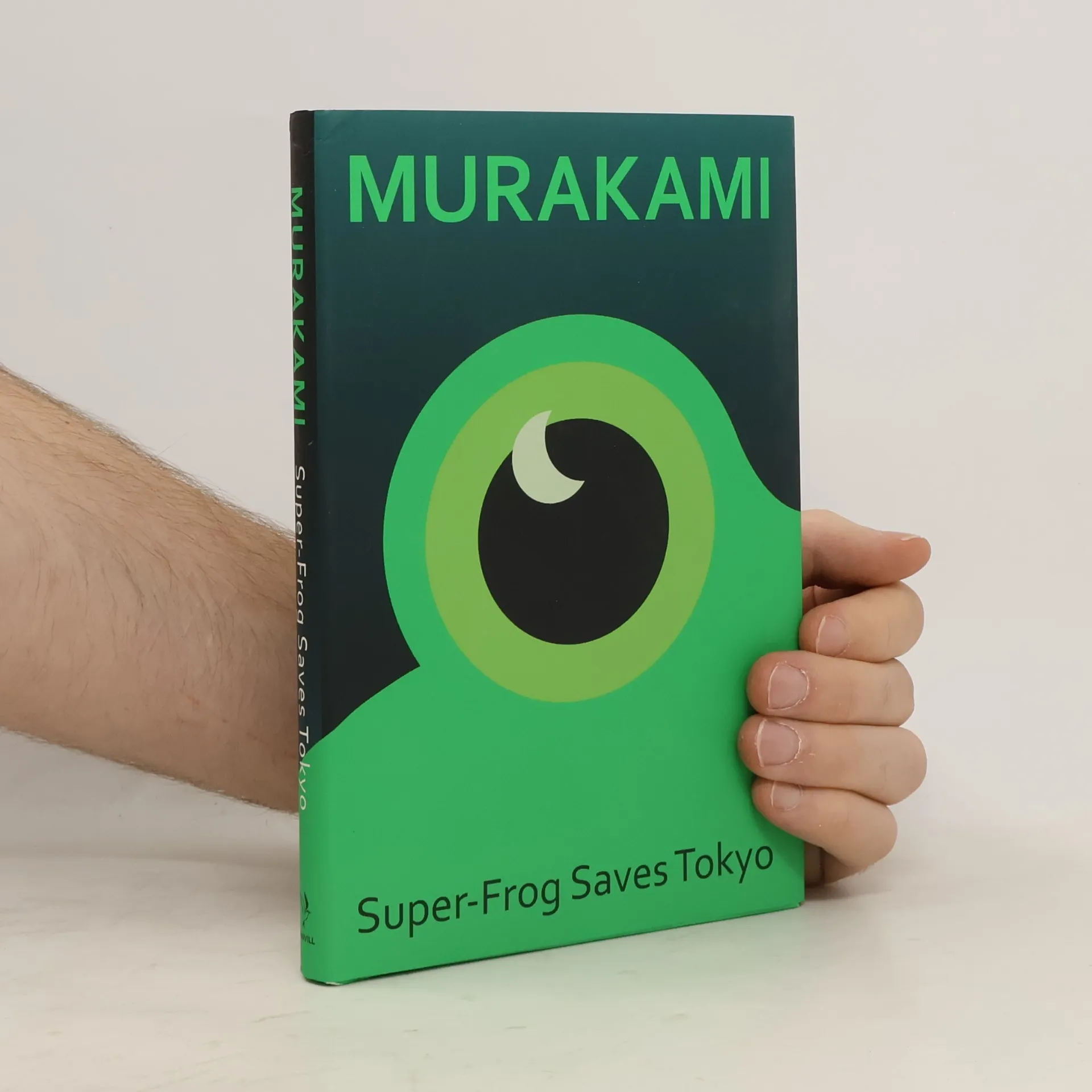
A bank employee is visited in his apartment by a giant frog who wants to save Tokyo from destruction by a worm; a fortune teller sees deep into the hate-filled soul of a doctor who seeks to find herself after a congress in Bangkok, following a man who has shattered her hopes; on her twentieth birthday, she works as a waitress like every Friday evening, but that night chance brings her the fulfillment of a mysterious wish.
REVISED AND UPDATED WITH NEW MATERIAL ON 1Q84As a young man, Haruki Murakami played records and mixed drinks at his Tokyo Jazz club, Peter Cat, then wrote at the kitchen table until the sun came up. He loves music of all kinds - jazz, classical, folk, rock - and has more than six thousand records at home. And when he writes, his words have a music all their own, much of it learned from jazz. Jay Rubin, a self-confessed fan, has written a book for other fans who want to know more about this reclusive writer. He reveals the autobiographical elements in Murakami's fiction, and explains how he developed a distinctive new style in Japanese writing. In tracing Murakami's career, he uses interviews he conducted with the author between 1993 and 2001, and draws on insights and observations gathered from over ten years of collaborating with Murakami on translations of his works.
Haruki Murakami bewijst met deze fantastische verhalenbundel opnieuw dat hij elke literaire vorm beheerst. Blinde wilg, slapende vrouw bestrijkt het hele spectrum van de menselijke ervaring. De mysterieuze verhalen variëren in sfeer van surrealistisch tot alledaags. De lezer vindt krassende kraaien, een misdadige aap en een ijscoman op zijn pad, en wordt geconfronteerd met de dromen die ons leven bepalen en de wensen die we koesteren. Bij een onverwachte ontmoeting in Italië, een romantische ballingschap in Griekenland, een vakantie op Hawaii of in de greep van het dagelijks leven worden de personages geraakt – door het opgloeien van een vuurvliegje, een pijnlijk verlies, opvlammende erotiek en de schrijnende afstand tussen mensen die eigenlijk snakken naar elkaars nabijheid.
Als een meisje in een grote Japanse stad de nacht lezend doorbrengt in een kroeg, ontmoet ze een student die haar zus kent.
A deluxe hardcover reproduction of Naughty Dog's original Crash Bandicoot developer's bible! Take a rare glimpse into the making of a videogame icon, and gain a first-hand taste of the undistilled creativity that brought Crash, Cortex, Aku Aku, and the rest of your favorite characters to millions of screens around the world! Reproducing Naughty Dog's original design document for Crash Bandicoot from the best available sources, this unique volume features original concept illustrations and includes a foreword from Crash's creators to lend insight into how Crash Bandicoot came to be the unforgettable videogame character he is today. This tome is sure to please all who possess a thirst for imagination and curiosity surrounding the creation of games!
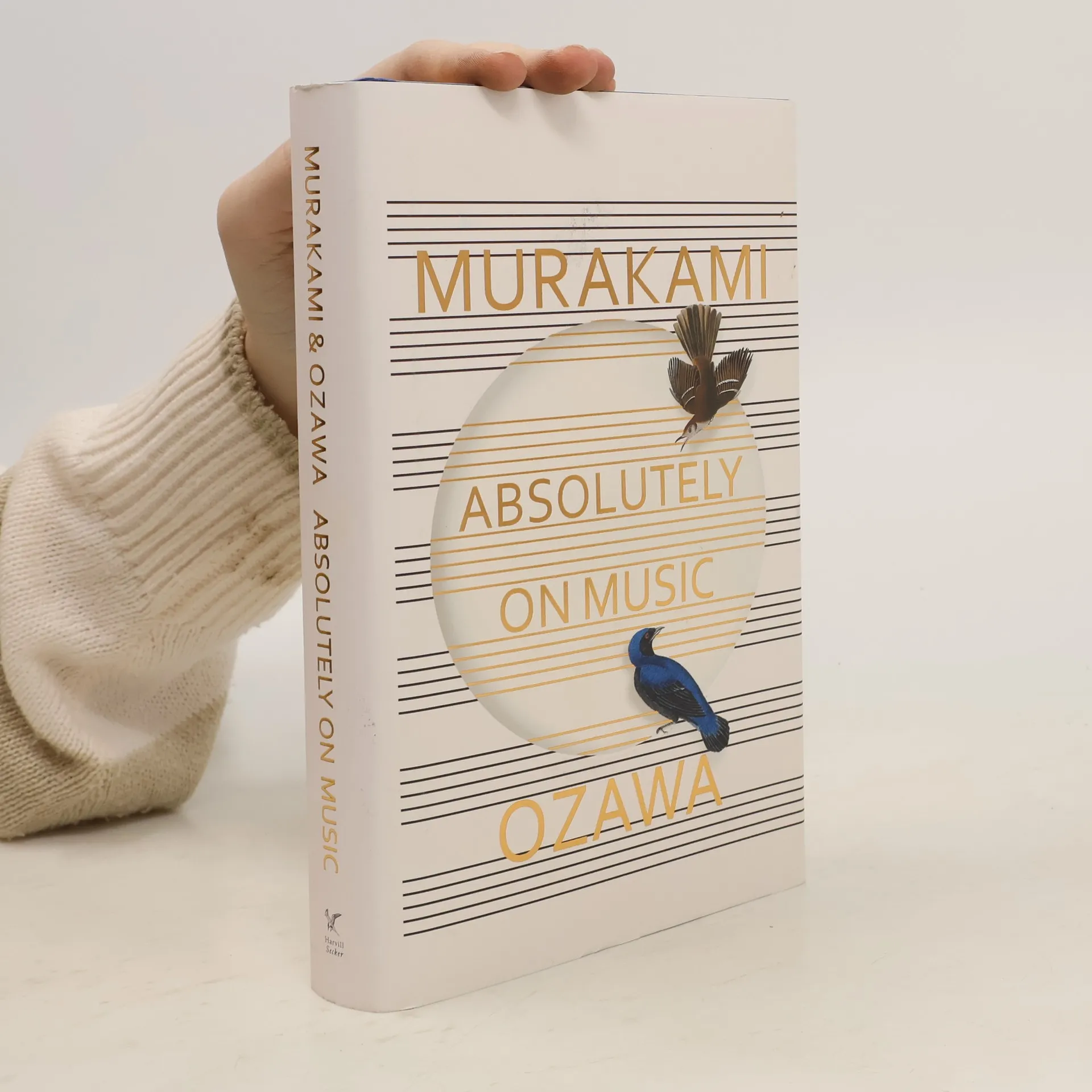
An intimate conversation about music and creativity, between the internationally bestselling writer and a world-class conductor. 'My only purpose in this book was for me, as a music lover, to have a discussion of music with the musician Seiji Ozawa that was as open and honest as possible. I simply wanted to bring out the ways that each of us (though on vastly different levels) is dedicated to music.' Haruki Murakami's passion for music runs deep. Before turning his hand to writing, he ran a jazz club in Tokyo, and the aesthetic and emotional power of music permeates every one of his much-loved books. Now, in Absolutely on Music, Murakami fulfills a personal dream, sitting down with his friend, acclaimed conductor Seiji Ozawa, to talk about their shared interest. Transcribed from lengthy conversations about the nature of music and writing, here they discuss everything from Brahms to Beethoven, from Leonard Bernstein to Glenn Gould, from record collecting to pop-up orchestras, and much more. Ultimately this book gives readers an unprecedented glimpse into the minds of two maestros.
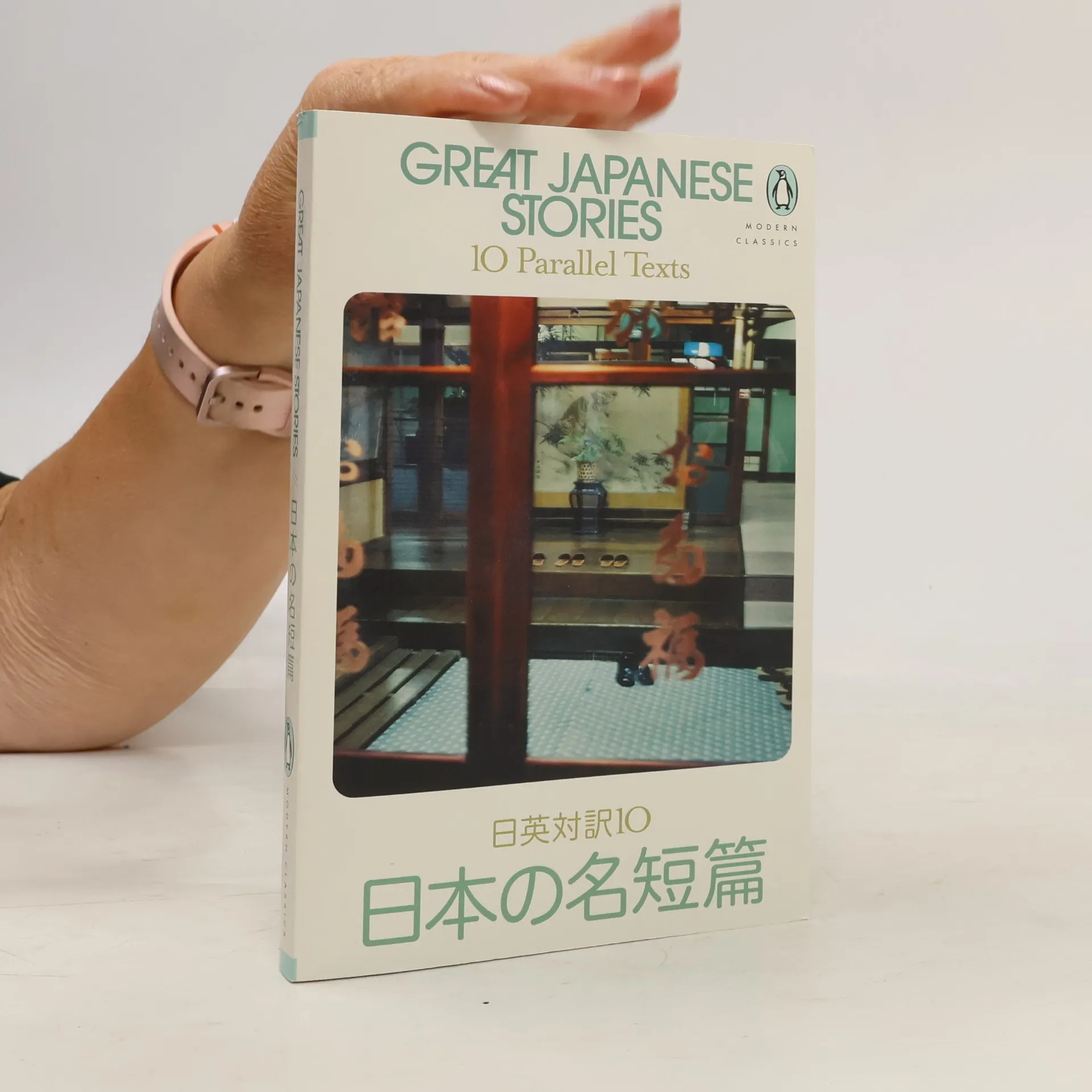
This new dual-language edition of ten stories selected from The Penguin Book of Japanese Short Stories celebrates some of the very best twentieth-century literature from Japan. Each story appears in the original Japanese alongside an expert English translation, providing unique cultural insight and literary inspiration for language learners. Ranging from a witty send-up of modern social graces to a powerful evocation of the aftermath of the atomic bomb, this remarkable collection includes works from beloved authors Abe Akira, Uchida Hyakken, Kawakami Mieko, Ohba Minako, Betsuyaku Minoru, Haruki Murakami, Akutagawa Ryunosuke, Hoshi Shin'ichi, Kono Taeko, and Ota Yoko.
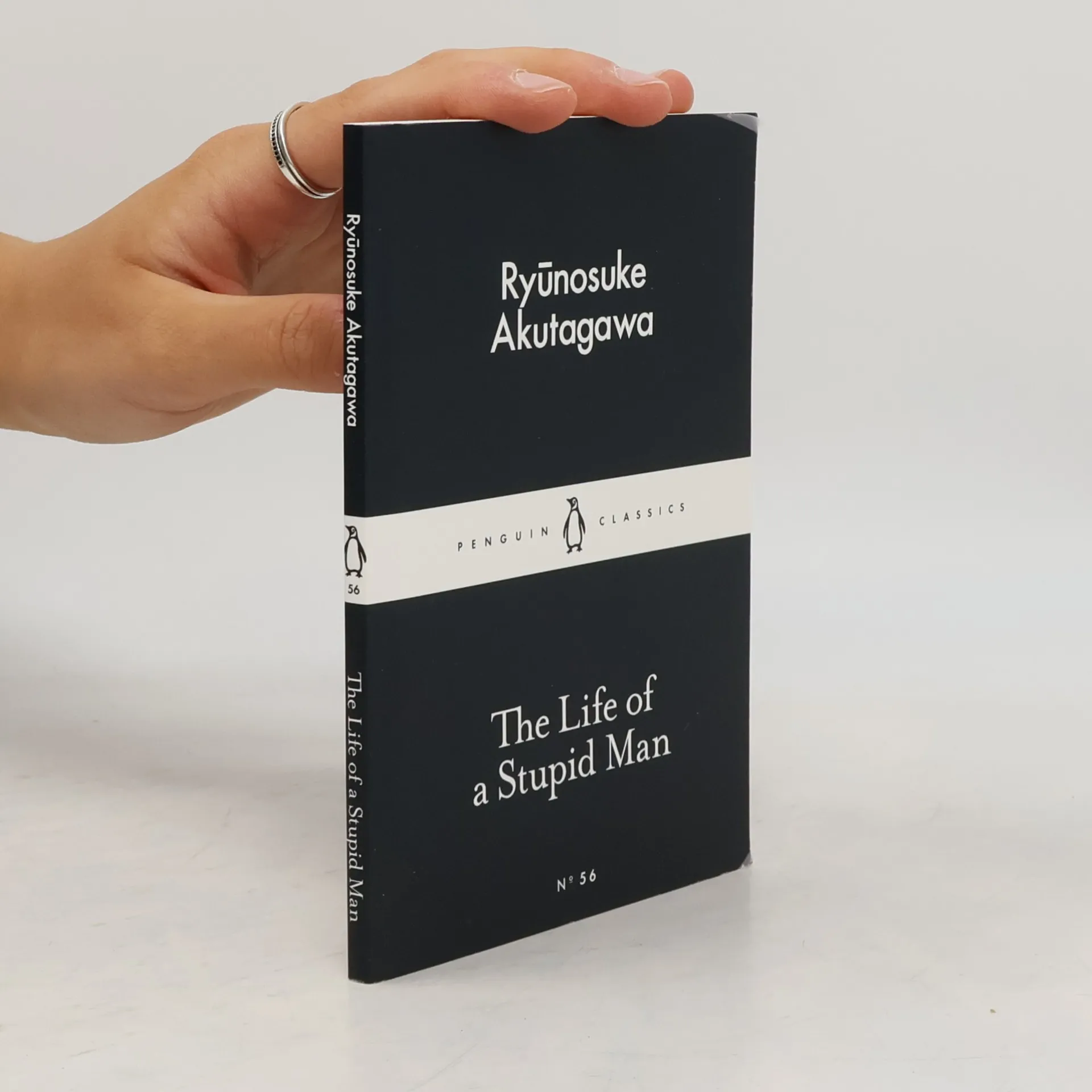
'What is the life of a human being - a drop of dew, a flash of lightning? This is so sad, so sad.' Autobiographical stories from one of Japan's masters of modernist story-telling. Introducing Little Black Classics: 80 books for Penguin's 80th birthday. Little Black Classics celebrate the huge range and diversity of Penguin Classics, with books from around the world and across many centuries. They take us from a balloon ride over Victorian London to a garden of blossom in Japan, from Tierra del Fuego to 16th-century California and the Russian steppe. Here are stories lyrical and savage; poems epic and intimate; essays satirical and inspirational; and ideas that have shaped the lives of millions. Ryunosuke Akutagawa (1892-1927). Akutagawa's Rashomon and Seventeen Other Stories is also available in Penguin Classics.
The haunting, enigmatic love story that turned Murakami into a literary superstar in Japan, and is his bestselling title throughout the world Autumn 1969, and soon I would be 20. When he hears her favourite Beatles song, Toru Watanabe recalls his first love Naoko, the girlfriend of his best friend Kizuki. Immediately he is transported back almost twenty years to his student days in Tokyo, adrift in a world of uneasy friendships, casual sex, passion, loss and desire - to a time when an impetuous young woman called Midori marches into his life and he has to choose between the future and the past. 'Such is the exquisite, gossamer construction of Murakami's writing that everything he chooses to describe trembles with symbolic possibility' Guardian 'Poignant, romantic and hopeless, it beautifully encapsulates the heartbreak and loss of faith' Sunday Times 'A masterly novel' New York Times