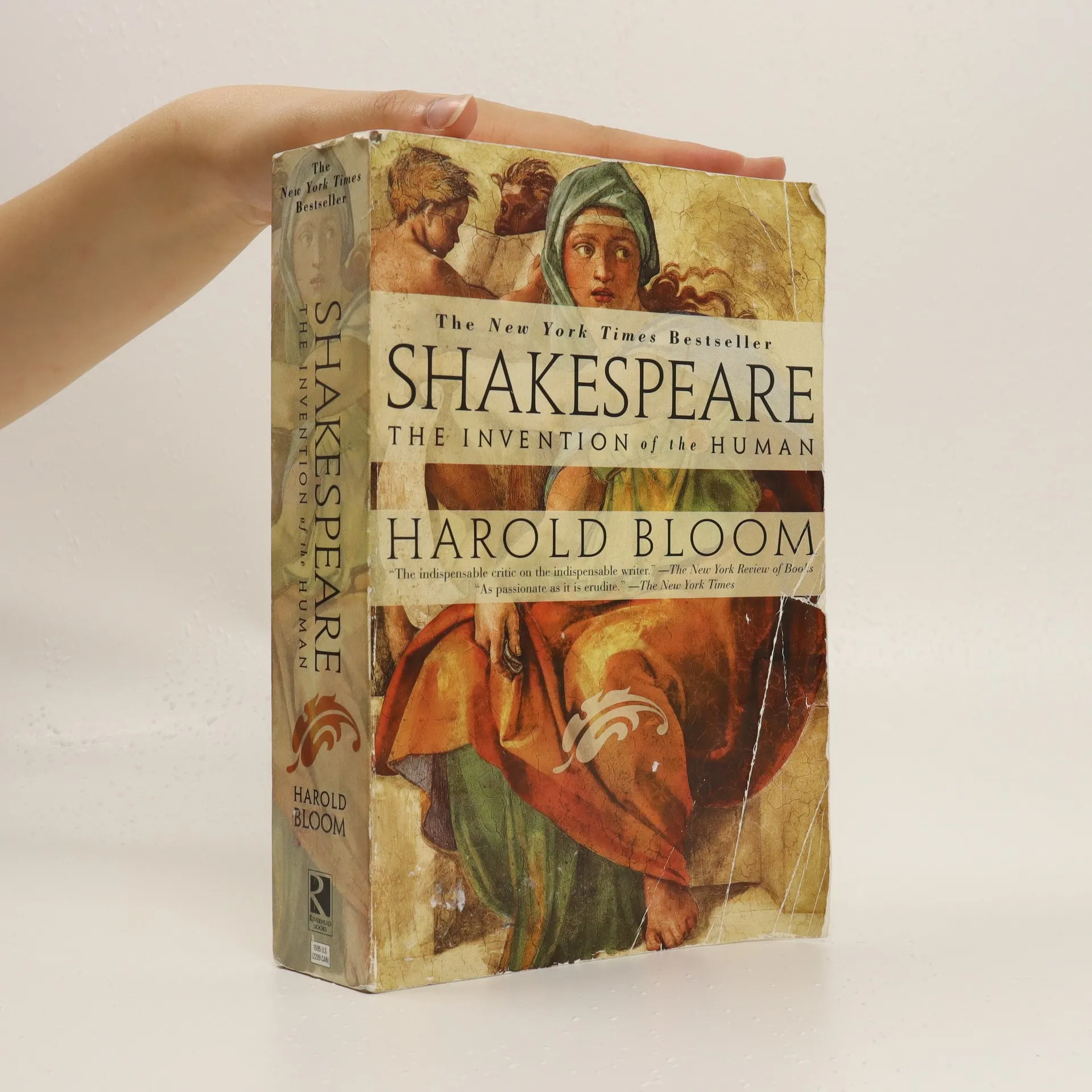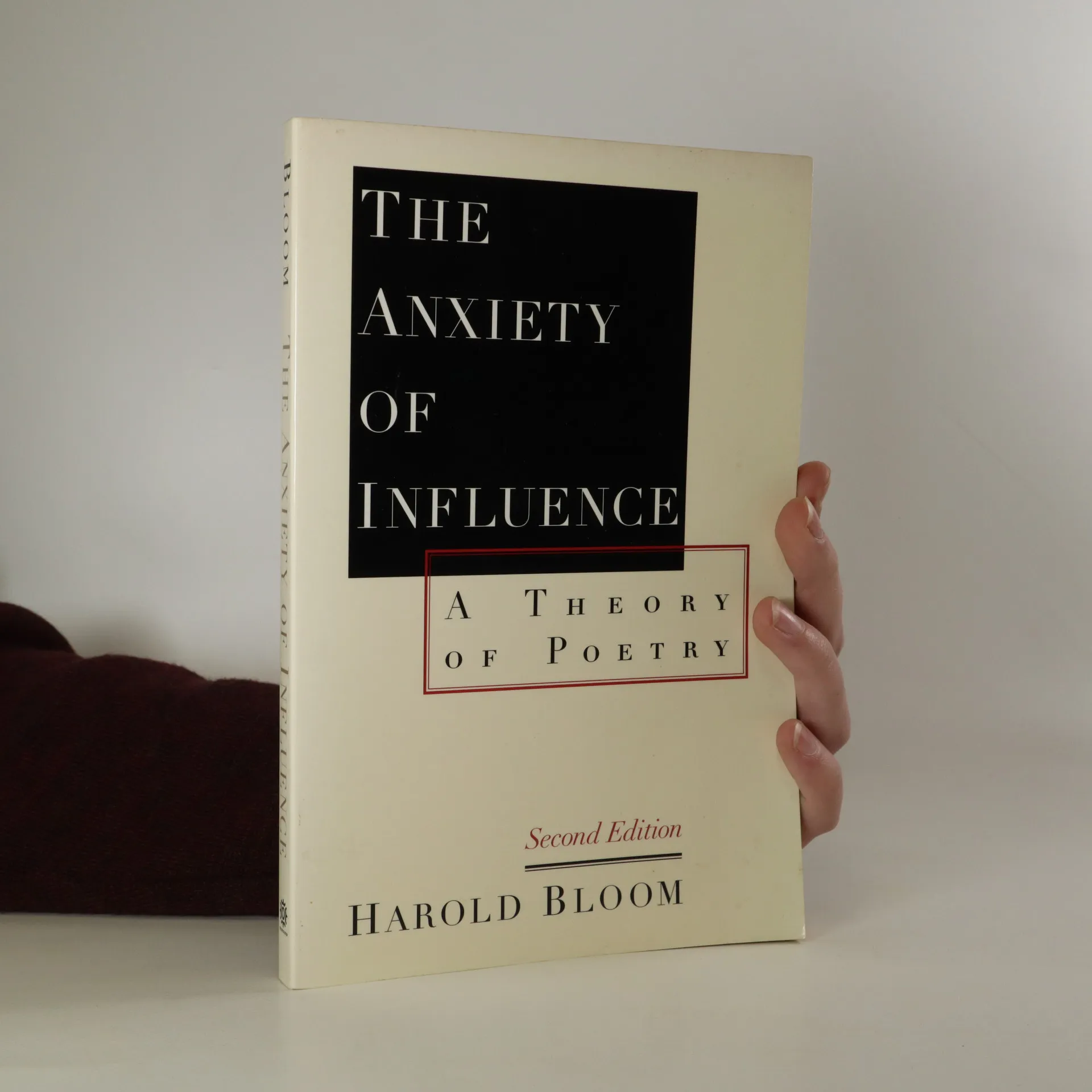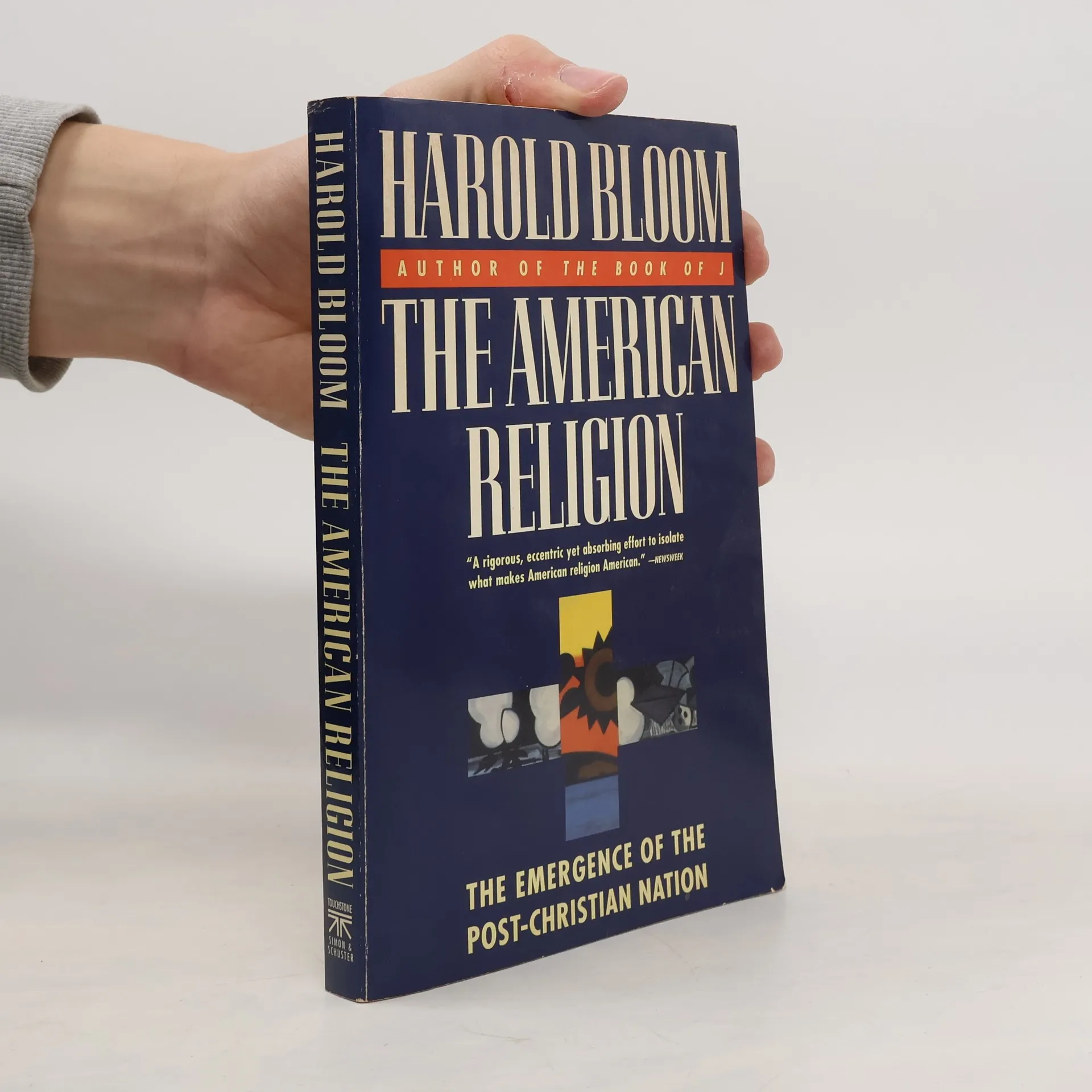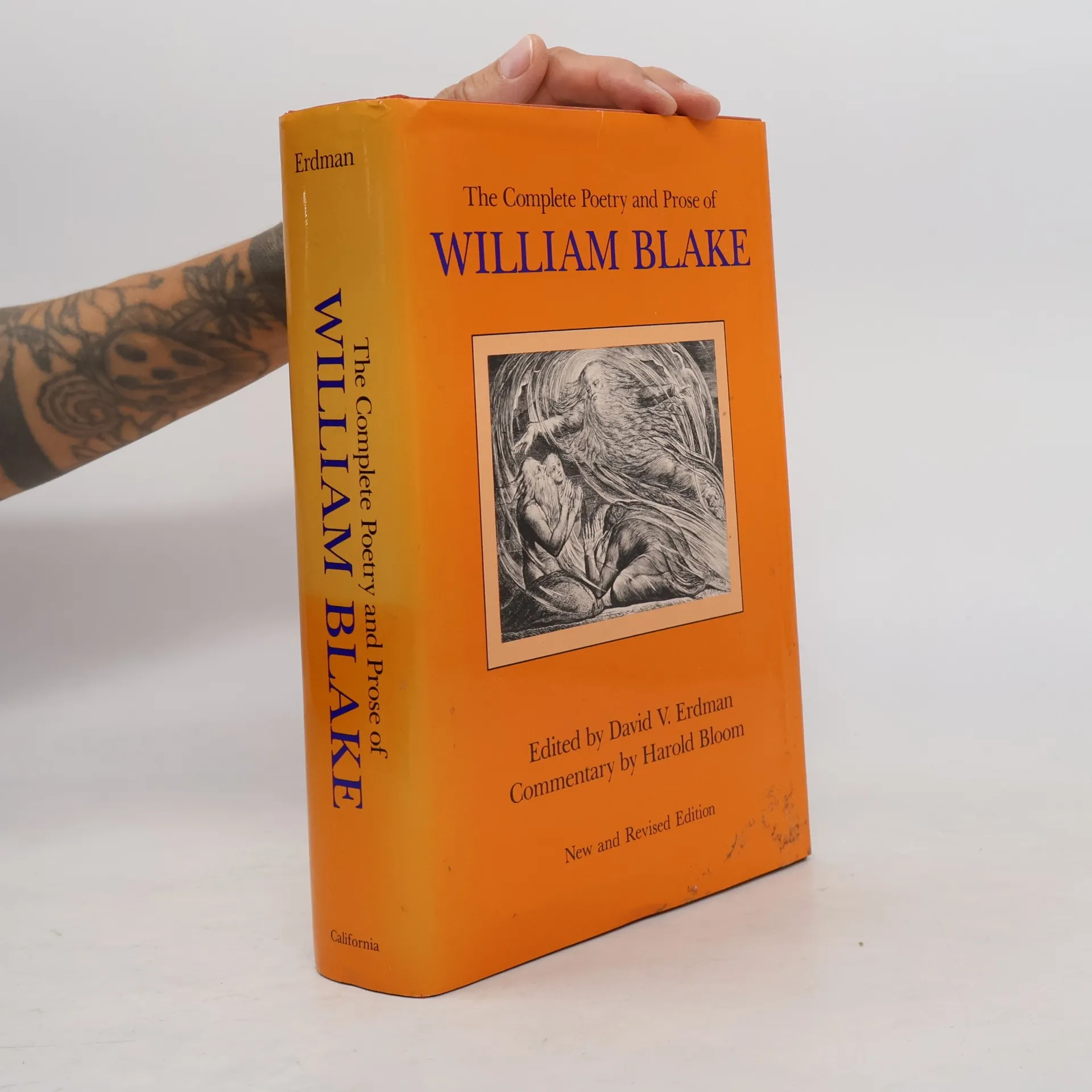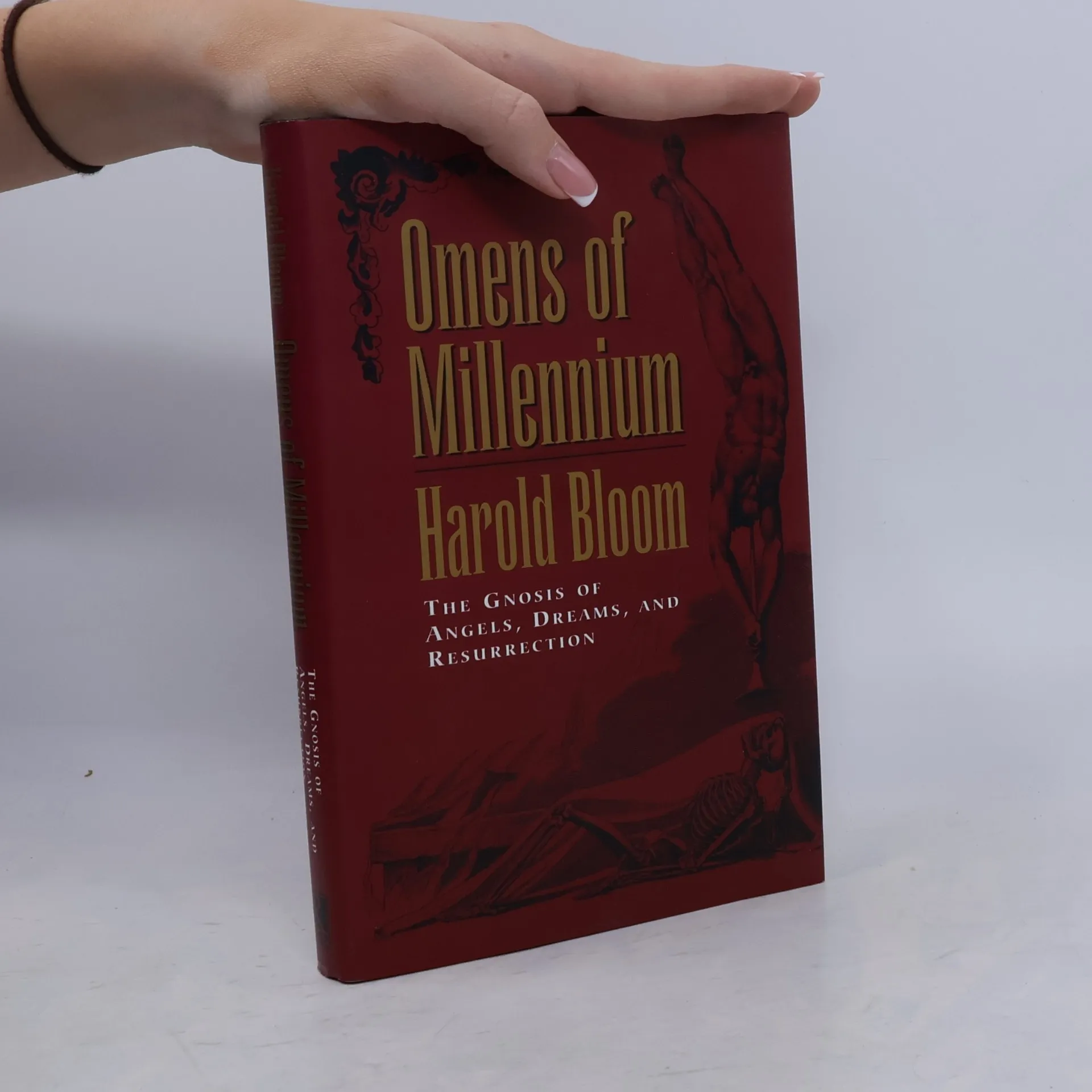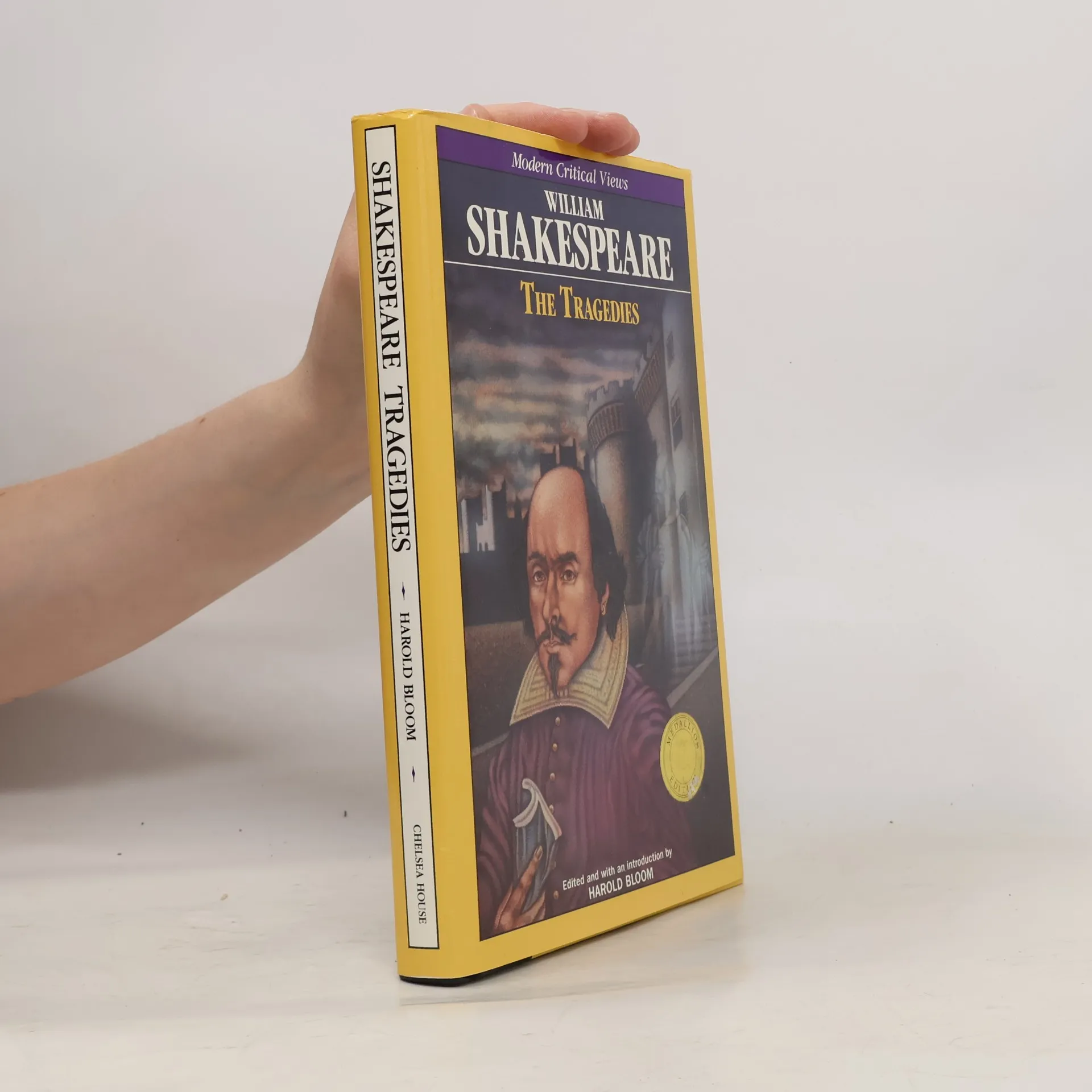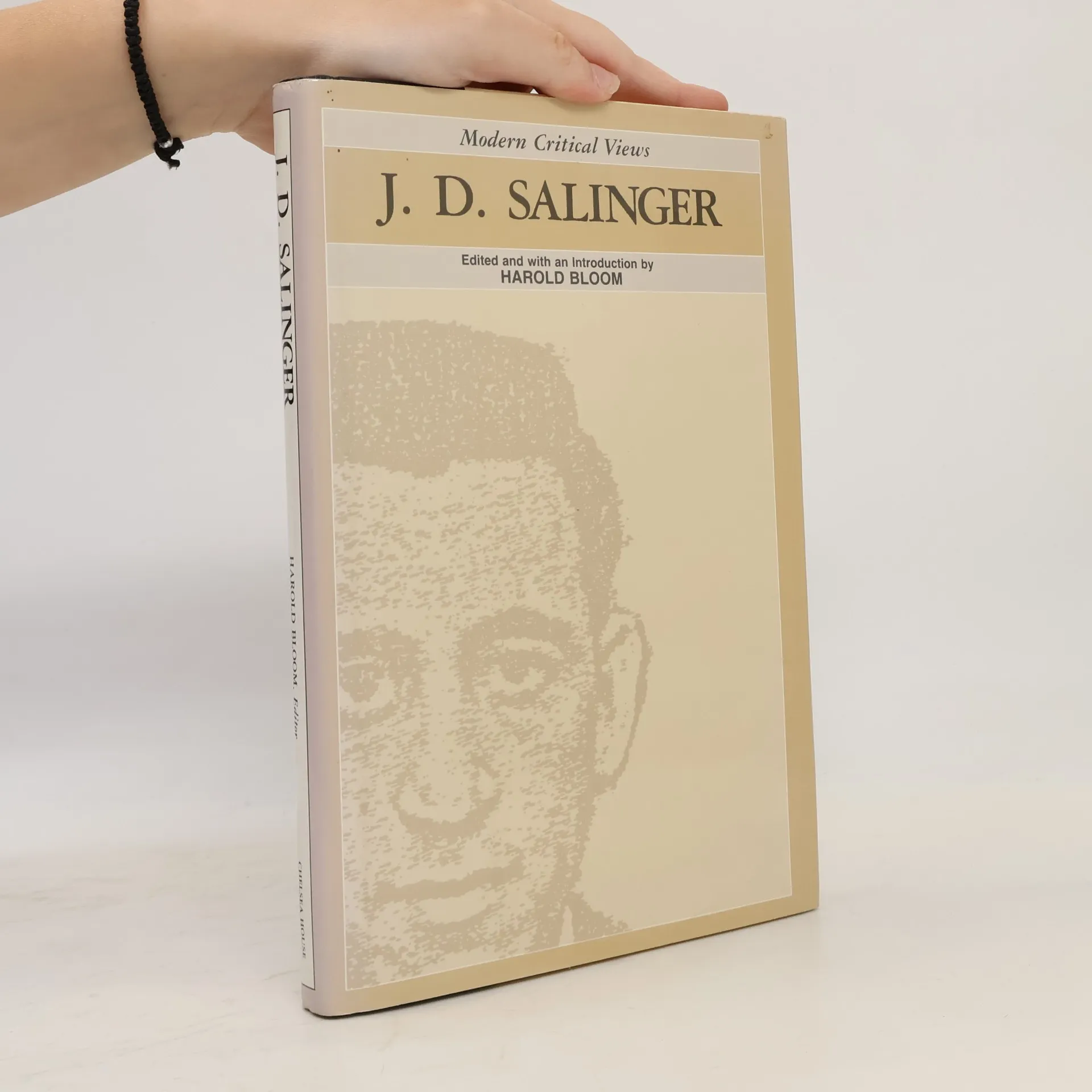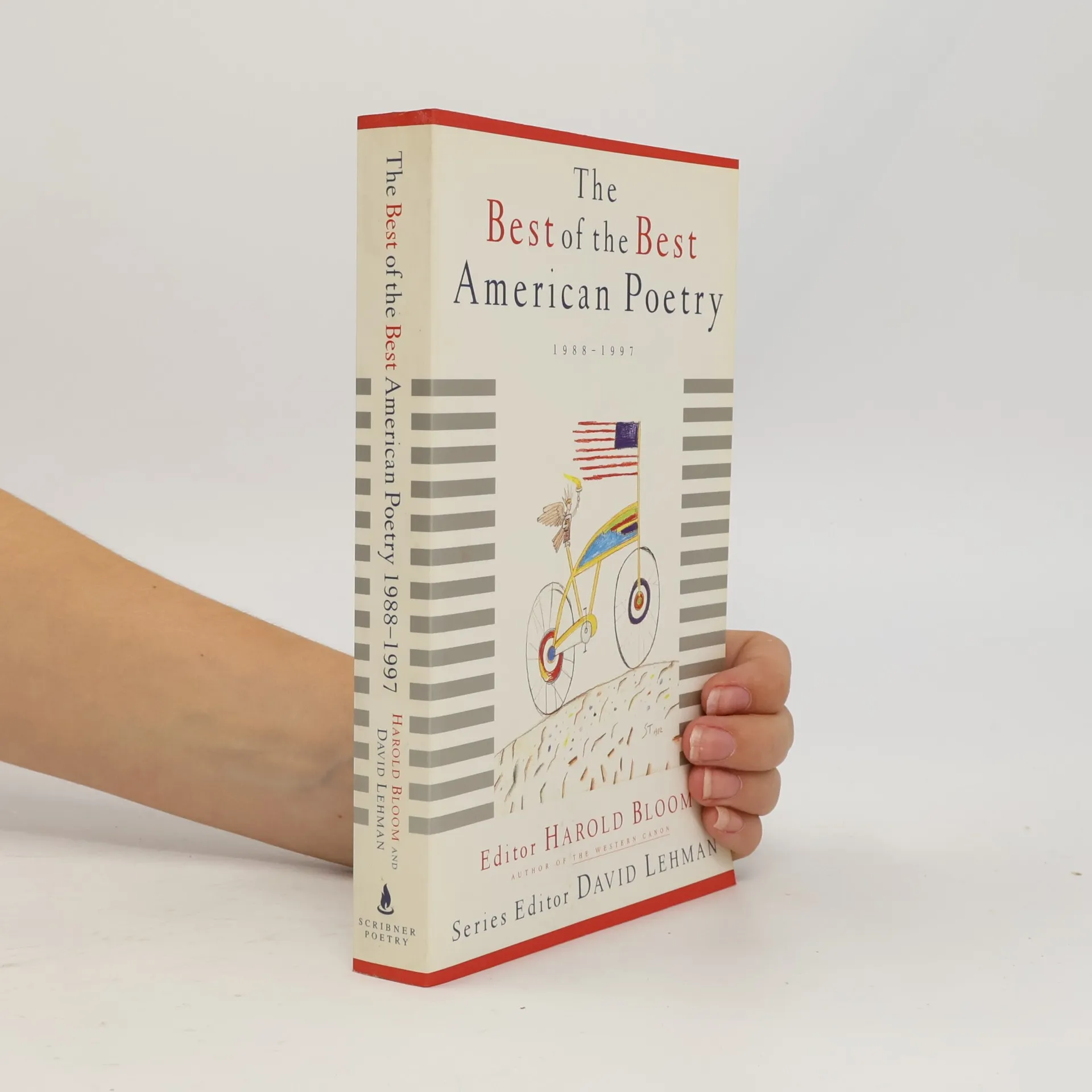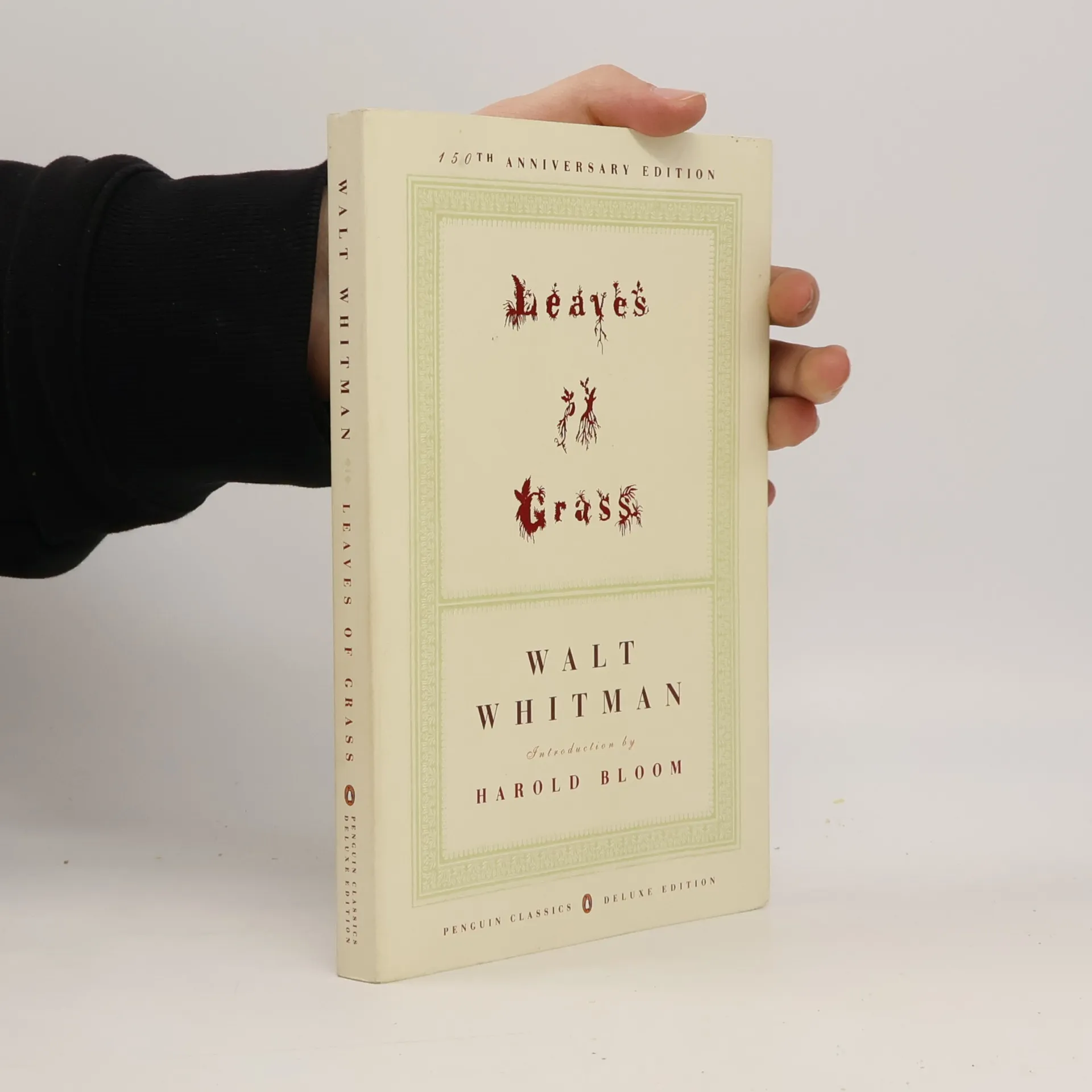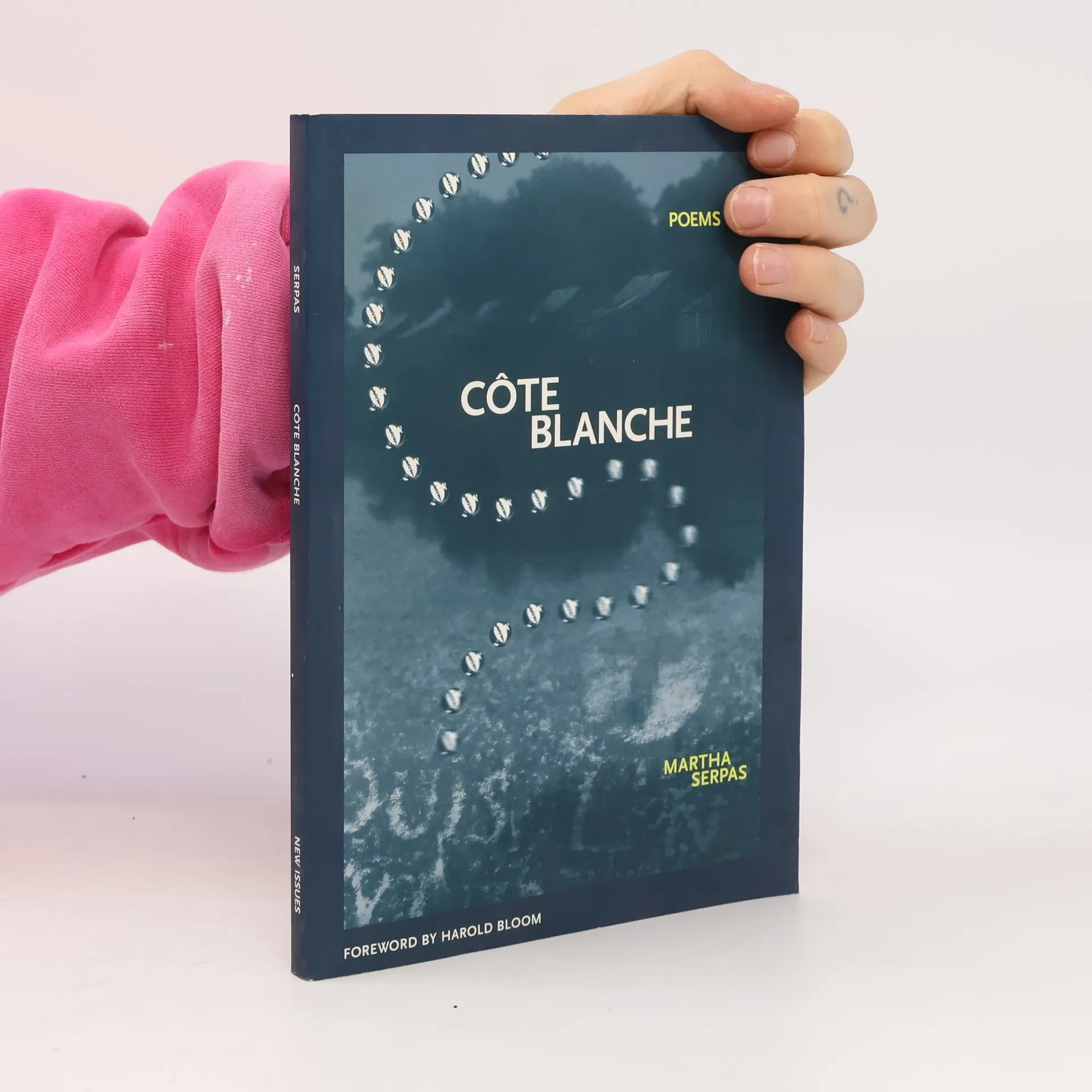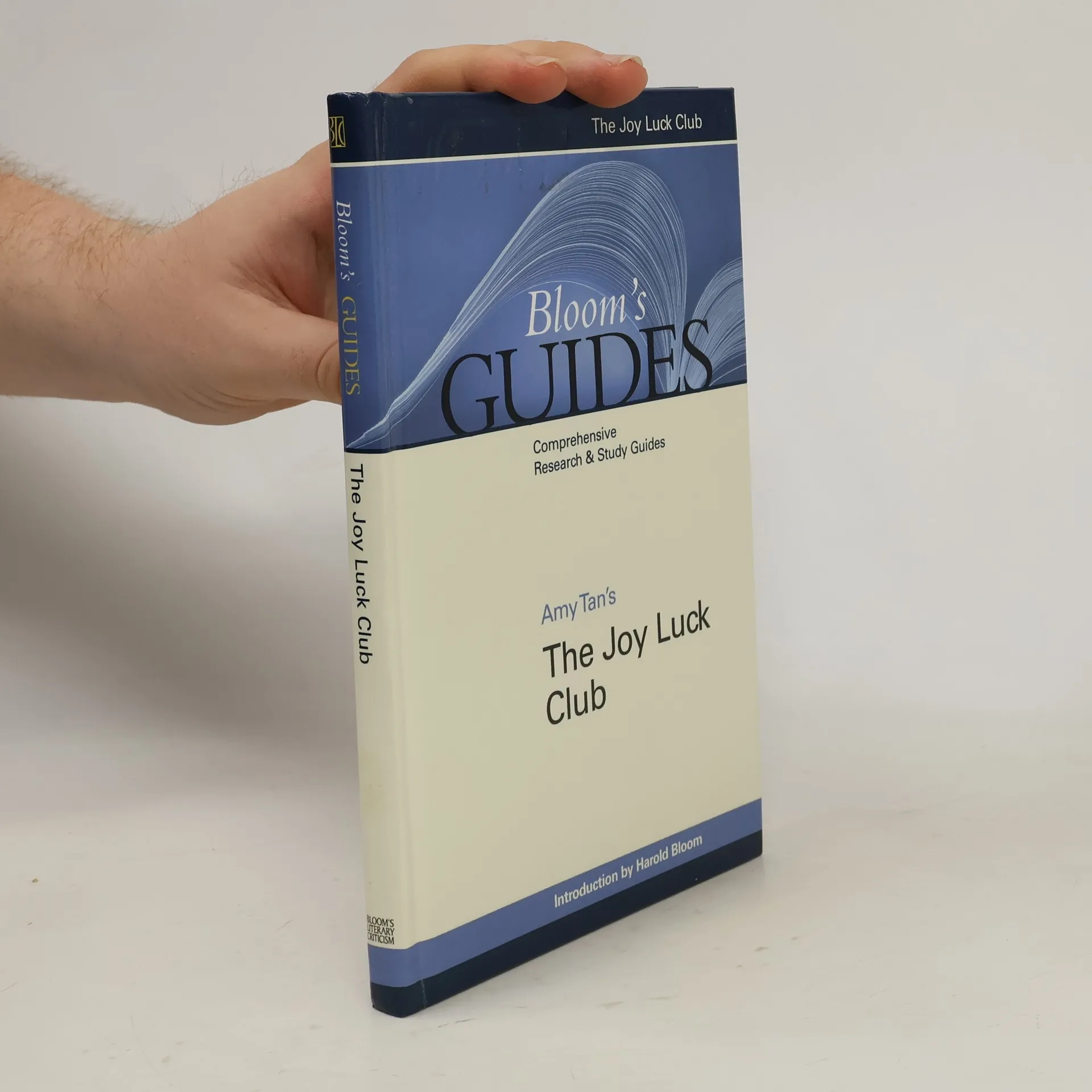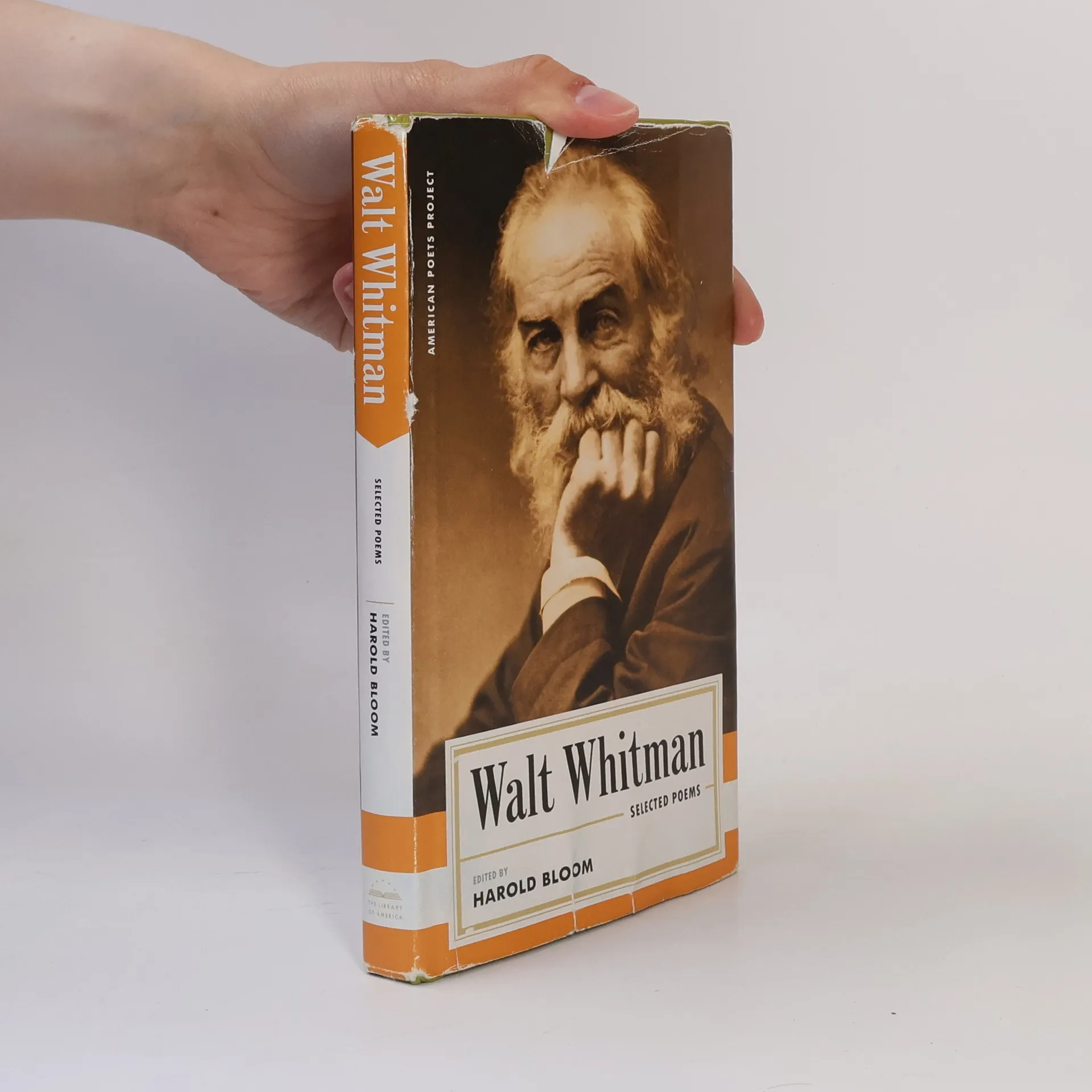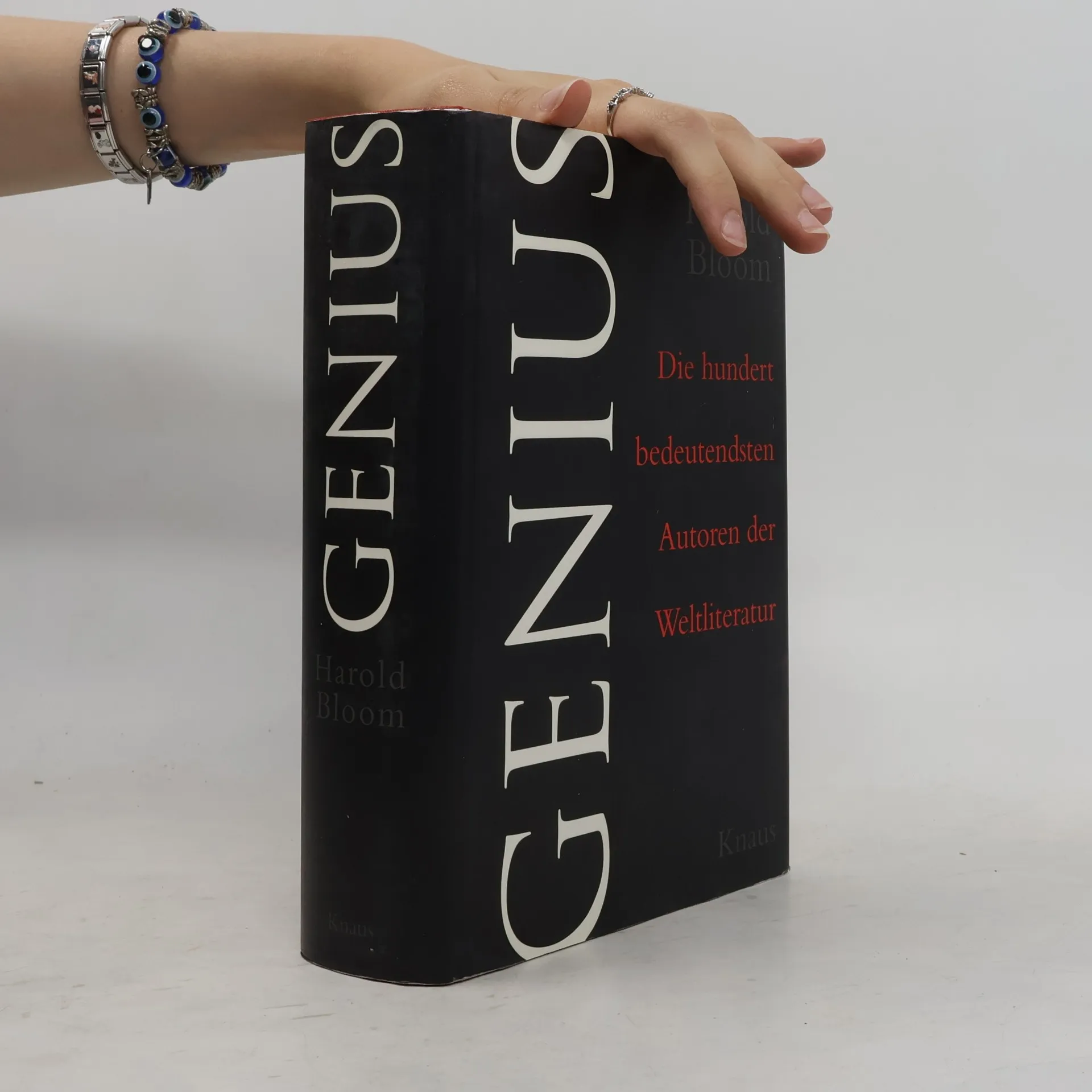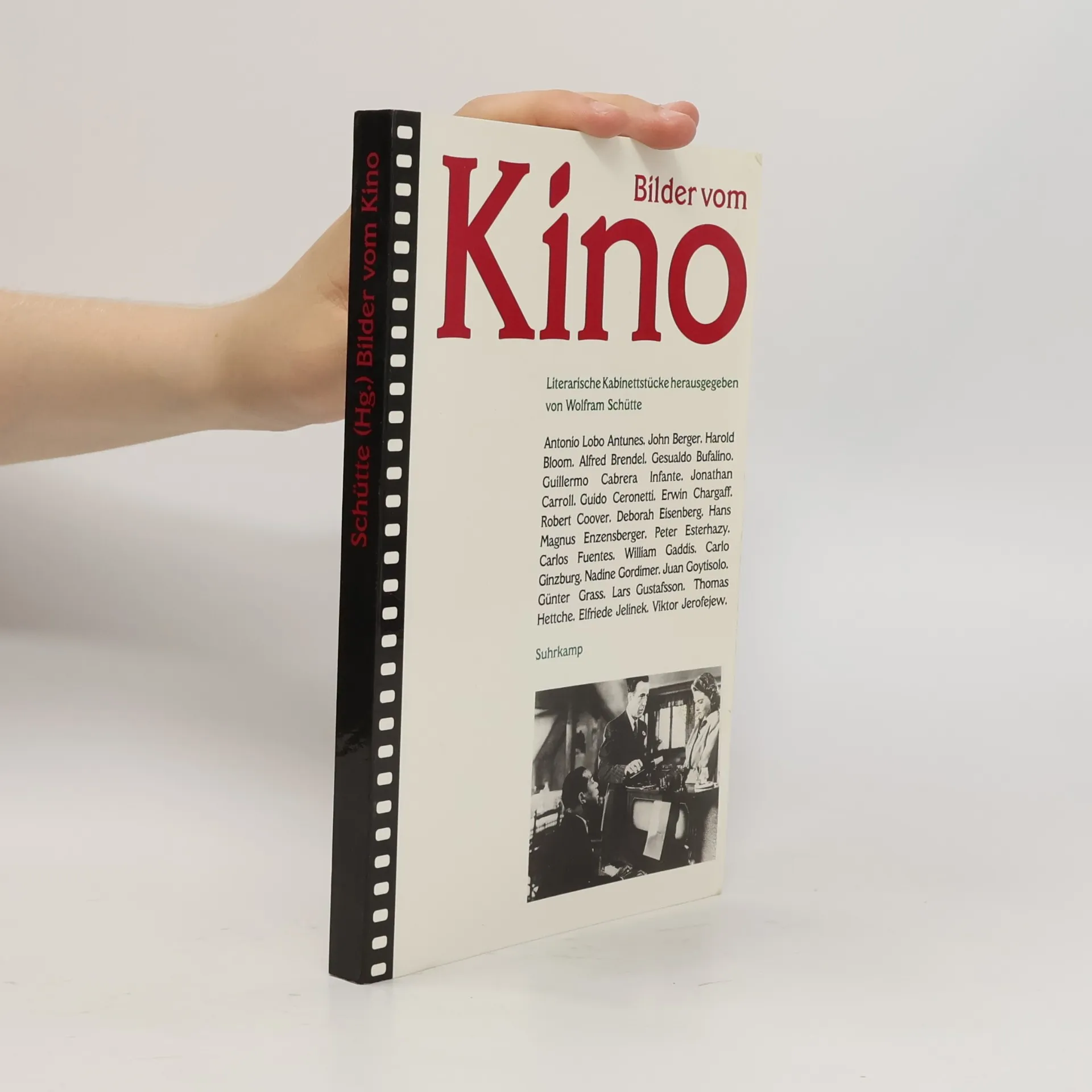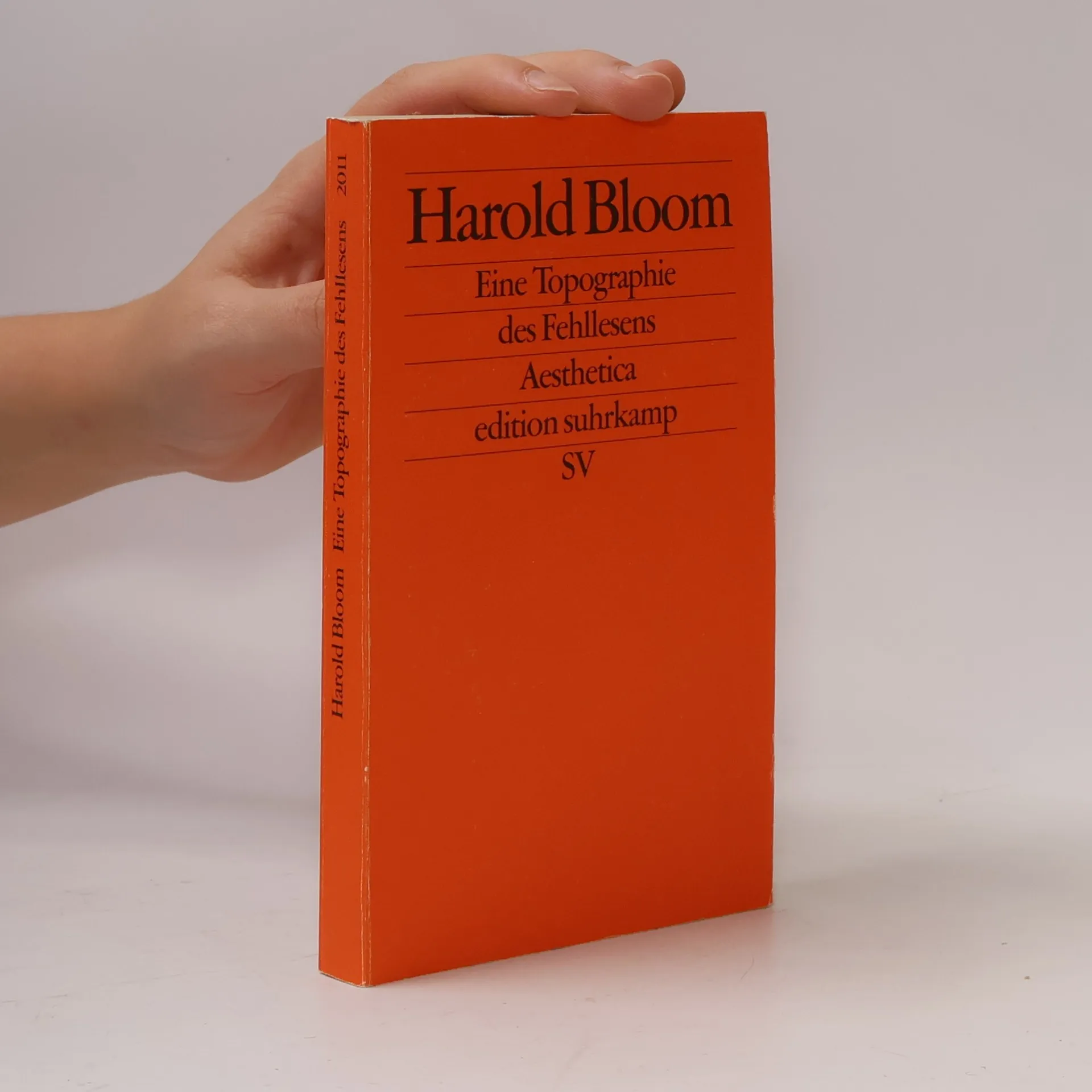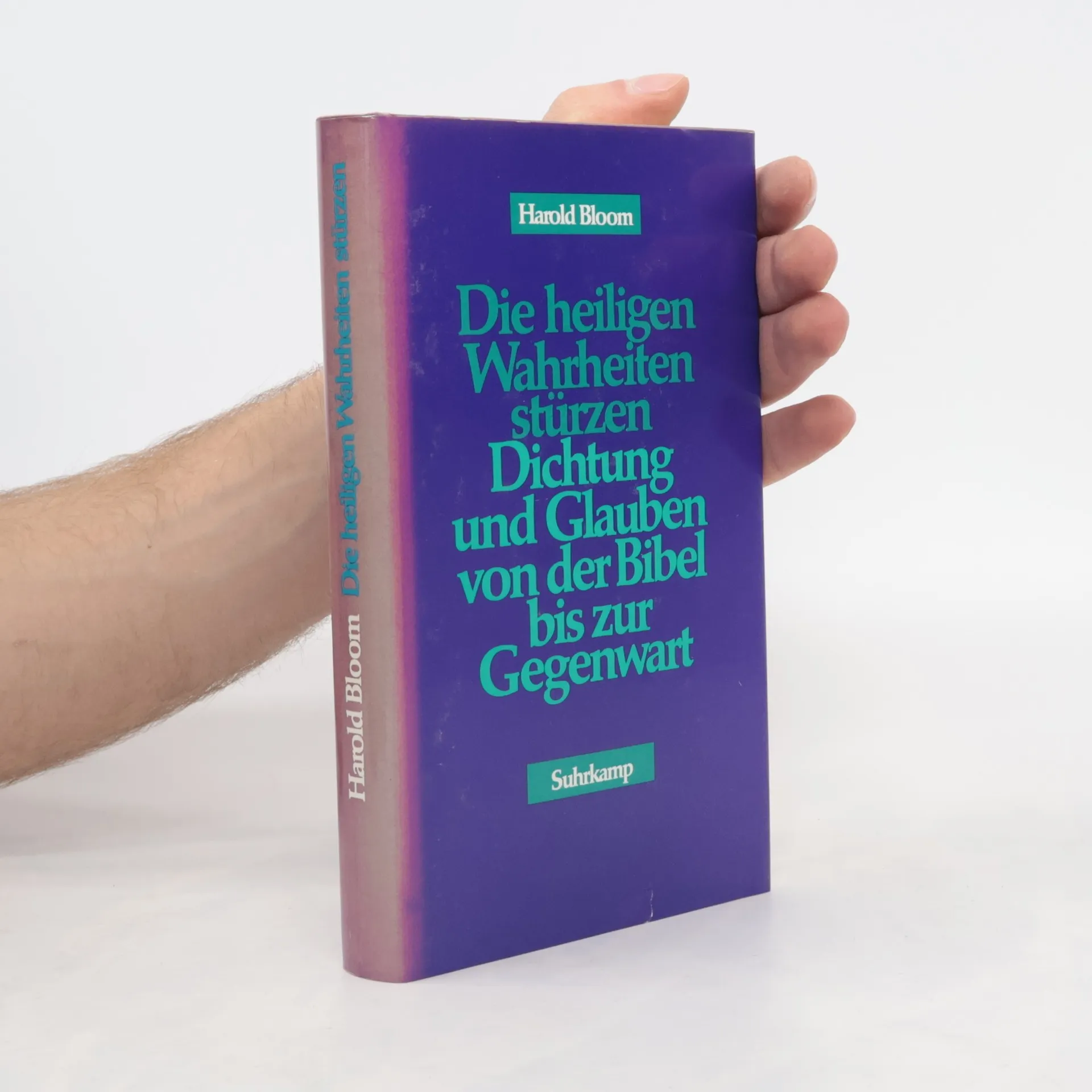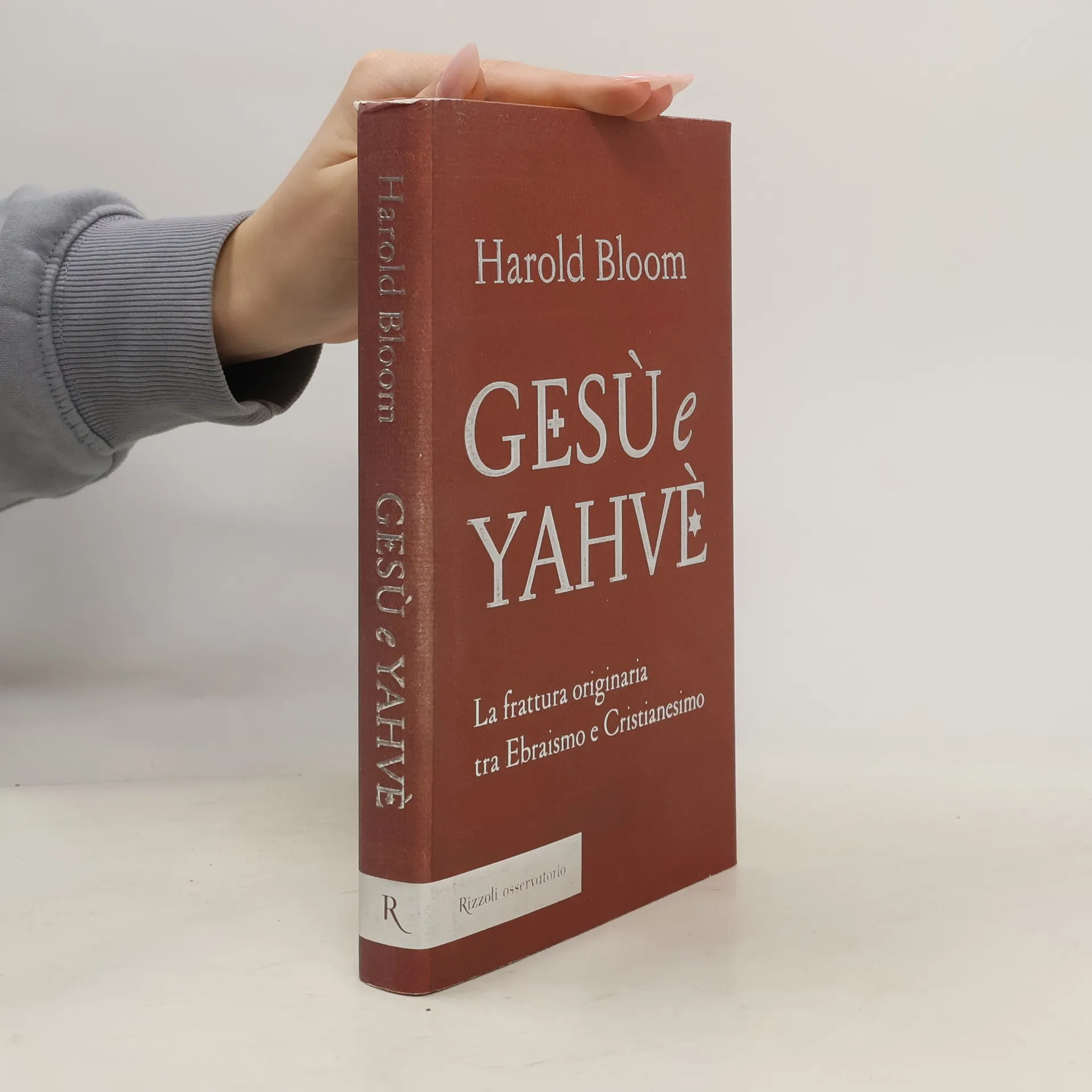
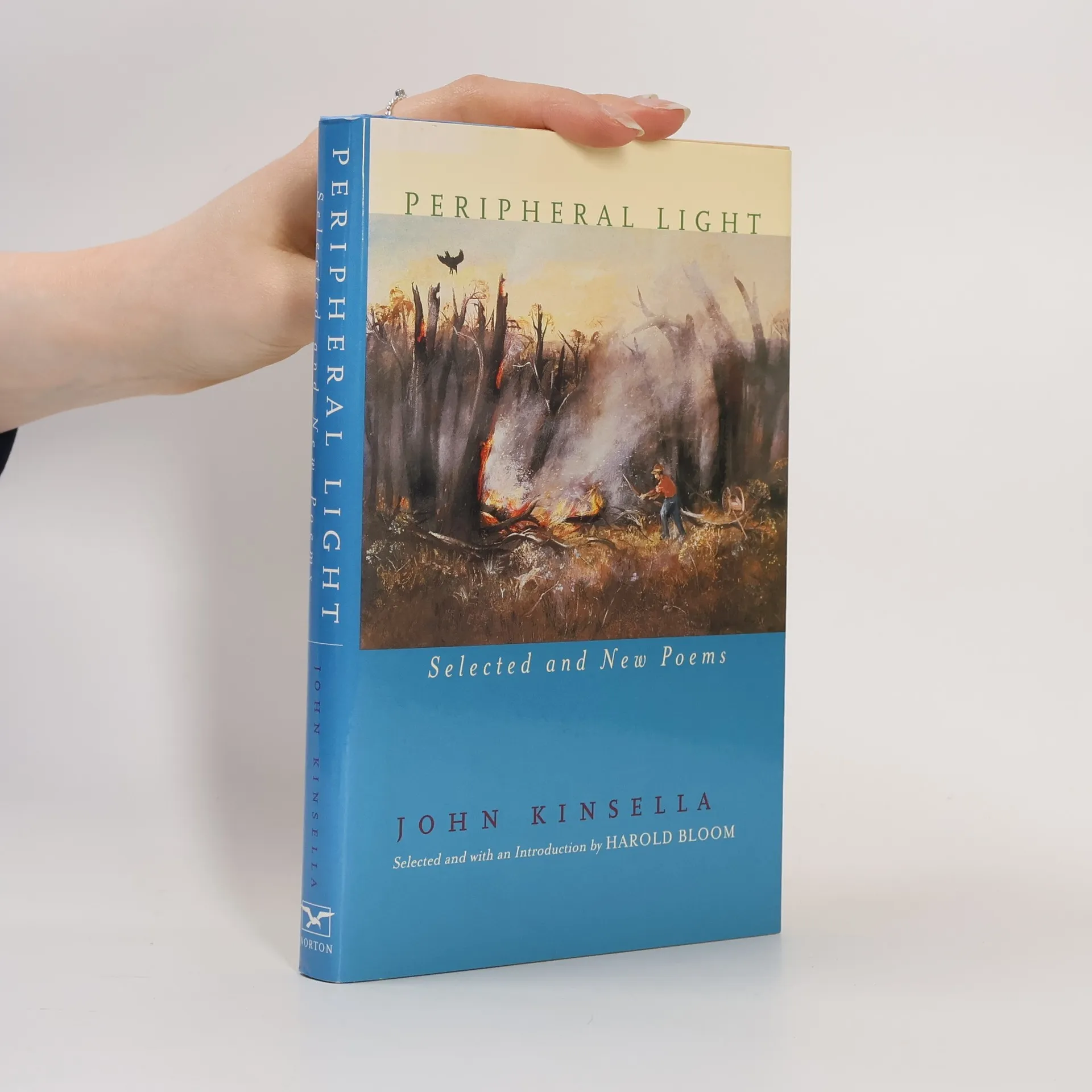

Harold Bloom was een Amerikaanse literatuurcriticus die bekend stond om zijn diepgaande betrokkenheid bij de literaire traditie. Zijn uitgebreide oeuvre duikt in de ingewikkelde relaties tussen auteurs en de evolutie van literaire vormen, waarbij hij vaak de nadruk legde op canonieke werken en hun blijvende invloed door de eeuwen heen. Bloom's stijl wordt gekenmerkt door zijn encyclopedische reikwijdte en een gepassioneerde verdediging van literair genie. Zijn geschriften nodigen lezers uit om na te denken over de aard van creativiteit en de blijvende kracht van grote literatuur.
Celebrated American literary critic Harold Bloom turns his attention to the
writers of his own national literary tradition, from Walt Whitman and Herman
Melville to William Faulkner and Hart Crane. The distillation of a lifetime of
criticism, it is one of Bloom's most profoundly personal books to date.
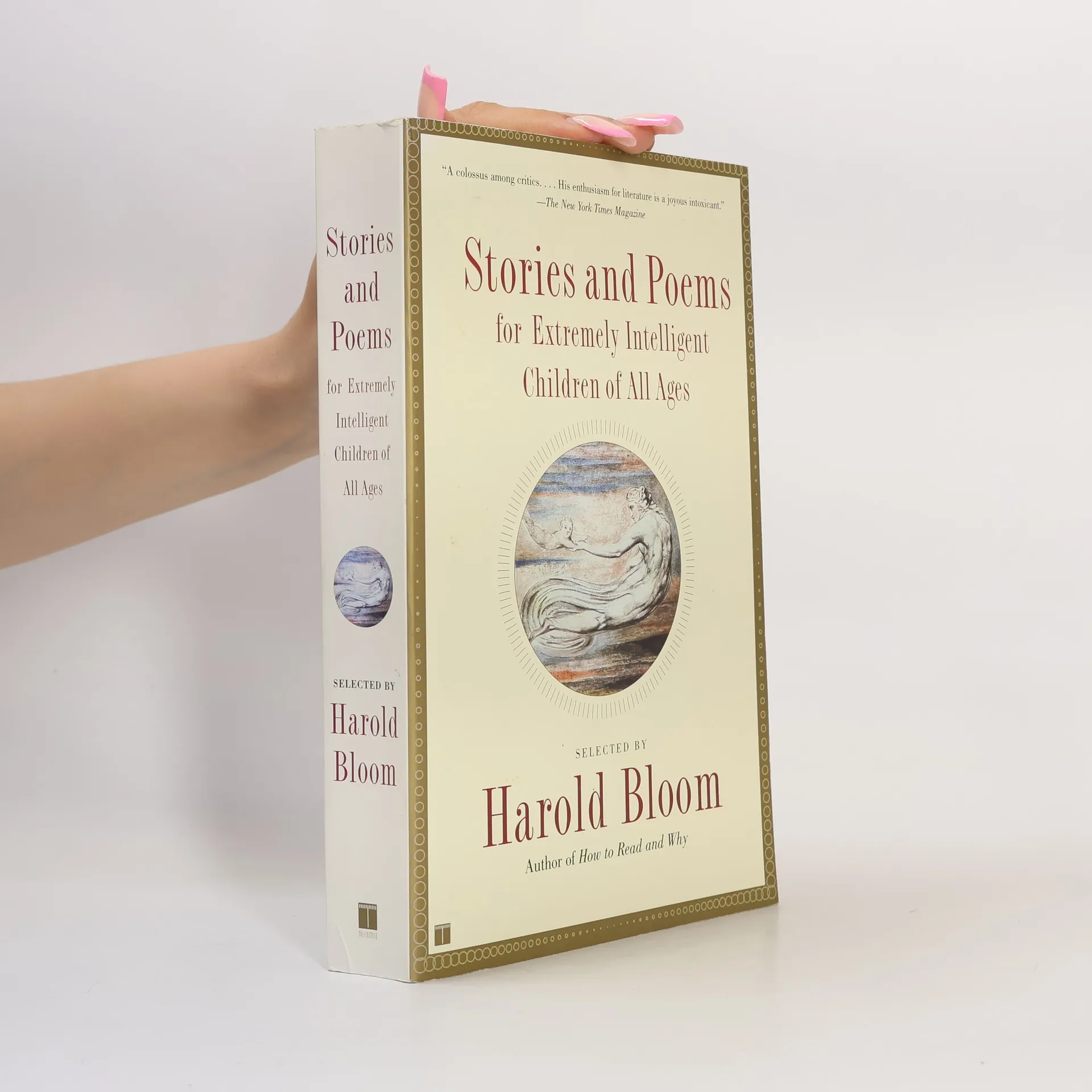
The nation's most celebrated literary critic introduces children to the exciting world of literature through this collection of great stories by Hans Christian Andersen, William Blake, O. Henry, Tolstoy, Mark Twain, Oscar Wilde, and others. 100,000 first printing.
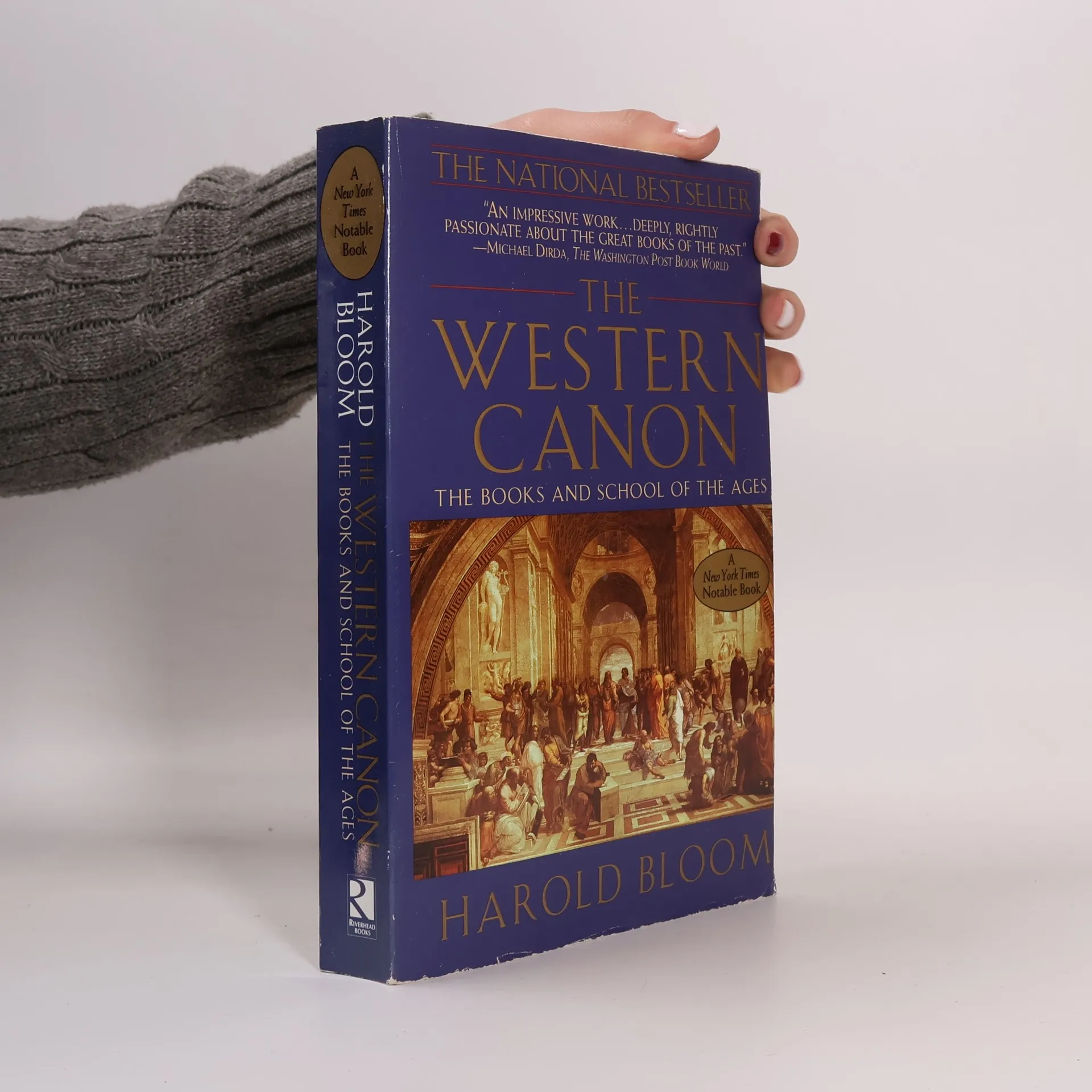
-- Brings together the best criticism on the most widely read poets, novelists, and playwrights -- Presents complex critical portraits of the most influential writers in the English-speaking world -- from the English medievalists to contemporary writers Johann Wolfgang von Goethe was a monumental figure in 19th-century Germany, and his Faust stands among the finest works of Western literature.
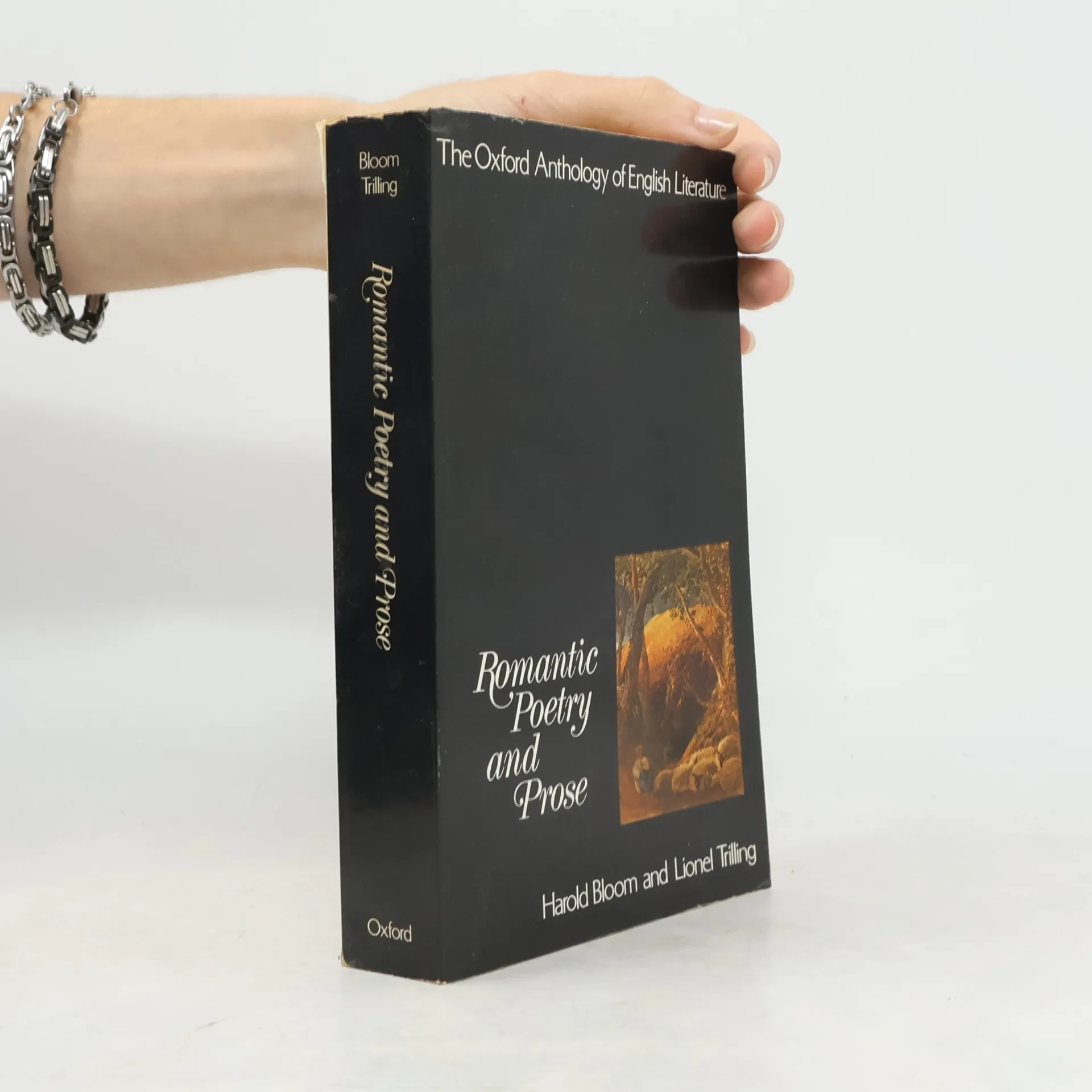
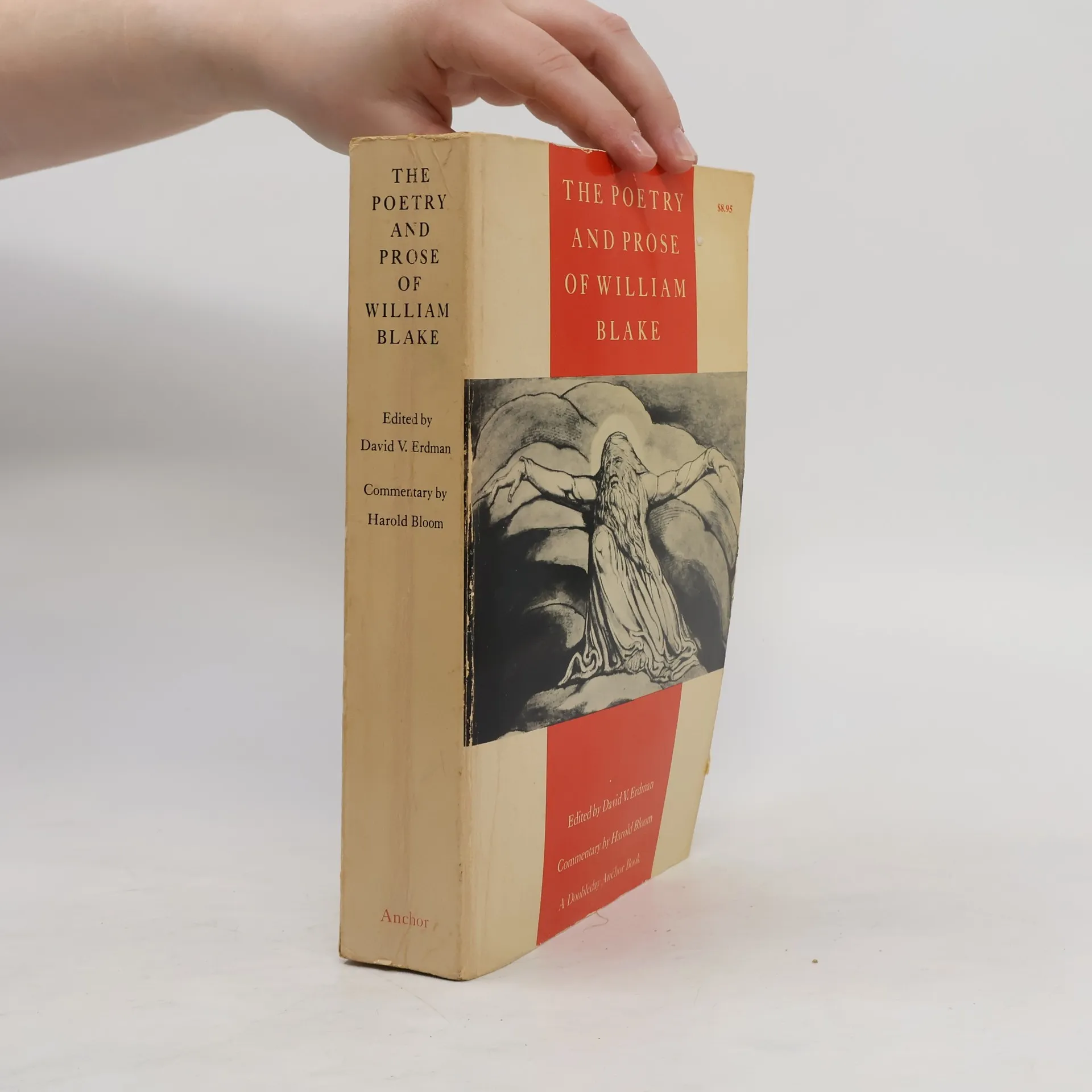
This volume devotes over 100 pages to William Blake, including The Book of Thel and the entire "Night the Ninth" from The Four Zoas, as well as excerpts from Milton and Jerusalem. It also includes poems and prose by Wordsworth, Coleridge, Keats, Shelley, and Byron.
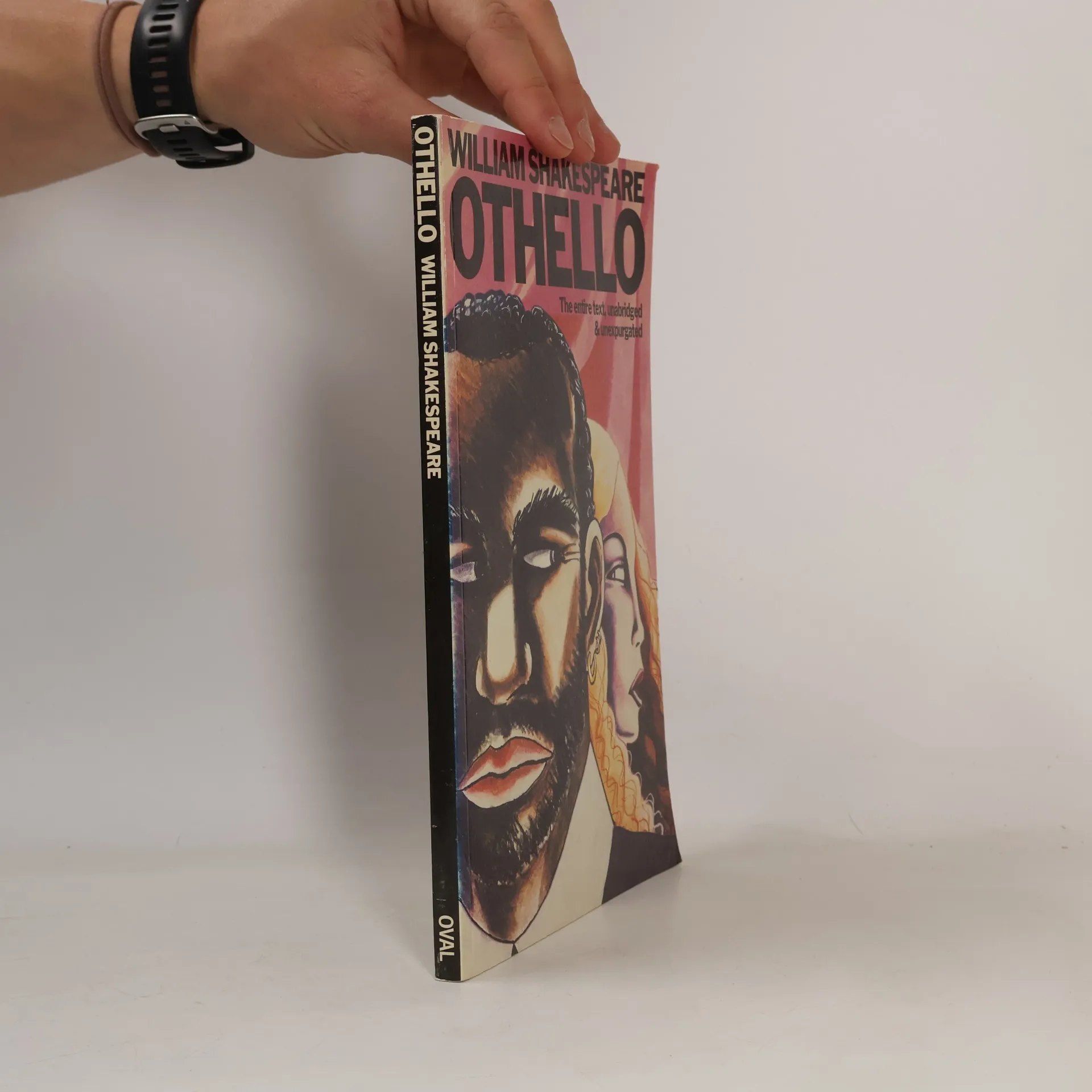
If anything, "Othello" has increased its stature as one of Shakespeare's greatest tragedies ever since it was first written, between 1603 and 1604, due to the victimisation suffered by its tragic hero, Othello, as a result of his skin colour. Othello is a "noble Moor", a North African Muslim who has converted to Christianity and is deemed one of the Venetian state's most reliable soldiers. However, his ensign Iago harbours an obscure hatred against his general, and when Othello secretly marries the beautiful daughter of the Venetian senator Brabanzio, Iago begins his subtle campaign of vilification, which will inevitably lead to the deaths of more than just Othello and Desdemona.
Presents critical essays that discuss the language, characters, plot, and major themes of the novel dealing with one man's memory of the fire-bombing of Dresden.
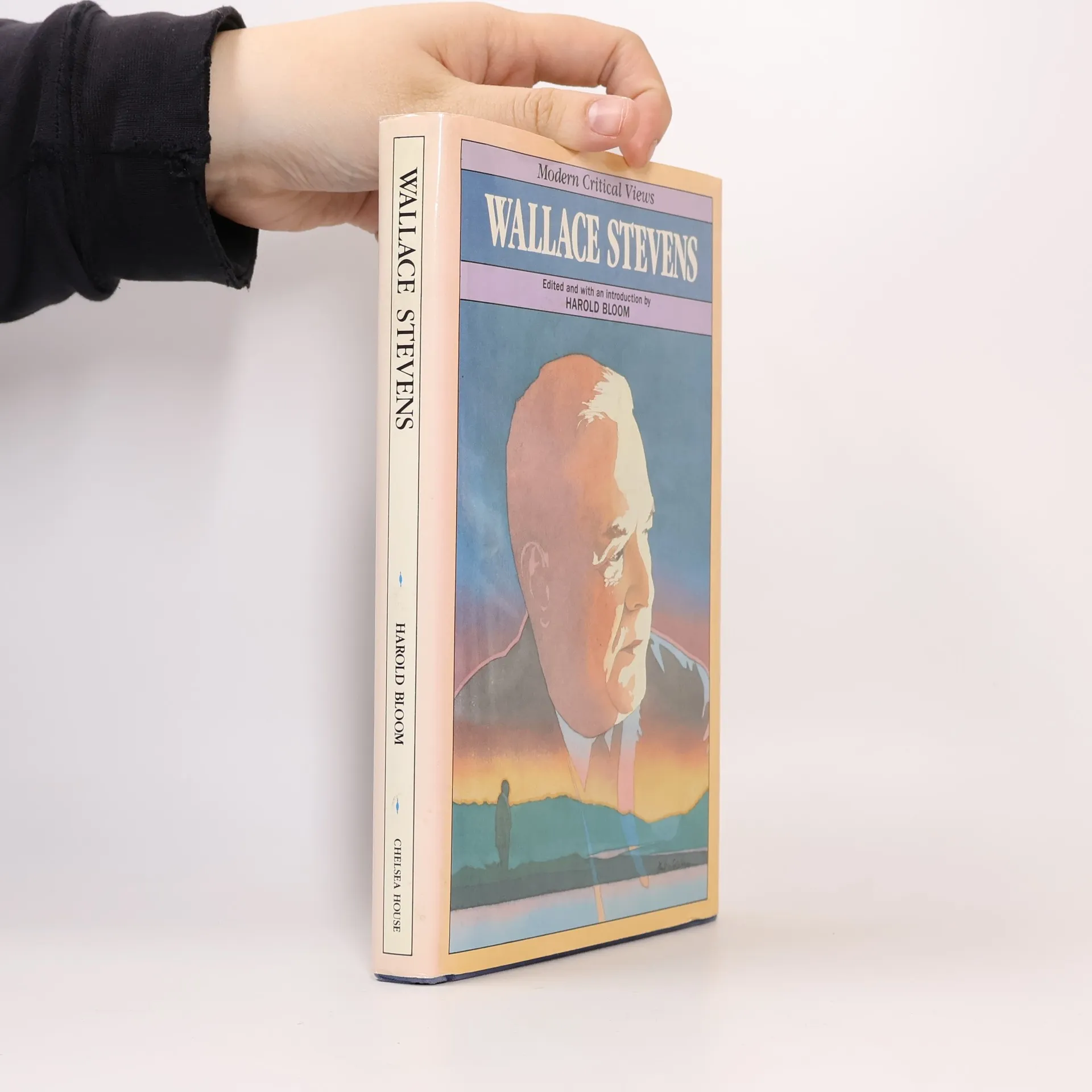
- A complex critical portrait of one of the most influential writers in the world- Bibliographic information that directs readers to additional resources for further study- A useful chronology of the writer's life- An introductory essay by Harold Bloom.
"Wonderful. . . . Spectacular. . . . You feel the pulse of life, what poetry can bring to us if we let it." —The Philadelphia Inquirer "This audacious personal odyssey offers readers a cosmos of possibilities when contemplating what happens once we 'shuffle off this mortal coil.'" —The Christian Science Monitor "An elegiac meditation on a life lived through books." —O, The Oprah Magazine "The great critic revisits the literature that has meant most to him." —The New York Times Book Review Here is the daringly original literary critic's most personal book: a four-part spiritual autobiography in the form of brief, luminous readings of poetry, drama, and prose—much of which he has known by heart since childhood. As one of his own mentors, M. H. Abrams, has said, to read Bloom's commentaries is like "reading classic authors by flashes of lightning." Gone are the polemics; here Bloom argues elegiacally with nobody but himself. In "A Voice she Heard Before the World Was Made," he offers startling meditations on foundational concerns of Biblical study. "In the Elegy Season" finds him coming to terms movingly, from a new vantage, with writers on whom he has brooded for much of his life. And with brio and bravura in "The Imperfect Is Our Paradise," Bloom ranges dazzlingly through twentieth-century American poetry, from Wallace Stevens to Amy Clampitt. Possessed by Memory, in short, is essential Bloom.