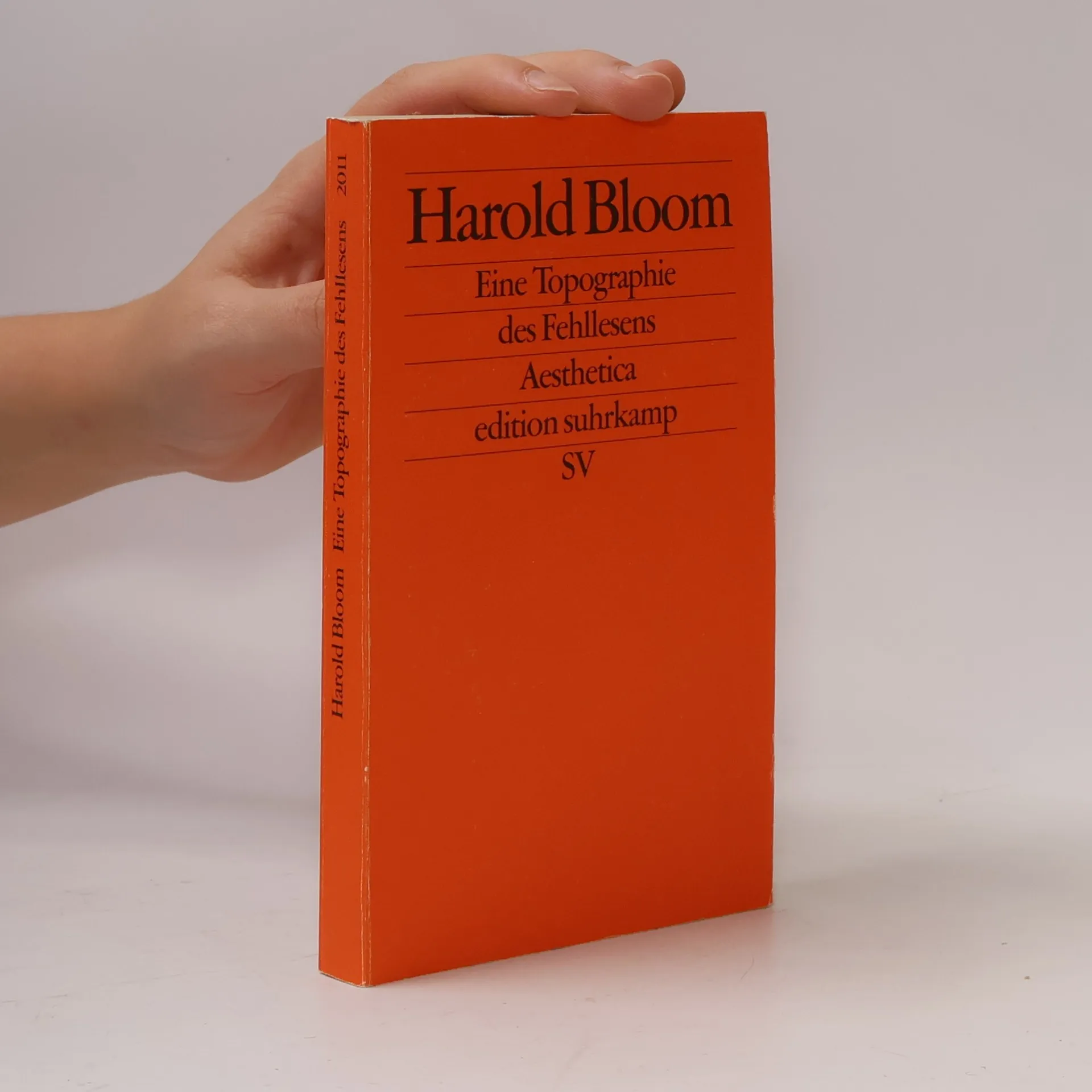
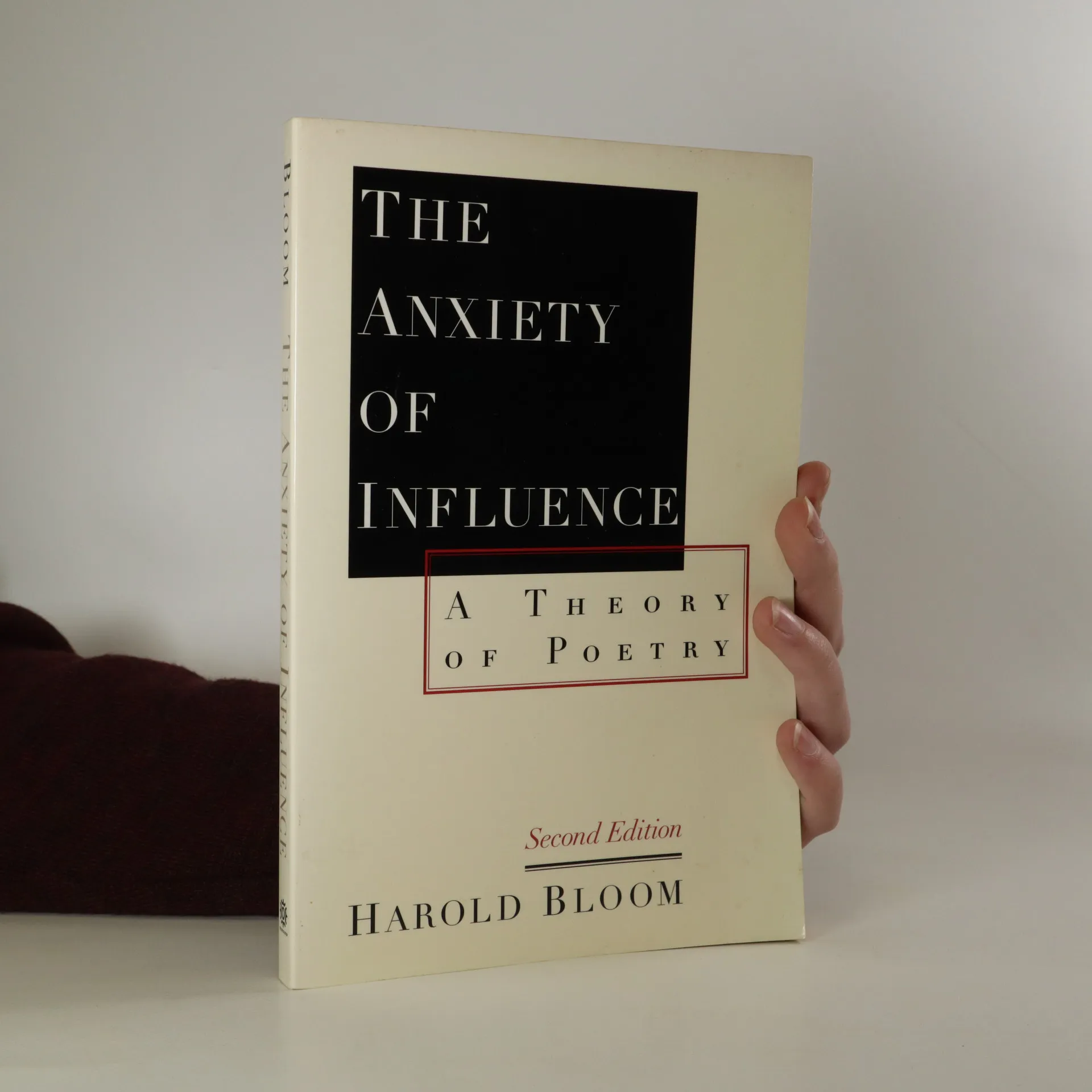
Die zentrale These in diesem Werk von Harold Bloom besagt, dass Dichtung aus der Angst vor dem Einfluss großer Vorbilder entsteht. Diese Angst hemmt zwar die Produktivität, fungiert jedoch gleichzeitig als starke Antriebskraft für das literarische Schaffen. Junge Dichter versuchen, sich aus dem Schatten ihrer Klassiker zu befreien, indem sie deren Werke einer aggressiven "Fehllektüre" unterziehen, um eigene Texte zu entwickeln. Alle Lektüren sind letztlich "Fehllektüren", und die Bedeutung eines Textes entsteht in einem dynamischen Austausch zwischen verschiedenen Werken, was die Literaturgeschichte als ein Schlachtfeld darstellt.
Harold Bloom Volgorde van de boeken (chronologisch)
11 juli 1930 – 14 oktober 2019
Harold Bloom was een Amerikaanse literatuurcriticus die bekend stond om zijn diepgaande betrokkenheid bij de literaire traditie. Zijn uitgebreide oeuvre duikt in de ingewikkelde relaties tussen auteurs en de evolutie van literaire vormen, waarbij hij vaak de nadruk legde op canonieke werken en hun blijvende invloed door de eeuwen heen. Bloom's stijl wordt gekenmerkt door zijn encyclopedische reikwijdte en een gepassioneerde verdediging van literair genie. Zijn geschriften nodigen lezers uit om na te denken over de aard van creativiteit en de blijvende kracht van grote literatuur.



The Bright Book of Life
- 544bladzijden
- 20 uur lezen
America's most original and controversial literary critic writes trenchantly about forty-eight masterworks spanning the Western tradition—from Don Quixote to Wuthering Heights to Invisible Man—in his first book devoted exclusively to narrative fiction. In this valedictory volume, Yale professor Harold Bloom—who for more than half a century was regarded as America's most daringly original and controversial literary critic—gives us his only book devoted entirely to the art of the novel. With his hallmark percipience, remarkable scholarship, and extraordinary devotion to sublimity, Bloom offers meditations on forty-eight essential works spanning the Western canon, from Don Quixote to Book of Numbers; from Wuthering Heights to Absalom, Absalom!; from Les Misérables to Blood Meridian; from Vanity Fair to Invisible Man. Here are trenchant appreciations of fiction by, among many others, Austen, Balzac, Dickens, Tolstoy, James, Conrad, Lawrence, Le Guin, and Sebald. Whether you have already read these books, plan to, or simply care about the importance and power of fiction, Harold Bloom is your unparalleled guide to understanding literature with new intimacy.
Take Arms Against a Sea of Troubles
- 672bladzijden
- 24 uur lezen
The last book written by the most famous literary critic of his generation, on the sustaining power of poetry
Self-portrait in a Convex Mirror
- 83bladzijden
- 3 uur lezen
A book of poems by the world's celebrated poet.
The Daemon Knows
- 544bladzijden
- 20 uur lezen
Celebrated American literary critic Harold Bloom turns his attention to the writers of his own national literary tradition, from Walt Whitman and Herman Melville to William Faulkner and Hart Crane. The distillation of a lifetime of criticism, it is one of Bloom's most profoundly personal books to date.
Mark Twain's The Adventures of Tom Sawyer
- 121bladzijden
- 5 uur lezen
Presents a collection of critical essays on the novel that analyze its structure, characters, narrator, and themes.
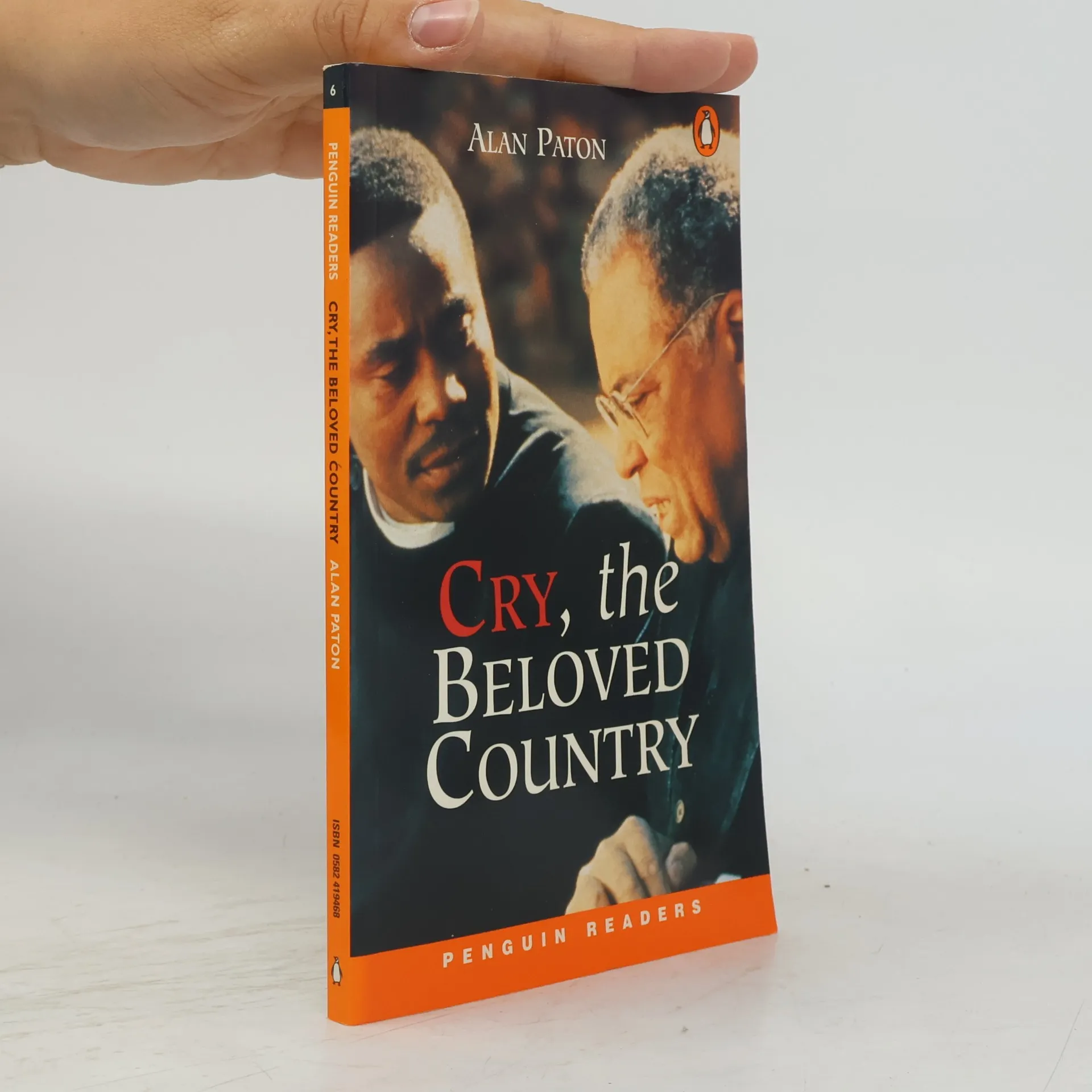
Cry, the Beloved Country
- 100bladzijden
- 4 uur lezen
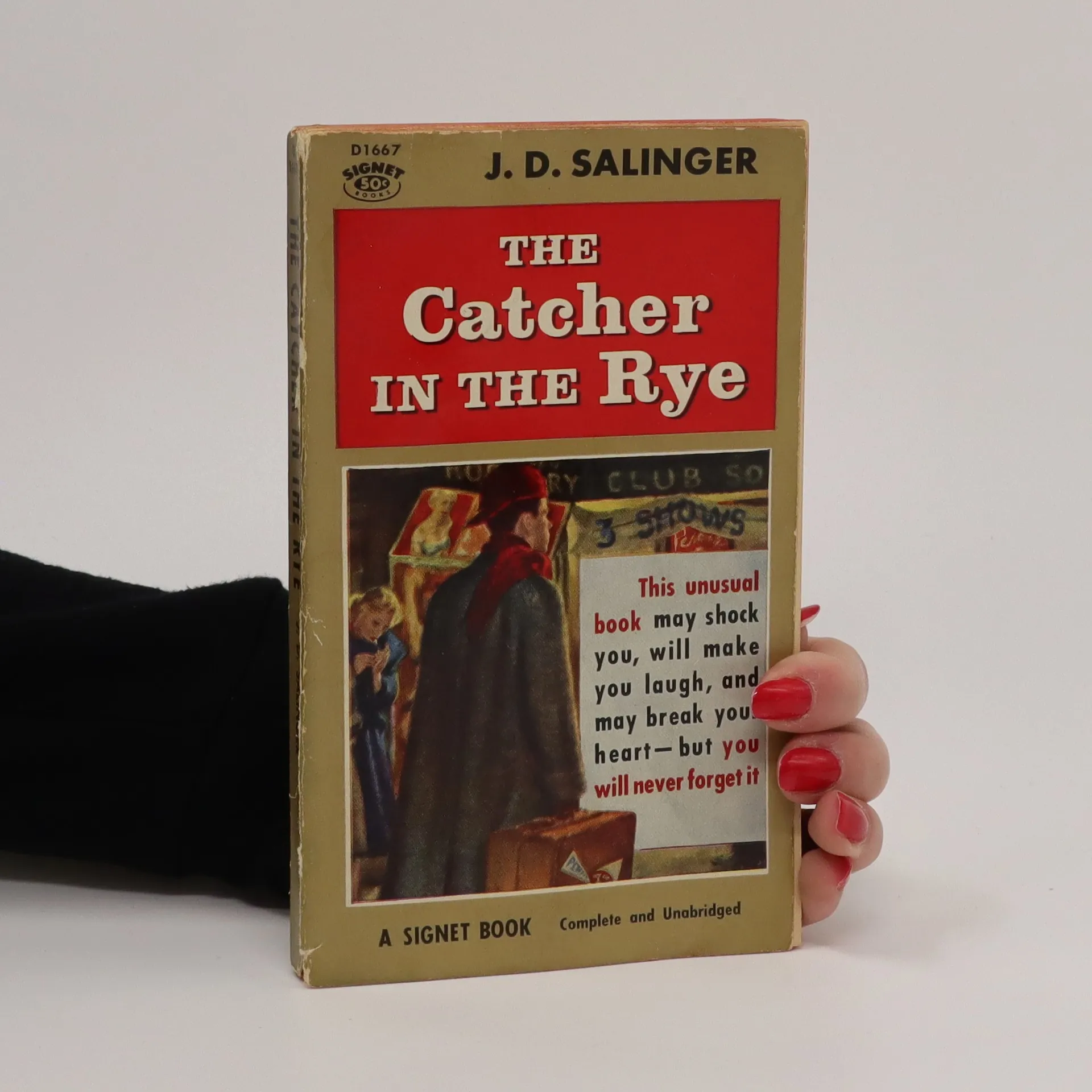
"Penguin Readers" is a series of simplified novels, film novelizations and original titles that introduce students at all levels to the pleasures of reading in English.
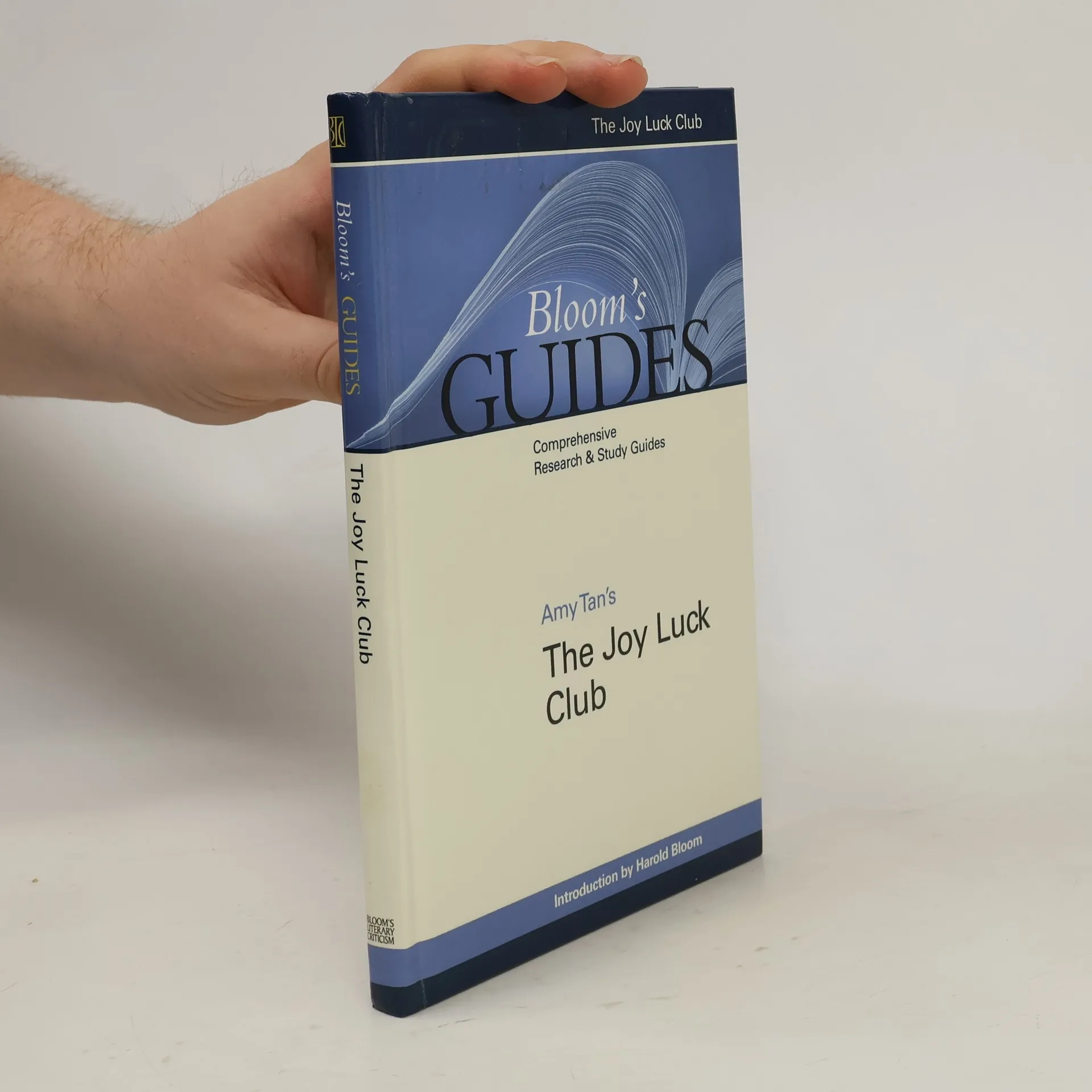
Franz Kafka
- 235bladzijden
- 9 uur lezen
- A complex critical portrait of one of the most influential writers in the world- Bibliographic information that directs readers to additional resources for further study- A useful chronology of the writer's life- An introductory essay by Harold Bloom.
- Concise critical excerpts that provide a scholarly overview of each work - "The Story Behind the Story," detailing the conditions under which the work was written - A biographical sketch of the author, a descriptive list of characters, an extensive summary and analysis, and an annotated bibliography.
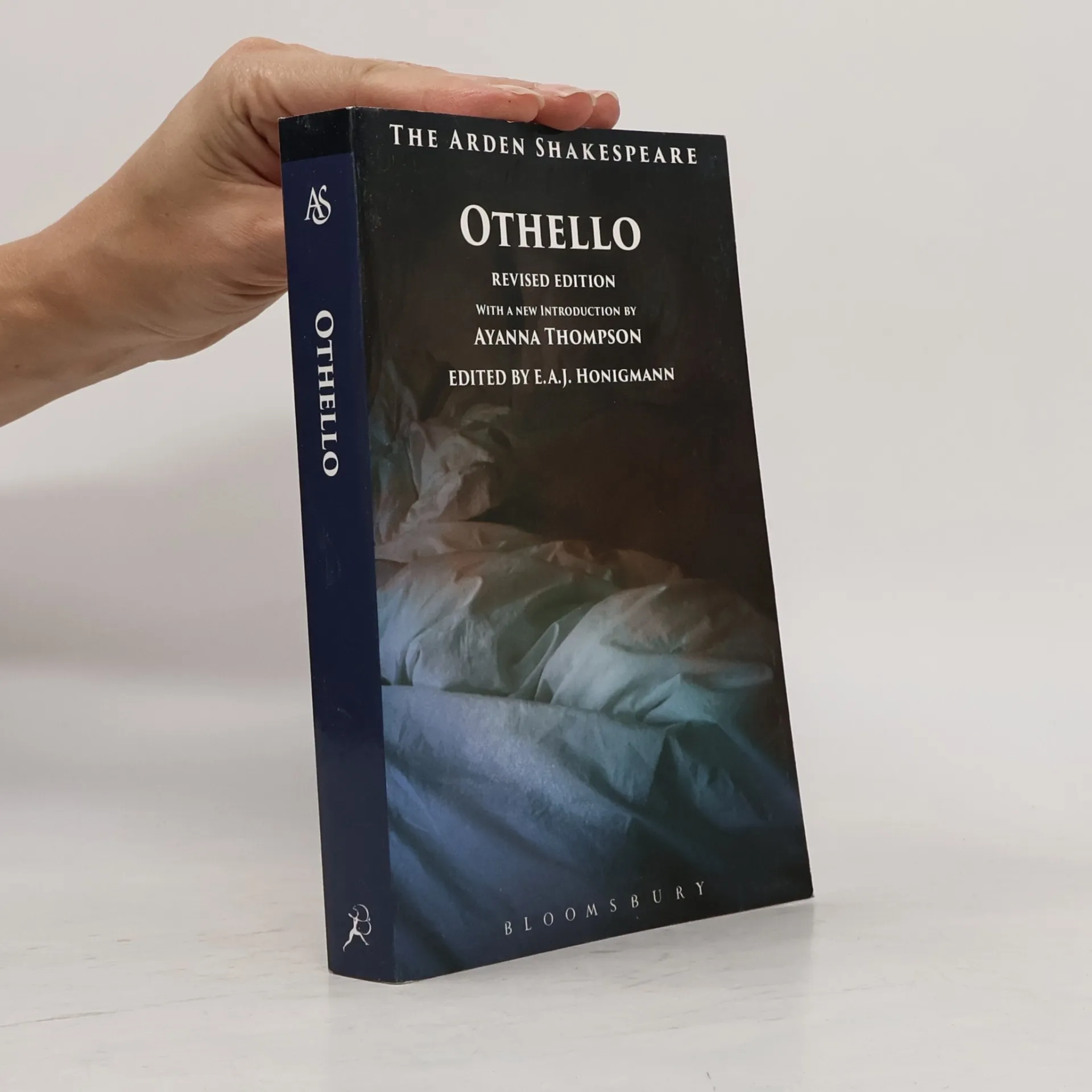
Othello
- 448bladzijden
- 16 uur lezen
This second edition of Othello has a new, illustrated introduction by leading American scholar Ayanna Thompson, which addresses such key issues as race, religion and gender, as well as looking at ways in which the play has been adapted in more recent times. Othello is one of Shakespeare's great tragedies-written in the same five-year period as Hamlet, King Lear, and Macbeth. The new introduction attends to the play's different meanings throughout history, while articulating the historical context in which Othello was created, paying particular attention to Shakespeare's source materials and the evidence about early modern constructions of racial and religious difference. It also explores the life of the play in different historical moments, demonstrating how meanings and performances develop, accrue, and metamorphose over time. The volume provides a rich and current resource, making this best-selling play edition ideal for today's students at advanced school and undergraduate level.
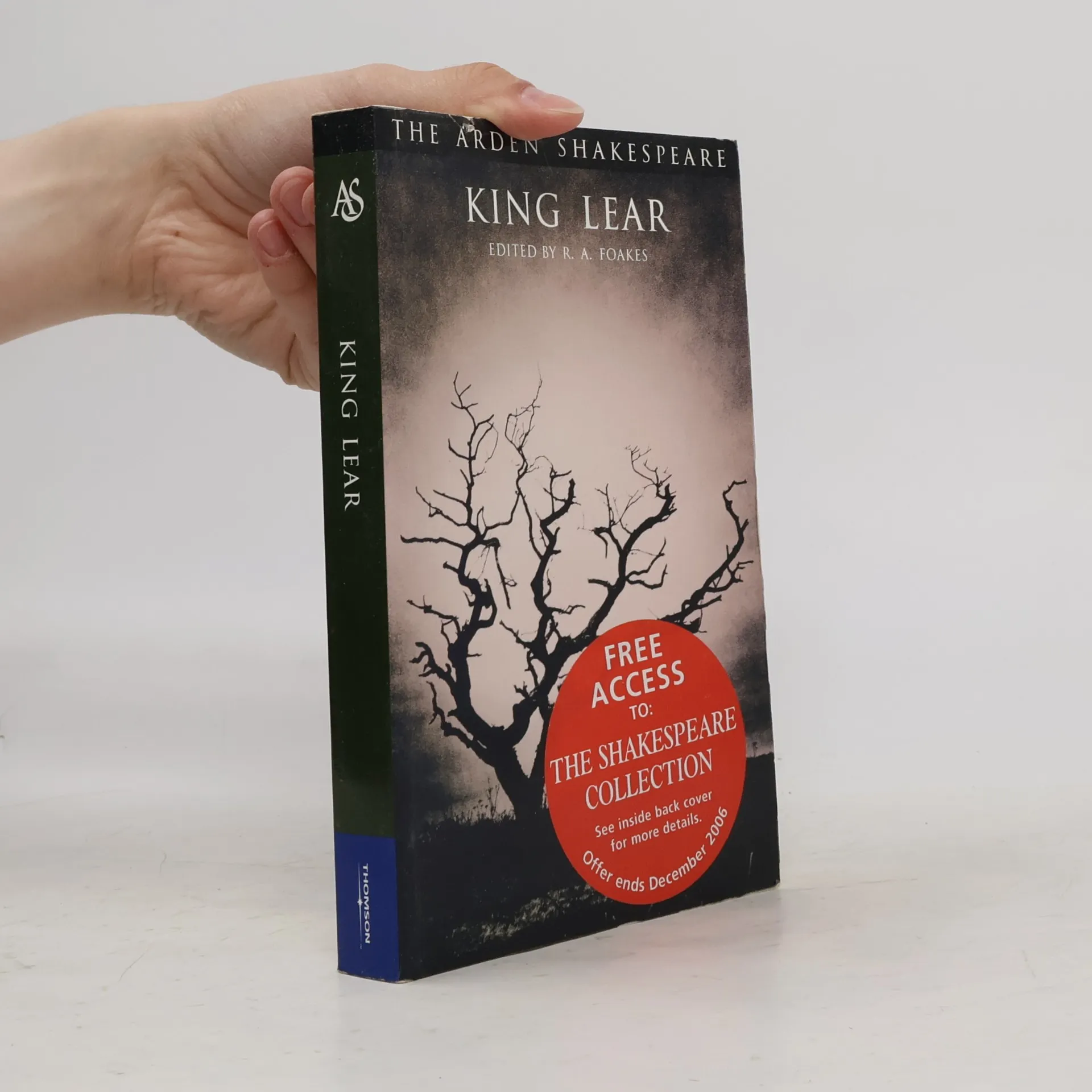
King Lear
- 455bladzijden
- 16 uur lezen
'By far the best edition of King Lear - in respect of both textual and other matters - that we now have.'John Lyon, English Language Notes'This volume is a treasure-trove of precise information and stimulating comments on practically every aspect of the Lear-universe. I know of no other edition which I would recommend with such confidence: to students, professional colleagues and also the 'educated public'
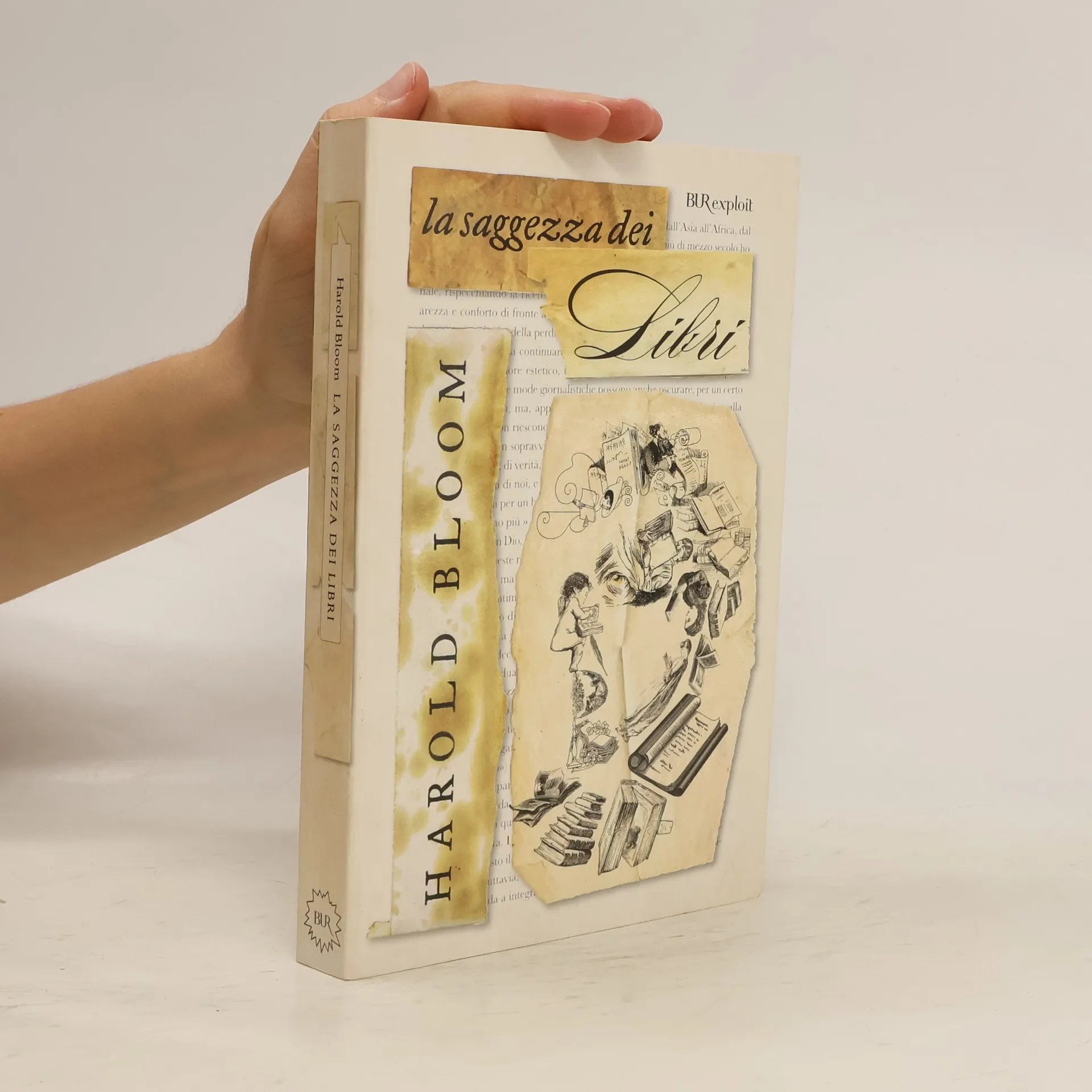
La saggezza dei libri
- 286bladzijden
- 11 uur lezen
Dal Libro di Giobbe all'Ecclesiaste, dalle opere di Platone a quelle di Cervantes, Shakespeare, Montaigne, Nietsche e Proust. Un libro per rispondere a una domanda cruciale: a che cosa serve la letteratura? (LaFeltrinelli.it)
The Best Poems of the English Language
- 1008bladzijden
- 36 uur lezen
An anthology of poems which attempts to give readers the possession of six centuries of great British and American poetry.
This book presents a collection of essays exploring various aspects of the novel "The Metamorphosis" by Franz Kafka.
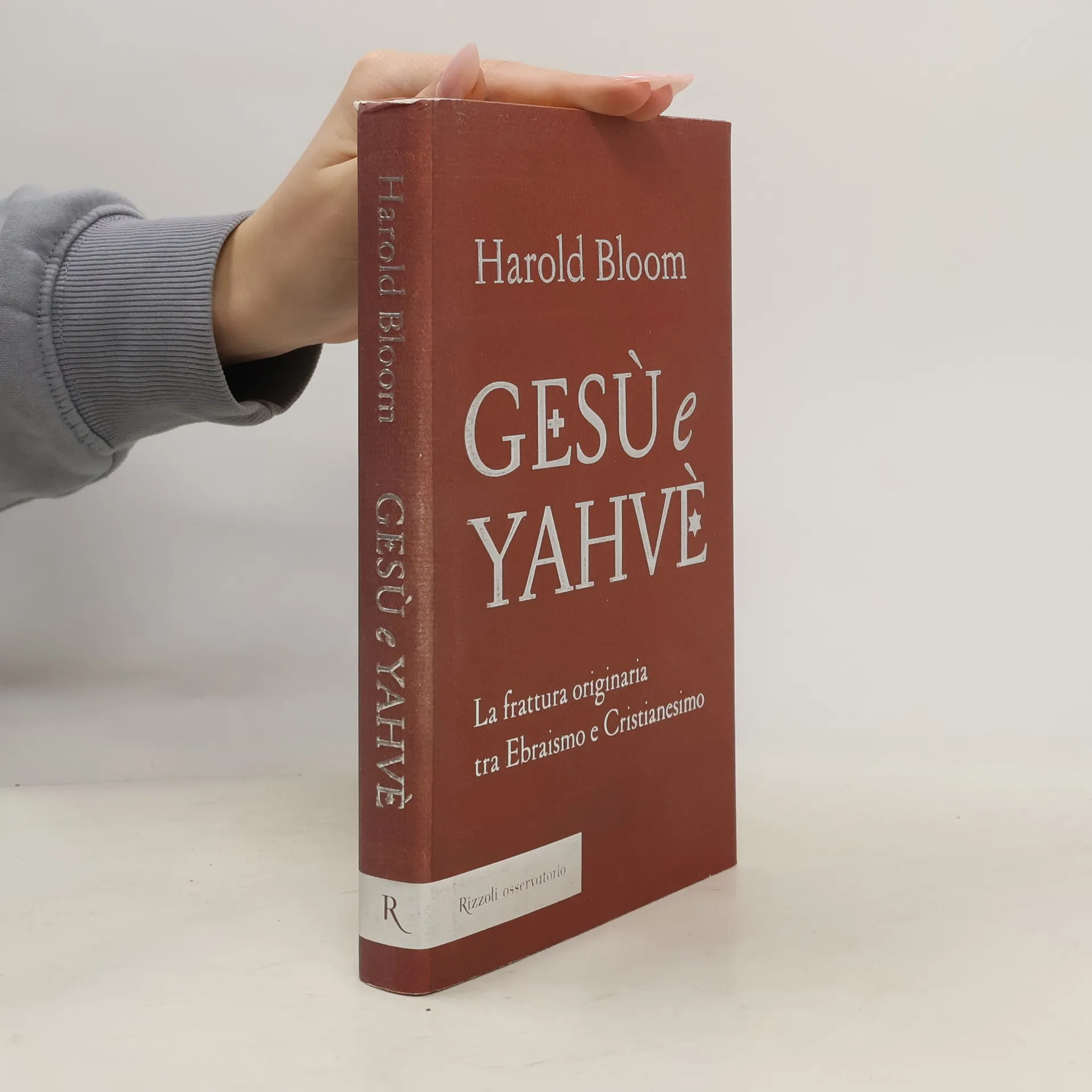
Gesù e Yahvè. La frattura originaria tra Ebraismo e Cristianesimo
- 279bladzijden
- 10 uur lezen
In questo saggio Bloom intende dimostrare che la tradizione giudaico-cristiana in realtà non esiste, che ebraismo e cristianesimo sono di fatto incompatibili. Esaminando con il metodo della critica letteraria e storica la Torà ebraica, l'Antico e il Nuovo Testamento e i Vangeli gnostici contemporanei a quelli canonici, Bloom arriva alla conclusione che il Gesù "ebraico" di Marco, così umano, irascibile e incline all'ironia, potrebbe essere davvero figlio di quella divinità fin troppo umana che è lo Jahvè della Torà; mentre il Cristo degli altri libri del Nuovo Testamento proviene da una famiglia del tutto diversa; e lo Jahvè degli ebrei e il Dio Padre dei cristiani hanno ben poco in comune.
Toni Morrison's Beloved
- 130bladzijden
- 5 uur lezen
A critical overview of the work features such contributors as Bernard W. Bell, Trudier Harris, Nancy Jesser, and Susan Corey.
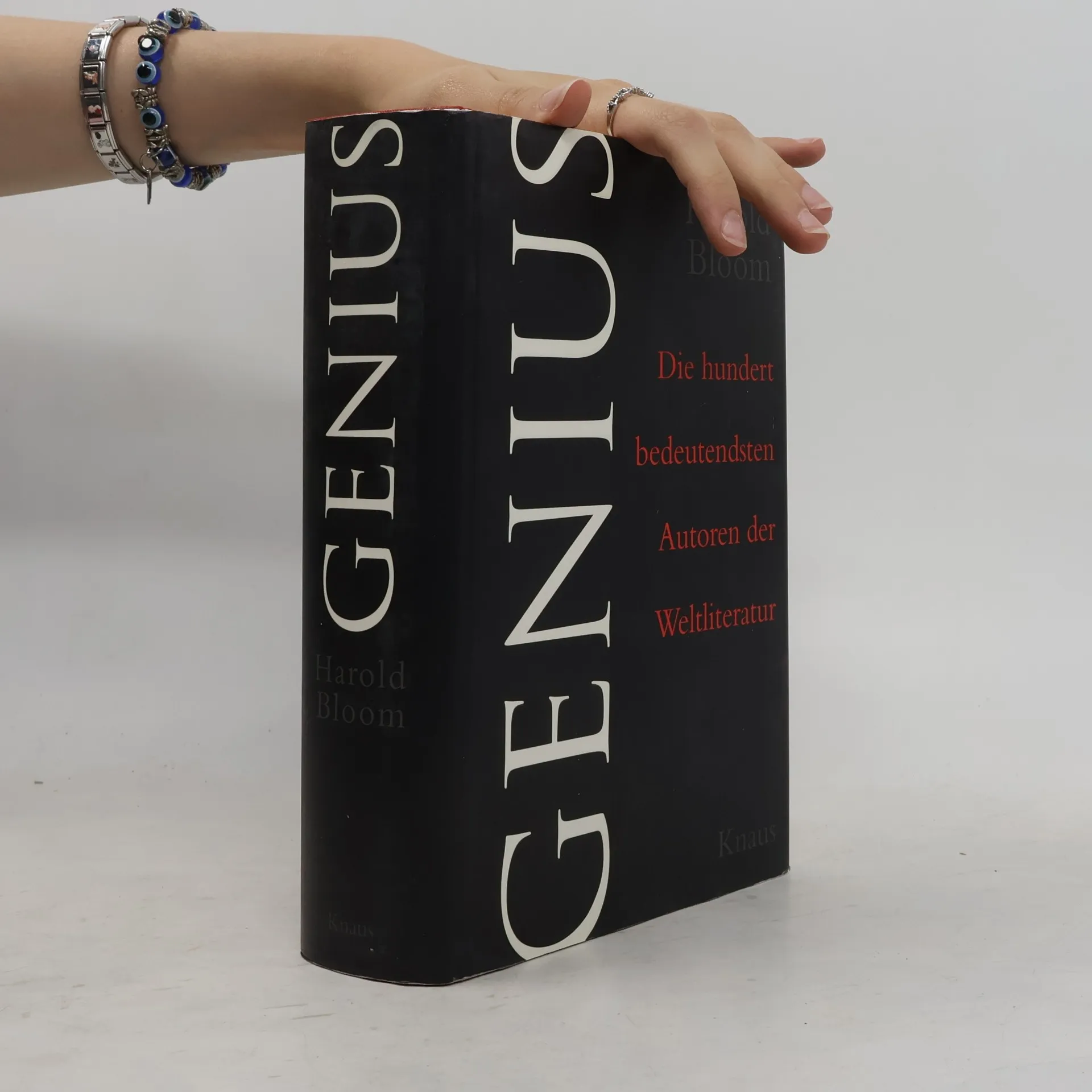
Genius
- 1088bladzijden
- 39 uur lezen
Harold Bloom, ein bedeutender amerikanischer Literaturkritiker und Bestsellerautor, präsentiert seine Auswahl der 100 größten Schriftsteller aus 2500 Jahren Weltliteratur. Dieses Werk ist ein Muss für jeden Literaturfreund. Der Genius, der das Göttliche im Menschen widerspiegelt, inspiriert Dichter und Denker über Epochen hinweg und ist die Flamme kreativen Schaffens. Diese schöpferische Kraft verbindet alle Weltliteraten und ist die Ursache für kreative 'Wahlverwandtschaften' sowie für ein unsichtbares, unbewusstes Beziehungsgeflecht zwischen den Größten. Bloom nutzt dieses Phänomen als Ordnungsprinzip und versucht, dieses geheime Netzwerk sichtbar zu machen. In zehn Kapiteln stellt er jeweils zehn Literaten vor, Männer und Frauen, die mit ihren Werken große Visionen geschaffen und tiefgreifende Erkenntnisse über die menschliche Natur ermöglicht haben. Die Spitze seines literarischen Weltenbaums bilden Shakespeare, Cervantes, Montaigne, Milton und Tolstoi, die alle ihr Genre bis heute dominieren. Zu den 100 Großen zählen auch Plato, Ibsen, Beckett, Virginia Woolf, Thomas Mann, Rilke und Celan. Bloom schöpft souverän aus seinem umfassenden Wissen und lädt mit sprachlicher Brillanz zu einer Begegnung mit genialen Schriftstellern der Weltkulturen ein, die er in einem neuen, unterhaltsamen Licht präsentiert.
The Book of J
- 352bladzijden
- 13 uur lezen
J is the title that scholars ascribe to the nameless writer they believe is responsible for the text, written between 950 & 900, on which Genesis, Exodus & Numbers is based. In The Book of J, Bloom & Rosenberg draw the J text out of the surrounding material & present it as the seminal classic it is. In addition to Rosenberg's original translations, Bloom argues in several essays that "J" was not a religious writer but a fierce ironist & a woman living in the court of King Solomon. He also argues that J is a writer on par with Homer, Shakespeare & Tolstoy. Bloom also offers historical context, a discussion of the theory of how the different texts came together to create the Bible & translation notes. Rosenberg's translations from the Hebrew bring J's stories to life & reveal her towering originality & grasp of humanity.
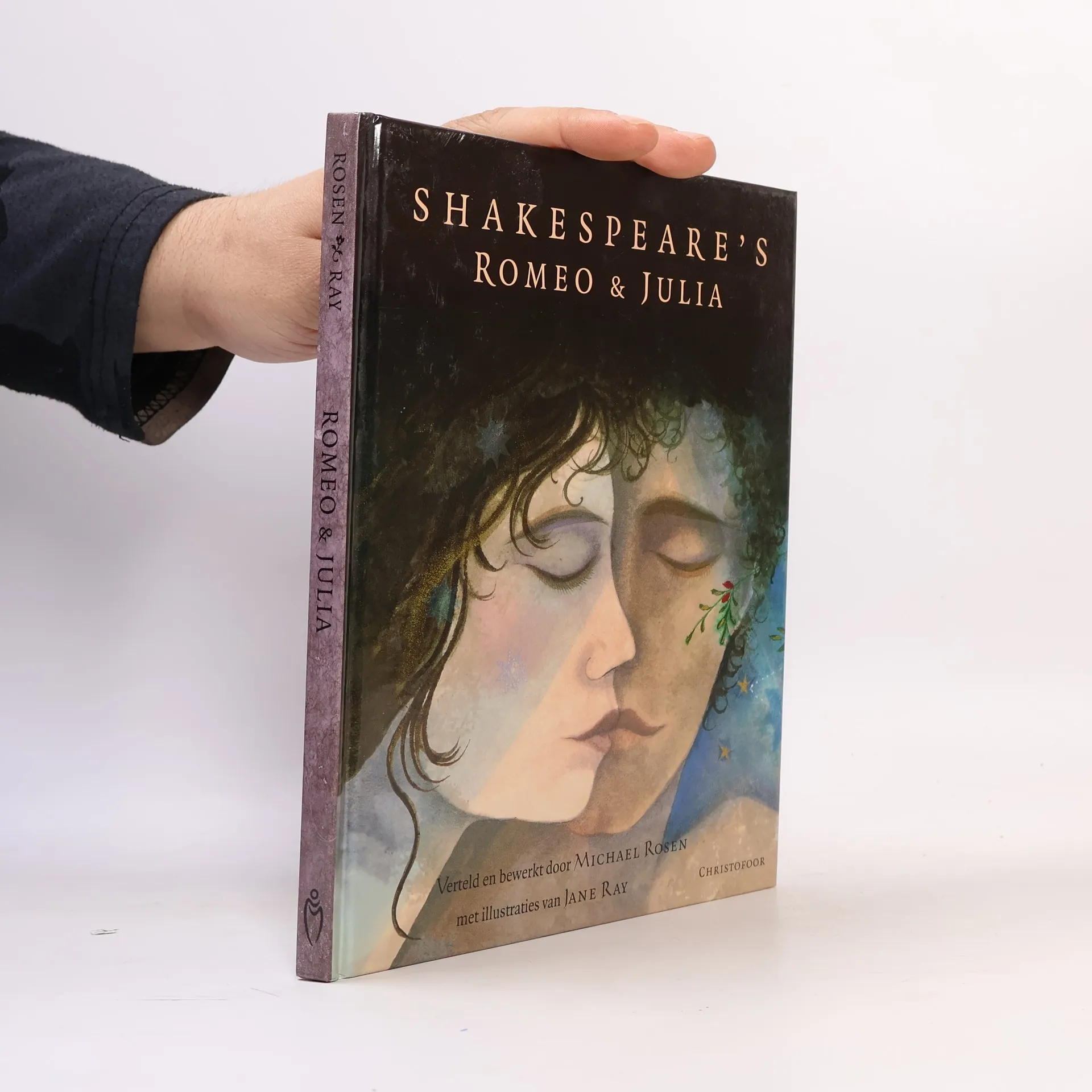
Romeo & Julia
- 80bladzijden
- 3 uur lezen
Dit is het verhaal van een stad, twee families en twee geliefden, Romeo en Julia. Het verhaal is al heel oud en door allerlei mensen in verschillende landen en verschillende talen verteld. Sommigen hebben er een gedicht van gemaakt en anderen een prozaverhaal. Maar het is onder andere ook bewerkt in de vorm van liederen, een balletuitvoering en films. In London bracht William Shakespeare dit verhaal tot leven de jaren negentig van de zestiende eeuw.
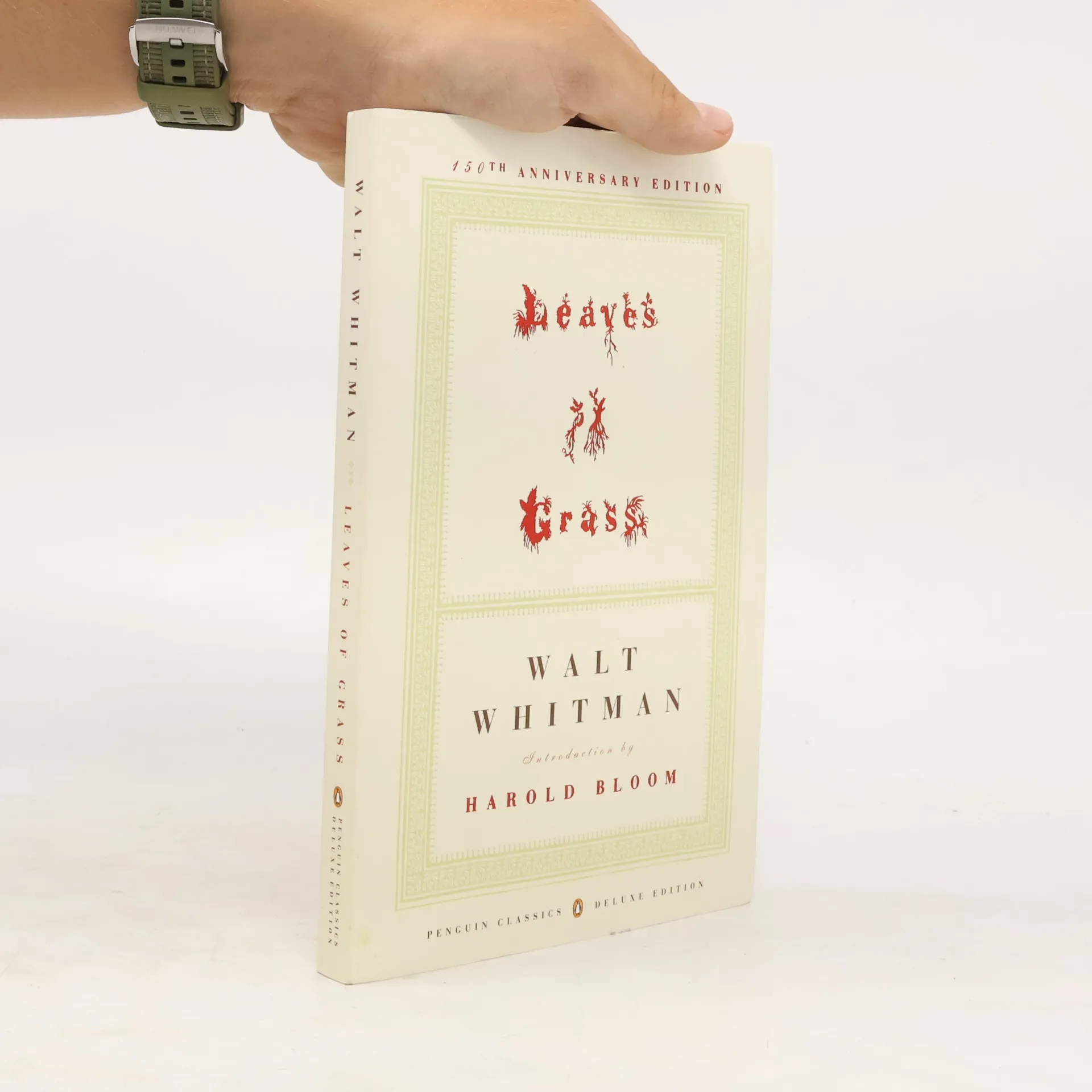
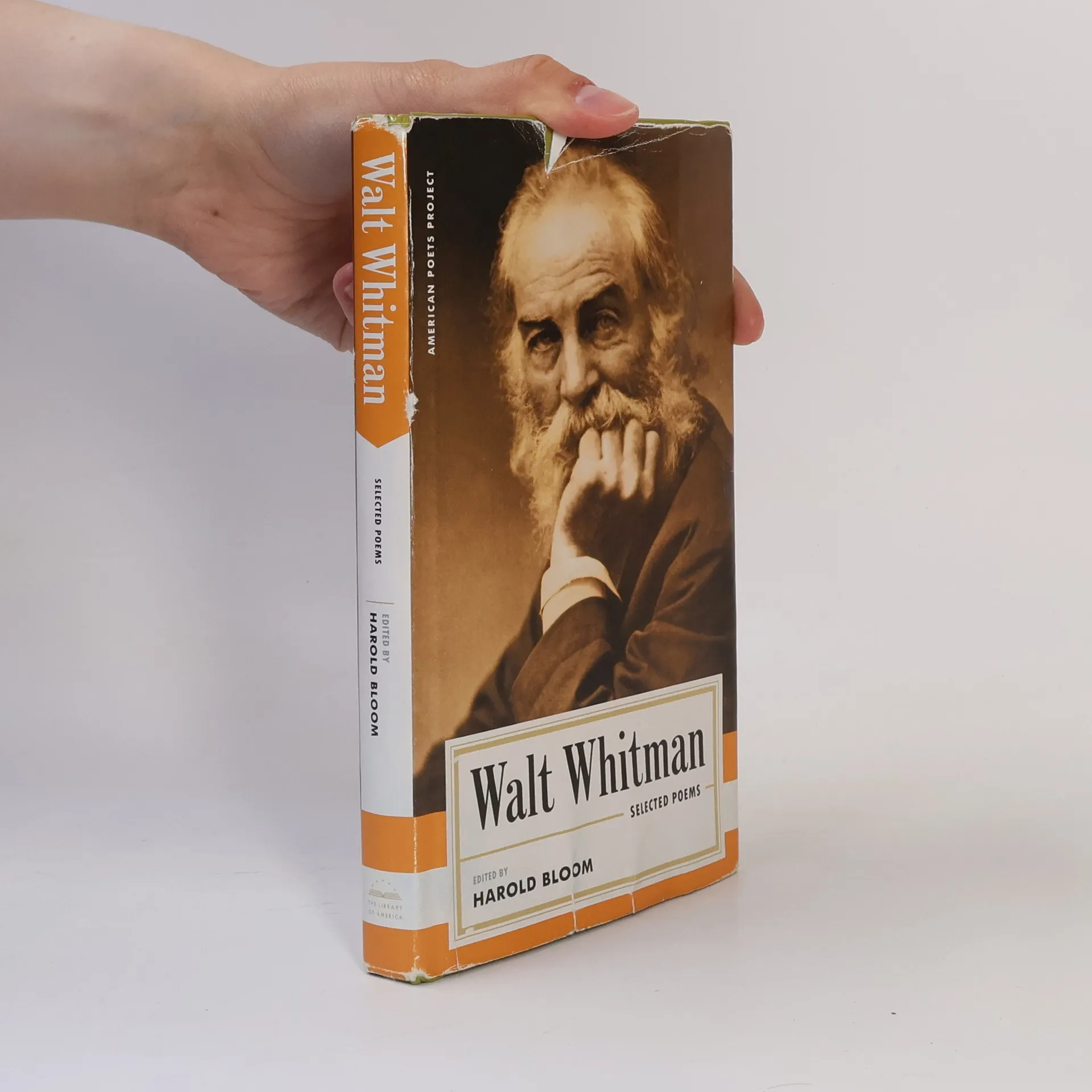
Harold Bloom, author of "The Western Canon" and one of the world's most renowned literary critics, surveys Walt Whitman's vast poetic work, from early notebook fragments of "Song of Myself" to the late poems of "Good-bye My Fancy."
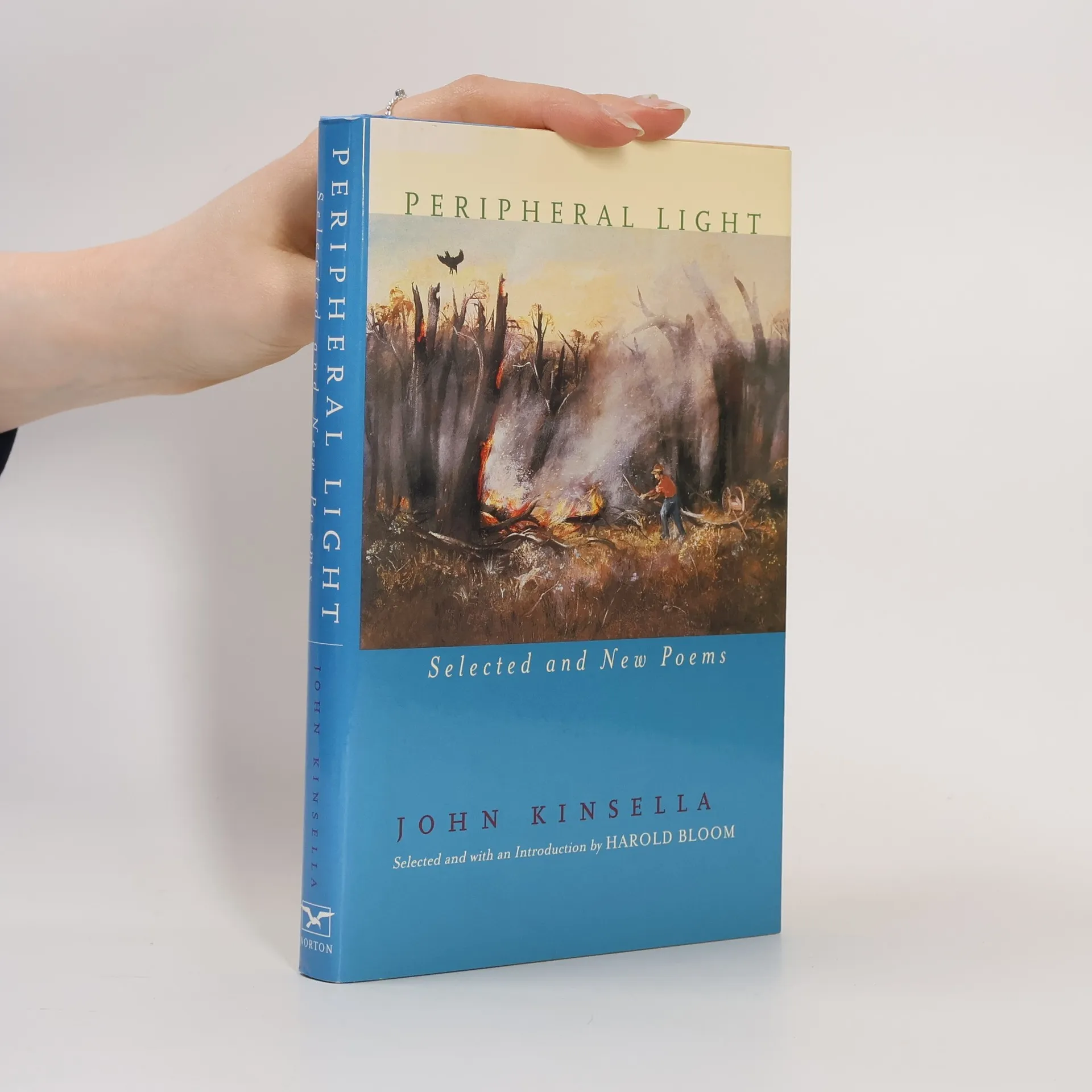
Harold Bloom has selected poems by Australian poet, John Kinsella, and provides an introduction to them.
Johann Wolfgang von Goethe
- 278bladzijden
- 10 uur lezen
-- Brings together the best criticism on the most widely read poets, novelists, and playwrights -- Presents complex critical portraits of the most influential writers in the English-speaking world -- from the English medievalists to contemporary writers Johann Wolfgang von Goethe was a monumental figure in 19th-century Germany, and his Faust stands among the finest works of Western literature.
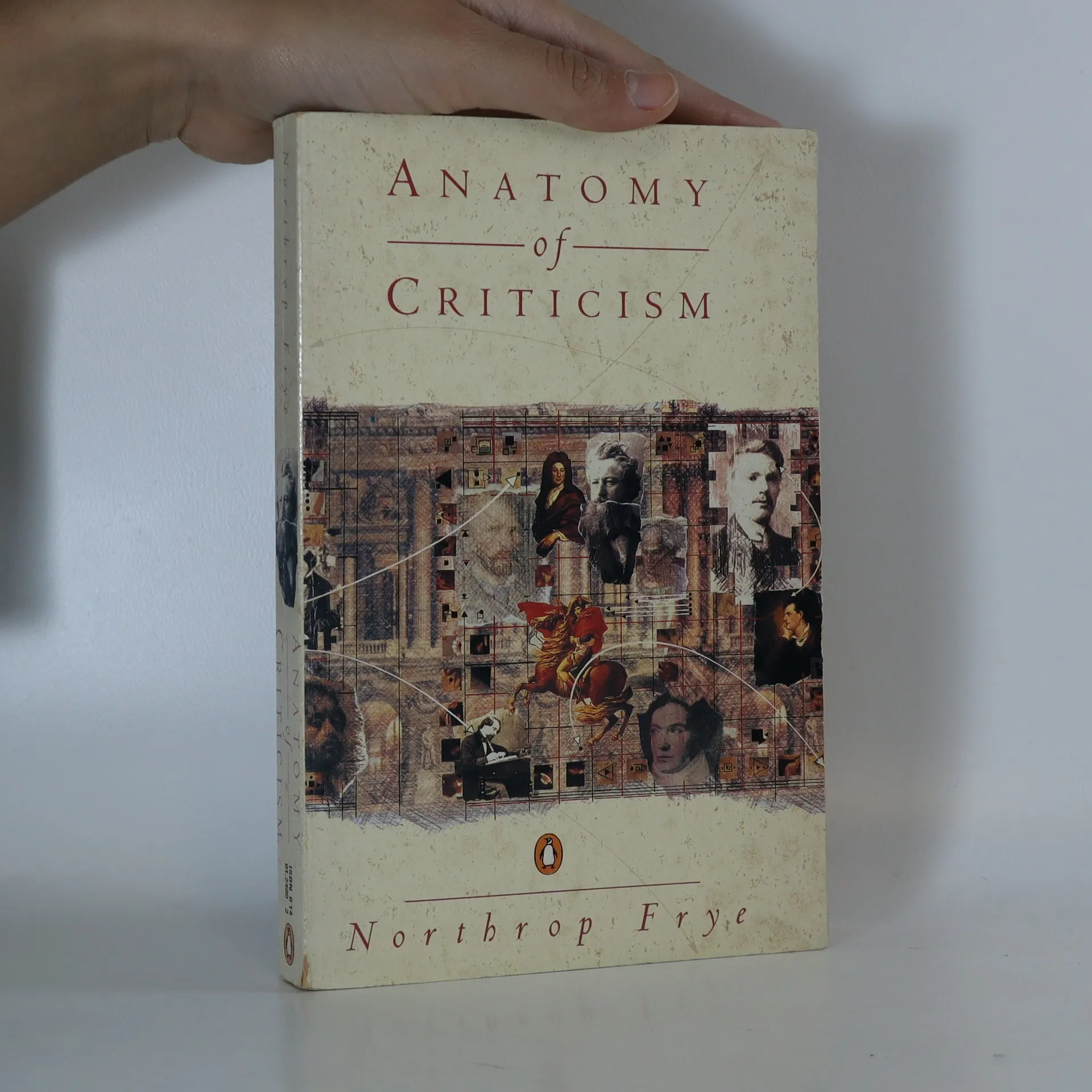
Anatomy of criticism
- 400bladzijden
- 14 uur lezen
Frye addresses what he sees as the four main approaches to criticism: the historical, the ethical, the archetypal and the theoretical. His text is considered a classic of modern literary criticism.
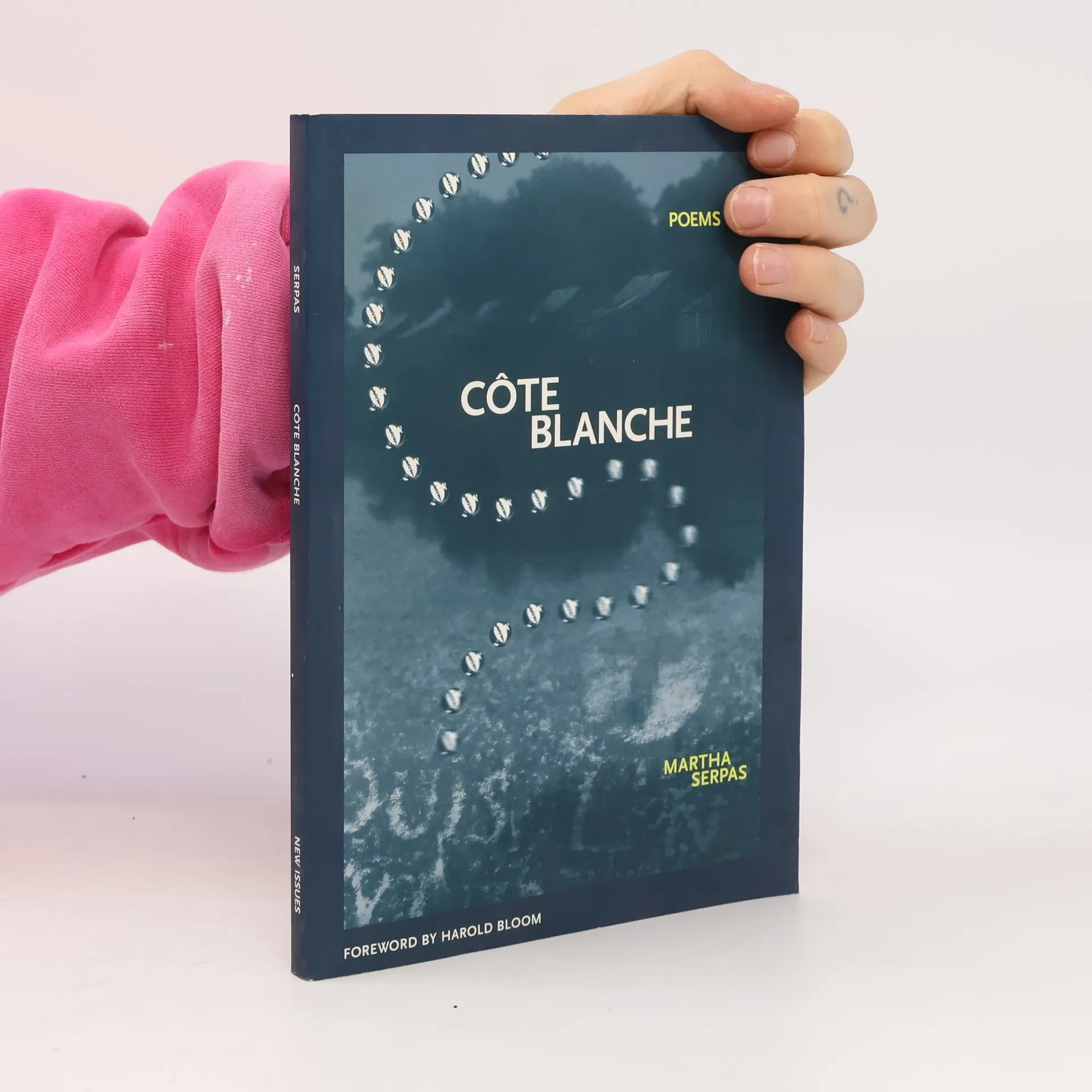
In this, her first book, Martha Serpas succeeds brilliantly in fulfilling the calculations of the alchemists, those great hermetic artists of medieval Europe. Côte Blanche deliberately and beautifully weds the secular to the divine in poems which, steeped in the Cajun landscape of Serpas’s Louisiana, prickle with exhilarating sensuality. Through its votive offerings to a God who is all too aware of the longings and aspirations of humankind,Côte Blanche becomes a testament to a new, personal belief that is simple yet breathtaking in its reach.
Stories and Poems for Extremely Intelligent Children of All Ages
- 576bladzijden
- 21 uur lezen
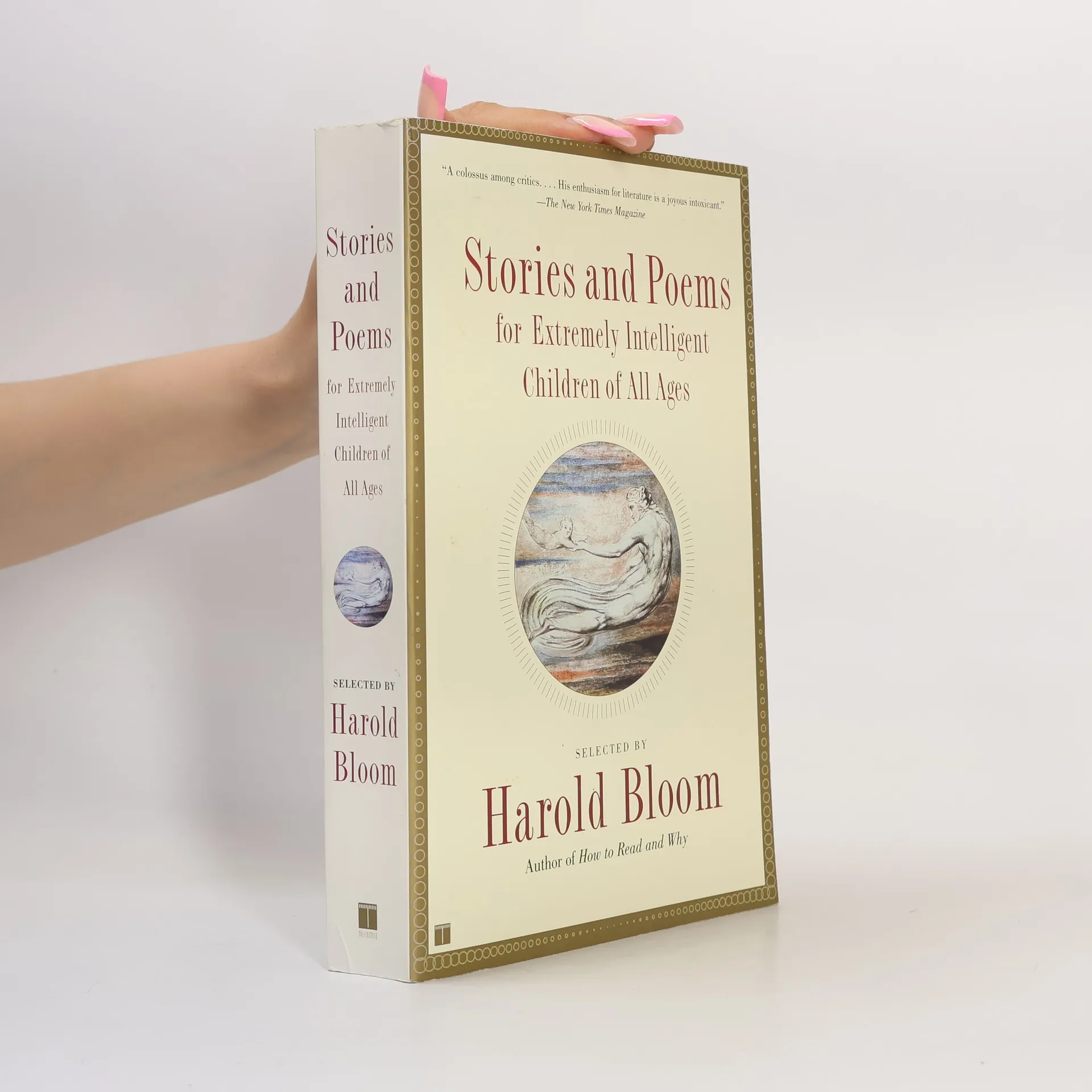
If readers are to come to Shakespeare and to Chekhov, to Henry James and to Jane Austen, then they are best prepared if they have read Lewis Carroll and Edward Lear, Robert Louis Stevenson and Rudyard Kipling, writes Harold Bloom in his introduction to this enchanting and much-needed anthology of exceptional stories and poems selected to inspire a lifelong love of reading. As television, video games, and the Internet threaten to distract young people from the solitary pleasures of reading, Bloom presents a volume that will amuse, challenge, and beguile readers with its myriad voices and subjects.Here are old favorites by beloved writers of children's literature, as well as exciting rediscoveries and wonderful works penned by writers better known for their adult classics, such as Herman Melville, Leo Tolstoy, Edith Wharton, and Walt Whitman. Encompassing the natural world and the supernatural; childhood, romance, and death; pets, wild animals, and goblins; mystery, adventure, and humor; the selections reflect the passion and erudition of our most revered literary critic. Arranged by season, Stories and Poems for Extremely Intelligent Children of All Ages is a must-have anthology, sure to delight readers young and old for years to come.
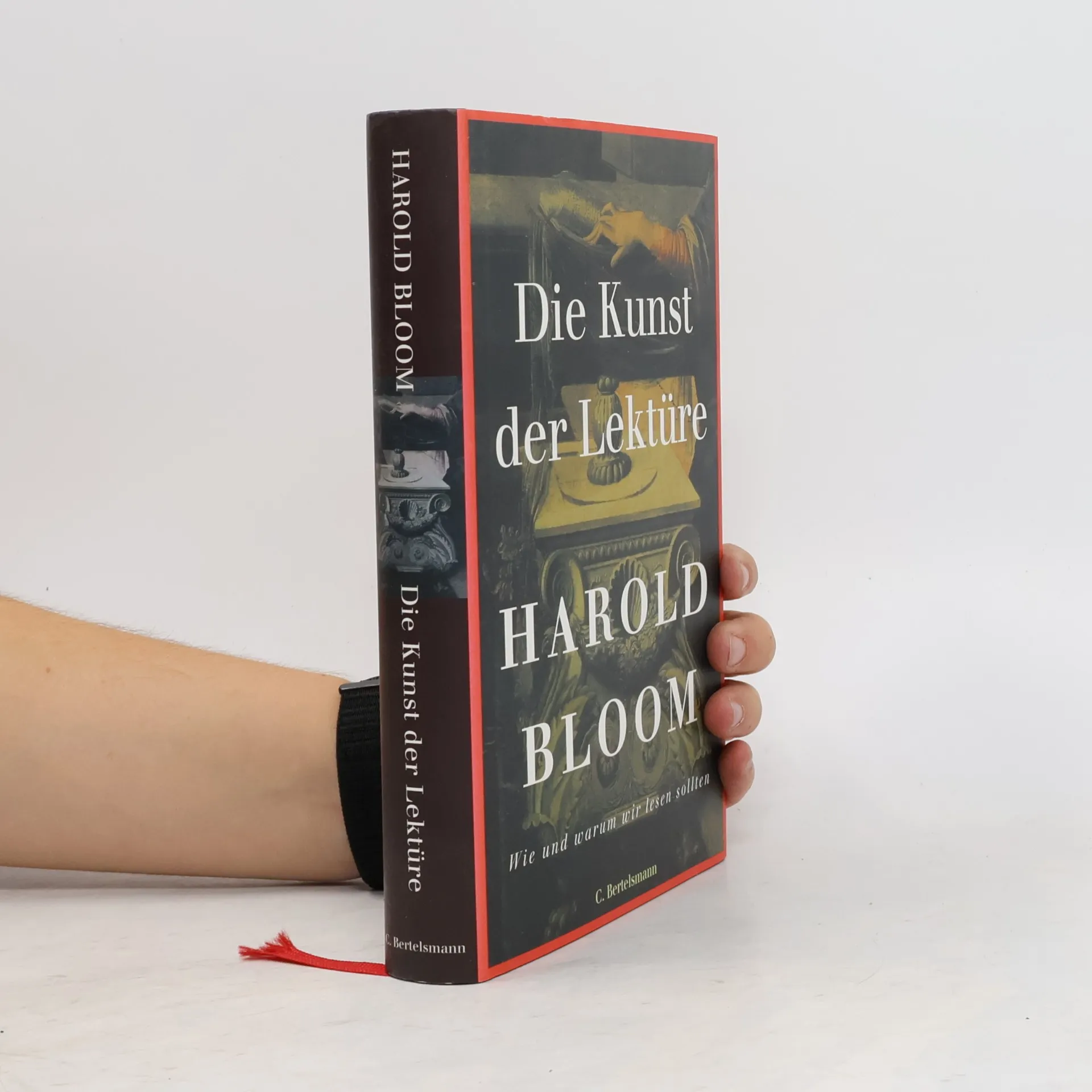
Die Kunst der Lektüre
- 313bladzijden
- 11 uur lezen
Diese Einführung in die 'Kunst des Lesens' ist nicht an theoretischen Einsichten orientiert, sondern an den konkreten Leseerfahrungen des Autors, eines US-amerikanischen Literaturwissenschaftlers. Das Buch lädt ein zu Streifzügen durch die abendländische und die US-amerikanische Literaturgeschichte, mit Schwerpunkt auf dem 19. und 20. Jahrhundert. Dabei werden immer nur ein, zwei Texte eines Autors aufgegriffen, knapp, lebendig und geistreich interpretiert und zugleich als sujektives Leseerlebnis nachvollziehbar gemacht. Der Autor will in ähnlicher Weise zum Lesen verführen, wie dies zuletzt Rolf Vollmann 1997 so glänzend gelang ('Die wunderbaren Falschmünzer': BA 6/97), Empfehlung als gute Ergänzung zu Vollmanns Werk in größeren Bibliotheken. (2).
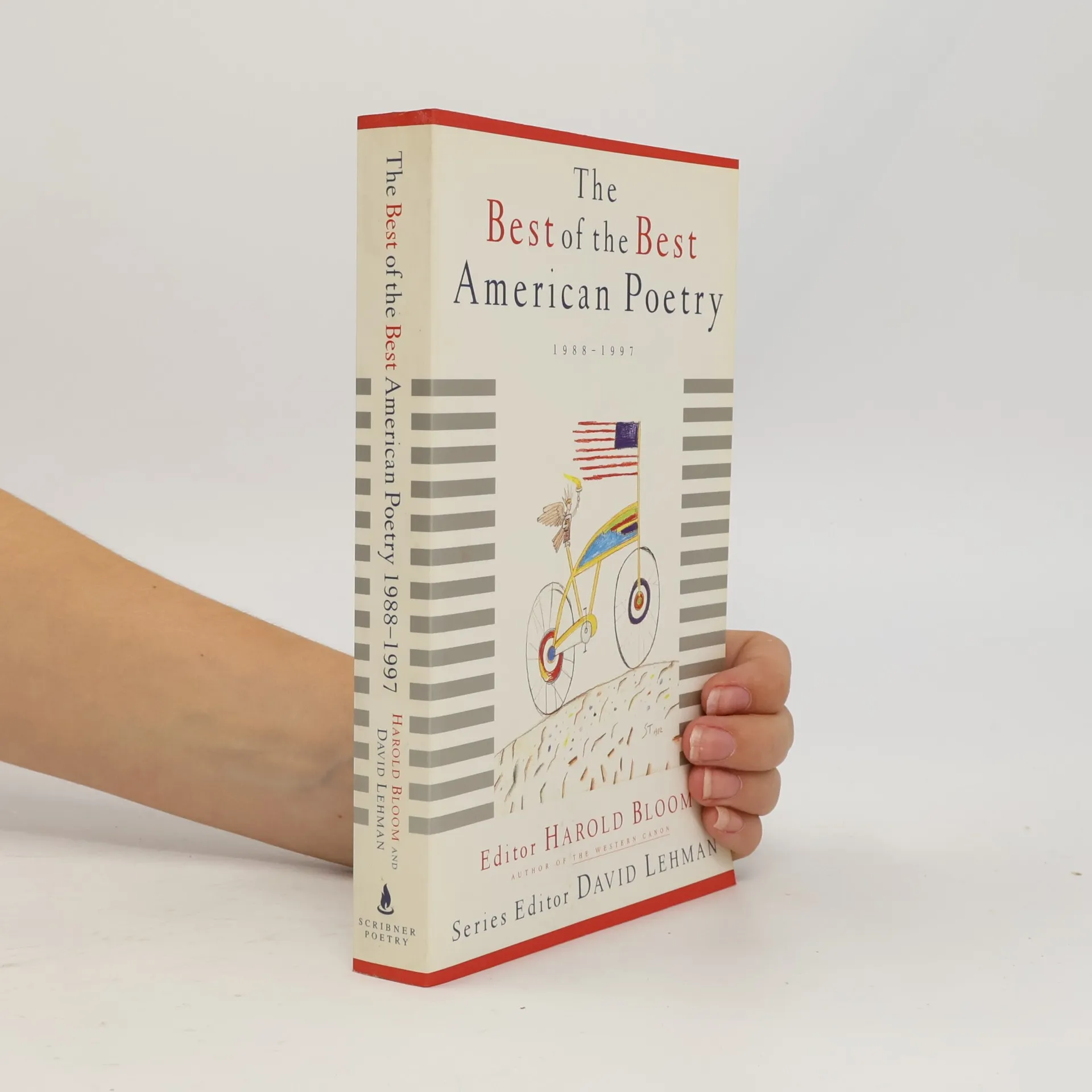
Scribner Poetry: The Best of the Best American Poetry 1988-1997
- 384bladzijden
- 14 uur lezen
An anthology of contemporary poets presents works that reflect the diversity in American poetry over the past ten years.
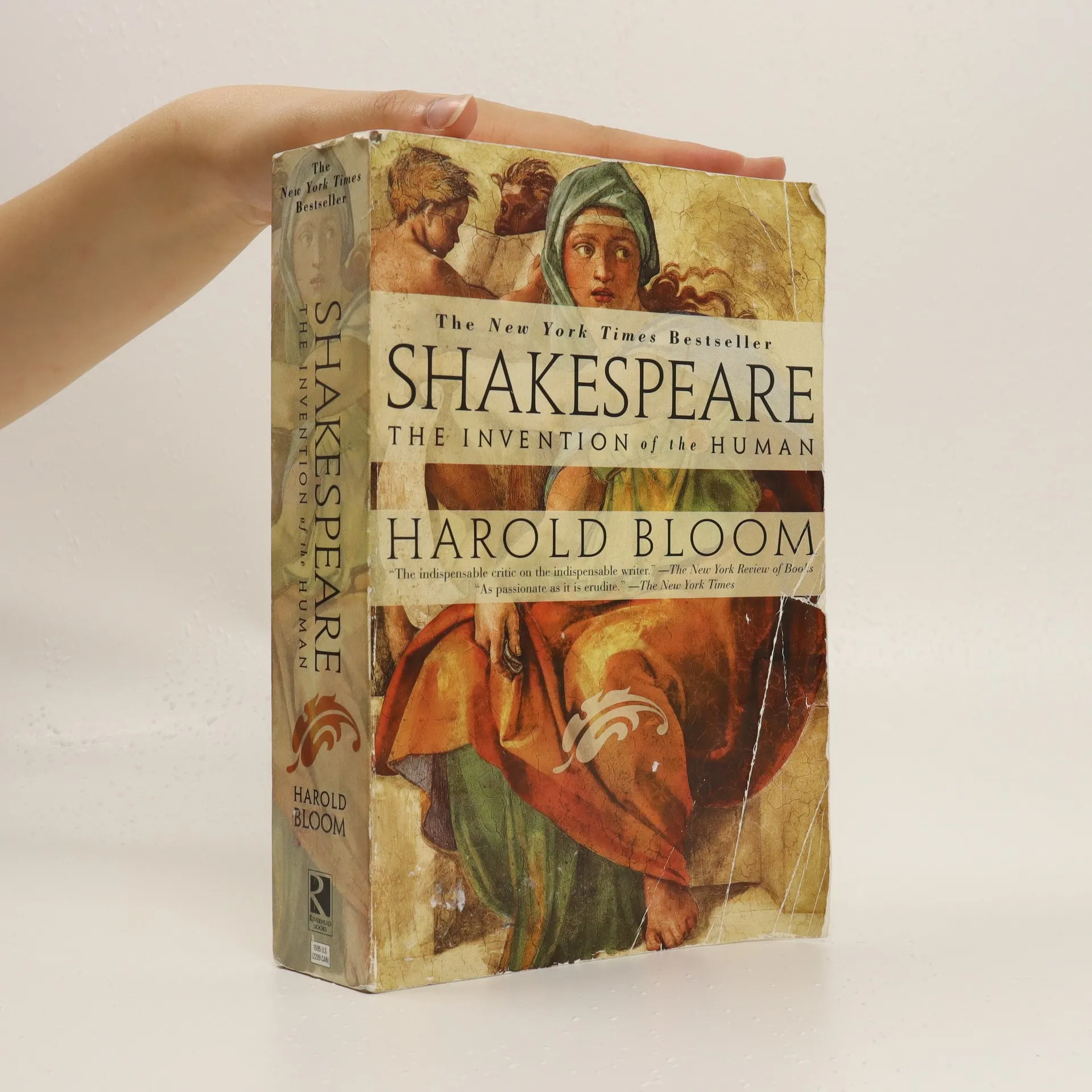
"The indispensable critic on the indispensable writer." -Geoffrey O'Brien, New York Review of Books. A landmark achievement as expansive, erudite, and passionate as its renowned author, Shakespeare: The Invention of the Human is the culmination of a lifetime of reading, writing about, and teaching Shakespeare. Preeminent literary critic-and ultimate authority on the western literary tradition-Harold Bloom leads us through a comprehensive reading of every one of the dramatist's plays, brilliantly illuminating each work with unrivaled warmth, wit and insight. At the same time, Bloom presents one of the boldest theses of Shakespearean scholarships: that Shakespeare not only invented the English language, but also created human nature as we know it today.
Edition Suhrkamp: Eine Topographie des Fehllesens
- 280bladzijden
- 10 uur lezen
The book remains a central work of criticism for all students of literature.
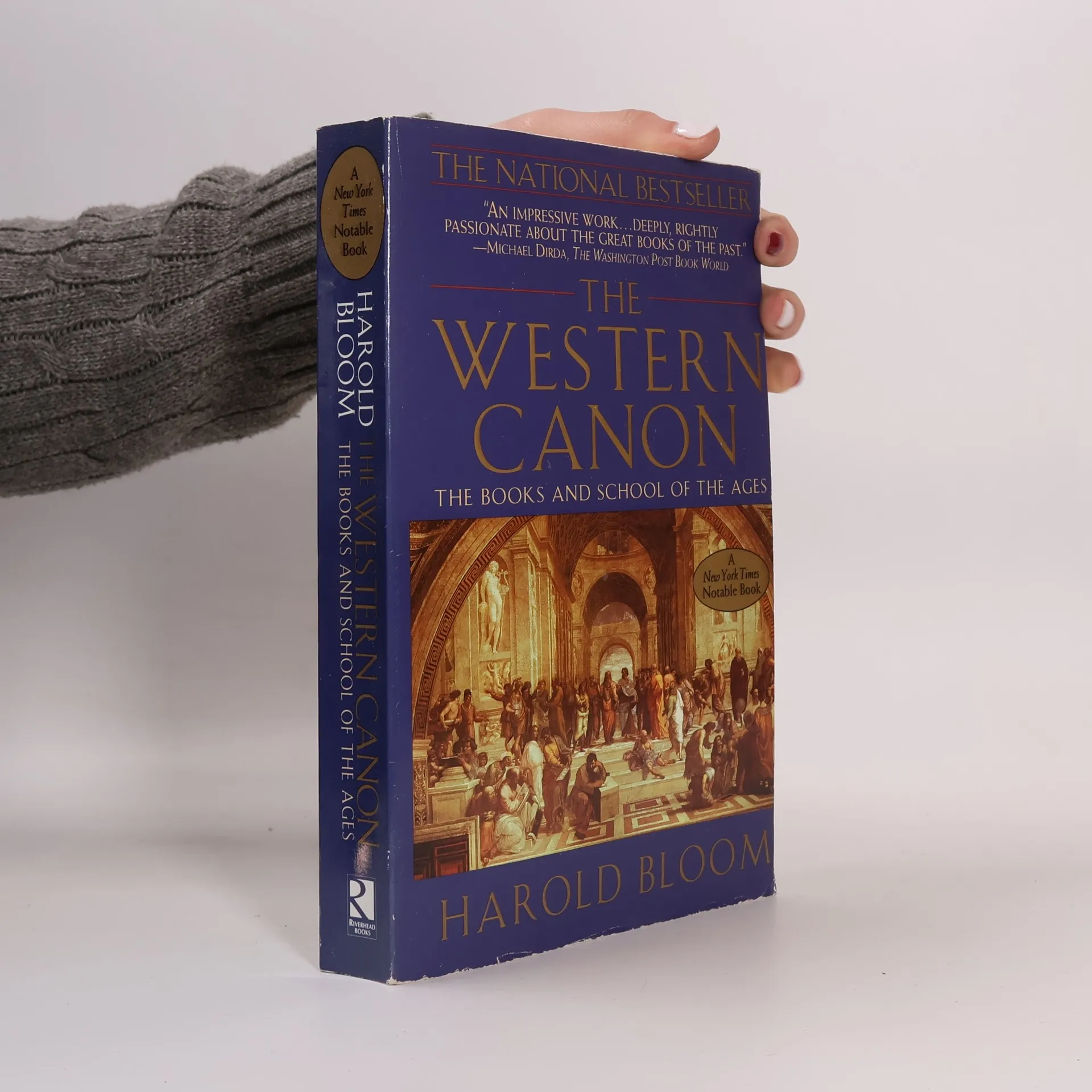
Literary critic Harold Bloom's The Western Canon is more than a required reading list—it is a vision. Infused with a love of learning, compelling in its arguments for a unifying written culture, it argues brilliantly against the politicization of literature and presents a guide to the great works of the western literary tradition and essential writers of the ages. The Western Canon was nominated for the National Book Critics Circle Award.
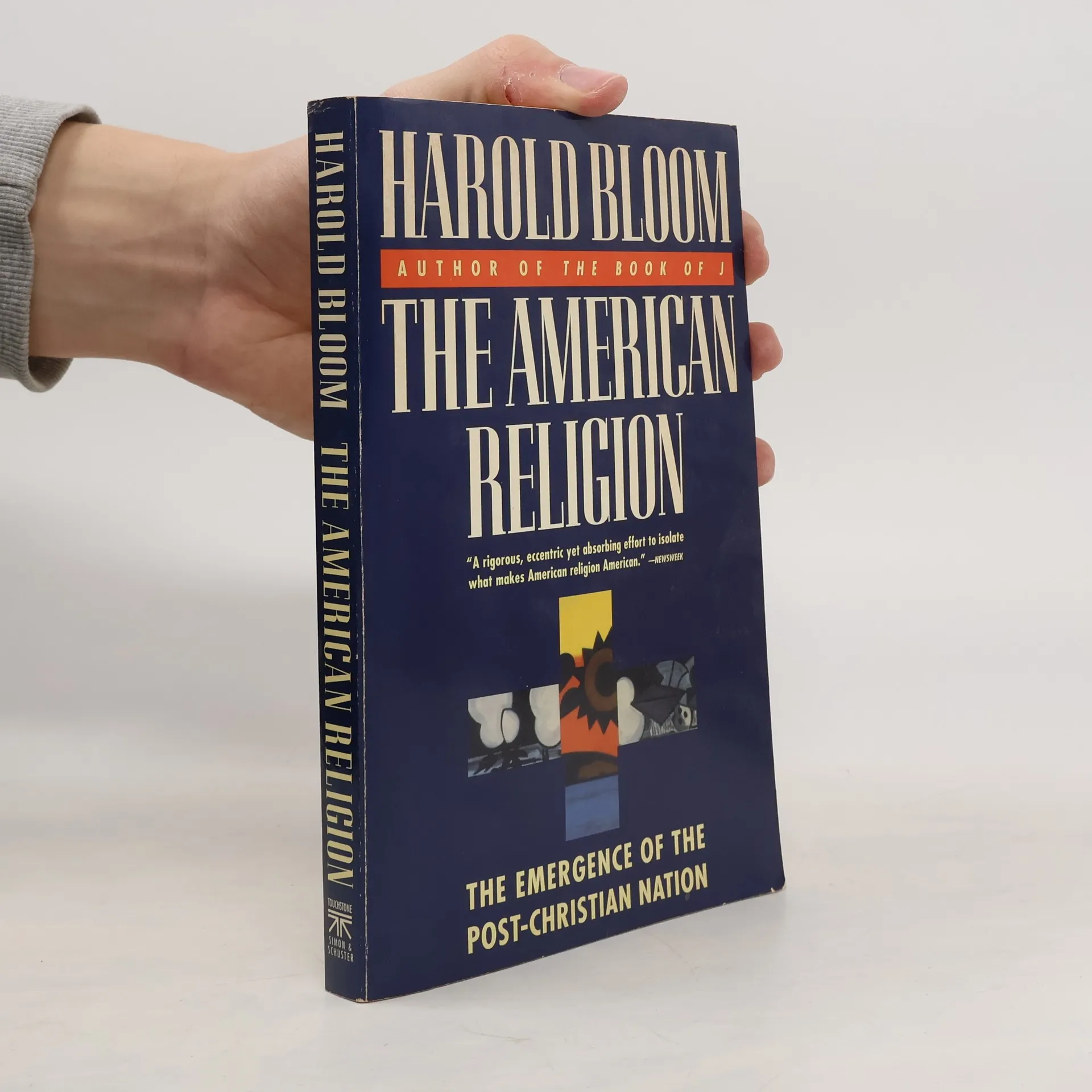
The author of The Book of J analyzes the American religious imagination to produce this brilliant examination of a national soul. His consensus: America is a nation of Gnostics, believers in a pre-Christian tradition of individual divinity.
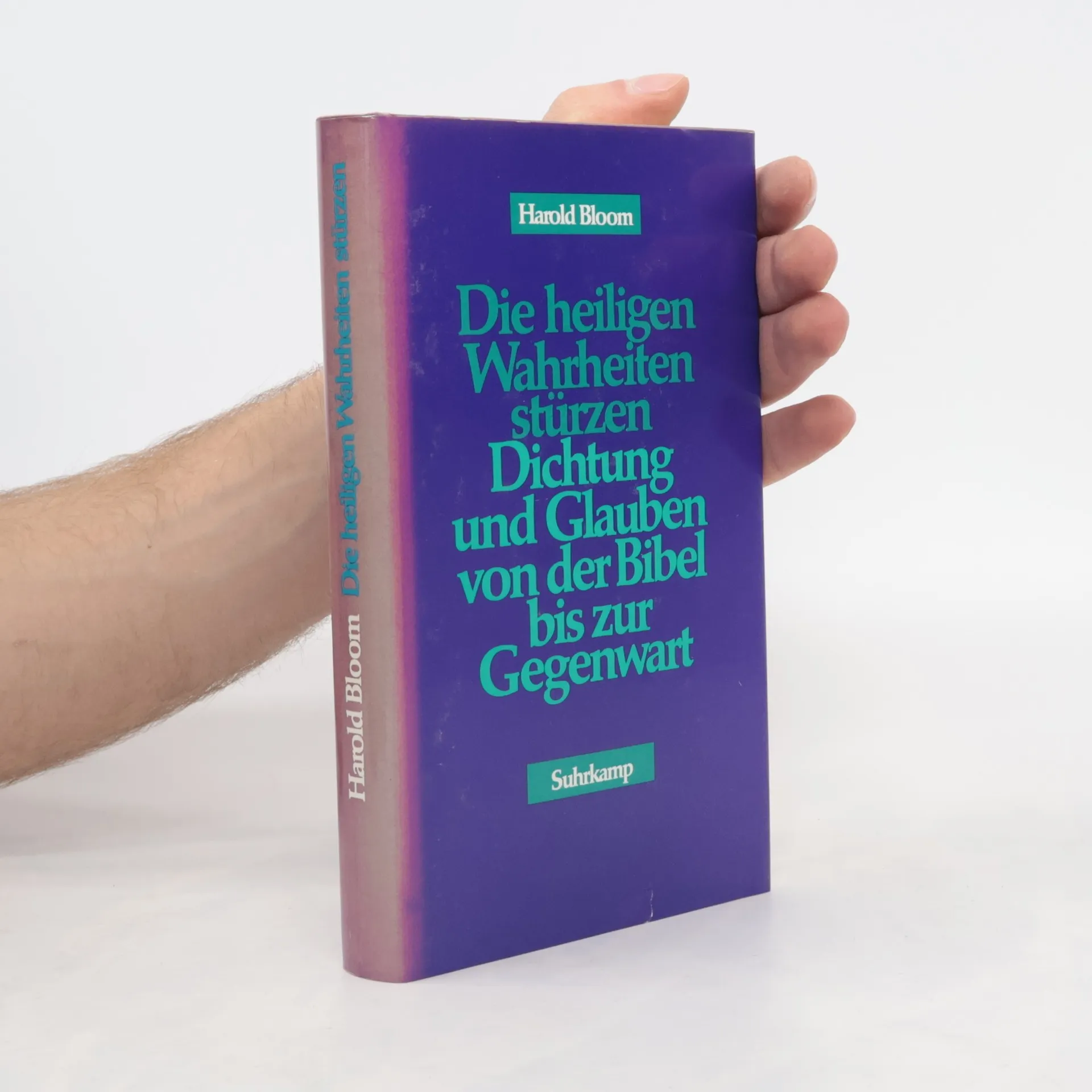
Die Heiligen Wahrheiten stürzen. Dichtung und Glauben von der Bibel bis zur Gegenwart.
- 207bladzijden
- 8 uur lezen
Alice Walker
- 245bladzijden
- 9 uur lezen
Gathers critical essays representing literary discussions about Alice Walker and her work, including essays on some of her specific works, Walker's relationship to other authors, and her treatment of gender and race themes.
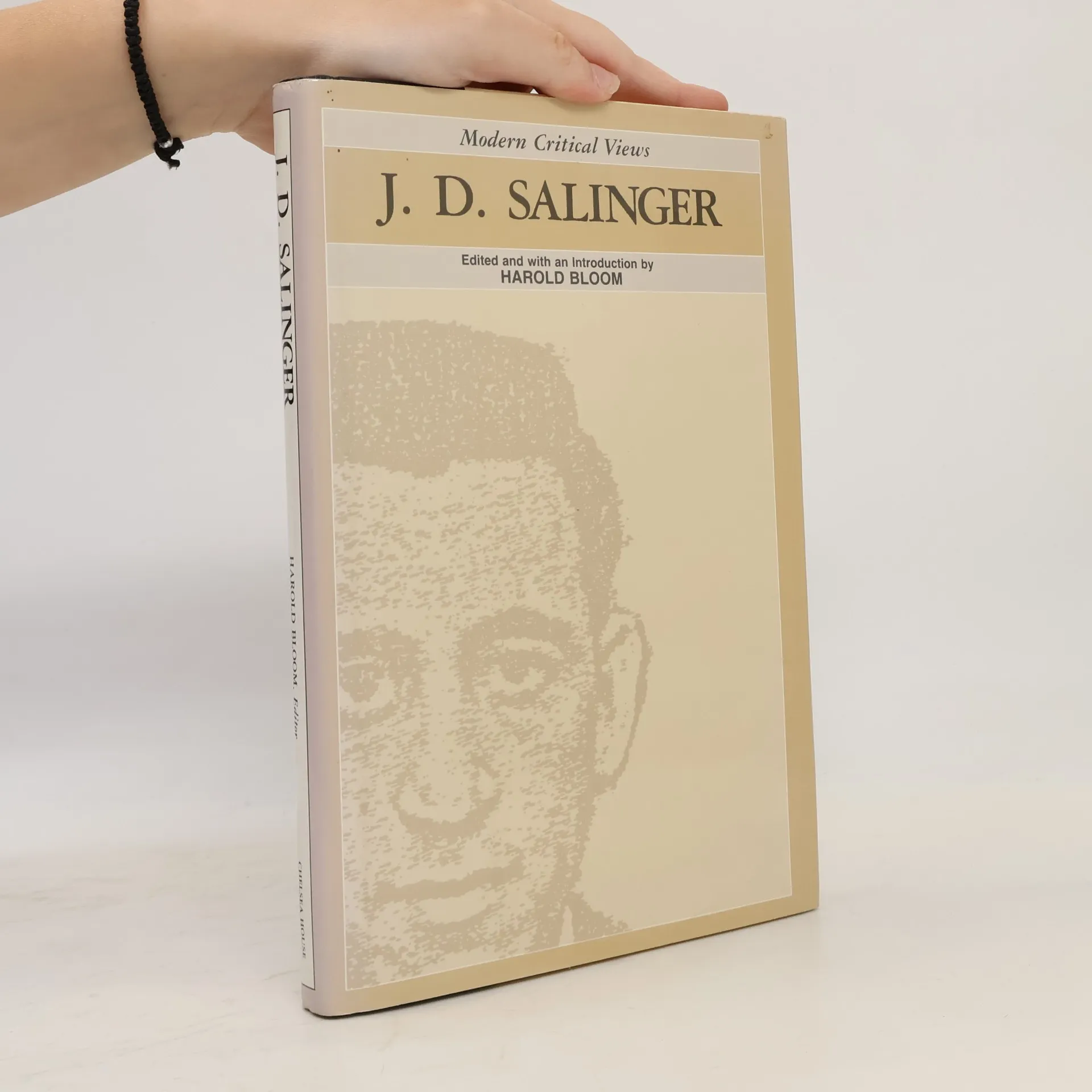
J.D. Salinger
- 147bladzijden
- 6 uur lezen
A collection of essays about the works of the American author.
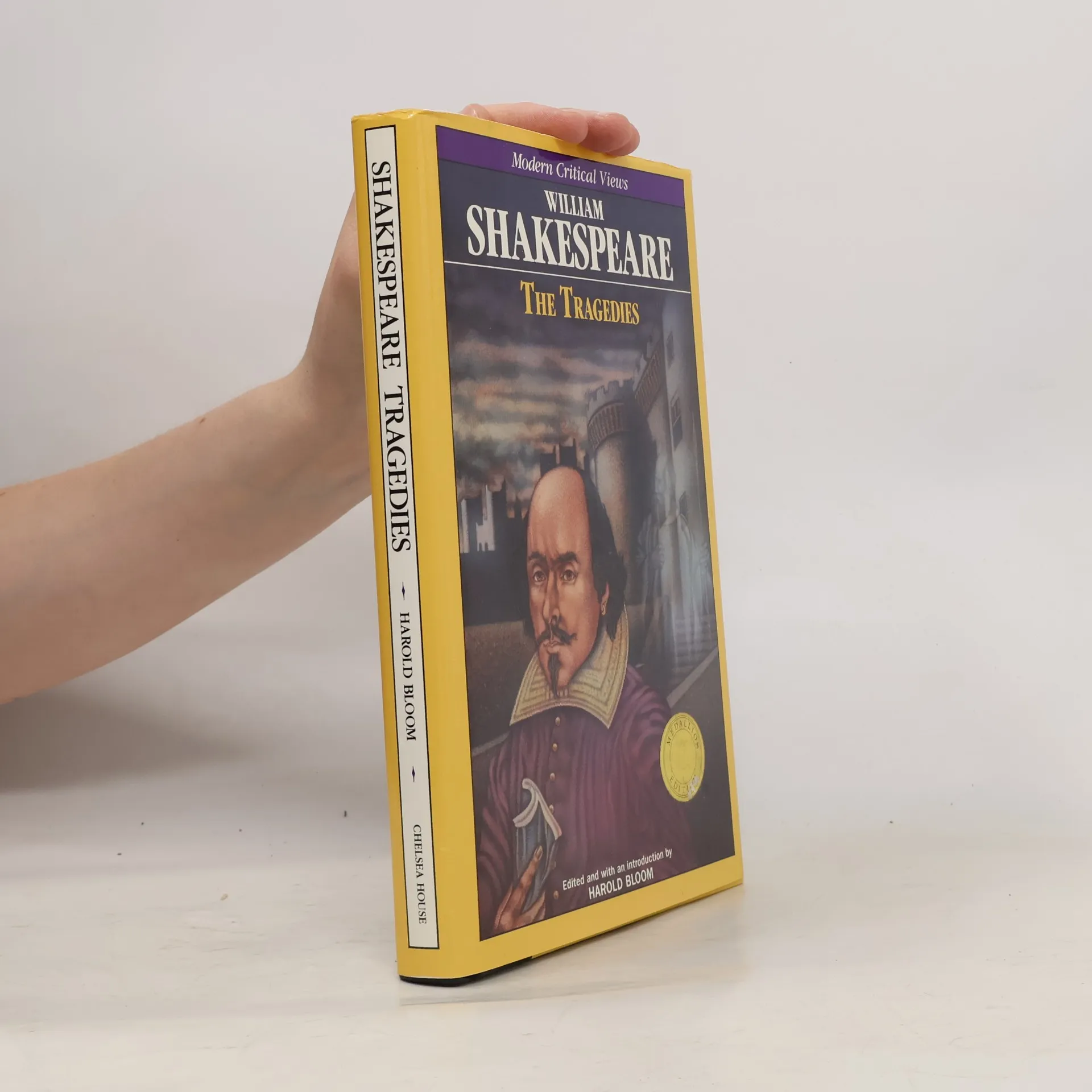
Critical essays analyze King Lear, Romeo and Juliet, Othello, Macbeth, and Coriolanus, and discuss Shakespeare's use of irony and imagery
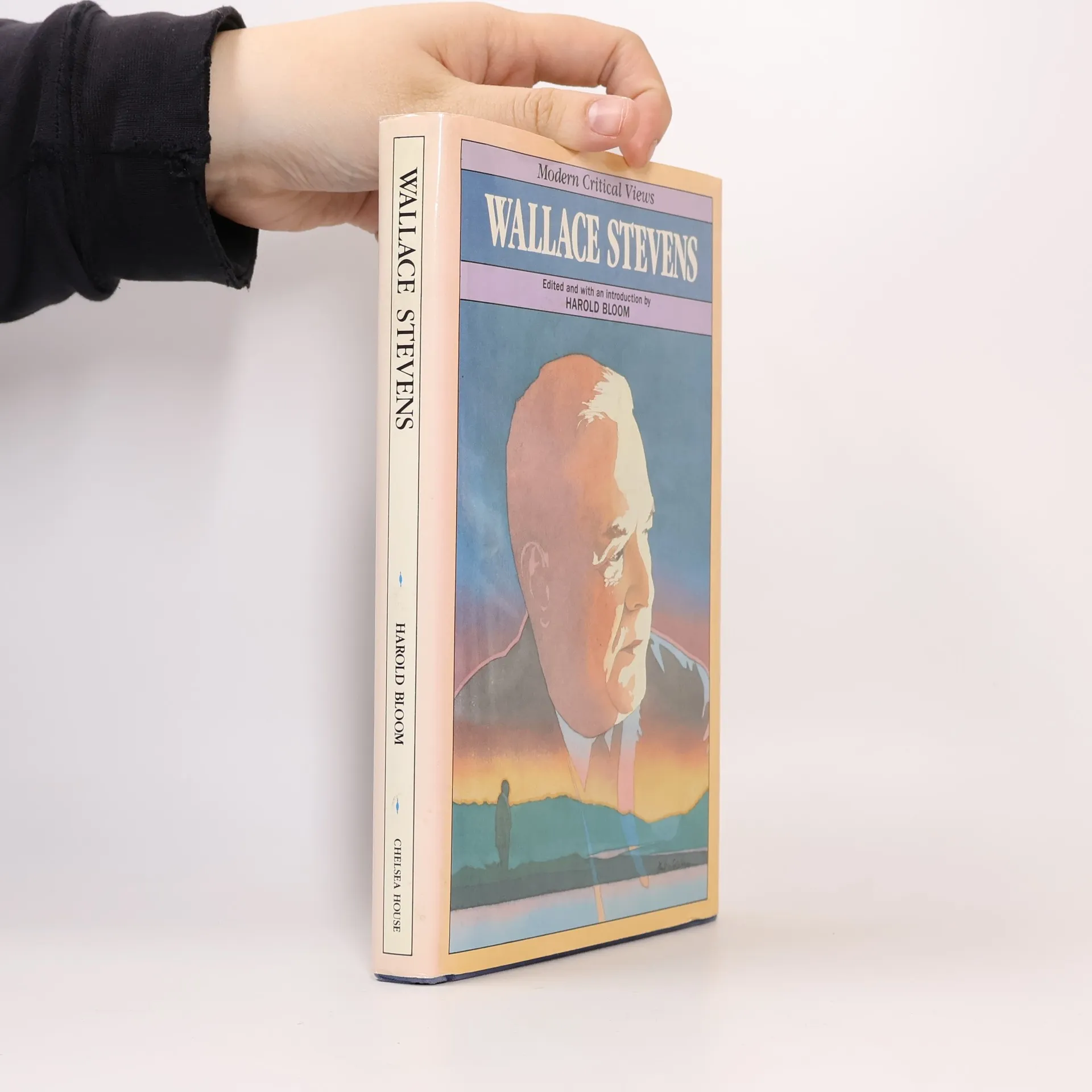
Bloom's Modern Critical Views: Wallace Stevens
- 196bladzijden
- 7 uur lezen
Wallace Stevens established himself as a preeminent person in American letters. He is said to have elucidated the path toward the supreme fiction. Learn more about Stevens with this edition of Bloom's Major Poets. This series covers history’s greatest poets with expert analysis by Harold Bloom and other critics, offering a wealth of information on the poets and their works that are most commonly read in high schools, colleges, and universities.
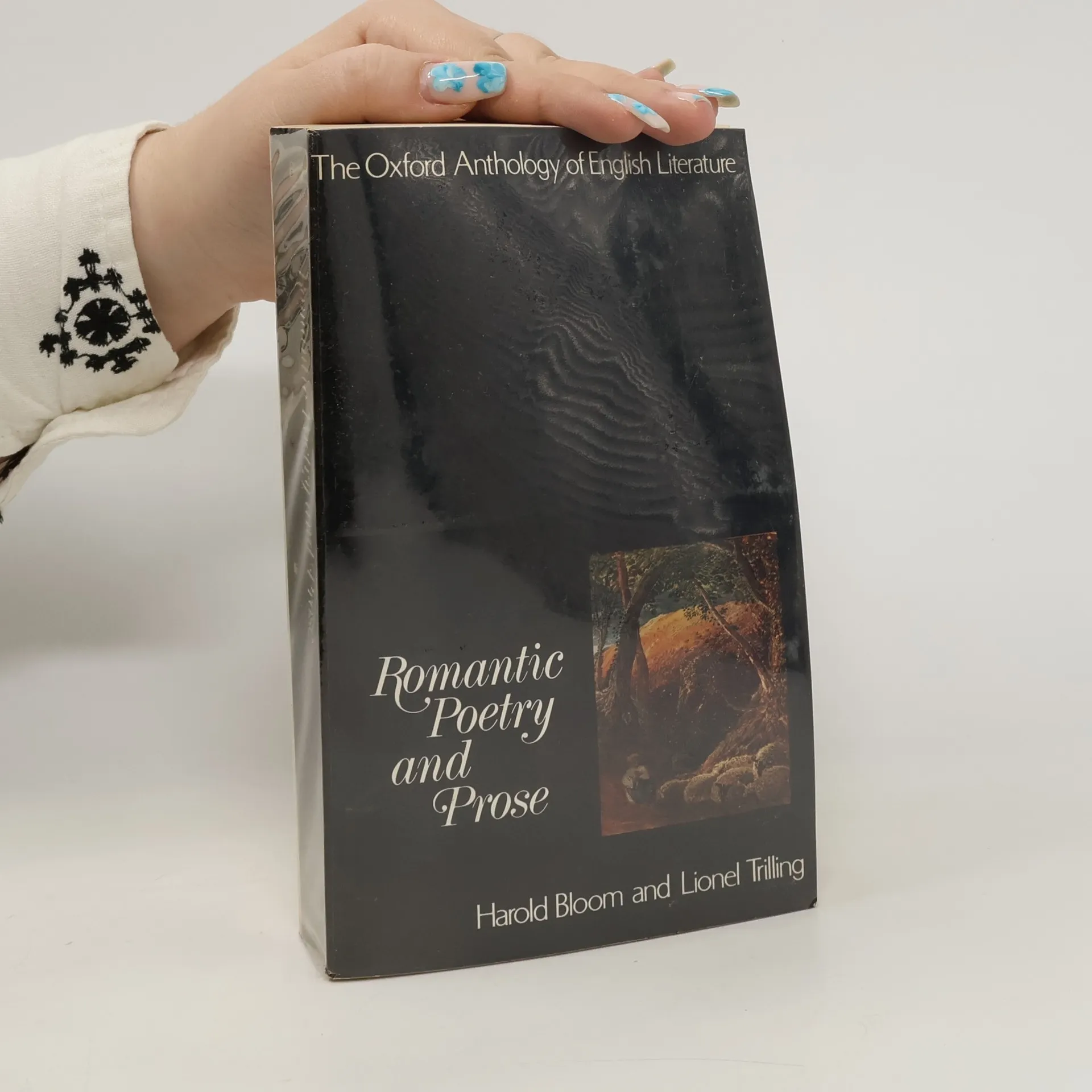
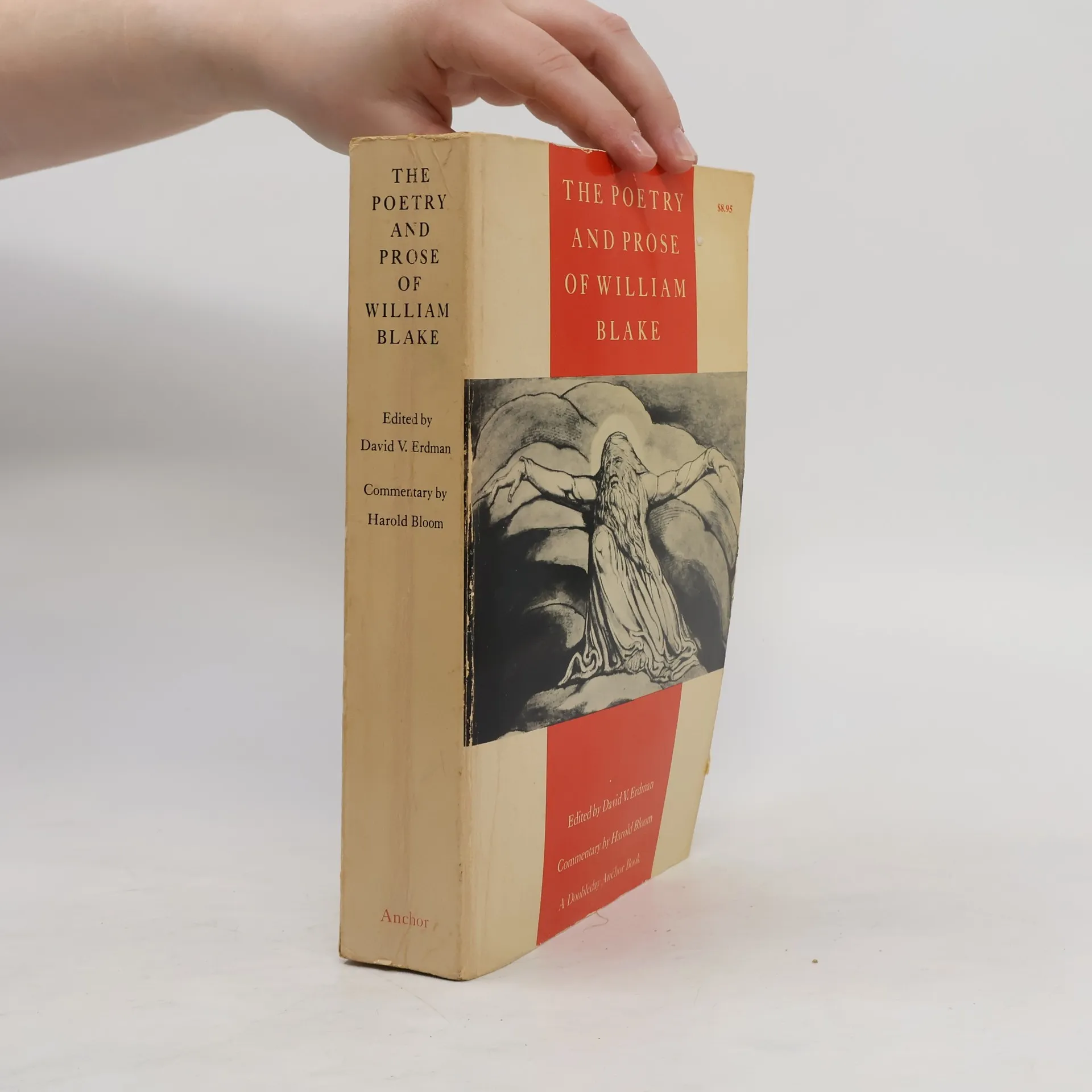
This volume devotes over 100 pages to William Blake, including The Book of Thel and the entire "Night the Ninth" from The Four Zoas, as well as excerpts from Milton and Jerusalem. It also includes poems and prose by Wordsworth, Coleridge, Keats, Shelley, and Byron.