Werner Herzog Volgorde van de boeken (chronologisch)
Werner Herzog is een filmmaker wiens werken zich vaak verdiepen in het rijk van onmogelijke dromen en zonderlinge talenten. Geassocieerd met de Nieuwe Duitse Film-beweging, worden zijn films gekenmerkt door een kenmerkende verkenning van de menselijke conditie. Herzog onderzoekt de grenzen van ambitie en obsessie, vaak tegen de achtergrond van onvergeeflijke landschappen. Zijn filmische benadering daagt kijkers uit om de waarde van streven te overwegen tegen de achtergrond van overweldigende tegenspoed.



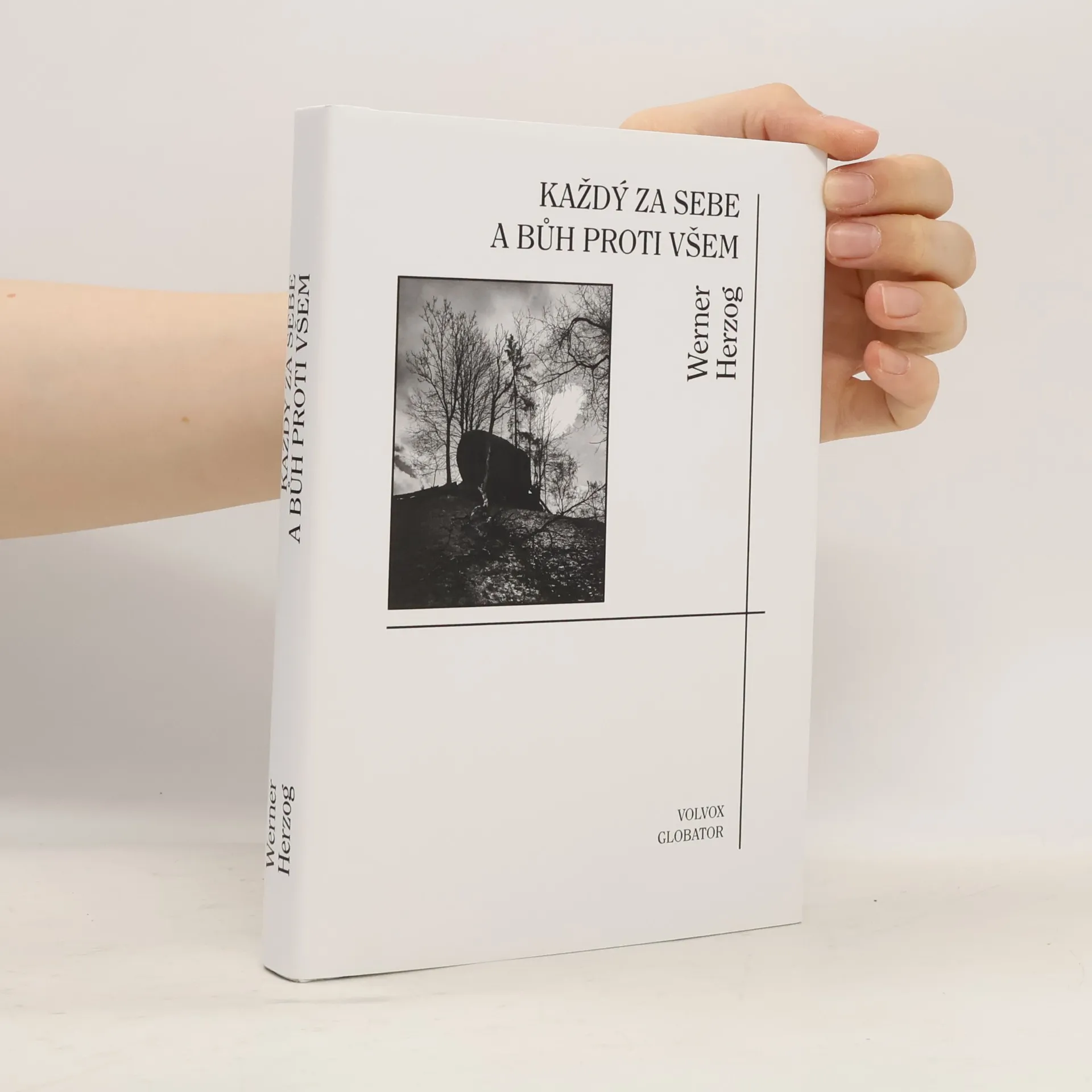
Každý za sebe a Bůh proti všem
- 308bladzijden
- 11 uur lezen
Paměti Wernera Herzoga líčí v 36 krátkých pasážích scény a obrazy z neuvěřitelně bohatého autorova života, doplněné jeho krátkými úvahami. Zachycují život v rozpětí jednoho století, který by se nevešel ani do jednoho z jeho slavných filmů. Mladý, věčně hladový Herzog, s nímž matka uprchla z rozbombardovaného Mnichova do chudičké vsi v Alpách, vyroste v mladíka toulajícího se osaměle světem, na něhož záhy číhá v nejzazších končinách Egypta v horečkách smrt. Je to nadšenec a ctižádostí poháněný individualista, který uprostřed džungle tiše rozmlouvá s rozběsněným Klausem Kinským a rozpláče se u smrtelného lože přítele Bruce Chatwina. Ať už mluví o situacích během natáčení, jež občas ohrožují i životy ostatních, nebo o svém vztahu s Kinským, vždy jsou ve hře riziko a silné emoce. Tato kniha plná nespoutané touhy po životě a údivu nad naším nádherným světem je skutečnou literární událostí.
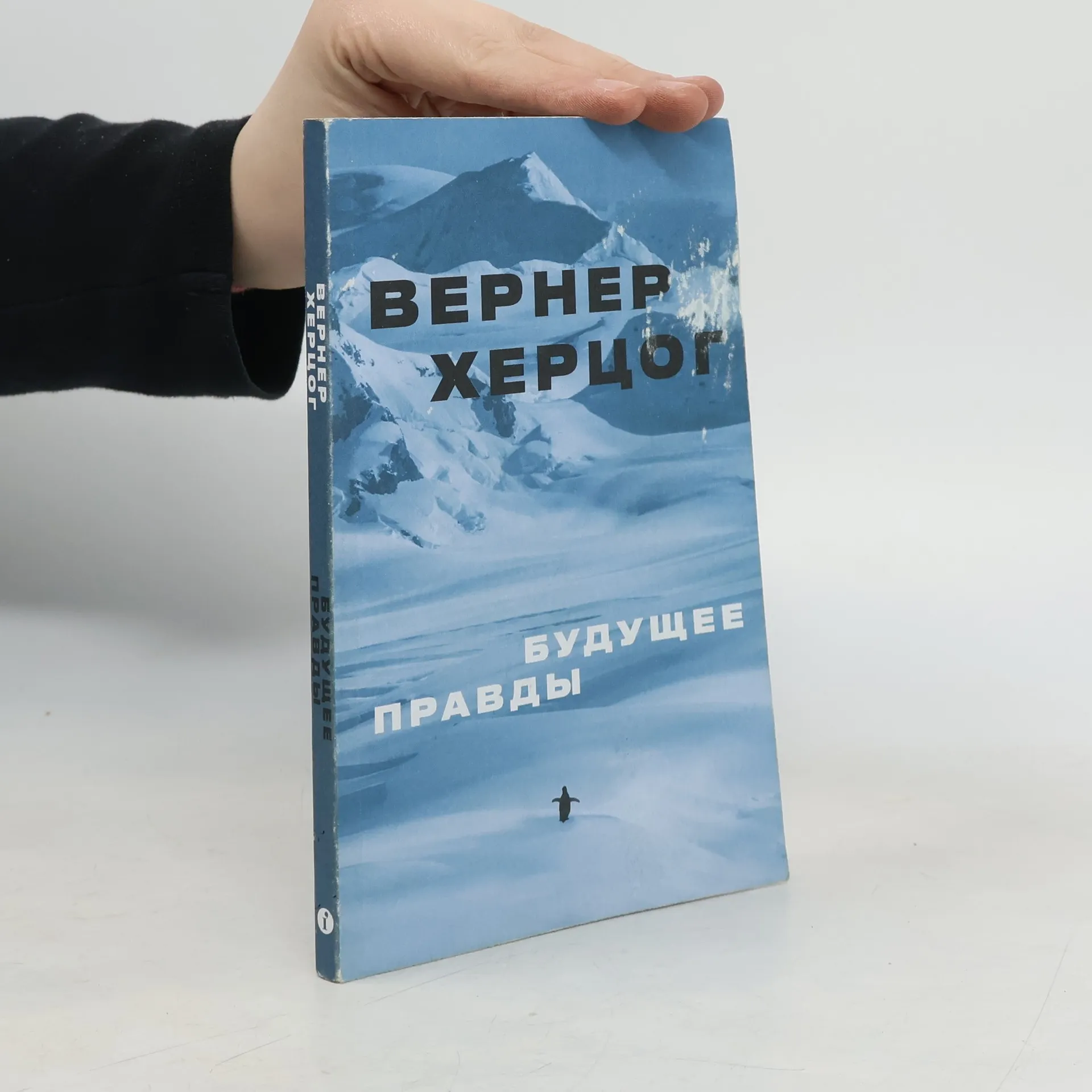
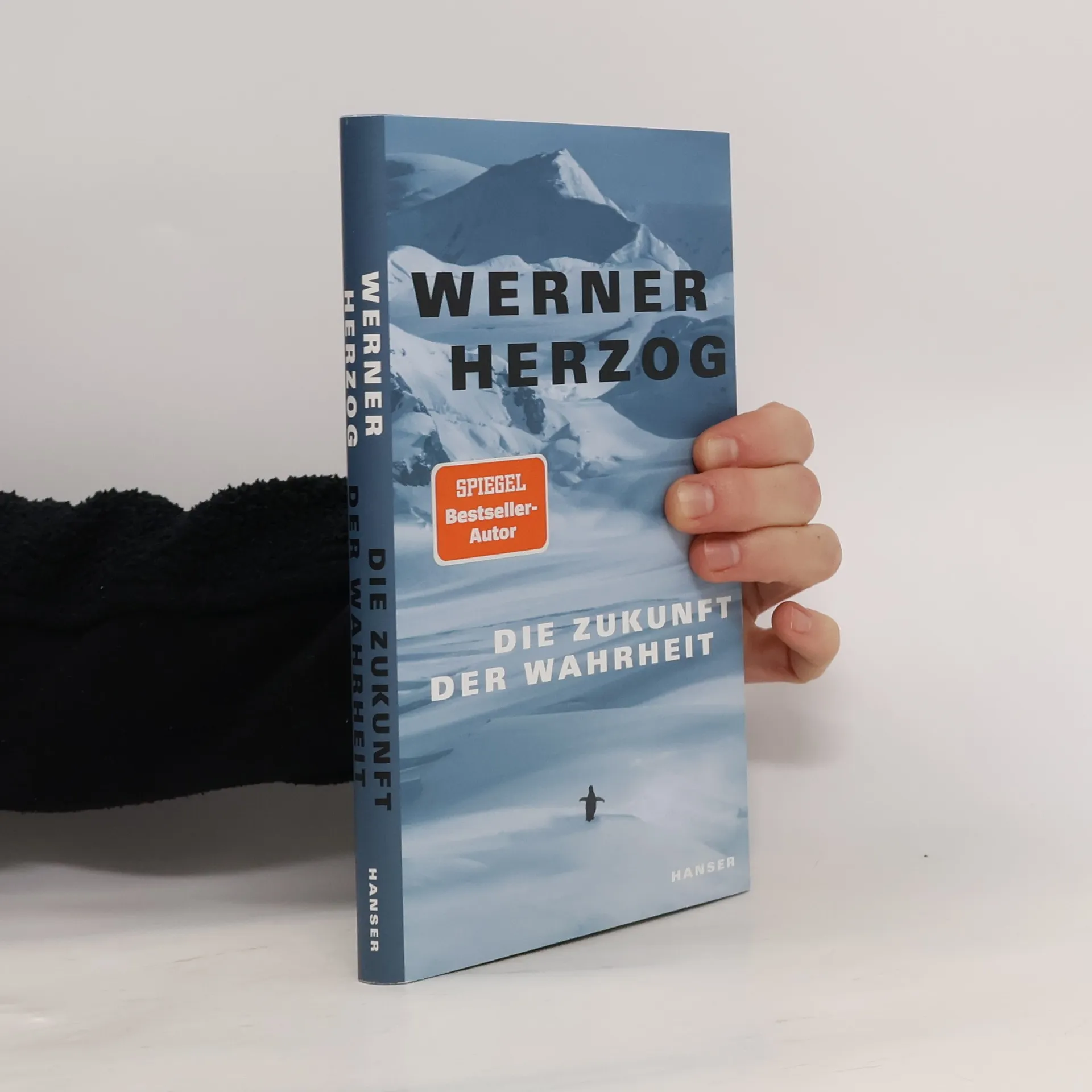
Die Zukunft der Wahrheit
- 112bladzijden
- 4 uur lezen
Ein Zwischenruf im Zeitalter der politischen Manipulation – auf der Suche nach der Wahrheit mit einem „phänomenalen Erzähler“ Washington Post Der große Erzähler Werner Herzog fragt nach der seltsamsten aller Erzählungen: der von der Wahrheit. Was ist wahr? In einer Welt, die durch Fake News, politische Manipulation und künstliche Intelligenz verunsichert ist, die auf kalte Fakten setzt und doch die Poesie und den Film erfunden hat, muss Wahrheit mehr als bloß stumpfe Empirie bedeuten. Von einem erfundenen Schlachtensieg des Pharao Ramses bis zum modernen Mythos der Entführung durch Außerirdische, von ekstatischen Momenten am Filmset bis zu seinen Begegnungen mit der Wirklichkeit durch tagelanges Gehen reiht Werner Herzog auf einmalige Weise faszinierende Überlegungen und Erinnerungen aneinander. Ein Buch für alle, die sich wundern können.
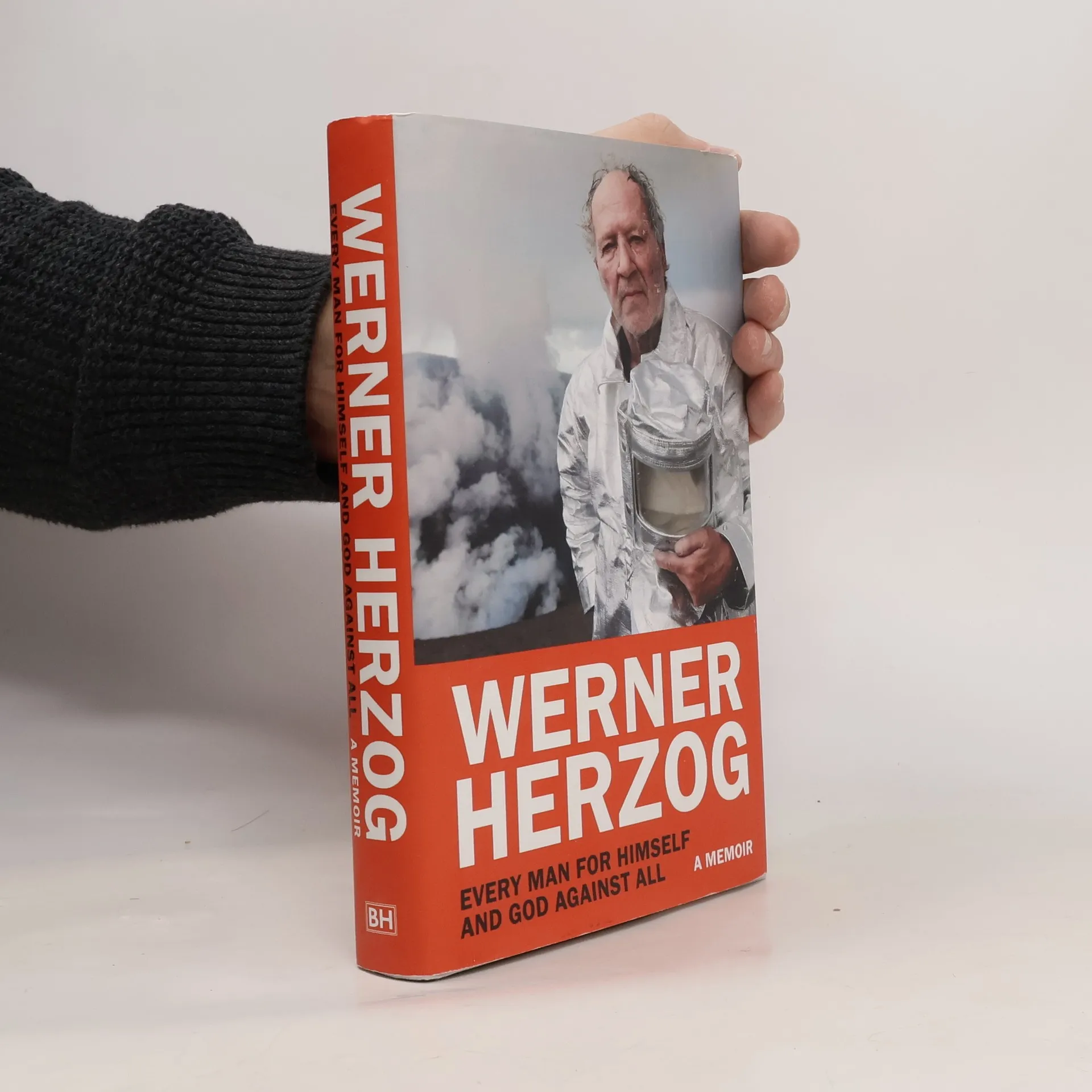
Every Man for Himself and God Against All
- 355bladzijden
- 13 uur lezen
The long-awaited memoir by the legendary filmmaker and celebrated author. Told in Werner Herzog's inimitable voice, this is the story of his epic artistic career, as inventive and daring as anything he has done before. Hauling a steamship over a mountain in the jungle; walking from Munich to Paris in the dead of winter; descending into an active volcano; living in the wilderness among grizzly bears - Werner Herzog has always been intrigued by extremes of human experience. Here, he illuminates the influences and ideas that have driven his creativity and shaped his unique worldview. Herzog's life matches the drama of his famous films: the boy growing up in poverty in a small village in the Alps after the Second World War; the teenager travelling the world in search of adventure that almost cost him his life; the director trying to calm his leading actor Klaus Kinski in the Amazonian jungle. And along the way, Herzog tells of ordinary people with extraordinary stories: rural labourers, circus acrobats, child soldiers. Every Man for Himself and God Against All is at once a personal record of one of the great self-invented lives of our time, and a masterpiece that will enthral fans old and new. In a hypnotic swirl of memory, Herzog untangles and relives his most important experiences and inspirations, telling his story for the first and only time.
Werner Herzog, a revered filmmaker, shares the extraordinary story of Hiroo Onoda, a Japanese soldier who defended a small Philippine island for twenty-nine years after World War II ended. In 1997, while in Tokyo to direct an opera, Herzog expressed a desire to meet Onoda, known for his quixotic defense of the island unaware that the war was over. Their hours-long conversation unraveled Onoda's remarkable journey. At the end of 1944, with Japanese troops withdrawing from Lubang Island, Lieutenant Onoda received orders to hold the island until the Imperial army's return, using guerilla tactics and never taking his own life. He retreated into the jungle, embarking on a campaign that turned weeks into months, months into years, and ultimately decades. Onoda adhered to his orders, surviving first with fellow soldiers and then alone, becoming one with the jungle. Time seemed to dissolve as he continued his mission. In this work, Herzog immortalizes Onoda's absurd yet epic struggle, blending documentary, poetry, and dreamlike narrative. The result is akin to a modern-day Robinson Crusoe, reflecting on the purpose and meaning we assign to our lives.
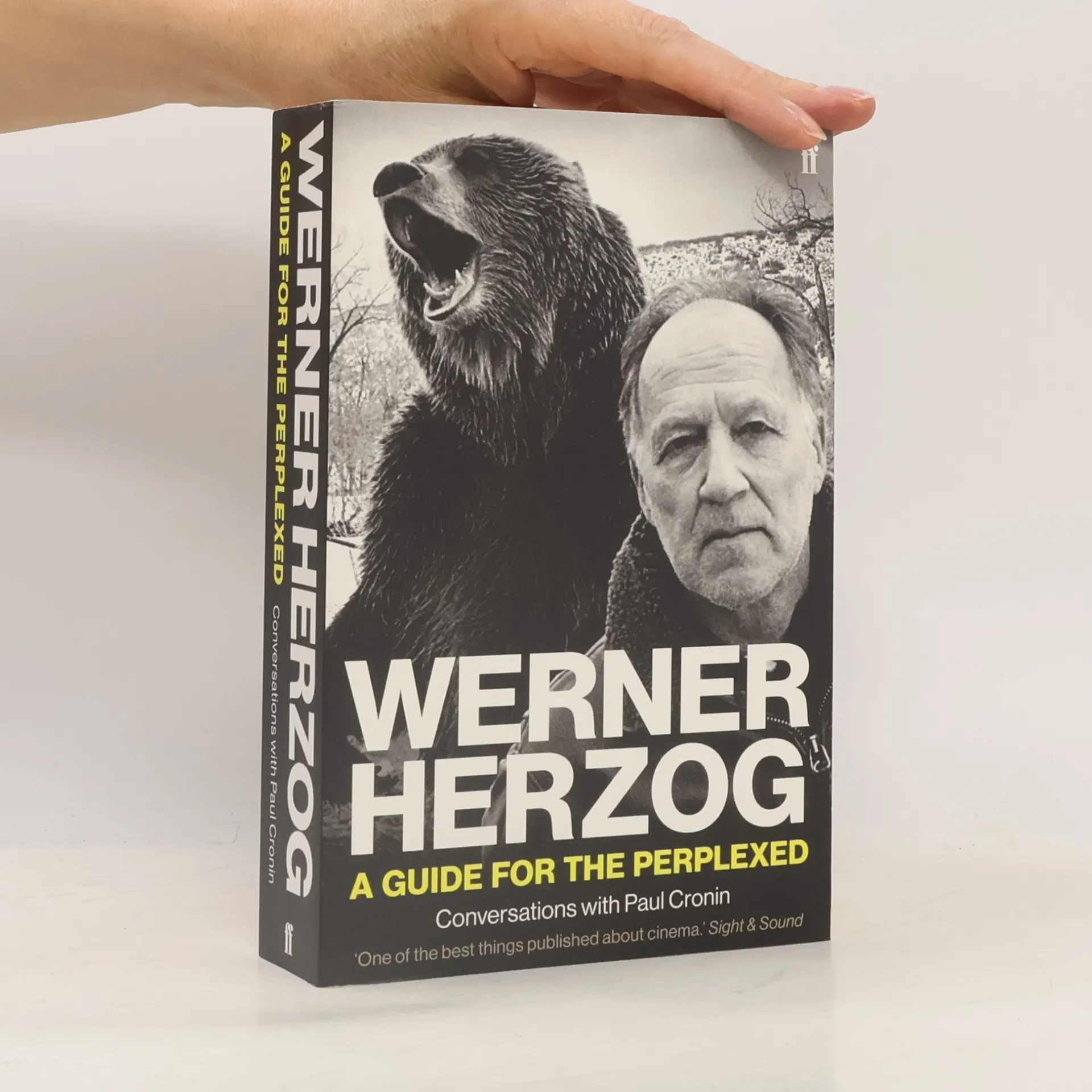
A Guide for the Perplexed
- 592bladzijden
- 21 uur lezen
'One of the best things published about cinema.' Sight & Sound Herzog was once hailed by Francois Truffaut as the most important director alive. Famous for his frequent collaborations with mercurial actor Klaus Kinski - including the epics Aguirre, the Wrath of God and Fitzcarraldo, and the terrifying Nosferatu - and more recently with documentaries such as Grizzly Man, Cave of Forgotten Dreams and Into the Abyss, Herzog has built a body of work that is one of the most vital in post-war German cinema. Here, he reflects on his legendary and inspiring career.
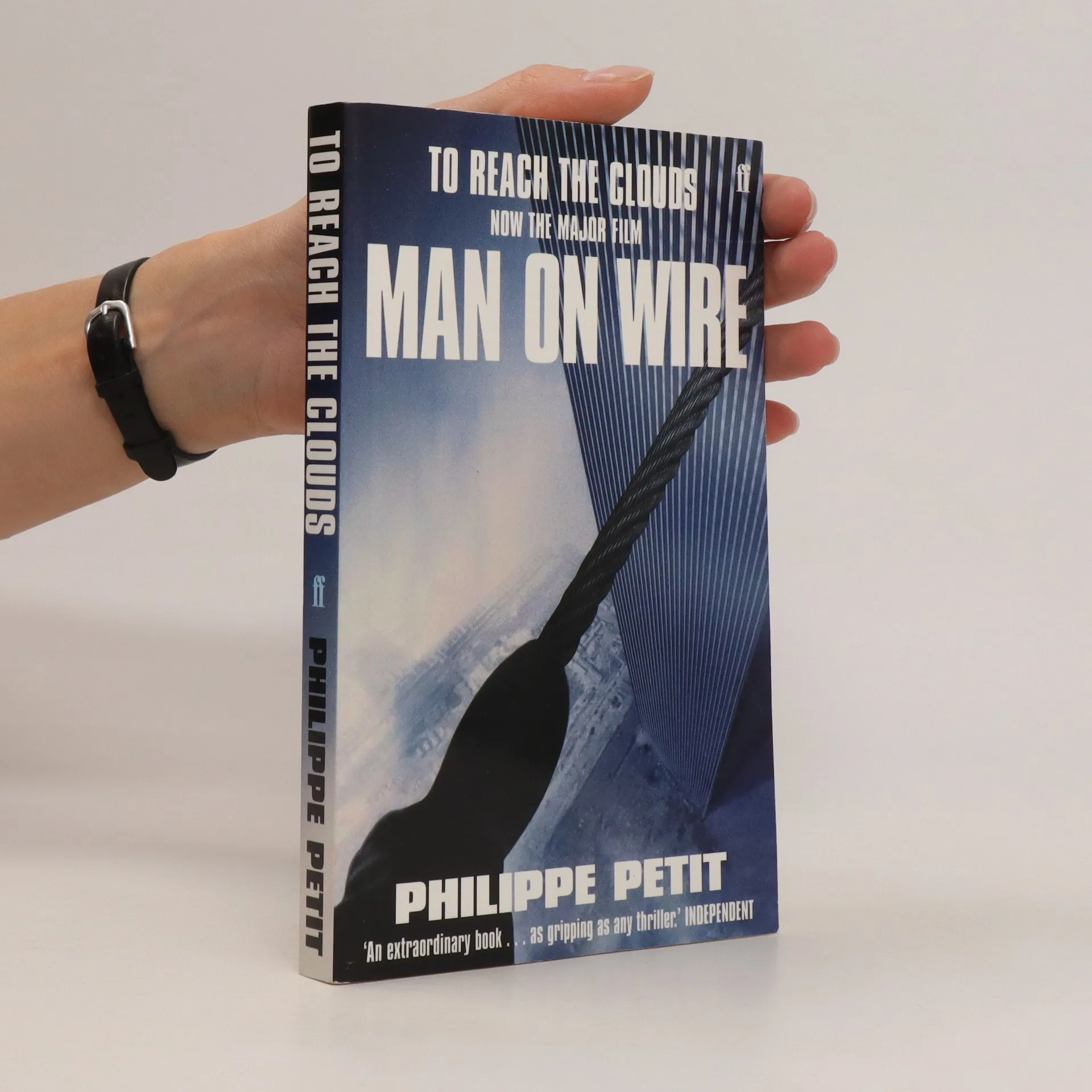
To Reach the Clouds - Man on Wire
- 227bladzijden
- 8 uur lezen
In this book Philippe Petit re-creates a six-year quest to realise his dream, in adventure as thrilling as the walk itself. In an unforgettable memoir he tells the story of how he conspired, connived, improvised and insisted his way to this 'coup', abetted by a motley crew of accomplicies, a miracle and his passion.
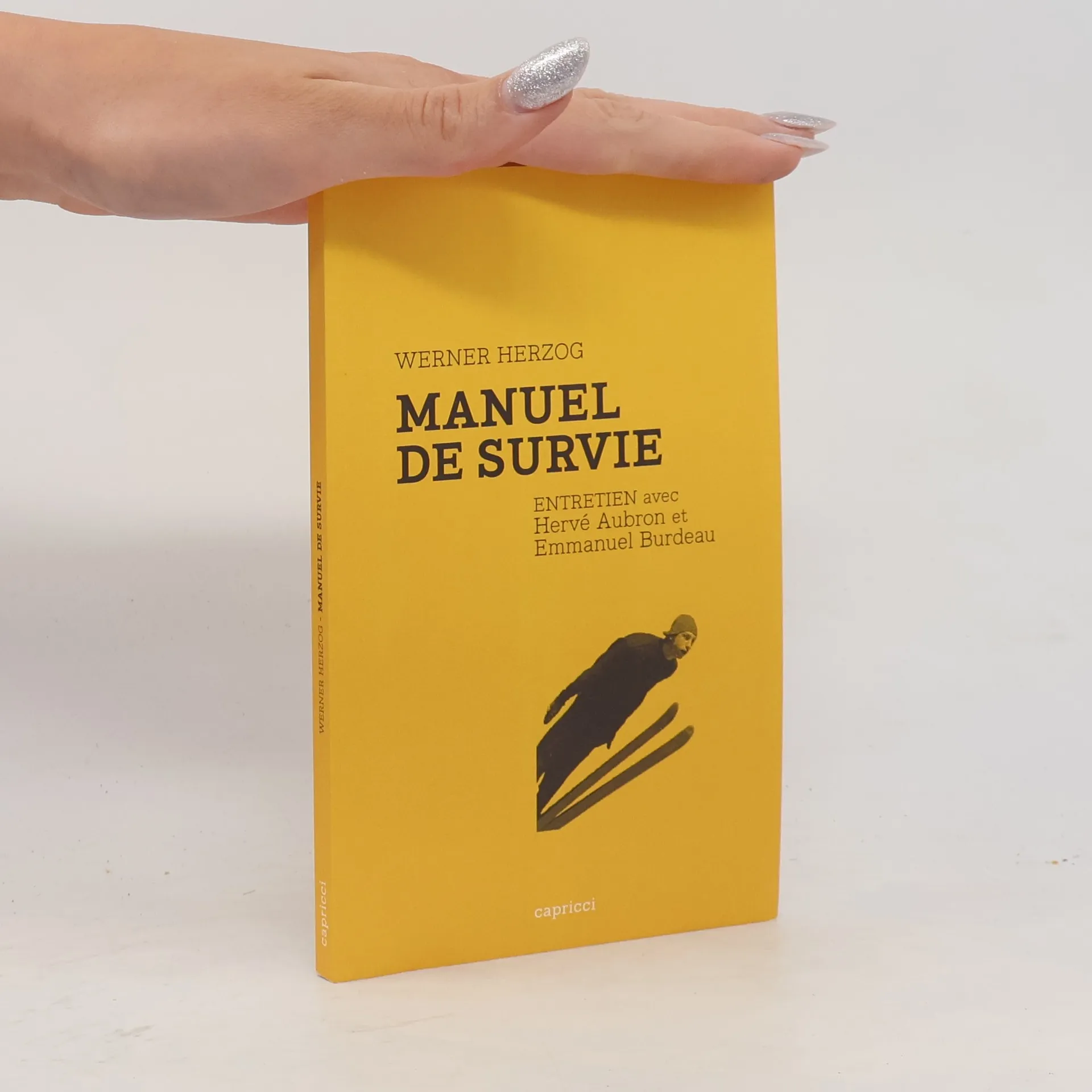
Premier livre d'entretien avec Werner Herzog à être publié en français, Manuel de survie est le témoignage grandiose d'un rescapé : un rescapé du cinéma et un rescapé tout court.
Neue Rundschau - 119. Jahrgang, Heft 4: Film und Erzählen
- 246bladzijden
- 9 uur lezen
Conquest of the Useless
- 320bladzijden
- 12 uur lezen
The diary captures the surreal and chaotic experiences of Werner Herzog during the filming of Fitzcarraldo, a film about a rubber baron's ambitious endeavor to transport a steamship over a mountain. Spanning from 1979 to 1981, Herzog’s entries reveal bizarre events, including attacks on the crew's camp and logistical nightmares. He emphasizes that these writings reflect his inner turmoil rather than a straightforward account of the film's production, offering a unique insight into the creative process of a visionary filmmaker amidst the challenges of the Amazon jungle.
Lissabon
- 156bladzijden
- 6 uur lezen
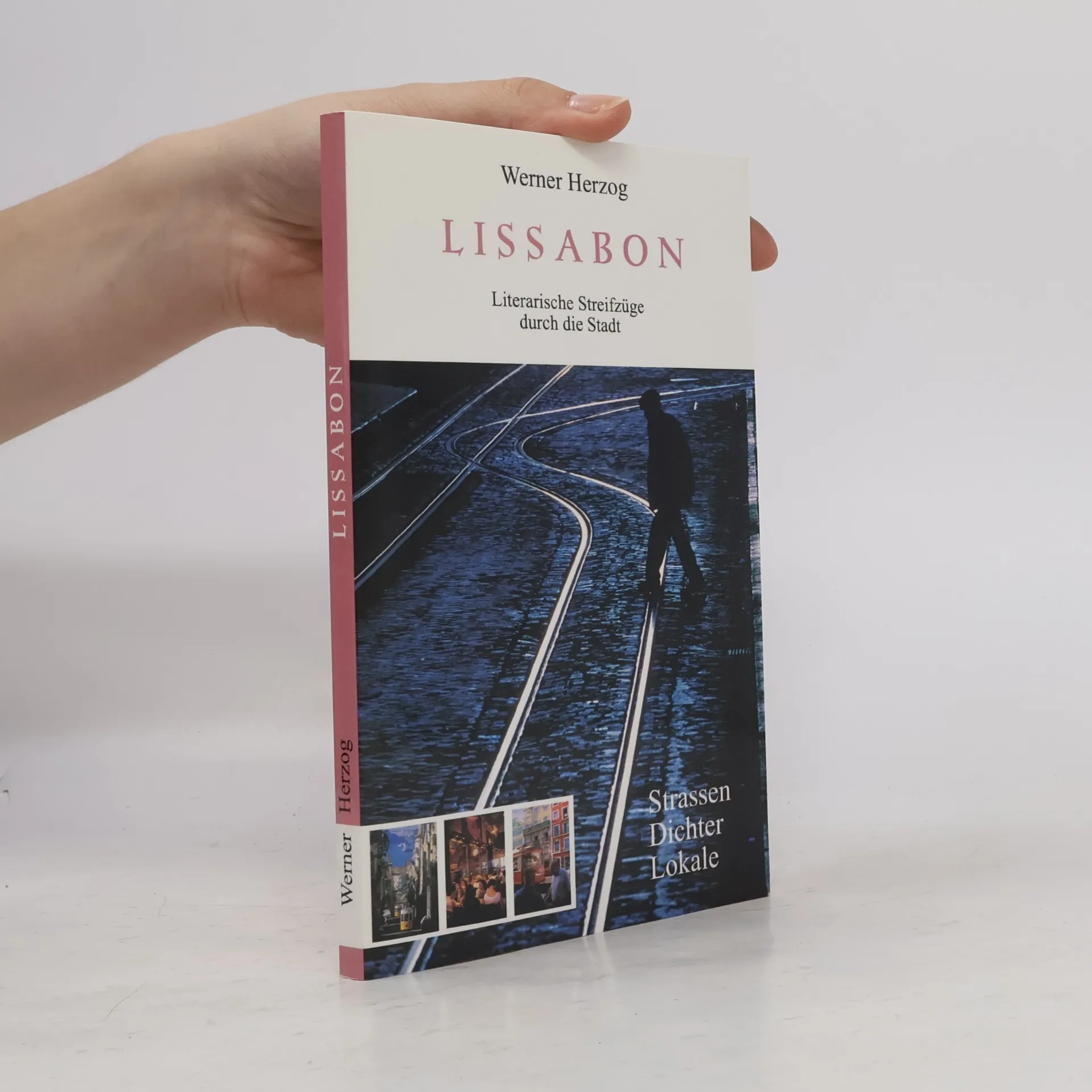
Von Pessoa zu Lobo Antunes, Saramago und Tabucchi: Ein Erkundungsrundgang durch Straßen, Gassen und Lokale Lissabons, der sich unversehens zu einem Streifzug durch die portugiesische Gesellschaft, Literatur und Politik ausweitet.
Die Dichter von Madrid
- 133bladzijden
- 5 uur lezen
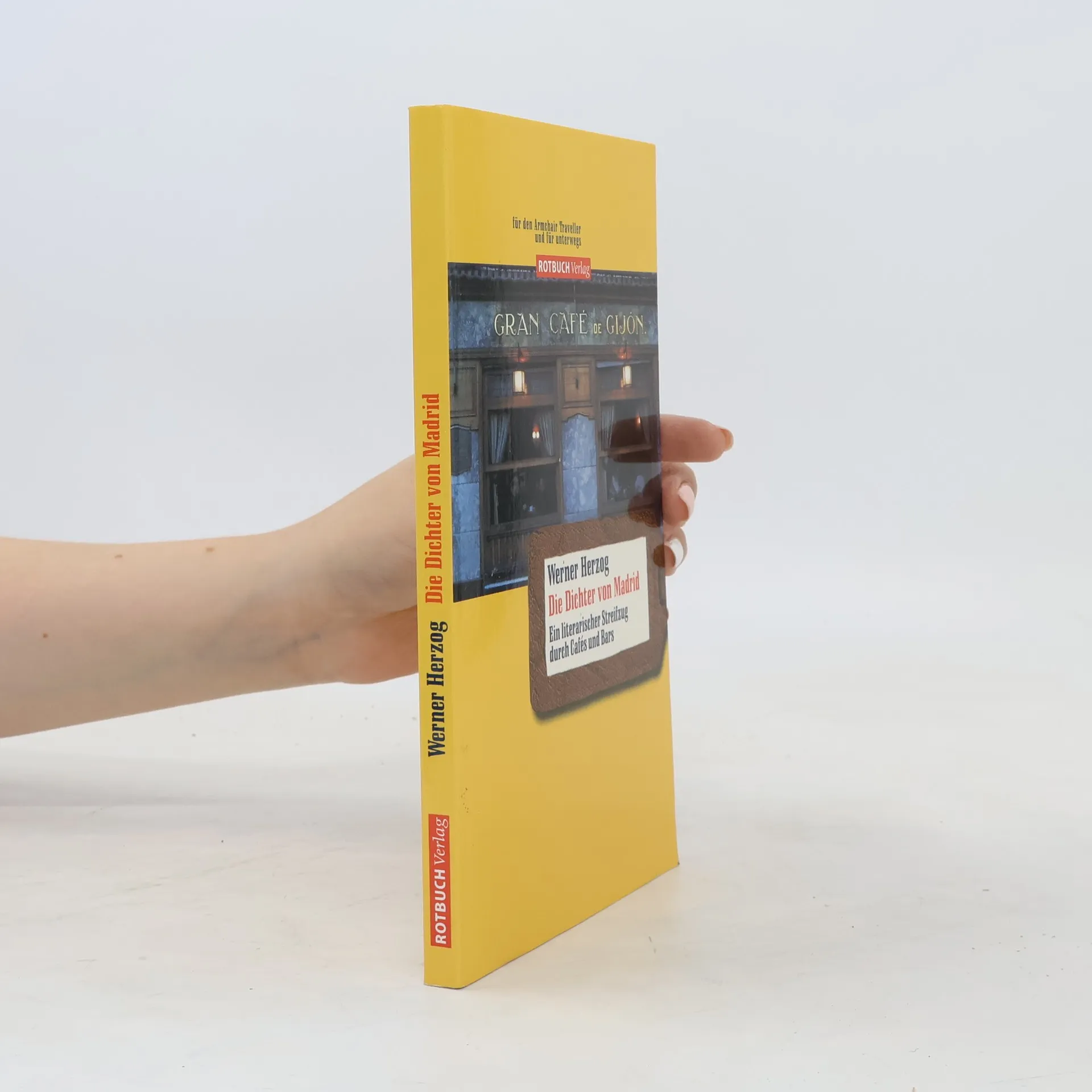
Die Wahl des Kaffeehauses gehört zu den ausschlaggebenden Dingen im Leben. Das behaupten jedenfalls spanische Schriftsteller, insbesondere mit dem Lebensmittelpunkt Madrid. Sie sind die Erfinder der "Tertulias", einer Art Kaffeehaus-Stammtisch, an dem, so der Autor dieses Büchleins, "die gehobene und einigermaßen geordnete Art des Schwatzens, sozusagen das Eliteschwatzen" gepflegt wird. Werner Herzog, 1974 nach Spanien ausgewandert und als freier Journalist in Madrid lebend, ist auf den Spuren von Ortega y Gasset, Unamuno, Garcia Lorca, Valle-Inclan, Hemingway u.a. durch die Cafes und Bars der spanischen Hauptstadt gezogen. Er stellt viele der geschichtsträchtigen Künstlerlokale in kurzweiligem und anekdotengewürztem Plauderton vor. Schon während der Lektüre ist der Spanienfreund versucht, den nächsten Flug zu buchen, um vom "Lhardy" ins "Athenäum", von der "Cerveceria Alemana" ins "Cafe Comercial" zu ziehen und dabei einen Drink auf die literarischen "Eliteschwätzer" Spaniens zu nehmen. Ein ganz besonderer Stadtführer
Spanien - Vierte aktualisierte Auflage
- 197bladzijden
- 7 uur lezen
Ronacher 1/93
Ronacher - specialitaten
Der Maghreb: Marokko, Algerien, Tunesien
- 209bladzijden
- 8 uur lezen
Zwischen Demokratie und Gottesstaat. 1995 196 S. Softcover München, C.H.Beck,
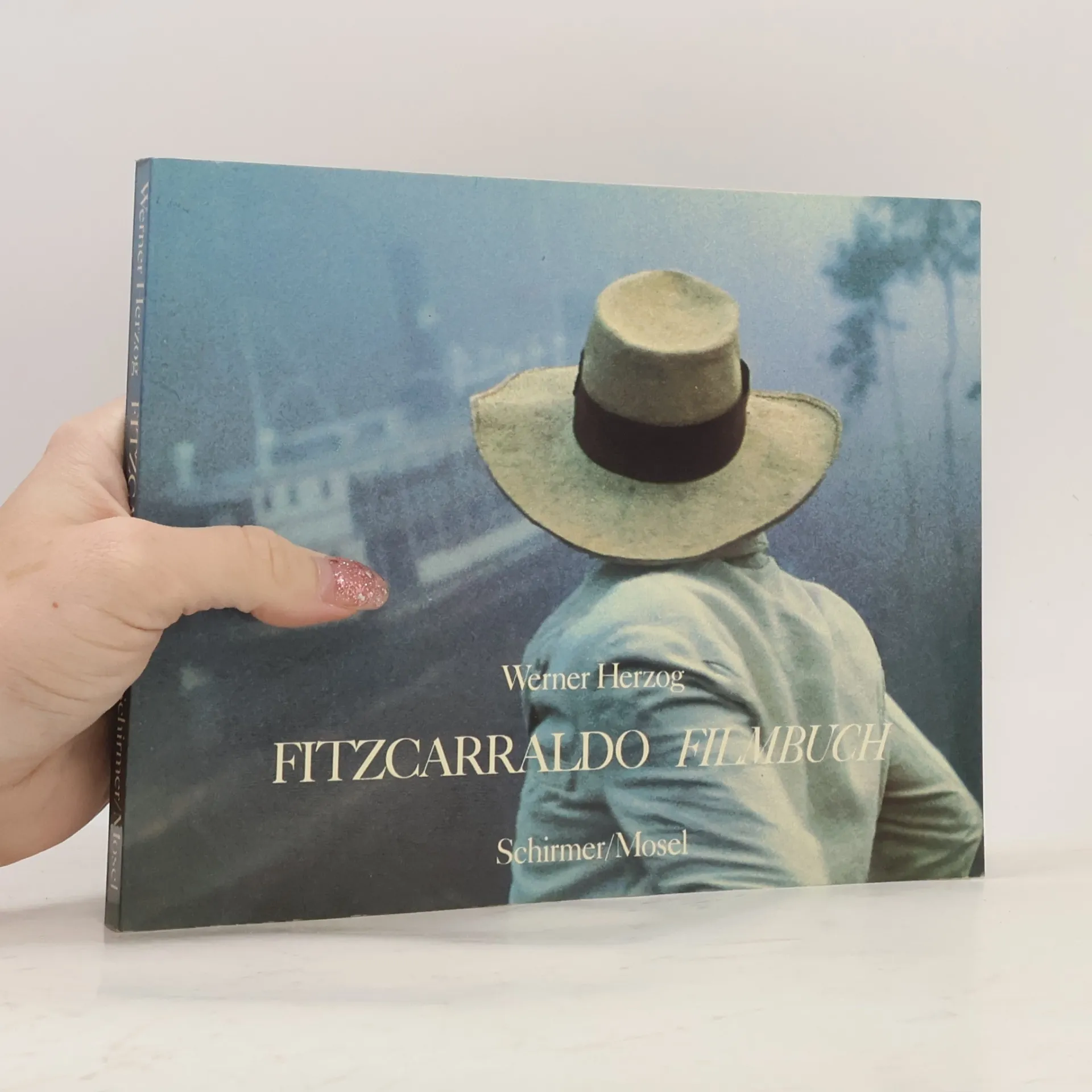
Fitzcarraldo. Erzählung. Filmbuch
- 164bladzijden
- 6 uur lezen
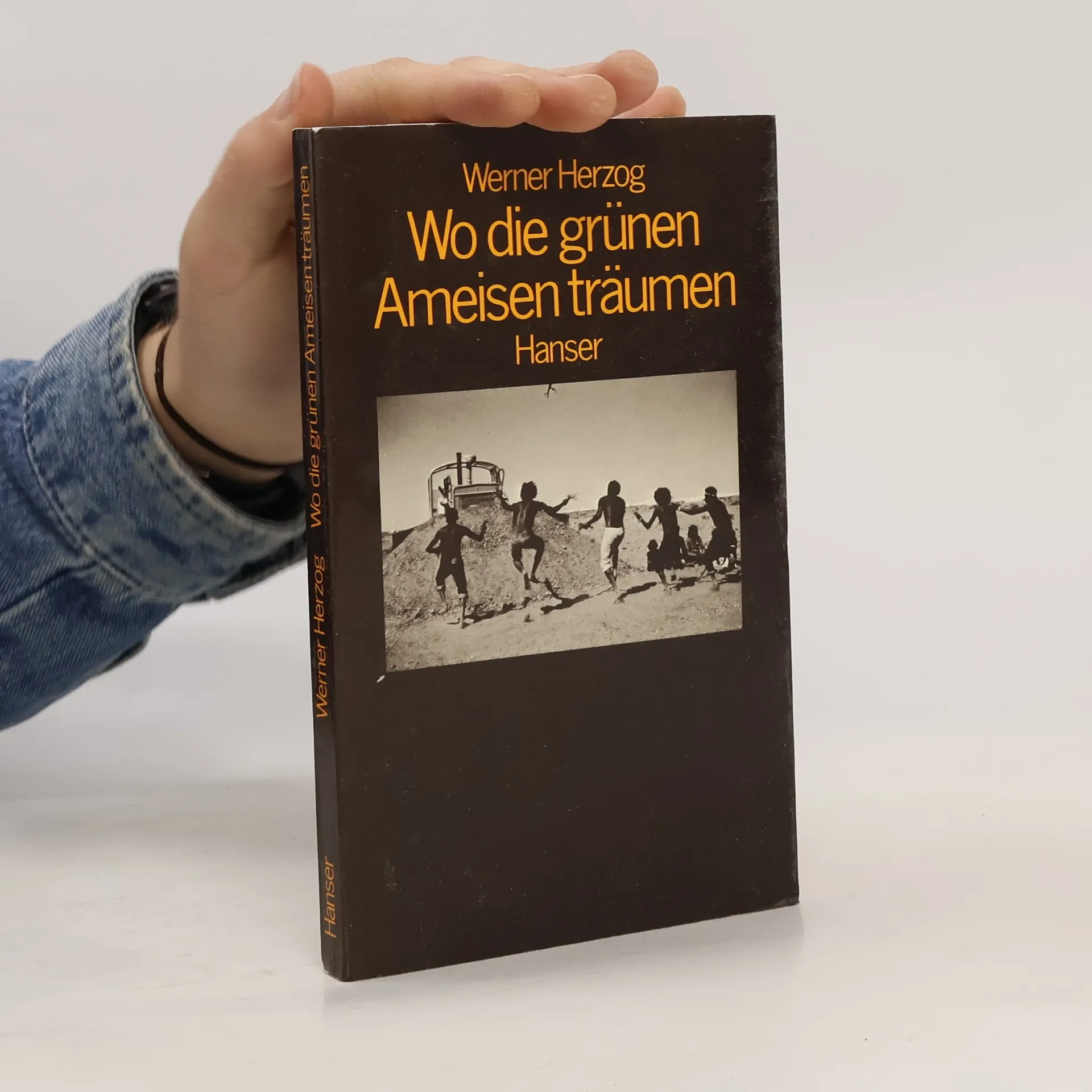
Wo die grünen Ameisen träumen. Filmerzählung
- 105bladzijden
- 4 uur lezen
Herzogs Film "Wo die grünen Ameisen träumen" erzählt in einer Bilder-Geschichte von der Zerstörung der australischen Halbwüste durch eine Uran-Company, die Land verwüstet und die Bevölkerung vertreibt. Der Film dient als Metapher für unseren selbstmörderischen Umgang mit der Natur.
Fitzcarraldo-Filmbuch
- 168bladzijden
- 6 uur lezen
German
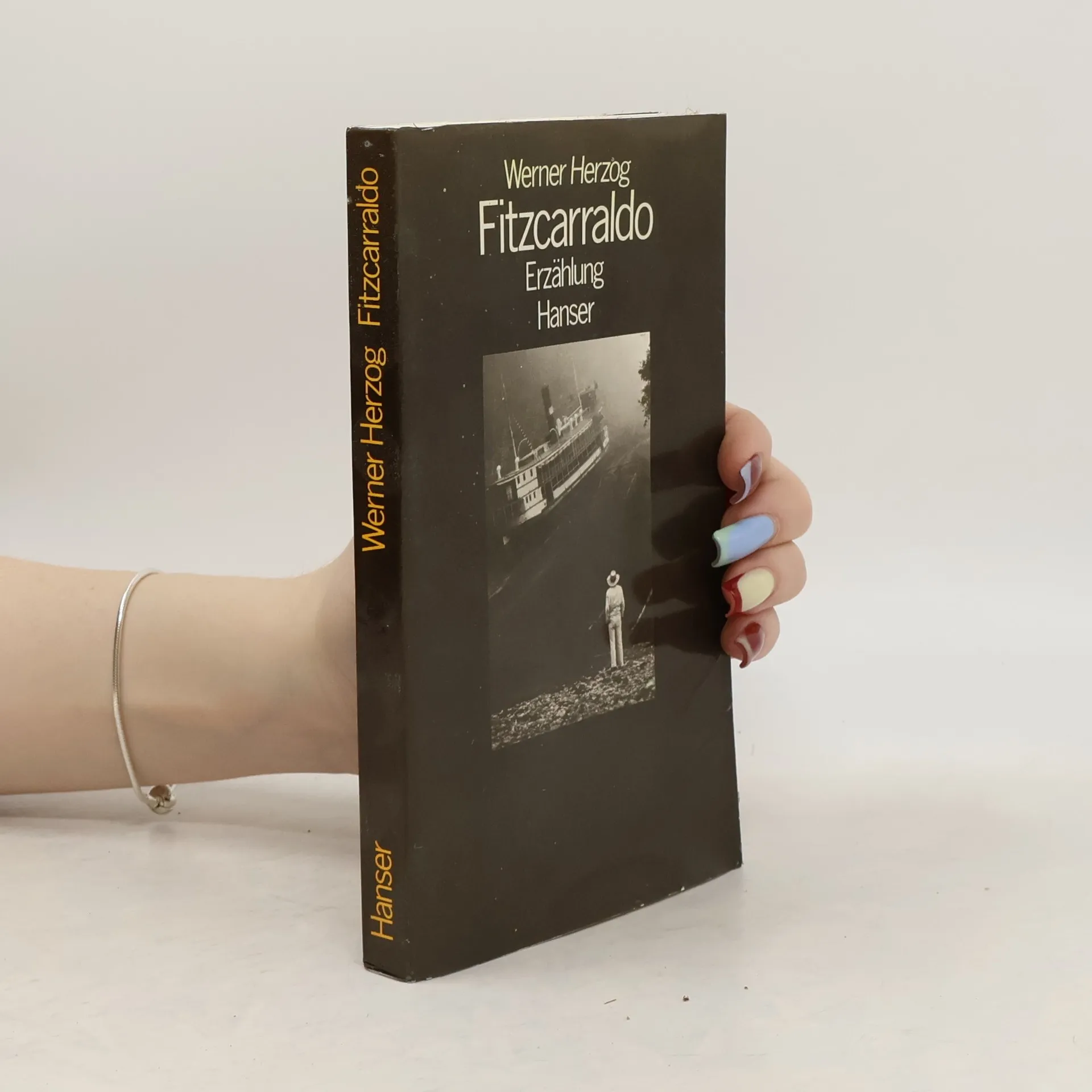
Fitzcarraldo. Erzählung
- 166bladzijden
- 6 uur lezen
Translation of Fitzcarraldo.
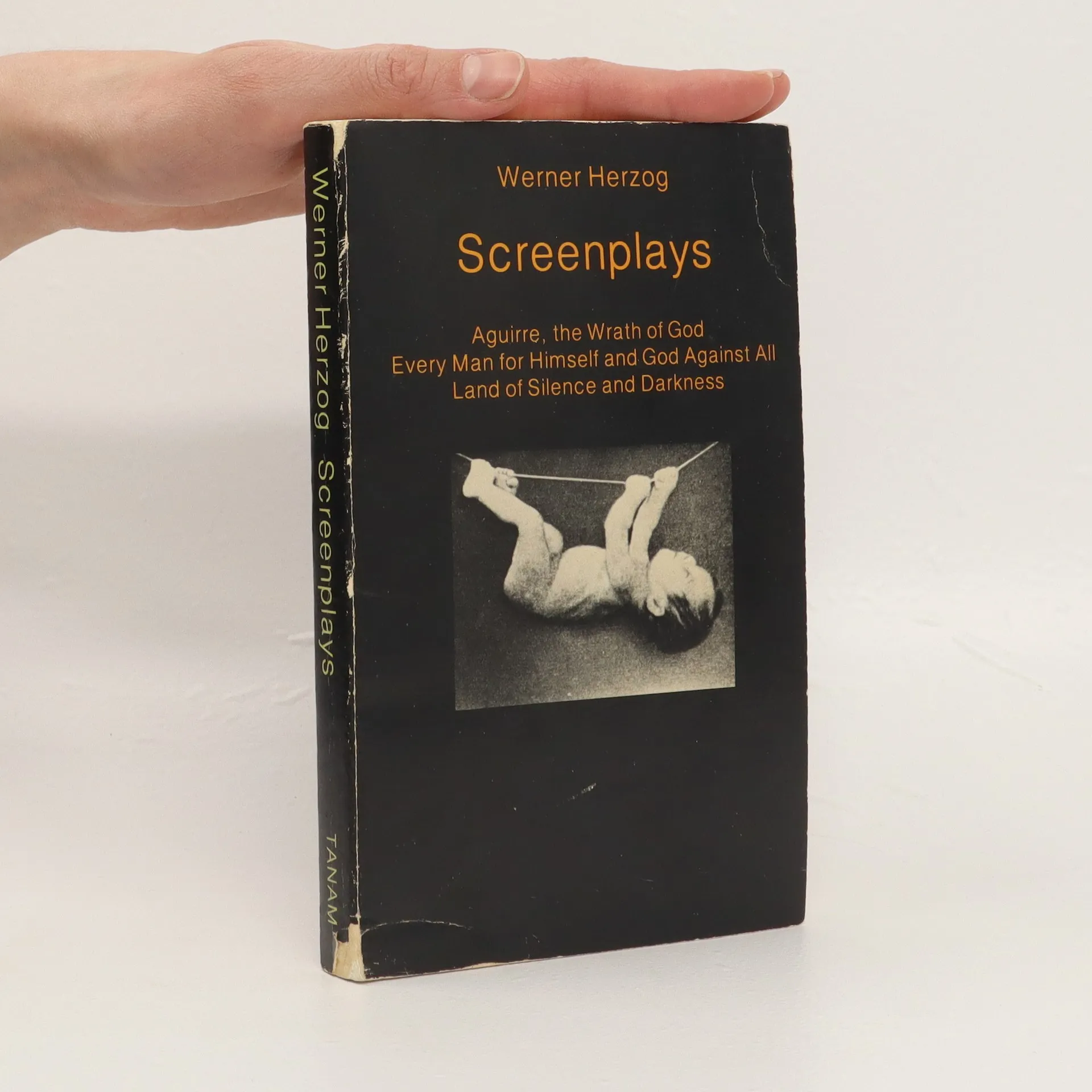
Screenplays
- 208bladzijden
- 8 uur lezen
Retelling of Bram Stoker's Dracula based on the screenplay of the 1979 German film Nosferatu.
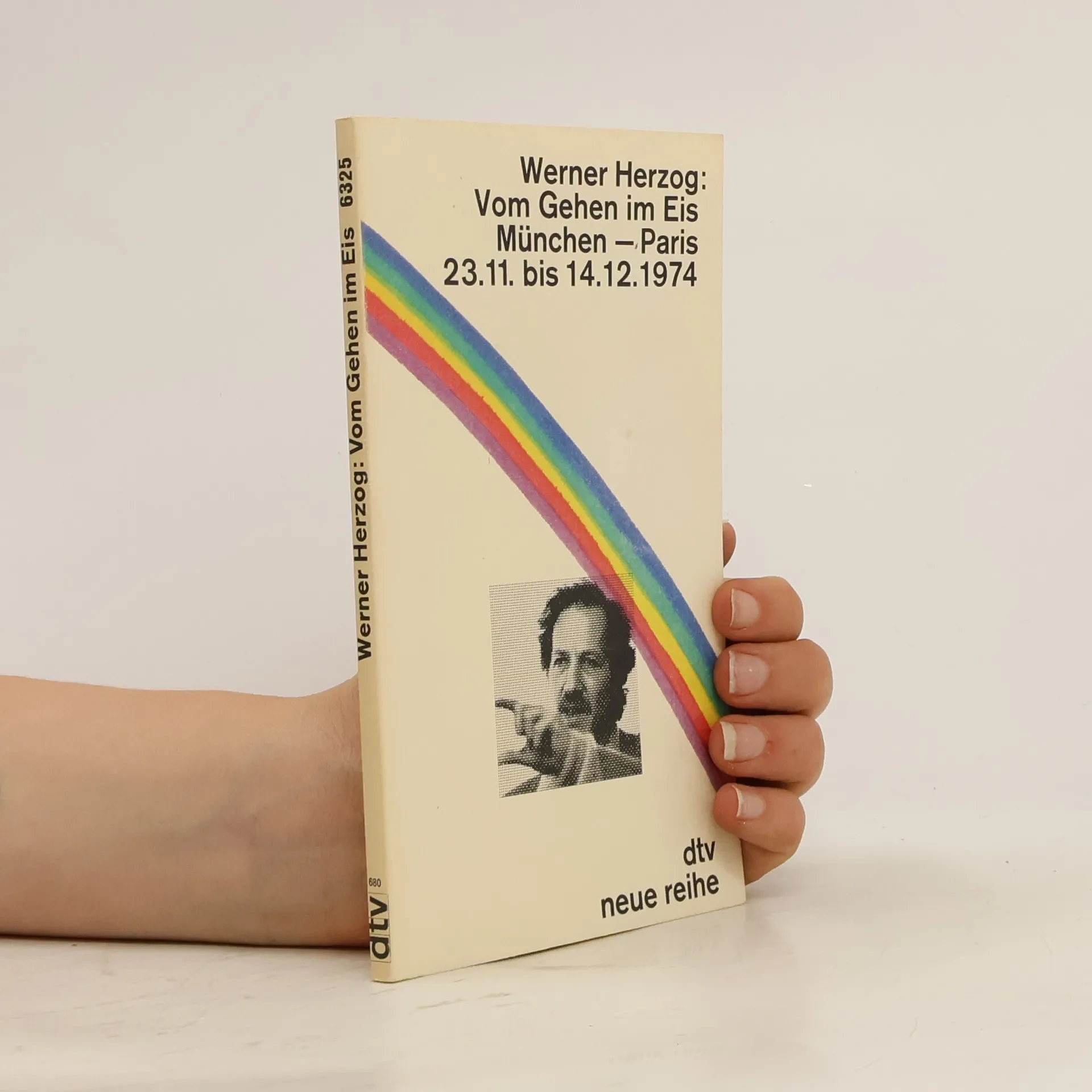
Vom Gehen im Eis
- 102bladzijden
- 4 uur lezen
»Mit einem Matchsack, einem Kompass ausgerüstet, geht Werner Herzog in Richtung Paris, es ist kalt, schmelzender Schnee und Eis, kein Handy auf dem Herzogsweg, kein Verlag, der Geld bei Fuß steht, kein Videoteam, das im Tagesetappenhotel wartet. Was heute eine Extremform des medialen Spaziergehens ist, umweht hier der Hauch der Lenzschen Verwirrung, ist manchmal der Selbststilisierung zum ›Schmerzensmann‹ nahe. Wo er später wie in Fitzcarraldo ein Schiff durch den Urwald ziehen lässt, nimmt er hier das körperliche Leid auf sich, Erschöpfung, entzündete Achillessehne, bewusstloses Weitergehen. Es ist das Körperliche, das ihm zur Bedingung der Wahrheit wird, und das vermeintlich Chancenlose dieser Unternehmung, um sie gegen jede Logik durchzusetzen. ›Lieber die Sinnlosigkeit, wenn es eine ist, bis zur Neige gekostet‹, notiert er kurz vor Paris, als er nahe am Aufgeben ist. Der Anlass des Gehens, die Rettung der ›Eisnerin‹, wie Bertolt Brecht sie nannte, tritt in den Hintergrund (›Im Nachhinein noch dieses‹: Sie wird gerettet, stirbt 1983). Das Gehen wird zum Mittelpunkt (›Das Wissen kommt von den Sohlen‹), die Szenen der inneren Landschaft, des Schauens, das Fremd- und wieder Vertrautwerden des eigenen Landes.« Konrad Heidkamp, Die Zeit