De geschiedenis werd geschreven bijna dertig jaar nadat Elsa Morante en Alberto Moravia zich een jaar lang verborgen hielden in de afgelegen dorpen in de bergen ten zuiden van Rome. Daar was ze getuige van de impact van de oorlog en vormde zich het idee om een verslag te schrijven over de grote politieke gebeurtenissen, in beweging gezet door mannen van de macht, rijkdom en ambitie - en wat ze de gewone mensen aandoen. Het centrale personage in deze krachtige en meedogenloze roman is Ida Mancuso, een lerares wiens man is overleden en wiens tienerzoon de oorlog ziet als zijn speeltuin. Een Duitse soldaat op weg naar Noord-Afrika verkracht haar, wordt verliefd op haar, en verlaat haar terwijl ze zwanger is van een jongen wiens overleven Ida's passie wordt. Rond deze twee komen en gaan andere personages. We vangen een glimp van bombardementen, straatgeweld, een Italiaanse soldaat die bezwijkt aan bevriezing aan het Russische front, het uithoudingsvermogen van boeren die hun hele leven met niets moeten doen en nu moeten overleven met nog minder.
William Weaver Boeken
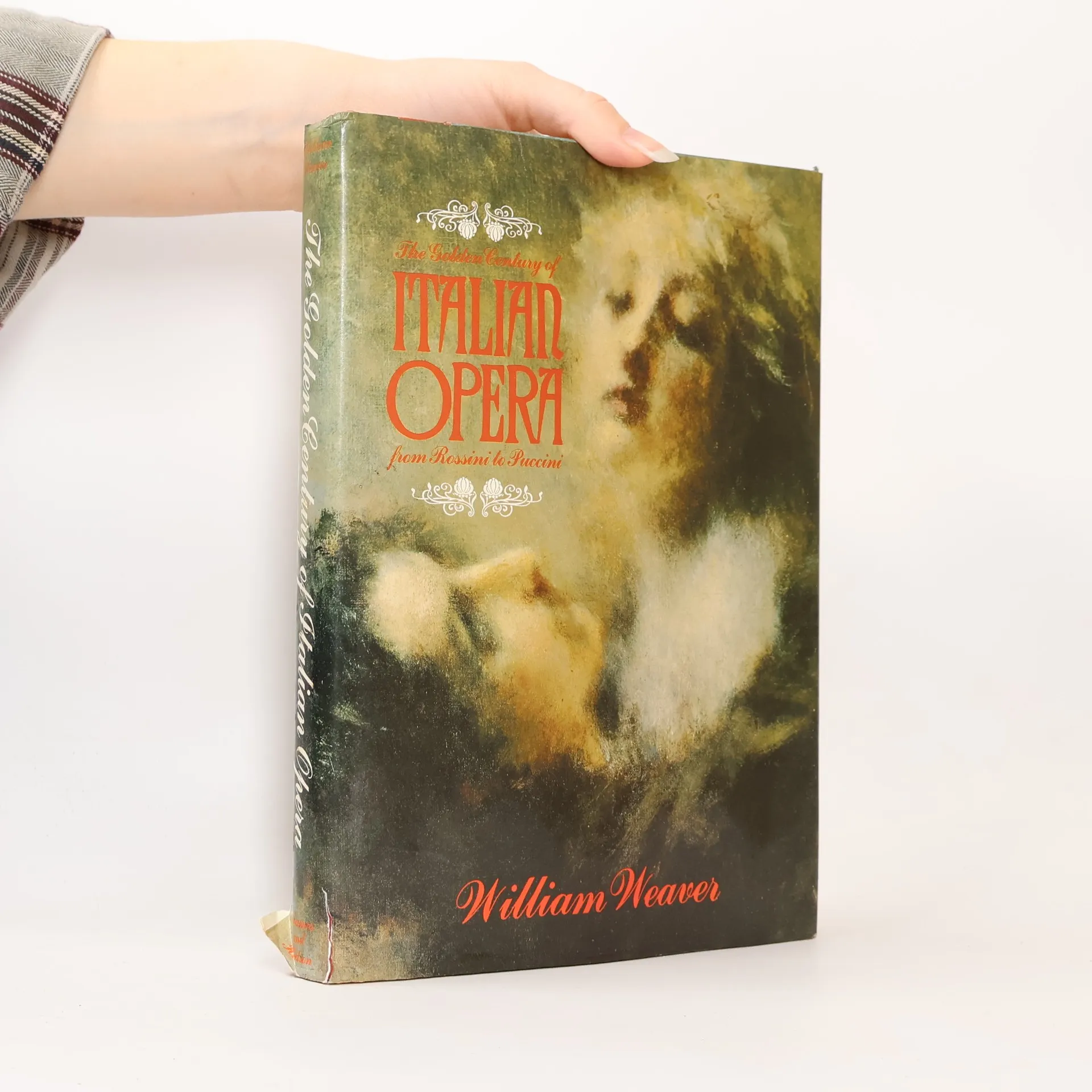
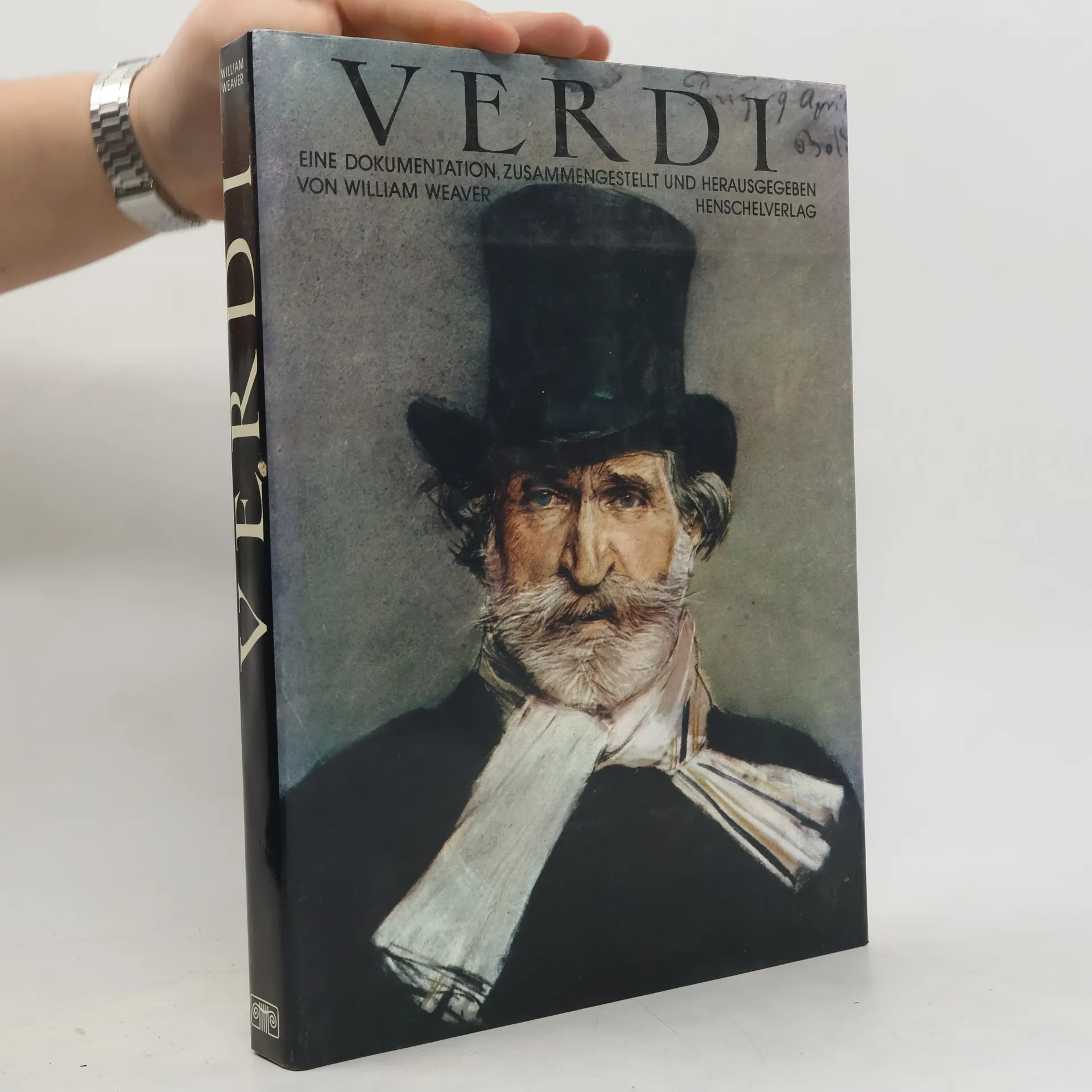
William Fense Weaver wijdde meer dan vijftig jaar aan het vertalen van Italiaanse literatuur, en werd zo een belangrijke brug tussen culturen. Zijn uitgebreide werk omvatte niet alleen proza, maar ook poëzie en opera libretti, wat getuigt van een diepgaand begrip van de nuances van de Italiaanse expressie. Naast vertalingen droeg hij bij als criticus en commentator, waarmee hij een diepe betrokkenheid bij de literaire en operawereld toonde.
If not now, when?
- 288bladzijden
- 11 uur lezen
If I'm not for myself, who will be for me? If not this way, how? If not now, when?' So runs the Song of the Partisan. This enthralling novel pays tribute to the Jews who fought back during the holocaust. Based on a true story, it chronicles the adventures, crises and moral struggles of a group of Russian and Polish refugees as, stranded in occupied territory, they offer what resistance they can to the German army.
Invisible Cities
- 165bladzijden
- 6 uur lezen
"Kublai Khan does not necessarily believe everything Marco Polo says when he describes the cities visited on his expeditions, but the emperor of the Tartars does continue listening to the young Venetian with greater attention and curiosity than he shows any other messenger or explorer of his." So begins Italo Calvino's compilation of fragmentary urban images. As Marco tells the khan about Armilla, which "has nothing that makes it seem a city, except the water pipes that rise vertically where the houses should be and spread out horizontally where the floors should be," the spider-web city of Octavia, and other marvelous burgs, it may be that he is creating them all out of his imagination, or perhaps he is recreating fine details of his native Venice over and over again, or perhaps he is simply recounting some of the myriad possible forms a city might take.
De Naam van de Roos
- 578bladzijden
- 21 uur lezen
Het is de laatste week van november 1327 in een welvarende abdij in het noorden van Italië. Broeder William van Baskerville, een geleerde franciscaner monnik uit Engeland, komt als speciaal gezant van de keizer met een delicate diplomatieke opdracht naar Italië. Hij moet een ontmoeting organiseren tussen de van ketterij verdachte franciscanen en afgevaardigden van de paus.
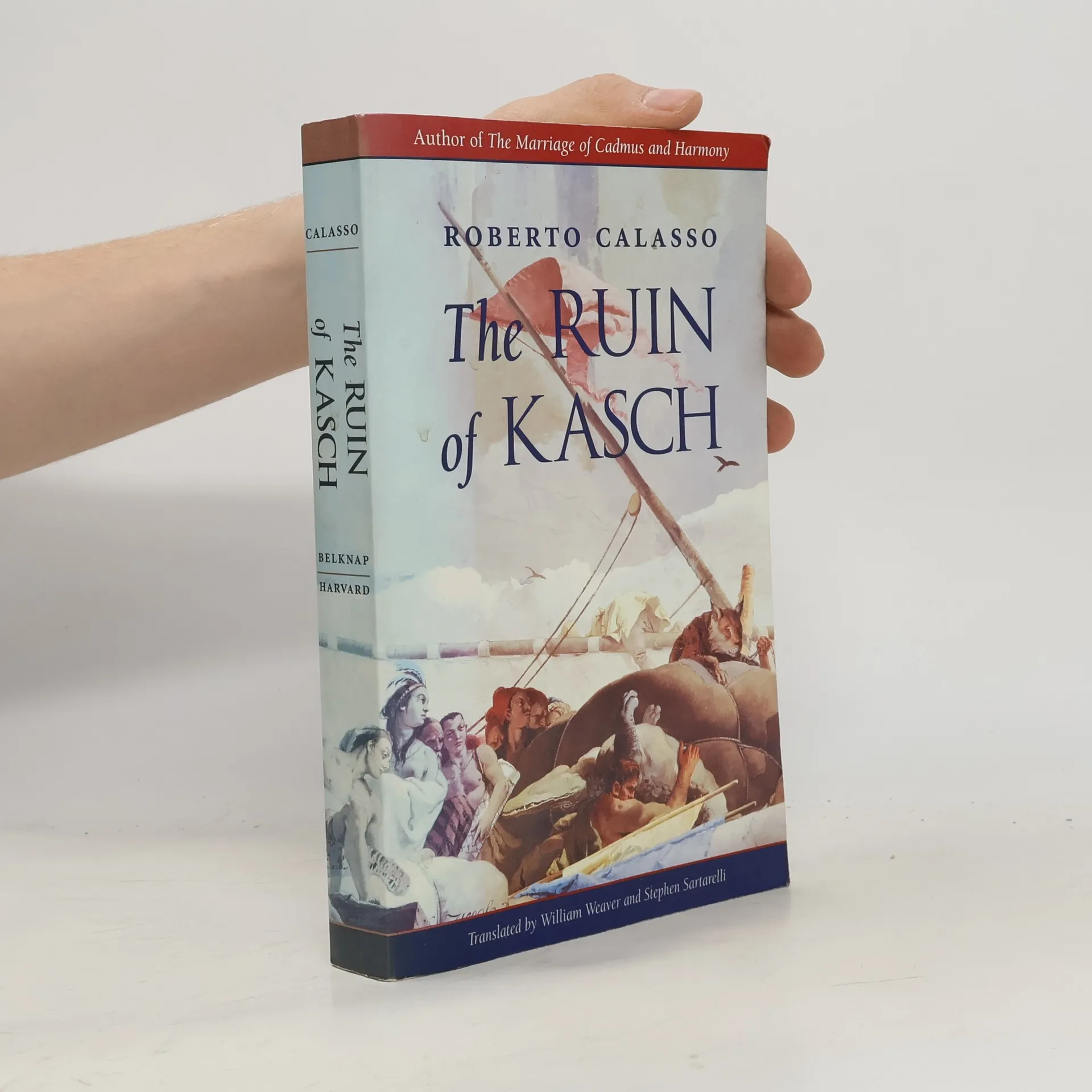
The Ruin of Kasch
- 400bladzijden
- 14 uur lezen
In this brilliant work, Roberto Calasso cracks the code of what Baudelaire named the Modern--the increasingly murderous period from the French Revolution to the end of World War II. From Talleyrand's France and the legendary African city of Kasch, to Lenin's Russia and the killing fields of Cambodia, Calasso leads us along an enticing maze of mythology, literature, art, and science to the pulsing heart of civilization, where he deciphers the deepest secrets of history.
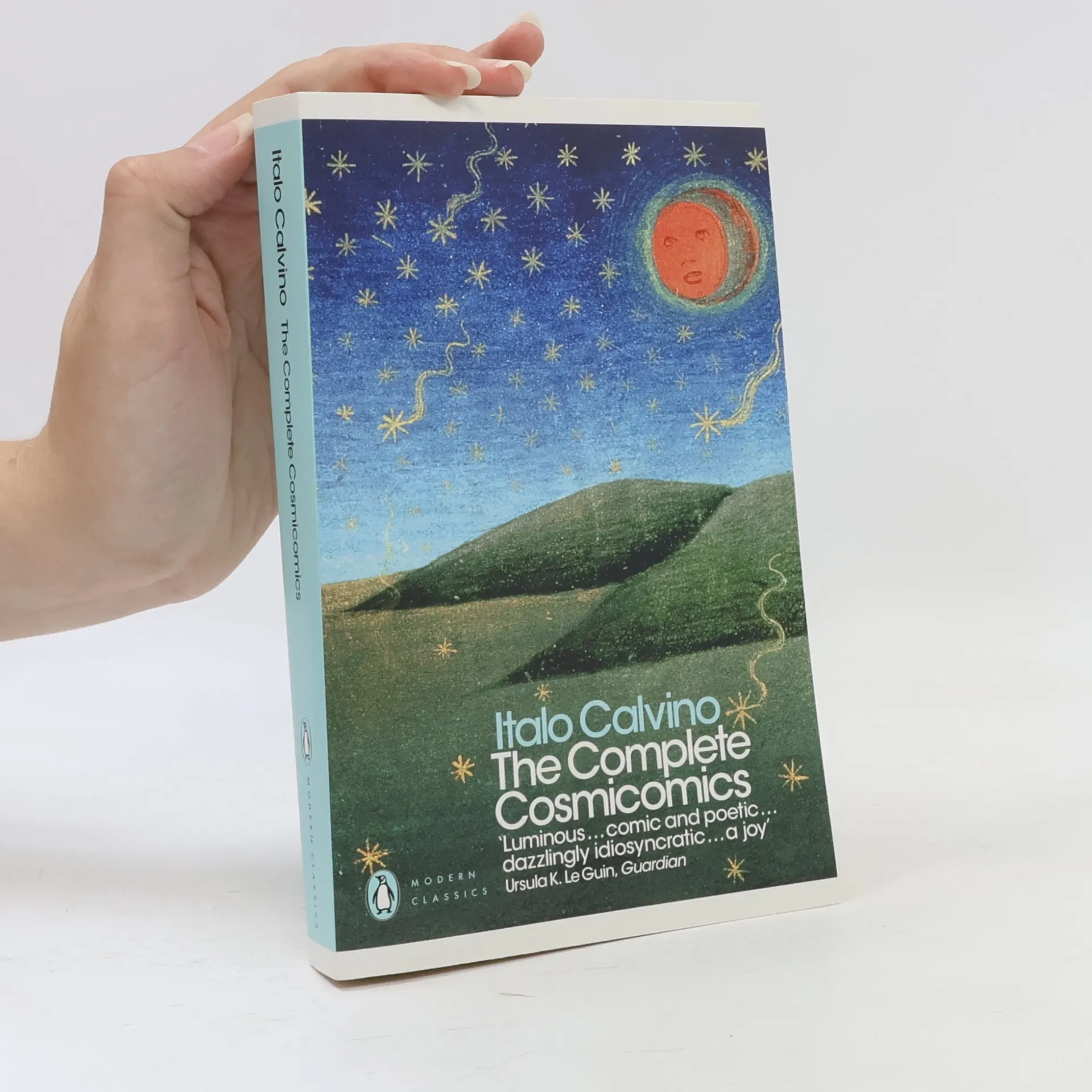
The Complete Cosmicomics
- 434bladzijden
- 16 uur lezen
This title includes enchanting stories about the evolution of the universe, with characters that are fashioned from mathematical formulae and cellular structures. They disport themselves among galaxies, experience the solidification of planets, move from aquatic to terrestrial existence, play games with hydrogen atoms - and have time for a love life. 'Naturally, we were all there, old Qfwfq said, where else could we have been? Nobody knew then that there could be space. Or time either: what use did we have for time, packed in there like sardines?'.
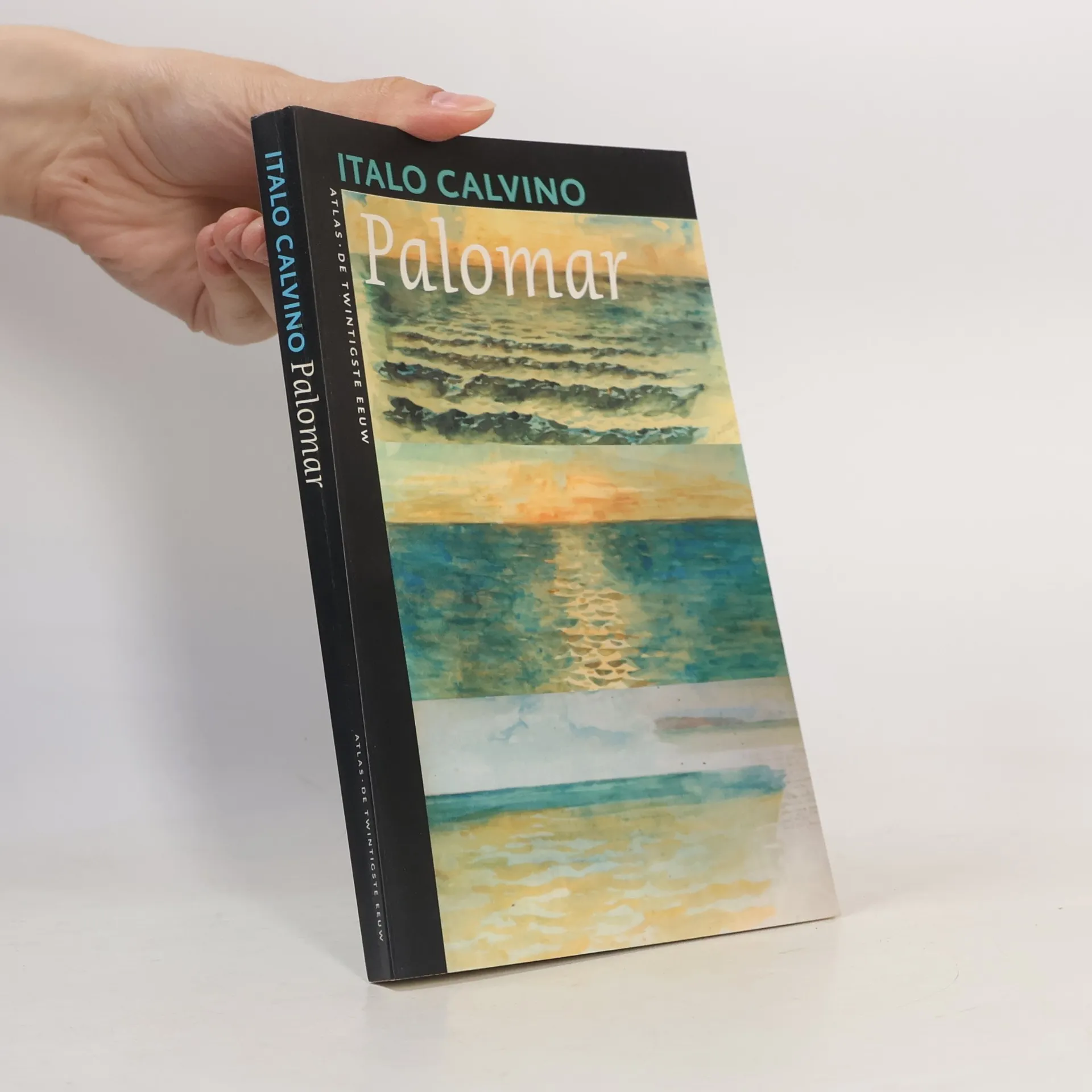
Palomar
- 139bladzijden
- 5 uur lezen
Via intense observatie tracht een man door te dringen tot het wezen der dingen.
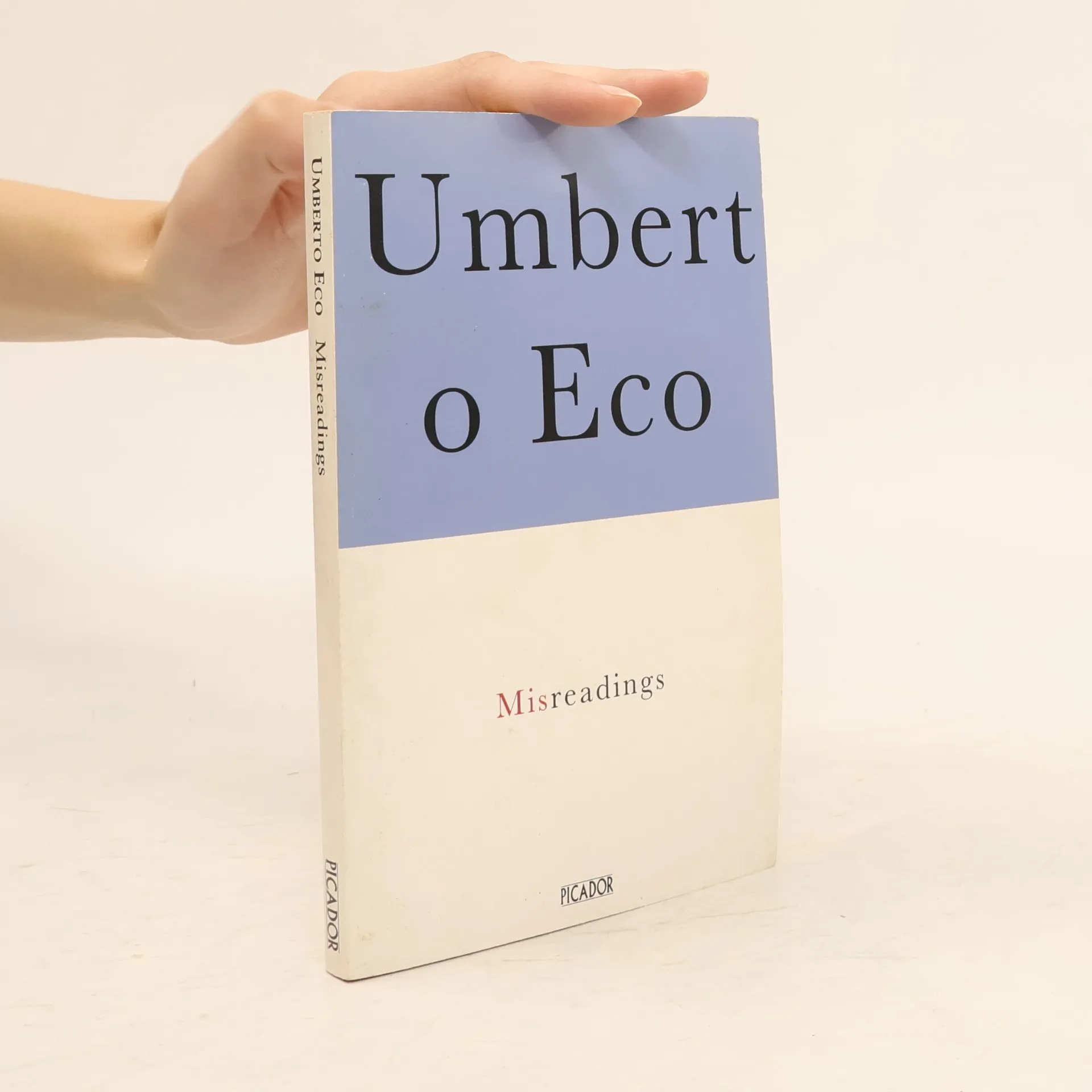
Misreadings
- 180bladzijden
- 7 uur lezen
This is a collection of parodies by the author of The Name of the Rose and Foucault's Pendulum. Professor Anouk Ooma of Prince Joseph's Land University addresses his colleagues on recent archaeological findings that shed light on the poetry of Italy before the Explosion, Columbus' landing in the New World is covered by TV reporters and structural analysis of the art of striptease as performed by Lilly Niagara of the Crazy Horse.
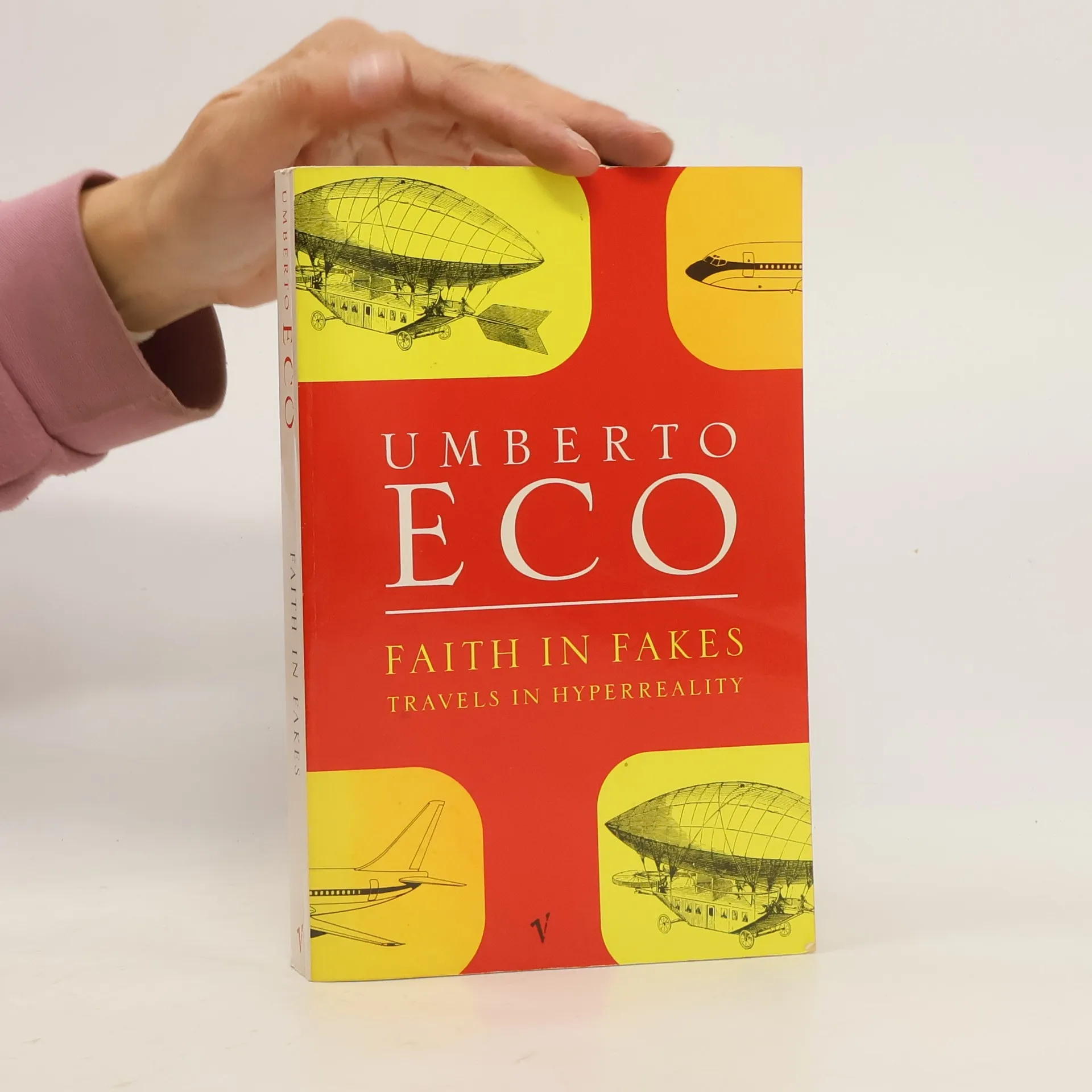
Faith In Fakes
- 316bladzijden
- 12 uur lezen
Holography, wax museums, the secret meaning of spectator sports, Superman and the intellectual effects of over-tight jeans are just a few of the subjects covered in this collection of witty, entertaining and thought-provoking delights from Umberto Eco, celebrated author of The Name of the Rose.
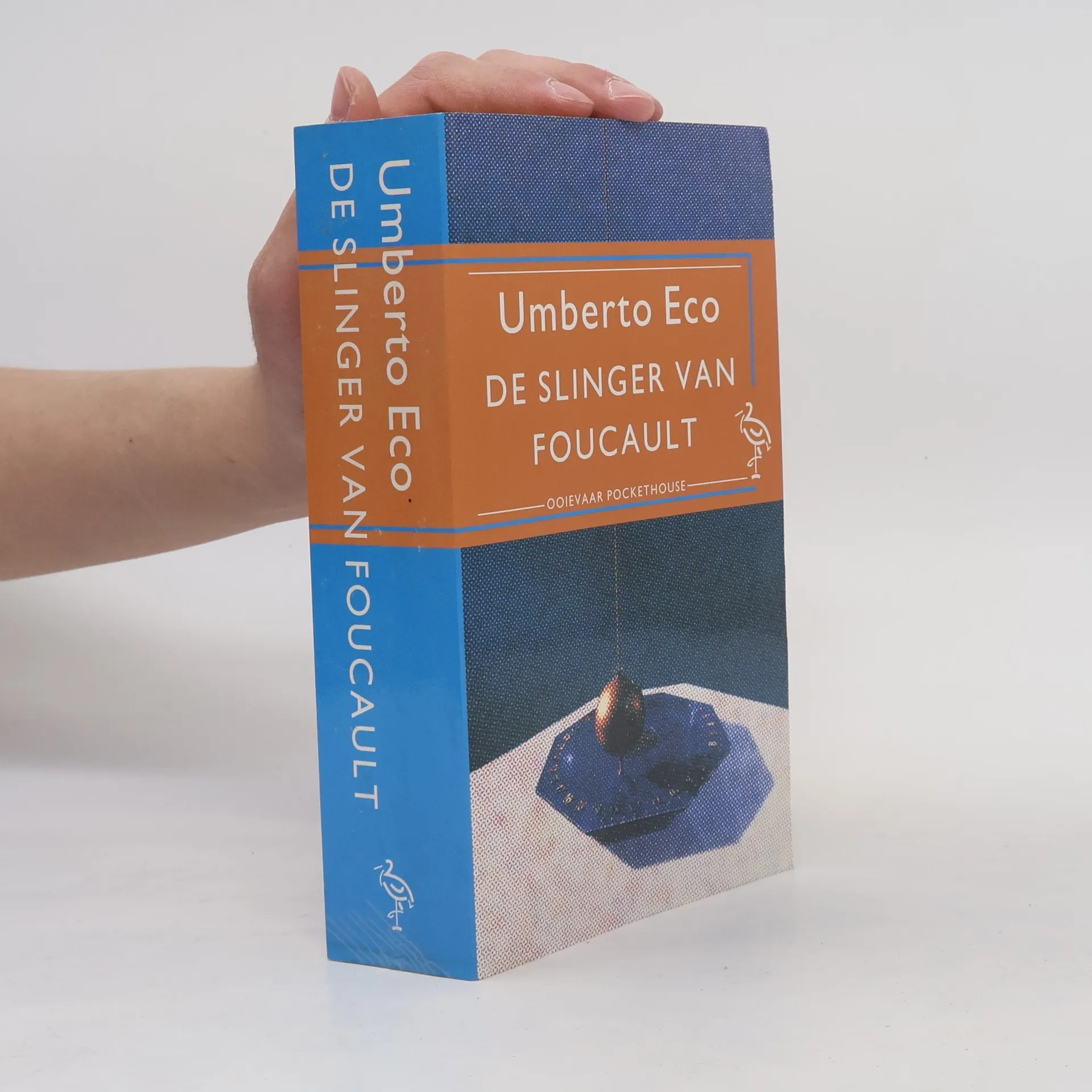
De slinger van Foucault
- 661bladzijden
- 24 uur lezen
Foucault's Pendulum is divided into ten segments represented by the ten Sefiroth. The novel is full of esoteric references to the Kabbalah. The title of the book refers to an actual pendulum designed by the French physicist Léon Foucault to demonstrate the rotation of the earth, which has symbolic significance within the novel. Bored with their work, and after reading too many manuscripts about occult conspiracy theories, three vanity publisher employees (Belbo, Diotallevi and Casaubon) invent their own conspiracy for fun. They call this satirical intellectual game "The Plan," a hoax that connects the medieval Knights Templar with other occult groups from ancient to modern times. This produces a map indicating the geographical point from which all the powers of the earth can be controlled—a point located in Paris, France, at Foucault’s Pendulum. But in a fateful turn the joke becomes all too real. The three become increasingly obsessed with The Plan, and sometimes forget that it's just a game. Worse still, other conspiracy theorists learn about The Plan, and take it seriously. Belbo finds himself the target of a real secret society that believes he possesses the key to the lost treasure of the Knights Templar. Orchestrating these and other diverse characters into his multilayered semioticadventure, Eco has created a superb cerebral entertainment.
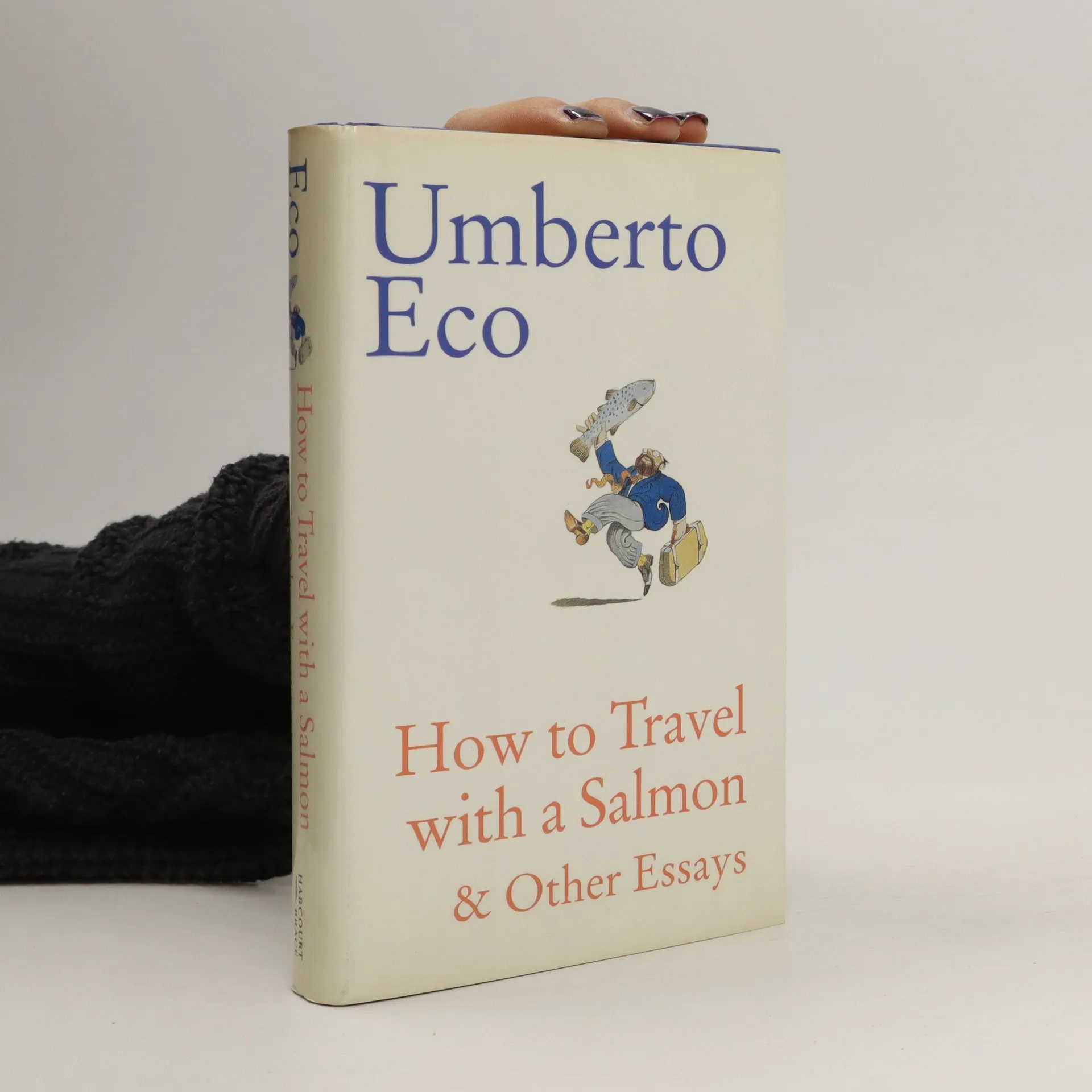
How to Travel with a Salmon & Other Essays
- 248bladzijden
- 9 uur lezen
How to Travel with a Salmon is a highly engaging collection of what Umberto Eco calls his diario minimo - minimal diaries - after the magazine column in which he began "pursuing the pathways of parody.". These essays, written in the late eighties and early nineties, are his playful but unfailingly accurate takes on militarism, computer jargon, Westerns, art criticism, librarians, bureaucrats, meals on airplanes, Amtrak trains, bad coffee, maniacal taxi drivers, express mail, 33-function watches, fax machines and cellular phones, pornography, soccer fans, academia, and - last but definitely not least - the author's own self. How to Travel with a Salmon gives us Umberto Eco's acute vision of the absurdities of modern life.
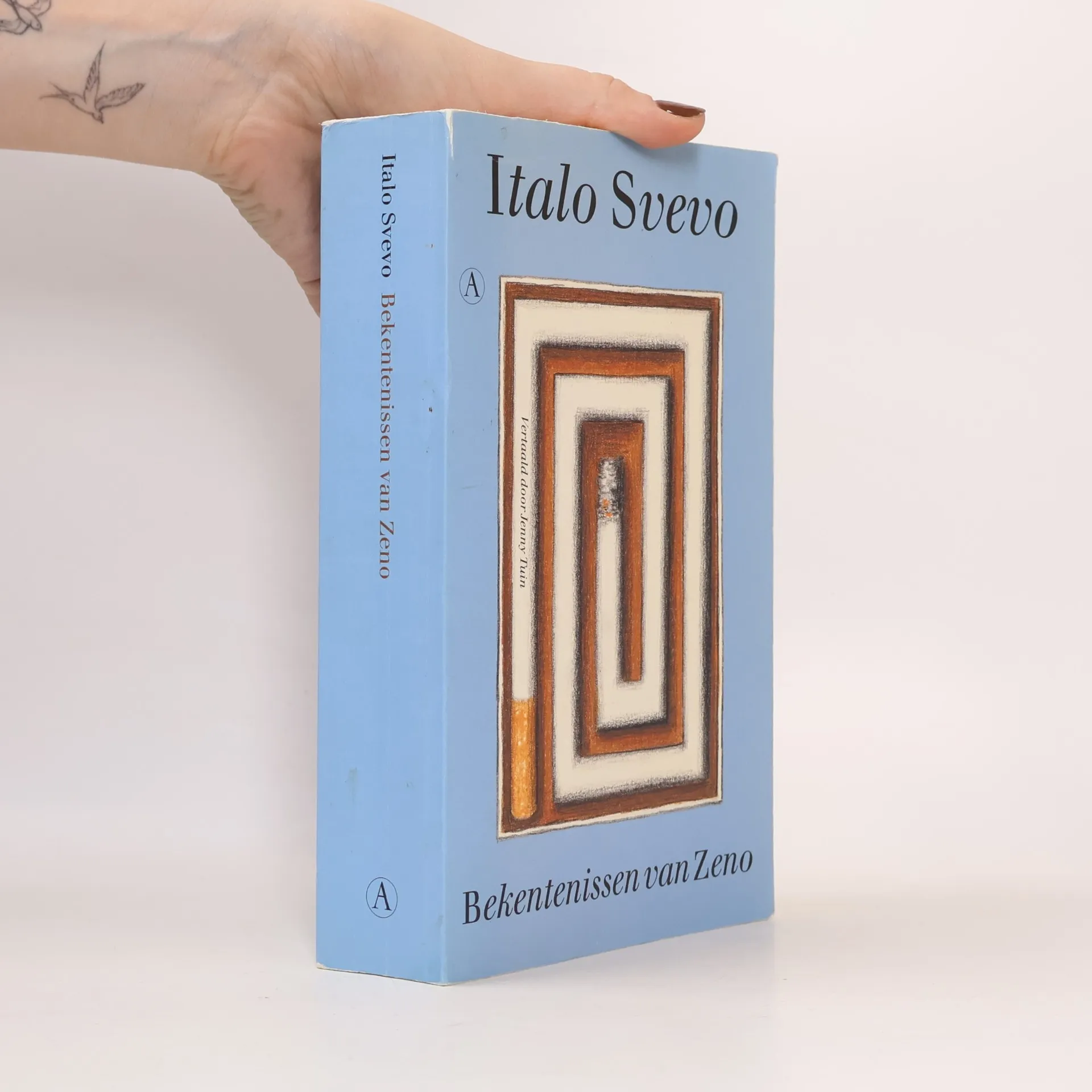
Bekentenissen van Zeno
- 468bladzijden
- 17 uur lezen
Op verzoek van zijn psychiater maakt een oudere man een verslag van zijn strijd tegen slechte gewoontes als roken.
In these three witty and fantastical stories, Italo Calvino explores the sensory aptitudes of the body in taste, hearing and smell. 'Each story continues Calvino's lifelong campaign to add more territory to the empire of the imagination; each discloses marvels in regions that we presumed exhausted' Time 'In all three stories, intellectual keenness accompanies intense receptiveness to sensuous nuance' Sunday Times
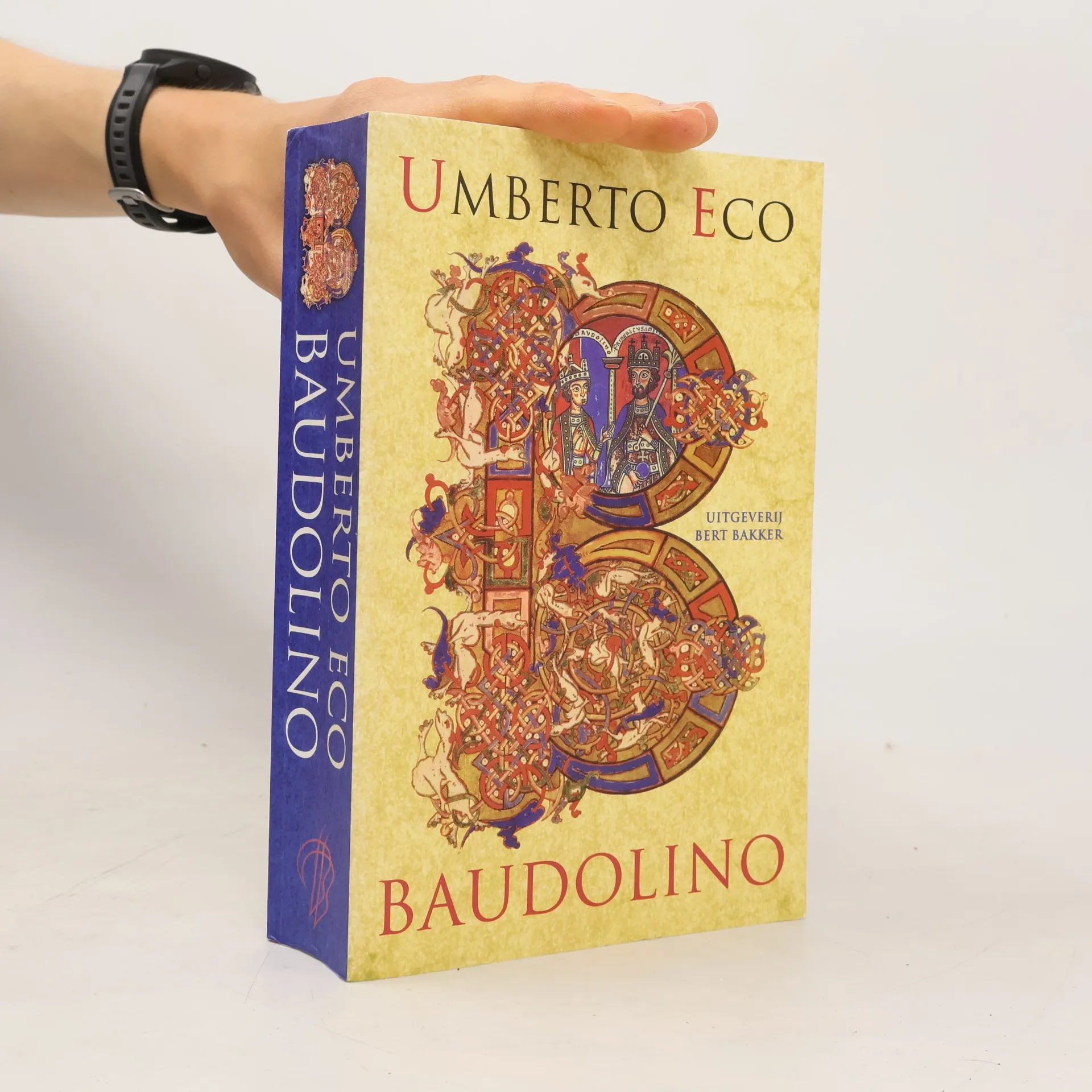
Bij de plundering van Constantinopel in 1204 vertelt een avonturier en aartsleugenaar zijn leven aan een geschiedschrijver, waarbij onwaarschijnlijke en fantastische verhalen zich vermengen met een serieuze historische achtergrond.
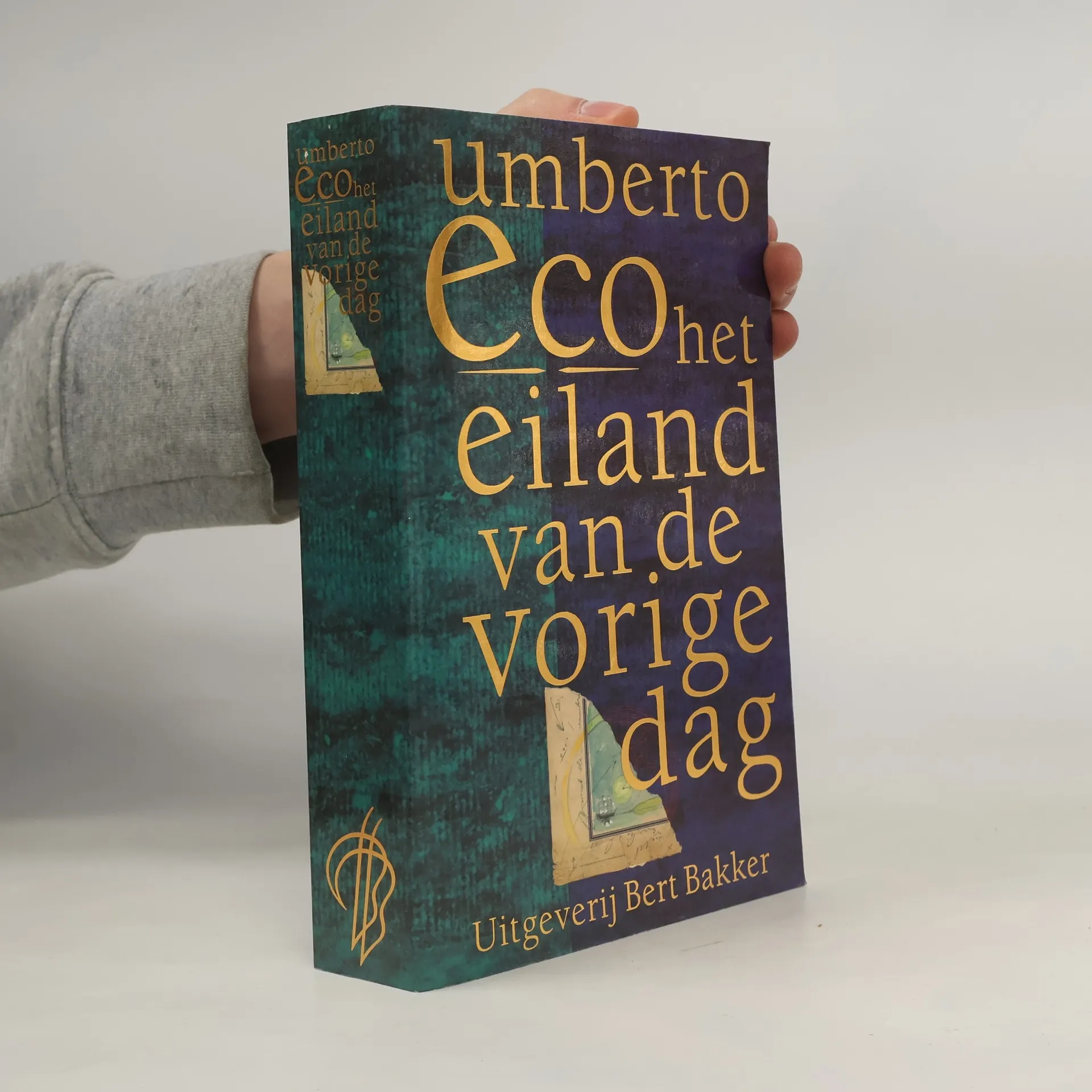
Het eiland van de vorige dag
- 489bladzijden
- 18 uur lezen
Tegen de achtergrond van het zeventiende-eeuwse Europa wordt de zoektocht beschreven die de hoofdpersoon onderneemt naar de 180e meridiaan en de liefde die hij opvat voor een onbereikbare schone.
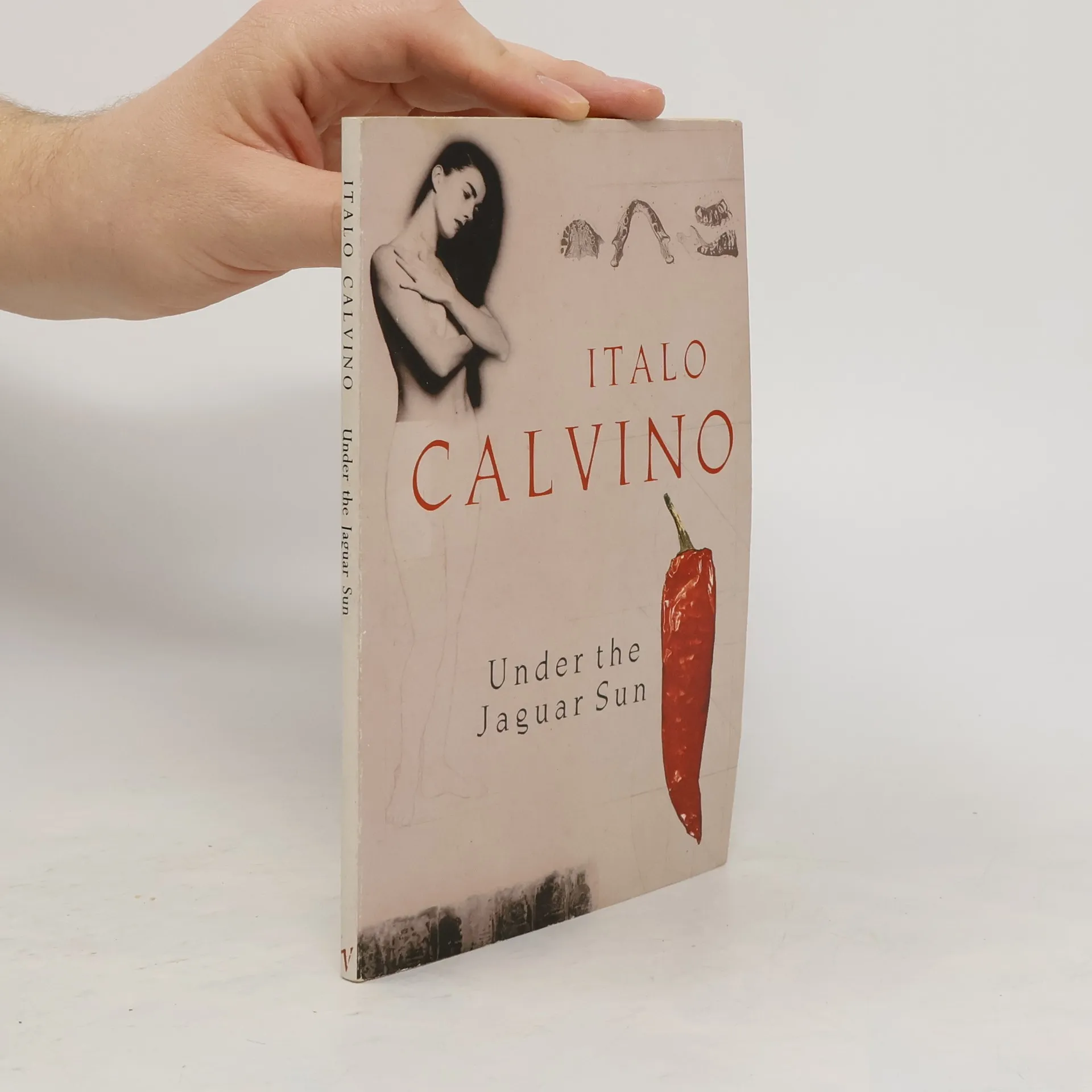
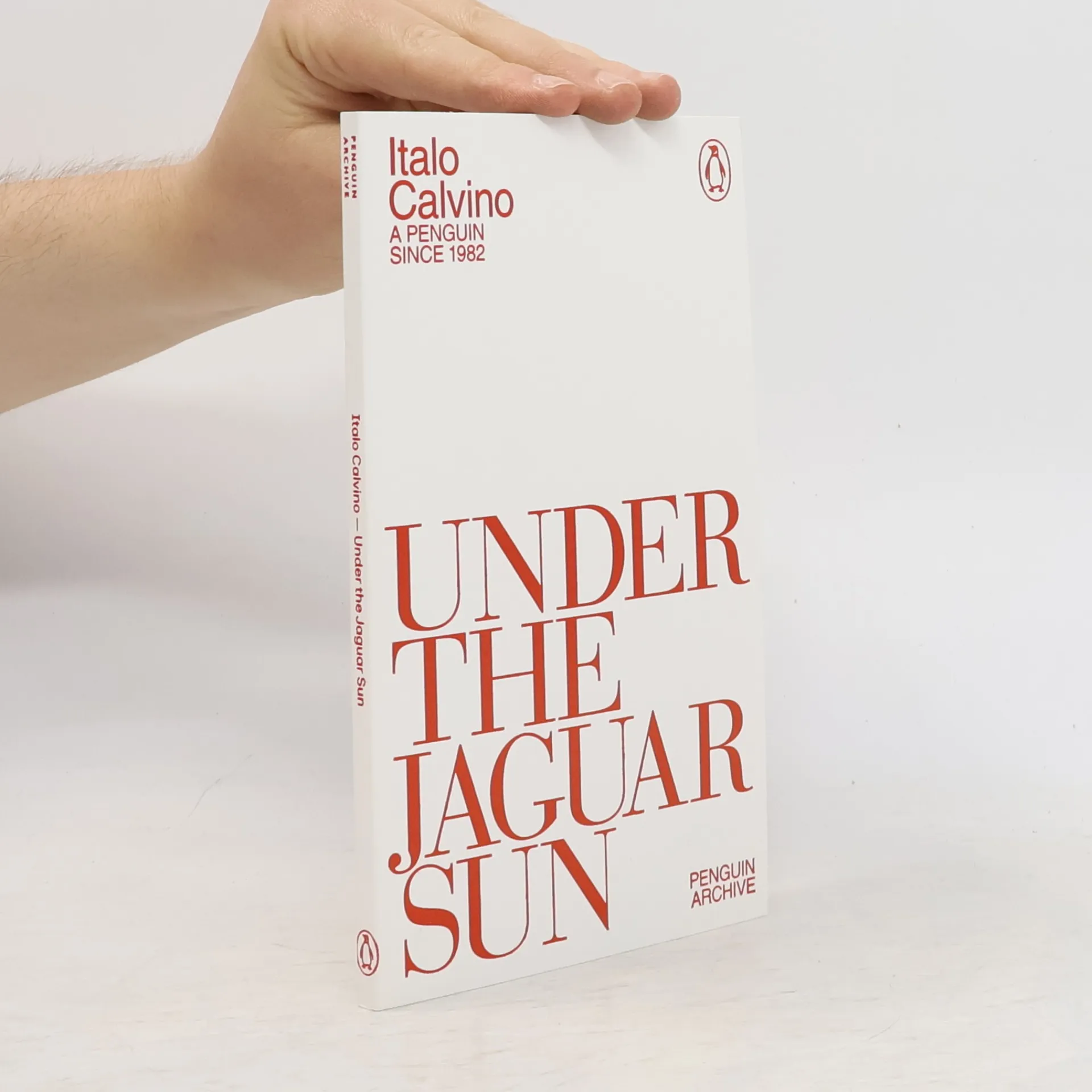
Penguin Archive: Under the Jaguar Sun
- 112bladzijden
- 4 uur lezen
I went down, I climbed back up into the light of the jaguar sun - into the sea of the green sap of the leaves. The world spun, I plunged down, my throat cut by the knife of the king-priest ... The solar energy coursed along dense networks of blood and chlorophyll; I was living and dying in all the fibers of what is chewed and digested and in all the fibers that absorb the sun
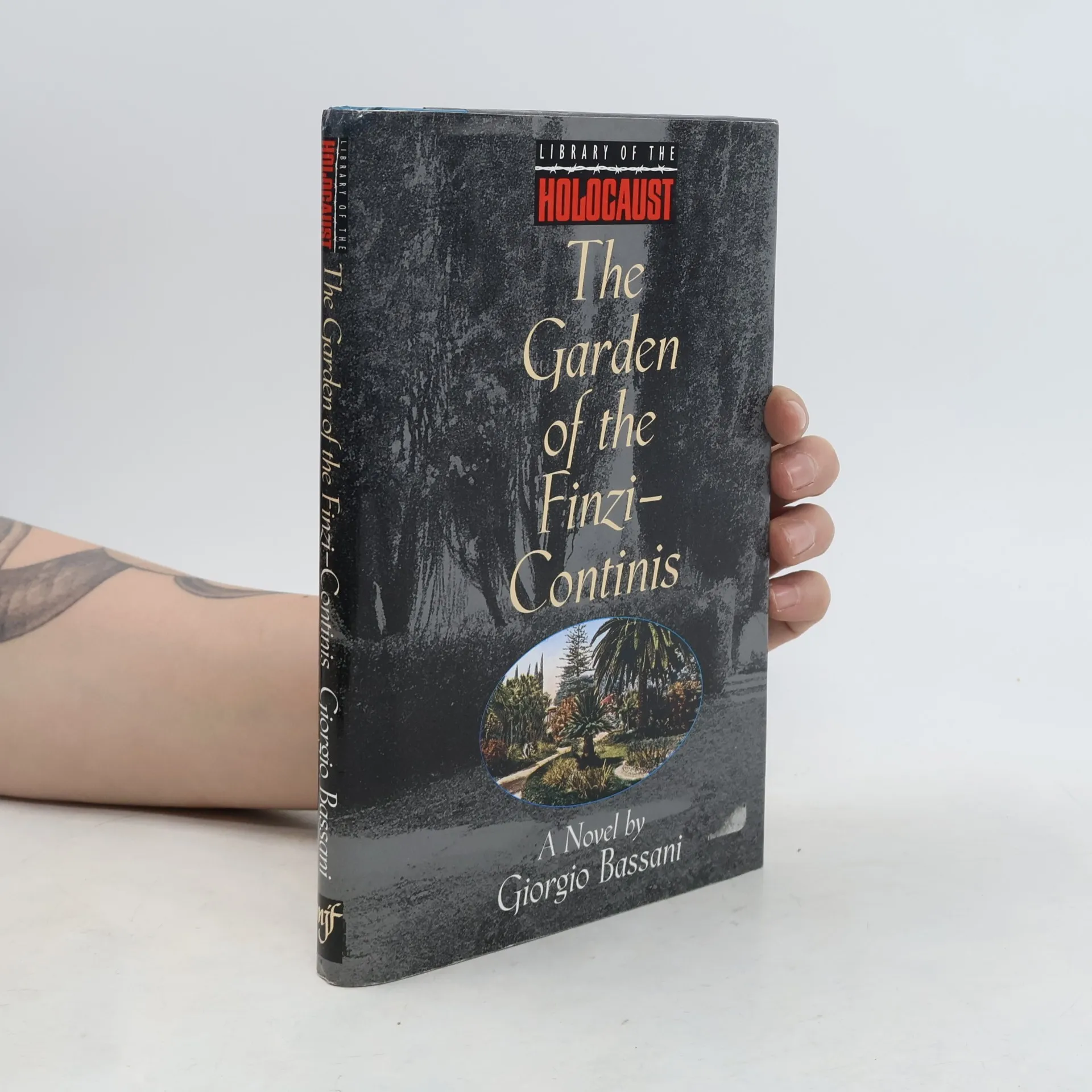
This is a haunting, elegiac novel which captures the mood and atmosphere of Italy (and in particular Ferrara) in the last summers of the thirties, focusing on an aristocratic Jewish family moving imperceptibly towards its doom. Vittorio De Sica turned the book into a film in 1970, winning the Academy Award for Best Foreign Language Film in 1974.
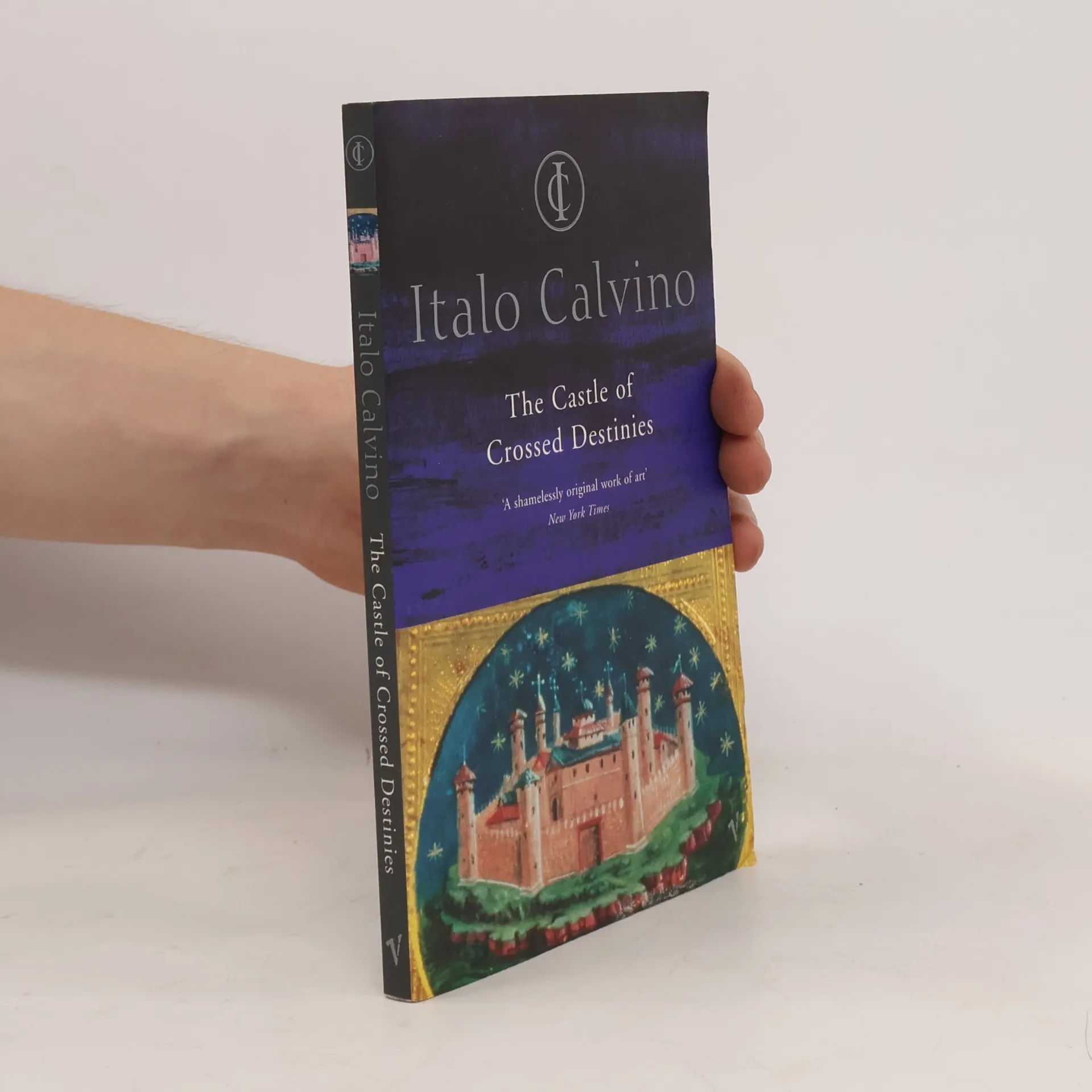
The Castle of Crossed Destinies
- 144bladzijden
- 6 uur lezen
Calvino tells the mingled tales of The Castle of Crossed Destinies by means of tarot cards. Travellers meet in a castle - or, in a second section, a tavern - where their powers of speech are magically taken from them and a tarot card is placed at their di