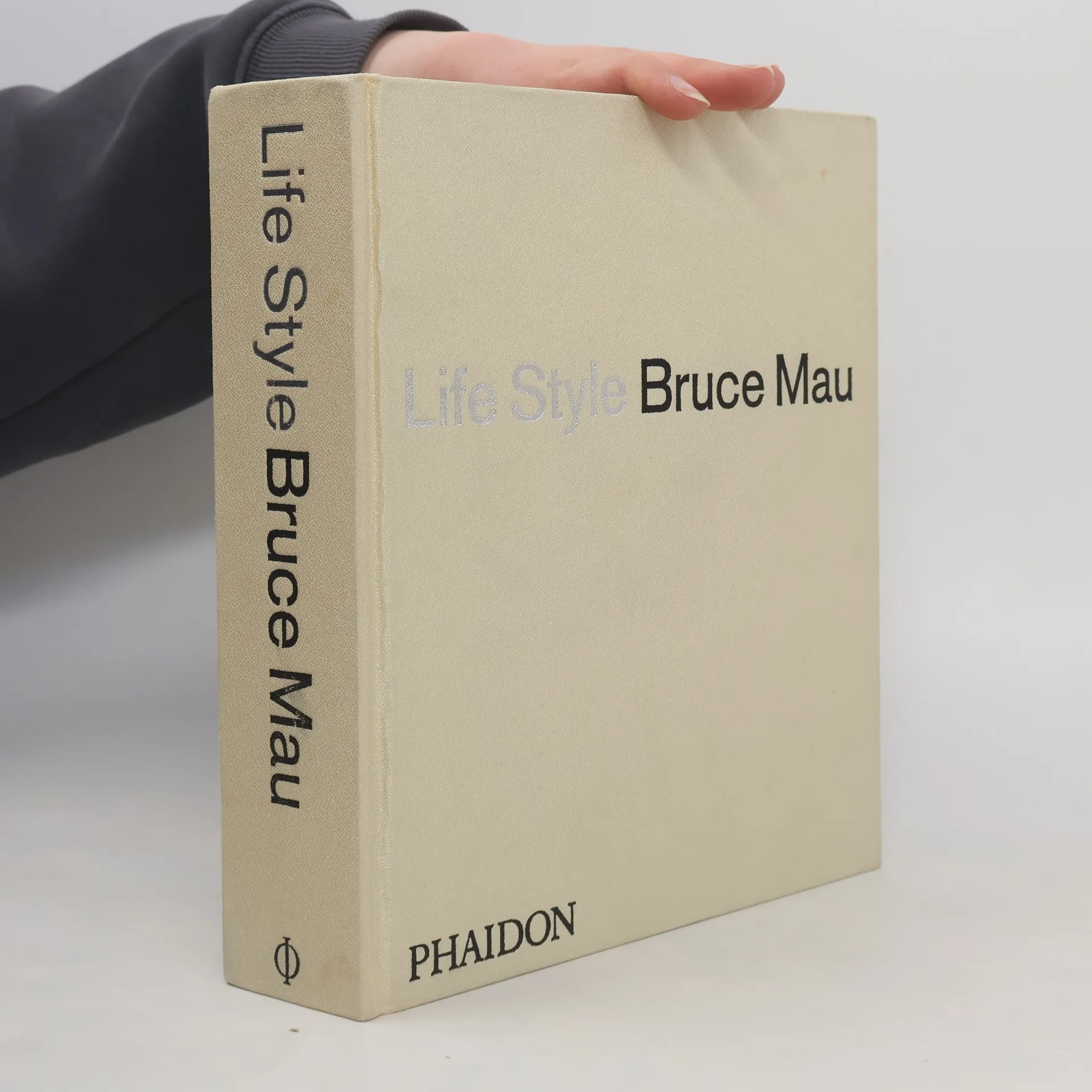
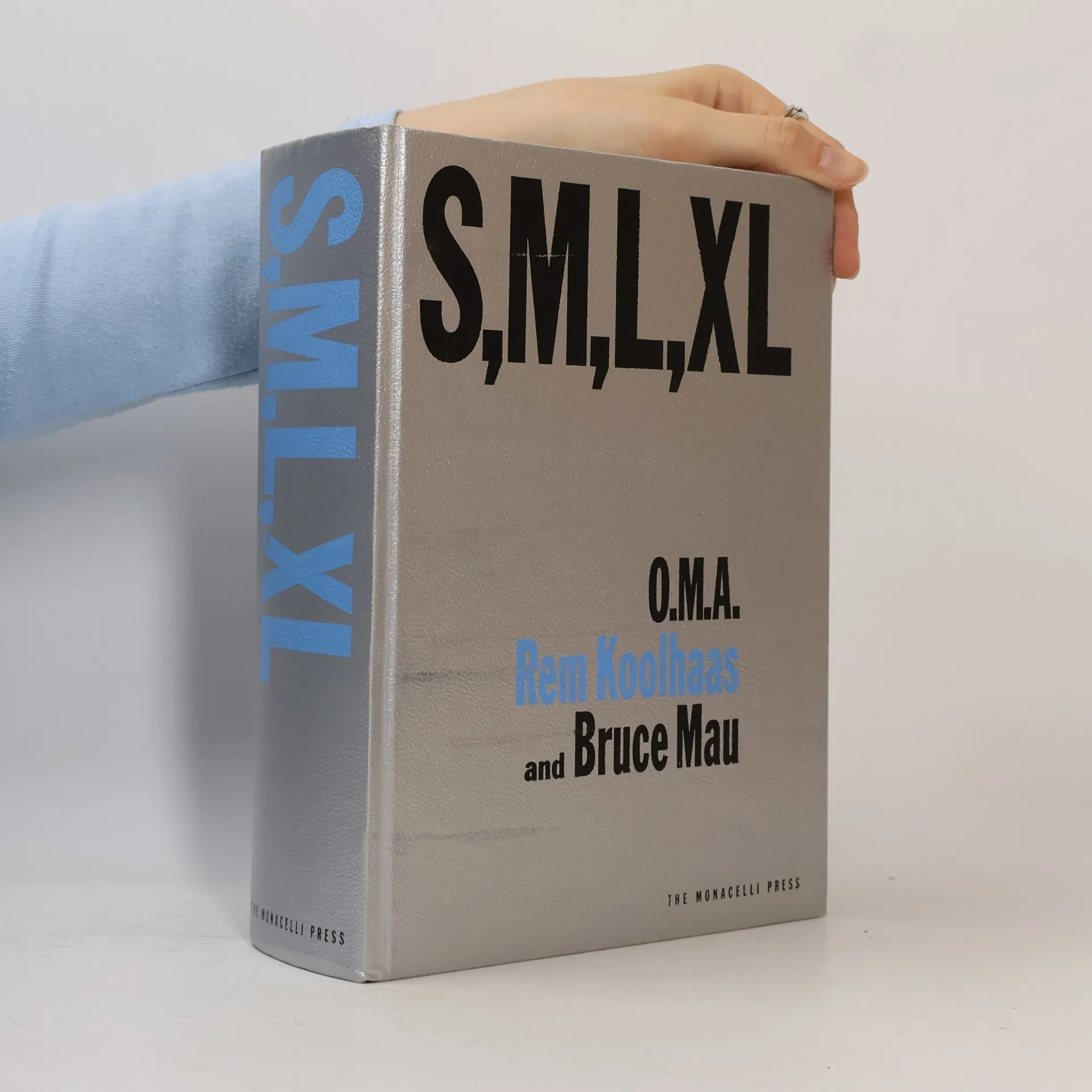
Bruce Mau is een visionaire ontwerper wiens werk de constante bevraging van de wereld en zijn transformaties onderzoekt. Zijn benadering van design gaat verder dan louter esthetiek, gericht op het veranderen van denkbeelden en het verbinden van diverse disciplines. Mau's projecten dagen vaak conventionele grenzen uit en openen nieuwe wegen voor creatieve probleemoplossing. Zijn invloed is duidelijk in zijn voortdurende streven naar innovatie en zijn drive om vorm te geven aan hoe we onze omgeving waarnemen en ermee omgaan.
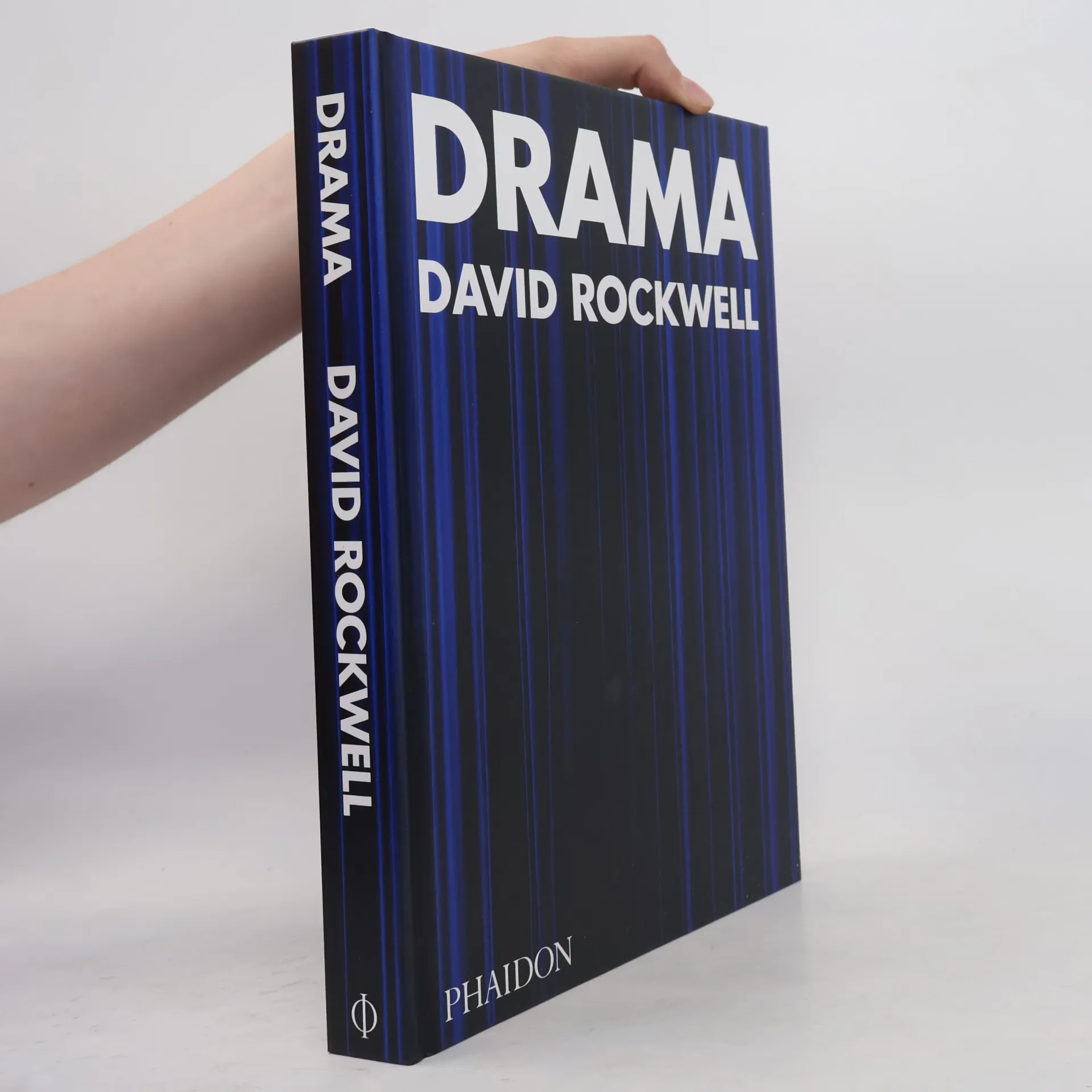
Focusing on the intersection of architecture and performance, this work delves into David Rockwell's innovative designs for hotels, restaurants, and cultural institutions, all influenced by his passion for theater. It highlights the core principles that enhance his architectural impact, featuring insights from notable figures like Quincy Jones and José Andrés. The book serves as both an exploration of Rockwell's significant contributions to contemporary architecture and a compelling argument for the benefits of interdisciplinary collaboration.
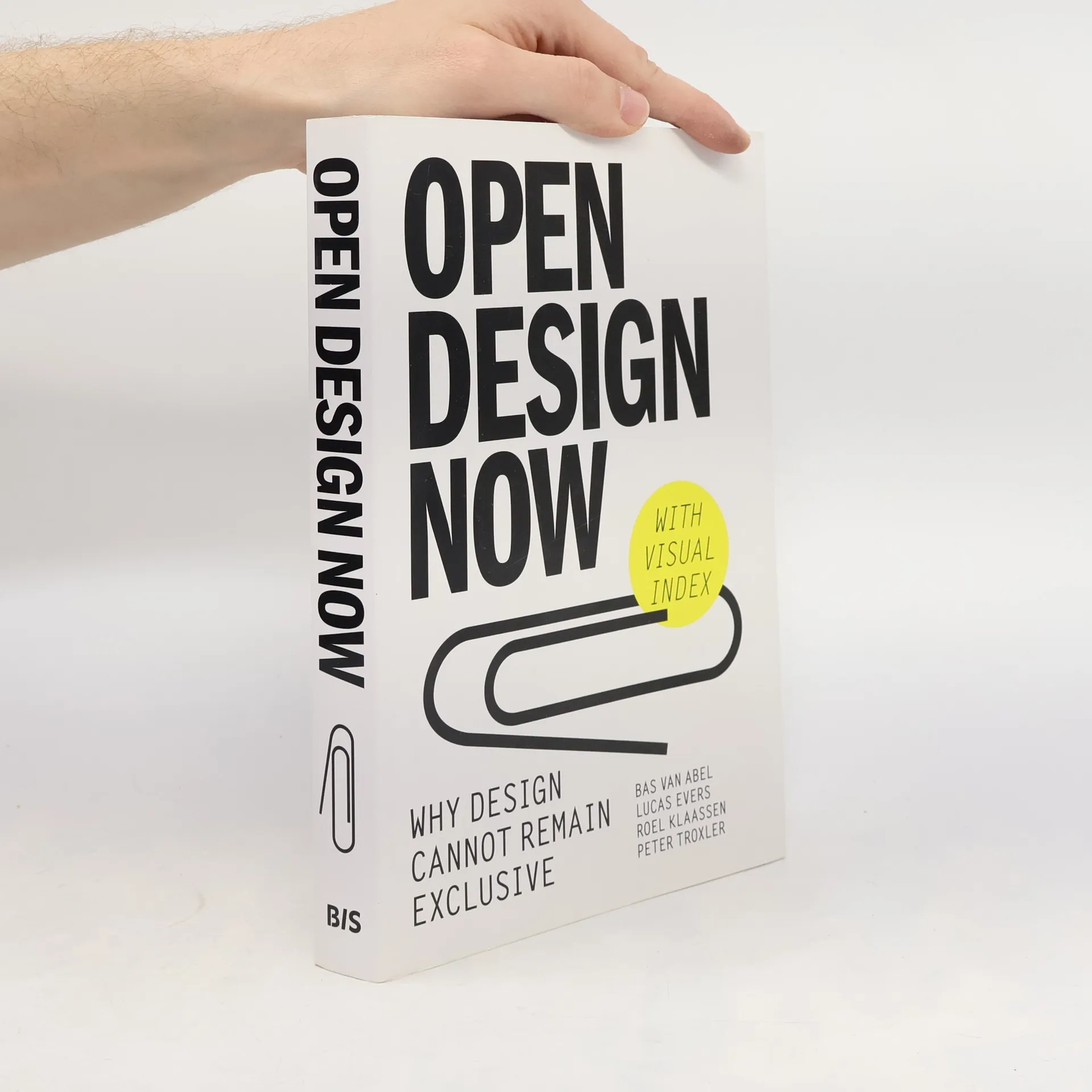
A multitude of articles - written by academics mostly centered around the industrial-design scene in the Netherlands - attempting definitions, describing challenges, opportunities and listing the tools, methodologies of the emerging field of Open Design. There is no consensus, especially in trying to define the field (what's included, what's not), and there is partially too much overlap in some of the articles (yes, the consumer turns into a pro-sumer, i get it now) but all in all the book, with its articles and additional short portraits, gives a great overview of the field (era 2011). Joost Smiers thought experiment stood out to me, where he theorizes that a complete abolishment of copyright laws would lead to a negative-feedback controlled market that wouldn't allow any blockbusters, any bestsellers to emerge and therefore even out the market to a more localized, fair system that would feed all artists and designers equally. One of the aspiring characteristics of Open Design - whether intentionally or not - is that it makes end-users (pro-sumers) assume more responsibility for their products/goods. And as we are facing scarcity of resources and nevertheless dispose of 50% of products within 3 months of buying (stats?), the books leaves one with the hope that the Open Design movement and all its cousins (Hacking, Recycling, Repairing, Sharing culture ..) might grip and help solve these problems.
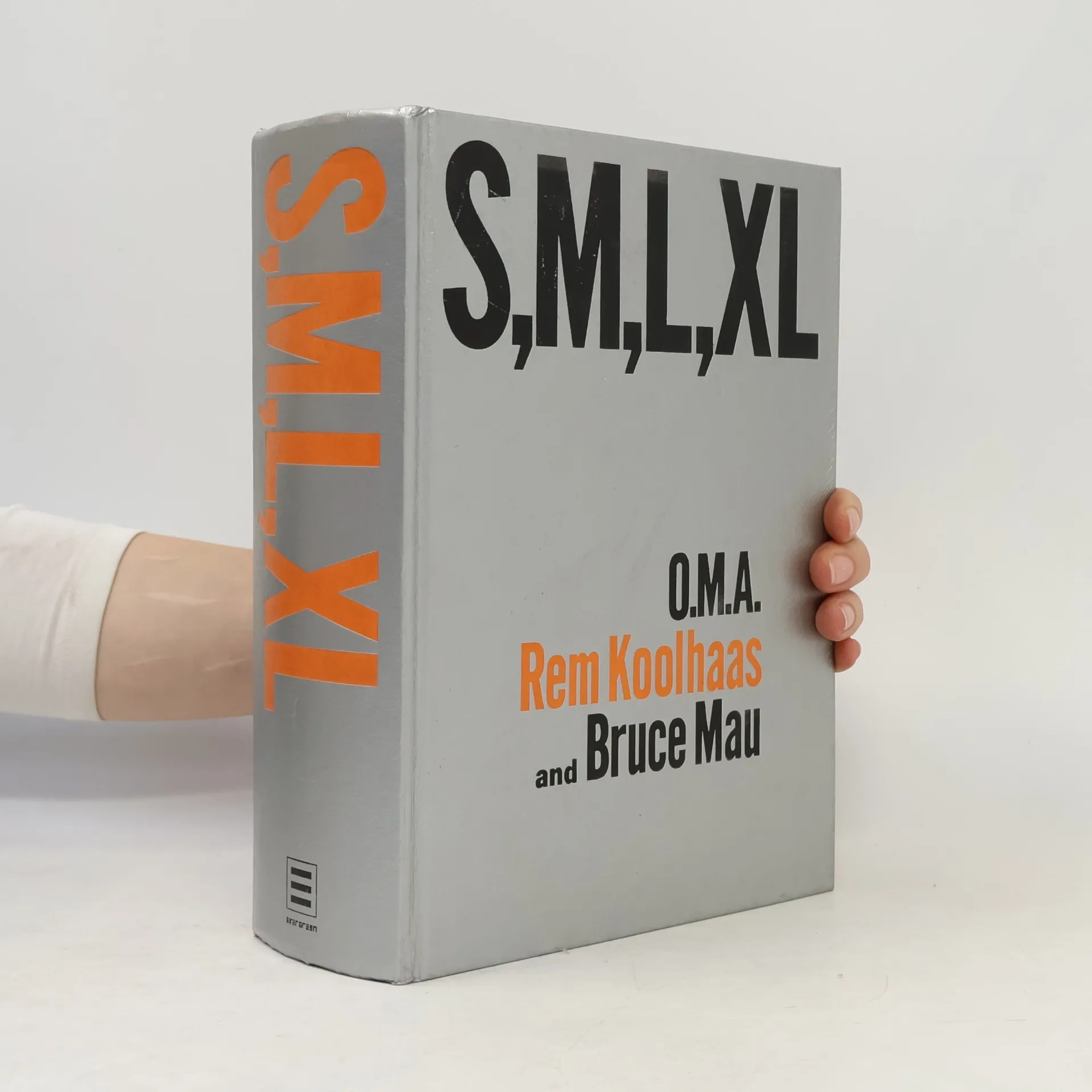
Originally published to great critical acclaim in 1966, this text combines a selection of design works produced by the Dutch firm, Office for Metropolitan Architecture (O.M.A.) and its founder, Rem Koolhaas.