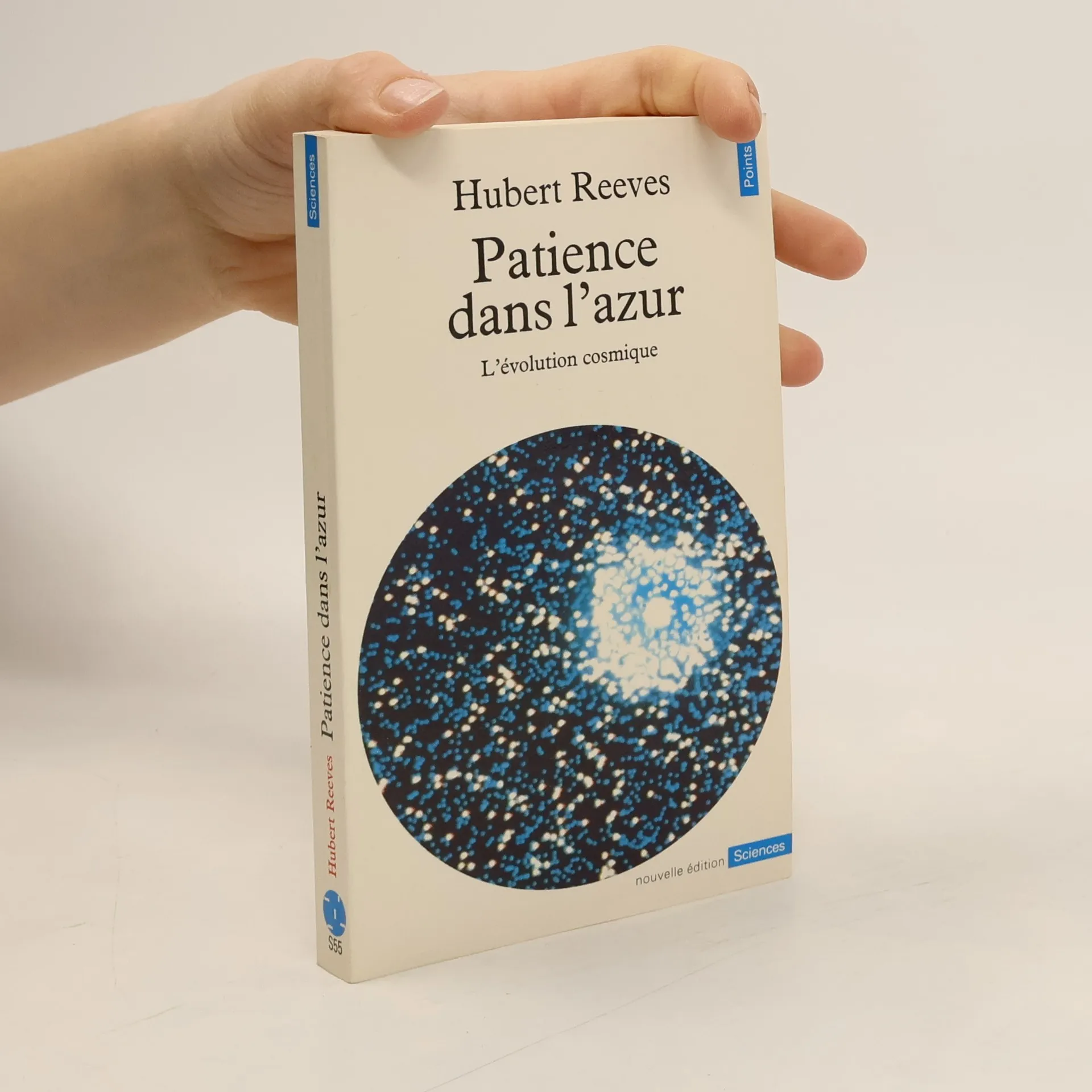
Paul Valéry, étendu sur le sable chaud d’une lagune, regarde le ciel. Dans son champ de vision, des palmiers se balancent mollement, mûrissant leurs fruits. Il est à l’écoute du temps qui sourdement fait son œuvre. Cette écoute, on peut l’appliquer à l’univers. Au fil du temps se déroule la gestation cosmique. À chaque seconde, l’univers prépare quelque chose. Il monte lentement les marches de la complexité. » H.R.Quand Hubert Reeves rencontre Paul Valéry, et l’astrophysique la poésie, la vulgarisation des sciences s’enrichit d’un grand classique qui, en un quart de siècle, n’a pas pris une ride.
Libero Sosio Boeken

The Origin of Consciousness in the Breakdown of the Bicameral Mind
- 512bladzijden
- 18 uur lezen
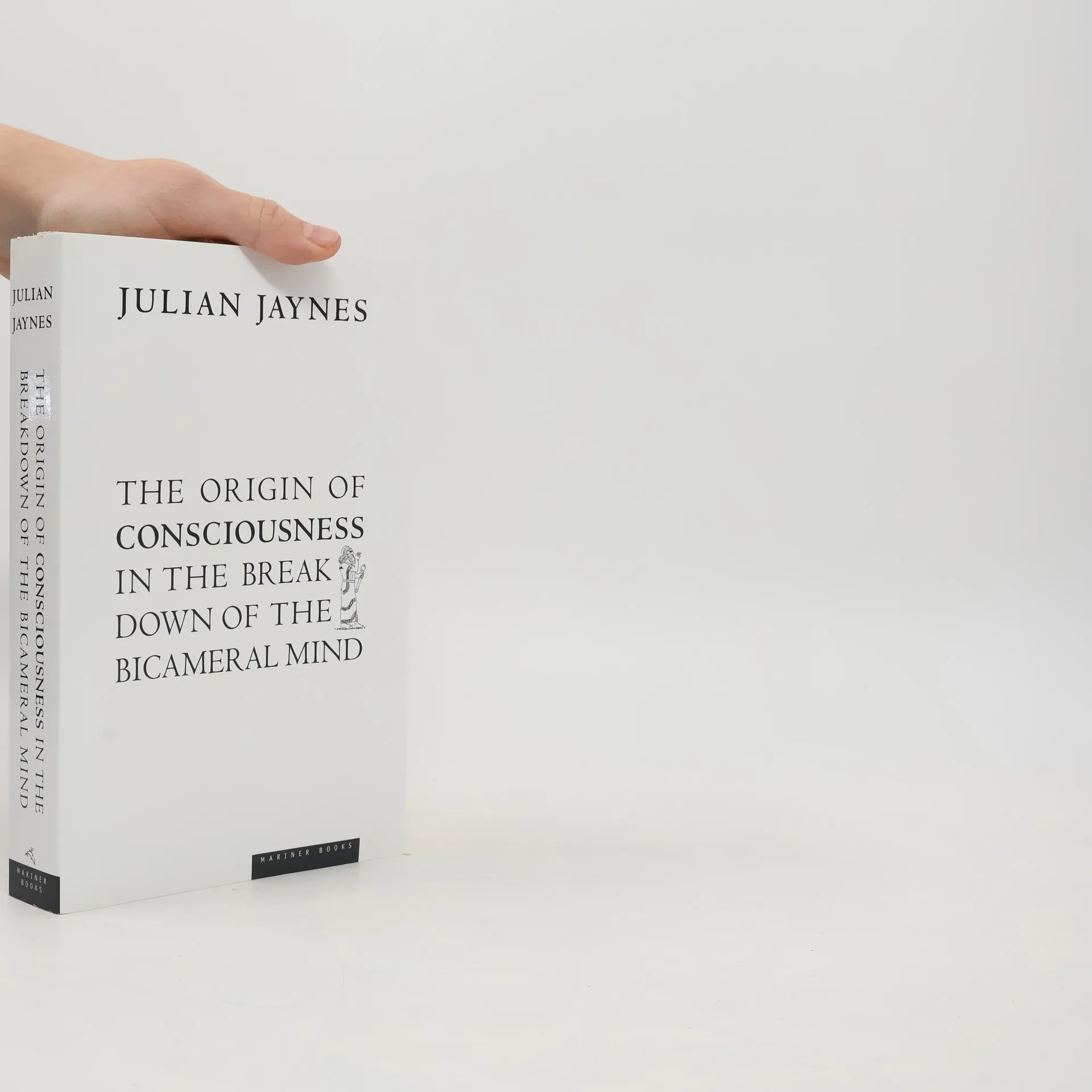
What is human consciousness, where did it come from, and how does it determine who we are and how we live in the world? At the heart of this book is the theory that human consciousness did not develop over time--that, in fact, ancient peoples from mesopotamia to Peru did not "think" as we do and therefore were not conscious. Drawing on laboratory studies of the brain and clos examination of archaeological evidence, the author concludes that consciousness is not a product of evolution but of catastrophic events in our own history, events that occurred as recently as three thousand years ago.
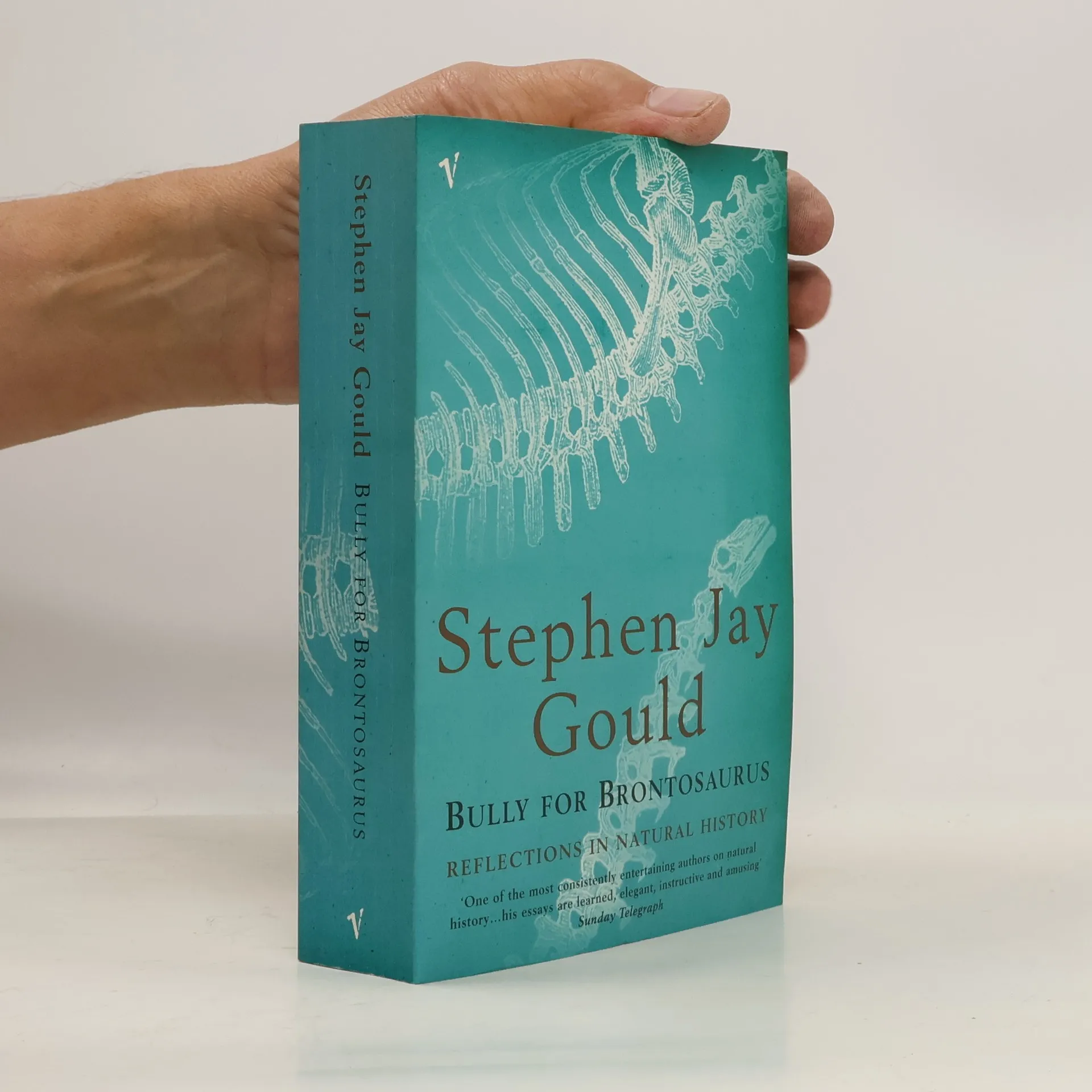
This text is a metaphor for the way individuals and unpredictable events influence history. In response history, suggests the author, is the best model for evolution. The author explores the science of improbable outcomes in this wide ranging book written on the evolutionary theme.
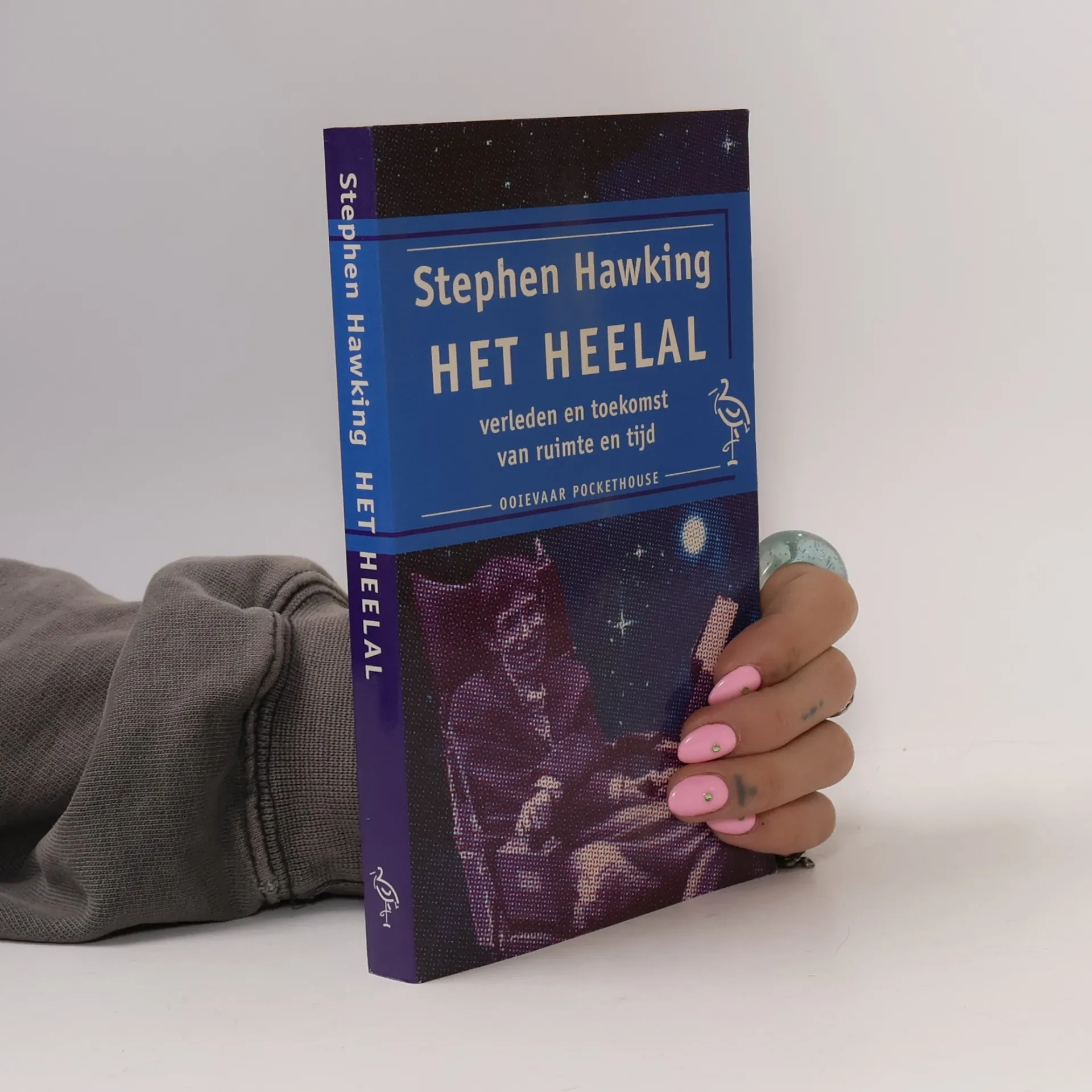
In the ten years since its publication in 1988, Stephen Hawking's classic work has become a landmark volume in scientific writing, with more than nine million copies in forty languages sold worldwide. That edition was on the cutting edge of what was then known about the origins and nature of the universe. But the intervening years have seen extraordinary advances in the technology of observing both the micro- and the macrocosmic worlds. These observations have confirmed many of Professor Hawking's theoretical predictions in the first edition of his book, including the recent discoveries of the Cosmic Background Explorer satellite (COBE), which probed back in time to within 300,000 years of the universe's beginning and revealed wrinkles in the fabric of space-time that he had projected. Eager to bring to his original text the new knowledge revealed by these observations, as well as his own recent research, Professor Hawking has prepared a new introduction to the book, written an entirely new chapter on wormholes and time travel, and updated the chapters throughout.
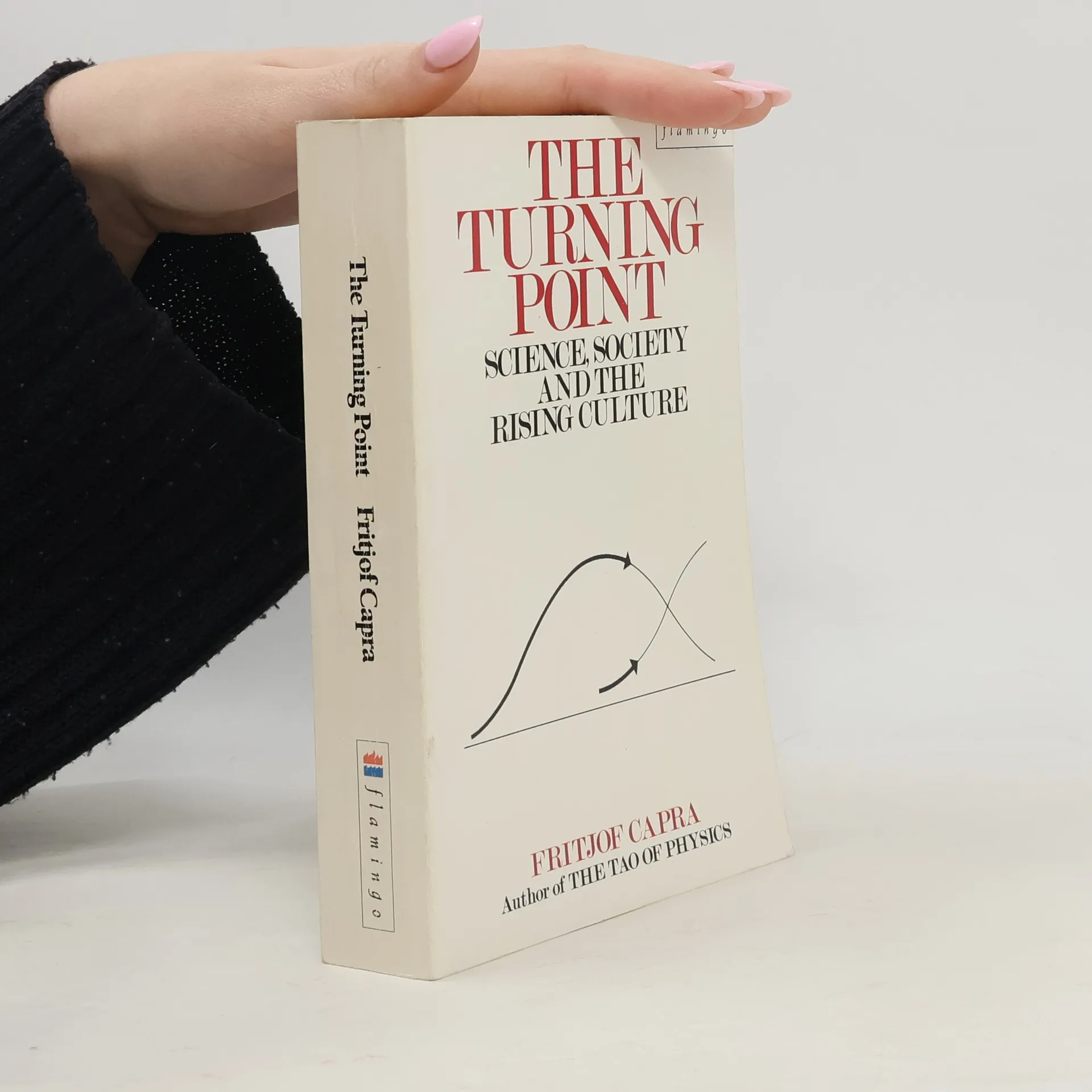
The Turning Point
Science Society and the Rising Culture
"We are trying to apply the concepts of an outdated world view--the mechanistic world view of Cartesian-Newtonian science--to a reality that can no longer be understood in terms of these concepts ... To describe this world appropriately, we need an ecological perspective that the Cartesian world view does not offer." (Preface 15,16)
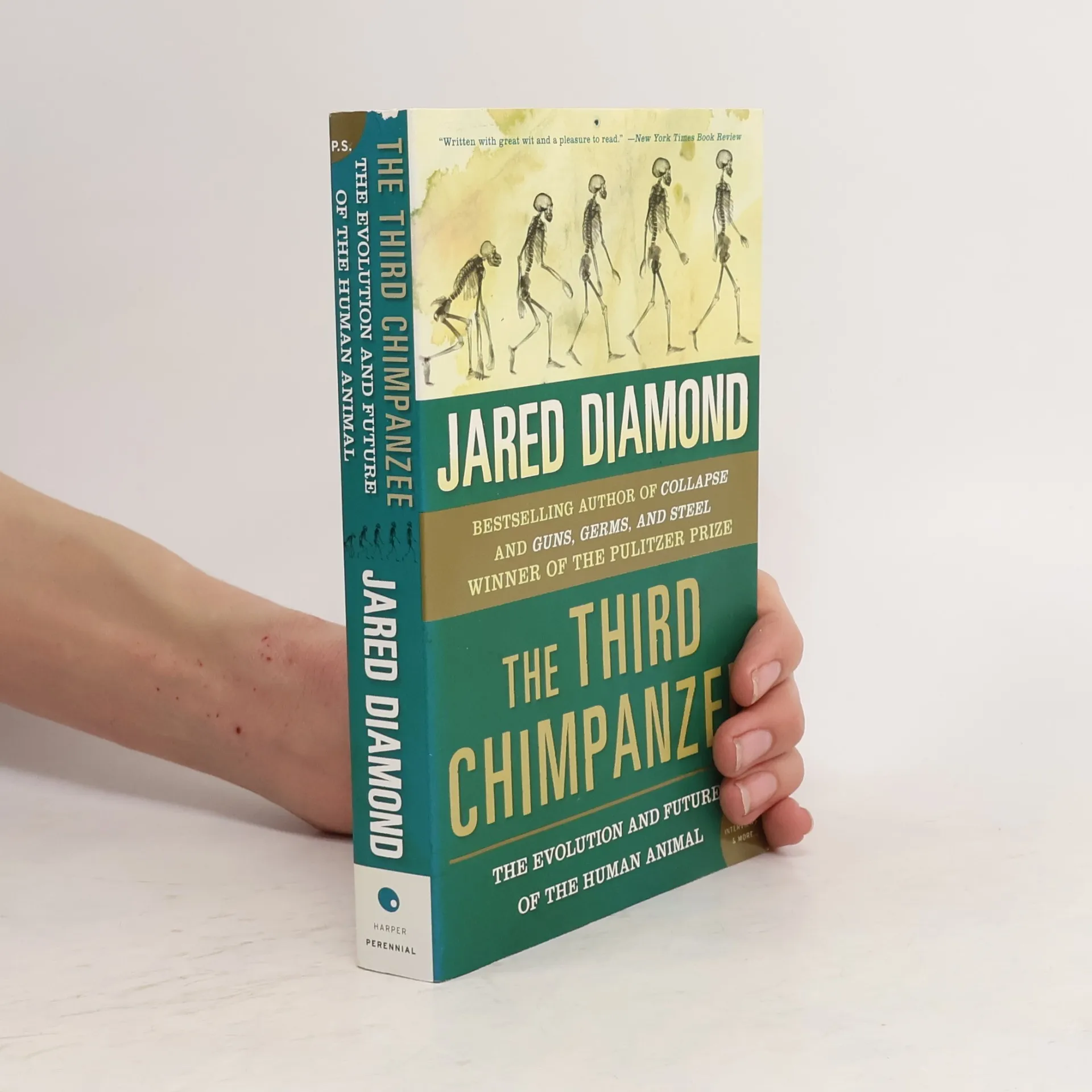
The Development of an Extraordinary Species We human beings share 98 percent of our genes with chimpanzees. Yet humans are the dominant species on the planet -- having founded civilizations and religions, developed intricate and diverse forms of communication, learned science, built cities, and created breathtaking works of art -- while chimps remain animals concerned primarily with the basic necessities of survival. What is it about that two percent difference in DNA that has created such a divergence between evolutionary cousins? In this fascinating, provocative, passionate, funny, endlessly entertaining work, renowned Pulitzer Prize–winning author and scientist Jared Diamond explores how the extraordinary human animal, in a remarkably short time, developed the capacity to rule the world . . . and the means to irrevocably destroy it.
Zijn we slim genoeg om te weten hoe slim dieren zijn?
- 336bladzijden
- 12 uur lezen
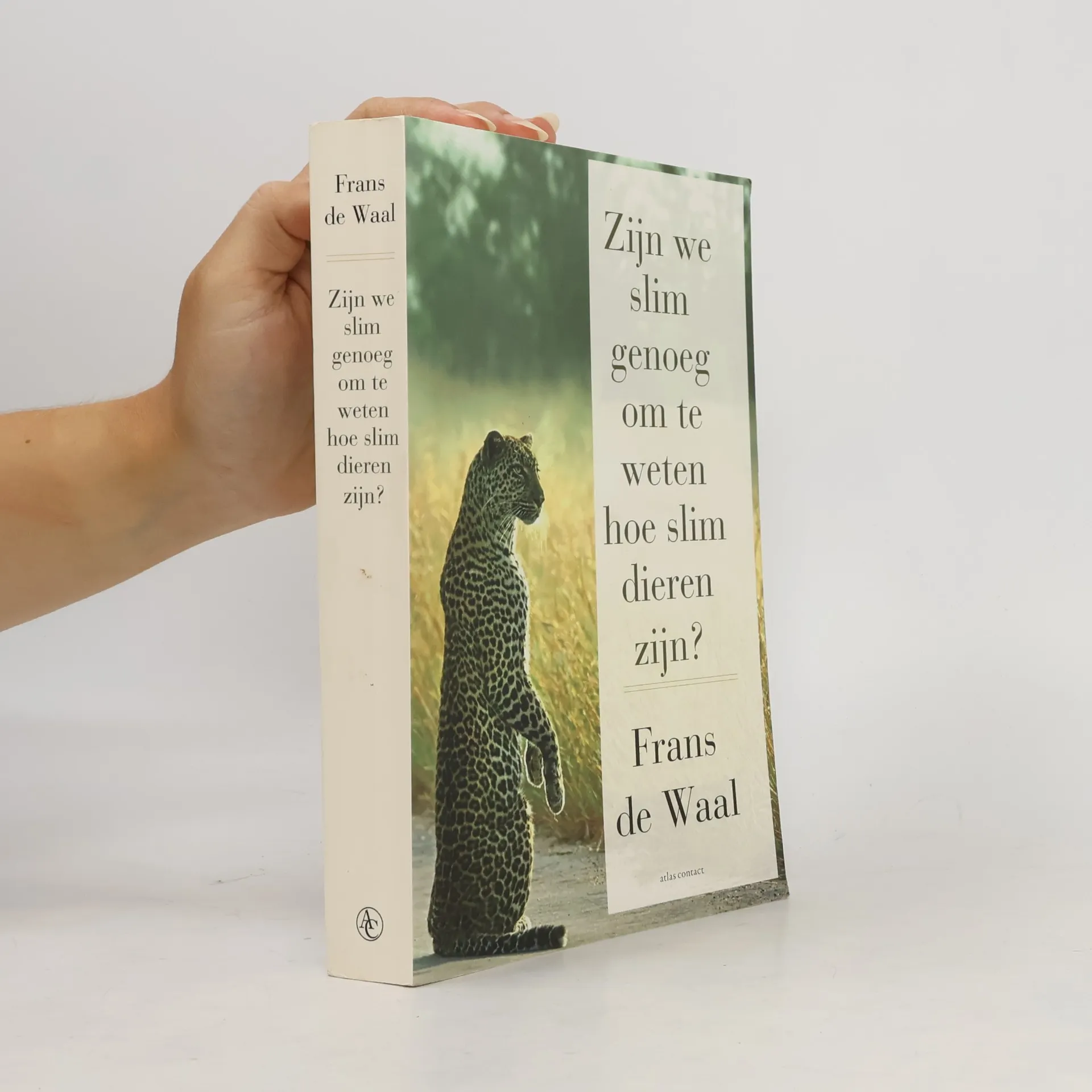
Kan een octopus gereedschap gebruiken? Weten chimpansees wat eerlijk is? Kan een vogel raden wat een andere vogel weet? Voelen ratten empathie met hun vrienden? Niet zo lang geleden zou het antwoord op al deze vragen ‘Nee’ geweest zijn, maar nu zijn we er niet meer zo zeker van. Als je goed kijkt, blijken dieren een stuk slimmer te zijn dan we dachten. Wat is het verschil tussen menselijke en dierlijke intelligentie, en vooral: hoe komen we daarachter? Het zijn vragen die Frans de Waal al zijn hele carrière bezighouden. De laatste jaren heeft het onderzoek naar dierlijke intelligentie een grote vlucht genomen. Onderzoekers proberen zich steeds meer te verplaatsen in het standpunt van de dieren. In Zijn we slim genoeg om te weten hoe slim dieren zijn? maakt Frans de Waal de balans op. Een fascinerend boek dat je op een werkelijk andere manier laat kijken naar wat dier én mens kunnen.
De wereld van Star Trek
- 208bladzijden
- 8 uur lezen
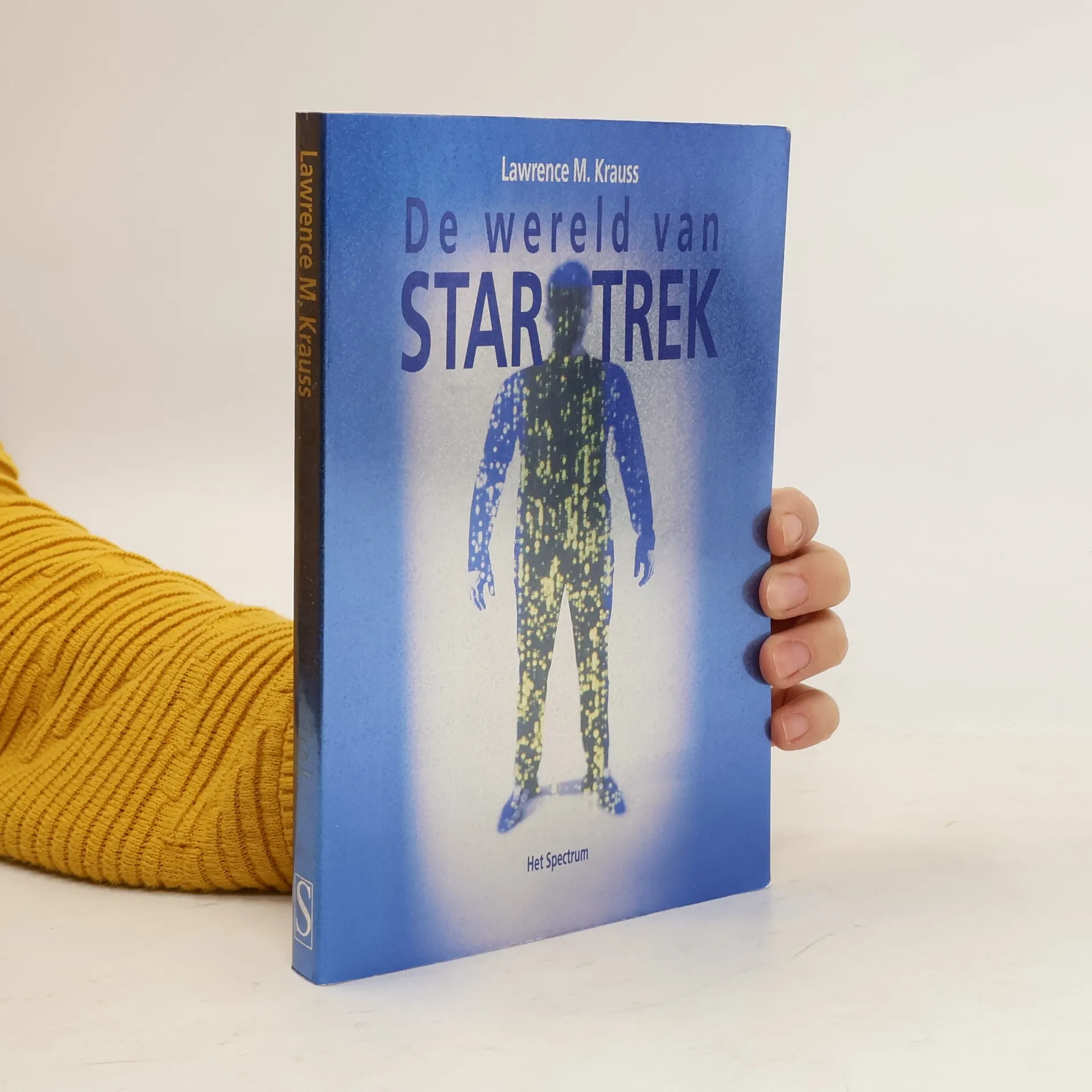
Hoe werkt een warp-drive precies? Wat is het verschil tussen een holodek en een hologram? Wat gebeurt er als je wordt 'opgestraald'? Wat is het verschil tussen een wormgat en een zwart gat? Wat is antimaterie en waarom heeft de Enterprise die nodig? Is het mogelijk om te reizen in de tijd, en kan ik mijn vader vermoorden nog voor ik geboren ben? Al deze vragen hebben betrekking op de natuurkundige aspecten van de wereld van Star Trek. Wat behoort in deze wereld tot de (theoretische) mogelijkheden en wat is pure fiction of zelfs volslagen onmogelijk? Op deze vragen wordt ingegaan door de bekende natuurkundige Lawrence M. Krauss en hij geeft een aantal fascinerende antwoorden. Lawrence M. Krauss is hoogleraar natuurkunde en astronomie; hij is hoofd van de Afdeling Fysica van de Case Western Reserve Universiteit.