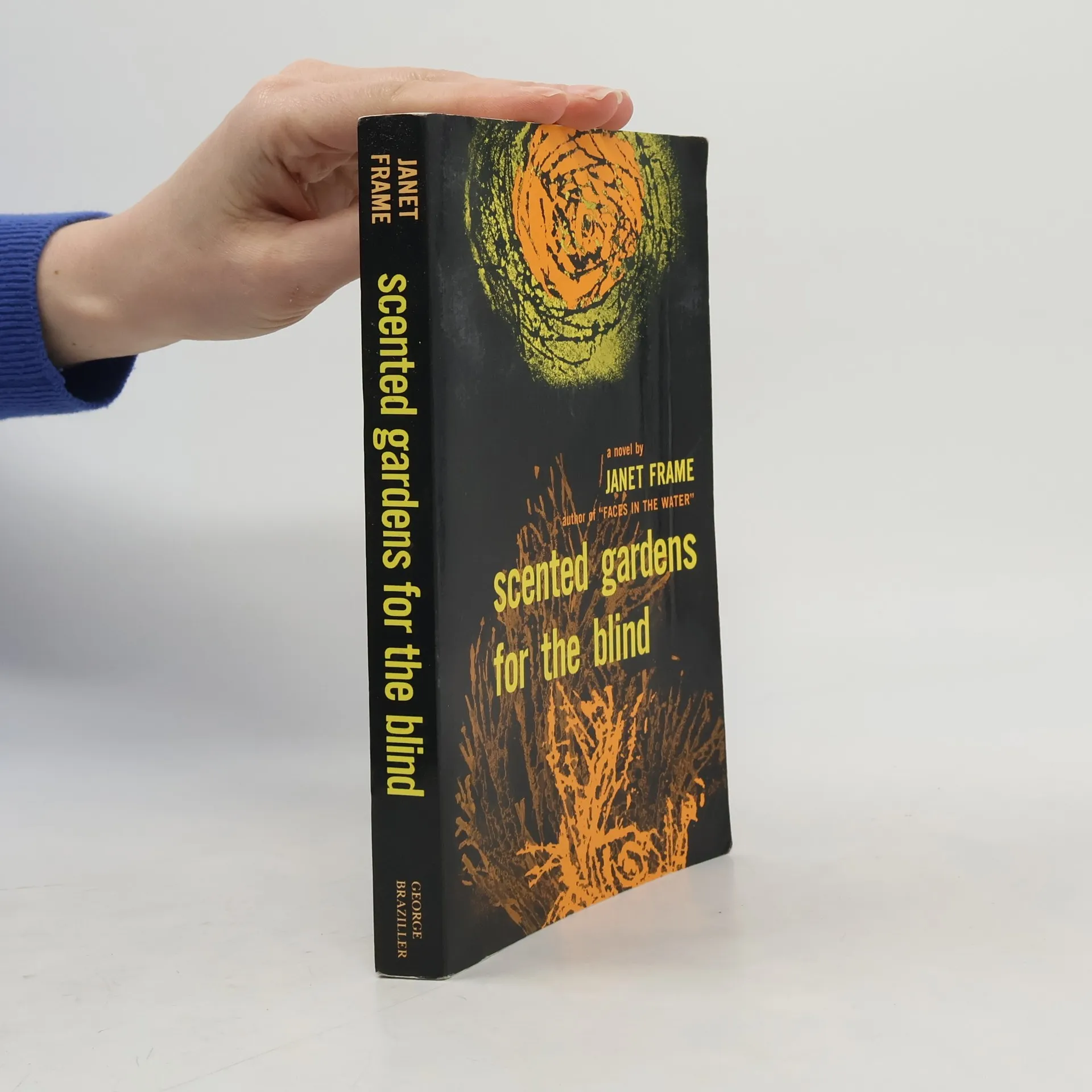
Het werk van deze auteur is diep geworteld in persoonlijke strijd en maatschappelijke vervreemding, waarbij thema's als identiteit, de strijd tegen onrecht en het verlangen naar vrijheid worden verkend. Haar proza wordt gekenmerkt door een rauwe, suggestieve stijl die de diepgaande innerlijke levens van haar personages vastlegt. Geconfronteerd met immense persoonlijke uitdagingen, vond ze troost en expressie in het schrijven, waarmee ze uiteindelijk haar ambitie om schrijfster te worden waarmaakte. Haar meeslepende verhalen bieden een krachtig getuigenis van menselijke veerkracht en de onbedwingbare geest in het aangezicht van tegenspoed.
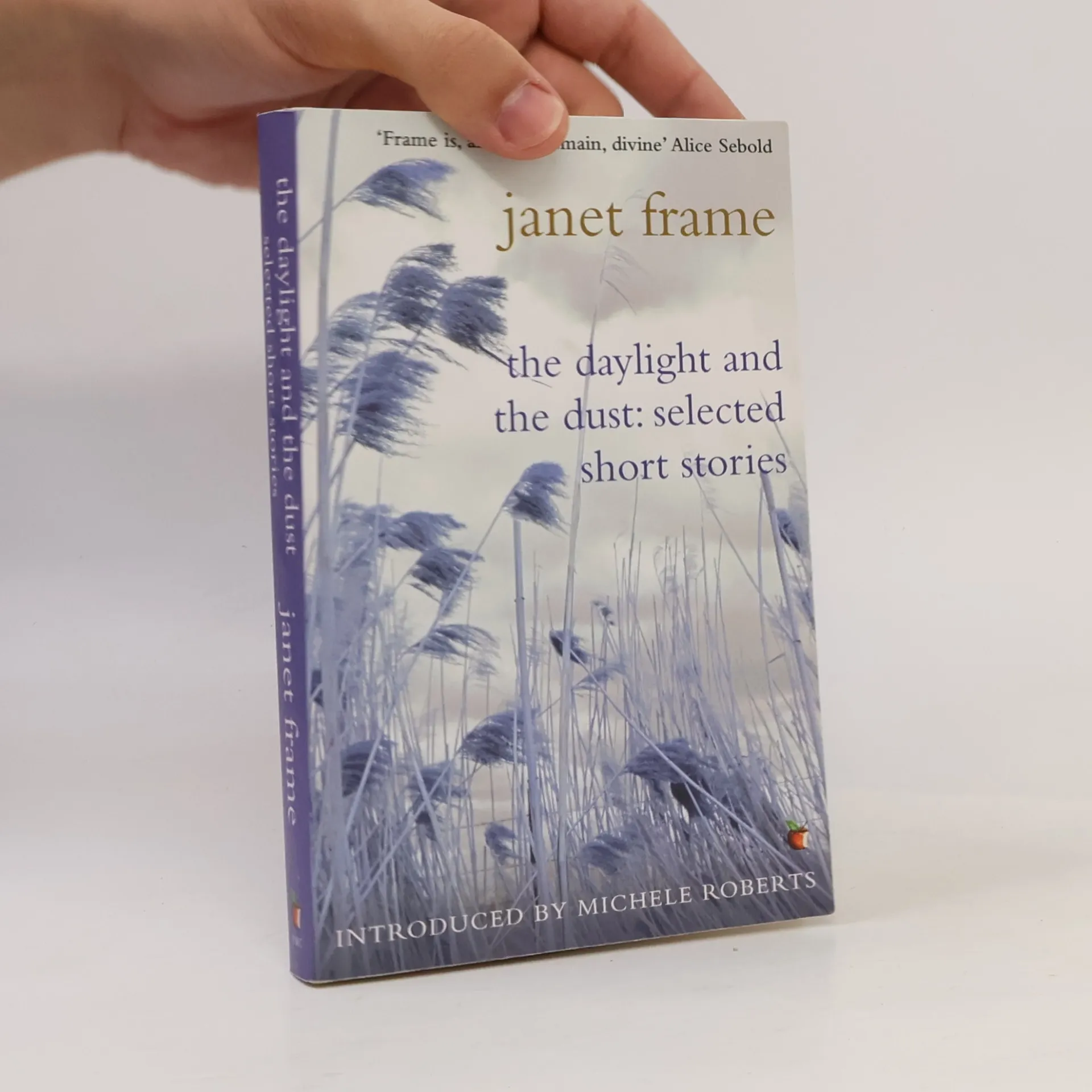
This is the cautionary tale of Toby Withers and Zoe Bryce, companions at the edge of the alphabet--that strange, incommunicable region of the mind walled by silence, noisy with dreams. Toby and Zoe meet on the ship to England. Irishman Pat Keenan, a London bus driver, passionately ordinary, forms the apex of the triangle.
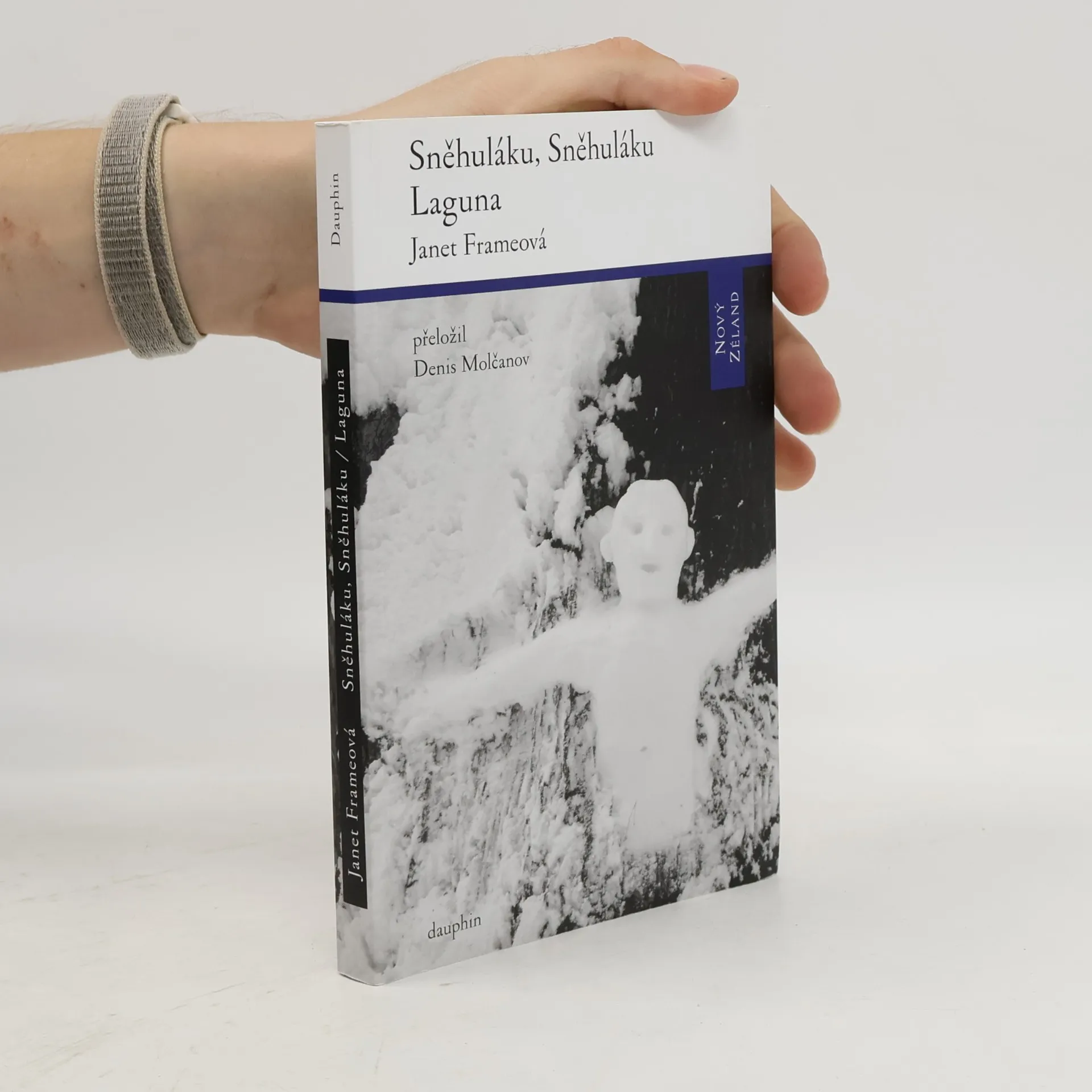
Kniha představuje českému čtenáři nejznámější novozélandskou spisovatelku. Svazek obsahuje novelu Sněhuláku, sněhuláku (1963) a soubor povídek Laguna, jímž Frameová v roce 1951 literárně debutovala. Sbírku čtyřiadvaceti povídek sepsala jako pacientka psychiatrické léčebny, kam byla v době svého dospívání umístěna s chybnou diagnózou „schizofrenie“.
Krátké, námětově zdánlivě jednoduché příběhy inspirované vlastními zkušenostmi jsou rámované kulisami autorčina dětství a jsou vhledem do autorčina částečně ještě adolescentního pohledu na svět, jejího ohledávání vlastního vnitřního světa, popsaného ovšem velmi obrazně, výsostně poeticky, se smyslem pro výstižný detail a metaforu. Spojujícím prvkem všech příběhů je jednak ztráta: ztráta pocitu bezpečí, ztráta domova, ztráta mysli nebo i sebe sama, a jednak znepokojivá, syrová a emocionálně silná otevřenost. Když tato prvotina získala nejprestižnější novozélandské literární ocenění The Hubert Church Prose Award, zachránilo to autorku od lékaři plánované lobotomie a byla po letech propuštěna. Pozdnější novela Sněhuláku, sněhuláku zpracovává v magicko-realistickém duchu téma věčnosti a konečnosti. Sledujeme zde „dobrodružství smrtelnosti“, jak je prožívá sněhulák postavený malou holčičkou před jejím domem.
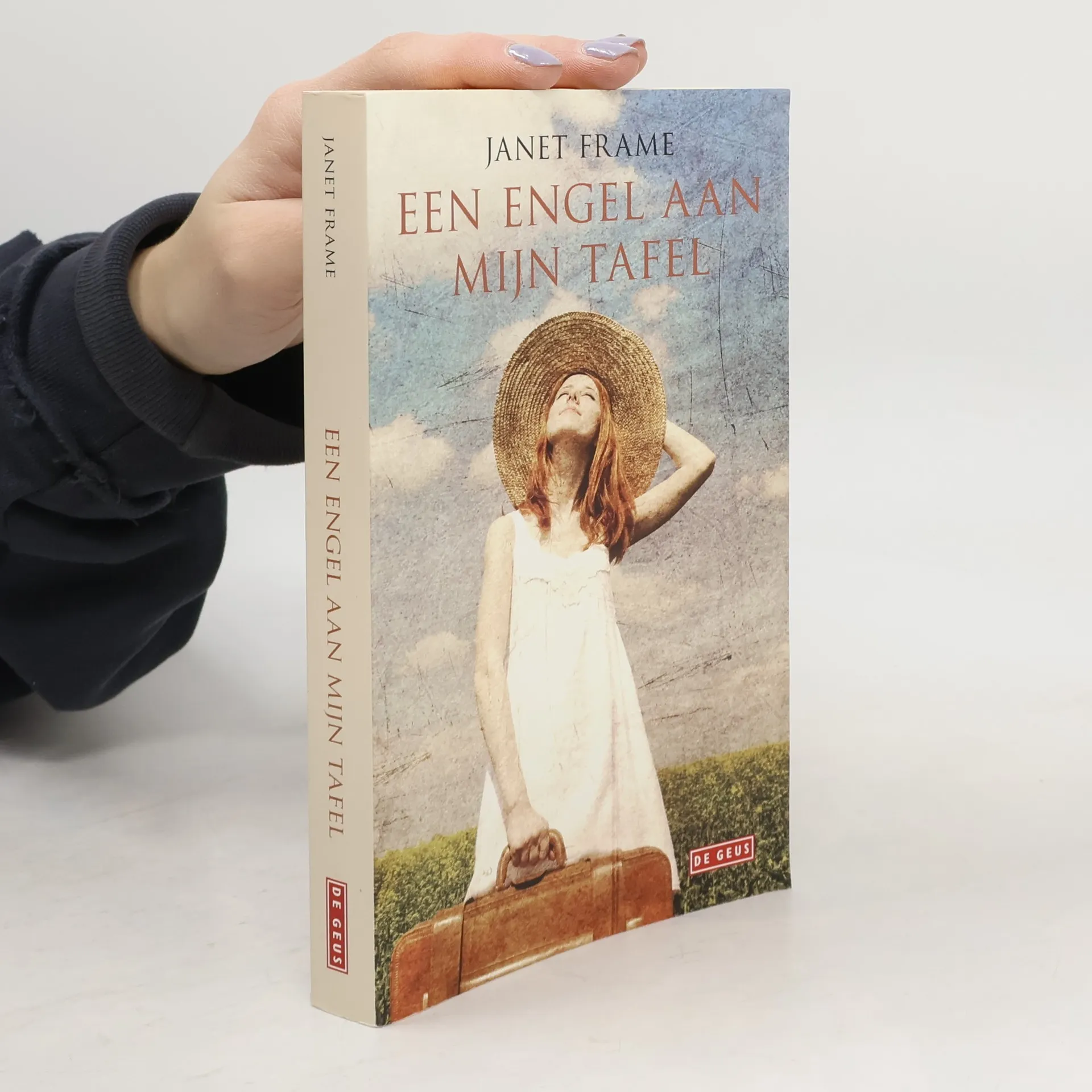
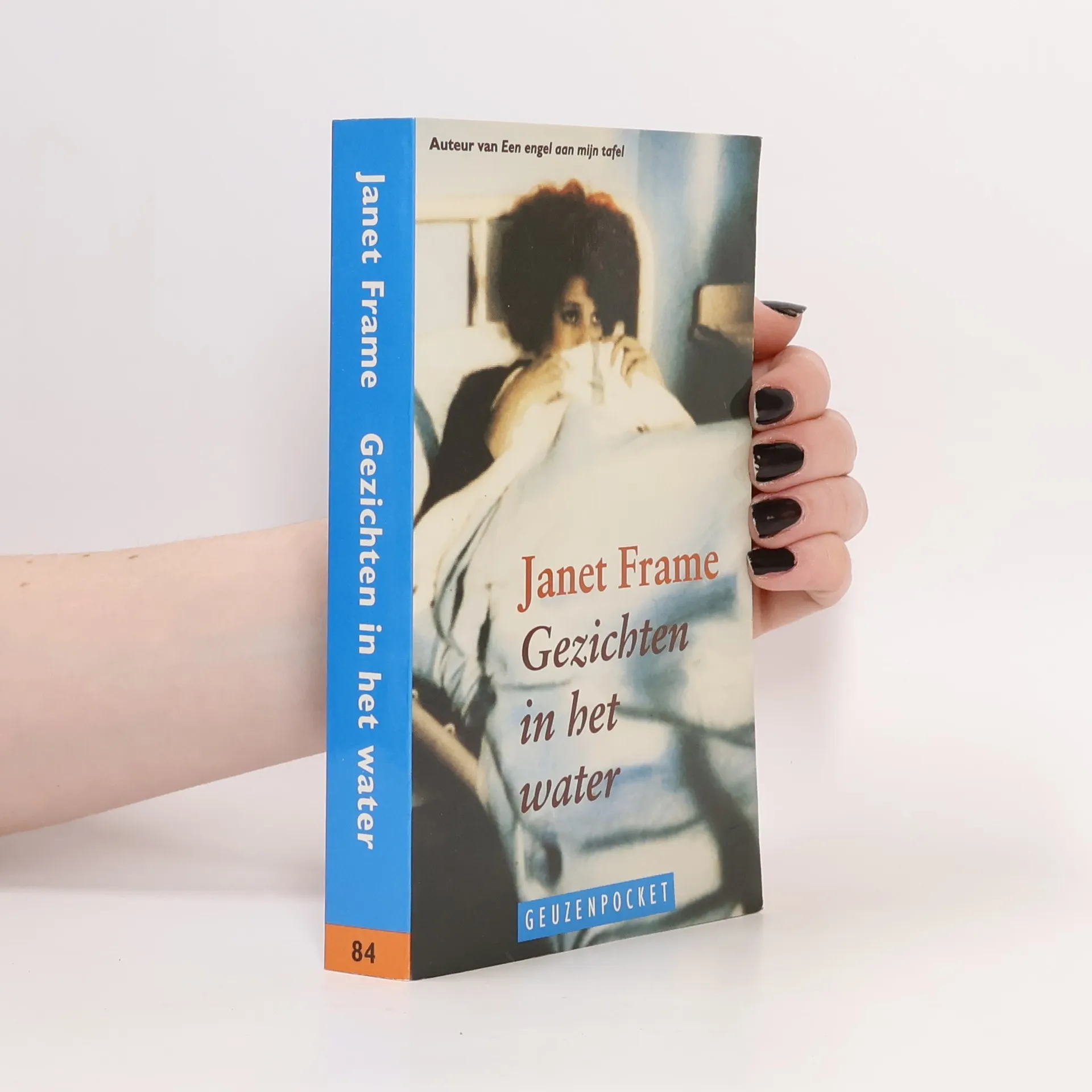
De Nieuw-Zeelandse schrijfster Grace Cleave voelt zich nergens echt thuis en verkeert in een isolement. Wanneer ze een weekend doorbrengt bij een recensent en zijn gezin wordt ze des te meer geconfronteerd met haar onvermogen tot communicatie en haar gevoel nergens helemaal bij te horen. Haar gedachten gaan terug naar haar jeugd in Nieuw-Zeeland: scherp en geestig observerend concludeert ze dat alleen het schrijverschap haar de toevlucht kan bieden die ze nodig heeft.
Our world is changing at a dizzying our physical environment, our communities and our cultures, how we communicate and the speed with which we adapt to new ways of experiencing and living in the world. Caught in the midst of decline and regeneration, what are we losing and what are we gaining? And how do we decide what's worth saving and what should be thrown away? In this issue, we travel to places on the cusp of staggering change, talk to people who have seen and done it all and rescue a few choice items from the recycling bin. From Ireland's Catholic priests - once exported around the world and now under threat even in their own country - to the hitherto obscure music saved from extinction via the vast exchange mart of the Internet, "Granta 105" captures moments of both disappearance and rebirth in all their complexity and strangeness.
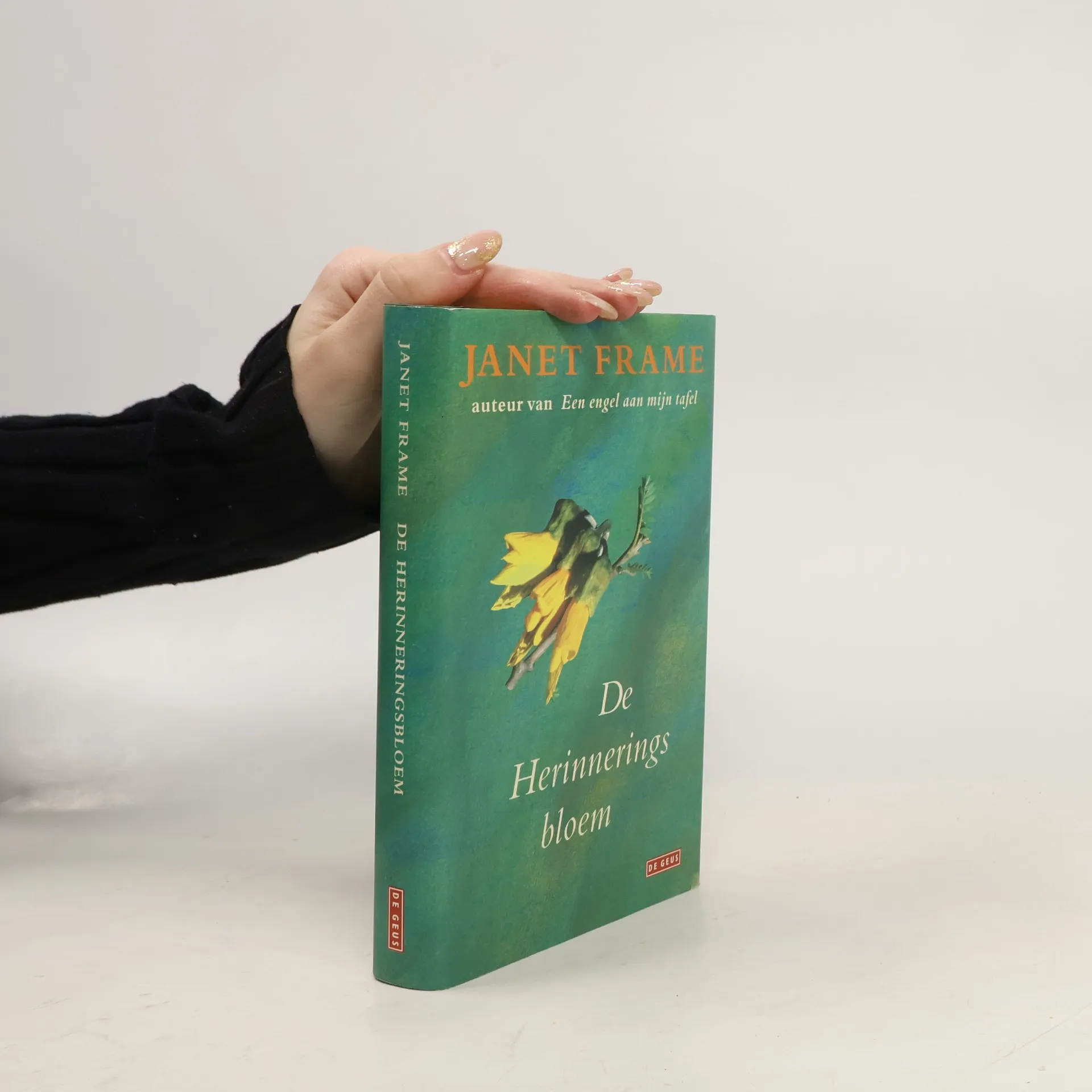
In Puamahara, een stadje in Nieuw-Zeeland, bevindt zich de oorsprong van de Legende van de Herinneringsbloem. Het is hiernaar dat een rijke Amerikaanse op zoek gaat. Zij besluit zich daartoe in het stadje P. te vestigen. Successievelijk bezoekt zij alle buren en probeert hun heden en verleden te doorgronden. Zij heeft vreemde gewaarwordingen, hoort beangstigende geluiden terwijl zij orde tracht te scheppen in haar warrige geestestoestand. Ook het bestaan van de Zwaartekracht-ster die tijd en afstand vernietigt probeert zij in te passen in haar levensbeeld. Terug in de VS blijkt zij een terminale ziekte te hebben en na haar dood volgt haar man in haar voetsporen om haar waarnemingen te herleven.
Recipient of the prestigious Commonwealth Writers Prize in 1989, Janet Frame has long been admired for her startlingly original prose and formidable imagination. A native of New Zealand, she is the author of eleven novels, four collections of stories, a volume of poetry, a children's book, and her heartfelt and courageous autobiography -- all published by George Braziller. This fall, we celebrate our thirty-ninth year of publishing Frame's extraordinary writing.
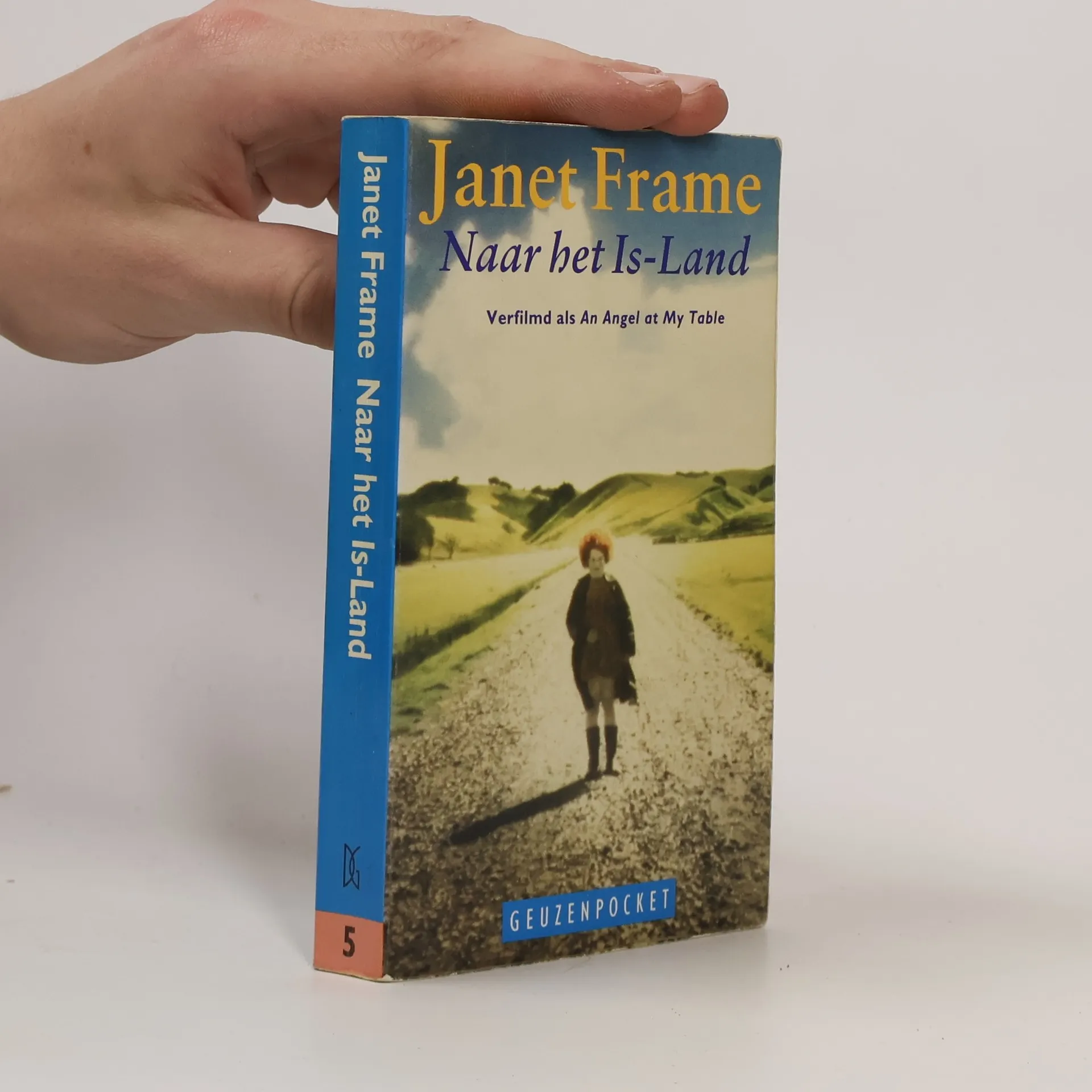
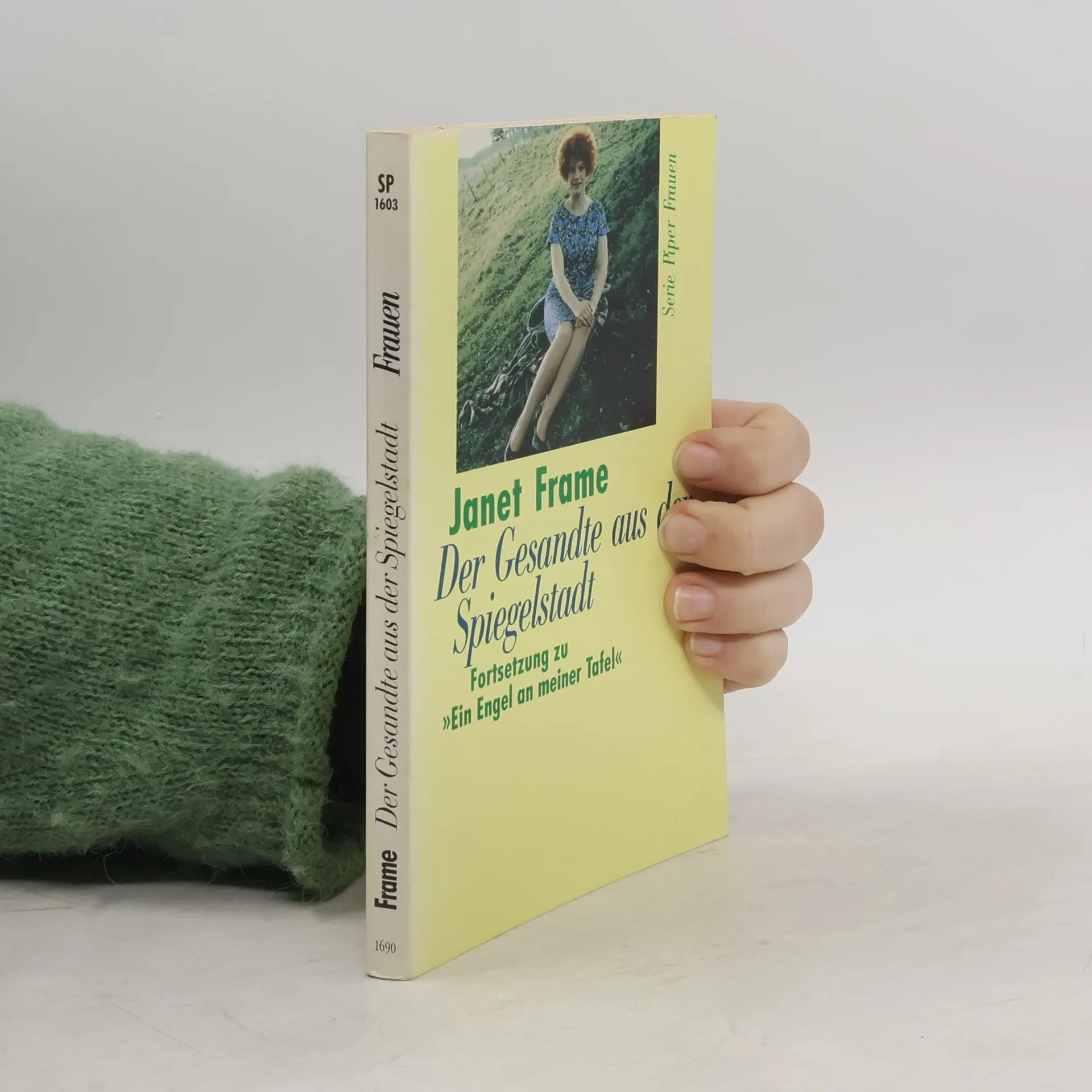
New Zealand's preeminent writer Janet Frame brings the skill of an extraordinary novelist and poet to these vivid and haunting recollections, gathered here for the first time in a single volume. From a childhood and adolescence spent in a poor but intellectually intense railway family, through life as a student, and years of incarceration in mental hospitals, eventually followed by her entry into the saving world of writers and the "Mirror City" that sustains them, we are given not only a record of the events of a life, but also "the transformation of ordinary facts and ideas into a shining palace of mirrors." Frame's journey of self-discovery, from New Zealand to London, to Paris and Barcelona, and then home again, is a heartfelt and courageous account of a writer's beginnings as well as one woman's personal struggle to survive.
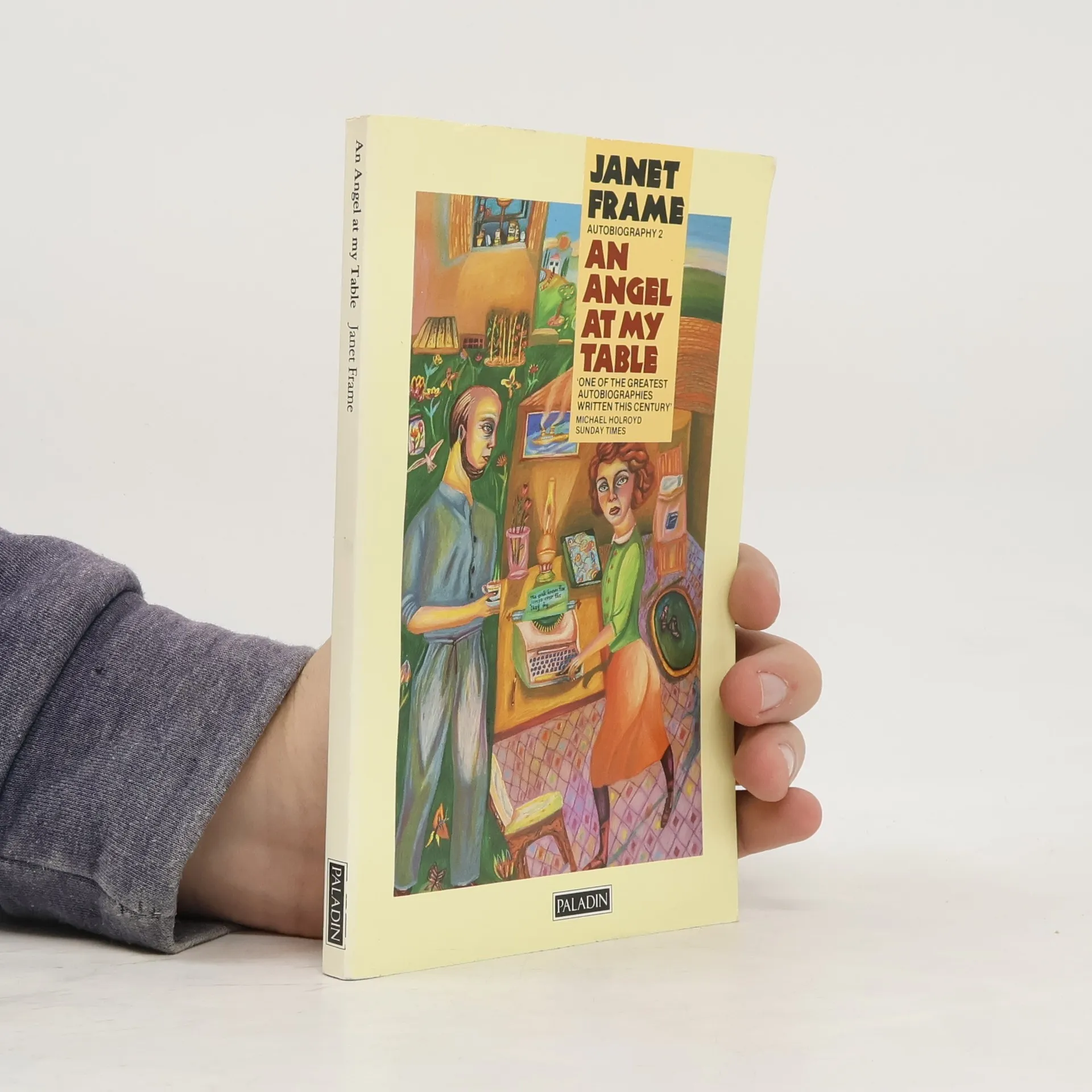
Librarian note: Alternative cover edition of ISBN 0586085866 This is the second volume in Janet Frame's autobiography, in which she tells of how she left the close-knit family home in Oamaru for teacher training college in Dunedin. Her college years were a time of intense loneliness that culminated in an attempted suicide and commital to a mental institution. Labelled as a schizophrenic, Janet spent eight harrowing years in psychiatric hospitals until the publication of her prize-winning collection of stories won her a discharge.
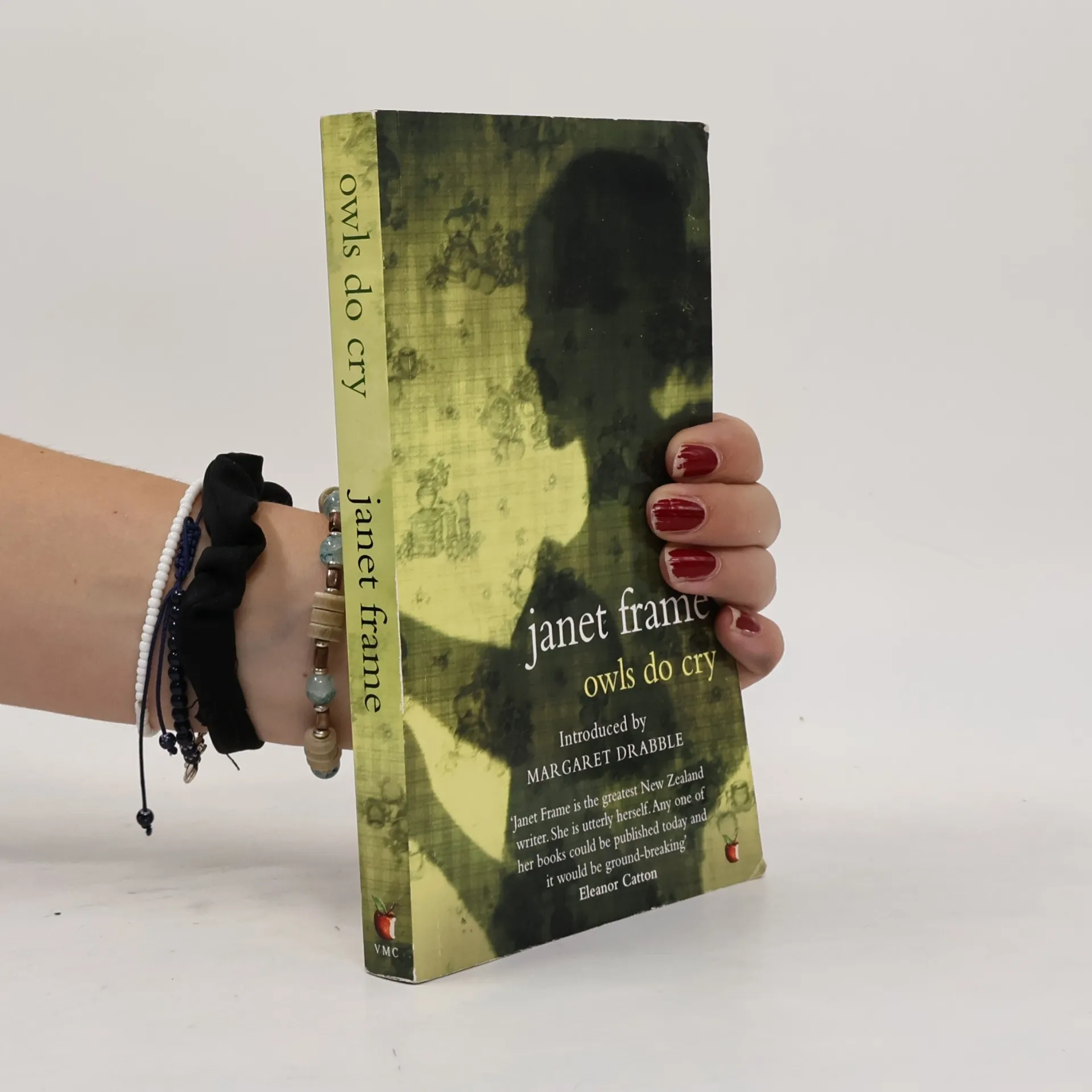
Owls Do Cry is the first novel of one of New Zealand's most acclaimed classic
writers, Janet Frame. Hailed as a masterpiece on first publication in 1957, it
is comparable to Sylvia Plath's The Bell Jar and One Flew Over the Cuckoo's
Nest by Ken Kesey.
Sensory perceptions are the tools with which Janet Frame investigates the failure of human communication in this extraordinary tale of a mind gone mad, a world become insane. With alternating interior monologues, the author conjures up the members of the Glace family: Vera, the mother who has willed herself sightless; Erlene, the daughter, who has stopped speaking; and Edward, the husband who abandons his family to make a genealogical study of a family in a distant land. Beyond this is a mind that has burst the confines of everyday individual consciousness and invented its own tormented reality.
We follow Mavid through two marriages and watch her bury two husbands. Above all, we are privy to the attendant avoidances, interruptions, and irrelevancies that are part of her attempt to complete a novel. It's a process that is painful, joyful, rueful, and profound. Through it all, Violet-Alice-Mavis chooses to be the entertainer, to make us laugh and cry, to be the ventriloquist who dares to enter the speech of others and expose them.