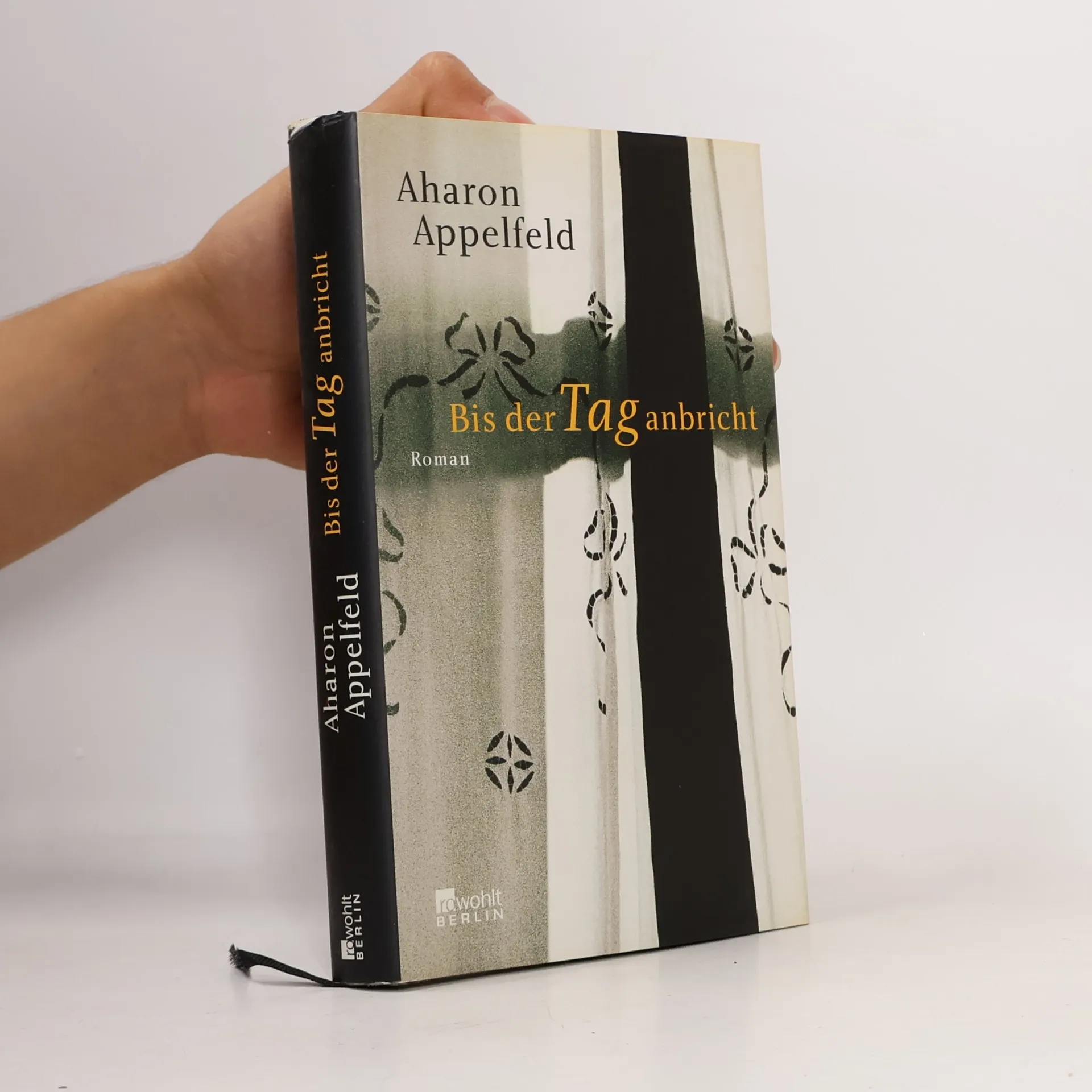
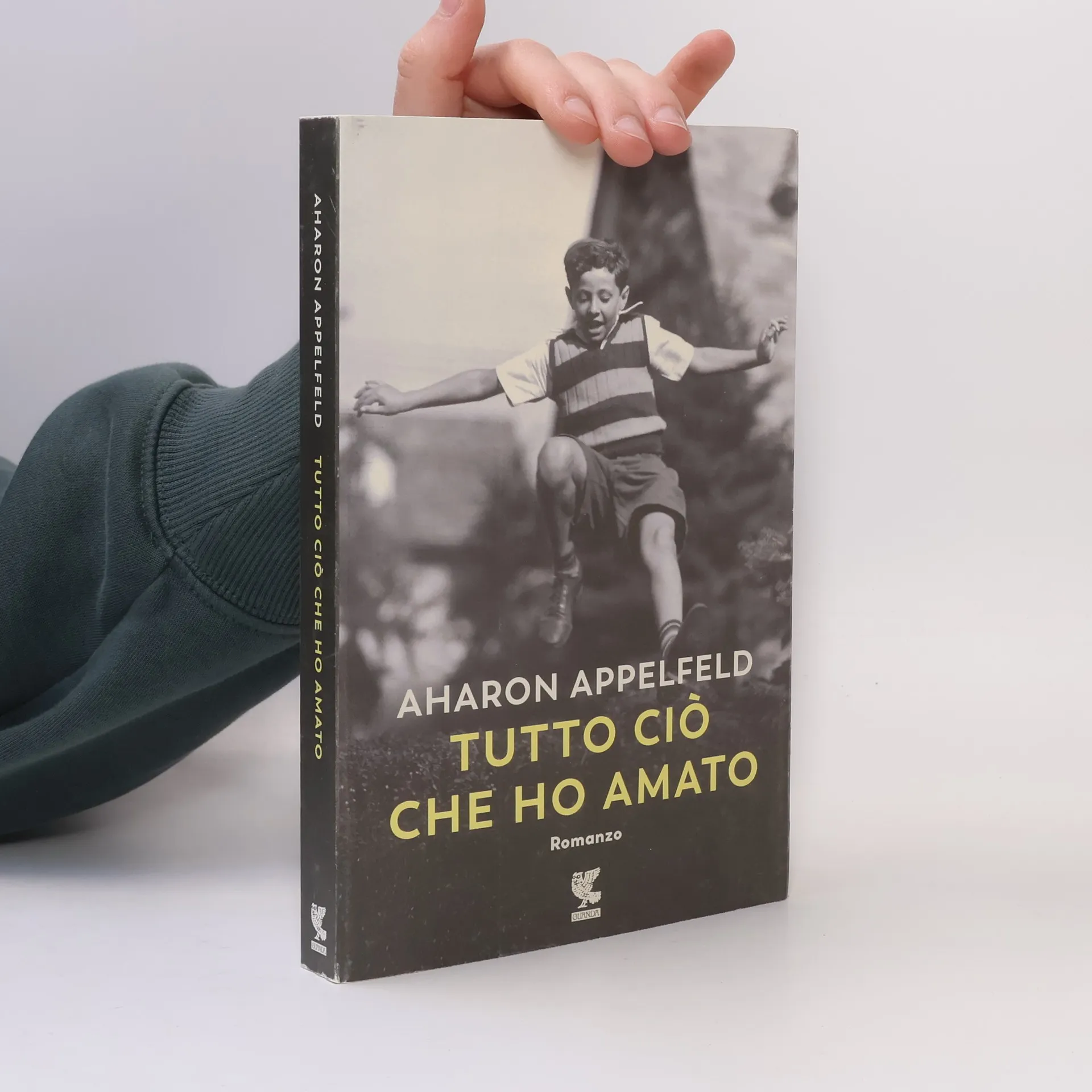
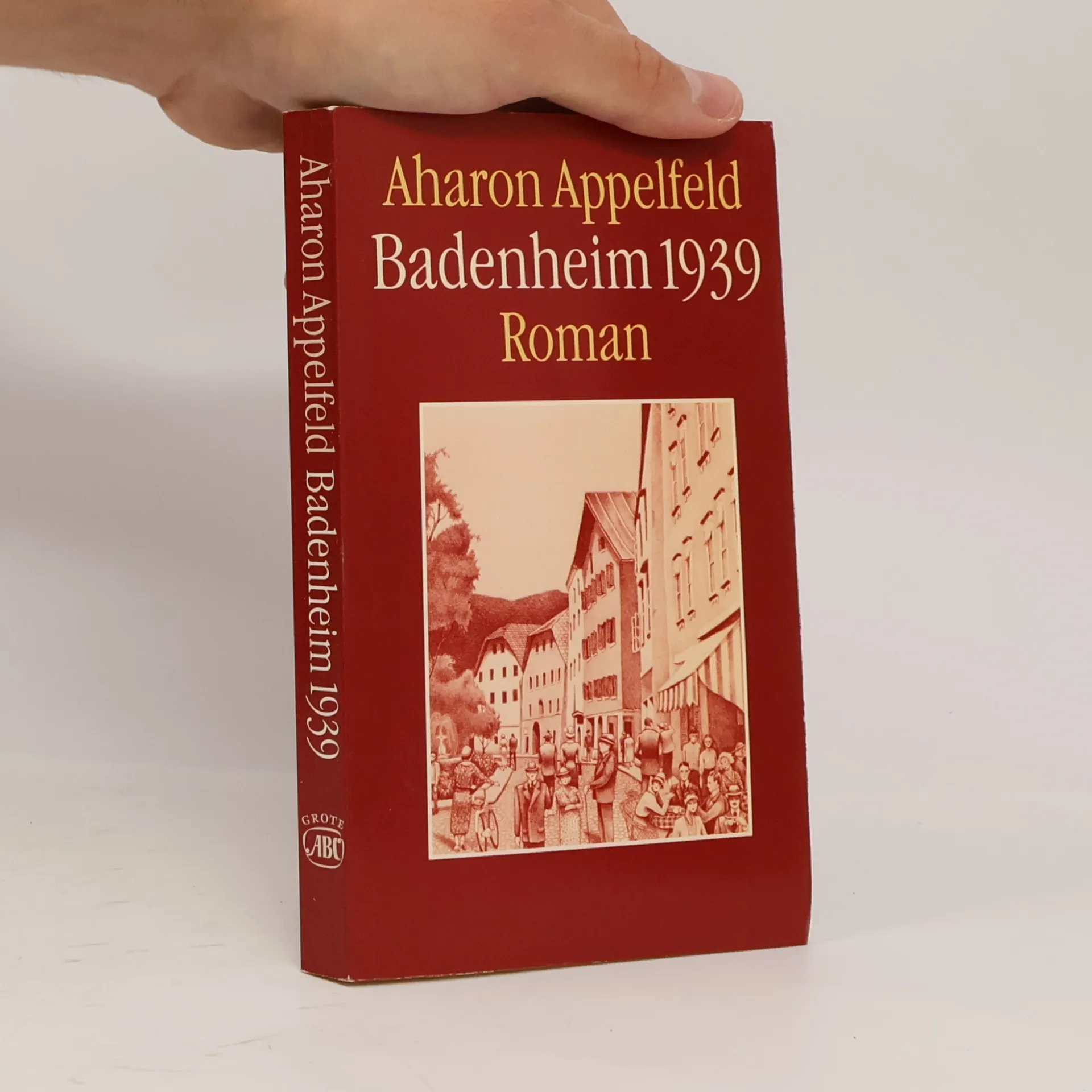
Het is voorjaar 1939, een onrustige periode in Europa. Badenheim, een Oostenrijks vakantieoord, bereidt zich voor op het zomerseizoen en de bijbehorende vakantiegangers. De bezoekers zijn joods en de kleine drama's in het hotel maskeren een aanzwellende dreiging die zij niet onder ogen durven zien. Ze zijn zo bevangen door hun triviale, dagelijkse bezigheden dat ieder signaal van hun aanstaande noodlot aan hen voorbijgaat. Het zijn de laatste dagen in een wereld die kort daarna volledig ineen zal storten.
Aharon Appelfeld Boeken
16 februari 1932 – 4 januari 2018
Aharon Appelfeld wordt breed geprezen om zijn diepgaande literaire bijdragen, waarbij hij de complexiteit van de menselijke ervaring met uitzonderlijke diepgang en nuance onderzoekt. Zijn uitgebreide oeuvre duikt in thema's als herinnering, identiteit en overleving, vaak tegen de achtergrond van historische omwentelingen. Appelfeld's kenmerkende proza wordt gekenmerkt door zijn lyrische kwaliteit en zijn vermogen om krachtige emoties op te roepen, waardoor zijn verhalen zowel aangrijpend als onvergetelijk zijn. Hij wordt wereldwijd erkend voor zijn belangrijke literaire prestaties en zijn blijvende impact op de hedendaagse fictie.


Bloemen der duisternis
- 263bladzijden
- 10 uur lezen
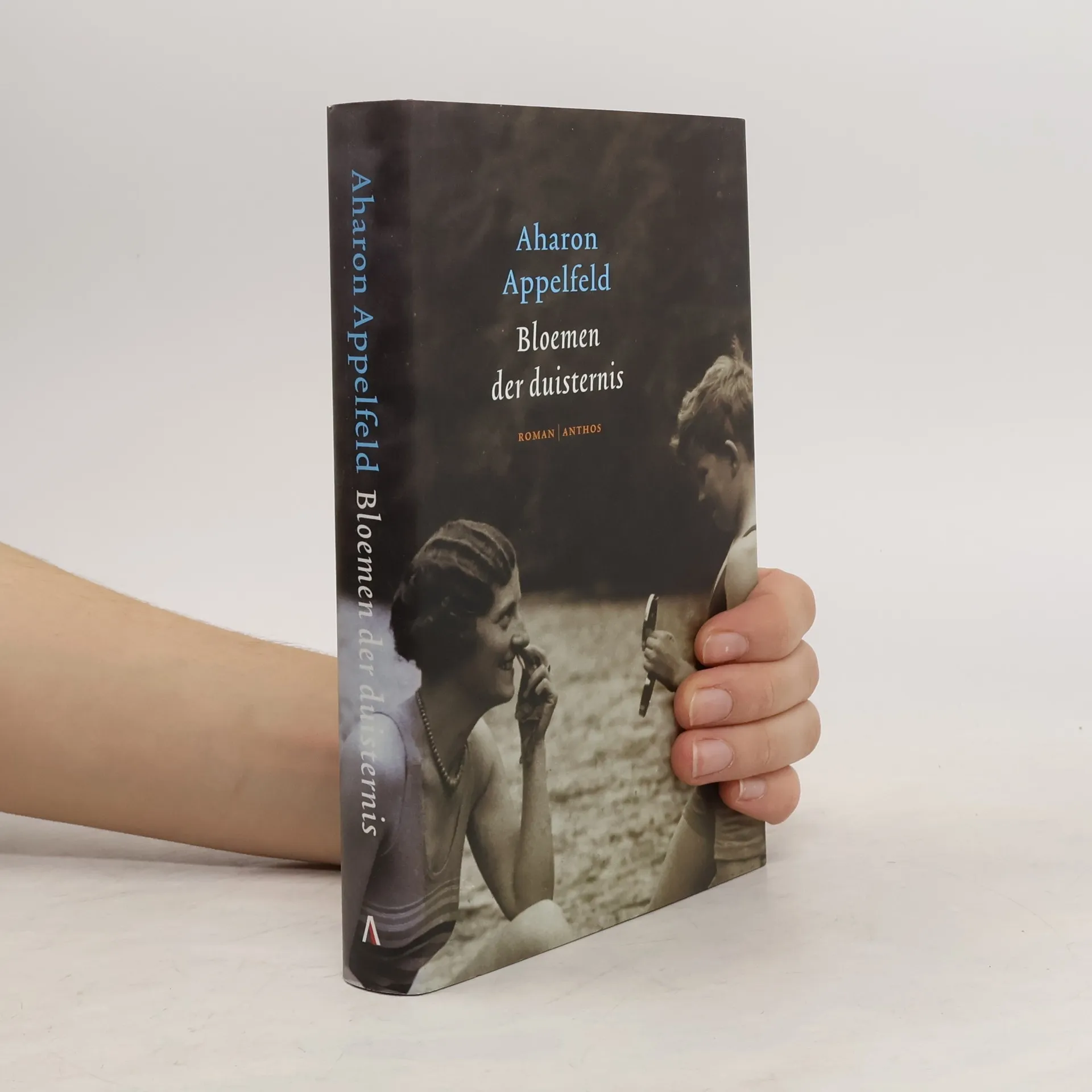
A new novel from an acclaimed Israeli writer presents a haunting tale of love and loss set against the backdrop of the Holocaust. In a ghetto being liquidated by the Nazis, eleven-year-old Hugo is taken by his mother to a local brothel for refuge. There, he encounters Mariana, a deeply unhappy prostitute who resents her life choices. Night after night, Hugo listens to her anguished rants against the Nazi soldiers. Despite her bitterness, Mariana becomes fiercely protective of the bewildered boy, while Hugo, in turn, tries to lift her spirits, offering comfort during her moments of despair. As memories of his family fade, Hugo develops a deep affection for Mariana, who, in her own turmoil, seeks solace in the boy on the brink of adulthood. When the Russian army arrives, the prostitutes flee, but Mariana, known to the Germans, is arrested as a collaborator. As the story unfolds towards its poignant conclusion, the author masterfully explores themes of tragedy, resilience, and the essence of humanity. **Winner of the 2012 Independent Foreign Fiction Prize**
To the Edge of Sorrow
- 468bladzijden
- 17 uur lezen
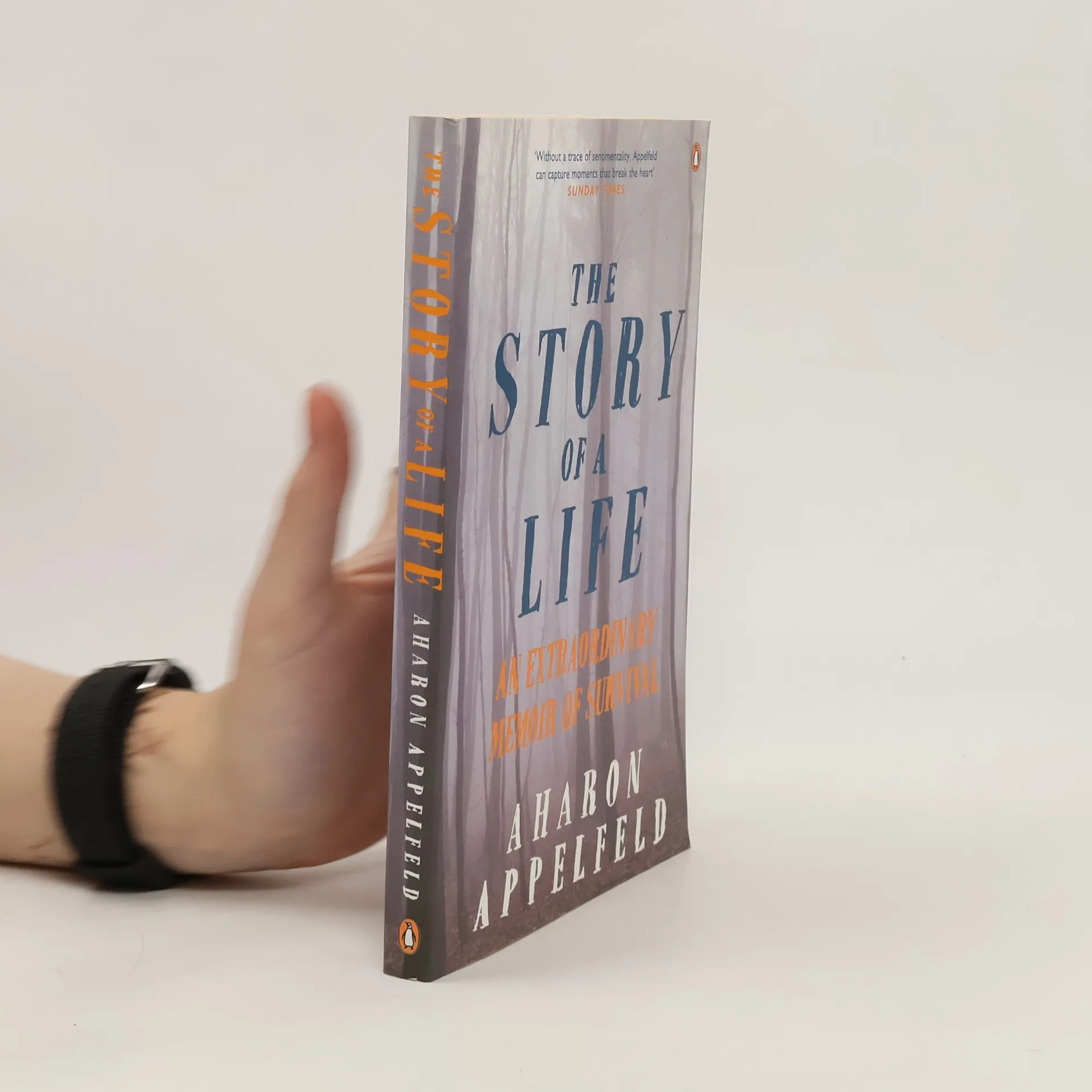
Battling numbing cold, ever-present hunger, and German soldiers determined to hunt them down, four dozen resistance fighters--escapees from a nearby ghetto--hide in a Ukrainian forest, determined to survive the war, sabotage the German war effort, and rescue as many Jews as they can from the trains taking them to concentration camps. Their leader is relentless in his efforts to turn his ragtag band of men and boys into a disciplined force that accomplishes its goals without losing its moral compass. And so when they're not raiding peasants' homes for food and supplies, or training with the weapons taken from the soldiers they have ambushed and killed, the partisans read books of faith and philosophy that they have rescued from abandoned Jewish homes, and they draw strength from the women, the elderly, and the remarkably resilient orphaned children they are protecting. When they hear about the advances being made by the Soviet Army, the partisans prepare for what they know will be a furious attack on their compound by the retreating Germans. In the heartbreaking aftermath, the survivors emerge from the forest to bury their dead, care for their wounded, and grimly confront a world that is surprised by their existence--and profoundly unwelcoming
The Healer
- 232bladzijden
- 9 uur lezen
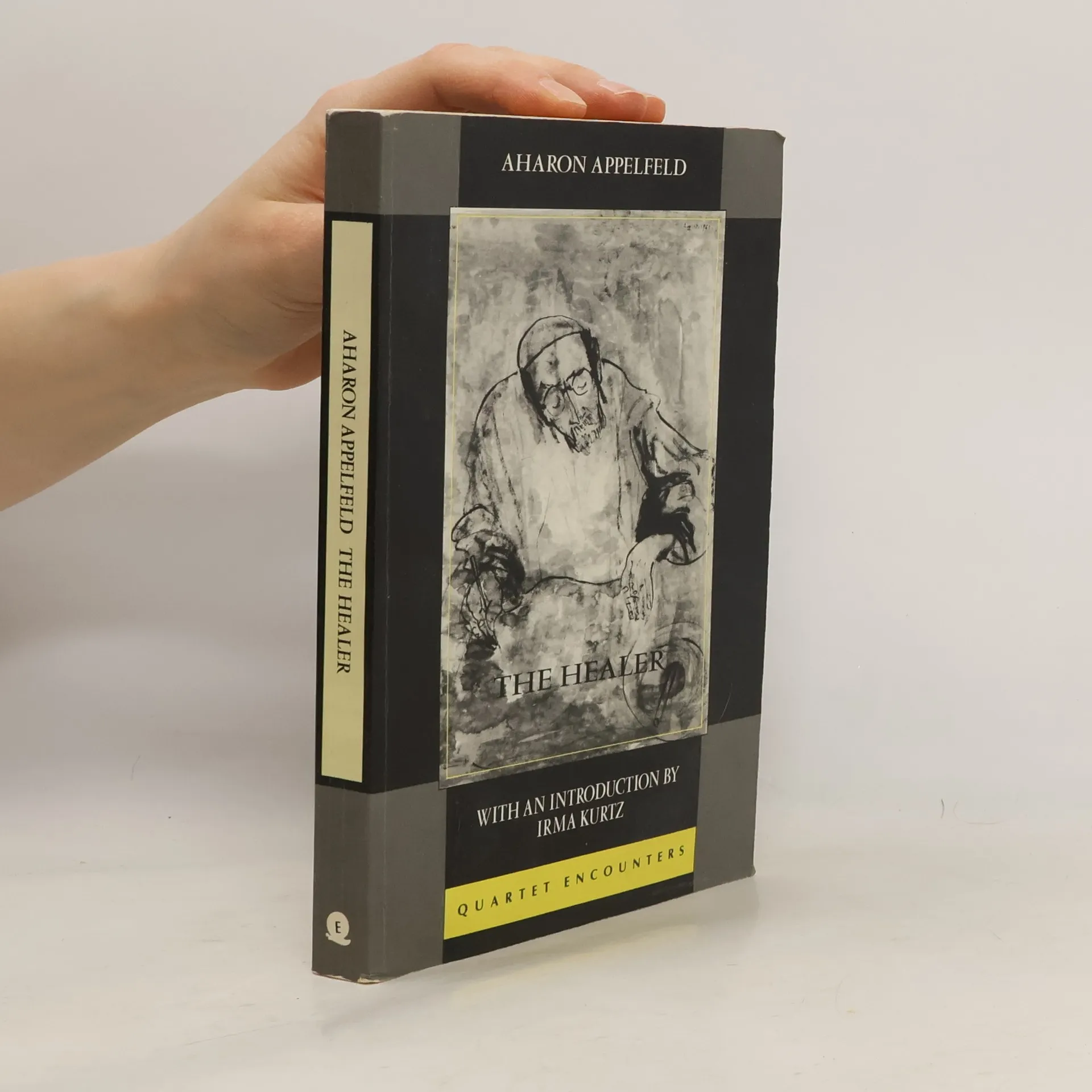
The eighth of Aharon Appelfeld's brilliant original novels to be published in English, The Healer is the remarkable story about faith and faithlessness among European Jews on the eve of World War II. Appelfeld combines the elements of fable with the complex sensitivity of a great modern writer sensitive to the moral issues of our time.
One night, he dreamed that Iréna wore the uniform of the Red Army. They were together in a jeep racing at full speed. The ride suddenly stopped, Iréna got out, removed her boots, and revealed a perfect foot. Ernest was so moved that he knelt and asked for permission to kiss the sole of her foot, and without waiting for a response, he bowed his head and did so. An aging writer and a devoted young girl: the idyl is not new. What then accounts for the shock of such a book? Beyond its apparent banality, Aharon Appelfeld imbues this narrative with a distinctly biblical grandeur. The encounter between Ernest and Iréna transcends them, becoming a revelation that allows each to access the secret meaning of their existence, now finally decipherable. A political life, inscribed in history—a century haunted by totalitarianism and the destruction of Jewish identity. And another life, that of the "heavenly Jews" dear to Appelfeld's heart. Between the near and the distant, identification and distancing, daily life and metaphysics, Appelfeld creates literature of extraordinary strength and uniqueness.
Aharon Appelfeld was the child of middle-class Jewish parents living in Romania at the outbreak of World War II. He witnessed the murder of his mother, lost his father, endured the ghetto and a two-month forced march to a camp, before he escaped. Living off the land in the forests of Ukraine for two years before making the long journey south to Italy and eventually Israel and freedom, Appelfeld finally found a home in which he could make a life for himself. Acclaimed writer Appelfeld’s extraordinary and painful memoir of his childhood and youth is a compelling account of a boy coming of age in a hostile world.
Erwin sleeps and sleeps, barely able to awaken. It is 1946, and the Jewish boy who narrowly survived drifts aimlessly through Europe, on trains and horse-drawn carts, perpetually drowsy. Sleep keeps alive for Erwin what has been lost: the green, familiar Bukovina, his beloved mother, and his father, who wrote novels on the side. After a stay in a refugee camp near Naples and an adventurous sea passage, Erwin finds himself in Palestine. The kibbutz is meant to transform the seventeen-year-old into the hopeful "new Jew," but the foreignness only deepens his pain. Erwin is severely injured, and once again, sleep prevails—at least for a time. As he recovers, he reads the Bible and struggles to learn Hebrew. The sacred language of his ancestors finally shows him a way to preserve what is kept in sleep, dreams, and memory: under a new name, Aharon begins to write, allowing the vanished world to re-emerge in the new, ancient language. With tender strength, Aharon Appelfeld's autobiographical novel depicts an awakening to new life amid the turmoil of flight and emigration.
Poland, a Green Land
- 240bladzijden
- 9 uur lezen
A Tel Aviv shopkeeper embarks on a journey to his parents' Polish birthplace, seeking to understand their complex legacy, but is unprepared for the realities he encounters. Yaakov Fine's practical wife and daughters are puzzled by his decision to leave his successful dress shop for a ten-day trip to Szydowce, his family's ancestral village. Struggling with midlife depression, he is drawn to the stories of his parents' idyllic hometown before 1939, while the horrors that followed remain unspoken. Upon arriving in Krakow, Yaakov enjoys the charming cafes and relaxed atmosphere, a stark contrast to Tel Aviv. His enchanting landlady, Magda, shares her family's tragic history, deepening his connection to the past. However, when he seeks to reclaim desecrated tombstones stolen from the Jewish cemetery, a starkly different Poland emerges, shattering his romanticized view of the town and its people. This confrontation reveals the tragic reality of Jewish life in Poland, both historically and in contemporary times. Through this journey of revelation and reconciliation, the narrative explores the complexities of memory and identity, resonating with powerful universal themes.
Set in an Austrian city before the Holocaust, the narrative follows Karl, a young civil servant whose recent conversion to Christianity is intended to secure a high government position. However, as he faces a political crisis, his past resurfaces, challenging his beliefs and forcing him to confront his identity. The story explores themes of faith, ambition, and the complexities of personal choices against a backdrop of societal upheaval.
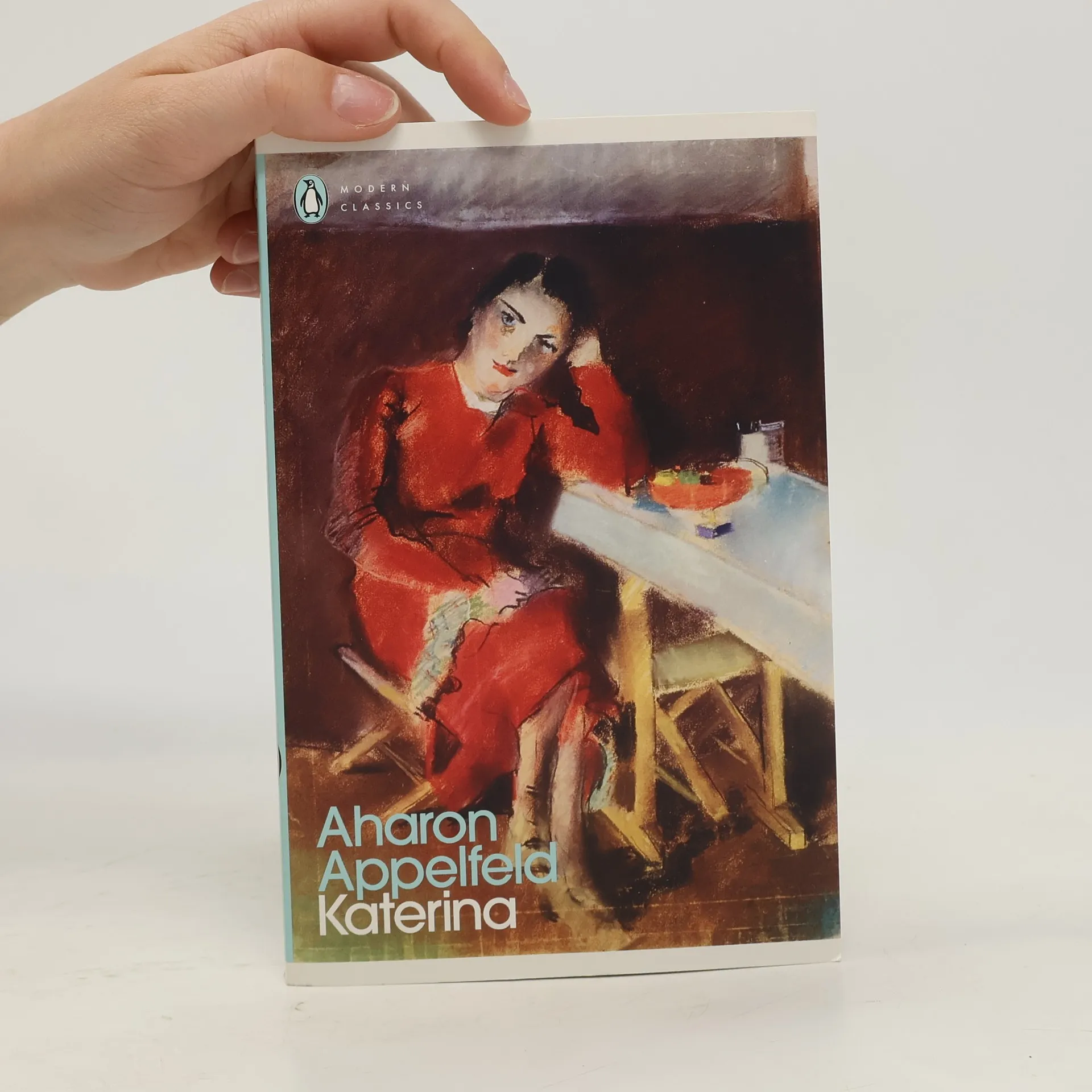
Katerina
- 192bladzijden
- 7 uur lezen
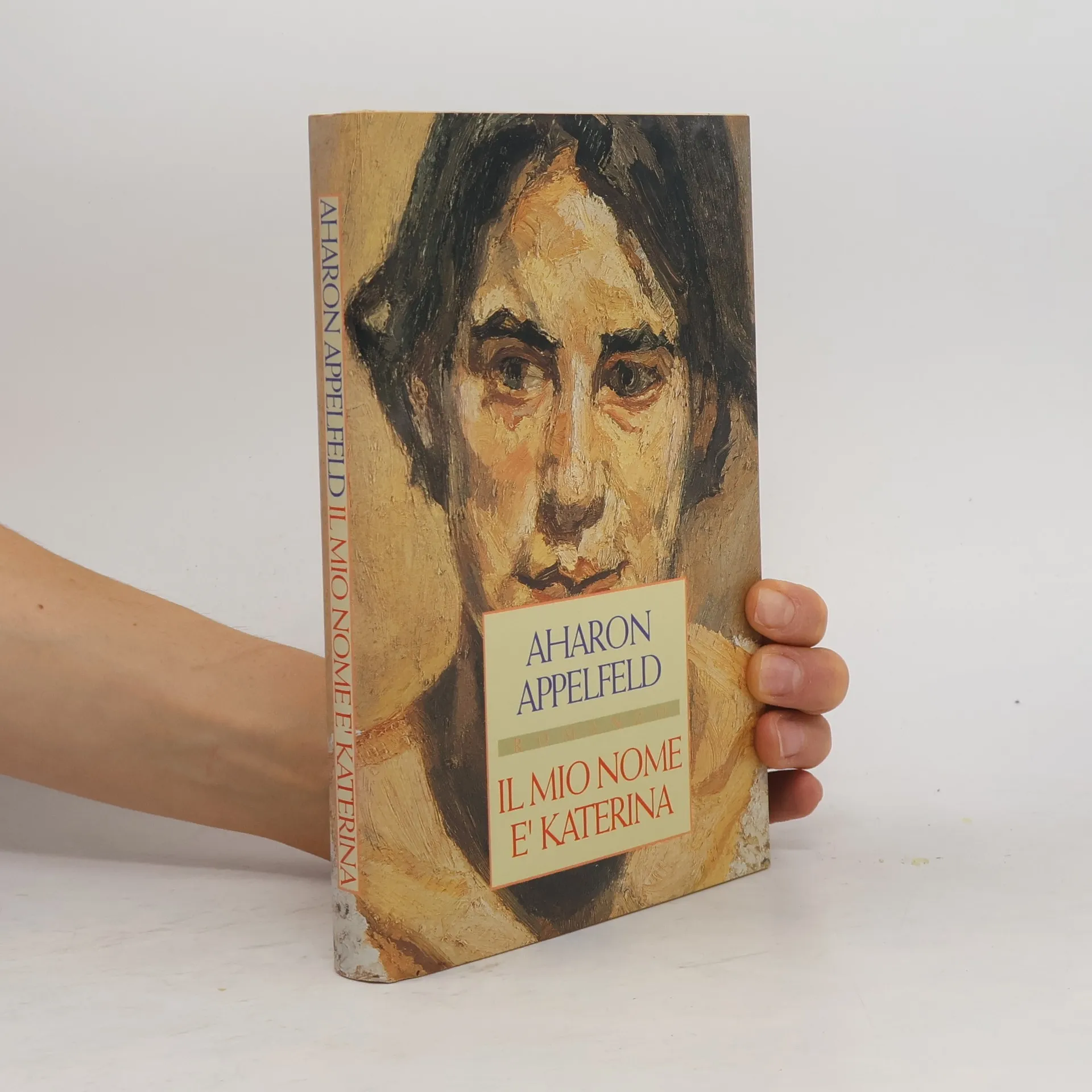
The teenage Katerina flees her abusive home in a poor, Christian village in the 1880s, finding work and shelter in the home of a Jewish family, and in the warmth of their family life and beauty of their Jewish rituals she begins to know safety for the first time. Their life is brutally disrupted when a pogrom is wrought upon the family, and Katerina finds herself alone again. Decades later, having suffered and retaliated for that suffering, she looks out of the window of her prison cell and sees the trains carrying Jews across Europe. Released from prison into the chaos following the end of World War II, a now elderly Katerina is devastated to find a world that has been emptied of its Jews and that is not at all sorry to see them gone. Ever the outsider, Katerina realizes that she has survived only to bear witness to the fact that they had ever existed at all. A rare glimpse into Jewish and gentile life in Eastern Europe in the nineteenth century, Katerina explores the long origins of the Holocaust, alongside darkness and light, cruelty and mercy.
In Philip Roth's intimate intellectual encounters with an international and diverse cast of writers, they explore the importance of region, politics and history in their work and trace the imaginative path by which a writer's highly individualized art is informed by the wider conditions of life. With Primo Levi, Roth discusses the stubborn core of rationality that helped the Italian chemist-writer survive the demented laboratory of Auschwitz. With Milan Kundera, he analyzes the mix of politics and sexuality that made him the most subversive writer in communist Czechoslovakia. With Edna O'Brien, he explores the circumstances that have forced generations of Irish writers into exile. Elsewhere Roth offers appreciative portraits of two friends--the writer Bernard Malamud and the painter Philip Guston--at the end of their careers, and gives us a masterful assessment of the work of Saul Bellow. Intimate, charming, and crackling with ideas about the interplay between imagination and the writer's historical situation, Shop Talk is a literary symposium of the highest level, presided over by America's foremost novelist.
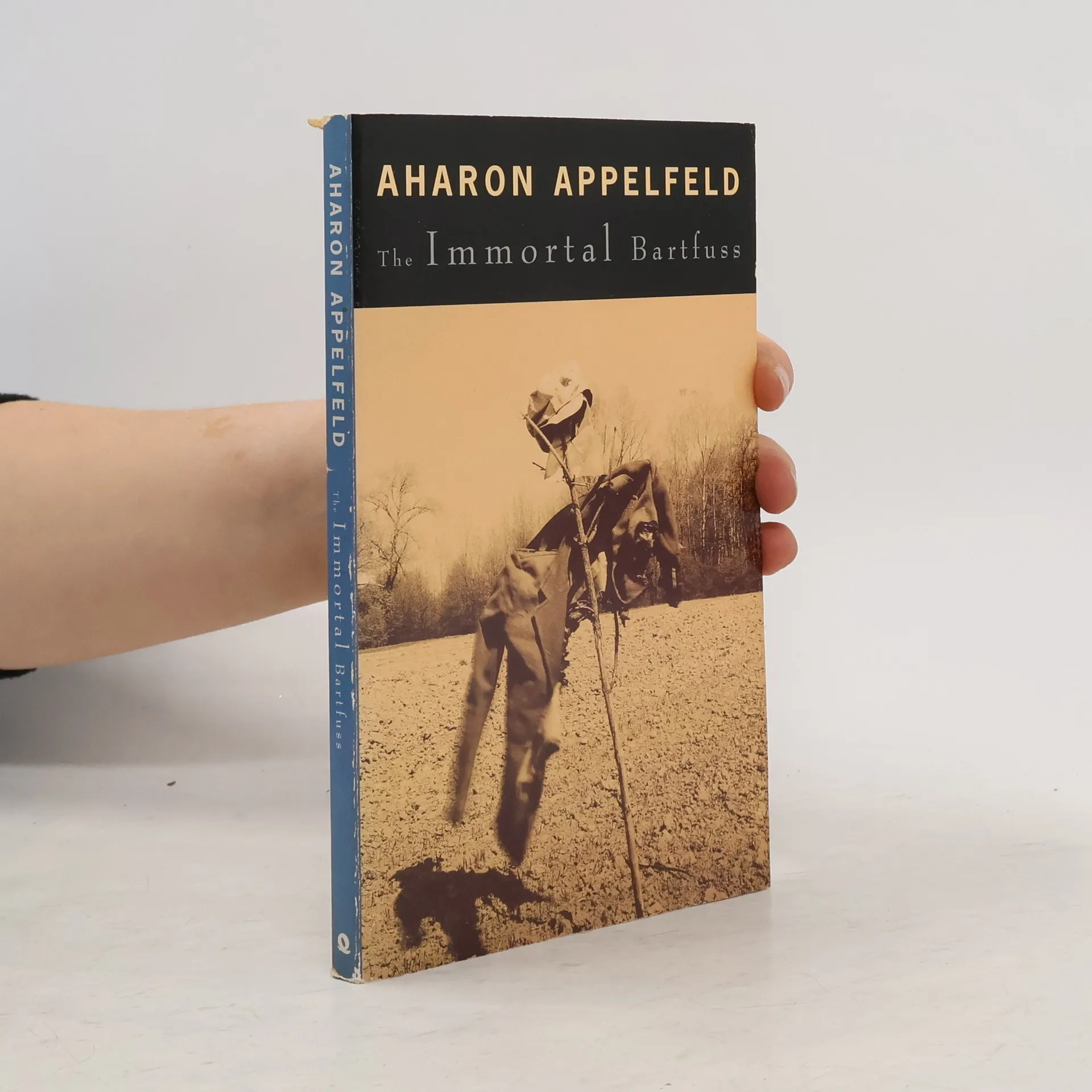
The Immortal Bartfuss
- 144bladzijden
- 6 uur lezen
Set in contemporary Israel, The Immortal Bartfuss is perhaps the most profound and powerful portrait of a Holocaust survivor ever drawn. Using the techniques of omission and indirection perfected in such masterpieces as Badenheim 1939 and To the Land of the Cattails , Appelfeld tells the story of Bartfuss, enigmatically 'the immortal' because of his experience in the camps.
A cinquante ans, Bruno Brumhart revient sur sa vie. Une enfance confortable, chérie par ses parents, des juifs communistes, un mystérieux accident dont il n'a aucun souvenir et qui l'a privé d'une main, et l'innommable : le ghetto, la déportation, sa fuite du camp et son errance dans la forêt. Comment retourner dans un monde qui a ordonné, ou laissé faire, la destruction des siens ? Bruno sait que seule la force d'une profonde fraternité peut apporter la dignité indispensable pour survivre. Il décide alors de transformer un château, qu'il a acheté près de Naples, en lieu d'accueil pour les autres survivants, d'en faire une "étape" sur le chemin du retour.
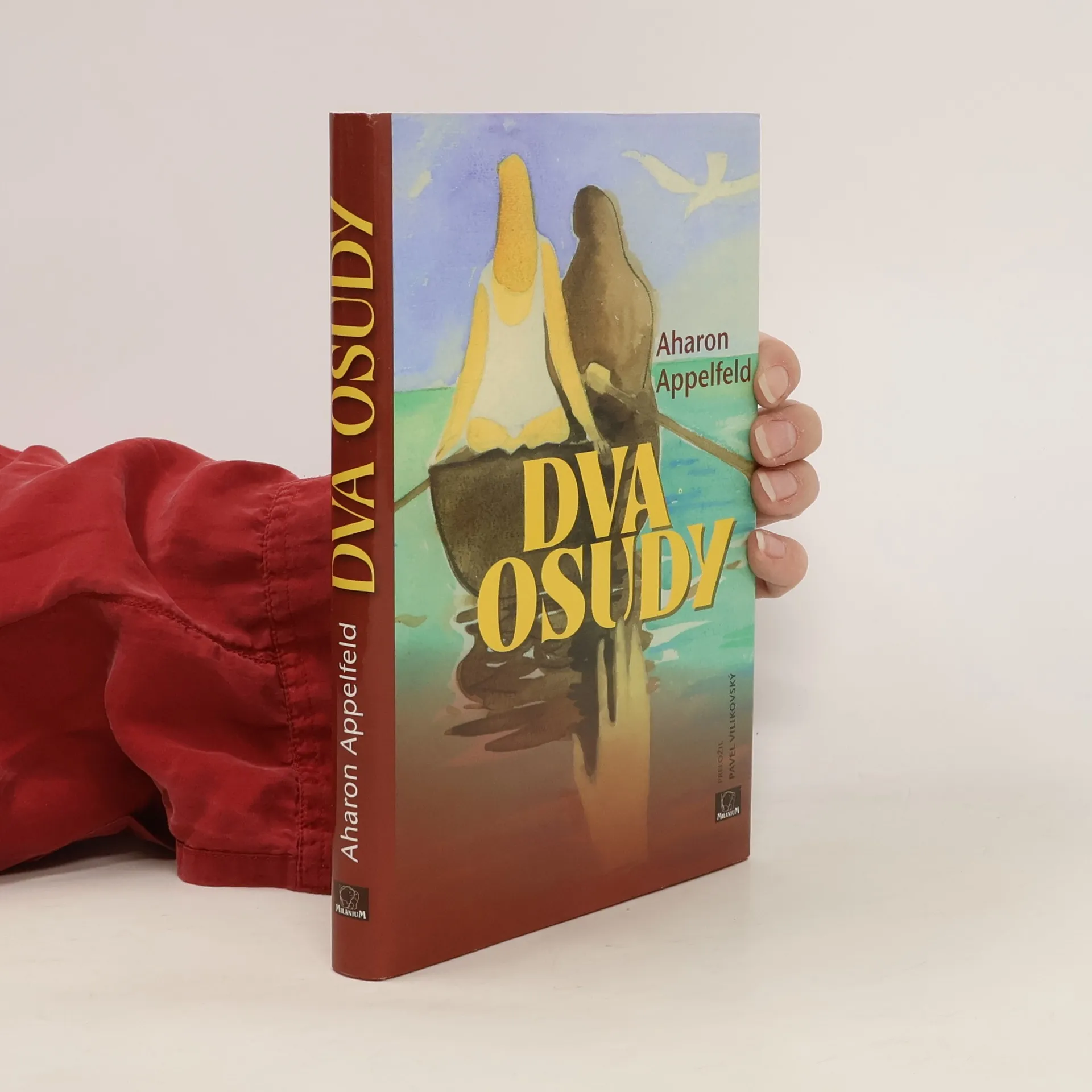
Dva osudy
- 240bladzijden
- 9 uur lezen
Dve novely - Cili a Katerina - tvoria knihu Dva osudy izraelského spisovateľa Aharona Appelfelda. Ich protagonistkami sú dve mladé ženy (Židovka a Rusínka) a dejiskom príbehov je širšia oblasť Bukoviny, územia patriaceho v dobe príbehu, teda cez druhú svetovú vojnu, k Rumunsku (dnes patrí Ukrajine). Nepredstieram, že som zvestovateľ, kronikár vojny či vševedko. Dejiny sú podľa mňa iba pokrmom pre literatúru. A literatúra, to je prítomnosť, čo trvá nie v novinárskom zmysle, ale ako pokus dostať čas do pokračujúcej prítomnosti. Kedykoľvek hovoríš o tých časoch, zmocňuje sa ťa pocit, že to všetko je neuveriteľné. Opisuješ, čo sa stalo, no zároveň neveríš, že čosi také sa mohlo stať práve tebe. Nepoznám chvíľu, keď by som sa za niečo väčšmi hanbil.
Mitten im Zweiten Weltkrieg: Der elfjährige Michael bleibt auf der Flucht bei Sergej zurück, einem Freund seines Vaters. Der ukrainische Veteran zieht als Landstreicher umher, seit er sein Augenlicht verloren hat. Doch Sergej kümmert sich um den Jungen, nun Janek genannt. Er bringt ihm alles bei, was er weiß, auch, wie man sein eigenes Leben schützt, mit Angst, Hunger und Kälte lebt. Sie ziehen von Dorf zu Dorf, müssen sich durchschlagen, werden von Bauern angegriffen. Doch zusammen überstehen der Junge und der alte Mann jede Gefahr, und sie erleben auch Freuden – Janek begegnet einem Mädchen, eine zarte Liebe. Auf ihrem Weg durch Nacht und Wälder lernen sie, mit der Vergangenheit umzugehen, ohne sich von ihr überwältigen zu lassen, Janek vom Judenhass, den er erleben musste, Sergej von der Wiederbegegnung mit einer Frau, die er einst liebte und verließ. Einer der letzten großen Romane aus dem Alterswerk Aharon Appelfelds. Eine Geschichte über eine Reise voller Schrecken und Abenteuer, über Freundschaft und Nähe und darüber, wie man allem Dunklen trotzt – so mitreißend wie eindringlich erzählt von einem großen, altersweisen Autor.
Zeit der Wunder
- 217bladzijden
- 8 uur lezen
Österreich 1938. Der zwölfjährige Bruno kehrt mit seiner Mutter aus den Sommerferien in seine Heimatstadt zurück. Da stoppt der Zug auf freier Strecke, und eine klare Lautsprecherstimme schallt durch den Raum: Alle Ausländer sowie Nichtchristen haben sich sofort registrieren zu lassen. Anzeichen des heraufziehenden Unheils sind überall. Nur Brunos Vater, ein gefeierter jüdisch-österreichischer Schriftsteller, sucht unermüdlich nach Erklärungen für das Unerklärliche. Alle Demütigungen schiebt er auf die Ostjuden. Als die früher so stille Kleinstadt sich immer deutlicher gegen sie wendet und sich die verleumderischen Angriffe auf sein Werk und seine Person verstärken, übernimmt er sogar grundlegend antisemitische Positionen und verlässt Frau und Sohn. Er bleibt nicht der einzige; auch vielen anderen erscheint ihr Judentum jetzt als Makel. Bald darauf ruft der Rabbi alle Juden der Kleinstadt in der Synagoge zusammen. Am nächsten Morgen steht der Viehzug bereit … Bruno überlebt. Drei Jahrzehnte später kehrt er aus Jerusalem in die Stadt seiner Kindheit zurück und wandelt auf den Spuren seines Vaters, auf der Suche nach seiner eigenen Vergangenheit.
Mon père et ma mère
- 304bladzijden
- 11 uur lezen
Aharon Appelfeld, l'un des écrivains les plus importants d'Israël, a écrit avec « Mon père et ma mère » l'un de ses livres les plus personnels. Il évoque le dernier été d'une enfance… Août 1938 : Sur les rives de la rivière Prut en Roumanie, des estivants, principalement des Juifs sécularisés, se rassemblent. Le jeune Erwin et ses parents sont également présents, mais l'enfant ressent que quelque chose est différent : derrière les plaisirs d'été, les sorties à la baignade et les amourettes, le monde tel qu'il est connu est en train de disparaître. Certains partent plus tôt, d'autres ignorent les nouvelles venant de l'Ouest. Les tensions ne manquent pas, y compris entre les parents, la mère qui lit des romans, croit en Dieu et en la bonté, et le père, ingénieur, qui voit tout de manière rationnelle et pessimiste. Lorsque la famille se dirige vers la ville, Erwin est envahi par la peur. À l'école, on lui a promis des coups, il a été traité de Juif – et il commence à comprendre que les différentes attitudes de ses parents impliquent bien plus : l'avenir, la survie. Un roman délicat qui enregistre de manière séismographique la brutalité de la guerre imminente tout en brossant le portrait d'un monde bourgeois avant la catastrophe.
Sebeklam
- 260bladzijden
- 10 uur lezen
Dvě novely, ve kterých autor rozvíjí podivné psychologické drama lidí předválečného Rakouska, kteří se postupně nalézají v absurdním světě, na nějž nelze reagovat zcela normálně.
Alles, was ich liebte
- 288bladzijden
- 11 uur lezen
Eine melancholische, kunstvoll schlichte Parabel. Ein ergreifender, großer Roman. Czernowitz, am Vorabend des Zweiten Weltkriegs. Die Eltern des 9-jährigen Paul trennen sich, und Paul verliert, was bis dahin sein Zuhause war. Seine Mutter findet Arbeit als Lehrerin in einem Provinzstädtchen. Sein Vater, einst ein gefeierter expressionistischer Maler, hadert in Czernowitz mit der antisemitischen Kunstkritik. Paul wird in die Obhut eines christlichen Kindermädchens gegeben. Doch als die Mutter sich in einen Kollegen verliebt und die Hochzeit nach christlichem Brauch plant, holt ihn der Vater zu sich zurück. Eines Tages erhalten die beiden ein Telegramm: Die Mutter sei erkrankt. Hals über Kopf brechen sie auf, um zu ihr zu fahren. Die Ereignisse überschlagen sich, ihre Odyssee ist nicht zu Ende …
La Stupeur
- 256bladzijden
- 9 uur lezen
Irena est témoin d'un meurtre, non pas de l'acte lui-même, mais de ce qui y a conduit. Ses voisins, la famille Katz, ont dû passer des jours à genoux devant leur maison pendant qu'elle était pillée. Ils ont également été contraints de creuser une fosse. Le lendemain, la famille Katz avait disparu. Irena décide de fuir, de son mariage sans amour, du village, de sa vieille vie. Elle part à la recherche d'un nouveau foyer, loin des événements de son village, et découvre que le sort de la famille Katz n'est pas un cas isolé.
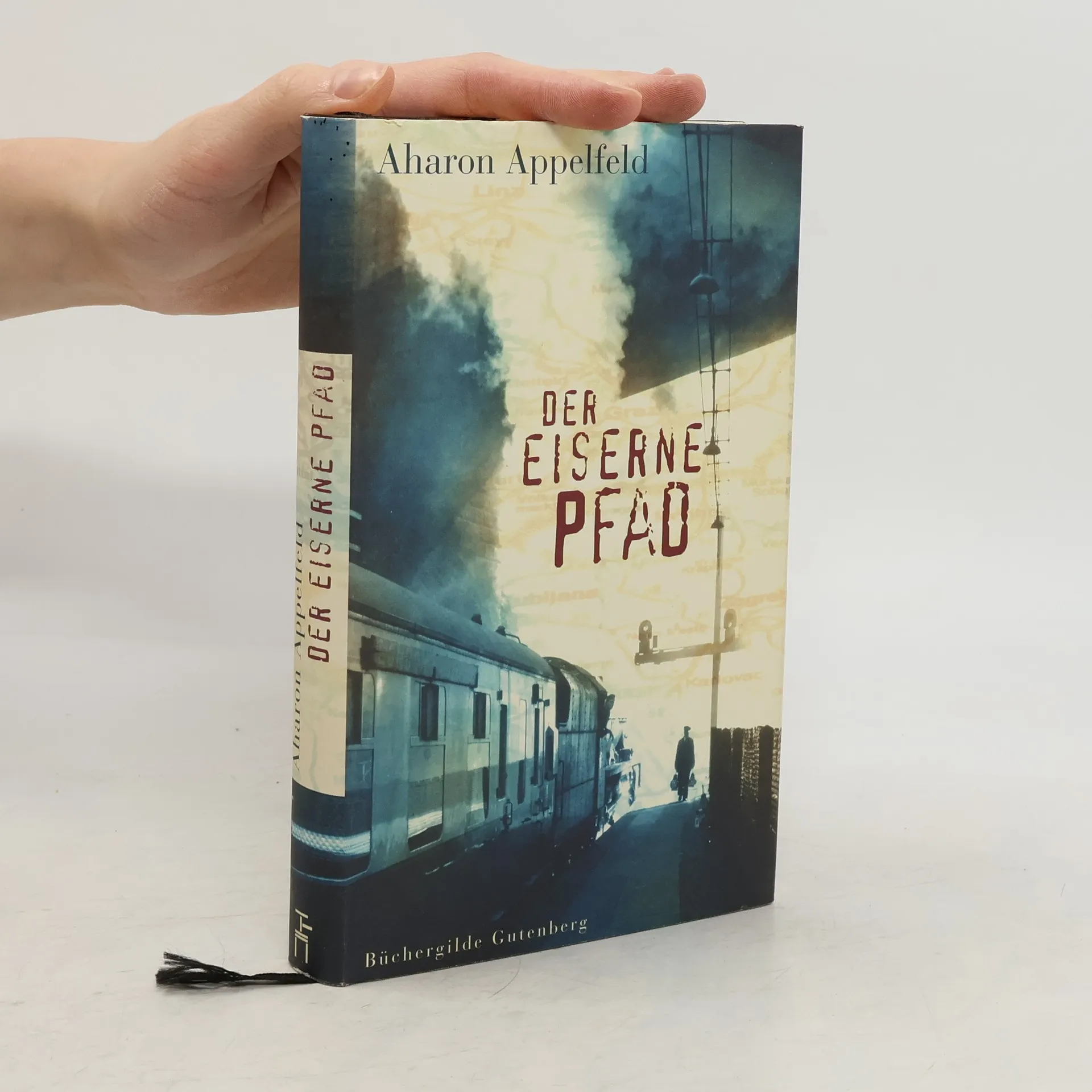
Der eiserne Pfad
- 207bladzijden
- 8 uur lezen
„Eine Saga jüdischer Traurigkeit.“ (Neue Zürcher Zeitung) In der Bukowina, während des Zweiten Weltkriegs: Erwin und seine Freundin Ida leben im Ghetto. Als Ida schwanger wird, planen sie die Flucht. Doch Erwin wird in ein Arbeitslager am Fluss Bug verschleppt, in dessen eiskalten Fluten die Hoffnung mit jedem Toten ein wenig tiefer sinkt. „Aharon Appelfeld ist einer der bedeutendsten Erzähler der hebräischen Literatur“ (Frankfurter Rundschau)
Quand la mère d'Adam le conduit dans la forêt, elle promet de venir le chercher le soir même. "Aie confiance, tu connais la forêt et tout ce qu'elle contient", lui dit-elle. Mais comment avoir confiance alors que la guerre se déchaîne, que les rafles se succèdent dans le ghetto et que les enfants juifs sont pourchassés ? La journée passe. Adam retrouve Thomas, un garçon de sa classe que sa mère est également venue cacher là. Les deux gamins sont différents et complémentaires : Adam sait grimper aux arbres et se repère dans la forêt comme s'il y était né. Thomas est réfléchi et craintif. A la nuit tombée, les mères ne sont pas revenues. Les enfants s'organisent et construisent un nid dans un arbre. Ils ignorent encore qu'ils passeront de longs mois ainsi, affrontant la faim, la pluie, la neige et le vent, sans oublier les questions essentielles : qu'est-ce que le courage ? Comment parlent les animaux ? D'où vient la haine? A quoi sert l'amour?
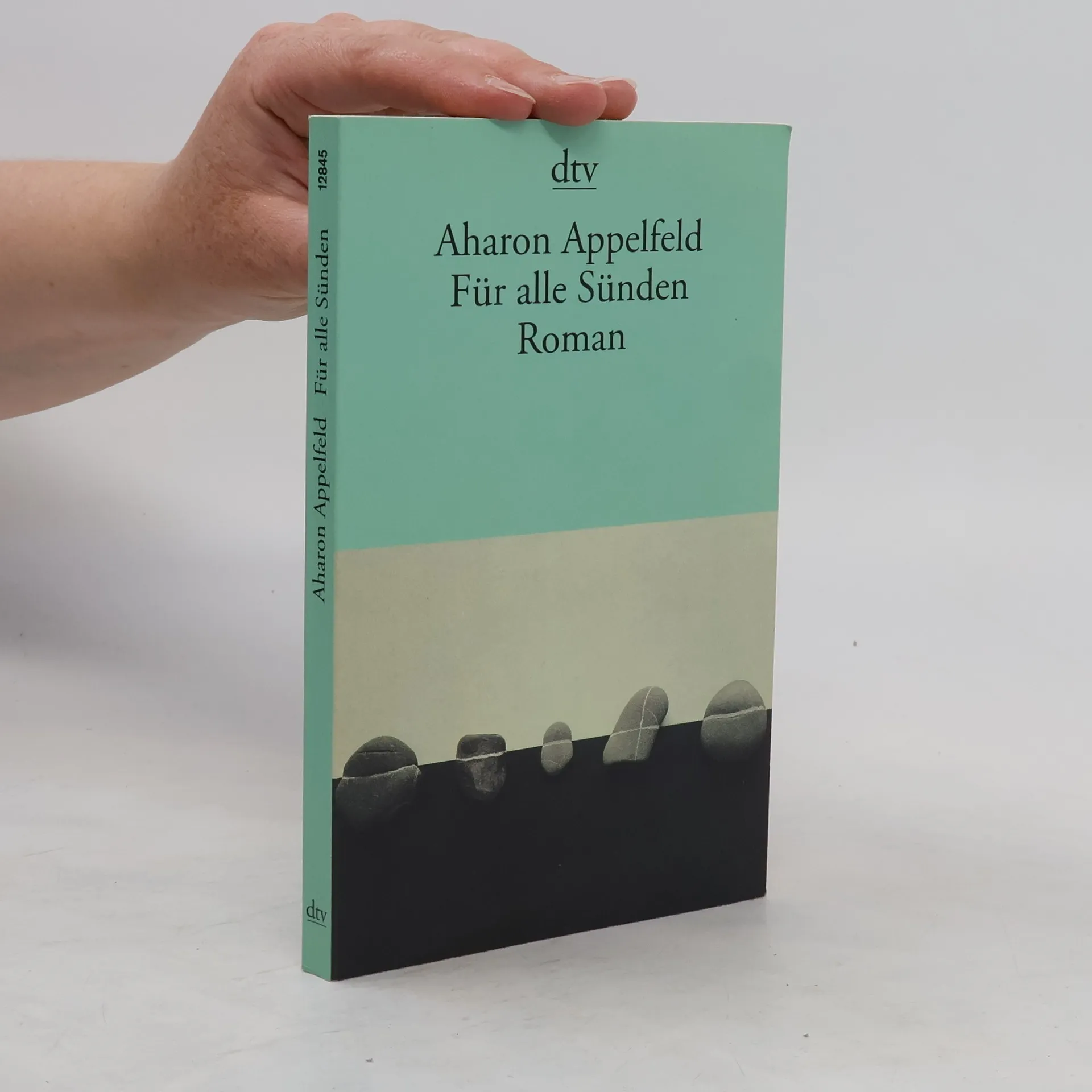
Für alle Sünden
- 192bladzijden
- 7 uur lezen
Beflügelt von der Erinnerung an eine bessere Welt voller Hoffnung und Schönheit: ein Holocaust-Überlebender auf der Suche nach einem lebbaren Leben nach der Barbarei. Am Ende des Krieges aus dem Lager befreit, ist Theo auf der Suche nach der verlorenen Normalität. Er macht sich auf den Weg zurück in die Heimat, die es doch längst nicht mehr gibt. Vor allem der Gedanke an die Mutter läßt ihn nicht los, eine schöne, sensible Frau, die sich, schon bevor alles begann, wie in einer Vorahnung zunehmend in sich selbst kehrte, mit ihrem Sohn lange Ausflüge unternahm, Ausbrüchen gleich, Zuflucht in der Natur, in Zügen, Kirchen und vor allem in der Musik Bachs suchte. Seine Wanderung führt ihn im Kreis und immer wieder zu sich selbst zurück. Nach und nach aber gelingt es ihm, die eigene Versteinerung aufzubrechen, aus Verweigerung und Flucht zu einem Miteinander zu finden, das ihm und seinen Leidensgenossen Halt und eine lebbare Zukunft zu bieten vermag.
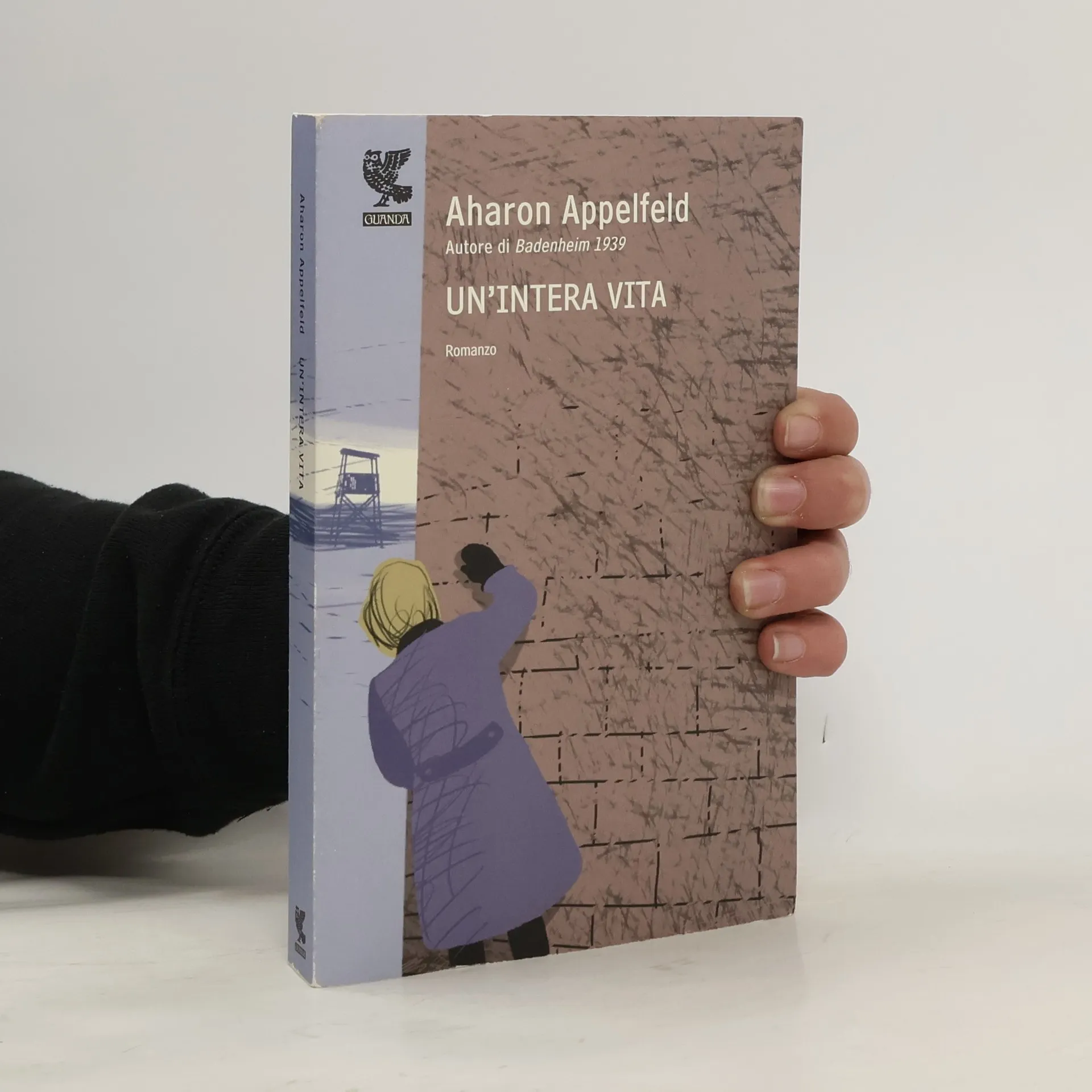
Un'intera vita
- 256bladzijden
- 9 uur lezen
Vita intera è un lungo e affascinante viaggio di ricerca di una giovane ragazza, figlia di una relazione mista, la cui madre ebrea è stata arrestata e deportata nei campi. Il tempo: il culmine della guerra, e i campi di lavoro sono chiusi e circondati da muri di filo spinato, ma Helga è determinata a raggiungere sua madre a qualunque costo. Nel suo audace viaggio nelle profondità dell'oscurità, riscopre se stessa, sua madre e gli ebrei. Man mano che la scoperta si approfondisce, il muro tra lei e sua madre cade, e le due diventano una sola. Vita intera è piena di fede nell'essere umano e nella sua capacità di purificarsi e dedicarsi agli altri con cuore e anima.
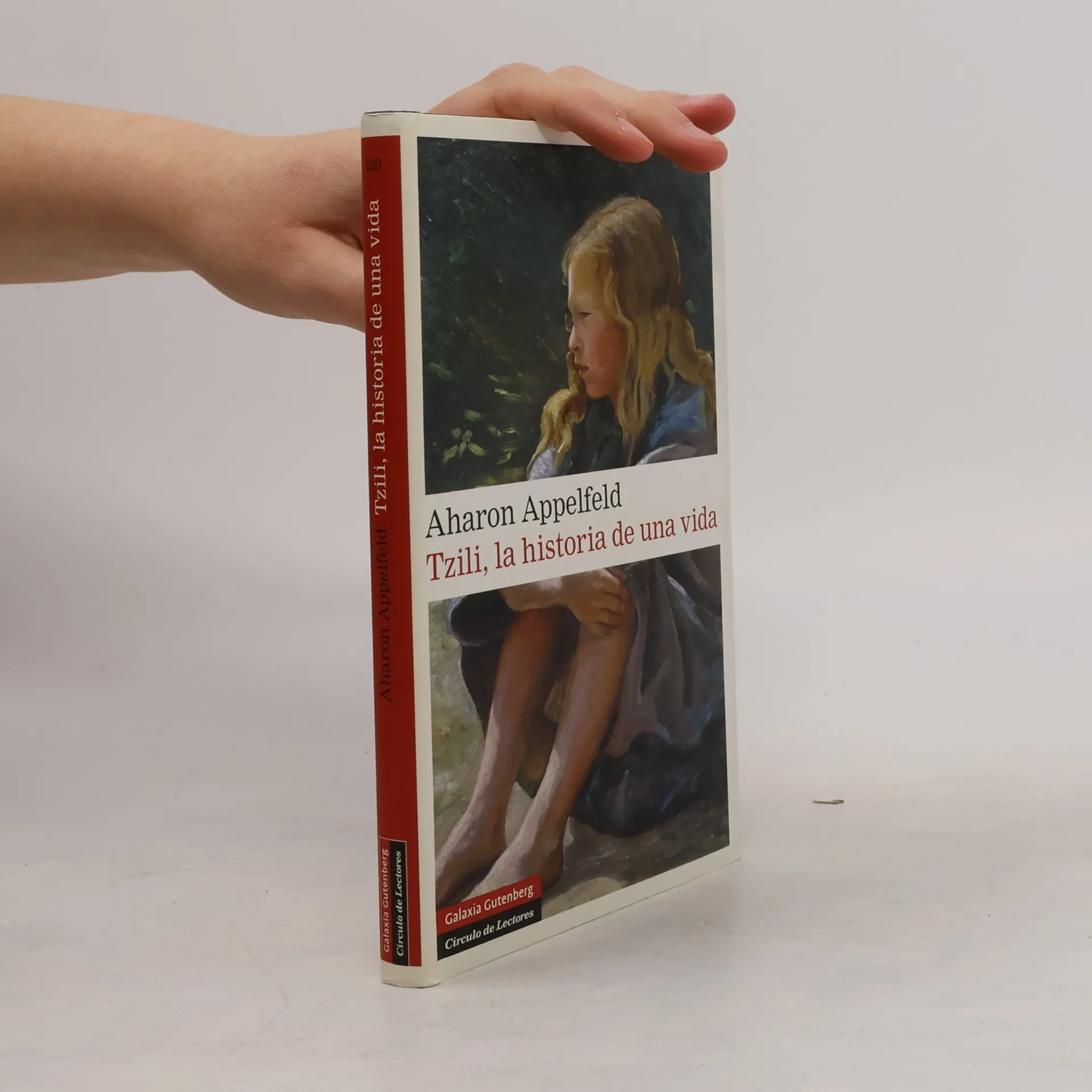
En este cuento conmovedor y tierno de una chica joven que vive a la sombra del Holocausto, Aharon Appelfeld teje historia única de un individuo: Tzili. Tzili es el miembro más joven y menos favorecido de una familia judía. Su educación ha sido un fracaso, lo único que conserva de su instrucción religiosa es una oración. Simple y humilde, pasa más tiempo con los animales en el campo que en casa con su propia familia. Así que cuando sus padres y hermanos huyen de los ejércitos invasores de Hitler, dejan atrás a la niña, y Tzili, que se ve forzada a vivir sola en el bosque, se refugia con los campesinos, encuentra el amor encontrado y sobrevive. Aharon Appelfeld impregna su historia con una belleza desgarradora que es emblemática del destino de todo un pueblo, y recorre parte de su propia infancia en Ucrania después de huir de un campo de concentración y esconderse en los bosques acogido por prostitutas y ladrones.
Österreich-Ungarn, zu Beginn des 20. Jahrhunderts. Blanka und Otto, eine junge Mutter und ihr kleiner Sohn, sind auf der Flucht. Erschöpft vom wochenlangen Umherziehen, mieten sie ein Häuschen an einem Fluß, umgeben von Schlingpflanzen und Weidenbäumen, weit abgelegen von der Straße. Eines Tages fragt Otto, wo sein Vater sei. „Er wird schon kommen“, sagt Blanka, obwohl sie weiß, dass das nicht stimmt. Mit großer Poesie erzählt Aharon Appelfeld von einer Frau, die in den Augen anderer Schuld auf sich geladen hat, um nach dreifachem Unglück zu bestehen: dem Gefängnis ihrer Ehe, dem Verlust ihrer Eltern und des jüdischen Glaubens auch. Ganz auf sich gestellt, liebevoll bedacht auf das Wohl ihres Sohnes, begibt sie sich auf die Suche nach ihren jüdischen Wurzeln. Doch die Schlinge derer, die sie verfolgen, legt sich ihr immer enger um den Hals. Ein fesselnder, ergreifender Roman, der den Untergang des modernen Judentums erzählt - im meisterhaft melodiös-lakonischen Stil, für den Aharon Appelfeld so berühmt ist.
«Ein würdiger Nachfolger Kafkas.» (New York Times Book Review). Jahr für Jahr fährt der Antiquitätenhändler Erwin Siegelbaum nach Österreich, um kostbare jüdische Handschriften aufzuspüren. Doch das ist nicht sein einziges Ziel. Er ist auf der Suche nach dem SS-Schergen, der seine Eltern ermordet hat. Er findet den Mann, und begegnet noch einmal, in einem Moment lang erwarteter Vergeltung, seiner Vergangenheit.
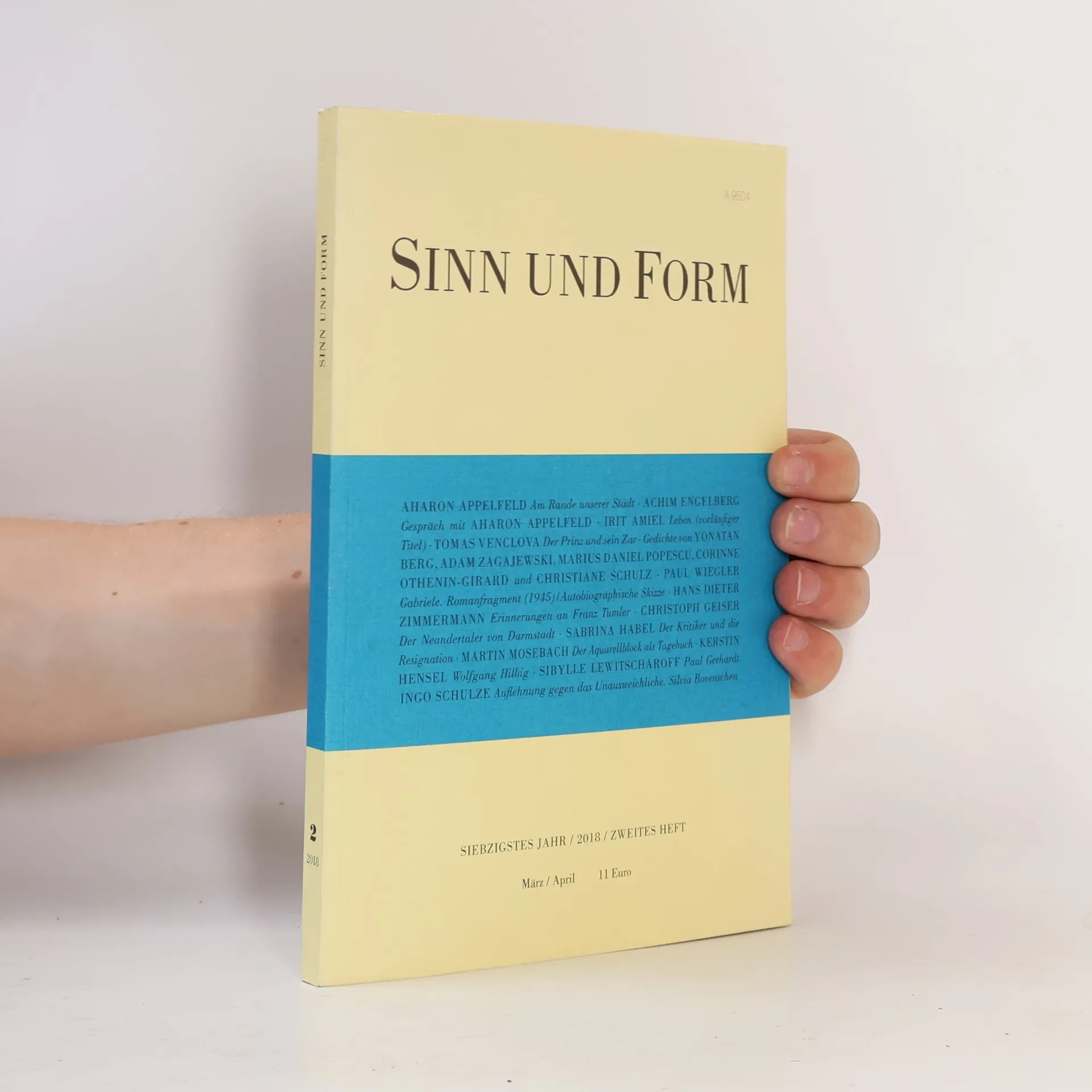
Sinn und Form 2/2018
- 140bladzijden
- 5 uur lezen