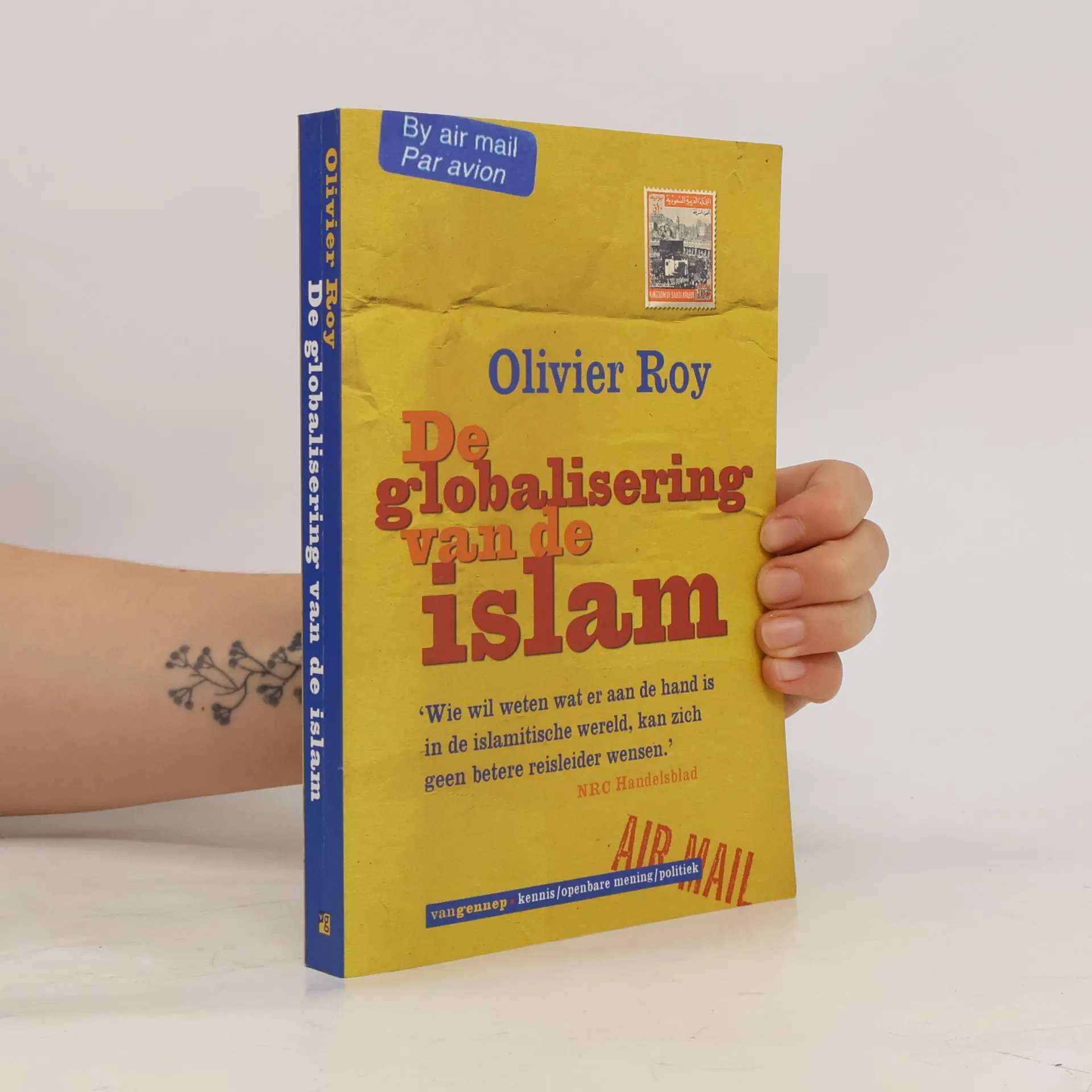
De globalisering van de islam
- 215bladzijden
- 8 uur lezen


Deze auteur onderzoekt de ingewikkelde relatie tussen de islam en de seculiere samenleving, en analyseert hoe moslims hun identiteit in de westerse wereld behouden. Zijn werken bieden diepgaande inzichten in de politieke dynamiek van Azië en de uitdagingen van de geglobaliseerde islam. Voortbouwend op uitgebreide ervaring in internationale advisering en de academische wereld, biedt zijn schrijven een uniek perspectief op cruciale mondiale kwesties. Zijn analyses duiken in de uitdagingen waarmee moslim gemeenschappen binnen seculiere staten worden geconfronteerd, en hoe moslim intellectuelen de integratie van geloof en moderniteit navigeren.

This book offers diverse perspectives on the complexity and uncertainty of recent events in the Arab world, highlighting critical social forces such as demography, religion, gender, telecommunication connectivity, and economic structures. The Arab Spring marked a significant period of change for North African and eastern Mediterranean states, leading to fundamental transitions in governance alongside profound social, cultural, and religious shifts. The European Union and the United States, caught off guard by these uprisings, now face the challenge of addressing these transformations amid international economic uncertainty and declining U.S. influence. The text interprets the societal changes in the Arab Muslim world and their implications for the West, proposing potential policy responses. It delves into key areas of change relevant to the southern Mediterranean, including demographic shifts, the interplay of Islamic revival and democracy, evolving roles of women, the impact of the Internet, and the role of entrepreneurship in driving change. Additionally, it examines the cultural, religious, political, and economic factors that have shaped Western responses to the Arab Spring and the policy options that remain available.
The Afghan-Pakistan Connection
"Al Qaida was unable to realize its lethal potential until it found sanctuary in Afghanistan, where Osama bin Laden fled after being expelled from Sudan. But why was the network's sanctuary not attacked before September 2001, especially after the bombing of the U.S. embassies in Kenya and Tanzania in 1998? Abou Zahab and Roy argue that the Taliban was part of a much wider radical Islamist network in the region, whose true center was Pakistan, not Afghanistan. Al Qaida, the Taliban, the Pakistani Deobandis - all of these groups are based in Pakistan, which continues to serve as the regional hub for Islamist movements and their terrorist offshoots." "This book investigates and explains the almost twenty-five-year gestation of these interlinked radical Islamist networks of Pakistan, Central Asia, and Afghanistan, out of which Al Qaida emerged. Taking into account the networks' divergent histories and doctrinal rifts, the authors lay bare the political contingencies that enabled these disparate Islamist movements to coordinate with the aim of attacking what became their common adversary: the United States."--BOOK JACKET
As Europe wrangles over questions of national identity, nativism and immigration, Olivier Roy interrogates the place of Christianity, foundation of Western identity. Do secularism and Islam really pose threats to the continent's 'Christian values'? What will be the fate of Christianity in Europe?Rather than repeating the familiar narrative of decline, Roy challenges the significance of secularized Western nations' reduction of Christianity to a purely cultural force- relegated to issues such as abortion, euthanasia and equal marriage. He illustrates that, globally, quite the opposite has occurred: Christianity is now universalized, and detached from national identity. Not only has it taken hold in the Global South, generally in a more socially conservative form than in the West, but it has also 'returned' to Europe, following immigration from former colonies. Despite attempts within Europe to nationalize or even racialize it, Christianity's future is global, non-European and immigrant-as the continent's Churches well know.This short but bracing book confirms Roy's reputation as one of the most acute observers of our times. It represents a persuasive and novel vision of religion's place in national life today.
Olivier Roy finds in the modern disconnection between faith communities and sociocultural identities a fertile space for fundamentalism to grow. Instead of freeing the world from religion, secularization has encouraged a kind of holy ignorance to take root, an anti-intellectualism that promises immediate access to the sacred and positions itself in direct opposition to contemporary pagan culture. The secularization of society was supposed to free people from religion, yet individuals are converting en masse to such fundamentalist faiths as Protestant evangelicalism, Islamic Salafism, and Haredi Judaism. These religions either reconnect adherents to their culture through casual referents, like halal fast food, or "deculturate" through "purification" rituals, such as speaking in tongues, which allows believers to utter a language entirely their own. Instead of a return to traditional religious worship, Roy argues we are witnessing the individualization of faith and the disassociation of faith communities from ethnic and national identities. This has placed culturally integrated religions, such as Catholicism and eastern orthodox Christianity, on the defensive, and presents new challenges to state and society. Roy explores the options available to powers that hope to integrate or control these groups, and he considers whether marginalization or homogenization will further divide believers from their culture
Argues that the consequences of the 'war on terror' have conflated conflicts in the Middle East in such a way that they appear to be the expression of a widespread 'Muslim anger' against the West. This book unravels the complexity of these conflicts in order to better understand the political discontent that sustains them.
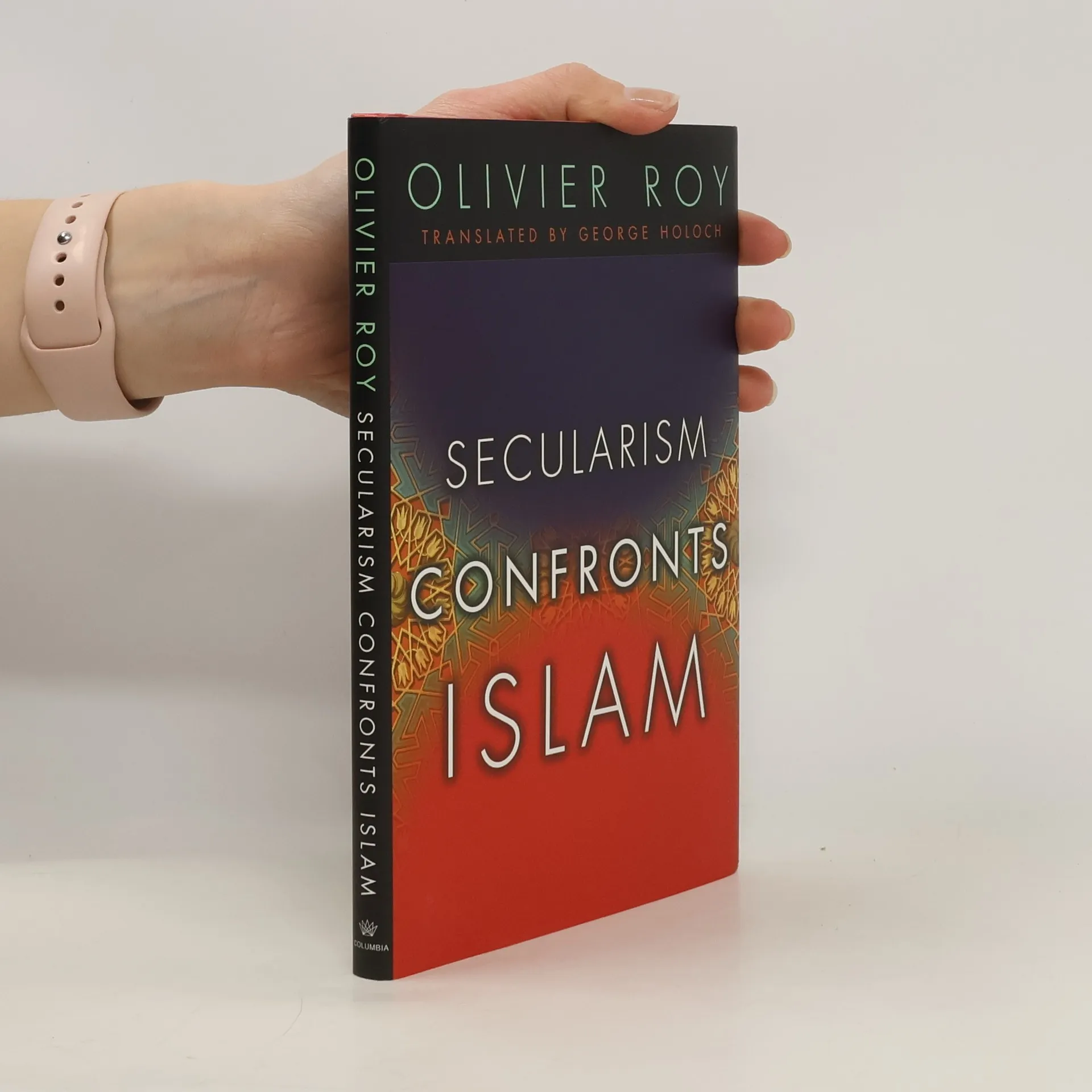
"The denunciation of fundamentalism in France, embodied in the law against the veil and the deportation of imams, has shifted into a systematic attack on all Muslims and Islam. This hostility is rooted in the belief that Islam cannot be integrated into French - and, consequently, secular and liberal - society. However, as Olivier Roy makes clear in this book, Muslim intellectuals have made it possible for Muslims to live concretely in a secularized world while maintaining their identities as "true believers." They have formulated a language that recognizes two spaces: that of religion and that of secular society." "Roy's rare portrait of the realities of immigrant Muslim life offers a necessary alternative to the popular specter of an "Islamic threat." Supporting his arguments with his extensive research on Islamic history, sociology, and politics, Roy demonstrates the limits of our understanding of contemporary Islamic religious practice in the West and the role of Islam as a
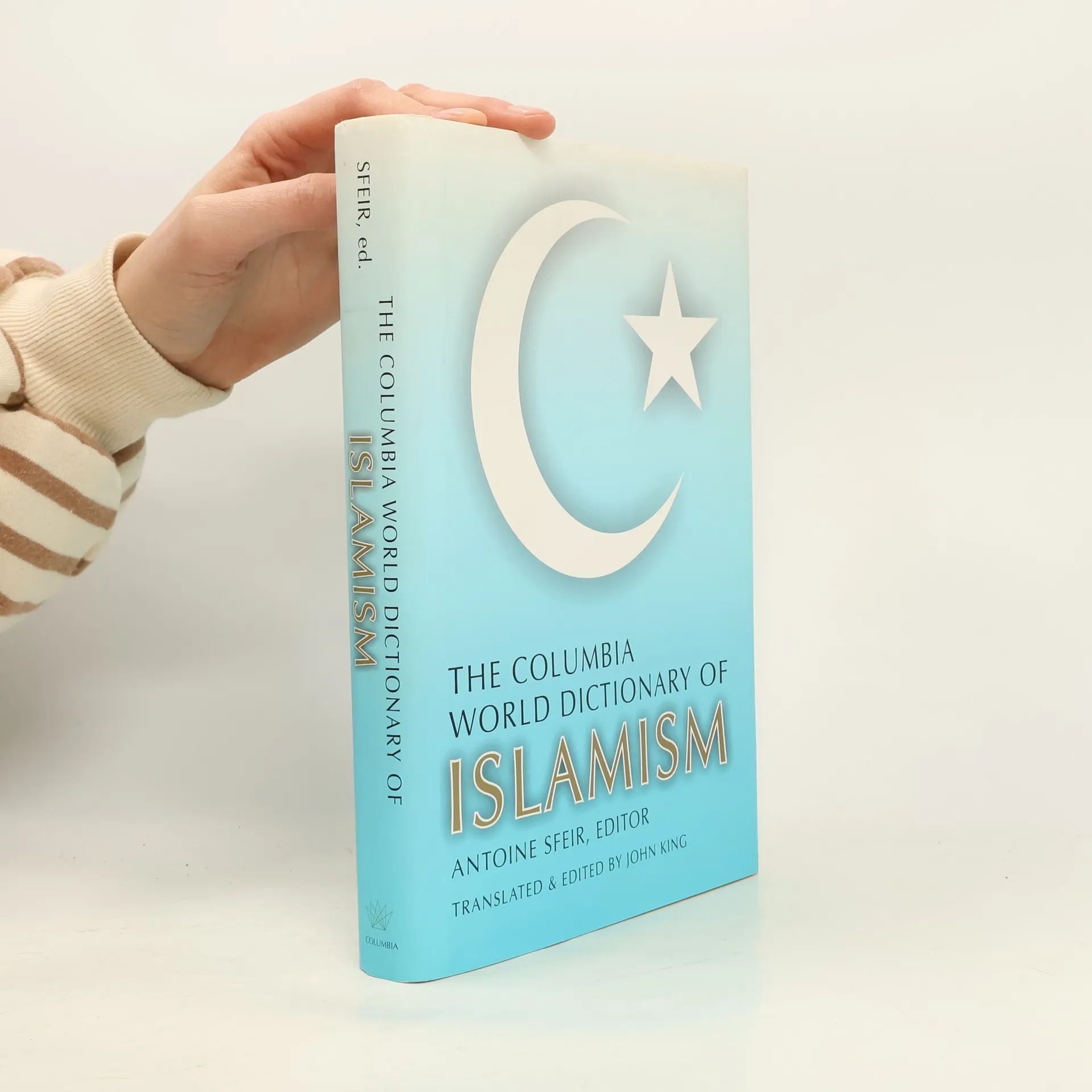
Antoine Sfeir's Columbia World Dictionary of Islamism is a significant resource, now available in English for the first time. This comprehensive volume contains over two thousand entries detailing the history of Islamism and Islamic countries, offering a balanced perspective on events, organizations, and key figures, thereby illuminating a movement that has profoundly impacted both Muslim and Western societies. The dictionary covers the origins of Islamism and jihad across various regions, including Africa, Afghanistan, Egypt, Iran, and the United States. It profiles influential individuals such as Louis Farrakhan, Tariq Ramadan, and Hassan Al-Banna, alongside critical historical events like the U.S.S. Cole bombing and Syria's Hama massacre. It also discusses major organizations and movements, including the Taliban, Hezbollah, and the Muslim Brotherhood, as well as groups like Tablighi Jamaat and Al-Ahbash. A distinctive feature of this work is its exploration of Islam's antimodern aspects and its attempts to reclaim Muslim identity in various contexts. The volume raises pertinent questions about the nature of activist Islam, its potential for coexistence with Western societies, and the justification of terrorism in relation to the Quran. Sfeir, an expert in the field, navigates the complexities of Islam and Islamism through geopolitical, sociological, and historical lenses.
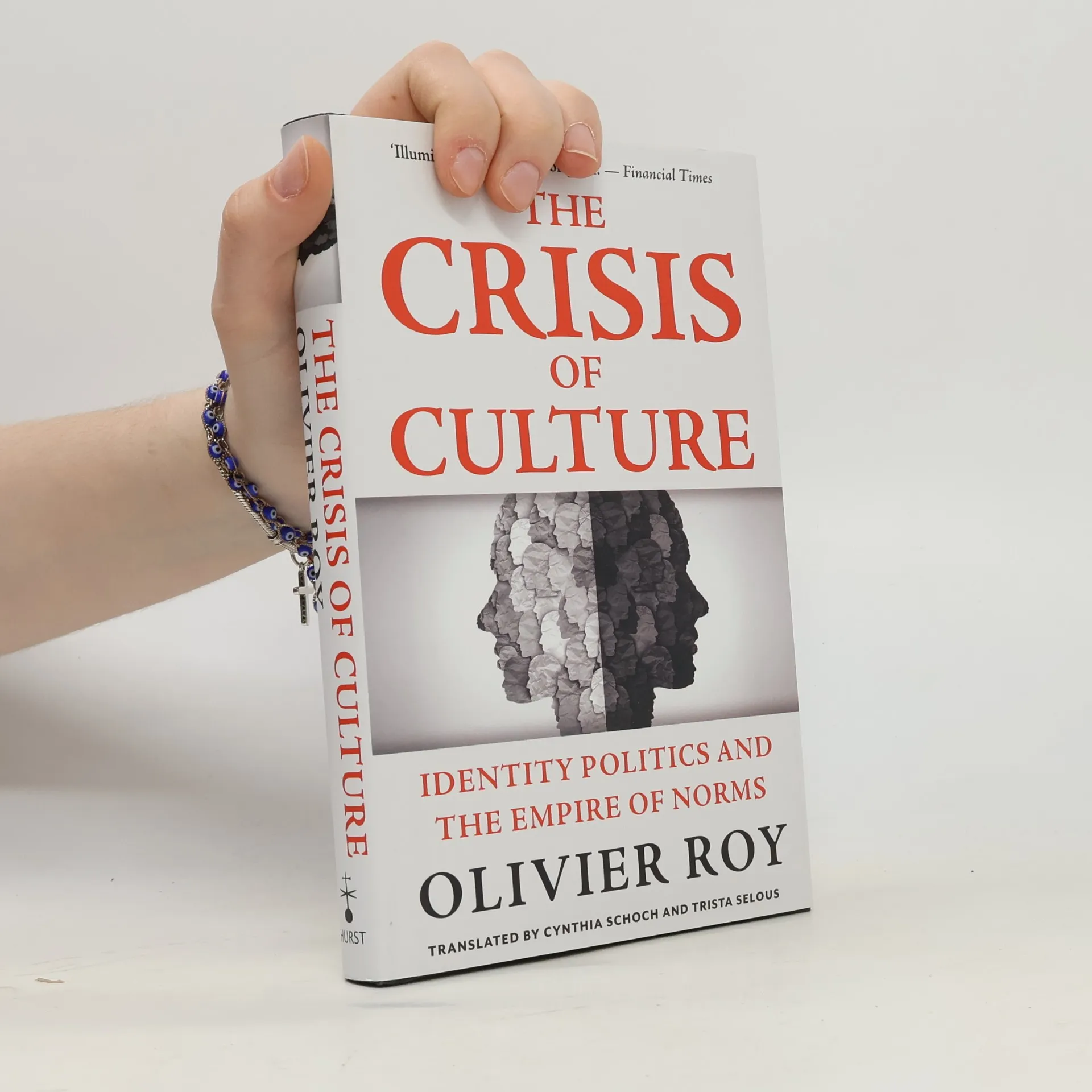
A brilliant analysis of identity politics by world-renowned thinker Olivier Roy.
Dans cet ouvrage, publié pour la première fois en 1992, Olivier Roy énonce une thèse en apparence paradoxale : l’essor des mouvements islamistes signe l’échec de l’islam politique. Si les islamistes conçoivent le Coran comme un programme de gouvernement, les expériences analysées dans ce livre montrent que le concept d’État islamique est contradictoire et impossible à réaliser. Vingt ans plus tard, le revers des partis islamistes qui ont accédé au pouvoir après le Printemps arabe confirme la justesse de cette analyse. Mais cet ouvrage précurseur invite surtout à penser autrement qu’à travers un prisme essentialiste la vague de néo-fondamentalisme musulman et la recrudescence de l’activisme djihadiste à travers le monde.
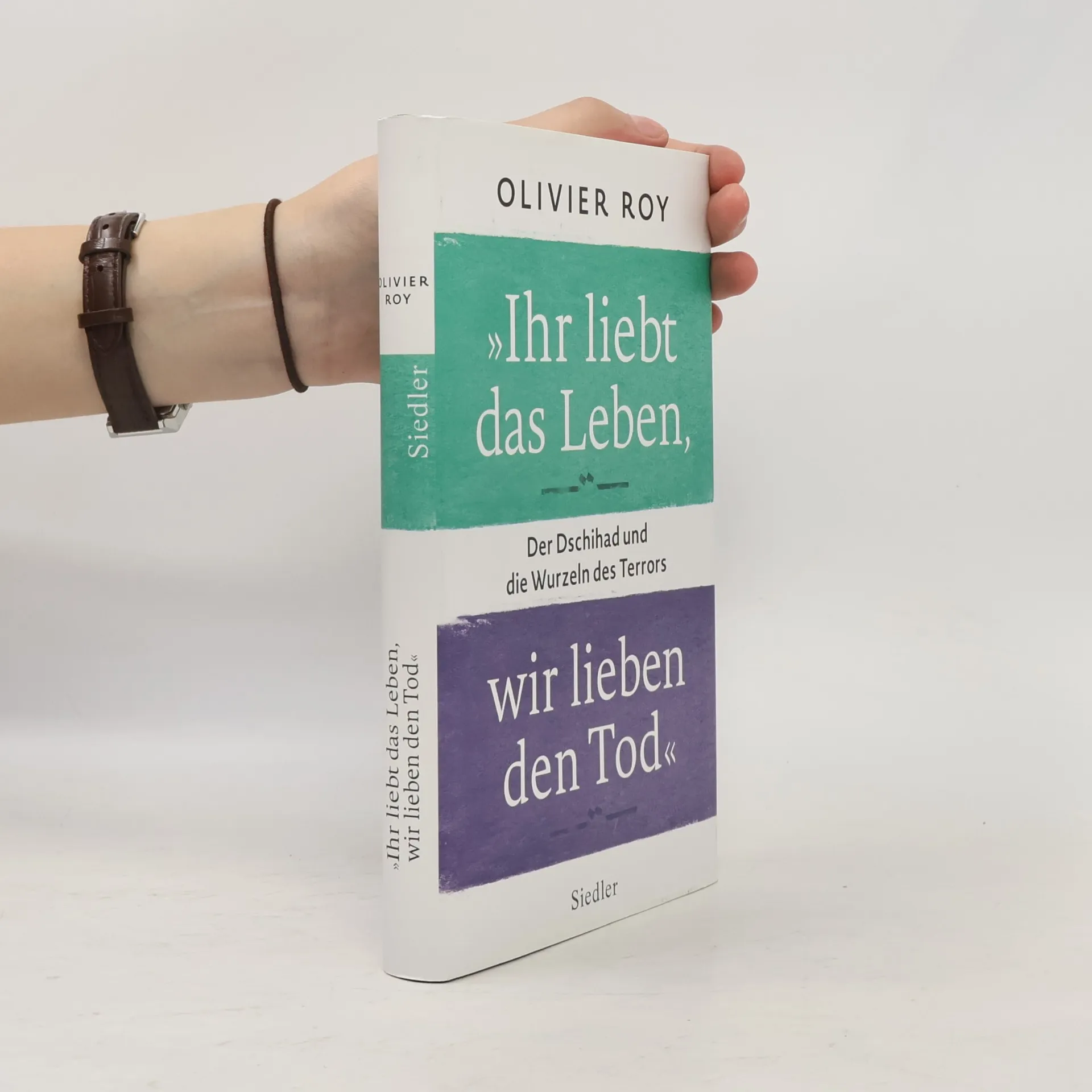
Der Tod ist das Ziel: Über den Nihilismus islamistischer Terroristen Der globalisierte Terrorismus ist kein neues Phänomen. Neu ist, dass Terrorismus und Dschihadismus sich mit dem Todeswunsch des Attentäters verbinden. Olivier Roy, einer der weltweit führenden Islamismus-Experten, warnt davor, die Ursachen des Dschihadismus vor allem in einer Radikalisierung des Islam zu sehen. Nicht die Religion ist es, die die meist jungen Männer anfeuert – ihre Hinwendung zum Terrorismus ist vor allem Ausdruck eines besonders heftig ausgetragenen Generationenkonflikts und einer ausgeprägten Todessehnsucht.
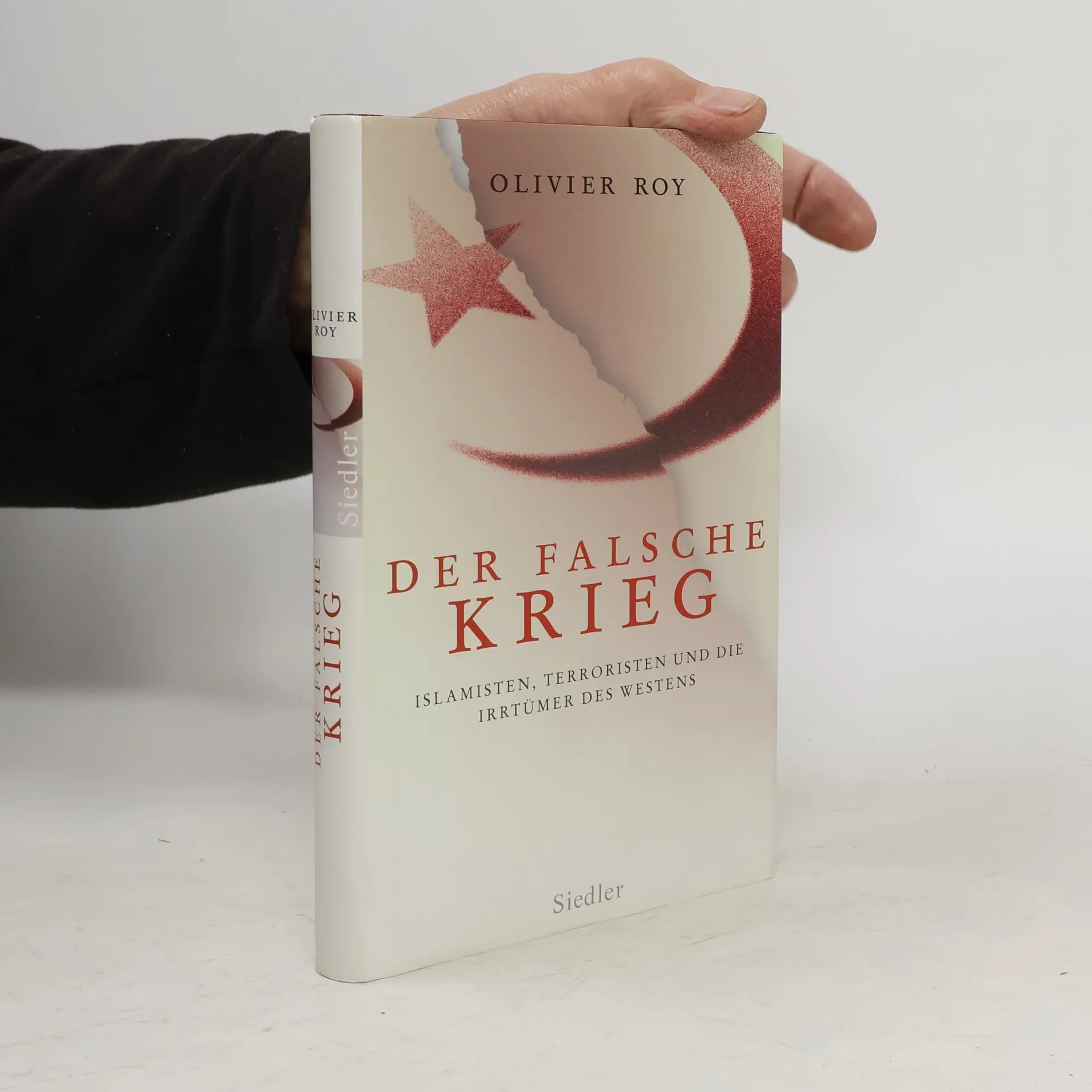
In der Zerrissenheit des Islamismus liegt seine größte Gefahr Al Qaida und die Taliban, Hisbollah und Hamas, Syrien und Iran – sie alle bedrohen den Westen. Es wäre allerdings ein gefährlicher Irrtum, diese Kräfte für einen geschlossenen, starken Feind zu halten. Denn durch die islamische Welt geht vielmehr ein tiefer Riss. Doch das ist kein Grund zur Entwarnung, sagt Olivier Roy: Er macht deutlich, dass die eigentliche Gefahr von den Spannungen innerhalb der islamistischen Gruppen ausgeht und zeigt, welche Politik wir ihr entgegensetzen müssen. Der islamistische Terrorismus stellt eine weltweite Bedrohung dar. Doch der vom Westen propagierte 'Krieg gegen den Terror' ist nicht zu gewinnen. Weder ist der Islam ein einheitliches Gebilde, noch sind geopolitische Militäraktionen eine angemessene Reaktion auf deterritorial agierende Selbstmordattentäter. Um zu bestimmen, wie der Westen künftig mit dieser Gefahr umgehen soll, müssen wir erst einmal danach fragen, wie die regionalen und globalen Kräfteverhältnisse wirklich sind, wer denn eigentlich der Feind ist und wie man ihm wirksam begegnen kann. In seinem neuen Buch deckt der renommierte Islam- und Terrorismusexperte Olivier Roy die politischen Irrtümer des Westens auf, erklärt klar und anschaulich die innerislamischen Verhältnisse und Spannungen und liefert verblüffende Erkenntnisse über die Organisations- und Funktionsweise der Al Qaida.
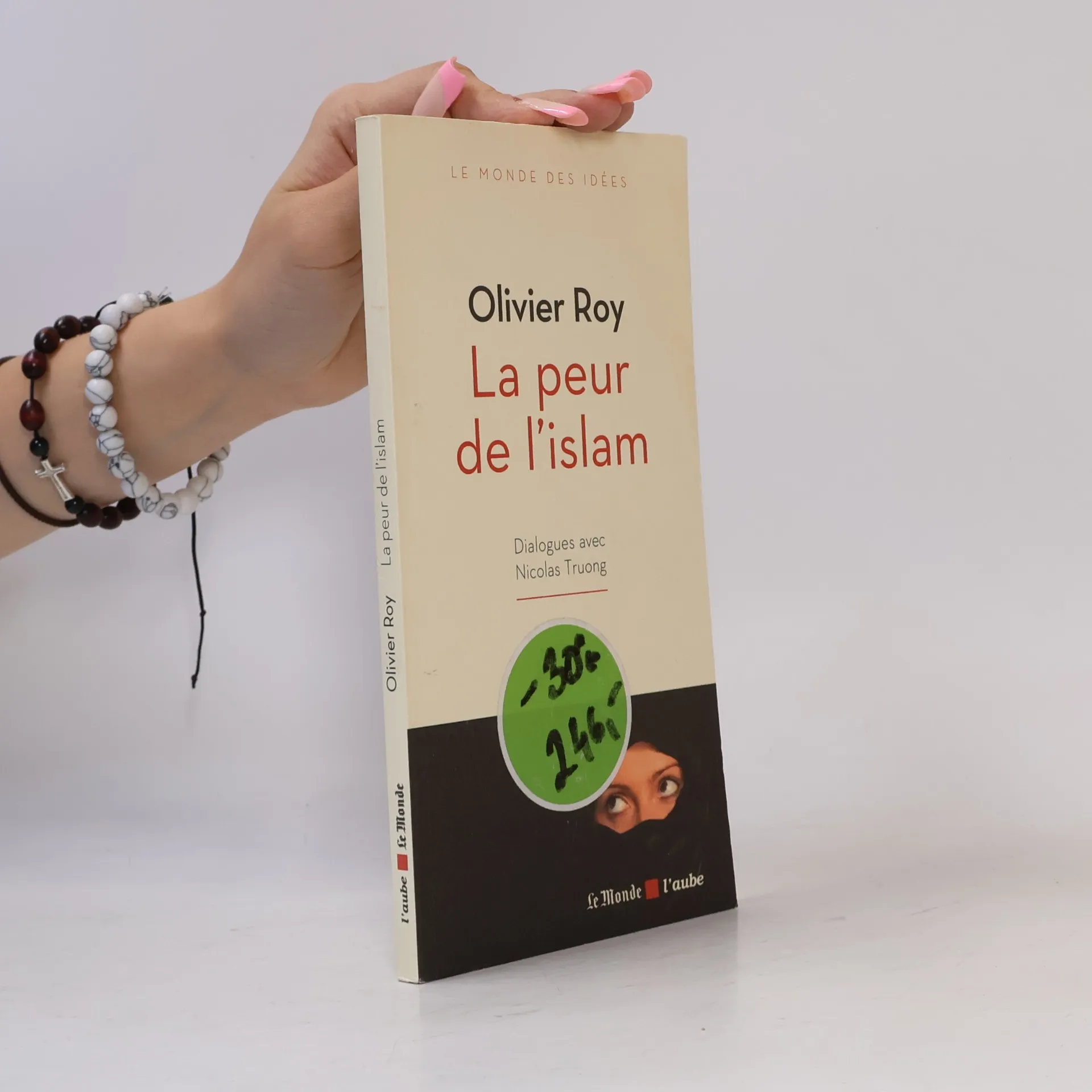
« Du 11 septembre 2001 au 11 janvier 2015, Olivier Roy a scruté les ressorts politiques et sociologiques de “l’islam mondialisé”. À travers les tribunes et les entretiens percutants qu’il a donnés au Monde, le politologue éclaire d’un jour nouveau la “peur de l’islam” qui gagne les sociétés occidentales – récusant tout aussi bien les arguments droitiers et dominants de l’essentialisme (les musulmans seraient, par essence, inassimilables) que le plaidoyer gauchiste du multiculturalisme (c’est l’islamophobie qui, seule, provoquerait la radicalisation d’une partie d’entre eux). Des printemps arabes au nihilisme générationnel des jeunes paumés de la mondialisation, de l’échec de l’islam politique à l’engagement de la France contre l’État islamique, Olivier Roy donne des clefs pour comprendre la question musulmane. Et lance des raisons d’espérer en une France capable d’accorder ses idéaux à la pluralité des mondes. » Nicolas TruongOlivier Roy est politologue, spécialiste de l’islam. Il est l’auteur de plusieurs ouvrages, dont En quête de l’Orient perdu (Seuil, 2014).Nicolas Truong est journaliste, responsable des pages Idées-Débats du Monde.
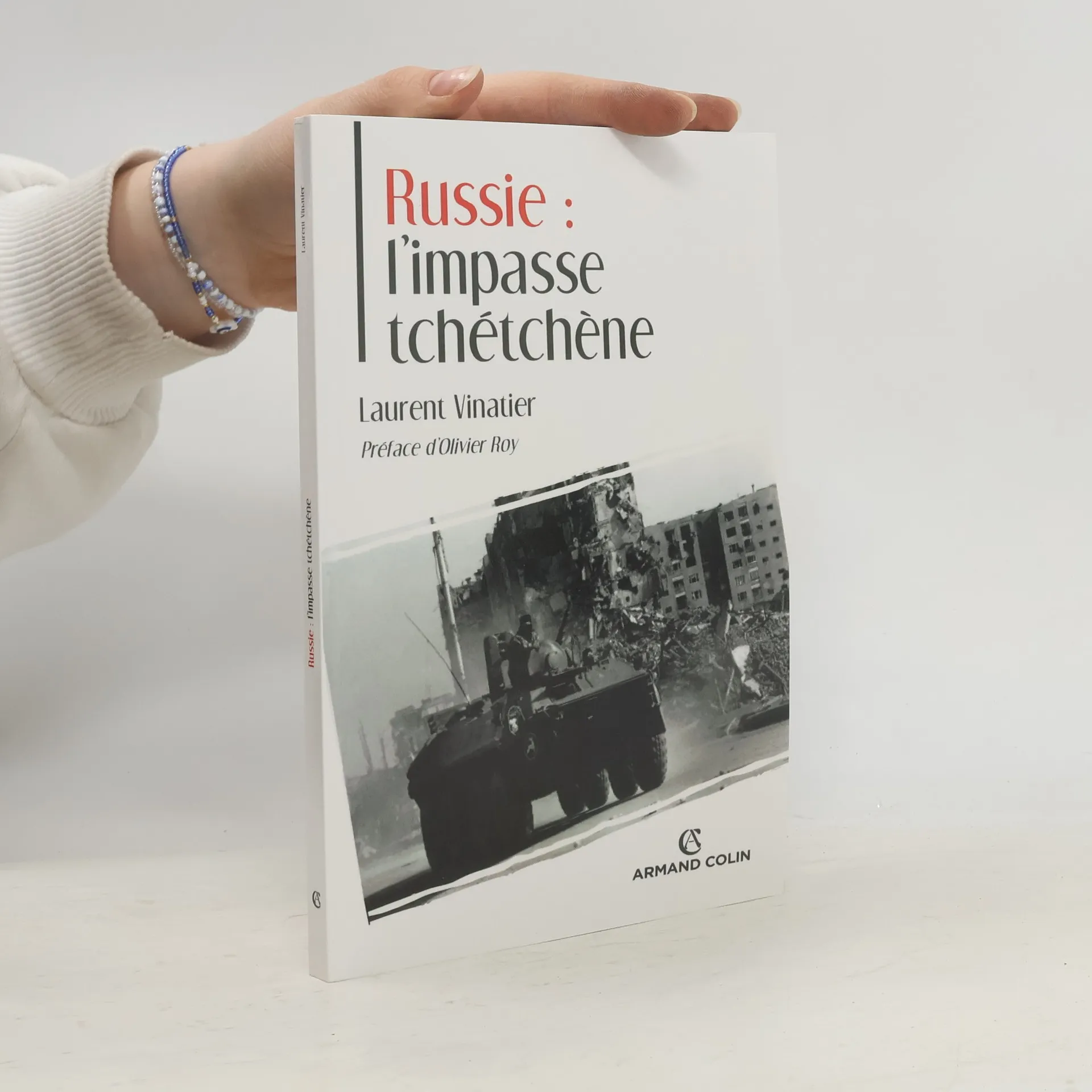
Les opérations engagées contre la Tchétchénie en 1994 à la suite de la déclaration d'indépendance de la petite république, loin d'obtenir le résultat escompté au vu du déséquilibre des forces, ont ouvert un conflit d'une complexité et d'une cruauté rares : dévastation de Grozny, terreur (exactions de l'armée russe et des milices tchétchènes pro-russes) et contre-terreur (prises d'otages, radicalisation islamiste tchétchène, etc.) Les solutions négociées à cette guerre instrumentalisée dans le cadre politique intérieur russe ont été au fur et à mesure balayées. C'est qu'il s'agit coûte que coûte de rétablir une " normalité " dont l'épuisement actuel des indépendantistes n'est qu'un gage très incertain. Est-il concevable que la Russie parvienne enfin à surmonter les blocages politiques et idéologiques qui entravent toute solution durable et humaine de la question ? La recomposition définitive de l'Etat russe et le solde du passé soviétique ne se feront, en tout cas, qu'à ce prix.