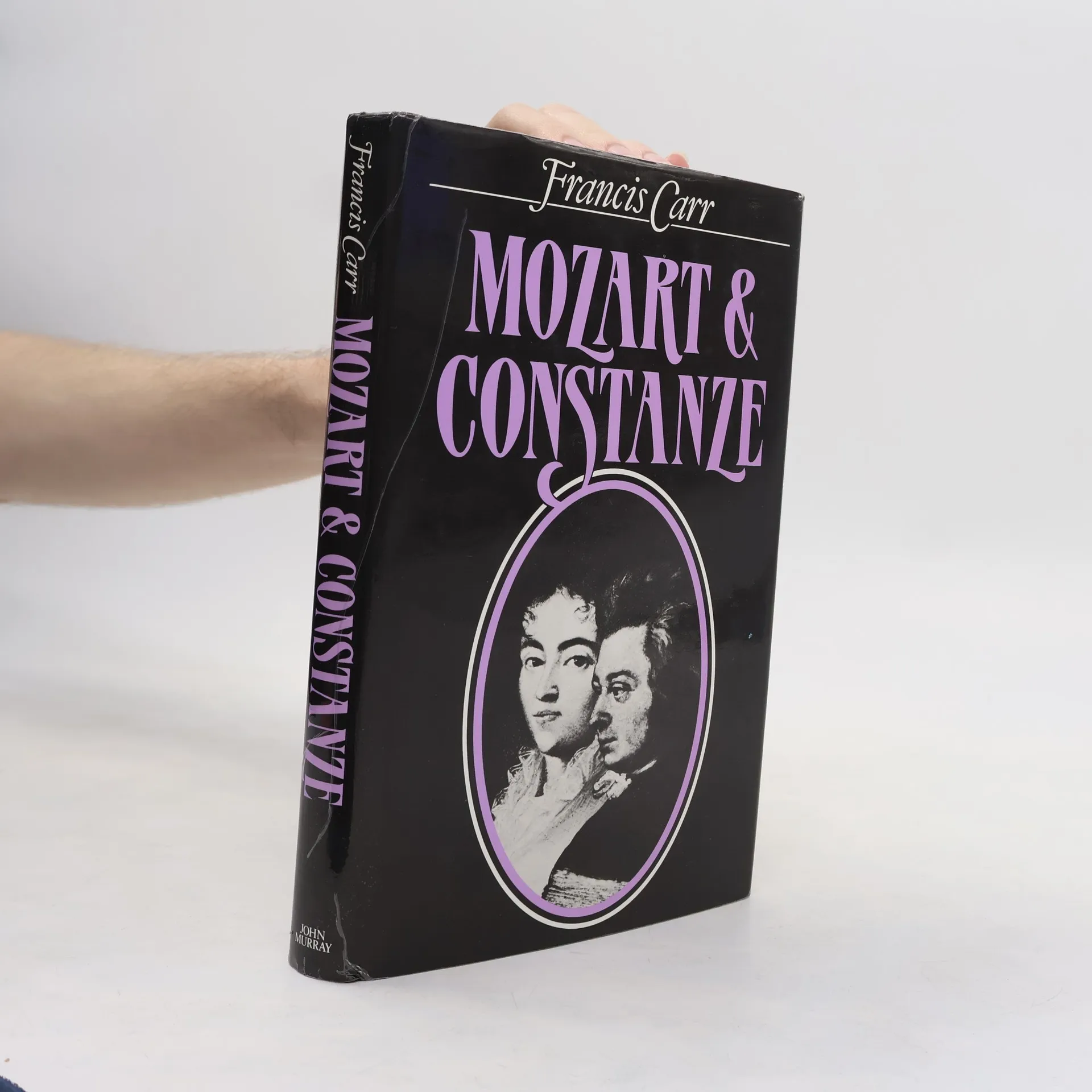
Mozart und Constanze
- 266bladzijden
- 10 uur lezen


This edition of Much Ado About Nothing, one of Shakespeare's most delightful and theatrically successful comedies, offers, along with a freshly edited text, an exceptionally helpful and critically aware Introduction and commentary. Paying particular attention in his Introduction to analysis of the play's minor characters, Sheldon P. Zitner discusses Shakespeare's social transformation of his source material, rethinking the attitudes to gender relations that underlie the comedy and determine its ruefully optimistic view of marriage. Interpretations are advanced less because they are arguable than because they are actable. Allowing for the play's openness to re-interpretation by successive generations of readers and performers, the editor provides a socially analytic stage history. Full notes and commentary continue previous editors' work of clarifying textual and performance problems of interest to both readers and actors.
As well as the complete and unabridged text, each play in this series has an extensive range of student's notes. These include detailed and clear explanations of difficult words and passages, a synopsis of the plot, summaries of individual scenes, and notes on the main characters. Also included is a wide range of questions and activities for work in class, together with the historical background to Shakespeare's England, a brief biography of Shakespeare, and a complete list of his plays. For this new edition, the text of the play, the notes, and the introductory matter have all been revised so as to make them clearer and more accessible. In addition, the entire text of the book has been redesigned and reset to make it easier to read. The illustrations have been completely redrawn, photographs of recent stage production have been included and there is a new, attractive cover design.
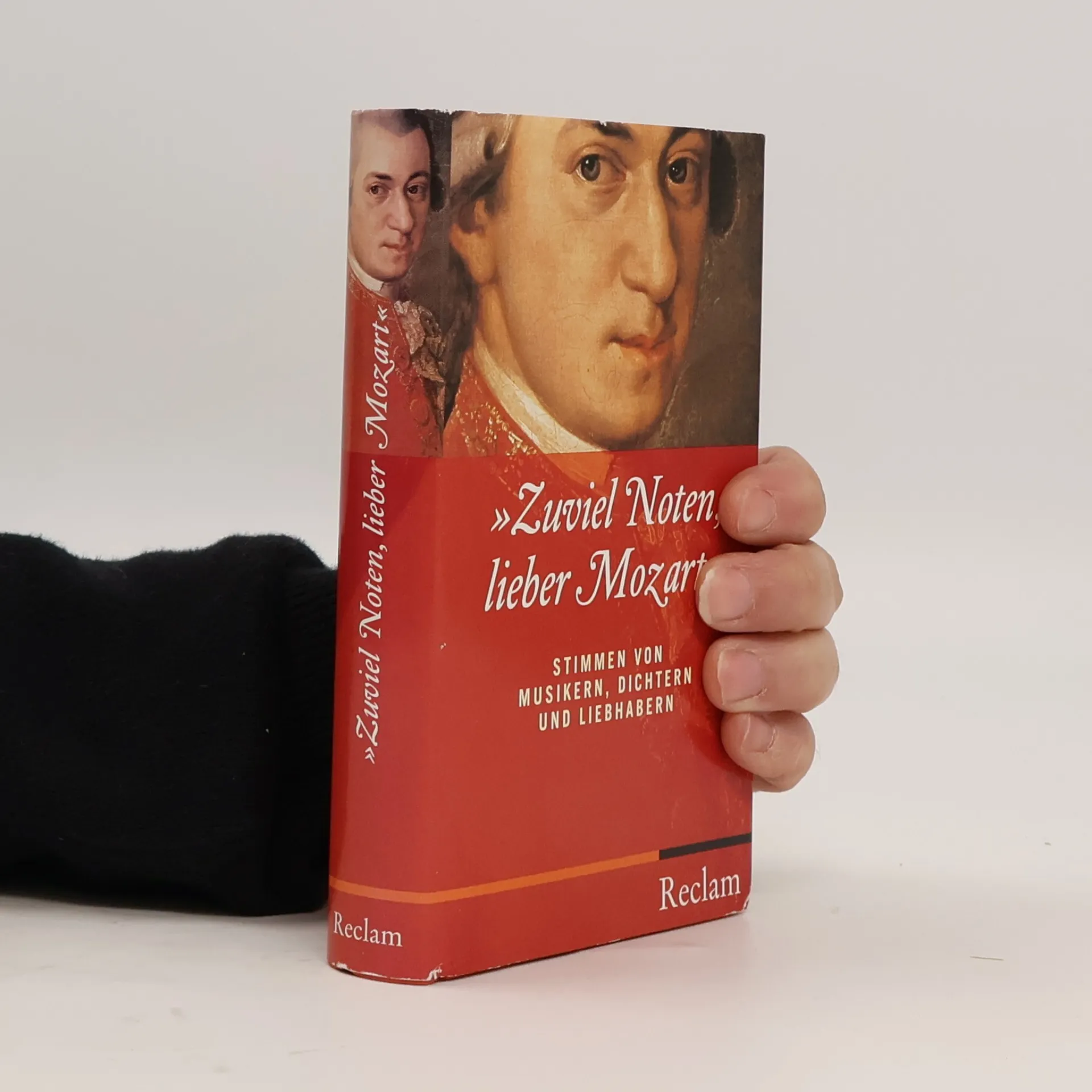
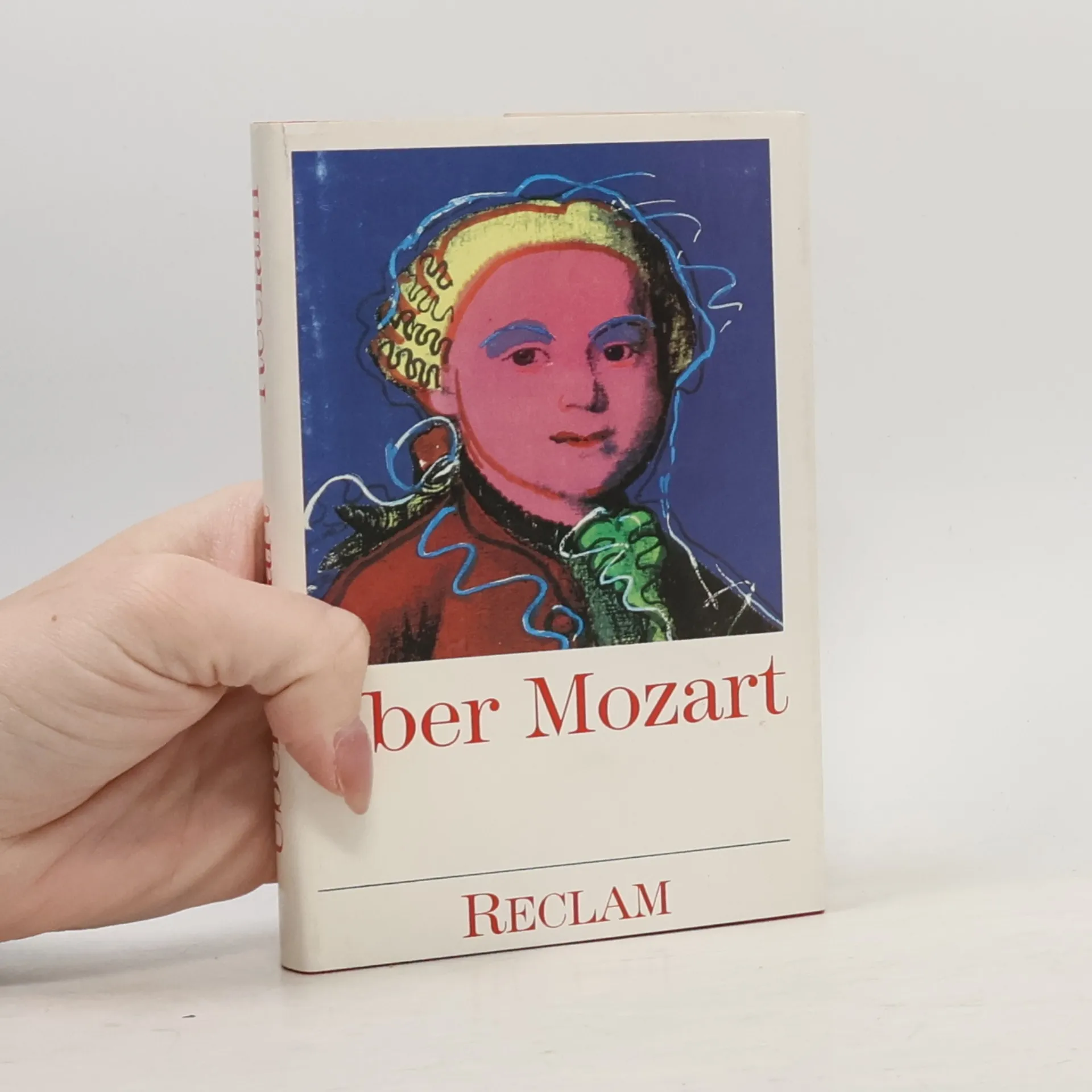
Eine Sammlung von 55 Erzählungen, Essays und Gedichten über Mozart, verfasst von namhaften Komponisten, Dichtern, Malern und Philosophen, darunter Haydn, Goethe, Mörike und Schopenhauer.