
Koop 10 boeken voor 10 € hier!
Bookbot

Victor Serge

    Victor Serge was een Russische revolutionair en Franstalige schrijver wiens leven diepgaand werd gevormd door ballingschap. Zijn werk biedt een scherpe en kritische analyse van politieke en sociale strijd, waarbij hij consequent socialistische idealen hooghield, zelfs toen hij kritiek uitte op het Sovjetregime. Gekenmerkt door periodes van gevangenschap en een leven zonder vaderland, duiken Serge's geschriften diep in thema's als vrijheid, macht en identiteit vanuit een uniek perspectief, gesmeed door intense persoonlijke en historische ervaringen.

    What Every Radical Should Know about State Repression
    Last Times
    What Every Radical Should Know about State Repression: A Guide for Activists
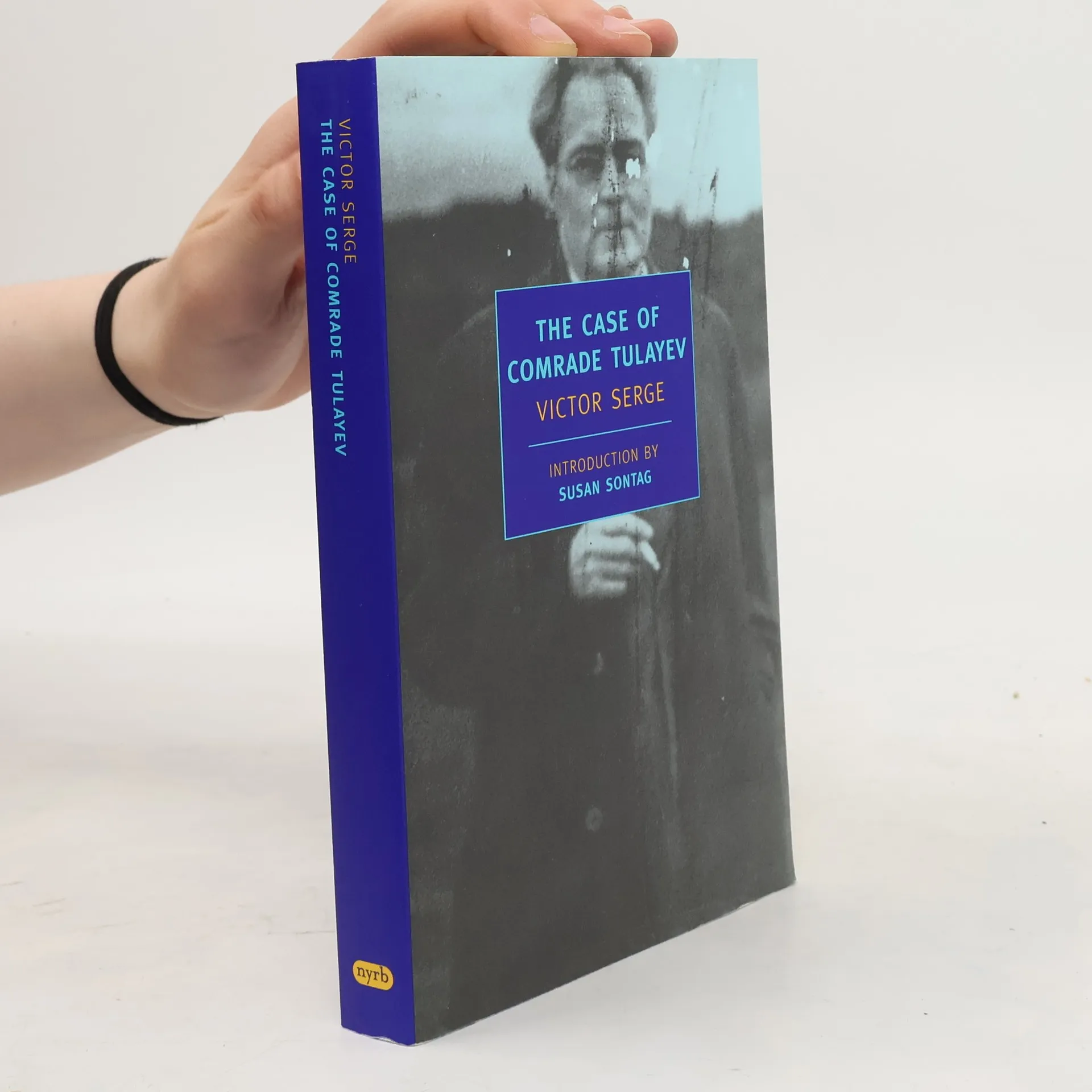
    The Case Of Comrade Tulayev
    Revolution in Danger
    Memoirs Of A Revolutionary
    • Memoirs Of A Revolutionary

      • 521bladzijden
      • 19 uur lezen
      4,5(152)Tarief

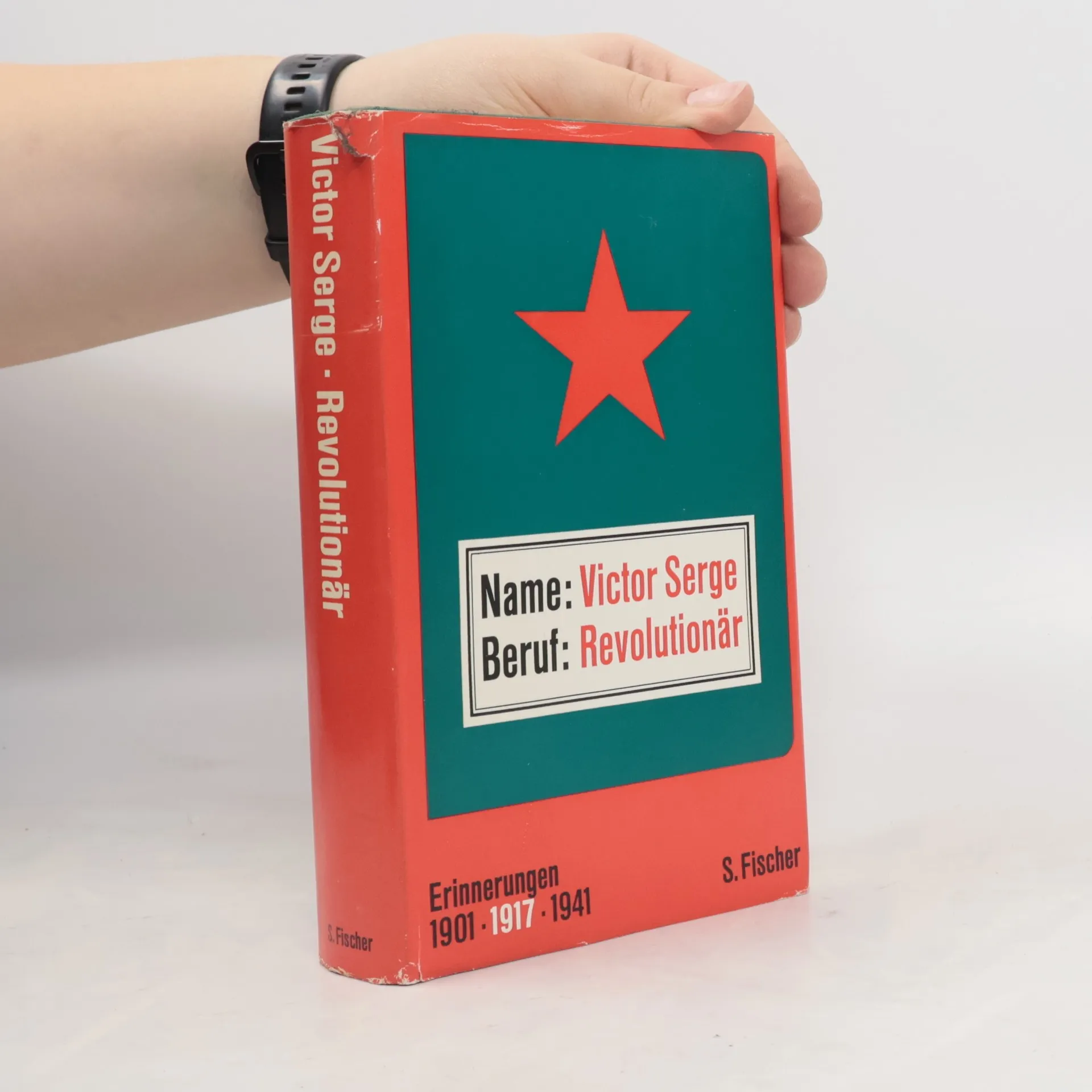
      A New York Review Books Original Victor Serge is one of the great men of the 20th century —and one of its great writers too. He was an anarchist, an agitator, a revolutionary, an exile, a historian of his times, as well as a brilliant novelist, and in Memoirs of a Revolutionary he devotes all his passion and genius to describing this extraordinary—and exemplary—career. Serge tells of his upbringing among exiles and conspirators, of his involvement with the notorious Bonnot Gang and his years in prison, of his role in the Russian Revolution, and of the Revolution’s collapse into despotism and terror. Expelled from the Soviet Union, Serge went to Paris, where he evaded the KGB and the Nazis before fleeing to Mexico. Memoirs of a Revolutionary recounts a thrilling life on the front lines of history and includes vivid portraits not only of Trotsky, Lenin, and Stalin but of countless other figures who struggled to remake the world. Peter Sedgwick’s fine translation of Memoirs of a Revolutionary was abridged when first published in 1963. This is the first edition in English to present the entirety of Serge’s book.
      Memoirs Of A Revolutionary
    • Revolution in Danger

      Writings from Russia 1919-1921

      • 184bladzijden
      • 7 uur lezen
      4,3(22)Tarief

      Set against the backdrop of a tumultuous period in Petrograd, the narrative vividly captures the fervent revolutionary spirit amid internal and external counter-revolutionary threats. Victor Serge's portrayal highlights the resilience and dedication of those fighting for their ideals, offering a compelling glimpse into the struggles and triumphs of the revolutionary movement. Through rich detail, the book immerses readers in the complex dynamics of a city at the heart of a pivotal historical moment.

      Revolution in Danger
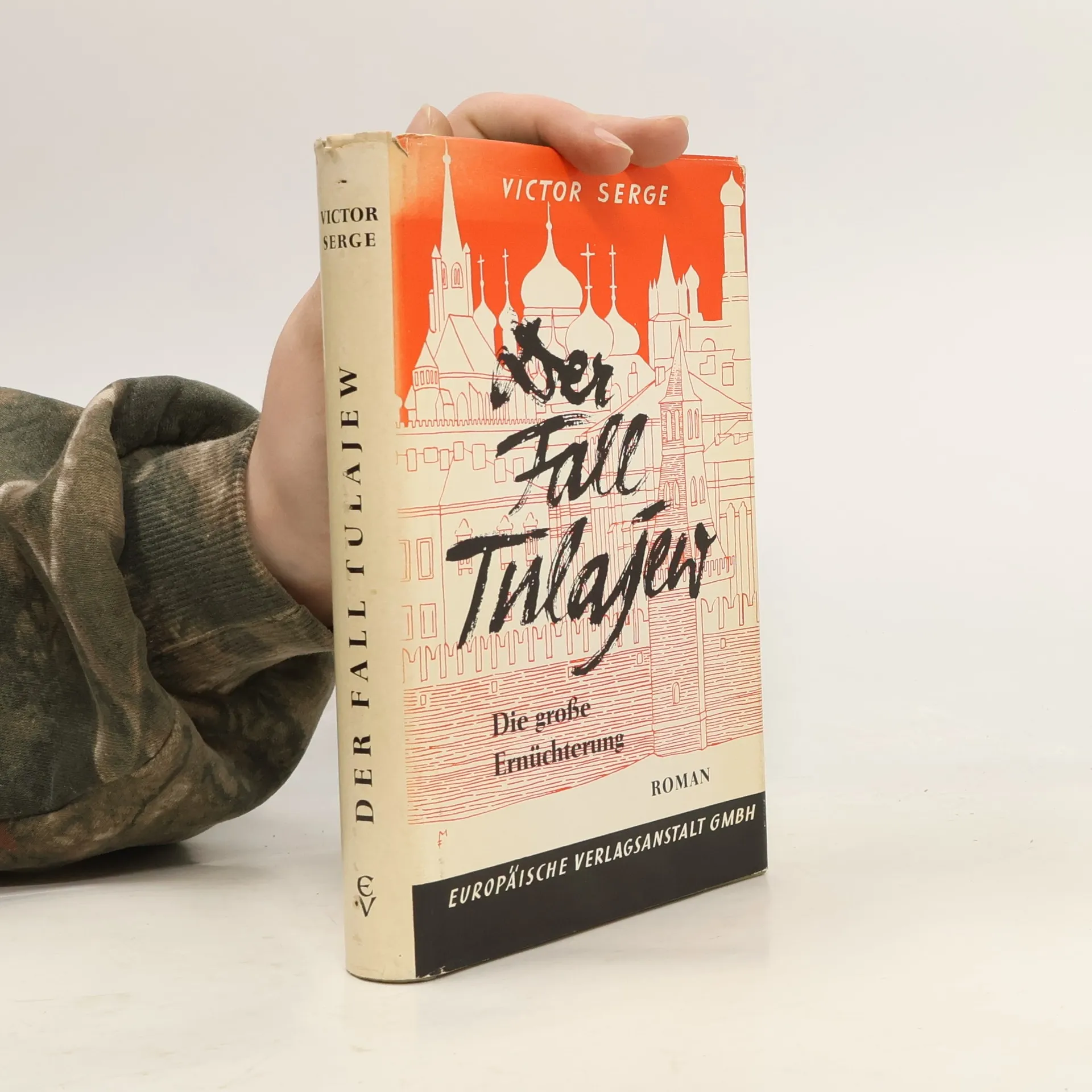
    • One cold Moscow night, Comrade Tulayev, a high government official, is shot dead in the street, and the search for his killer begins. In this panoramic vision of the Soviet Great Terror, the investigation leads all over the world, netting a whole series of suspects whose only connection is their innocence—at least of the crime of which they stand accused. But The Case of Comrade Tulayev, unquestionably the finest work of fiction ever written about the Stalinist purges, is not just a story of a totalitarian state. Marked by the deep humanity and generous spirit of its author, the legendary anarchist and exile Victor Serge, it is also a classic twentieth-century tale of risk, adventure, and unexpected nobility to sit beside Ernest Hemingway's For Whom the Bell Tolls and André Malraux's Man's Fate.

      The Case Of Comrade Tulayev
    • The book offers a compelling examination of political repression under czarist Russia, drawing parallels to contemporary activism. It highlights the struggles faced by those who challenge authority, making it a poignant reminder of the enduring fight for freedom and justice. Through its exploration of oppressive regimes, the narrative resonates with modern readers, emphasizing the timeless nature of resistance against tyranny.

      What Every Radical Should Know about State Repression: A Guide for Activists
    • A story of displacement and resistance during the early days of the Nazi occupation of France. Last Times, Victor Serge’s epic novel of the fall of France, is based—like much of his fiction—on firsthand experience. The author was an eyewitness to the last days of Paris in June 1940 and joined the chaotic mass exodus south to the unoccupied zone on foot with nothing but his manuscripts. He found himself trapped in Marseille under the Vichy government, a persecuted, stateless Russian, and participated in the early French Resistance before escaping on the last ship to the Americas in 1941. Exiled in Mexico City, Serge poured his recent experience into a fast-moving, gripping novel aimed at an American audience. The book begins in a near-deserted Paris abandoned by the government, the suburbs already noisy with gunfire. Serge’s anti-fascist protagonists join the flood of refugees fleeing south on foot, in cars loaded with household goods, on bikes, pushing carts and prams under the strafing Stukas, and finally make their way to wartime Marseille. Last Times offers a vivid eyewitness account of the city’s criminal underground and no less criminal Vichy authorities, of collaborators and of the growing resistance, of crowds of desperate refugees competing for the last visa and the last berth on the last—hoped-for—ship to the New World.

      Last Times
    • Unforgiving Years is a thrilling and terrifying journey into the disastrous, blazing core of the twentieth century. Victor Serge’s final work, here translated into English for the first time, is at once the most ambitious, bleakest, and most lyrical of this neglected major writer’s works.The novel is arranged into four sections, like the panels of an immense mural or the movements of a symphony. In the first, D, a lifelong revolutionary who has broken with the Communist Party and expects retribution at any moment, flees through the streets of prewar Paris, haunted by the ghosts of his past and his fears for the future. Part two finds D’s friend and fellow revolutionary Daria caught up in the defense of a besieged Leningrad, the horrors and heroism of which Serge brings to terrifying life. The third part is set in Germany. On a dangerous assignment behind the lines, Daria finds herself in a city destroyed by both Allied bombing and Nazism, where the populace now confronts the prospect of total defeat. The novel closes in Mexico, in a remote and prodigiously beautiful part of the New World where D and Daria are reunited, hoping that they may at last have escaped the grim reckonings of their modern era.A visionary novel, a political novel, a novel of adventure, passion, and ideas, of despair and, against all odds, of hope, Unforgiving Years is a rediscovered masterpiece by the author of The Case of Comrade Tulayev.

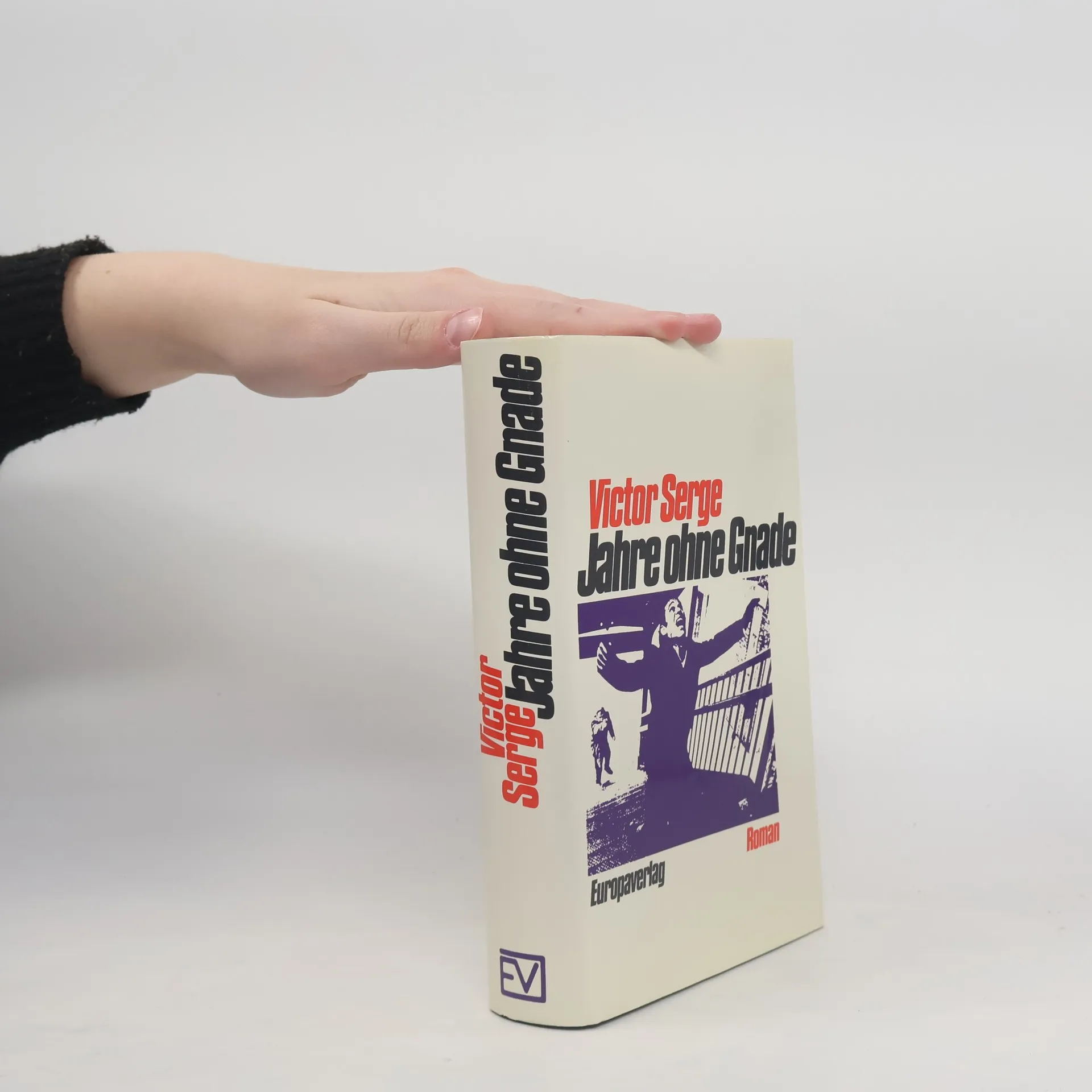
      Unforgiving Years
    • Kostrow, Historiker, Parteiaktivist, wird verhaftet. Er weiß nicht, was ihm vorgeworfen wird. Kostrow beginnt seinen Weg durch die verschiedenen Stationen des Stalin’schen Repressionsapparates, bis er sich schließlich verbannt in einem entlegenen Ort am Fluss 'Schwarze Wasser' im Ural wiederfindet. Dort trifft er auf andere Verbannte, die alle auf ihre Art zum System Stalins in Opposition stehen, die meisten überzeugte Revolutionäre. Serge kennt Stalins System der Dreißigerjahre aus eigener Erfahrung. Der Absurdität der Verfolgung vermeintlicher Oppositioneller kommt er hier auch mit den Mitteln der Tragikomik bei. Er schildert das Leben in der kargen russischen Tundra in eindringlichen, geradezu poetischen Bildern. In einem von physischem und psychischen Terror geprägten Klima lässt Serge Liebe und menschliche Solidarität gedeihen. Der Roman endet mit einer geglückten Flucht und lässt damit auch Hoffnung zu. Victor Serges Schwarze Wasser aus dem Jahr 1939, vor Koestler und lange vor Solschenyzin erschienen, gilt nicht nur als der erste Gulag-Roman – hier liegt auch ein ergreifendes Stück Weltliteratur in der kongenialen Übersetzung von Eva Moldenhauer erstmals auf Deutsch vor.

      Schwarze Wasser