Bookbot

Thomas Friedman

    20 juli 1953

    Thomas L. Friedman is een bejubeld auteur en journalist wiens werk zich verdiept in internationale aangelegenheden. Hij baseert zijn inzichten op uitgebreide rapportages, met als doel het complexe mondiale landschap toegankelijk te maken voor lezers. Friedman heeft de definitie van buitenlandse zaken verbreed om de impact van financiën, globalisering en technologie te omvatten. Zijn schrijven verkent de wisselwerking tussen blijvende krachten zoals nationalisme en cultuur, en de transformerende effecten van internet en mondiale markten.

    Thomas Friedman
    That Used to Be Us
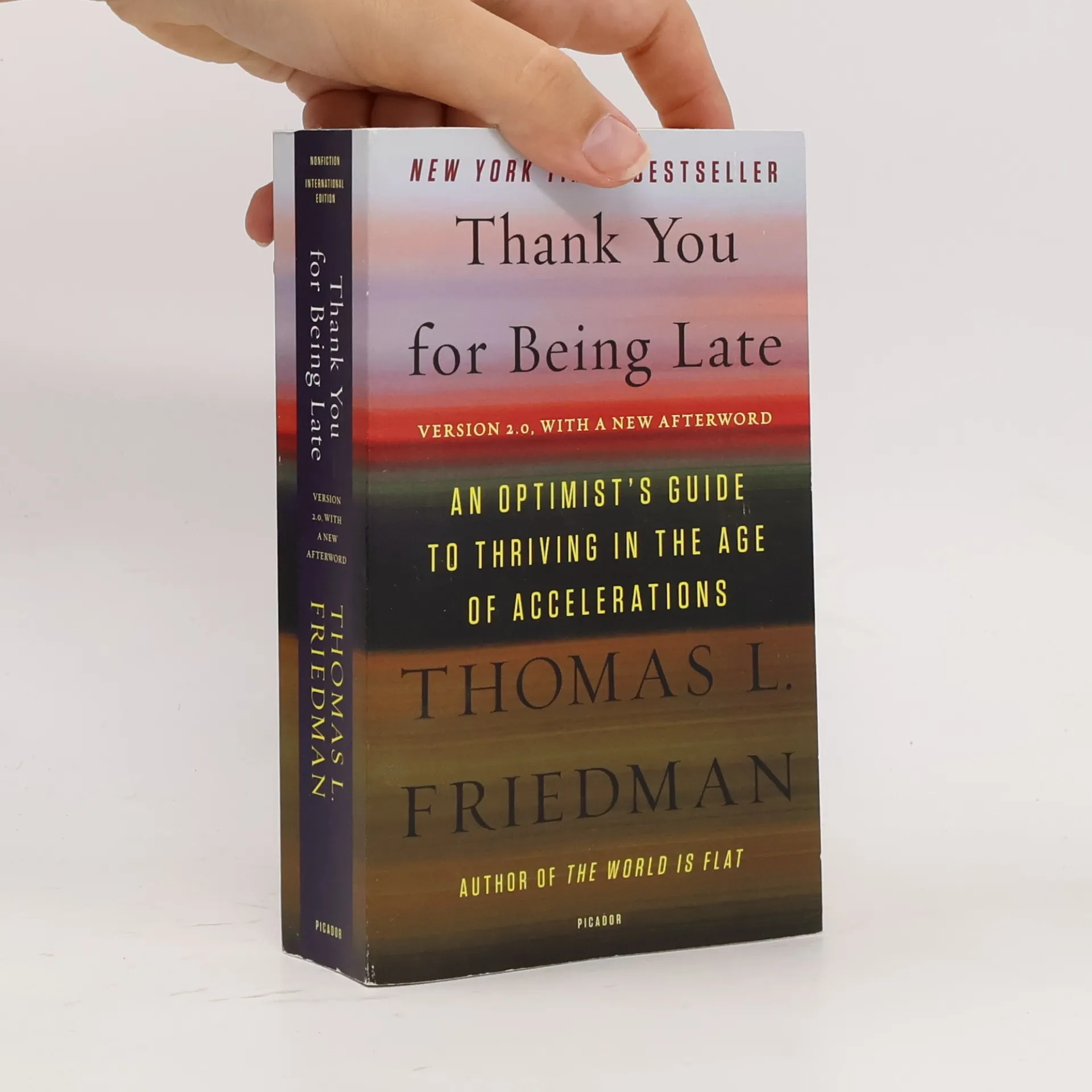
    Thank you for being late: an optimist's guide to thriving in the age of accelerations
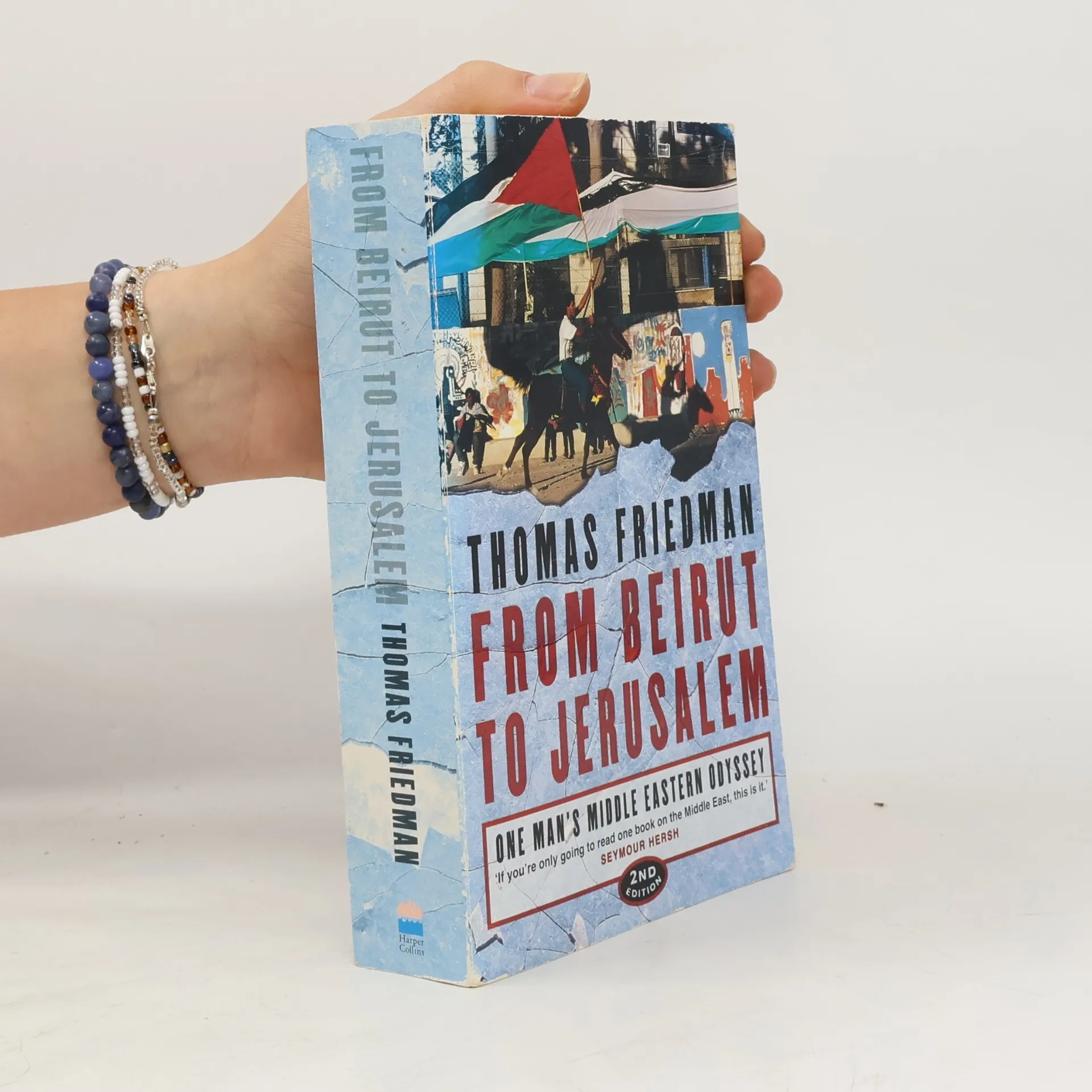
    From Beirut to Jerusalem
    That used to be US : what went wrong with America - and how it can come back
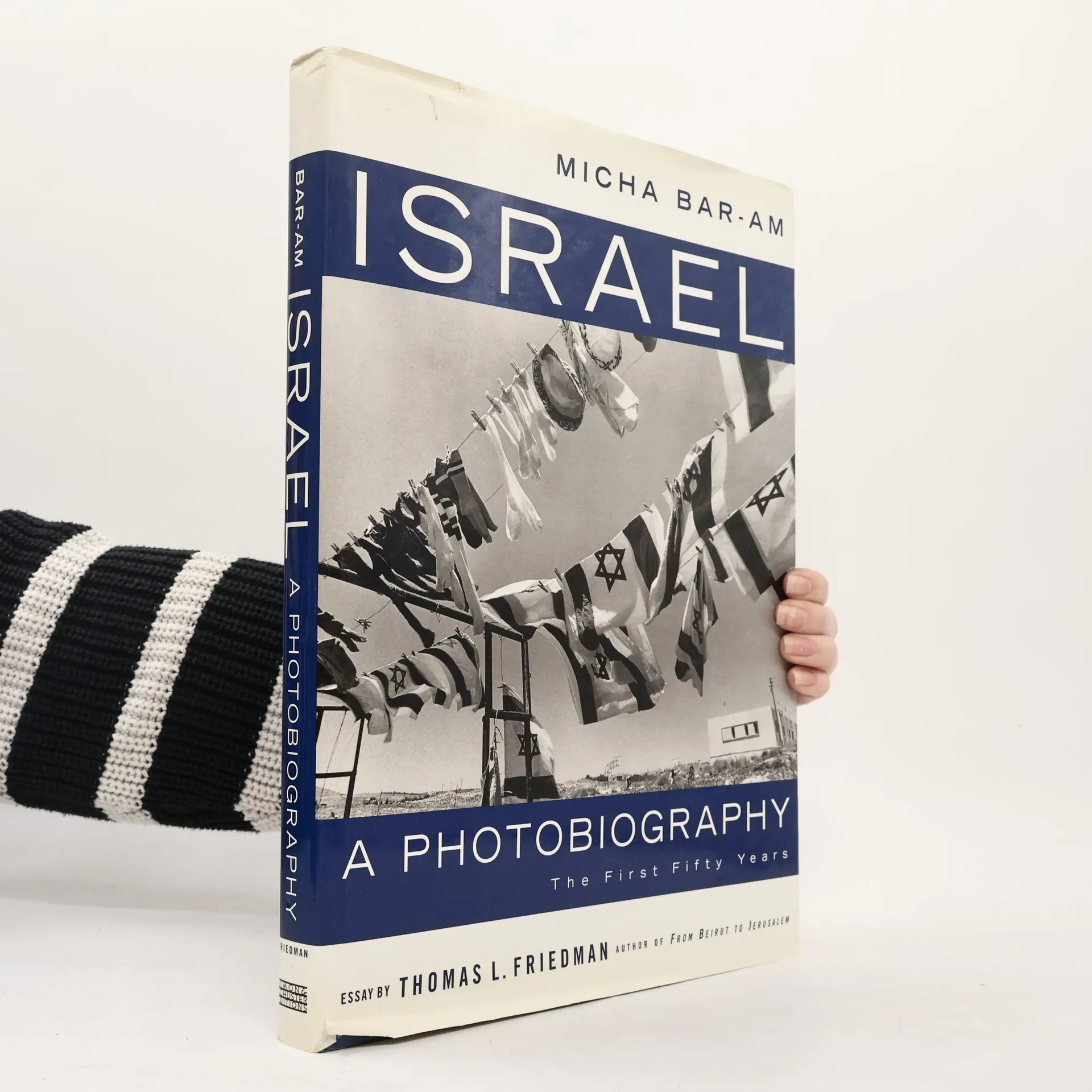
    Israel, a photobiography : the first fifty years
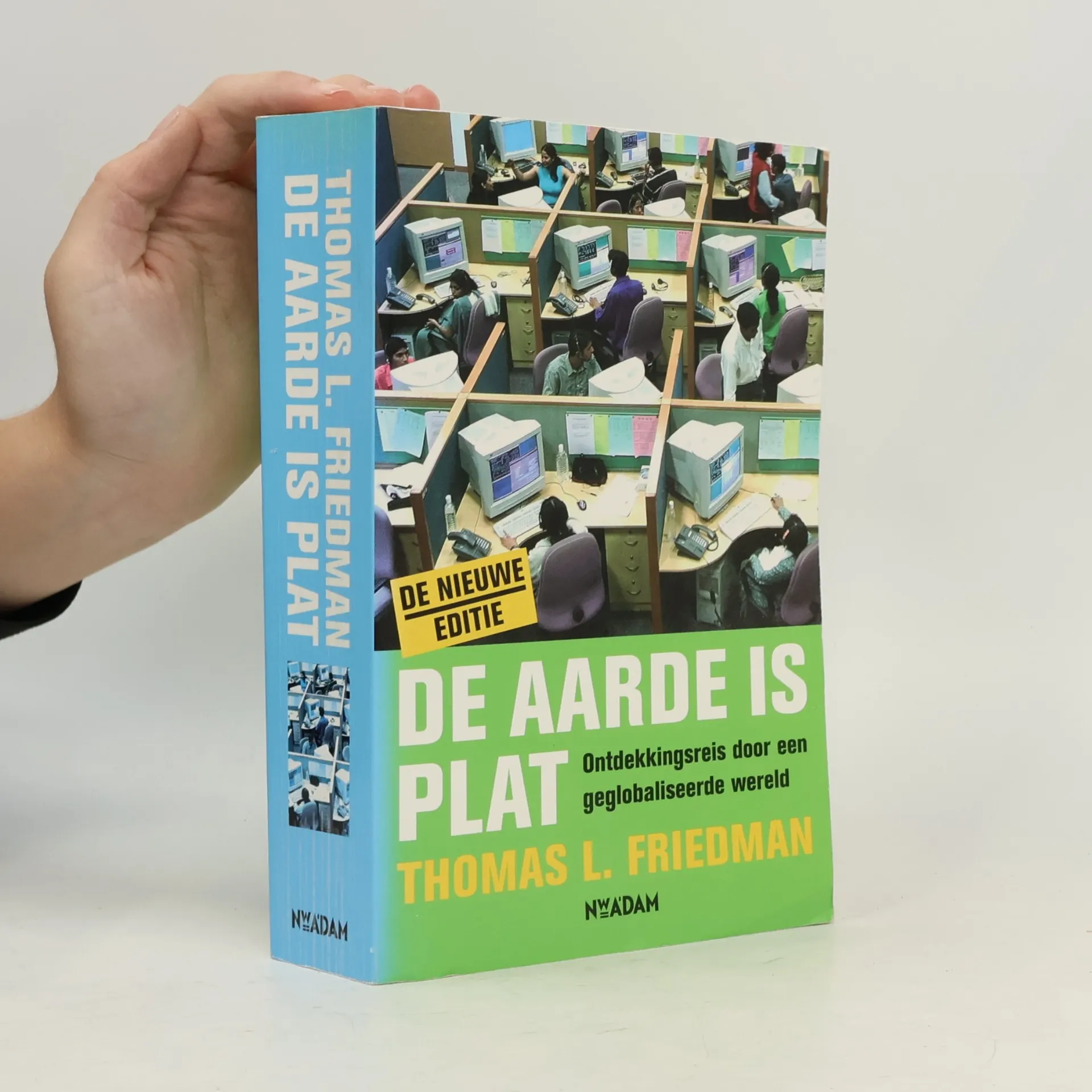
    De aarde is plat
    • De aarde is plat

      Ontdekkingsreis door een geglobaliseerde wereld - De nieuwe editie

      • 624bladzijden
      • 22 uur lezen

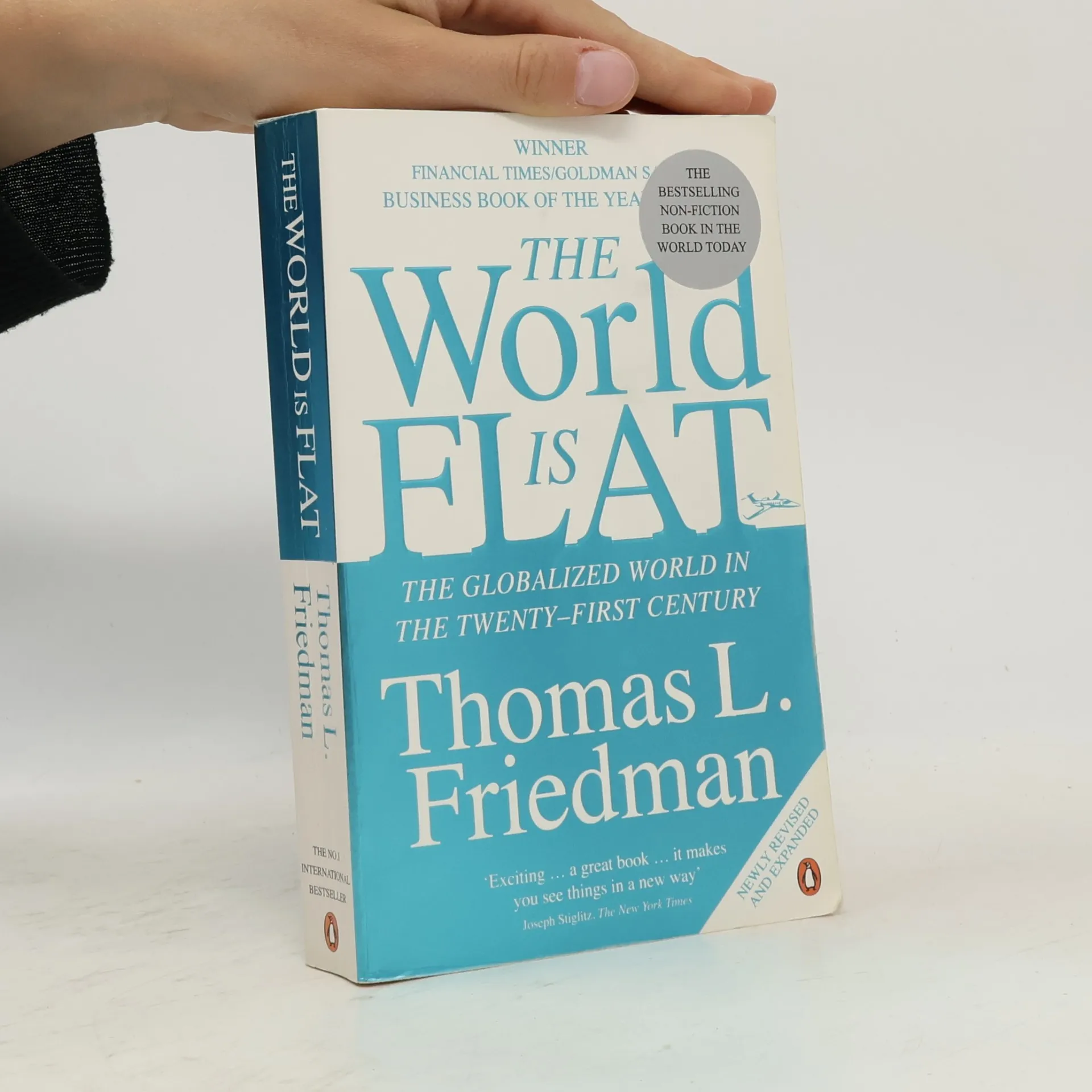
      When scholars write the history of the world twenty years from now, and they come to the chapter Y2K to March 2004 , what will they say was the most crucial development? The attacks on the World Trade Center on 9/11 and the Iraq war? Or the convergence of technology and events that allowed India, China, and so many other countries to become part of the global supply chain for services and manufacturing, creating an explosion of wealth in the middle classes of the world's two biggest nations, giving them a huge new stake in the success of globalisation? And with this flattening' of the globe, which requires us to run faster in order to stay in one place, has the world got too small and too fast for human beings and their political systems to adjust in a stable manner?In this brilliant new book, the award-winning New York Times columnist Thomas Friedman demystifies the brave new world for readers, allowing them to make sense of the often bewildering global scene unfolding before their eyes. With his inimitable ability to translate complex foreign policy and economic issues, Friedman explains how the flattening of the world happened at the dawn of the 21st century; what it means to countries, companies, communities and individuals; and how governments and societies can, and must, adapt.
      De aarde is plat
      3,6
    • As spectacular and moving as Bar-Am's photos are, Thomas L. Friedman's compelling essay provides an anchor in the form of an eloquent reflection on the unfolding of the first fifty years. Israel's contributions to politics and culture, to religion and commerce, have made a tremendous mark on the world, and these issues Friedman addresses with the perception of an outsider who has spent almost a quarter of his life in the area. While Bar-Am's photos show us the events that have shaped Israel's path, Friedman's essay explores the implications of Israel's first fifty years and the nation's powerful struggle between its past and its future.

      Israel, a photobiography : the first fifty years
      4,6
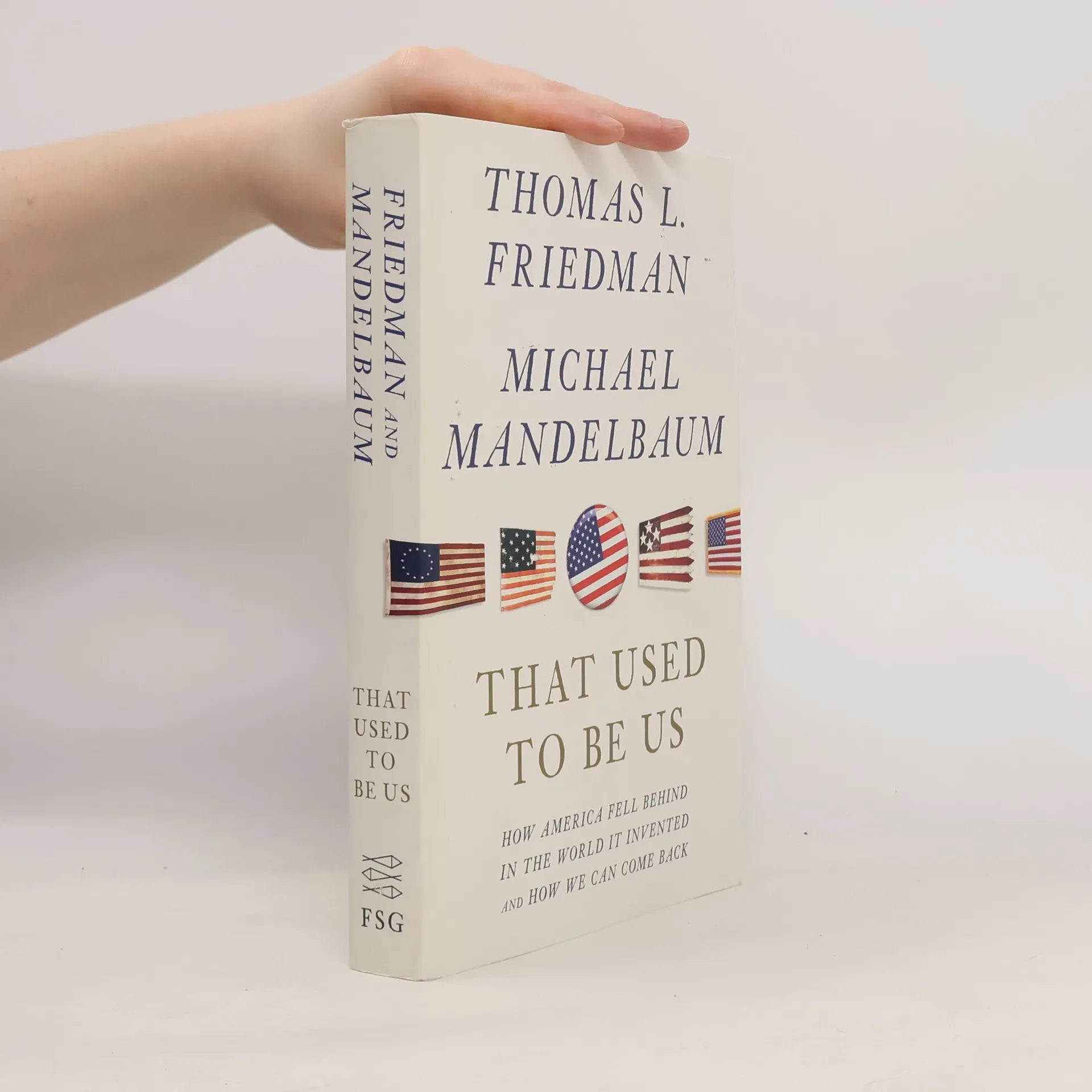
    • America has a huge problem. It faces four major challenges, on which its future depends, and it is failing to meet them. In What's Wrong with America?, Thomas L. Friedman and Michael Mandelbaum analyze those challenges - globalization, the revolution in information technology, the nation's chronic deficits, and its pattern of energy consumption - and spell out what needs to be done now to rediscover America's power and prowess. They explain how the end of the cold war blinded the nation to the need to address these issues seriously. They show how America's history, when properly understood, provides the key to coping successfully and explain how the paralysis of the US political system and the erosion of key American values have made it impossible to carry out the policies the country needs. What's Wrong with America? is both a searching exploration of the American condition today and a rousing manifesto for American renewal.

      That used to be US : what went wrong with America - and how it can come back
      4,4
    • This extraordinary bestseller is still the most incisive, thought-provoking book ever written about the Middle East. Thomas L. Friedman, twice winner of the Pulitzer Prize for international reporting, and now the Foreign Affairs columnist on the op-ed page of the New York Times, drew on his ten years in the Middle East to write a book that The Wall Street Journal called "a sparkling intellectual guidebook... an engrossing journey not to be missed." Now with a new chapter that brings the ever-changing history of the conflict in the Middle East up to date, this seminal historical work reaffirms both its timeliness and its timelessness. "If you're only going to read one book on the Middle East, this is it." -- Seymour Hersh

      From Beirut to Jerusalem
      4,2
    • THE NEW INTERNATIONAL BESTSELLER FROM THE AUTHOR OF THE WORLD IS FLAT We all sense it: something big is going on. Life is speeding up, and it is dizzying. Here Thomas L. Friedman reveals the tectonic movements that are reshaping our world, how to adapt to this new age and why, sometimes, we all need to be late. 'A master class ... As a guide for perplexed Westerners, this book is very hard to beat ... an honest, cohesive explanation for why the world is the way it is, without miracle cures or scapegoats' John Micklethwait, The New York Times Book Review 'Wonderful ... admirably honest ... injects a badly needed dose of optimism into the modern debate' Gillian Tett, Financial Times 'His main piece of advice for individuals, corporations, and countries is clear: Take a deep breath and adapt. This world isn't going to wait for you' Fortune 'A humane and empathetic book' David Henkin, The Washington Post

      Thank you for being late: an optimist's guide to thriving in the age of accelerations
      4,1
    • That Used to Be Us

      • 402bladzijden
      • 15 uur lezen

      Friedman, an influential columnist, and Mandelbaum, a leading foreign policy thinker, analyze four American challenges--globalization, information technology, chronic deficits, and energy consumption--and show what America needs to do.

      That Used to Be Us
      3,8
    • Friedman proposes that an ambitious national strategy, which he calls 'Code-Green', is not only what we need to save the planet from overheating - it is what we need to make us all healthier, richer, more innovative, more productive, and more secure.

      Hot, flat, and crowded : why the world needs a green revolution
      3,7
    • The World is Flat

      • 496bladzijden
      • 18 uur lezen

      The explosion of advanced technologies, knowledge pools and resources that have connected over the planet levelling the playing field as never before, each of us is potentially an equal and competitor of the other.

      The World is Flat
      3,7
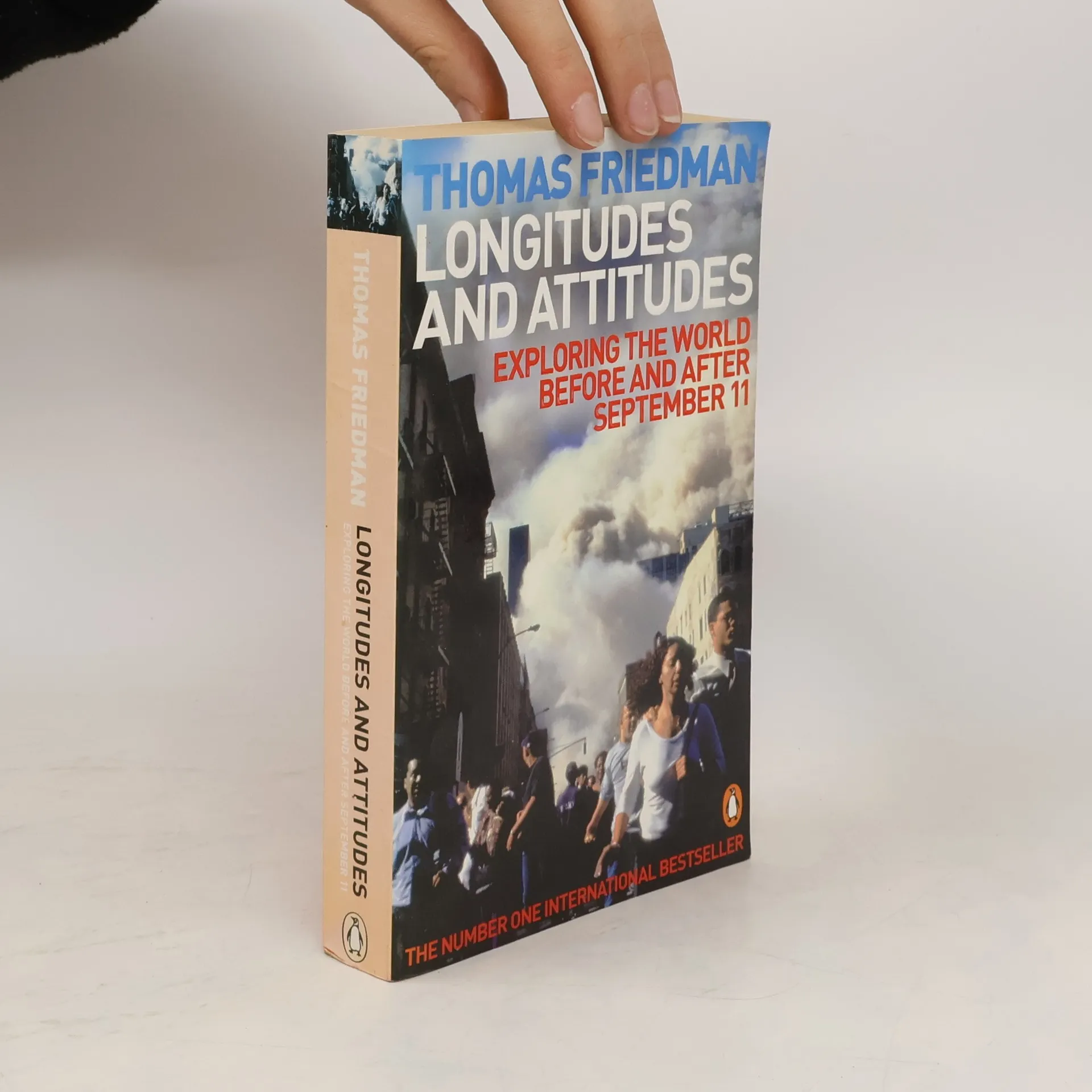
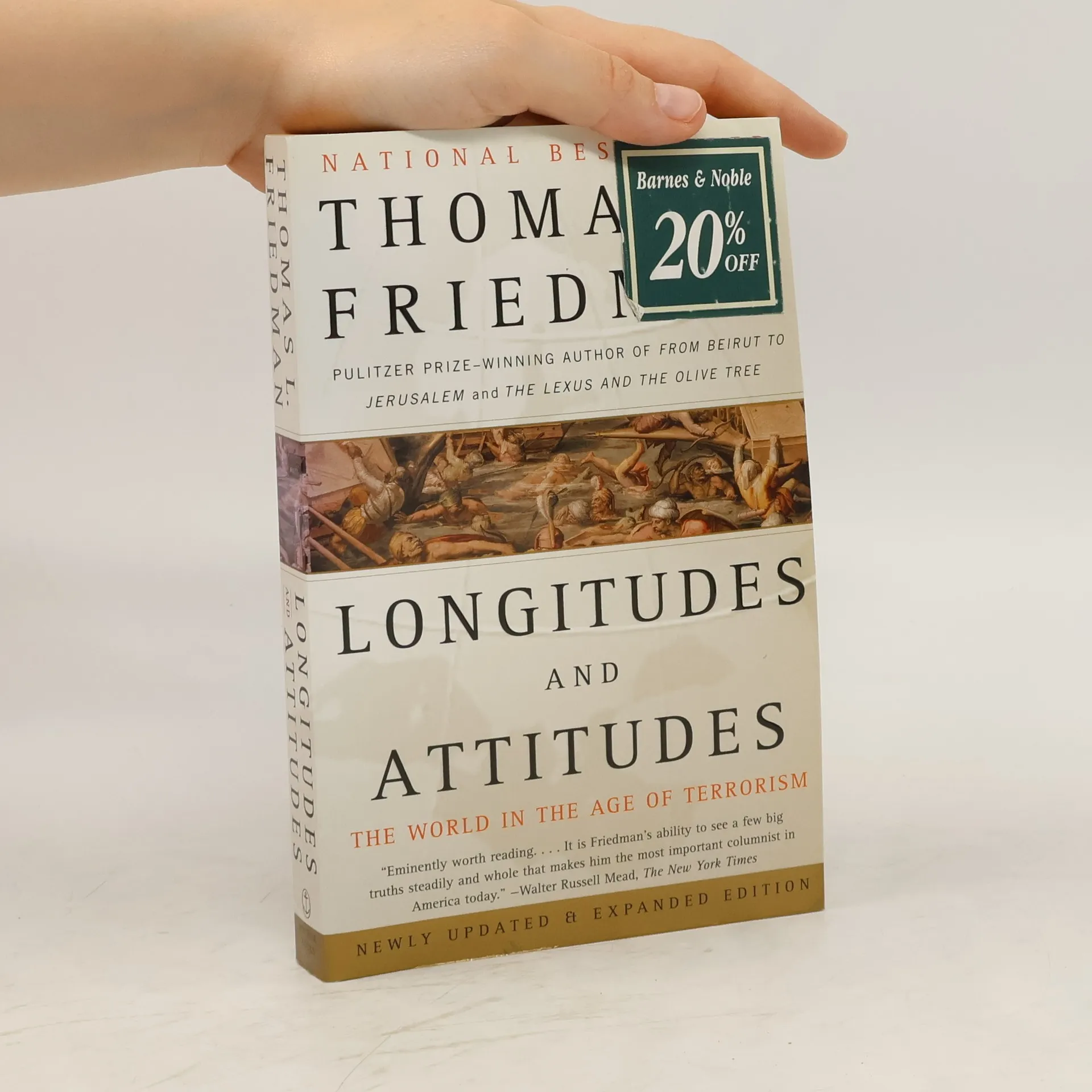
    • From the Pulitzer Prize–winning New York Times columnist and bestselling author of From Beirut to Jerusalem and The Lexus and the Olive Tree comes this smart, penetrating, brilliantly informed book that is indispensable for understanding today’s radically new world and America’s complex place in it. Thomas L. Freidman received his third Pulitzer Prize in 2002 “for his clarity of vision, based on extensive reporting, in commenting on the worldwide impact of the terrorist threat.” In Longitudes and Attitudes he gives us all of the columns he has published about the most momentous news story of our time, as well as a diary of his private experiences and reflections during his post–September 11 travels. Updated for this new paperback edition, with over two years’ worth of Friedman’s columns and an expanded version of his diary, Longitudes and Attitudes is a broadly influential work from our most trusted observer of the international scene.

      Longitudes and attitudes : the world in the age of terrorism
      3,7
    • The Lexus and the olive tree

      • 512bladzijden
      • 18 uur lezen

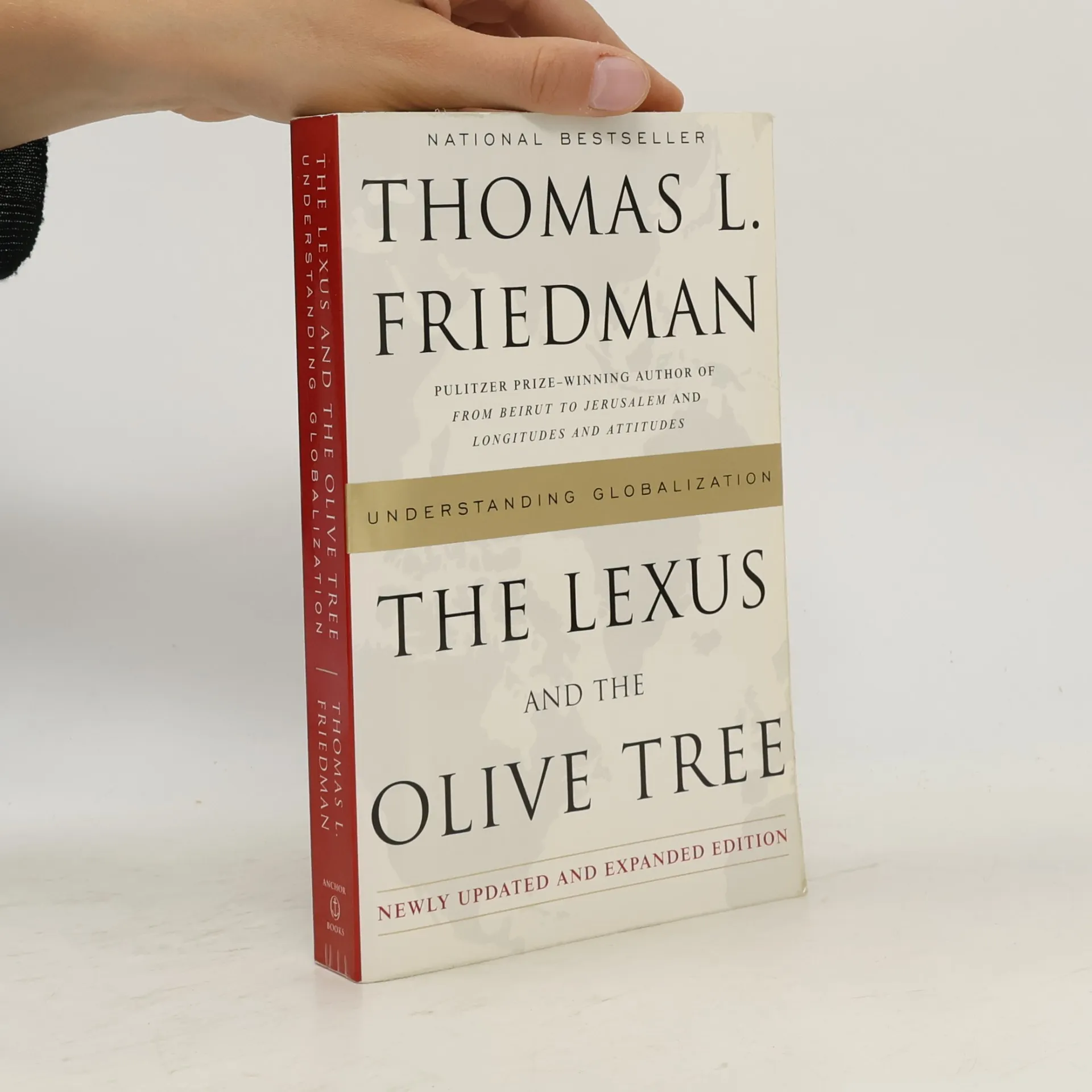
      From a perceptive commentator and National Book Award winner, this work offers a comprehensive exploration of globalization, the international system shaping world affairs today. As a Foreign Affairs columnist for The New York Times, Thomas L. Friedman has traveled extensively, interviewing diverse individuals—from Brazilian peasants to Wall Street financial experts. He presents globalization not merely as a trend but as a transformative system that has replaced the Cold War framework, creating an interconnected global market and, to some extent, a global village. Understanding this system is crucial for interpreting current events and personal investments. For instance, during the Cold War, communication was symbolized by the hot line between superpowers, while today, the Internet represents our interconnectedness, albeit with no single authority in control. Through vivid narratives and original concepts, Friedman provides insights into this new world order, illustrating the conflict between the forces of globalization and enduring cultural traditions. He also addresses the backlash against globalization from those who feel marginalized by it and emphasizes the need for balance. The struggle between modernity and tradition is the central theme of this provocative work, essential for anyone interested in the dynamics of the contemporary world.

      The Lexus and the olive tree
      3,6