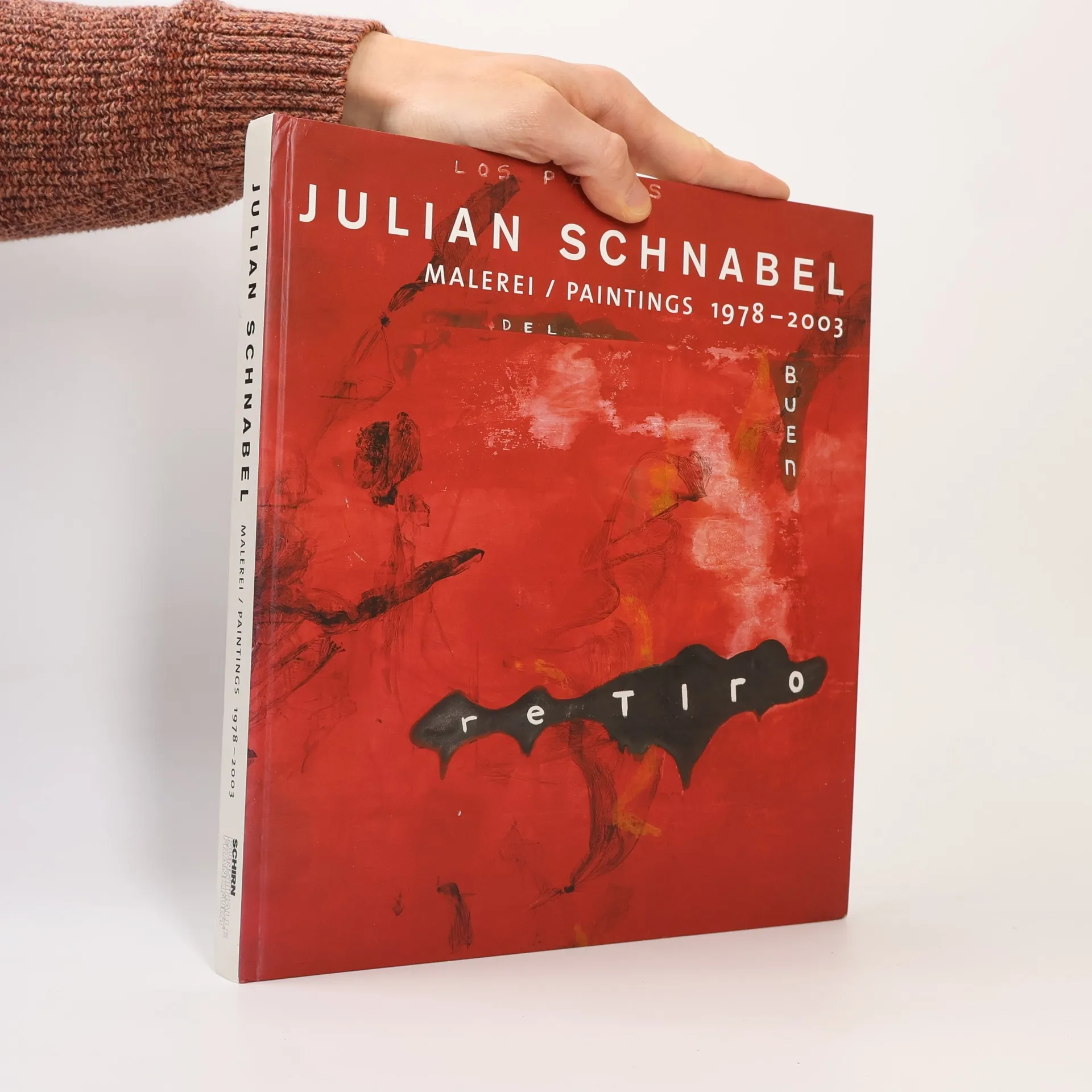
Observers of contemporary art associate the name Julian Schnabel with highly evocative, large-scale paintings. At the time of his early exhibitions in the U.S. and Europe in the 80s, the larger-than-life Schnabel was loudly hailed as a new milestone in the development of painting, the savior of an art form declared dead years before. Still painting some of the most massive canvases around, Schnabel is a virtually unrivalled master in the use of "bigness" and a broad range of materials. Fragmentation and overlapping play an important role in his art, in terms of both material and content. If his paintings don't exhibit a consistent style, why should they? Instead, they combine oil painting and collage techniques, classical pictorial elements inspired by historical art, Neo-Expressionist features, as well as figuration and abstraction, gesture and structure. This volume presents a broad selection of Schnabel's paintings in a survey of his diverse oeuvre, with emphasis placed on works from 1990 to the present.
Robert Fleck Boeken

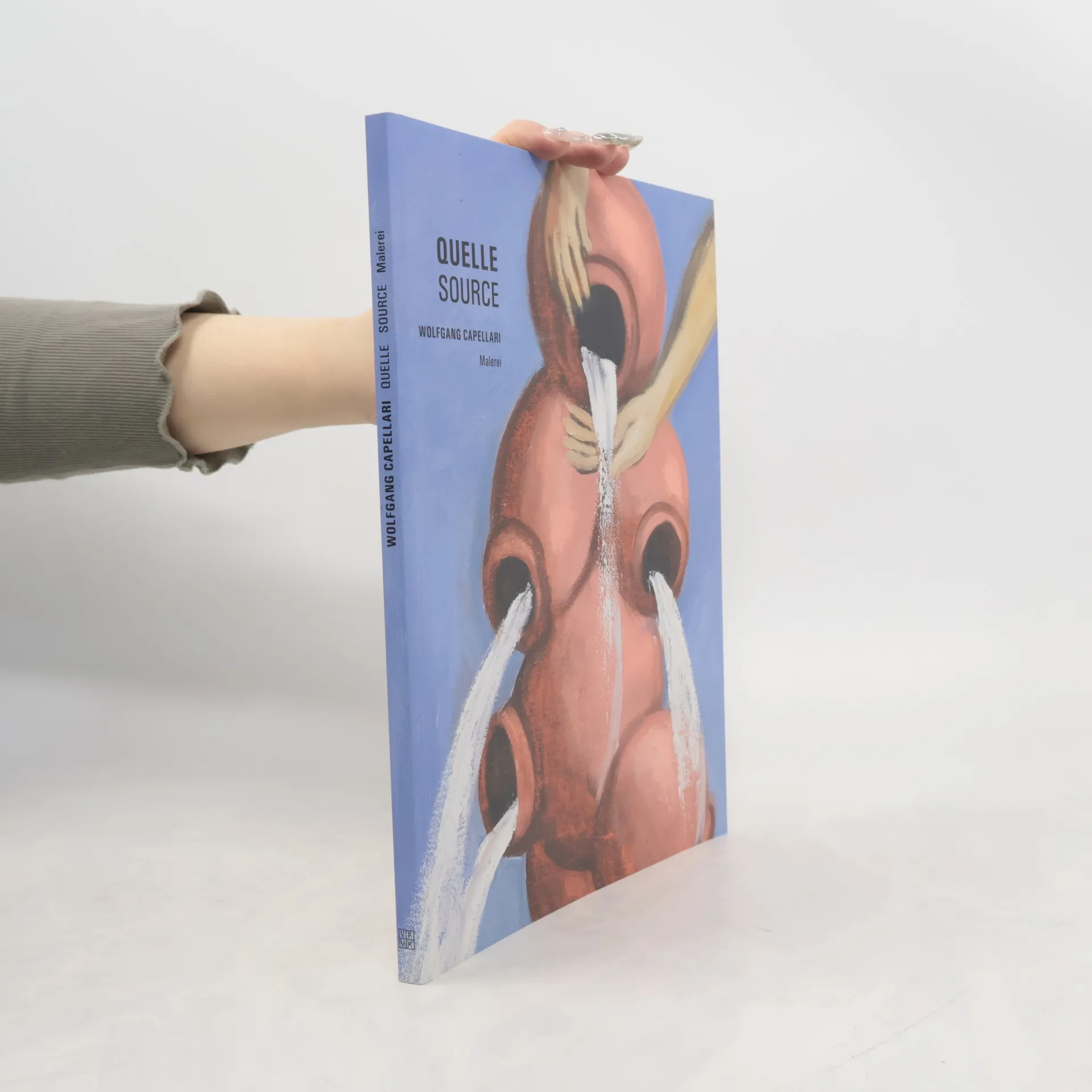
After "Malerei/Painting" (2007) and "Sprung" (2016), "QUELLE" is the third volume of a monographic book series dedicated to the paintings of Wolfgang Capellari. "QUELLE" designates effervescence and an ongoing, constantly surprising oeuvre that does not rest upon a clearly delineated manner of painting but that repeatedly gives birth to itself: in landscapes and figurative images, with color as a means of expression. In each series of images, Wolfgang Capellari reformulates a balancing act between representing reality and abstraction, between painting without primary colours and leaving images in a fragmentary state. Wolfgang Capellari thinks of groups of work that emerge from the process, rather than working from a pre-conceived concept. Capellari's landscapes are never just found objects or snapshots brought back from his travels. They are intricately designed scenes, or rather stagings, whose stories almost unfurl before us of their own volition, we just have to take the time to look.
Was gezeigt werden kann, kann nicht gesagt werden. Wittgensteins Mädchenkopf
- 31bladzijden
- 2 uur lezen
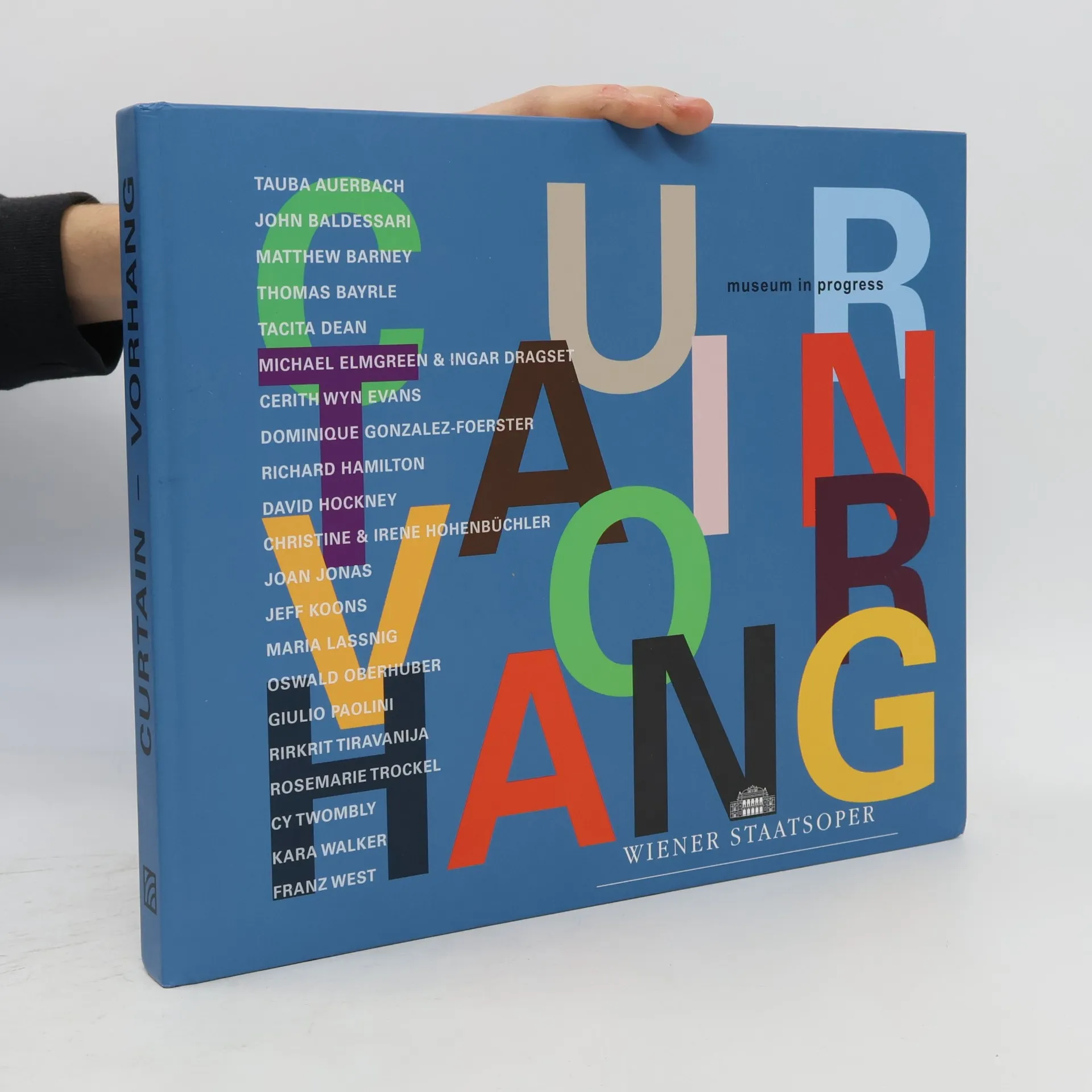
Curtain - Vorhang
A Living Museum Space - The Vienna State Opera Safety Curtain
- 206bladzijden
- 8 uur lezen
This volume documents the long-term initiative 'Safety Curtain' of Museum in progress, a project that is unique in the world. The exhibition series in the Vienna State Opera has represented a symbolic interface between performance and visual arts since 1998. It also creates a link between thorny historical questions and contemporary ways to address them. Beyond the actual curtain images that have originated over the years an associative and sensuous view to further related works of the participating artists in several different media forms is presented. The art project 'Safety Curtain', because of its exceptional quality, its year-long existence and its unusual dimension of 175 m² is singular and enables a distinctive perspective of art history of the past twenty years.
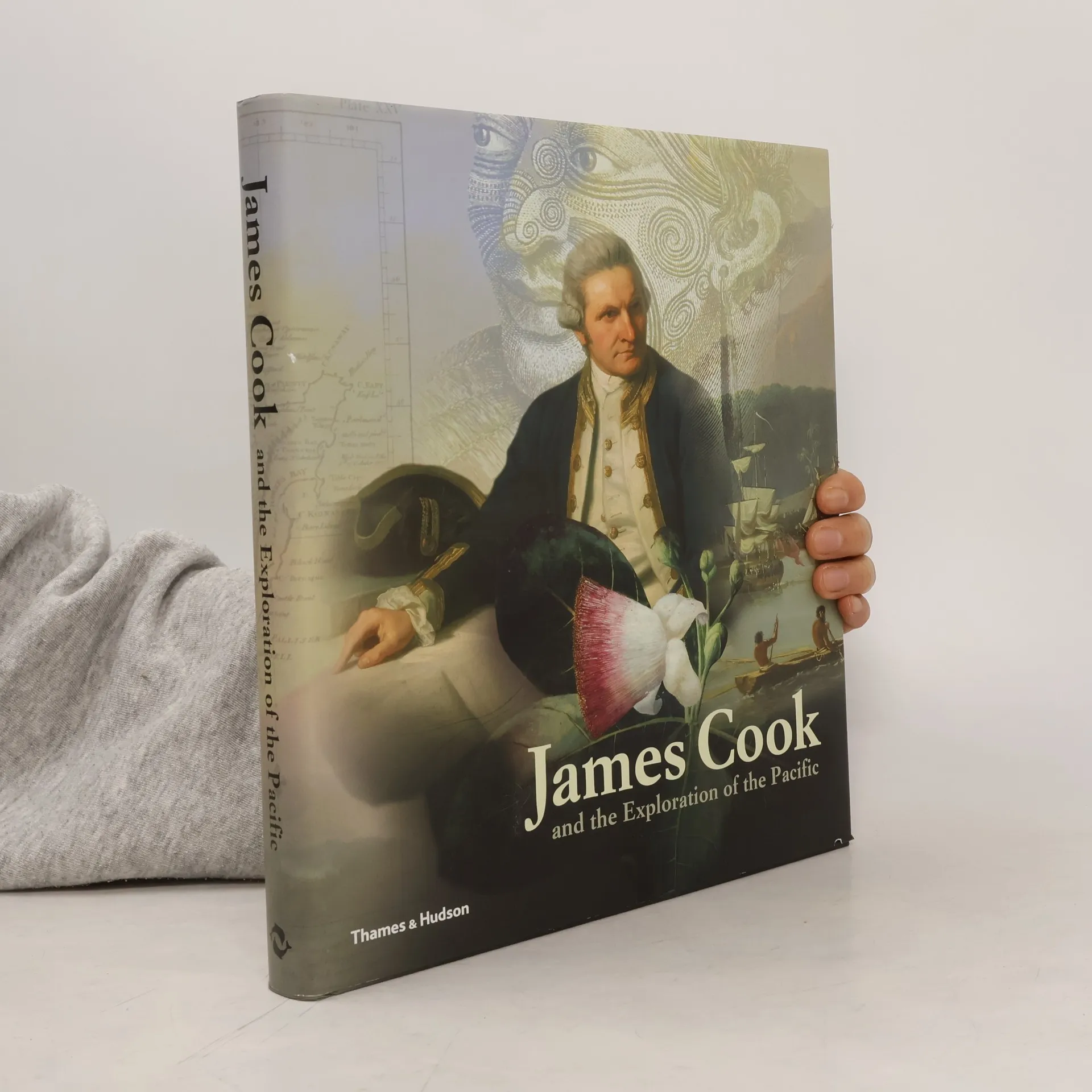
James Cook and the Exploration of the Pacific
- 276bladzijden
- 10 uur lezen
Captain James Cook (1728-1779) is renowned for leading three expeditions into the vast and uncharted waters of the Pacific Ocean. He was the first westerner to survey and map New Zealand, Australia and the Pacific Islands, forming the modern image of the world and finally defeating the idea of a mythical southern continent. This book documents Cooks voyages and reproduces around 500 original items collected by him and the international team of scientists and artists accompanying him. As early as the end of the 18th century, many of the ethnographic and natural history objects from diverse Pacific cultures, which were accrued during the three Cook voyages, were dispersed into various collections. Now, for the first time, they are reassembled here. The ethnographic exhibits are supplemented by magnificent paintings and drawings, which offer a fascinating insight into the explorers euphoric yet curious view of the exotic South Sea landscapes. Ship models, original sea charts and navigation instruments also provide a vivid introduction to the world of James Cooks voyages.
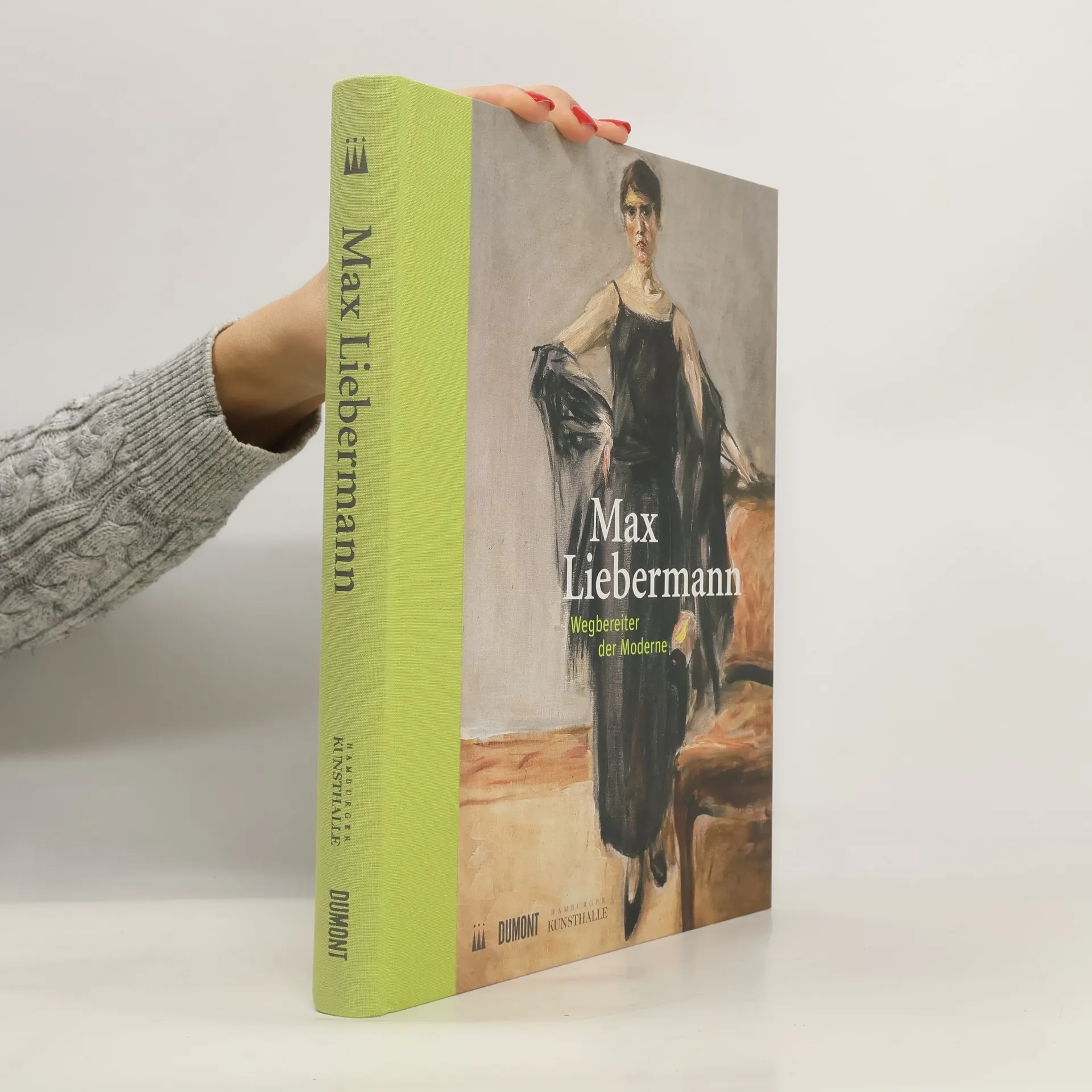
Max Liebermann : Wegbereiter der Moderne
- 223bladzijden
- 8 uur lezen
Max Liebermann zählt zu den bedeutendsten Wegbereitern der modernen deutschen Malerei. Neben seinem künstlerischen Schaffen spielte er eine zentrale Rolle in der Kunst- und Kulturpolitik seiner Zeit. Als Präsident der Berliner Secession und der Preußischen Akademie der Künste war er ein entscheidender Förderer der Moderne im Kaiserreich und der Weimarer Republik. Liebermann war Künstler, Mäzen, Sammler und Kulturpolitiker, der als Vertreter des jüdischen Großbürgertums und strenger Preuße stets streitbar und neugierig war. Dieser Band bietet eine umfassende Betrachtung seines Lebens und Werks und lädt zu einer spannenden Zeitreise ein: von den Bildkonventionen des 19. Jahrhunderts in seinem Frühwerk über die Entdeckung des Spiels von Licht und Farbe in urbanen Motiven bis hin zur experimentellen Farbmalerei in seinen See- und Gartenbildern der Weimarer Republik. Er wird als Hauptvertreter des deutschen Impressionismus gewürdigt, der von den Werken Manets besonders beeindruckt war. Nach einem Aufenthalt in München ließ er sich in Berlin nieder und wurde 1898 Präsident der Berliner Secession. 1933 wurde er aufgrund seiner jüdischen Abstammung aus seinem Amt entlassen. Der Band enthält Texte von Robert Fleck, Jenns Howoldt, Agnieszka Lulinska und Andreas Zeising sowie eine umfassend bebilderte Biografie von Christina Dickel.
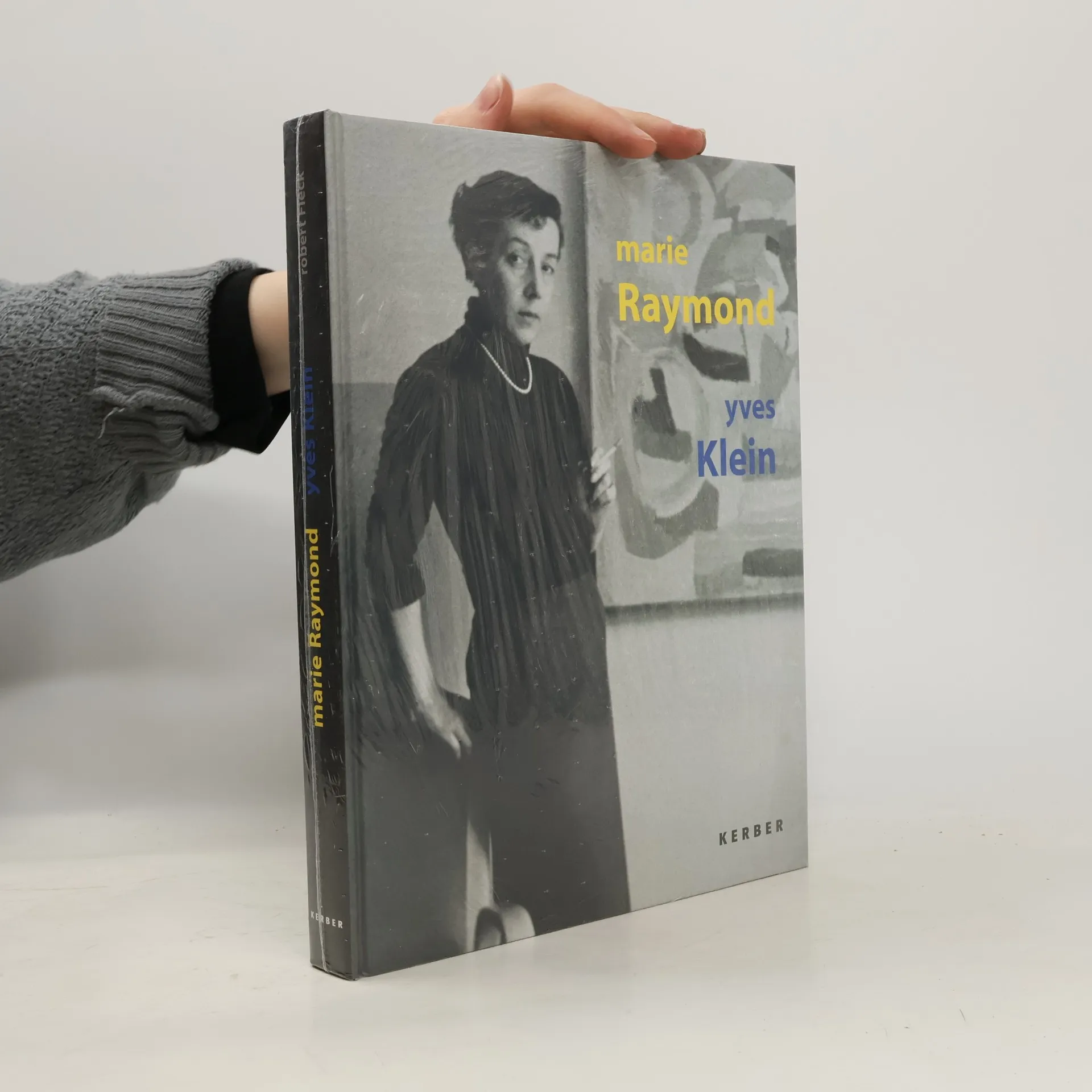
Marie Raymond, Yves Klein
- 240bladzijden
- 9 uur lezen
In einem bislang nicht da gewesenen Vergleich werden erstmals Werke von Yves Klein zu denen seiner Mutter in Beziehung geSetzt. Spektakulär ist vor allem die Sicht auf das in Deutschland leider völlig unbekannte Werk von Yves Kleins Mutter, Marie Raymond (1908–1972). Vor allem ihren künstlerischen Qualitäten ist es zu verdanken, dass sowohl Mutter als auch Sohn sich intensiv austauschen und gegenseitig inspirierten. Das Buch fasst alle wichtigen Schaffensphasen der beiden Künstler zusammen, angefangen von den Kinderzeichnungen des jungen Yves, den zu seiner Zeit sehr erfolgreichen Zeugnissen des väterlichen Schaffens, das heute kaum Relevanz behalten hat, und den Entwicklungsstadien im Werk von Yves Klein, der sich innerhalb kürzester Zeit steigert und ungeahnte Vituosität erlangt. Die Publikation erschien anlässlich der Ausstellung „Marie Raymond. Yves Klein“ im Ludwigmuseum Koblenz, 2006.
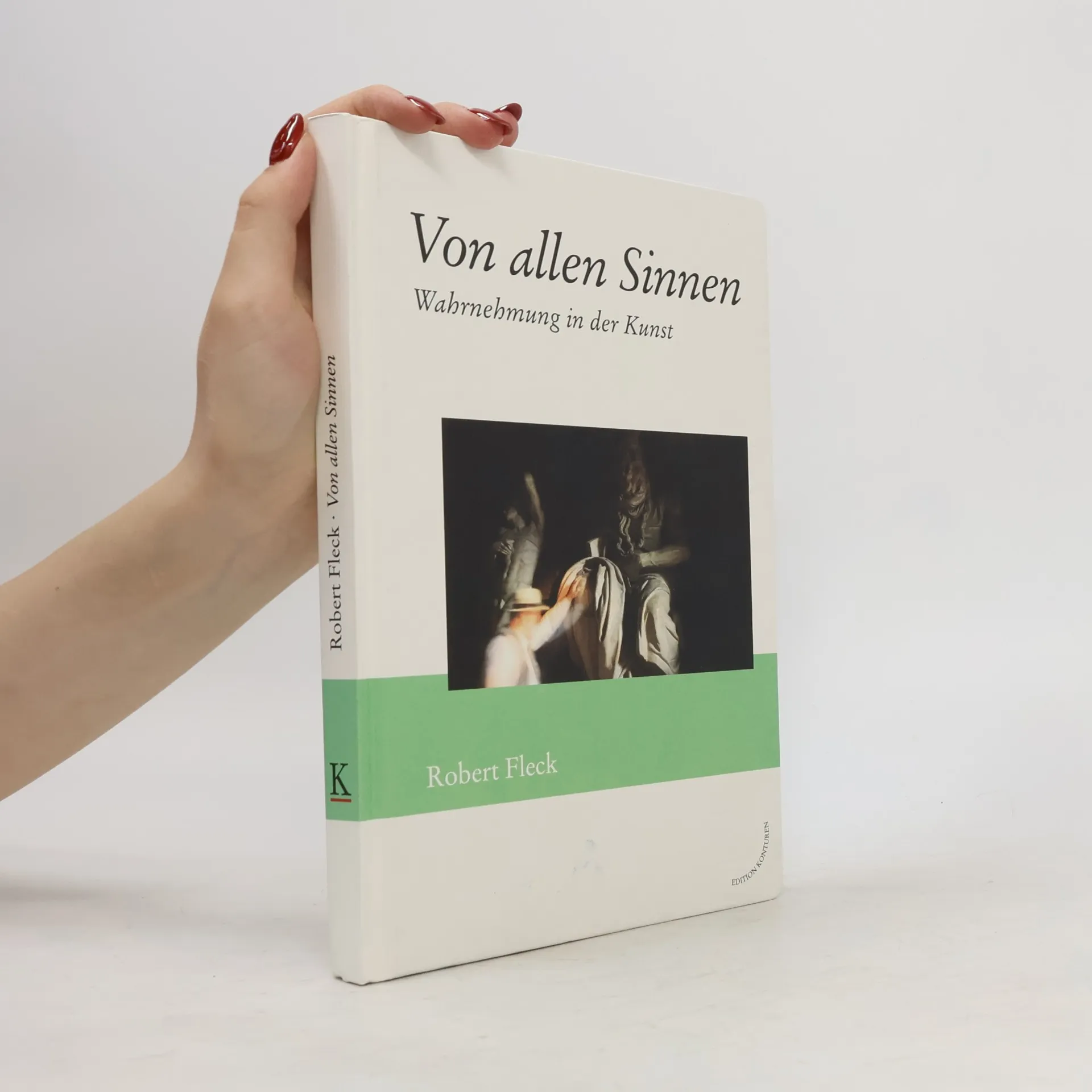
Kunst hat nicht nur mit dem Sehen zu tun, sondern ebenso mit dem Riechen, dem Tasten, dem Hören und mit Wahrnehmungen aller Art. Diese „anderen“ Sinne spielen eine viel größere Rolle, als wir zunächst annehmen würden. Robert Fleck untersucht die bildende Kunst als ein Lexikon der Sinneserfahrungen, das Orientierung in der Gegenwart gibt. Anhand von Beispielen zeigt er, wie sich die Wahrnehmungen im Laufe der Zeit geändert haben und welche Einflüsse heute auf sie wirken.
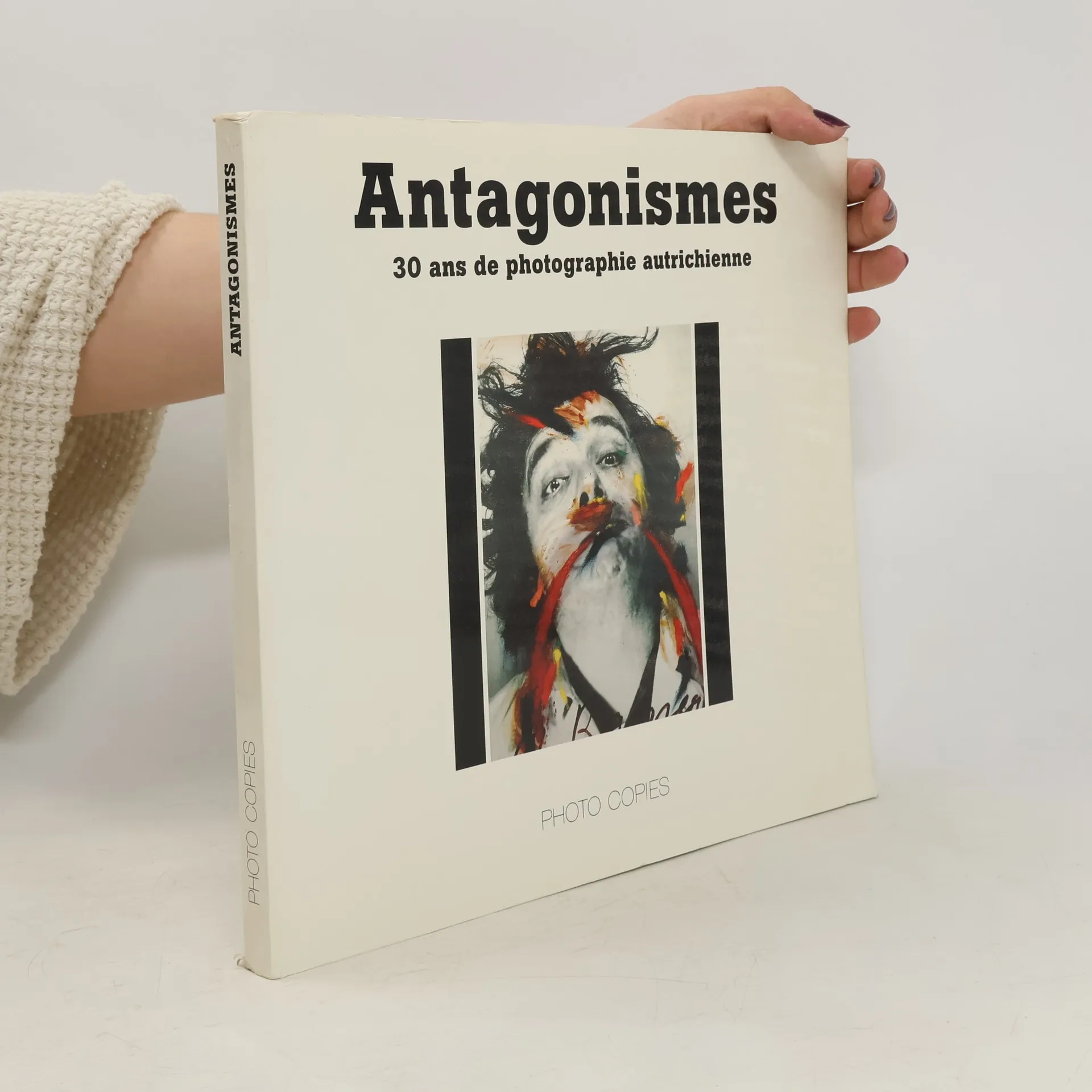
Antagonismes. 30 ans de photographie autrichienne
- 164bladzijden
- 6 uur lezen
Katalog zu einer Ausstellung im Jahr 1996 im Centre National de la Photographie, Paris, mit Arbeiten von 33 modernen österreichischen Fotografen aus den Jahren von Mitte der 1960er bis Mitte der 1990er Jahre. 168 Seiten; farbige und duotonale schwarz-weiß Illustrationen. Biografien.
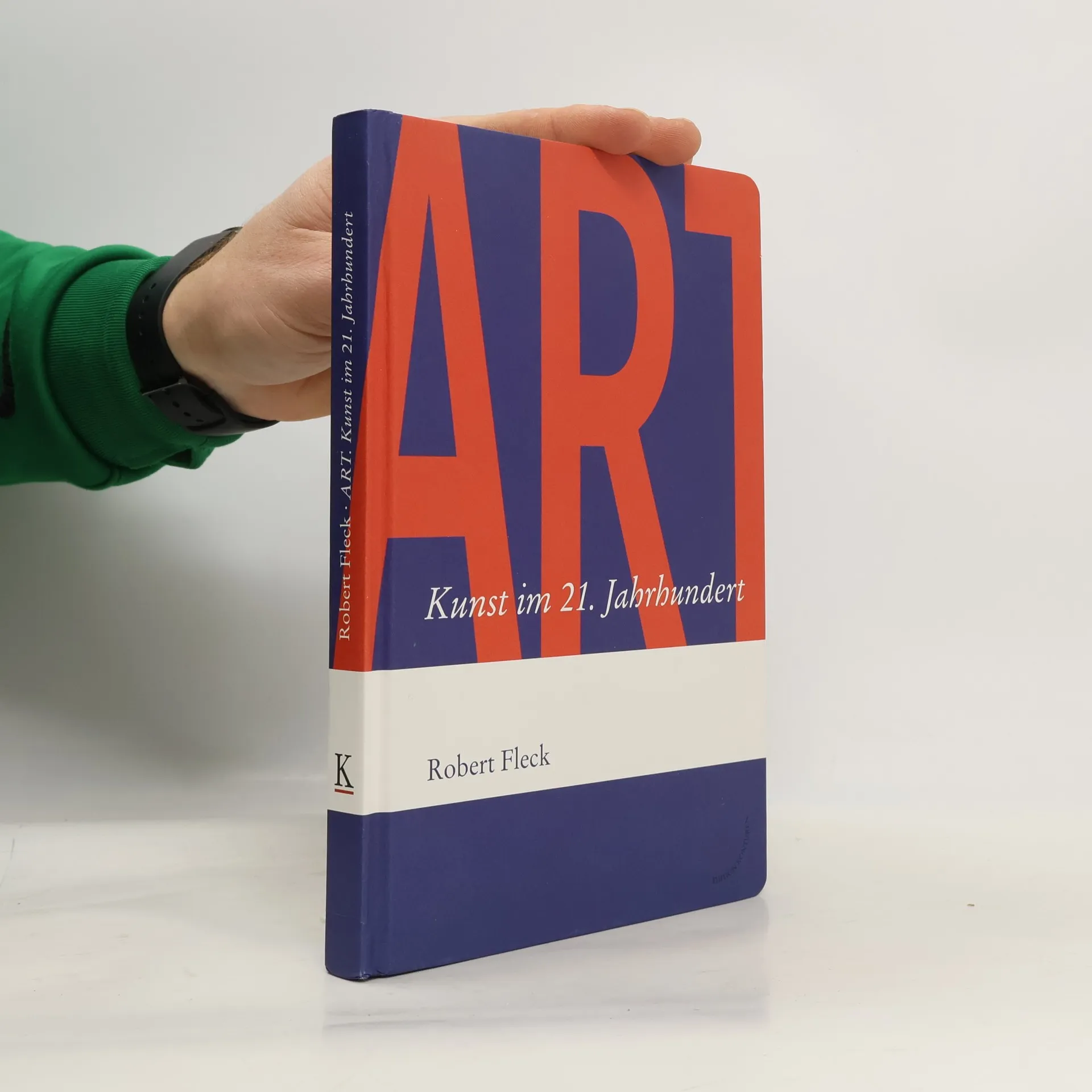
ART. Kunst im 21. Jahrhundert
- 173bladzijden
- 7 uur lezen
Als intimer Kenner der europäischen und internationalen Kunstszene begibt sich Robert Fleck auf die Suche nach den diversen Revolutionen des 21. Jahrhunderts, den leisen und den lauten, den oberflächlichen und den tiefschürfenden. Die Kunst erlebt einen Epochenumbruch, vergleichbar demjenigen, den wir in unseren Lebensverhältnissen wahrnehmen. Wie verändert sich die Kunst mit der Internetgesellschaft? Wie wandeln sich Malerei, Skulptur, Fotokunst und Video mit dem Digitalen? Auf welche Weise werden vergessene Traditionen plötzlich aktuell? Wie entwickelt sich die neue Öffentlichkeit für Kunst, der Wandel von Museen, Galerien, Ausstellungen? Was bedeutet die Globalisierung des Kunstgeschehens? Das Buch öffnet ein Panorama der Kunst des 21. Jahrhunderts anhand künstlerischer Hauptzeugen ihrer Entwicklung, unter Einbeziehung der neuen prägenden Ideen, der Gleichheit der Geschlechter, des Postkolonialismus und der Rettung des Planeten. Es endet mit einem Plädoyer für die Notwendigkeit von Kunst in unserer Zeit.
Klasse A. R. Penck
- 211bladzijden
- 8 uur lezen
A. R. Penck (1939-2017) lehrte von 1989 bis 2005 freie Grafik und Malerei an der Kunstakademie Düsseldorf. Er war gleichermaßen Grafiker wie Maler und Bildhauer und hat sich auch als Jazzmusiker einen Namen machen können. In seinem Leben und in seiner künstlerischen Praxis verband er analytisches und bildnerisches Denken. Er verschmolz Ideen aus Philosophie, Naturwissenschaft, Informationstheorie und Technologie mit alten und neuen Strategien der Bilderzeugung sowie mit dem Bewusstsein für soziale und künstlerische Fragen.0In seiner Zeit als Professor betreute Penck annähernd 130 Studentinnen und Studenten, die bis heute die Inhalte seiner Lehre weitertragen. Legendär ist das Klassengebäude in der Luisenstraße 25, das Penck an der Verwaltung der Kunstakademie vorbei mietete. Räumlich und geistig von der Akademie getrennt, sollten die Studierenden sich hier ohne institutionellen Zwang entfalten können.0Die Publikation stellt über 50 von ihnen vor, versammelt persönliche Erinnerungen, Notizen, Fotografien und Arbeiten, darunter zahlreiche unveröffentlichte Skizzen Pencks, die während seiner Unterrichtsstunden entstanden sind und bis heute von seinen Schüler:innen bewahrt wurden
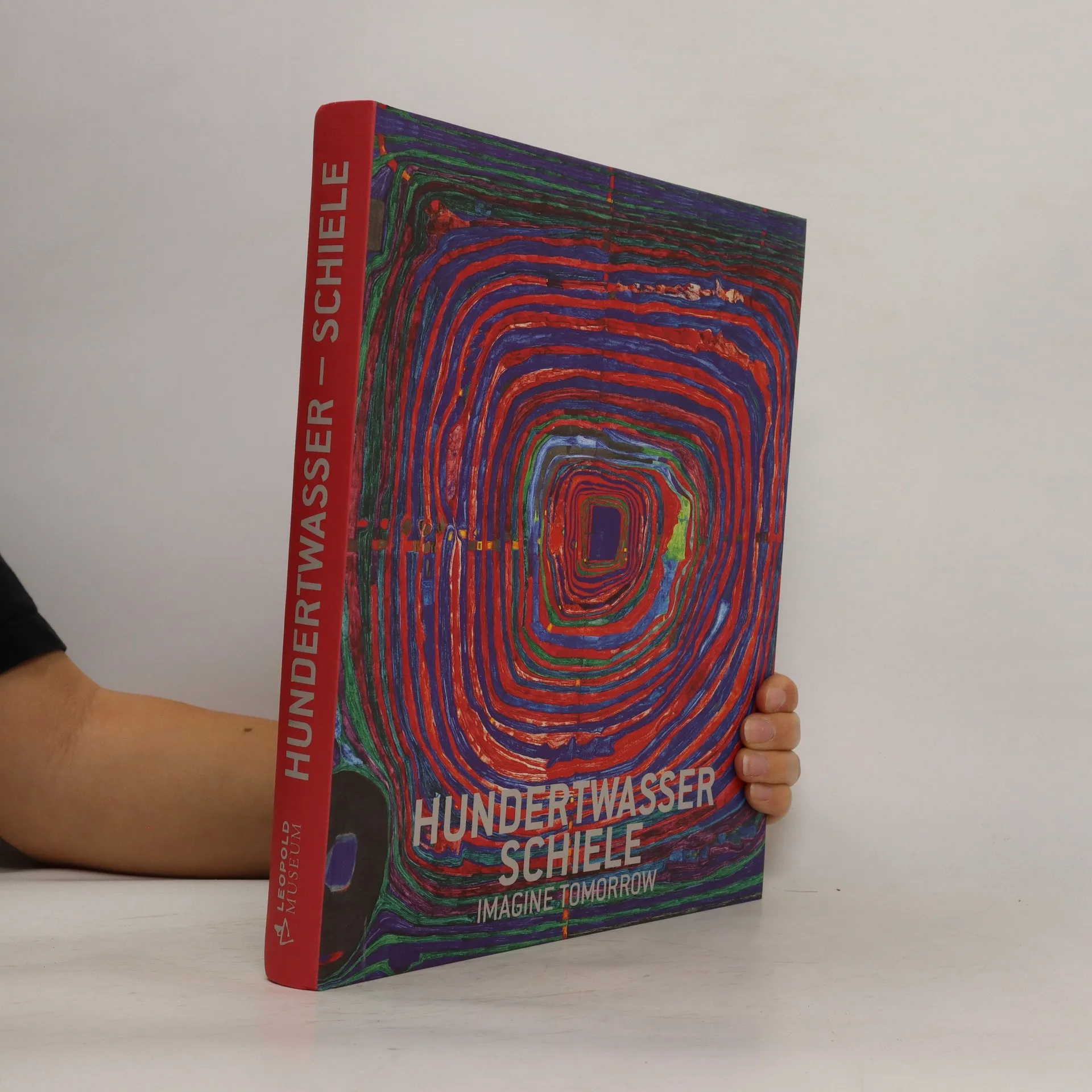
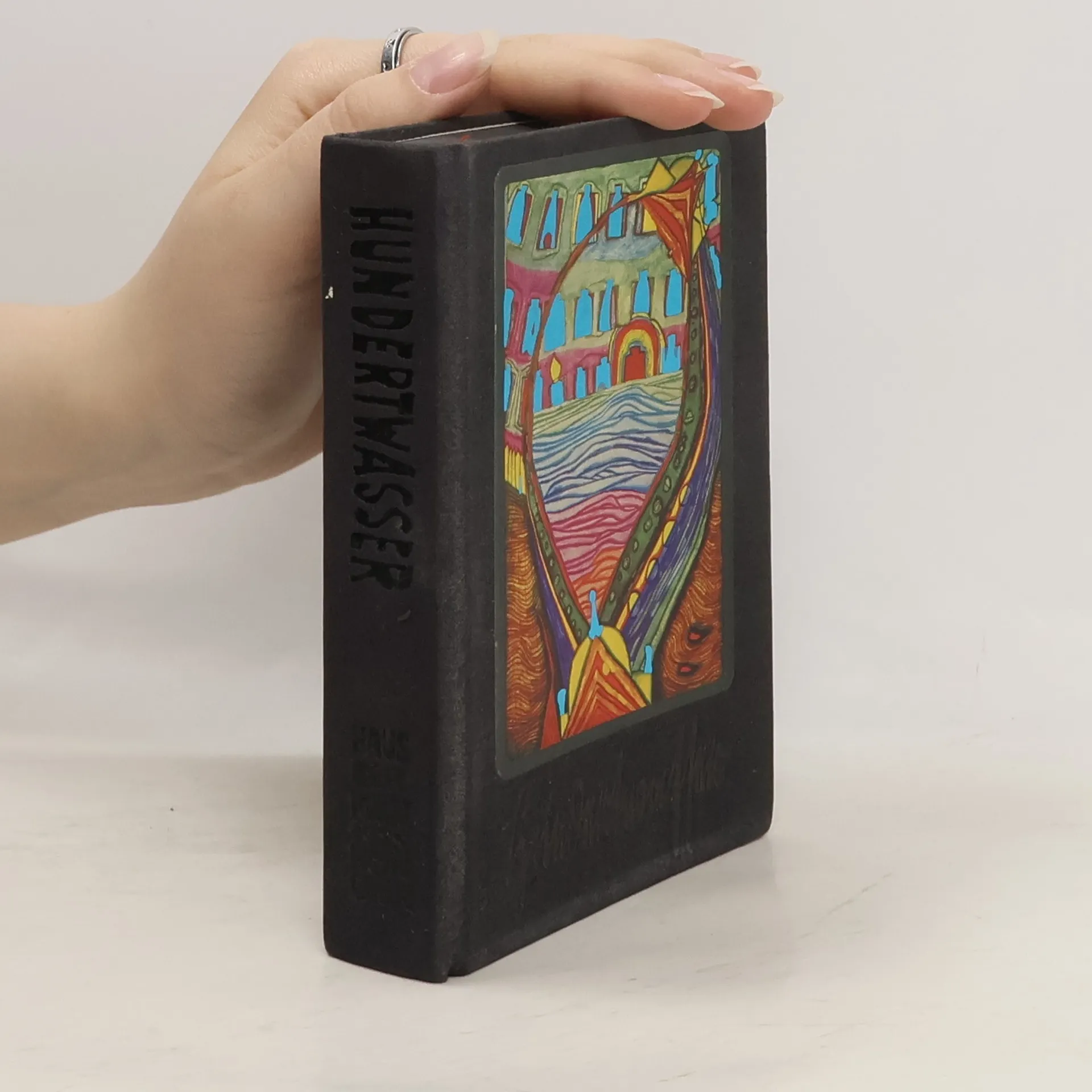
Hundertwasser - Schiele
- 271bladzijden
- 10 uur lezen
Friedensreich Hundertwasser prägte als Maler, Gestalter von Lebensräumen und Vorkämpfer der Ökologiebewegung die Kunst des 20. Jahrhunderts über die Grenzen Österreichs hinaus. Wenig bekannt ist seine lebenslange, intensive Beschäftigung mit der Person und dem Werk Egon Schieles. Als 20-jähriger entdeckte der damalige Akademiestudent Hundertwasser in Ausstellungen und Büchern die Kunst der Wiener Moderne für sich: Vor allem Schiele sollte in den folgenden Jahren eine zentrale Bezugsfigur für den international agierenden Künstler werden. Entlang zentraler Motiv-und Themenkomplexe im Werk beider Künstler wie jener der beseelten Natur oder dem Verhältnis von Individuum und Gesellschaft werden im vorliegenden Katalog Analogien jenseits von formalen Ähnlichkeiten ersichtlich und die künstlerische und geistige Verwandtschaft zweier herausragender österreichischer Künstler des 20. Jahrhunderts nachgezeichnet, die einander nie persönlich kennenlernen konnten und doch so viel verbindet.00Exhibition: Leopold Museum, Wien, Austria (21.02. - 31.08.2020)
Wer sagt, dass Österreich nicht die zweite DDR wird – nachdem es in der politischen Essayistik, unter Historikern und in der ökonomischen Forschung, zuletzt auch bei jenen DDR-Intellektuellen, die sich gegen die beginnende Wiedervereinigung wandten, zum Gemeinplatz geworden war, umgekehrt die DDR als das zweite Österreich zu bezeichnen? Dies ist nur eine der Fragen, mit denen sich dieser Essay auseinandersetzt. Was verursacht die sich verschärfende Demokratiekrise in Österreich seit Beginn der achtziger Jahre, und wie steht sie zu den Krisen der alten Demokratien Westeuropas? Wie verbindet sich dies mit der Gesellschaftskrise, die das österreichische System der Sozialpartnerschaft heraufbeschwor, indem es eine Institution des italienischen Faschismus’ mit dem westlichen Parlamentarismus zu kombinieren versuchte, und sich bis zur „blockierten Gesellschaft“ des heutigen Österreichs steigerte? Gibt es eine Identität des heutigen Österreichs, die hinter das Jahr 1918 zurückreicht, oder nur jene, die aus dem damaligen Scheitern des Versuchs hervorgeht, alle übrigen Völker Zentraleuropas in der Habsburger Monarchie „groß-österreichisch“ zu regieren?
Kann Kunst Ökologie? Ökologische Fragen sind allgegenwärtig in der heutigen Kunst. Themen wie Klimawandel und Biosphäre bestimmen das Ausstellungsgeschehen. Recycling als künstlerische Methode, die Vermeidung umweltschädlicher Materialien und die Versöhnung von Kunst und Natur sind in der jungen Generation immer präsent. Wir erleben einen tiefen Wandel. Wie die Kunstgeschichte zeigt, kann Kunst sensibilisieren und neue Naturverhältnisse entwickeln. Wie war dies in der Renaissance, bei Leonardo da Vinci, der Romantik, im Impressionismus, in der frühen Moderne des 20. Jahrhunderts und der Land Art der 1970er Jahre? Und: Kann Kunst helfen, den Planeten zu reparieren? Den Text begleiten etwa 50 wesentliche Werke zu diesen Fragestellungen aus Vergangenheit und Gegenwart.
Rainer, Roth, Hier Distans
- 245bladzijden
- 9 uur lezen
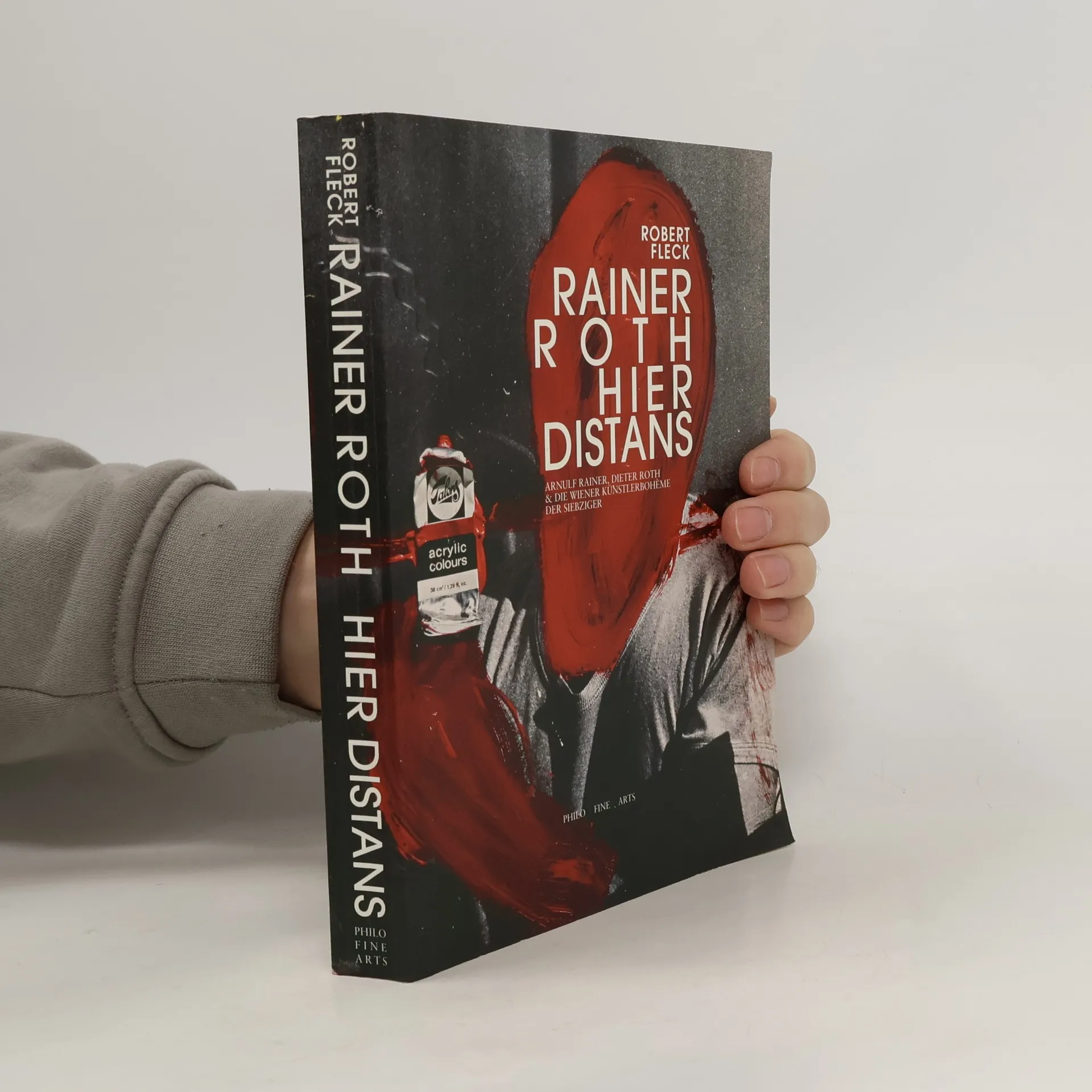
'Valentinaden', Slapstickstücke, hat Arnulf Rainer (* 1928) die Arbeiten genannt, die ab 1972 in Zusammenarbeit mit Dieter Roth (1930–1998) entstanden sind. Mehrere Hundert Bilder, Fotografien und Filme wurden in ihrem gemeinsamen 'Kreativitätslabor' hergestellt – sicherlich eine der produktivsten künstlerischen Kooperationen der letzten Jahrzehnte, vor allem aber eine der komischsten. HIER DISTANS ist nicht nur reich bebilderte Dokumentation der Rainer/Roth’schen 'Misch- und Trennkunst', sondern analysiert erzählerisch und anekdotenreich die 'Florettduelle' der beiden Künstler, erinnert an die produktiven Zusammenhänge der Wiener Künstlerbohème und ist somit nicht zuletzt ein Versuch über Kooperation, Szenenbildung und die Ökonomien der Avantgardekunst in den siebziger Jahren.
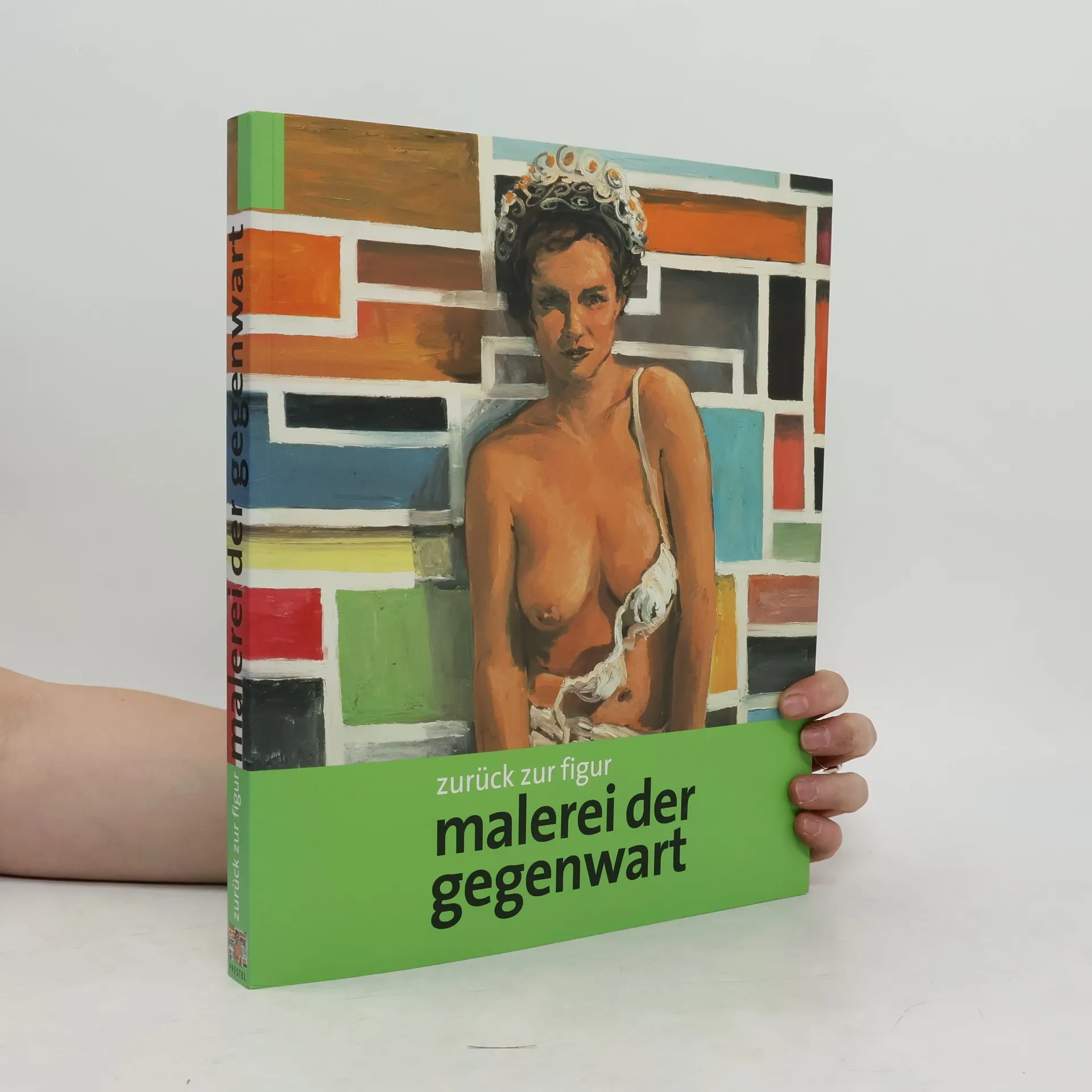
Zurück zur Figur - Malerei der Gegenwart
- 215bladzijden
- 8 uur lezen
Zentrum Paris
- 253bladzijden
- 9 uur lezen
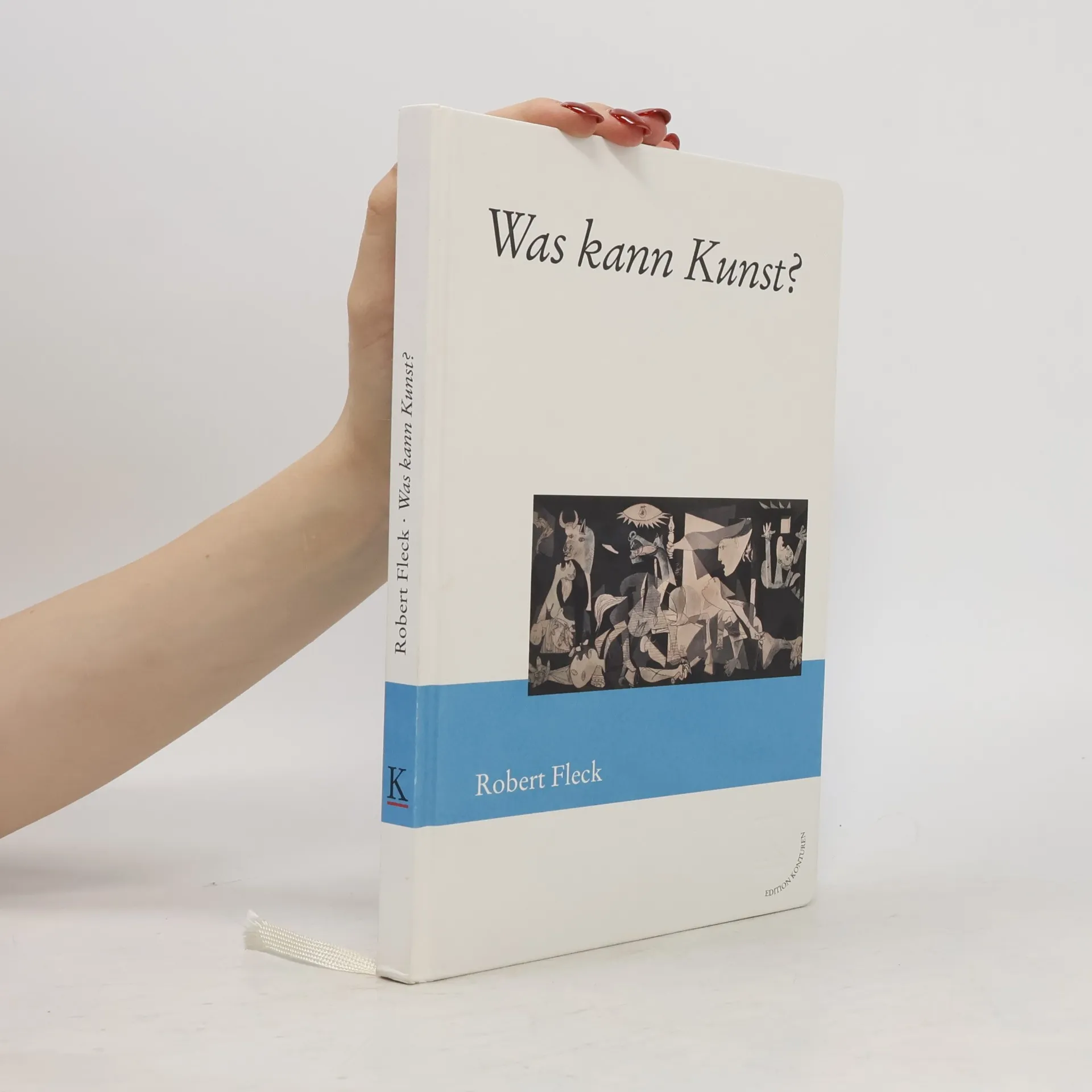
Was kann Kunst?
- 142bladzijden
- 5 uur lezen
Robert Fleck versucht die Kunst über ihren Erlebnis-Charakter neu zu sehen. Er folgt ihrem Weg durch die Moderne und fragt: Kann es ein zweites Jahrhundert der Moderne geben? Er folgt ihr mit sehr persönlichem Blick auf viele Künstlerbiografi en und kommt dabei zu jenen Fragen, die man heute oft nur noch hinter vorgehaltener Hand zu stellen wagt: den Fragen nach Schönheit und Freiheit.
Hundertwasser, ein Kosmopolit, ein Humanist, der lebte, was er predigte, in völligem Einklang mit seiner Sicht der Dinge und der Welt, verbreitete seine Botschaft der natürlichen Harmonie, des Friedens, des Schönen und der Freude. Heute ist er gewiss der bekannteste österreichische Künstler der Nachkriegszeit und auch der umstrittenste. Wir feiern Hundertwassers 80. Geburtstag zu Hause, in dem Museumsgebäude, das er gestaltete und die weltweit einzige permanente Ausstellung seines Schaffens zeigt, die seit der Eröffnung im April 1991 von Millionen Besuchern aus aller Welt erlebt wurde.
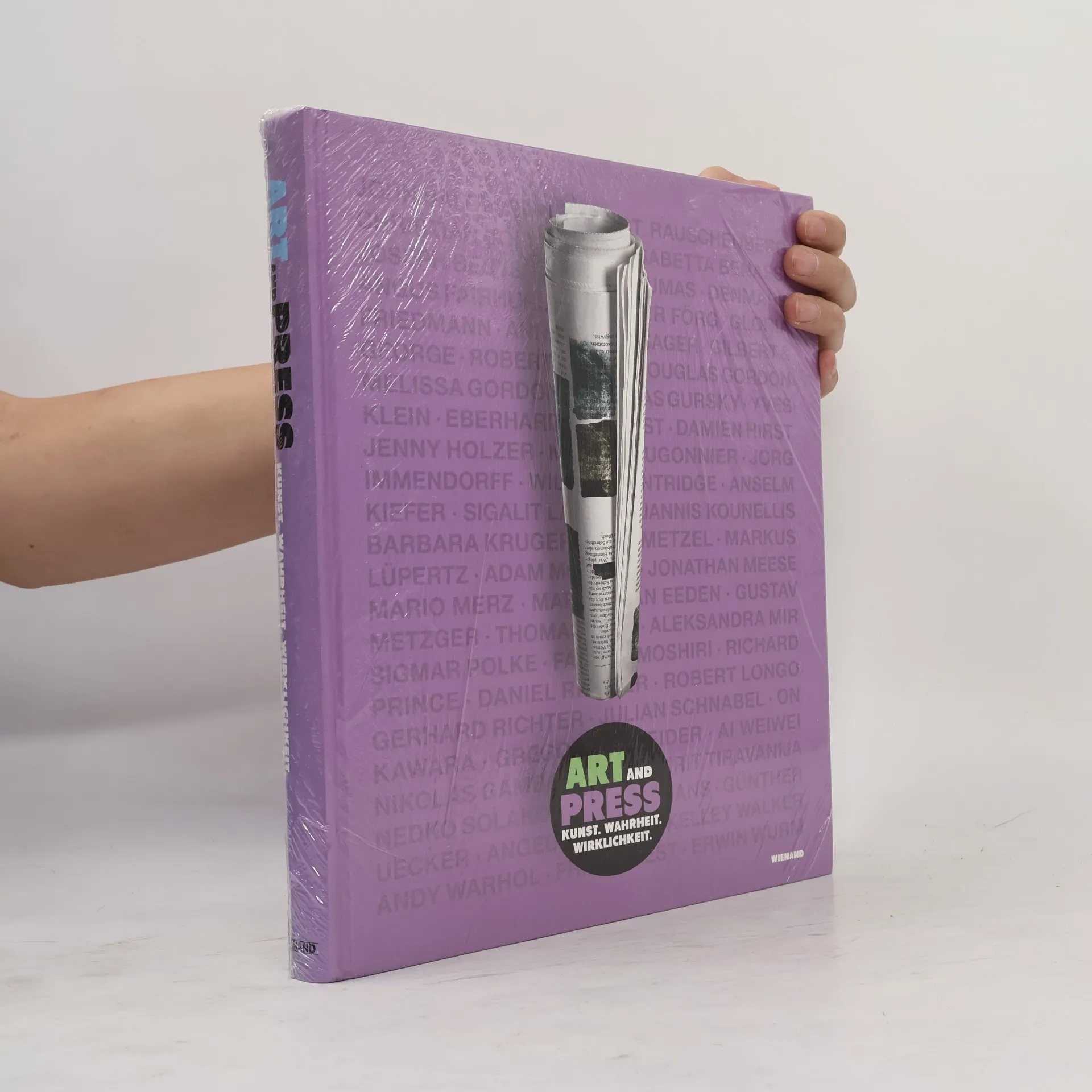
Was verbindet Presse und Bildende Kunst? Wie beeinflusst die Zeitung unsere Gesellschaft? Wie gehen Künstler mit diesem Medium um? Und welche gegenseitige Einflussname existiert zwischen Kunst und Zeitung? Auf diese spannenden Fragen gibt der opulente Band „Art and Press“ ausführliche Antworten. Bildreich und detailgenau beleuchtet der Katalog die faszinierenden Positionen von namhaften Gegenwartskünstlern wie Christian Boltanski, Andreas Gursky, Eberhard Havekost, Anselm Kiefer, Barbara Kruger, Rirkrit Tiranvanija, Daniel Richter, Gerhard Richter, Franz West und vielen anderen. Ein historischer Überblick bis ins frühe 19. Jahrhundert – zu sehen sind Werke von Honoré Daumier, Paul Cézanne, Pablo Picasso, Max Beckmann und anderen – rundet das bis heute aktuelle Thema gelungen ab.
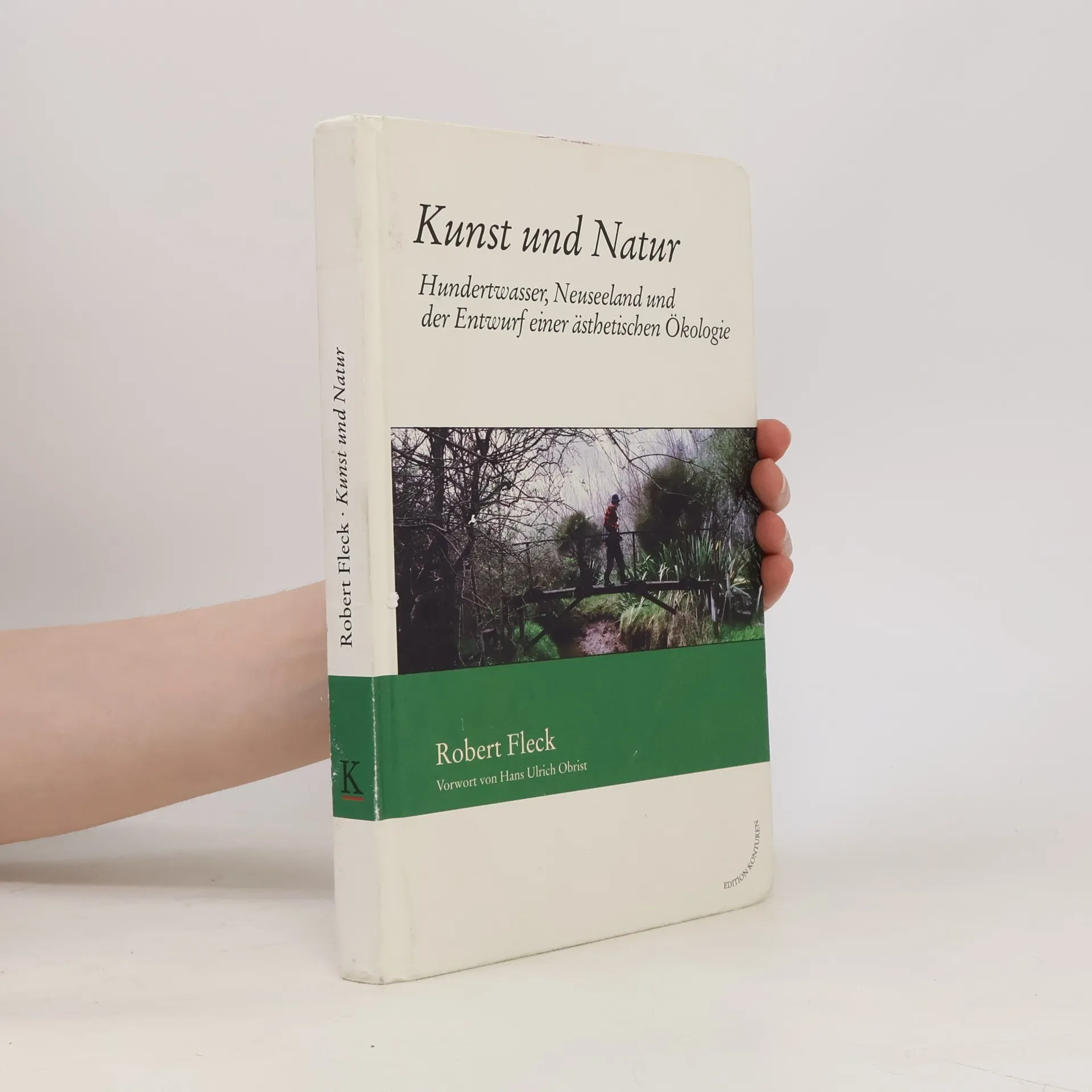
Kunst und Natur
Hundertwasser, Neuseeland und der Enwurf einer ästhetischen Ökologie
- 176bladzijden
- 7 uur lezen
Friedensreich Hundertwasser verwandelte ab 1975 ein Tal in Neuseeland am Übergang zum Pazifischen Ozean in einen Neo-Urwald. Bis zu seinem Tod im Februar 2000 entfaltete er seine künstlerische, ökologische und architektonische Vision. Aus der beschreibenden Beobachtung in den unberührt verbliebenen Arbeitsstätten des Künstlers und der langjährigen Kenntnis des Werks rekonstruiert Robert Fleck erstmals Hundertwassers Praxis einer vorgeschichtlichen Lebensweise. Sie schließt einen „Friedensvertrag“ mit der Natur und bringt eine vegetative Malerei als Kunst des 21. Jahrhunderts hervor. In Hundertwassers Vision einer ästhetischen Ökologie wird die Regel, dass die Nachahmung natürlicher Prozesse das zeitgenössische Schöne produziert, zu einem Weltentwurf für unser neues Jahrhundert ausgebildet. In seinem Vorwort thematisiert Hans Ulrich Obrist, künstlerischer Leiter der Serpentine Galleries in London, Friedensreich Hundertwassers Bedeutung für die Kunst der kommenden Generationen.
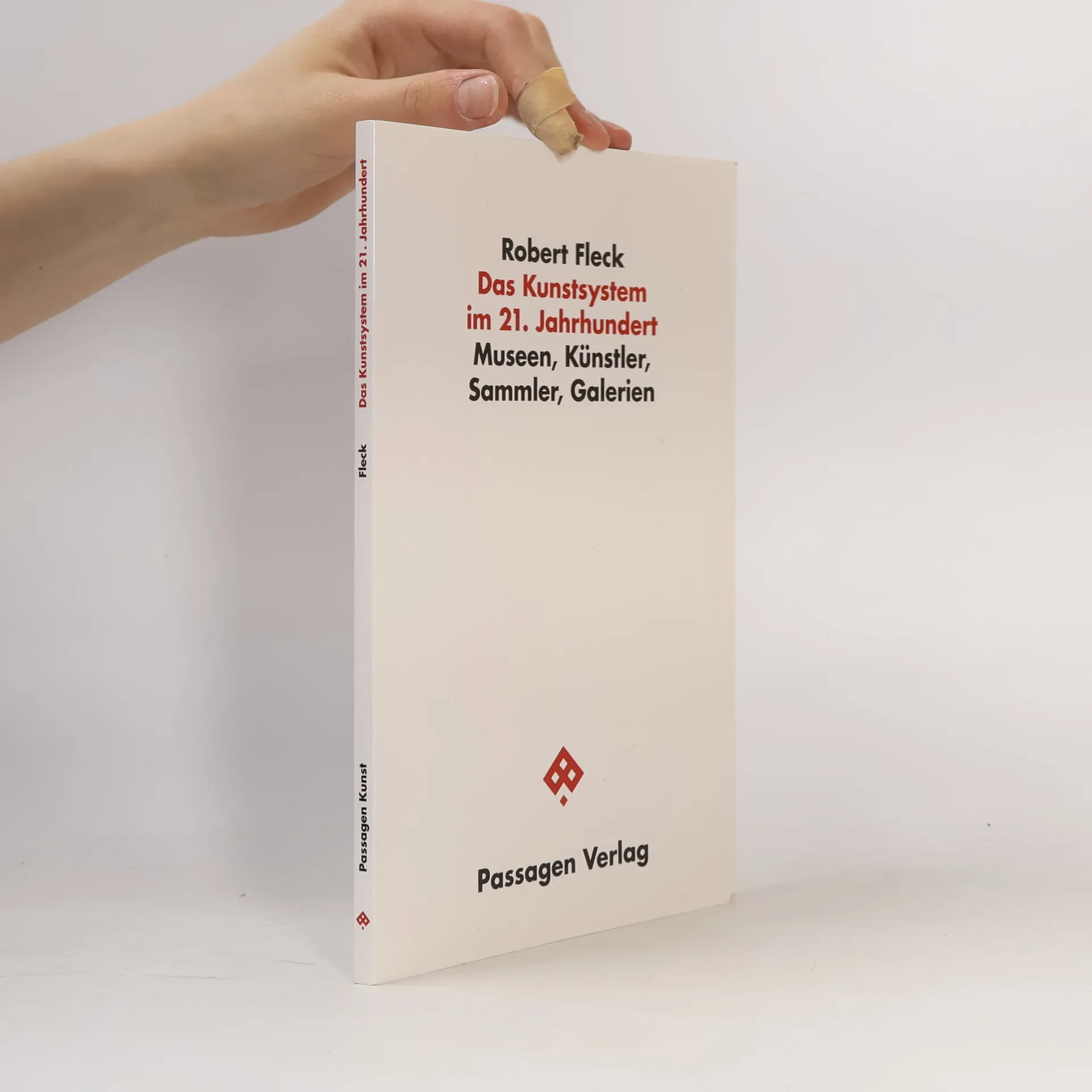
Passagen Kunst: Das Kunstsystem im 21. Jahrhundert
Museen, Künstler, Sammler, Galerien
- 102bladzijden
- 4 uur lezen
Rare Book
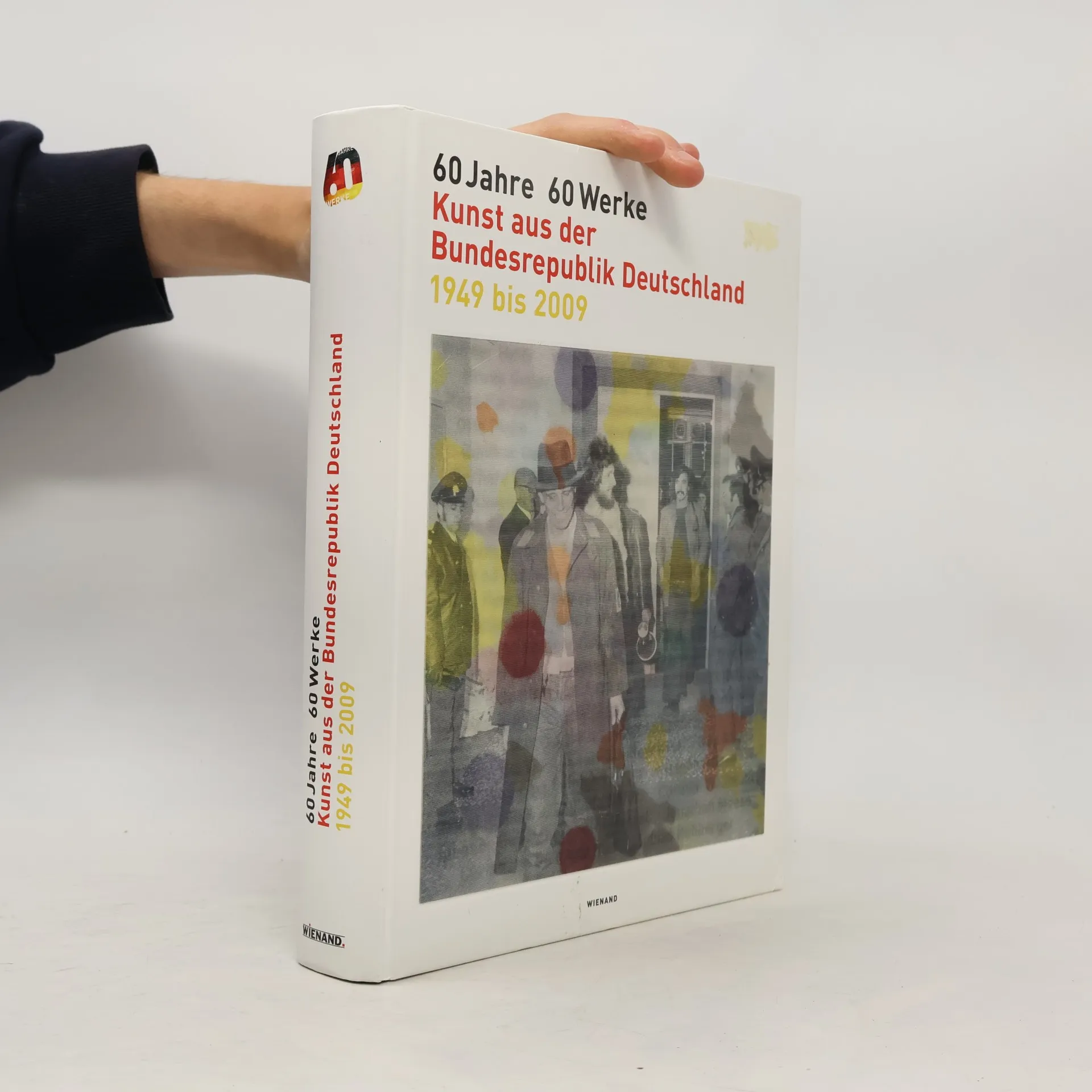
Die Bundesrepublik Deutschland zieht künstlerisch Bilanz. Zum 60-jährigen Bestehen des Bundes erscheint eine Publikation, die anhand 60 ausgewählter Künstler und Künstlerinnen eine Chronologie der besonderen Art nachzeichnet. Jedem Jahr wird ein Kunstwerk zugewiesen und einem wichtigen Ereignis aus Politik oder Gesellschaft gegenübergestellt. Ein Geschichtsbuch nicht nur für Kunstliebhaber!Die herausragenden Kunstwerke aus den Bereichen Malerei, Skulptur, Fotografie und Installation stammen von Künstlern wie Joseph Beuys, Andreas Gursky, Rebecca Horn, Jörg Immendorf, Anselm Kiefer, Martin Kippenberger, Sigmar Polke, Neo Rauch, Gerhard Richter oder Günther Uecker. Alles Persönlichkeiten, die die deutsche Kunstund Kulturlandschaft entschieden mitgeprägt haben.Der umfassende Abbildungsteil wird ergänzt um einleitende Texte namhafter Kunstexperten über Kunstströmungen und Zeitgeist der jeweiligen Dekaden. Abgerundet wird das Buch mit Kurzbiographien aller vorgestellten Künstler un15d einem Glossar zu den relevanten Begriffen aus der Kunst. Die Bild Zeitung begleitet das Projekt 60 Jahre 60 Werke als Medienpartner mit einer großformatigen Serie: 60 Tage lang wird jeweils ein Kunstwerk der Publikation vorgestellt. Die Bundeskanzlerin Angela Merkel wird die begleitende Ausstellung im Martin-Gropius-Bau in Berlin am 30.04.2009 feierlich eröffnen.
Avantgarde in Wien
Die Geschichte der Galerie Nächst St. Stephan, 1954 1982
German