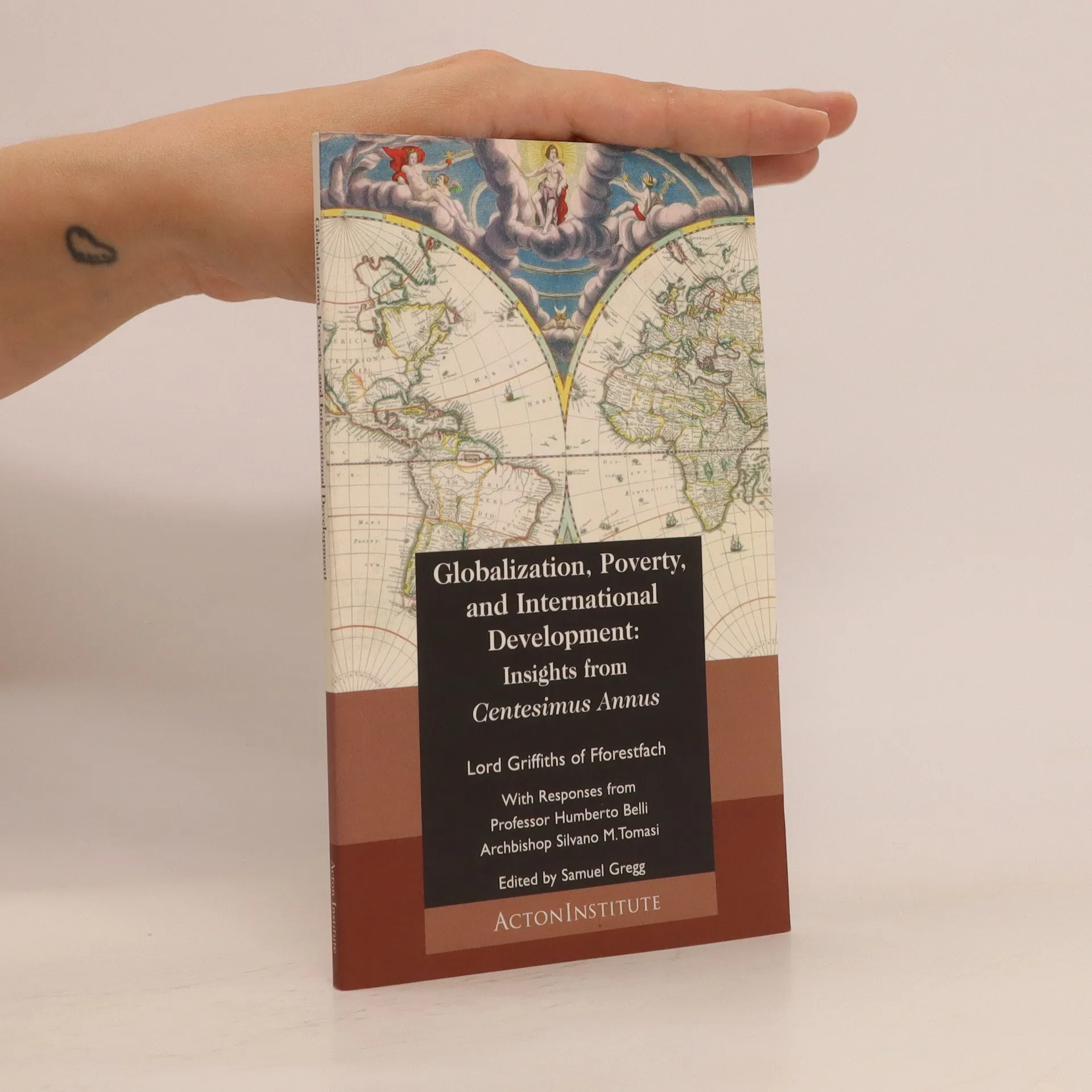
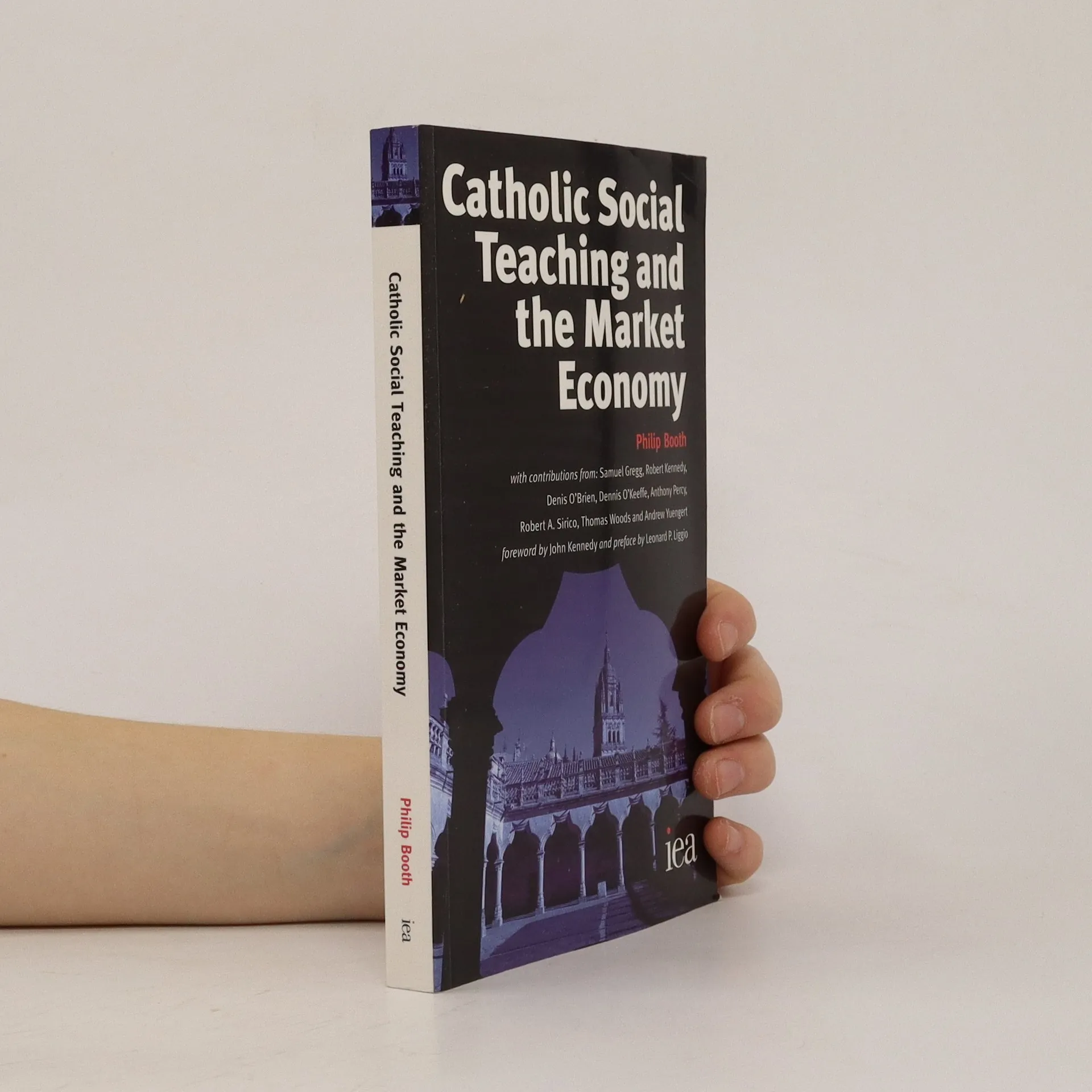
In the context of both political economy and Catholic Social Teaching, this book examines the extent to which the teaching can be used to justify the free market, or alternative forms of political and economic organisation, in areas such as taxation, welfare, foreign aid, labour markets and business.
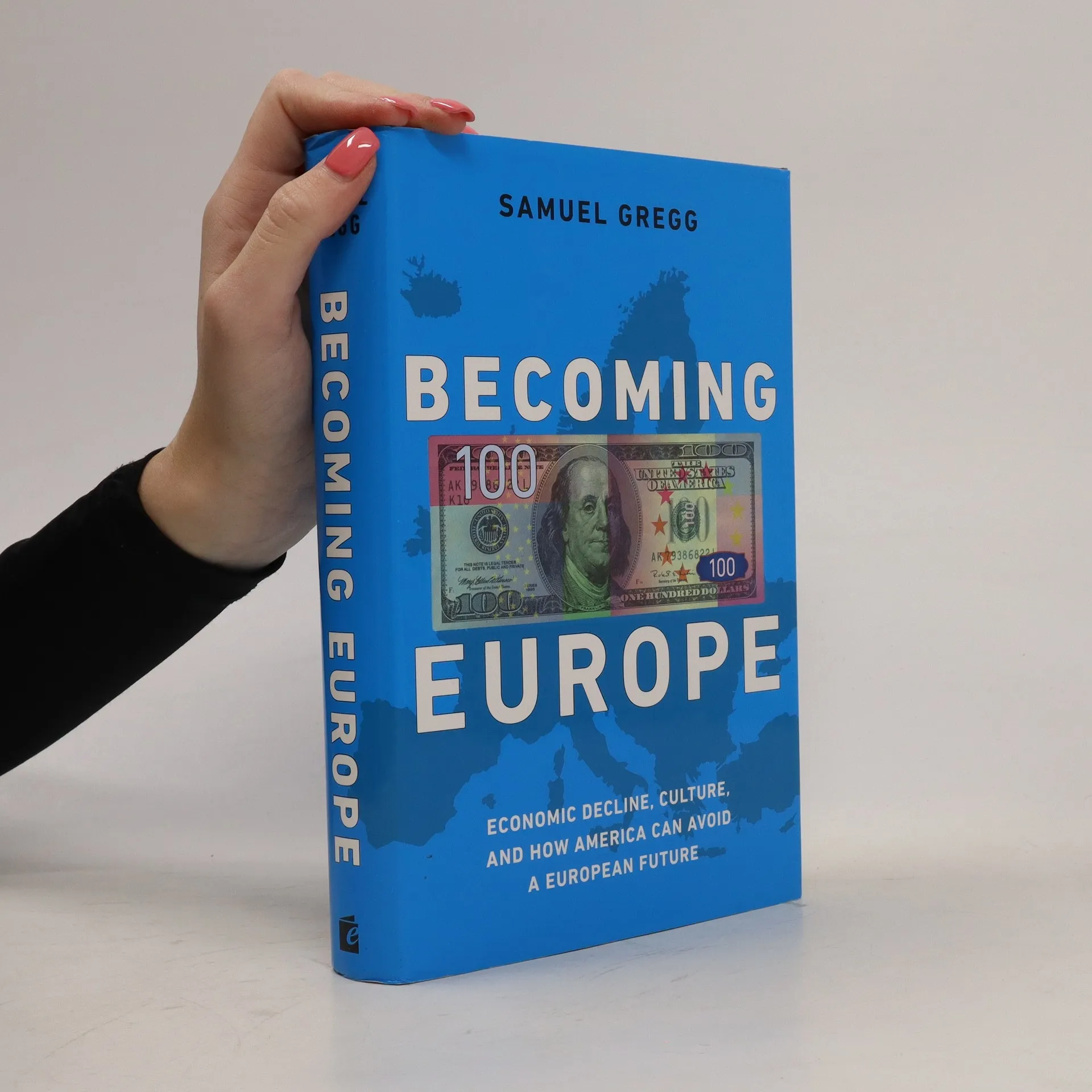
Argues against America's economic life becoming more like Europe's and warns that if Americans continue down this path they will suffer an overburdened welfare state, a government that controls half of the economy, and high taxation.
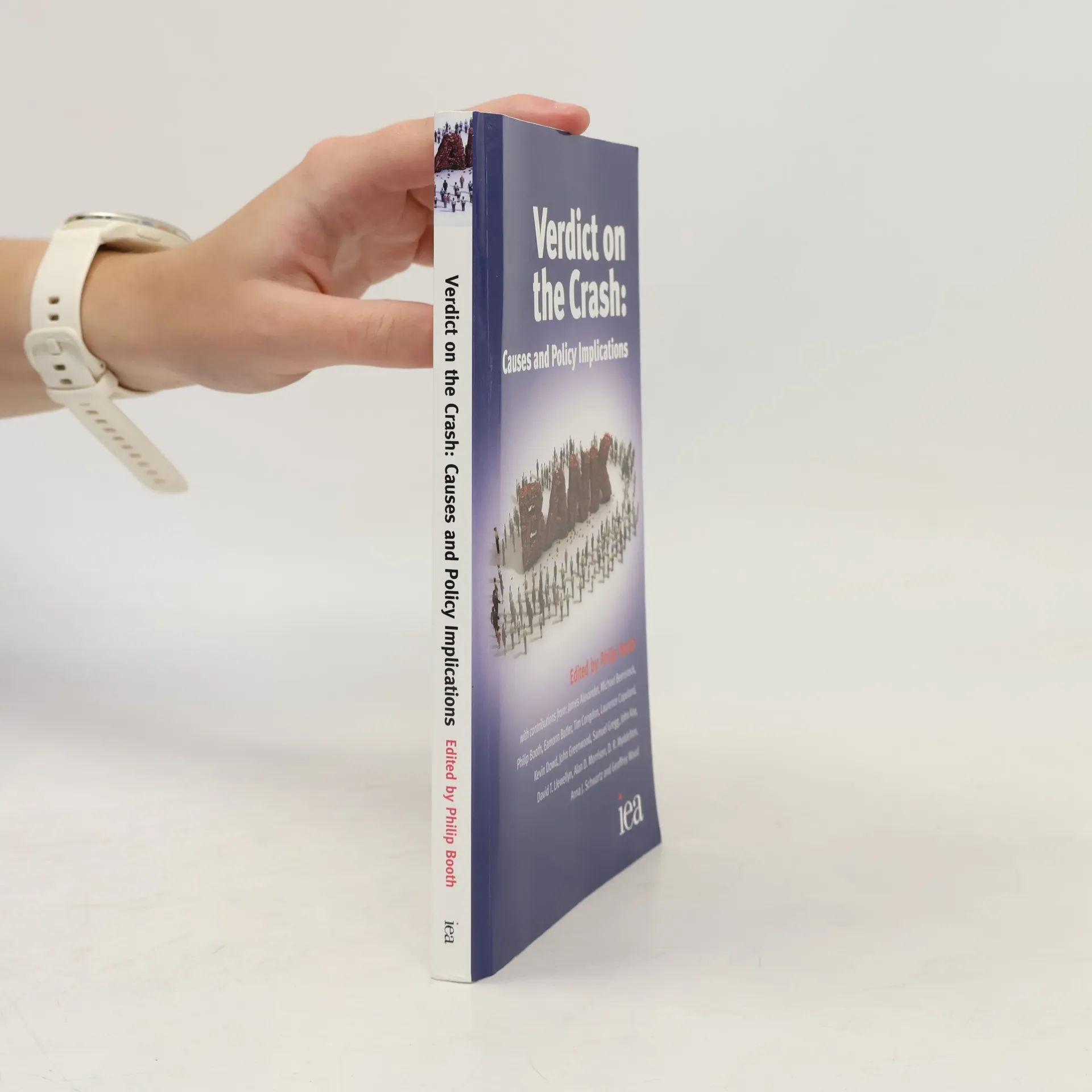
Challenging the belief that the banking crisis stemmed from inadequate regulation, this book argues that regulatory measures may have worsened the situation. The contributors, noted experts in finance, reveal that both statutory regulation and government policies failed, exacerbating risks and fostering an asset bubble through loose monetary policy. They advocate for targeted, non-intrusive regulatory tools to address specific banking weaknesses, making this work crucial for understanding the implications of recent financial events.
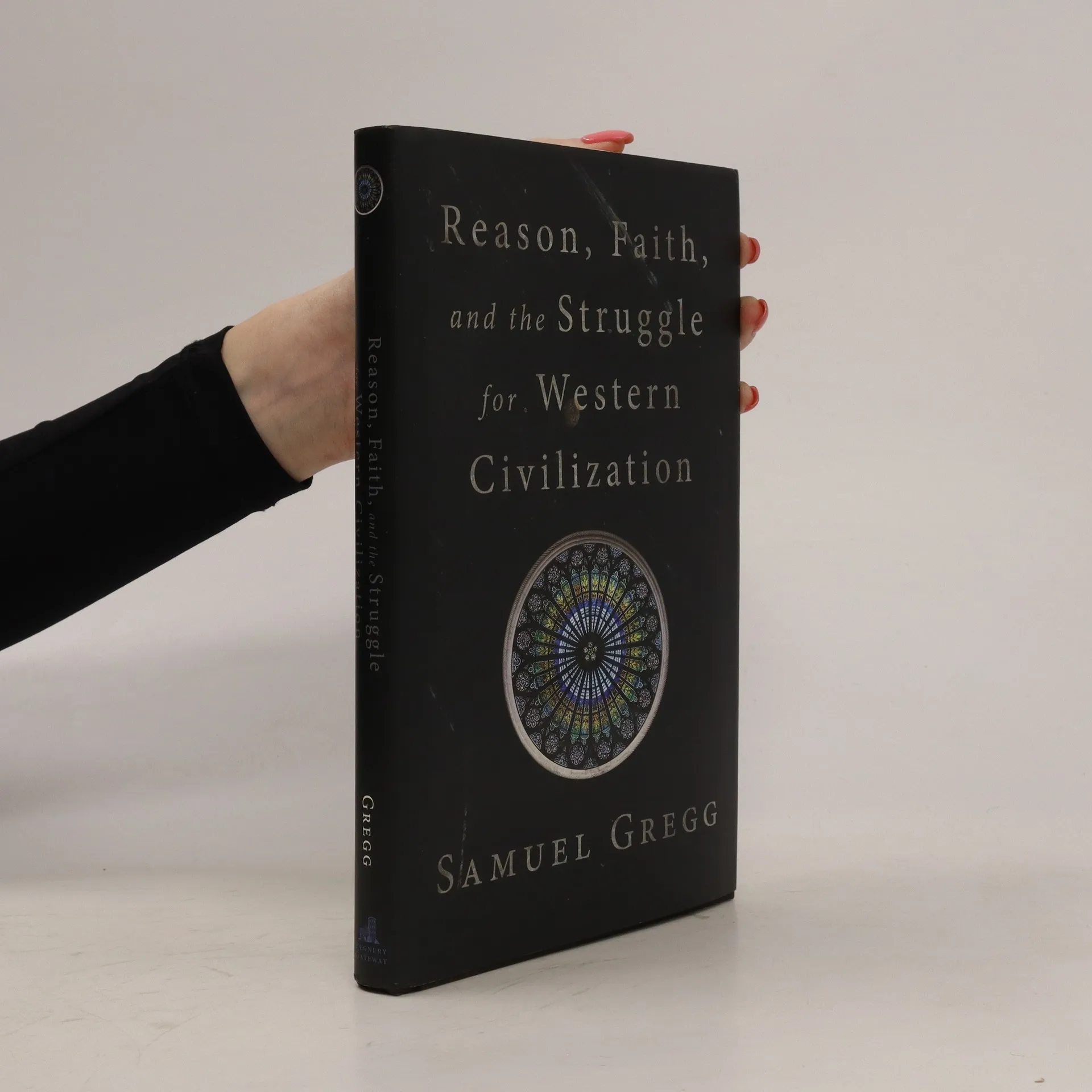
"The genius of Western civilization is its unique synthesis of reason and faith. But today that synthesis is under attack--from the East by radical Islam (faith without reason) and from within the West itself by aggressive secularism (reason without faith). The stakes are incalculably high. The naïve and increasingly common assumption that reason and faith are incompatible is simply at odds with the facts of history. The revelation in the Hebrew Scriptures of a reasonable Creator imbued Judaism and Christianity with a conviction that the world is intelligible, leading to the flowering of reason and the invention of science in the West. It was no accident that the Enlightenment took place in the culture formed by the Jewish and Christian faiths. We can all see that faith without reason is benighted at best, fanatical and violent at worst. But too many forget that reason, stripped of faith, is subject to its own pathologies. A supposedly autonomous reason easily sinks into fanaticism, stifling dissent as bigoted and irrational and devouring the humane civilization fostered by the integration of reason and faith. The blood-soaked history of the twentieth century attests to the totalitarian forces unleashed by corrupted reason."-- Amazon.com
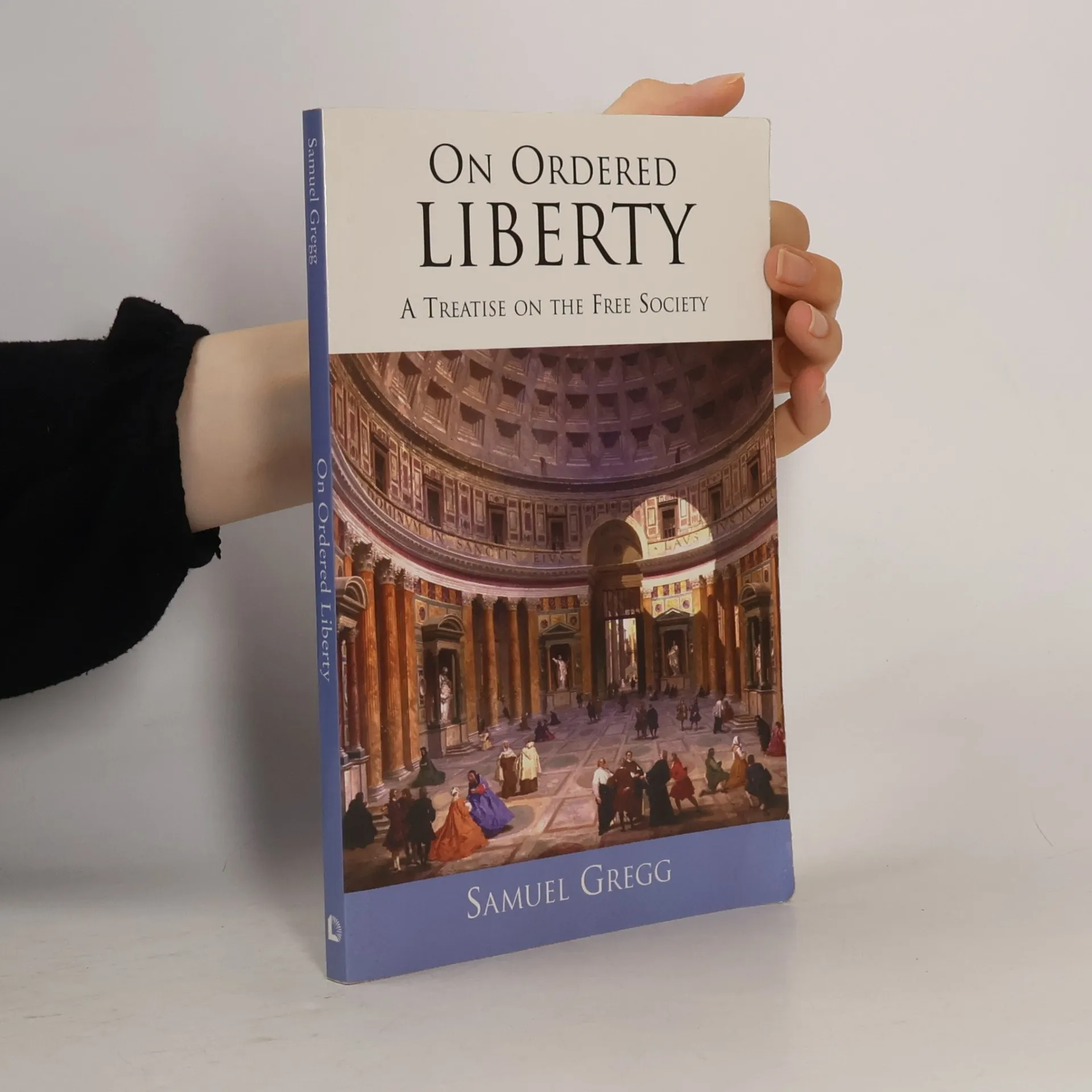
Exploring the nature of freedom, the book challenges readers to consider the true purpose of human choices within a free society. Drawing on the insights of Alexis de Tocqueville and natural law, Samuel Gregg argues for a clear distinction between integral law and contemporary notions of freedom. He critiques utilitarianism as incompatible with human nature and emphasizes the importance of addressing the fundamental question of humanity's essence.
Eine Ethik des Finanzwesens. Christlich - marktliberal
264bladzijden
10 uur lezen
Samuel Gregg erzählt die faszinierende Geschichte eines sich entwickelnden Verständnisses der produktiven Funktion des Geldes und wie es zu Kapital wird. Er beleuchtet die Überwindung des vorchristlich-antiken Misstrauens gegenüber Geldverleih, Spekulation und Handel und deren Versöhnung mit dem Schutz der Ärmsten. Der Autor präsentiert eine Ethik des Finanzwesens aus christlicher Perspektive, die neue Einsichten und kritische Fragen zu heutigen Finanzpraktiken bietet, insbesondere zur Rolle des Staates und gesetzlicher Regulierungen. Ein zentrales Anliegen ist die Relevanz der christlichen Soziallehre, insbesondere des Gemeinwohlprinzips und des Prinzips der allgemeinen Bestimmung der Güter, in Verbindung mit dem Prinzip des Privateigentums. Gregg argumentiert, dass die heutigen Geld- und Kapitalmärkte, trotz Missbräuchen, das effizienteste Mittel sind, um die Ressourcen der Erde für alle Menschen, insbesondere die Ärmsten, nutzbar zu machen. Für Christen in der Finanzwirtschaft sieht er hierin eine positive Herausforderung. Dieses packend geschriebene Werk regt dazu an, Vorurteile zu überdenken und neu zu reflektieren, was in bestimmten Kontexten richtig oder falsch, gut oder böse ist.