Angol Magyar Szotar
- 586bladzijden
- 21 uur lezen



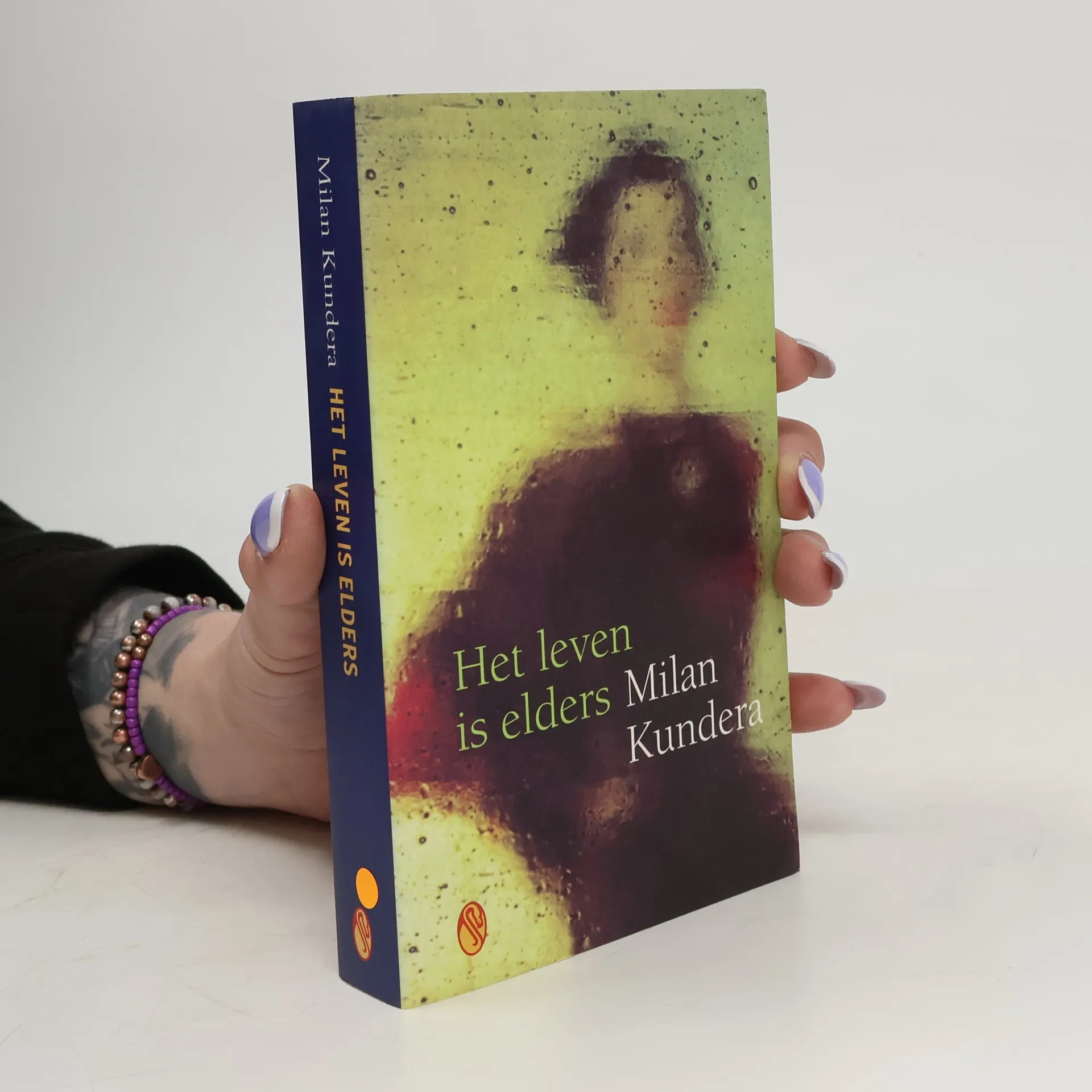
The author initially intended to call this novel, The Lyrical Age . The lyrical age, according to Kundera, is youth, and this novel, above all, is an epic of adolescence; an ironic epic that tenderly erodes sacrosanct values: childhood, motherhood, revolution, and even poetry. Jaromil is in fact a poet. His mother made hima poet and accompanies him (figuratively) to his love bed and (literally) to his deathbed. A ridiculous and touching character, horrifying and totally innocent ("innocence with its bloody smile"!), Jaromil is at the same time a true poet. He's no creep, he's Rimbaud. Rimbaud entrapped by the communist revolution, entrapped in a somber farce.
This book is subtitled "A Humorous – If Possible – Novella from the Ghetto.” It was published in 1969 by a famous satirist from Prague, a co-creator of the "small form theater” and a contributor to the humorous Porcupine magazine. The author’s coming of age in the Terezín Ghetto presents a unique image amongst the volumes of the Holocaust literature, combining death and terror with absurdity and humor as well as stark openness. The traditional image of the world of adults viewed through the eyes of a child is constructed in a humorous manner, however, through laughter it also presents experience that is beyond description. The text, translated into English by Alex Zucker and with and epilogue by Jáchym Topol, is followed by personal memories of the author’s sister, film documentarian Zuzana Justmanová.