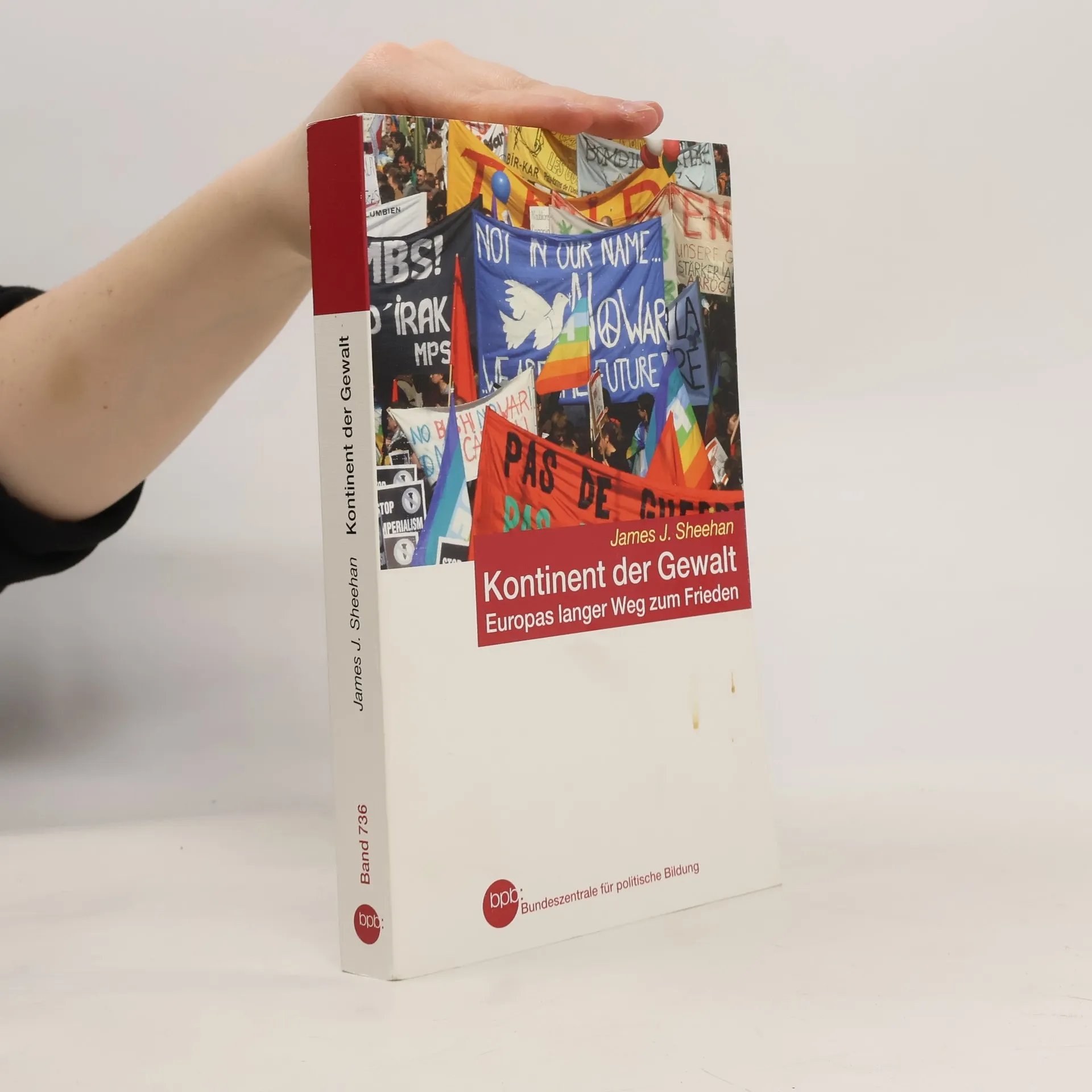
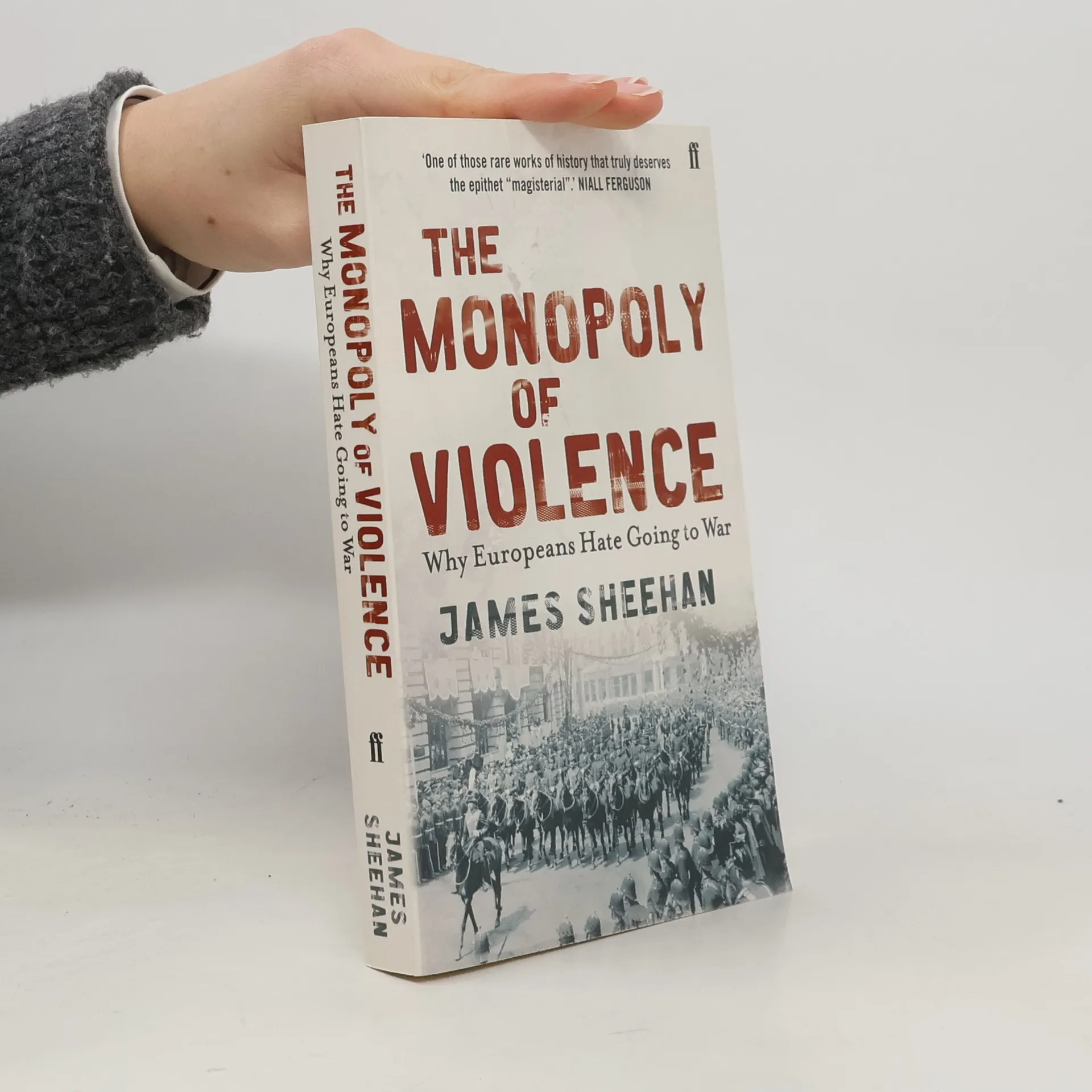
Written by James Sheehan, 'The Monopoly of Violence' tells the story of war and peace in 20th century Europe.
James J. Sheehan Boeken
31 mei 1937


Essays on German History and Historians
- 198bladzijden
- 7 uur lezen
Exploring the historical roots and lasting impact of National Socialism, this collection of essays delves into its influence on Germany's political and moral landscape even decades later. It also addresses the complexities of German national identity, resurfacing from the era of the Cold War despite earlier resolutions. Additionally, the volume features biographies of both German historians and American scholars focused on Germany, highlighting how their contributions reflect the ongoing dialogue between history and contemporary understanding.
Dieser Band der Oxford History of Modern Europe ist eine umfassende Studie der deutschen Geschichte von 1770 bis 1866. Er untersucht, wie die Entwicklung bürokratischer und partizipativer Institutionen den Charakter und die Fähigkeiten der Regierungen in ganz Deutschland veränderte; das wirtschaftliche Wachstum, bei dem die Produktivität sowohl in der Landwirtschaft als auch in der Industrie zunahm, die Handelsaktivität intensiviert wurde und das städtische Wachstum gefördert wurde; sowie die aufkommende Druckkultur, die neue Entwicklungen in Literatur, Philosophie und Wissenschaft unterstützte und half, die Regeln und Verfahren des Alltagslebens zu transformieren. Es wird argumentiert, dass diese Entwicklungen zu einer Erosion der traditionellen Werte und Institutionen führten und eine wichtige Rolle bei der Transformation der deutschen Politik, Gesellschaft und Kultur spielten. Anstatt die Entwicklung eines preußisch geführten Nationalstaates als "natürlich" oder unvermeidlich zu betrachten, betont das Buch alternative Kräfte der Einheit und Spaltung, die bis zum Österreichisch-Preußischen Krieg von 1866 existierten.
Europas Sonderweg vom Krieg zum Frieden Freudestrahlend zogen in ganz Europa am 1. August 1914 Menschenmassen auf die öffentlichen Plätze, um ihrem Jubel Ausdruck zu geben: Endlich Krieg! 90 Jahre später gab es die größte Massendemonstration in der europäischen Geschichte: Gegen den Irakkrieg von George W. Bush und Tony Blair. Dieser Wandel Europas von einem Kontinent der Kriege zu einer pazifistischen Zivilgesellschaft ist das Thema des Buches von James Sheehan. Der amerikanische Historiker zeigt uns einen dramatischen Bewußtseinswandel, an dessen Ende sich nach der verstörenden Erfahrung von zwei Weltkriegen das aufgeklärte Ideal einer Friedensmacht durchgesetzt hat - aber eben auch die trügerische Illusion, in einer friedlosen Welt ohne militärische Krisenbewältigung moralisch handeln zu können. Denn Europas Weg vom Krieg zum Frieden, auch das macht Sheehan deutlich, ist ein Sonderweg. Weder die USA noch China oder die islamische Welt haben vergleichbare Erfahrungen gemacht. Will Europa die Lehren aus seiner Geschichte weitergeben, dann muß es sich weltpolitisch engagieren, notfalls auch militärisch. Denn am Umgang mit dieser Paradoxie, Friedensmacht in einer friedlosen Welt zu sein, wird sich seine Rolle im 21. Jahrhundert entscheiden.
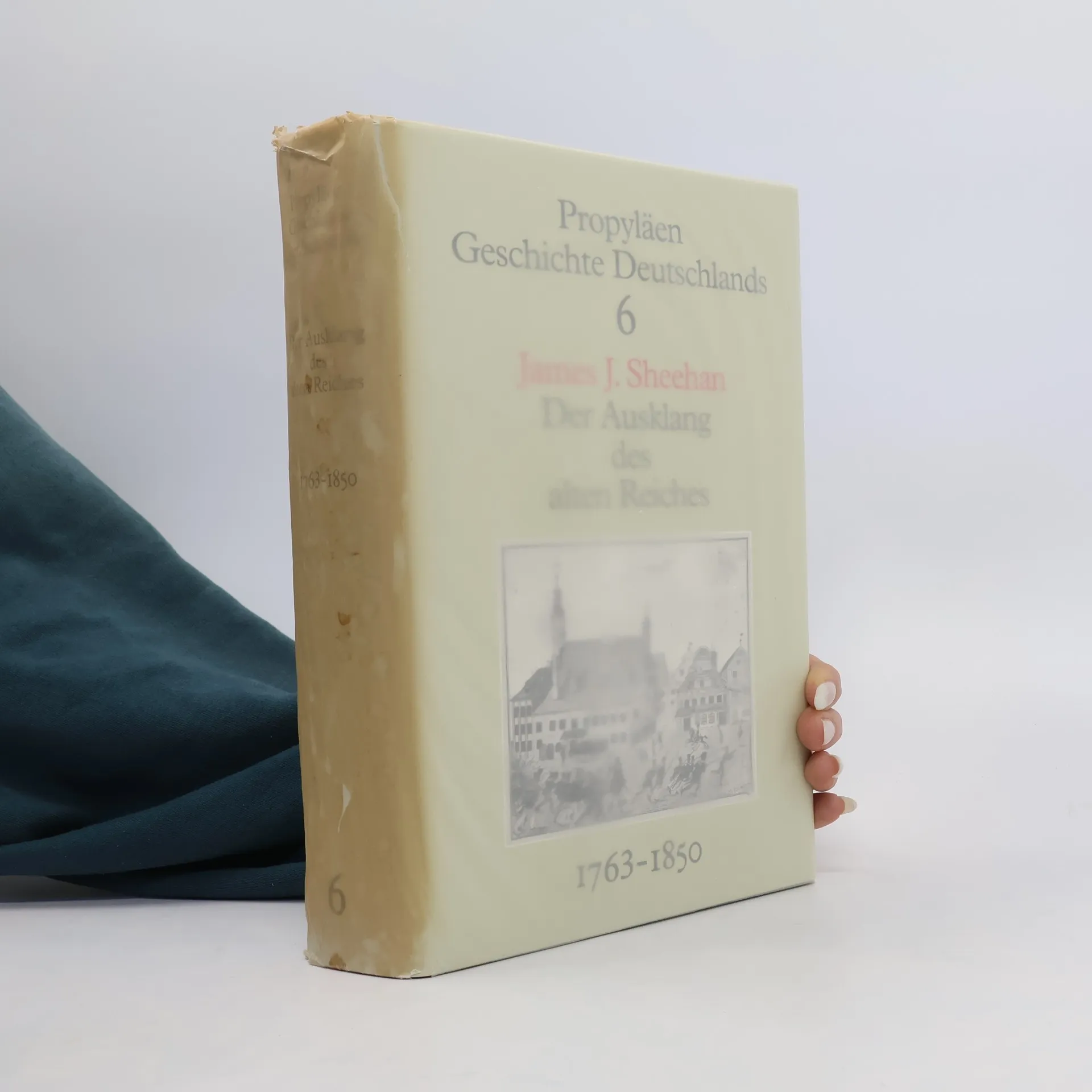
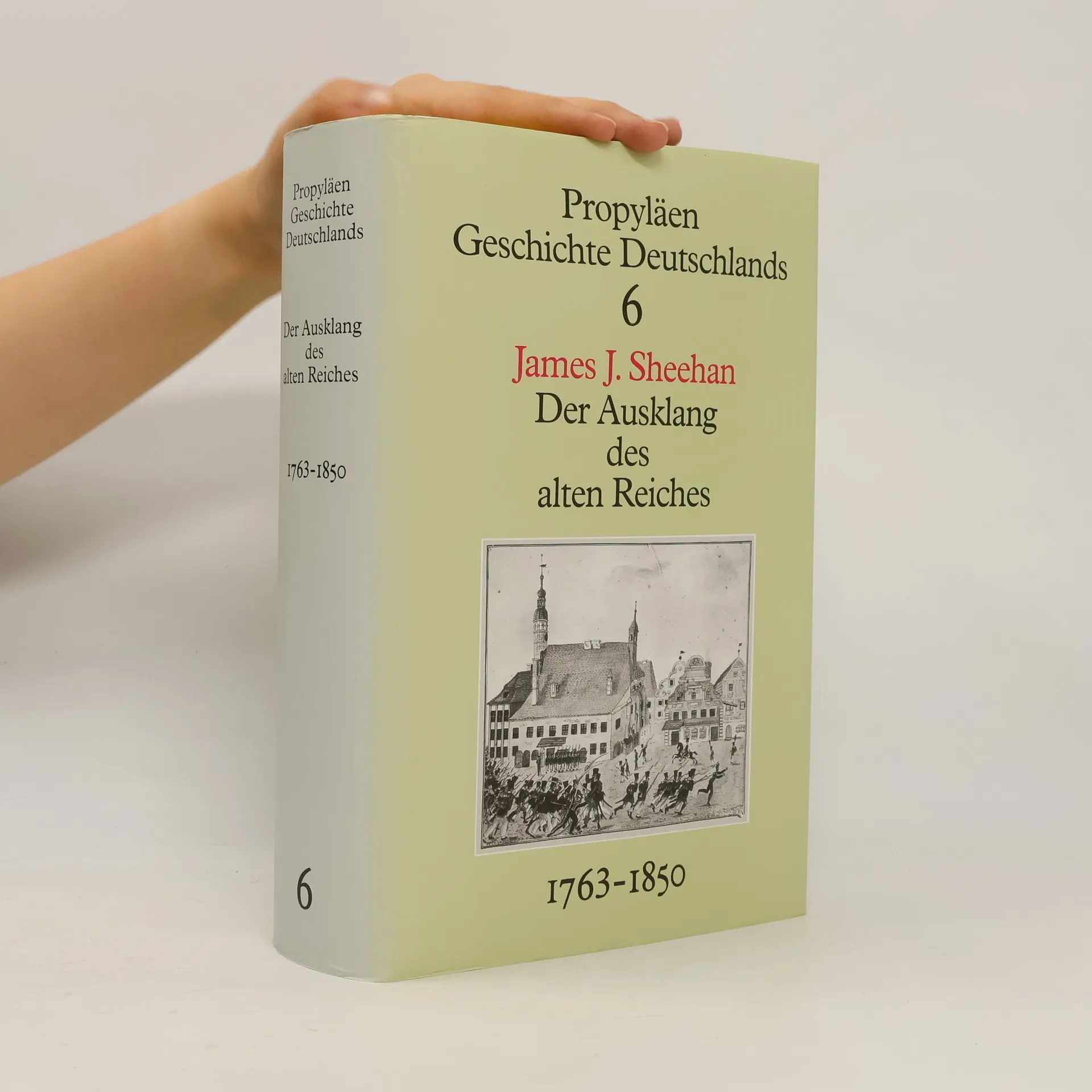
Der Ausklang des alten Reiches
Propyläen Geschichte Deutschlands 6
Der deutsche Liberalismus
- 454bladzijden
- 16 uur lezen
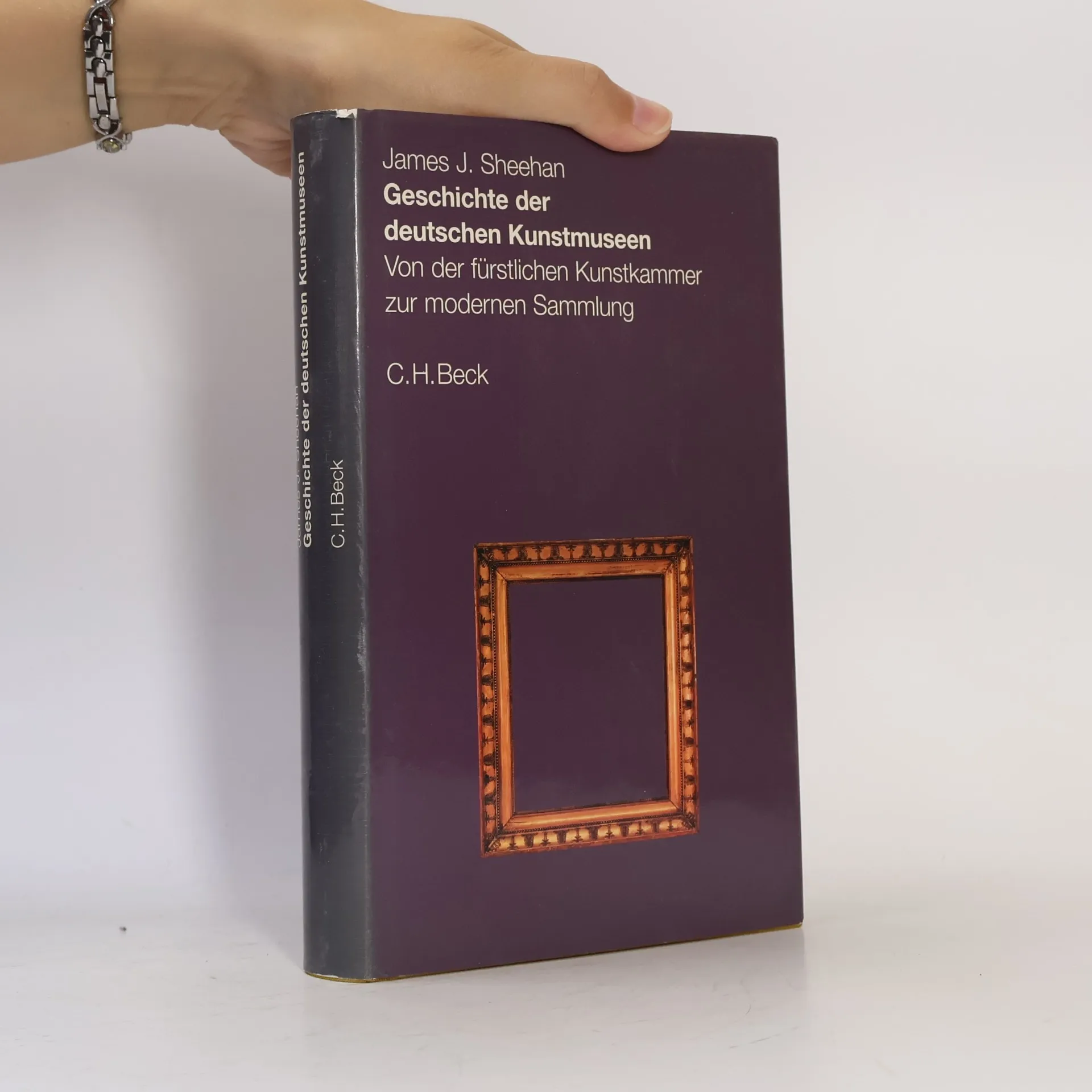
Geschichte der deutschen Kunstmuseen
- 384bladzijden
- 14 uur lezen
„Kunstmuseen lehren uns, was wir sehen sollen, wenn wir Kunst betrachten“, lautet der scheinbar einfache Eingangssatz dieses Buches. Aber was versteht man jeweils unter Kunst? Was sollen wir sehen, wenn wir sie betrachten, und wer bestimmt darüber? Wie bewältigt das Museum die ihm zugewiesenen Vermittlungsaufgaben? James Sheehan beantwortet diese Fragen, indem er Ideen-, Institutionen- und Architekturgeschichte miteinander verbindet. Sein Buch zeigt in eindrucksvoller Weise, wie Museen den Ort der Kunst in der deutschen Kultur widerspiegeln und zugleich mitbestimmen. In den letzten Jahrzehnten des Alten Reichs - mit denen die Darstellung einsetzt - werden erstmals die Kunstsammlungen der Monarchen und Fürsten öffentlich zugänglich gemacht. Es bildet sich bald eine eindrucksvolle Museumsvielfalt heraus, der Umgang mit der Kunst wird zunehmend professionalisiert. Gegen Ende des Jahrhunderts gibt es kaum einen großen Ort in Deutschland, der nicht über ein Museum verfügte, aber diese Einrichtung gerät jetzt in eine Krise: Das Museum wird der Ort politischer und kultureller Auseinandersetzungen über den Umgang mit der Kunst der Moderne. In diesem Zusammenhang entstehen schließlich die Anfänge unserer heutigen Museumskultur und -architektur. James Sheehans Buch wird aus der Diskussion über das Verhältnis von Kunst, Politik und Kultur und über die Rolle, die das Museum darin einnehmen soll, nicht mehr wegzudenken sein.