James McNeill WhistlerVolgorde van de boeken (chronologisch)
10 juli 1834 – 17 juli 1903
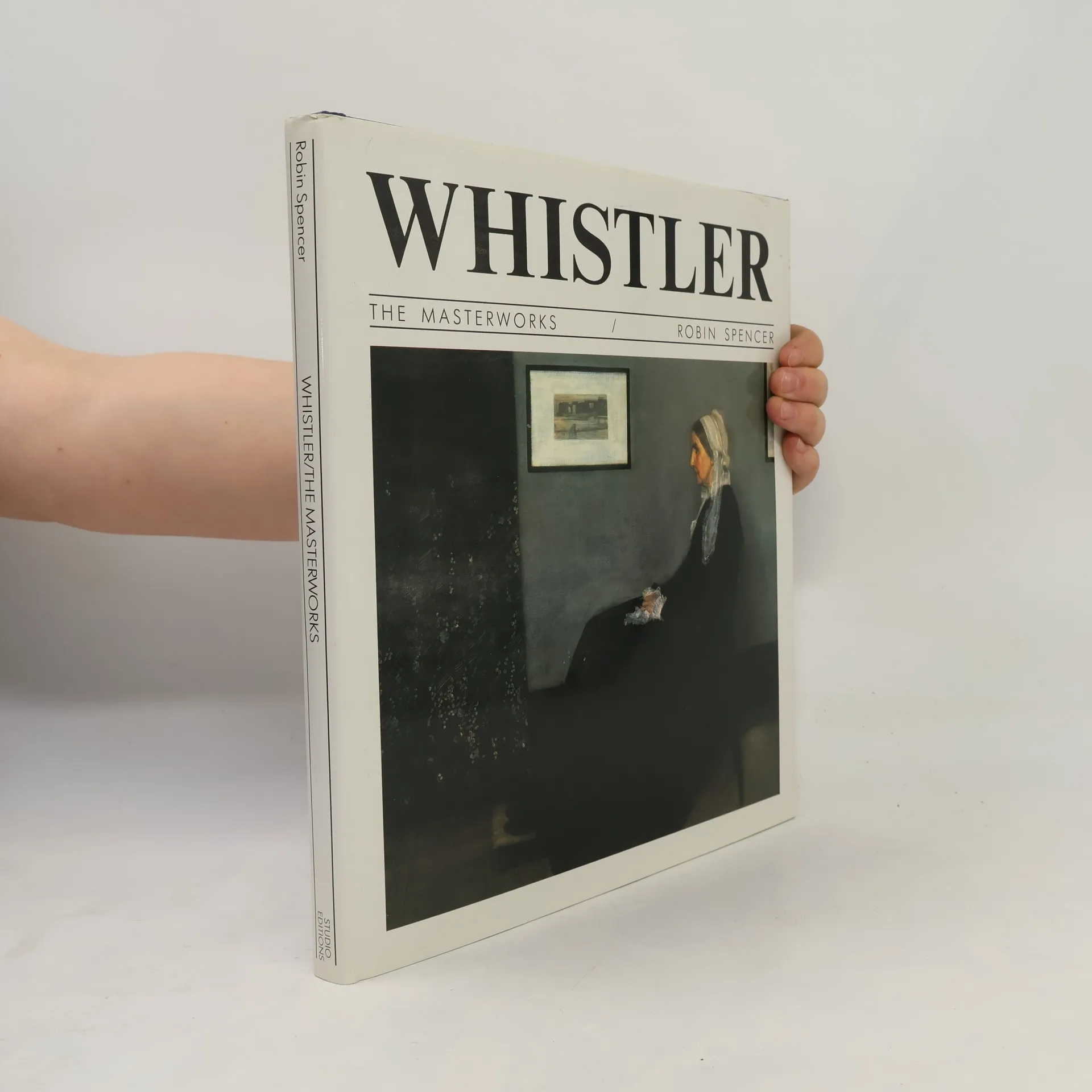
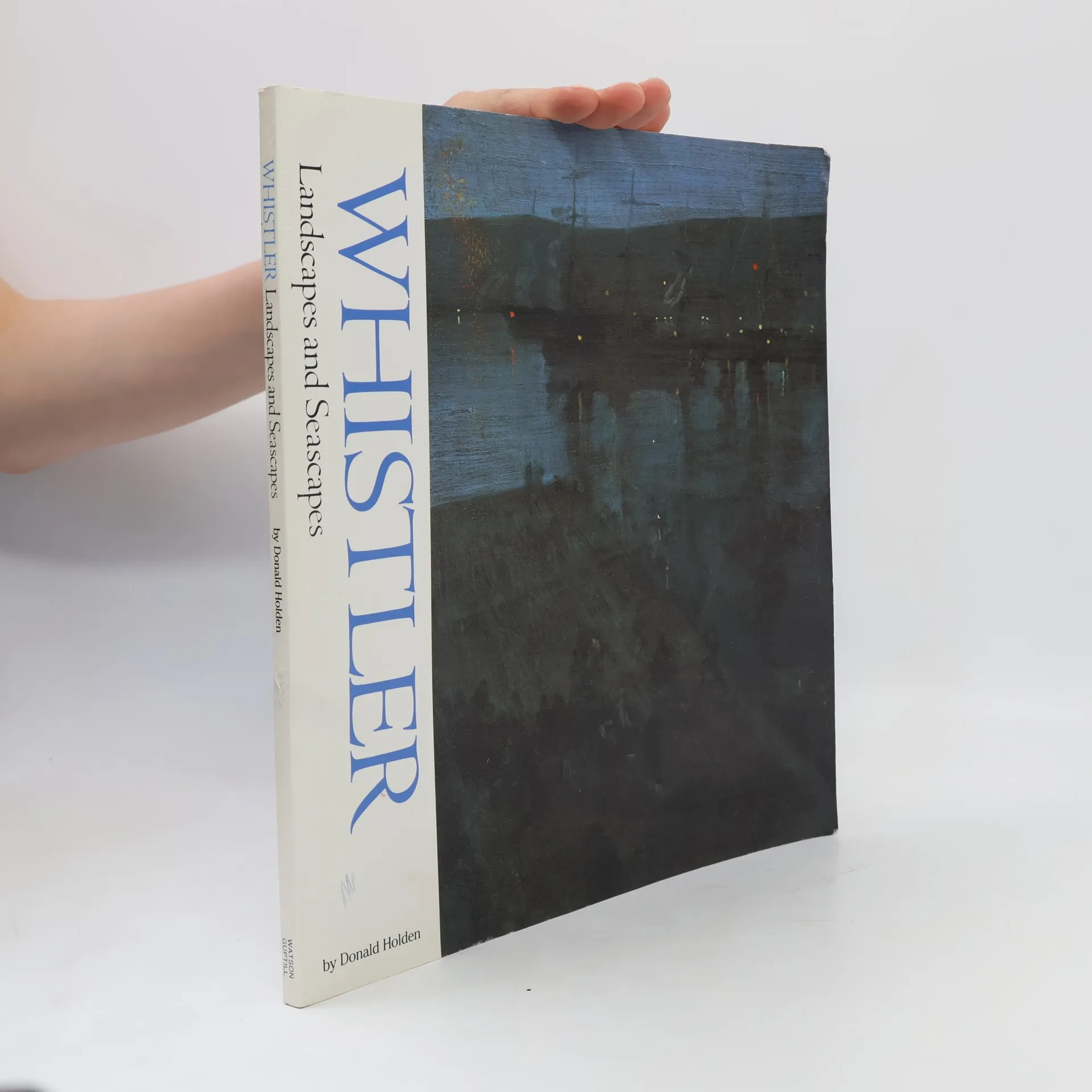
James Abbott McNeill Whistler was een Amerikaanse kunstenaar die zich verzette tegen sentimentaliteit en morele verwijzingen in de schilderkunst en een voorstander werd van het credo "kunst omwille van de kunst". Zijn werk werd gekenmerkt door subtiele delicatesse, terwijl zijn publieke persona strijdlustig was. Whistler vond parallellen tussen schilderkunst en muziek en noemde veel van zijn werken "arrangementen", "harmonieën" en "nocturnes", waarmee hij het primaat van tonale harmonie benadrukte. Met zijn kunsttheorieën en vriendschappen had hij een aanzienlijke invloed op de kunstwereld van zijn tijd.
Originally delivered in 1888, this lecture is a fascinating glimpse into the artistic and literary culture of the late 19th century. Swinburne and Whistler deliver a witty and provocative discussion of the nature of art and the artist's role in society. Their remarks are accompanied by beautiful illustrations by Whistler. This is a must-have for any fan of late Victorian art and literature.
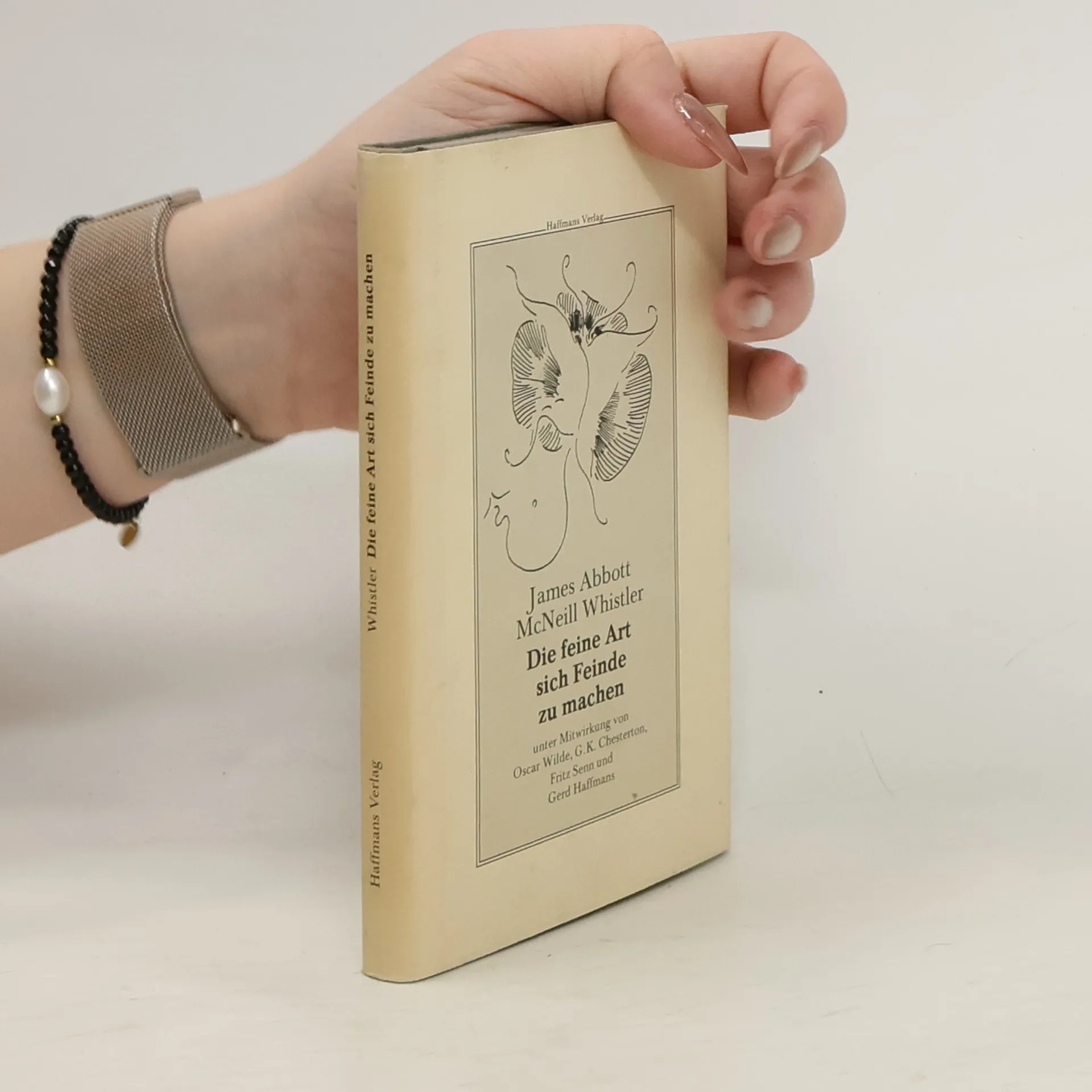
Whistler's Gentle Art is a classic in the literature of insult and denigration, effectively serving as "The Autobiography of a Hater." It showcases the deadly sarcasm and sharp wit of one of the nineteenth century's most clever minds. Whistler vehemently opposed misunderstanding from critics and the art-loving public, retaliating with fierce counterattacks. His famous exchanges with Oscar Wilde and Swinburne, incisive "letters to the editor," and biting marginal notes to disparaging comments on his work illustrate the artist's vendettas. A pivotal moment arose when critic John Ruskin condemned one of Whistler's "Nocturnes," calling it an act of "cockney impudence." This incited Whistler to initiate the notorious libel case "Whistler vs. Ruskin," with trial extracts highlighting his brilliant rebuttals to his critics, albeit resulting in only a farthing in damages. Designed by Whistler himself, this account of personal vendettas is not just entertaining; it also serves as an iconoclast's plea for a new perspective on painting. As a historical document, it articulates the clash between new aesthetics and traditional academic views, significantly influencing modern attitudes toward art.
The baronet and the butterfly : a valentine with a verdict
116bladzijden
5 uur lezen
Set in the late 19th century, this reprint captures the essence of a unique romance between a baronet and a butterfly, weaving themes of love and societal expectations. The narrative explores the complexities of relationships through a clever Valentine’s Day lens, culminating in a verdict that reflects the era's values. This edition preserves the charm of the original 1899 publication, offering readers a glimpse into a bygone era of literary elegance and romantic intrigue.
Set in the late 19th century, this novel presents a tale of class and romance, featuring the intriguing dynamics between a baronet and a butterfly. The story explores themes of societal expectations and personal desires, weaving a narrative that reflects the complexities of love and status. This high-quality reprint preserves the essence of the original 1899 edition, inviting readers to experience the charm and elegance of the period.
As Pleasingly Exemplified in Many Instances, wherein the Serious....
360bladzijden
13 uur lezen
Exploring the nuances of social conflict and artistic expression, this book offers a unique perspective on the concept of making enemies with wit and charm. Through various instances and examples, it delves into the complexities of human relationships and the often humorous consequences of interpersonal disagreements. The 1892 edition presents timeless insights into the art of communication and rivalry, making it a fascinating read for those interested in social dynamics and historical commentary.
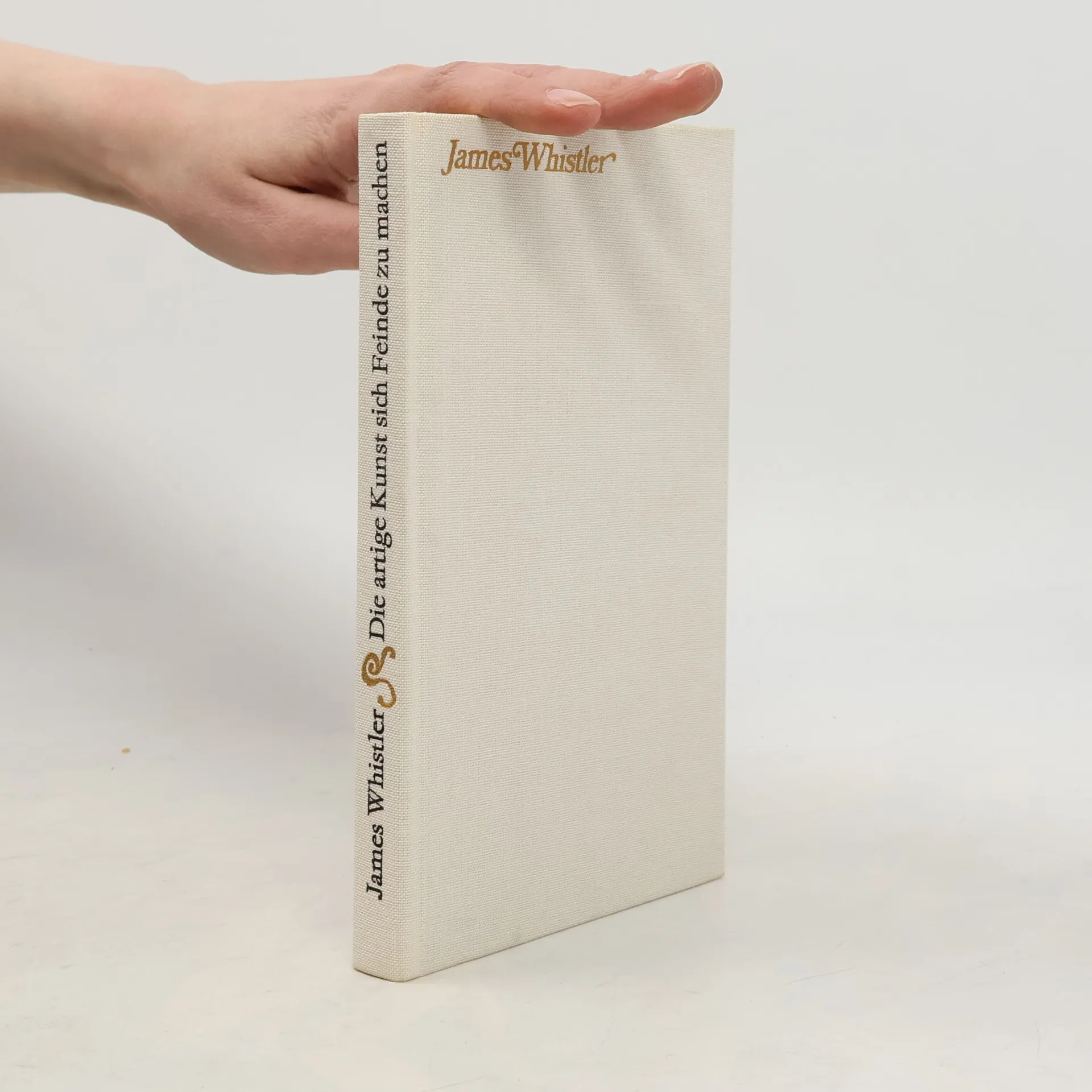
James Abbott McNeill Whistler im Streit mit Oscar Wilde & G.K. Chesterton
121bladzijden
5 uur lezen
Der Maler James Abbott McNeill Whistler war ein gnadenloser Rechthaber, der Schrecken aller Kritiker, denn bei jeder Kritik schlug er zurück; und nicht nur auf feine Art, oder er zerrte seinen Kritiker gleich vor Gericht, wie John Ruskin. Er hat seinen Kritikern das Leben so sauer gemacht, wie kein Künstler vor oder nach ihm. Hier streiten drei Giganten in Polemik & Witz: Whistler, der das Schöne im Häßlichen findet, Oscar Wilde, der den Sozialismus der Hedonisten verkündet und Chesterton, der Steak und Bier für alle fordert, vertreten drei grundsätzlich verschiedene Ansichten über Sinn, Zweck & Witz: Whistler, der das Schöne im Häßlichen findet, Oscar Wilde, der den Sozialismus der Hedonisten verkündet und Chesterton, der Steak und Bier für alle fordert, vertreten drei grundsätzlich verschiedene Ansichten über Sinn, Zweck & Aufgabe der Kunst. 128 Seiten. Fester Einband. Haffmans Verlag.
A facsimile of Whistler's published 1885 lecture, the culmination of years of
work and self-promotion after Ruskin's bruising criticism, expressing his
artistic beliefs with satire and beauty.
Focusing on art and aesthetics, this collection of ten essays by James McNeill Whistler explores various themes such as color harmony, the artist's societal role, and the intrinsic value of art. Originally delivered as lectures in 1885, Whistler critiques the academic tradition and champions a modern approach to painting. His distinctive voice and wit shine through as he discusses topics from displaying art to the essence of beauty. Accompanied by illustrations of his notable works, this book offers a compelling insight into the perspectives of a pivotal late 19th-century artist.
This book reexamines the colorful American artist's all-but-forgotten role as "midwife at the birth of abstract painting". In text that sparkles with the painter's own vivid epigrams, the author documents how Whistler's unorthodox pictorial design and his new vision of space set the stage for geometric abstraction in 20th century art. 32 full-page color reproductions.
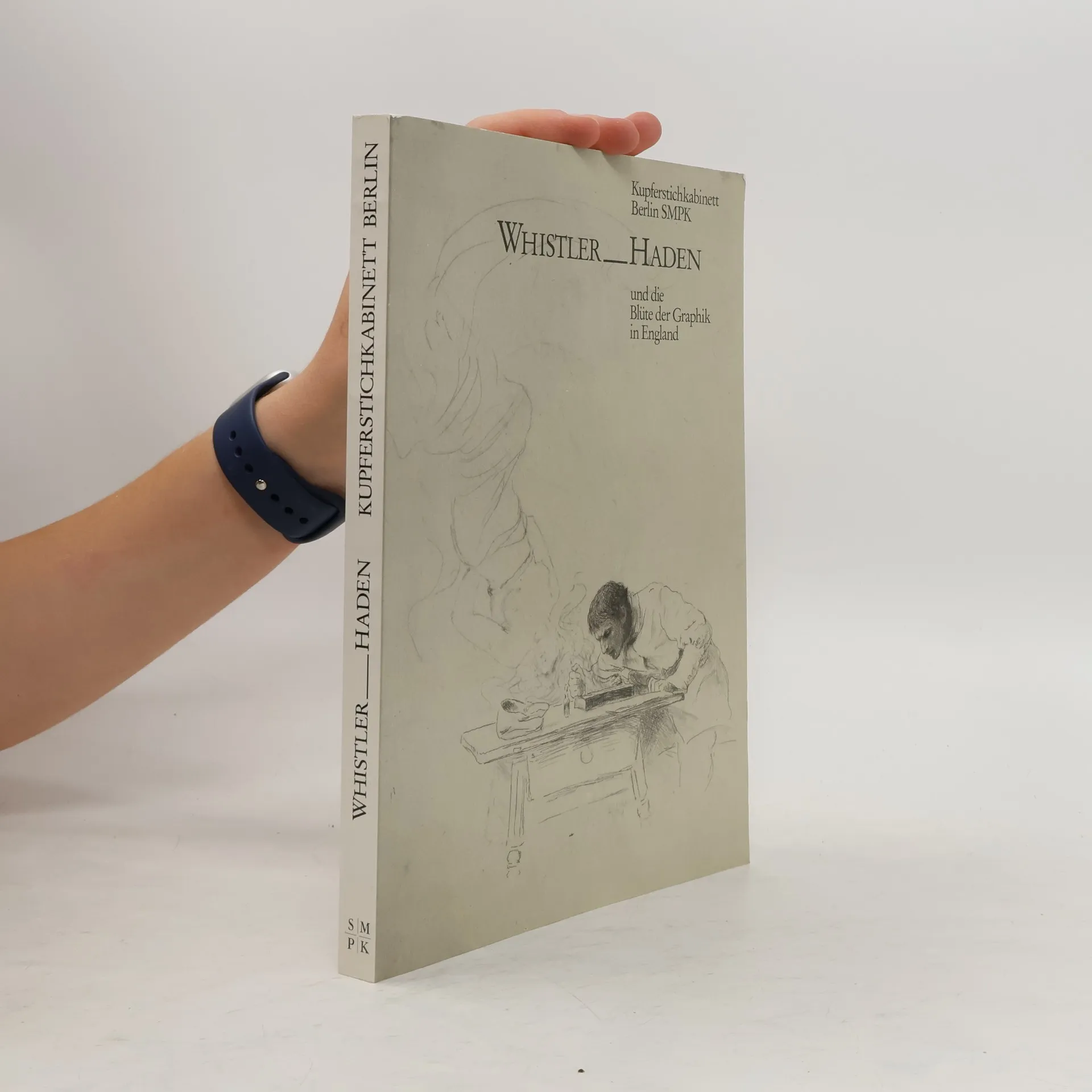
The catalog of the new Whistler exhibition--the largest since his death in 1903--reveals the range and variety of his work, showing him as a talented painter, printmaker, and designer and as a central figure in the Victorian art world.