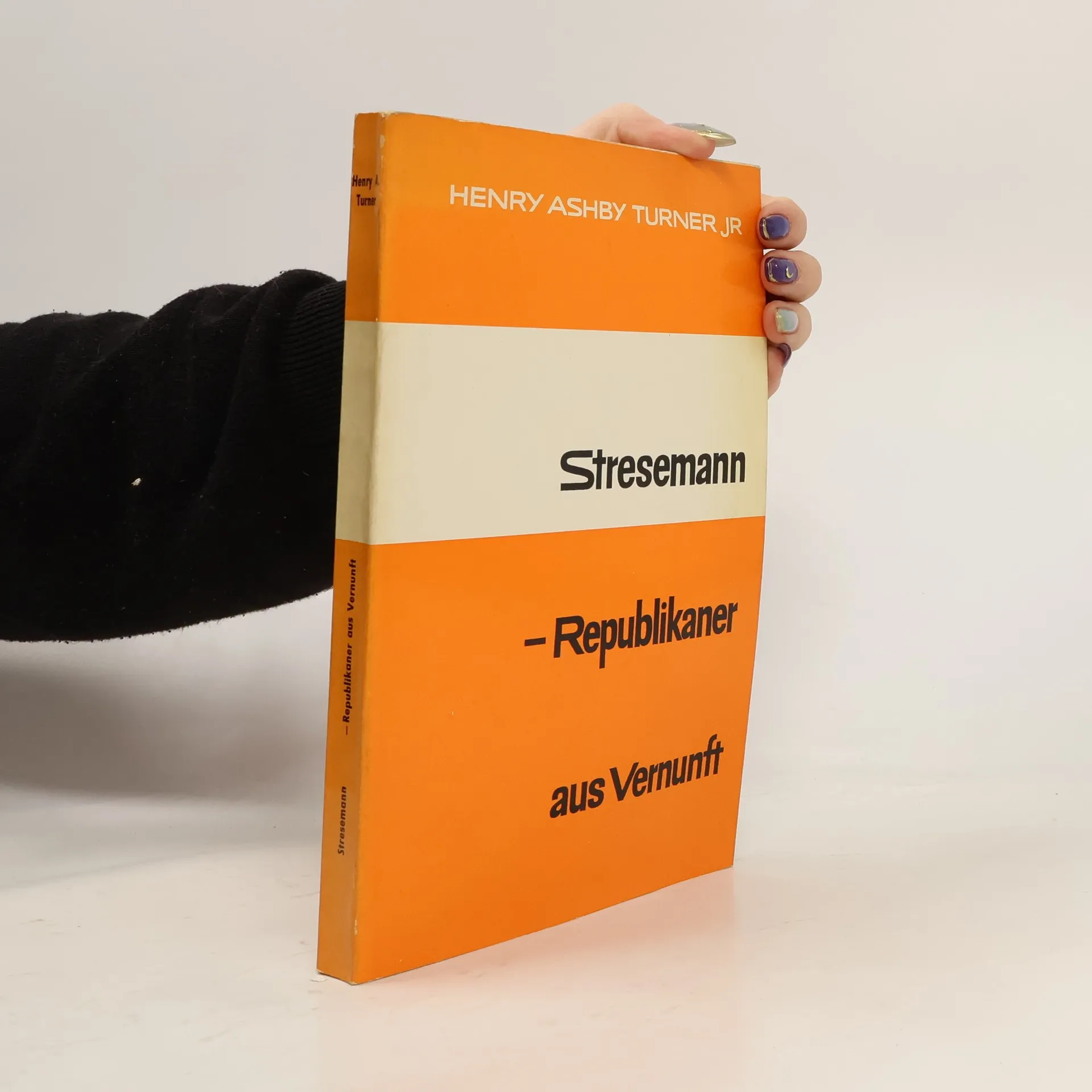
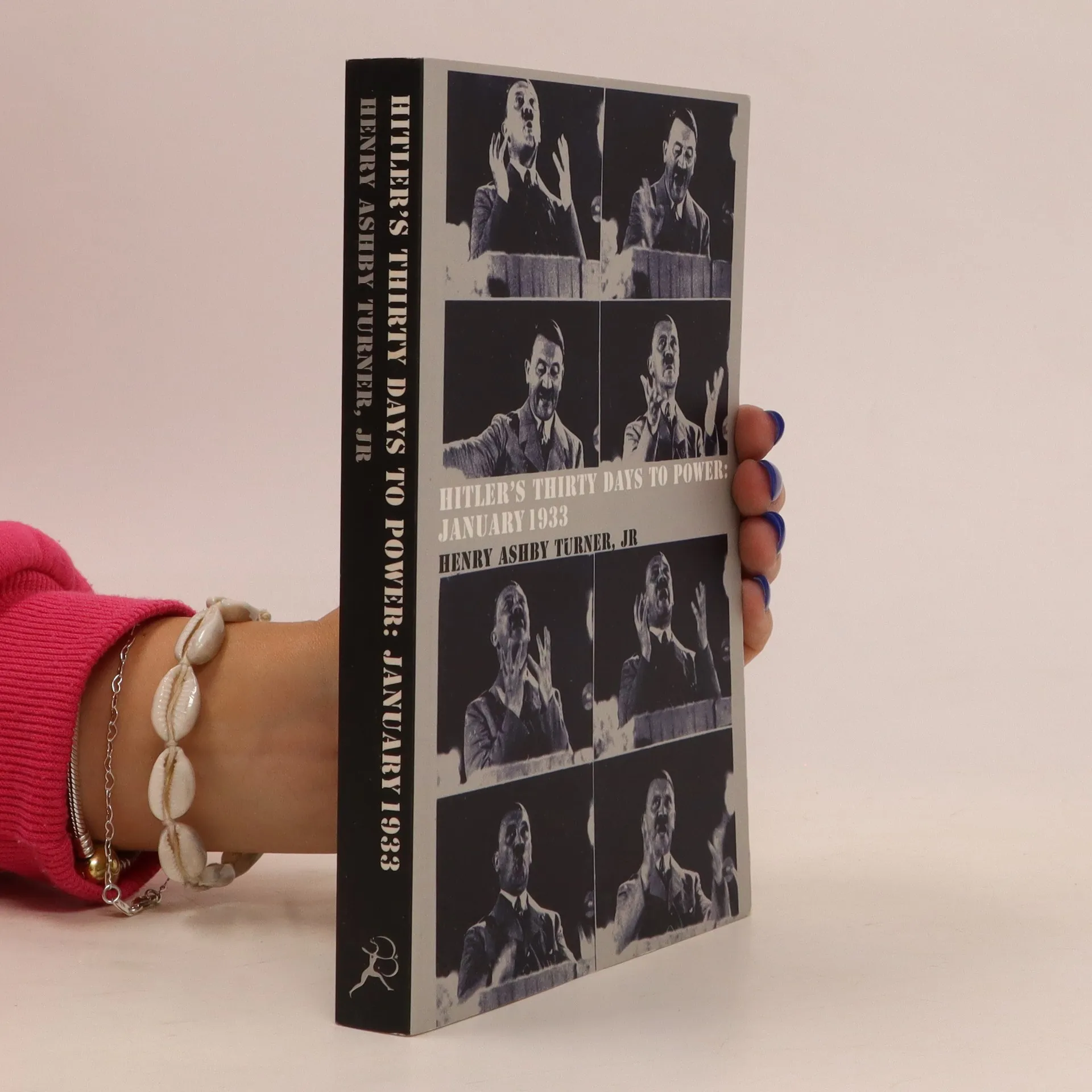
'A most valuable contribution to our undertsanding of one of the key events of the century. Professor Turner has provided by far the most detailed analysis yet of these events, and he eneables us to follow every twist and turn of the plot with admirable clarity. Above all he presents us with a shrewd and judicious assessment of the roles of the various characters involved and of their respnosibility for the catastrophic outcome' TLS 'Racy, but deeply serious…the story reads like a thriller, full of clandestine meetings and backstairs intrigue, in which a handful of individuals engaged in high politics, not impersonal forces, bring about the catastrophe' The Times
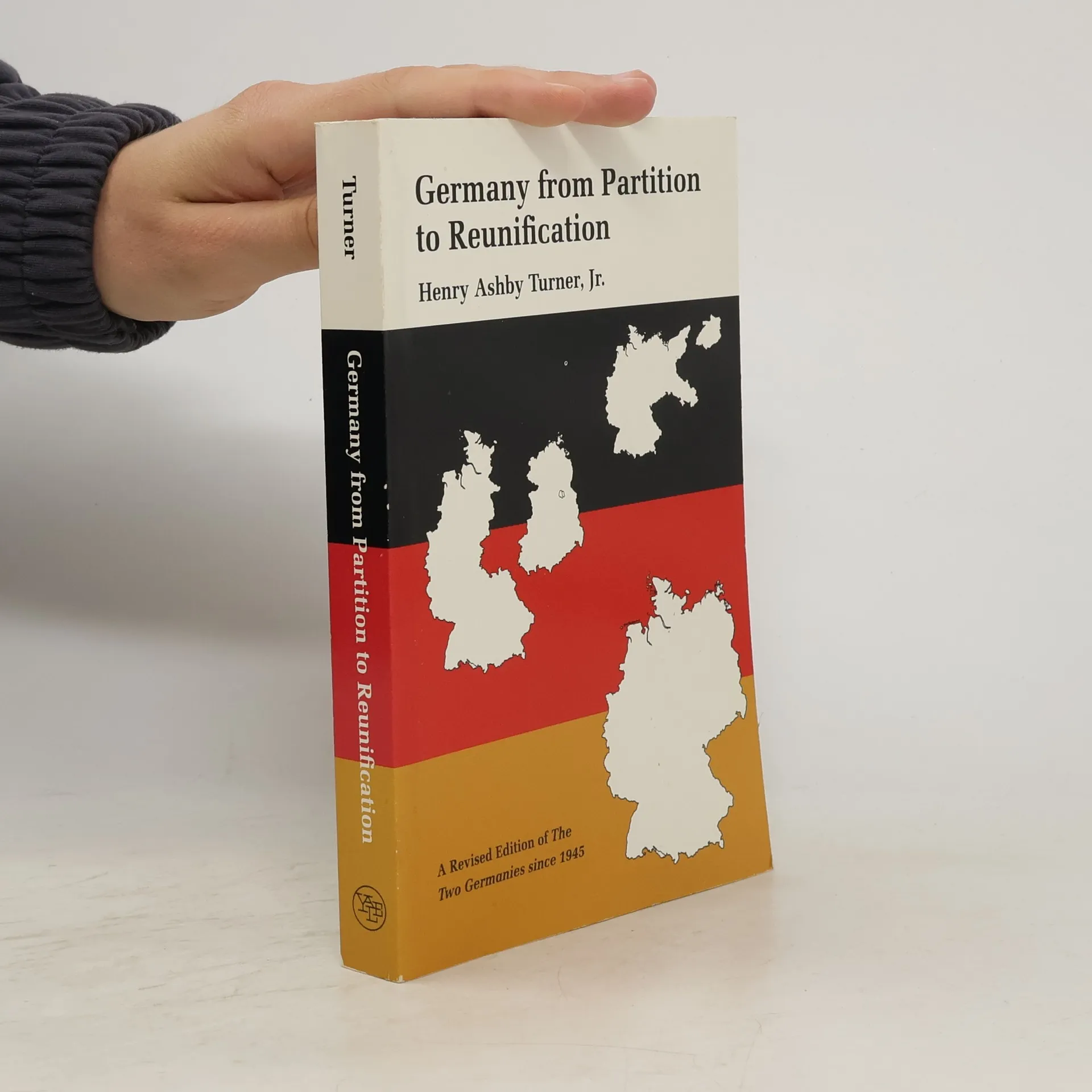
In this book, a prominent historian revises his comprehensive overview of Germany since 1945 to take into account the momentous events that swept away one of the German states and united the country under the constitution of the other. Reviews of The Two Germanies since 1945 "A well-organized, clearly written, and meaty book."―Gordon A. Craig, New York Review of Books "A basic, comprehensive text, valuable for an understanding of a central and changing aspect of European politics."―David P. Calleo, Foreign Affairs "A brief, balanced, and well-written history."―William E. Griffith, New York Times Book Review "A marvelously clear, concise, and judicious survey that will be very instructive for the general reader and extraordinarily useful for courses dealing with post-World War II Germany."―William Sheridan Allen, author of The Nazi Seizure of Power
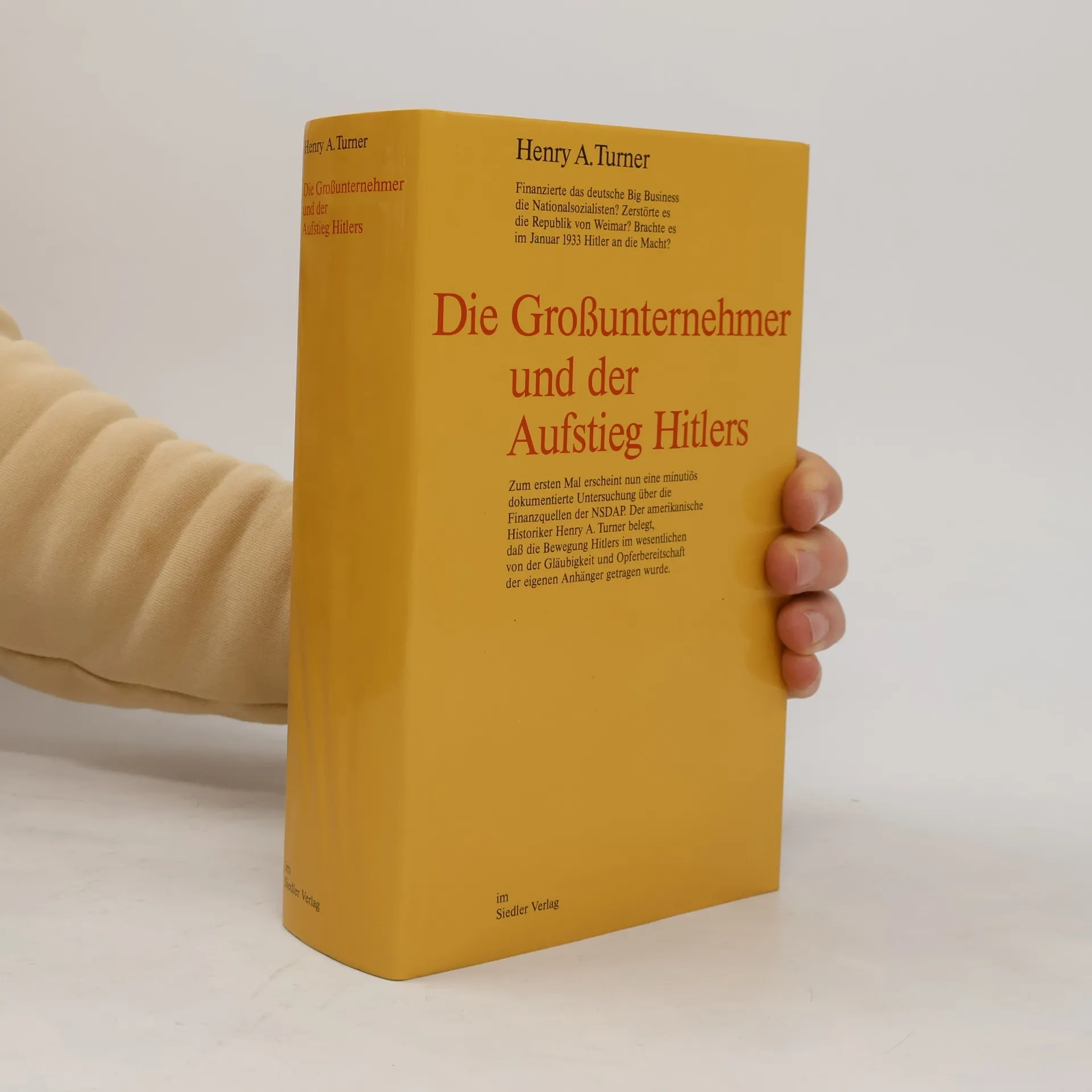
Did big business play a crucial role in Adolf Hitler's rise to power? For decades, it has been argued that German capitalists undermined the Weimar Republic, financed the Nazi Party, and influenced Hitler's appointment as Chancellor. This groundbreaking work reveals that the records illuminating this connection exist, challenging the belief that they were lost or destroyed. Henry Ashby Turner, Jr. presents evidence that, contrary to popular thought, big business did not, on balance, support Hitler's agenda, overturning conventional views on the origins of the Third Reich.
The book explores major corporate archives from Weimar and Nazi Germany, delving into the dynamics between corporations, politicians, and political parties. It begins by examining the heritage of German big business and its political role during the Weimar Republic, scrutinizing the Nazi leadership's attitudes toward economic issues. Turner traces the interactions between the Nazis and business leaders leading up to the Nazi triumph in 1933, employing documentation from both Nazi and business sources.
Additionally, the author systematically analyzes the financial contributions to the Nazi Party, providing insights into its sources of income. This volume serves as both a history of business and the Nazi era, offering a new perspective on Germany in the 1920s and 1930s while reflecting on the behavior and influence of 20th-century private corporations.
Opel gehörte von 1929 bis zum Zweiten Weltkrieg zu General Motors. Die amerikanischen Eigner und Aktienbesitzer verdienten also daran, daß Opel Nutzfahrzeuge und militärisches Gerät für den Krieg herstellte, die gegen die Alliierten eingesetzt wurden: Der „Opel Blitz” etwa war der Standard-LKW der deutschen Truppen. Und die in Rüsselsheim hergestellten Baukomponenten für Landminen und das Aufklärungsflugzeug JU88, laut Göring das „Rückgrat der Luftwaffe”, dürften so manchen amerikanischen Soldaten das Leben gekostet haben. Der renommierte NS-Forscher Henry Ashby Turner hat in den Archiven Erstaunliches zutage gefördert: Er berichtet von personalpolitischen Kabalen, entwirrt die Steuerungsprozesse zwischen General Motors und den NS-Behörden und stellt das System der Zwangsarbeit in den Rüsselsheimer Werkhallen dar.