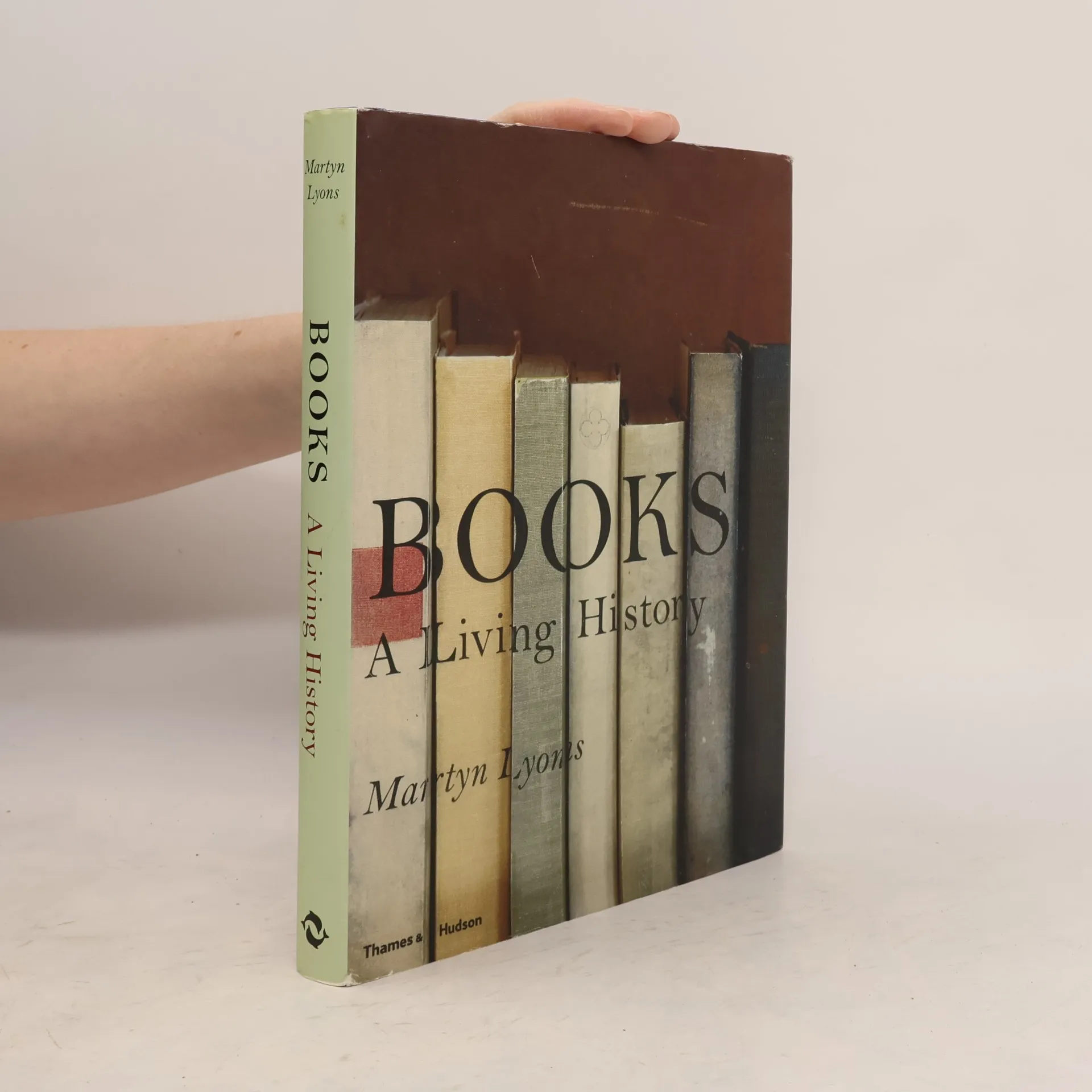
Martyn LyonsVolgorde van de boeken (chronologisch)
10 december 1946
Deze auteur duikt in de Franse revolutionaire en napoleontische geschiedenis, naast de geschiedenis van boeken, lezen en schrijven in Europa en Australië. Zijn werk richt zich op het onderzoeken van de schrijf praktijken van ongeletterde en semi-geletterde boeren in Frankrijk, Spanje en Italië aan het einde van de 19e en het begin van de 20e eeuw. Zijn stijl is informatief en analytisch, waarbij hij lezers onderdompelt in de complexiteit van historische ontwikkelingen en unieke inzichten biedt in culturele en sociale geschiedenissen. Zijn bijdragen verlichten de evolutie van geletterdheid en schriftelijke communicatie.
Focusing on the experiences of illiterate and semi-literate individuals, this book challenges the traditional binary view of literacy and illiteracy often held by historians. It highlights the struggles of those with limited reading and writing skills, shedding light on the vast population that exists between full literacy and complete illiteracy. By providing a historical perspective, it aims to debunk persistent myths about illiteracy, offering a revisionist take on its implications in modern society.
For more than 2,500 years, the book, in a wide range of forms, has been used to document, to educate and to entertain. This book explores the rich history of the book, one of the most efficient, influential and enduring technologies ever invented.
On 9 thermidor Year 2, Robespierre fell; on18 brumaire Year 8, a coup d'état brought Bonaparte to power. This book demonstrates that the interval between these two momentous events was also of crucial importance. Using the findings of recent research, it presents a balanced appraisal of the thermidorean and directorial regimes to the English student. For Jacobin sympathizers thermidor and the Directory represented the betrayal of the revolutionary idea; for Bonapartist propagandists it represented chaos and corruption, and the darker the Directory could be painted, the more Bonaparte's reputation would be flattered. Dr Lyons attempts to dispose of these myths. He stresses the Directory's successes as well as its failures, and emphasizes elements of continuity which link it both with the Jacobin regime and with the Consulate. The regime inherited a heavy burden of war, inflation and food shortages, yet it remained revolutionary in its Republicanism, its anticlericalism, and its desire to carry the fruits of the Revolution to the rest of Europe. At the same time it laid the foundations of financial stability and administrative efficiency on which Bonaparte was to build.