Jean Pierre ChangeuxVolgorde van de boeken (chronologisch)
Een Franse neurobioloog wiens werk een breed scala aan onderwerpen bestrijkt, van eiwitstructuur en -functie tot de ontwikkeling van het zenuwstelsel en cognitieve functies. Hij wordt erkend voor zijn bijdragen aan het begrip van allosterische eiwitten en voor de ontwikkeling van de theorie van epigenese door selectieve stabilisatie van synapsen. Voor het grote publiek staat hij bekend om zijn ideeën over de relatie tussen geest en brein. Zijn werk benadrukt de actieve aard van het zenuwstelsel en de selectie van interne representaties, in plaats van louter reacties op externe prikkels.
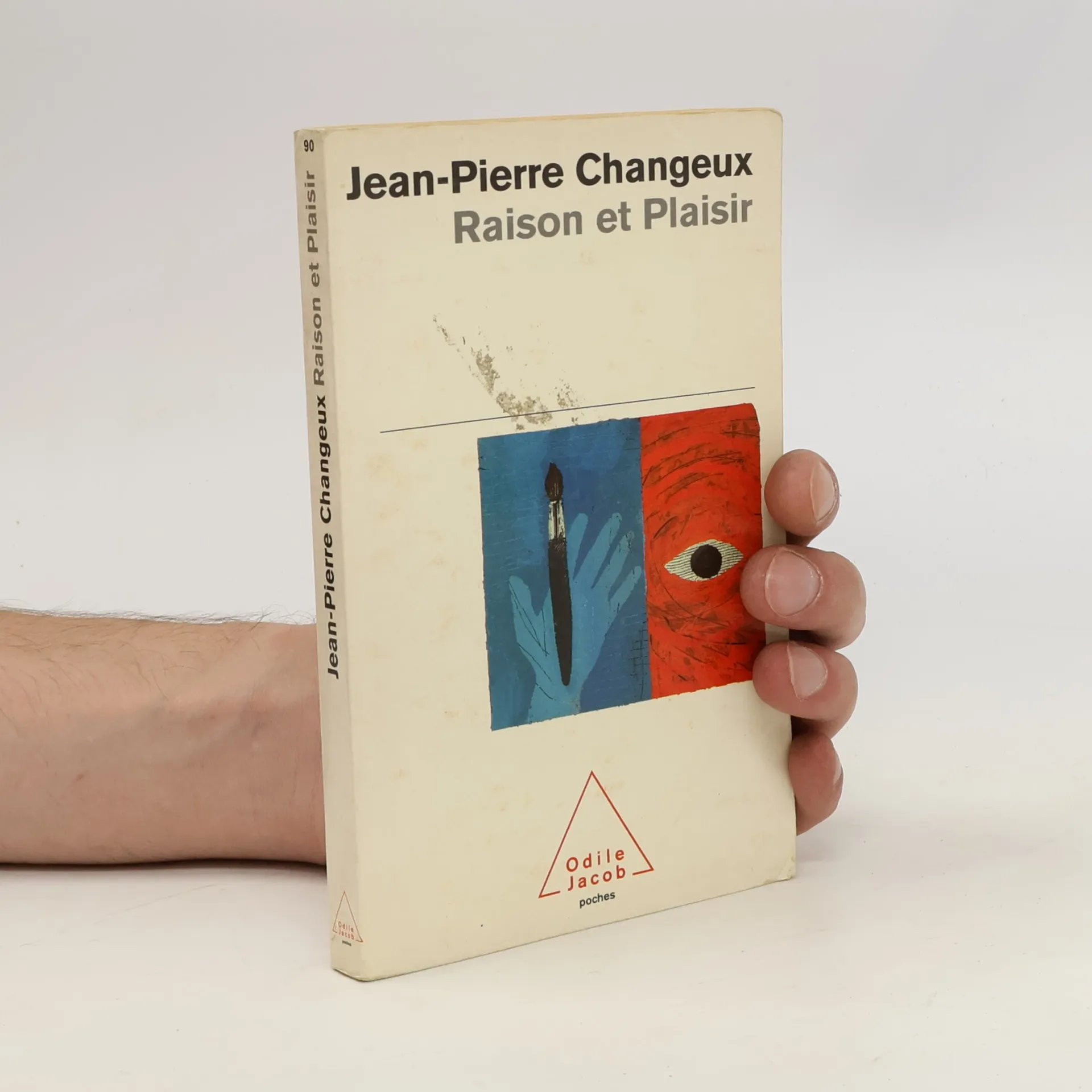
Que se passe-t-il dans le cerveau du peintre lorsqu'il crée ? Quels processus se mettent en place lorsque nous admirons une œuvre d'art ? D'où vient cette étrange et si puissante émotion : le plaisir esthétique ? Peut-on trouver la trace, dans nos cellules, des étincelles du génie ?
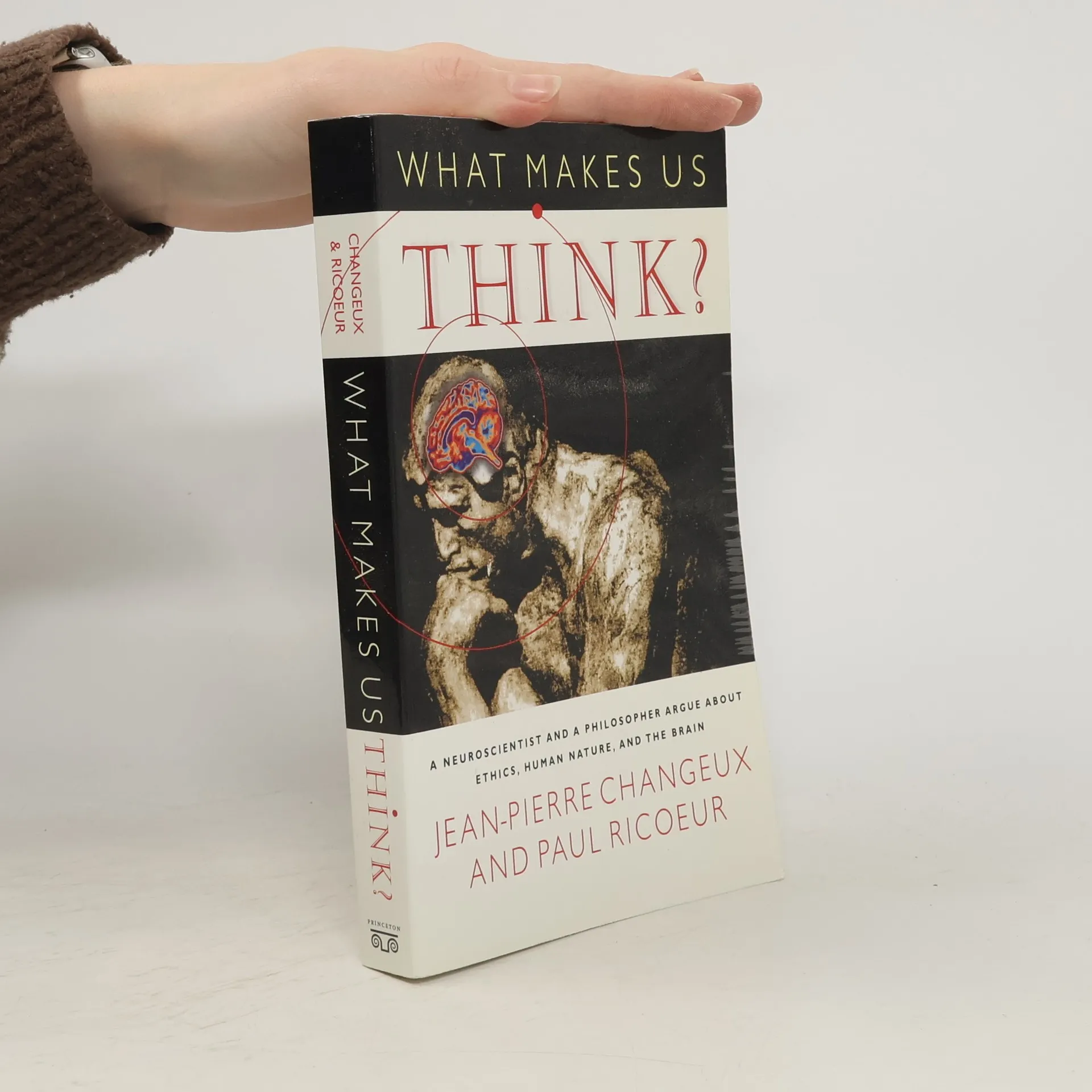
Will understanding our brains help us to know our minds? Or is there an unbridgeable distance between the work of neuroscience and the workings of human consciousness? This book explores the vexed territory between these divergent approaches - and comes to a deeper, more complex perspective on human nature.
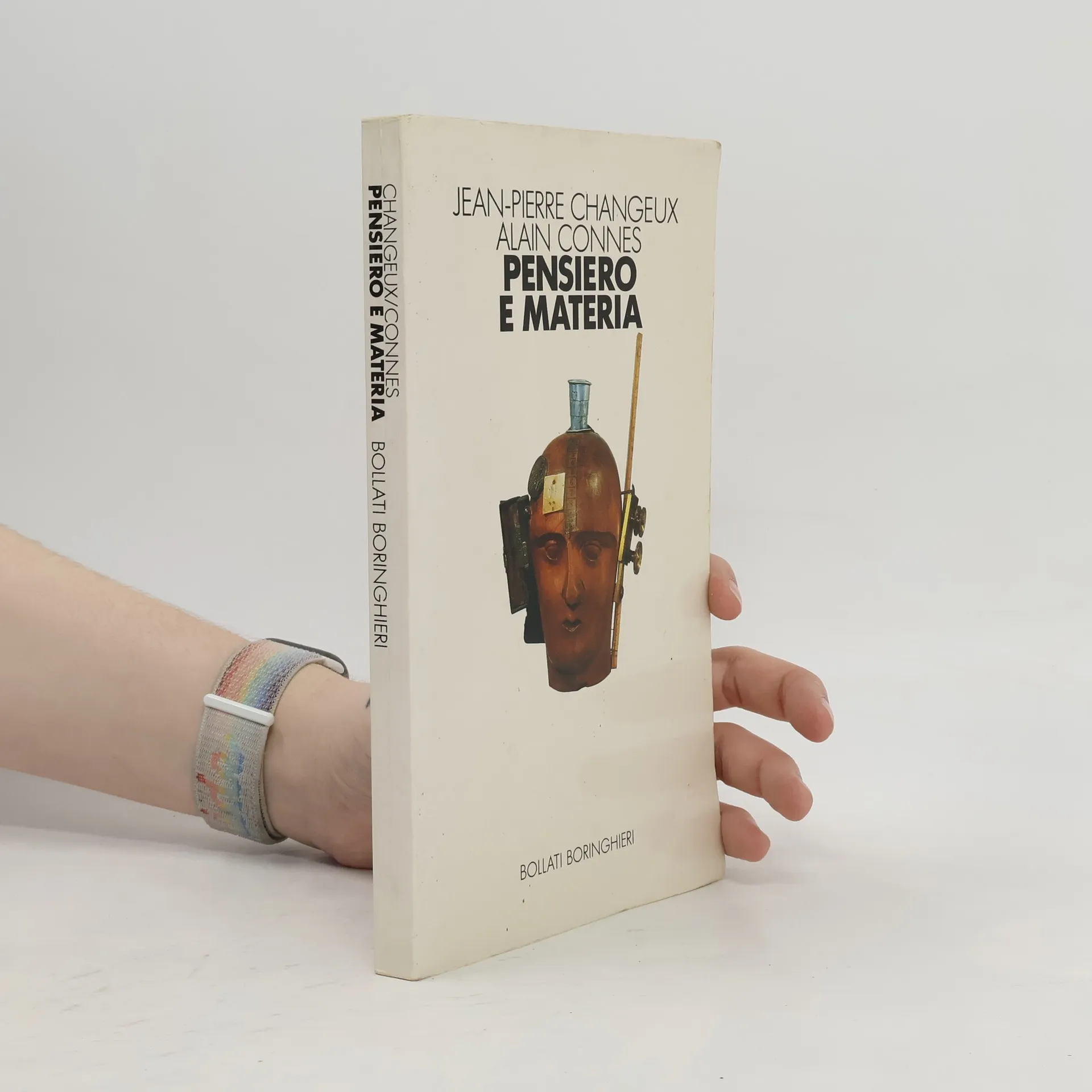
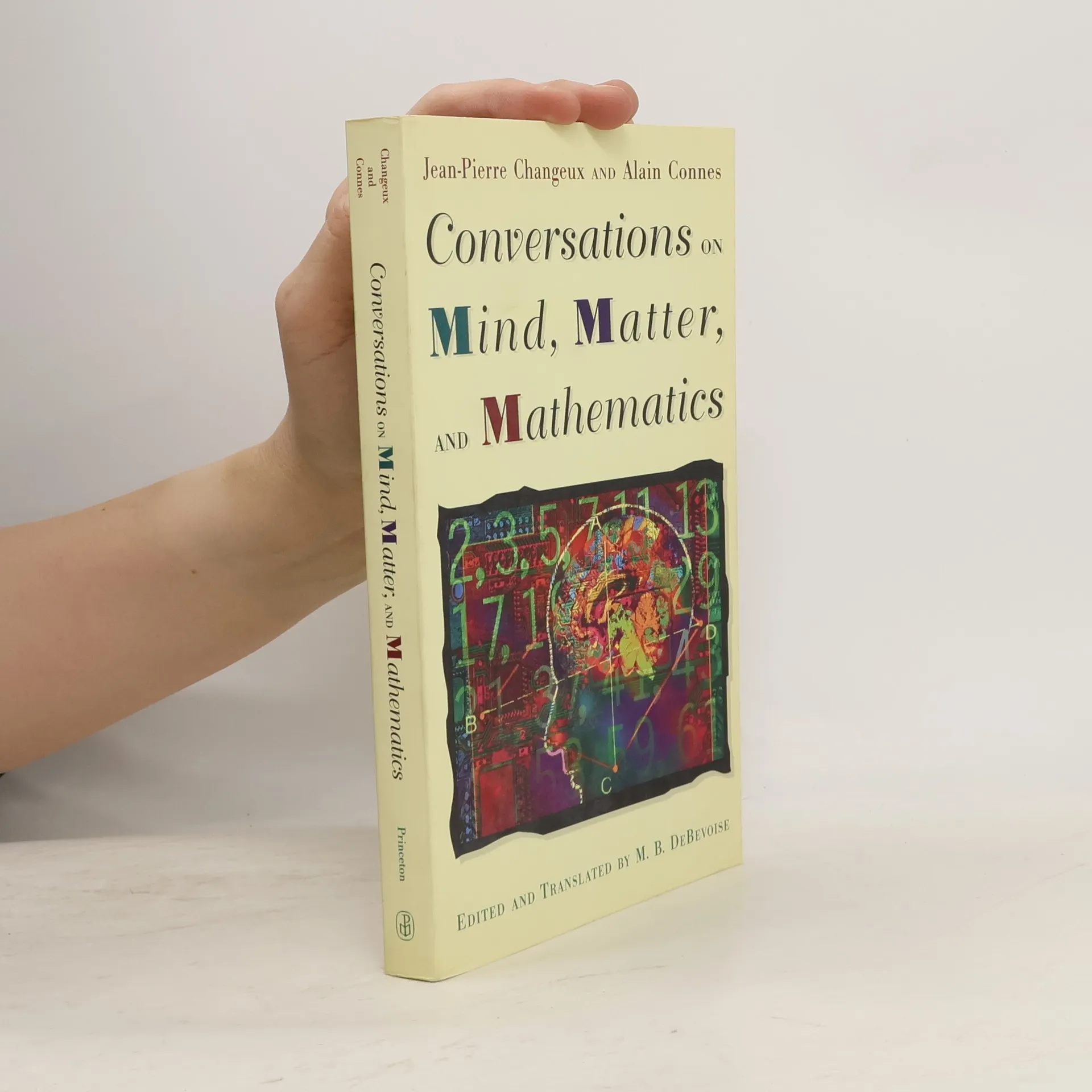
Do numbers and mathematical objects exist independently of human minds, or are they inventions of our cognition? Are they discovered, as Plato suggested, or constructed by us? Is mathematics a universal language capable of facilitating communication with extraterrestrial civilizations, or is it merely a product of human evolution? Do physical laws genuinely adhere to mathematical principles, or do they merely appear to do so because physicists have learned to interpret them mathematically? These fundamental questions create a divide between Jean-Pierre Changeux, a renowned neurobiologist, and Alain Connes, a prominent mathematician. Their discussions explore the implications of mathematical objects on brain organization and function, examining how brain development influences mathematical reasoning and intelligence. They also delve into ethical considerations, questioning the neural foundations of morality and its social expressions. This engaging dialogue reflects a profound disagreement while seeking mutual understanding, echoing the inquiries of Poincaré, Hadamard, and von Neumann about human experience and intellectual limits. Central to their exploration is the inquiry into why order exists in the world and why it is comprehensible to humanity.
L'auteur est professeur au Collège de France et à l'Institut Pasteur. Dans cet ouvrage de réflexion, destiné à un public non spécialisé, il fait ressortir les traits marquants de la recherche contemporaine dans les sciences du système nerveux. Il tente aussi de "jeter une passerelle sur le fossé qui sépare les sciences de l'homme des sciences du système nerveux".