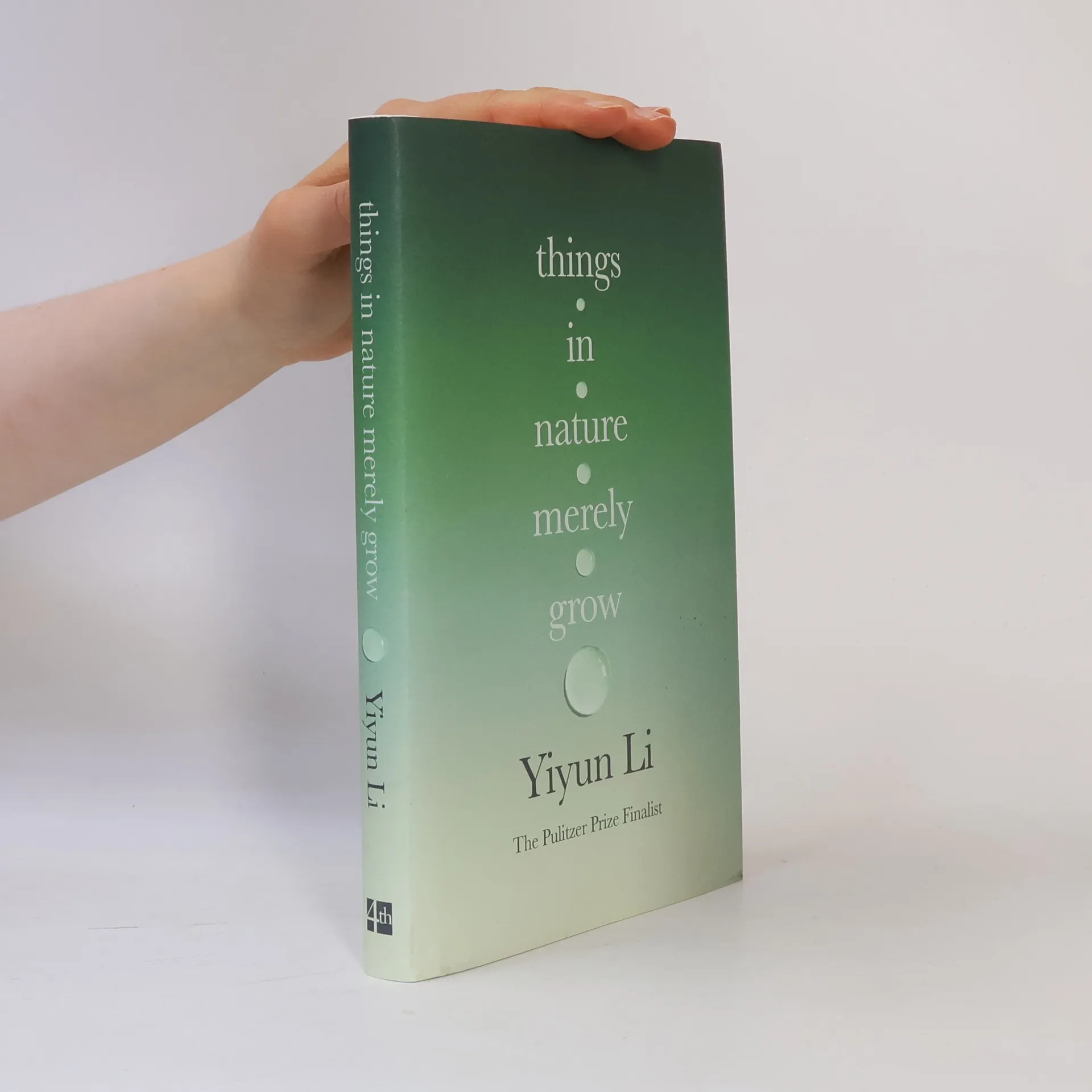
Things in Nature Merely Grow
- 192bladzijden
- 7 uur lezen


Yiyun Li's schrijven duikt in het ingewikkelde tapijt van de menselijke ervaring, waarbij ze thema's als ontworteling, herinnering en de zoektocht naar ergens thuishoren met diepe emotionele diepte verkent. Haar proza wordt gekenmerkt door zijn stille kracht en nauwgezette observatie, waardoor lezers worden ondergedompeld in het innerlijke leven van haar personages. Li navigeert meesterlijk door de complexiteit van culturele identiteit en de blijvende impact van het verleden op het heden. Haar werk biedt een aangrijpend en inzichtelijk perspectief op de universele worstelingen met verbinding en begrip.


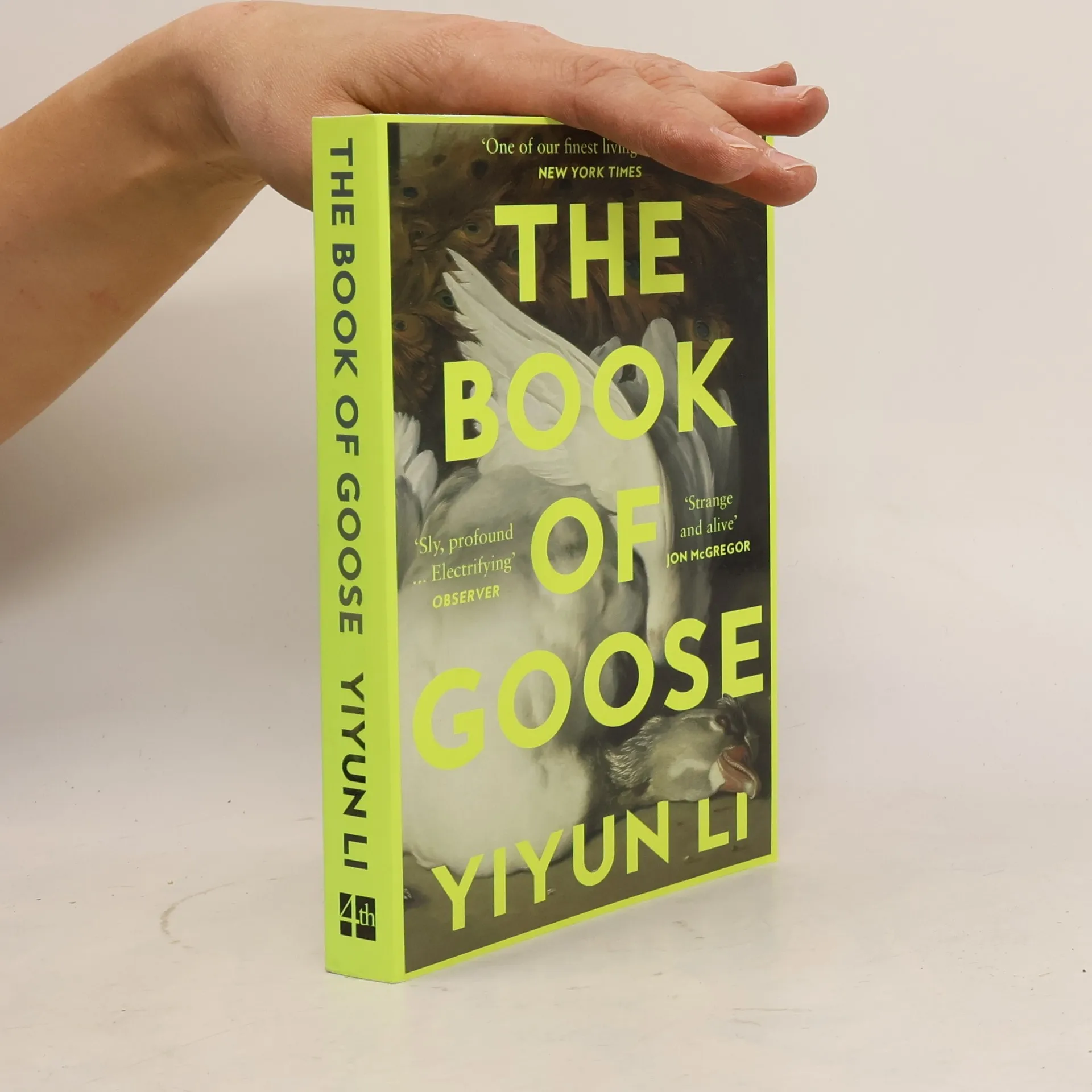
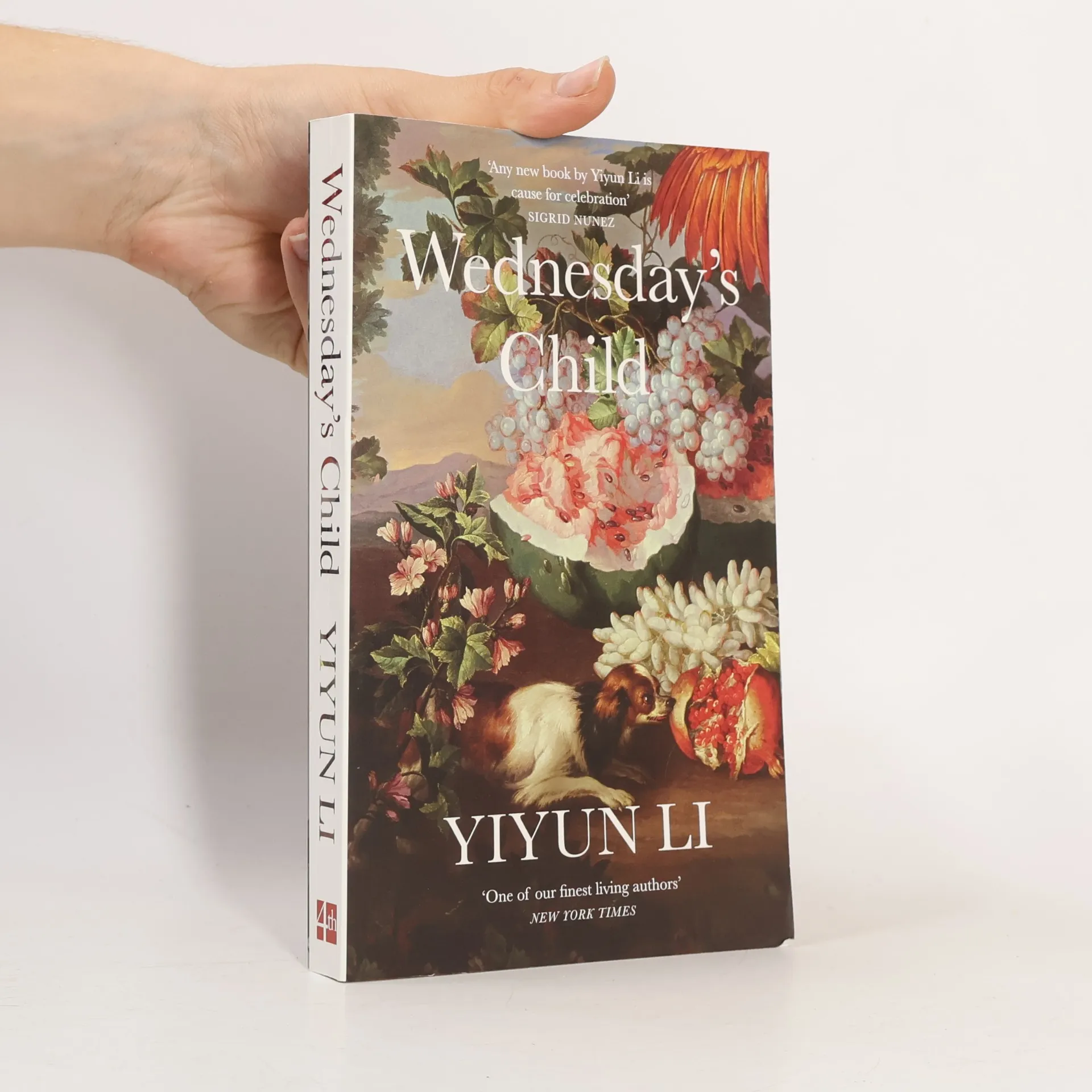
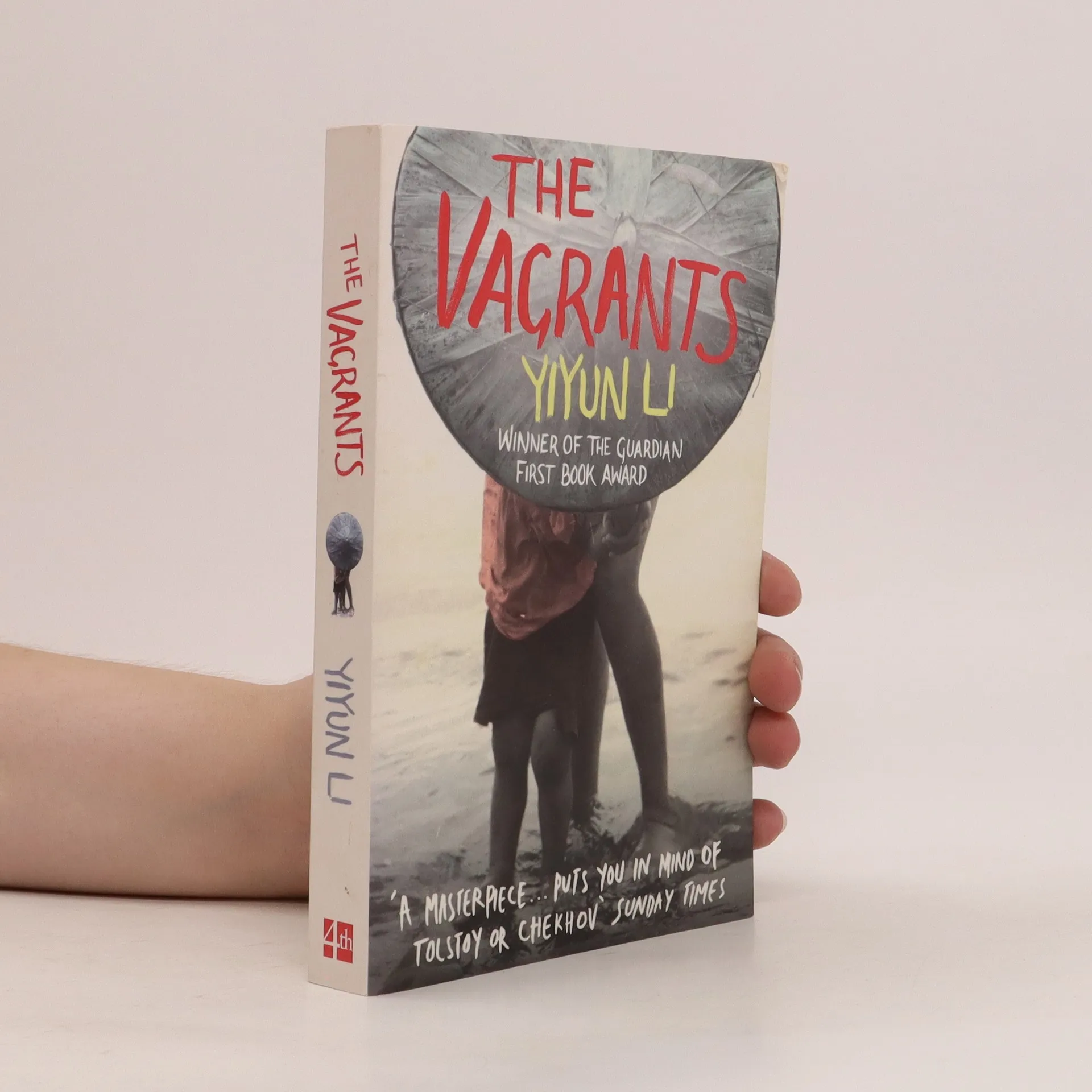
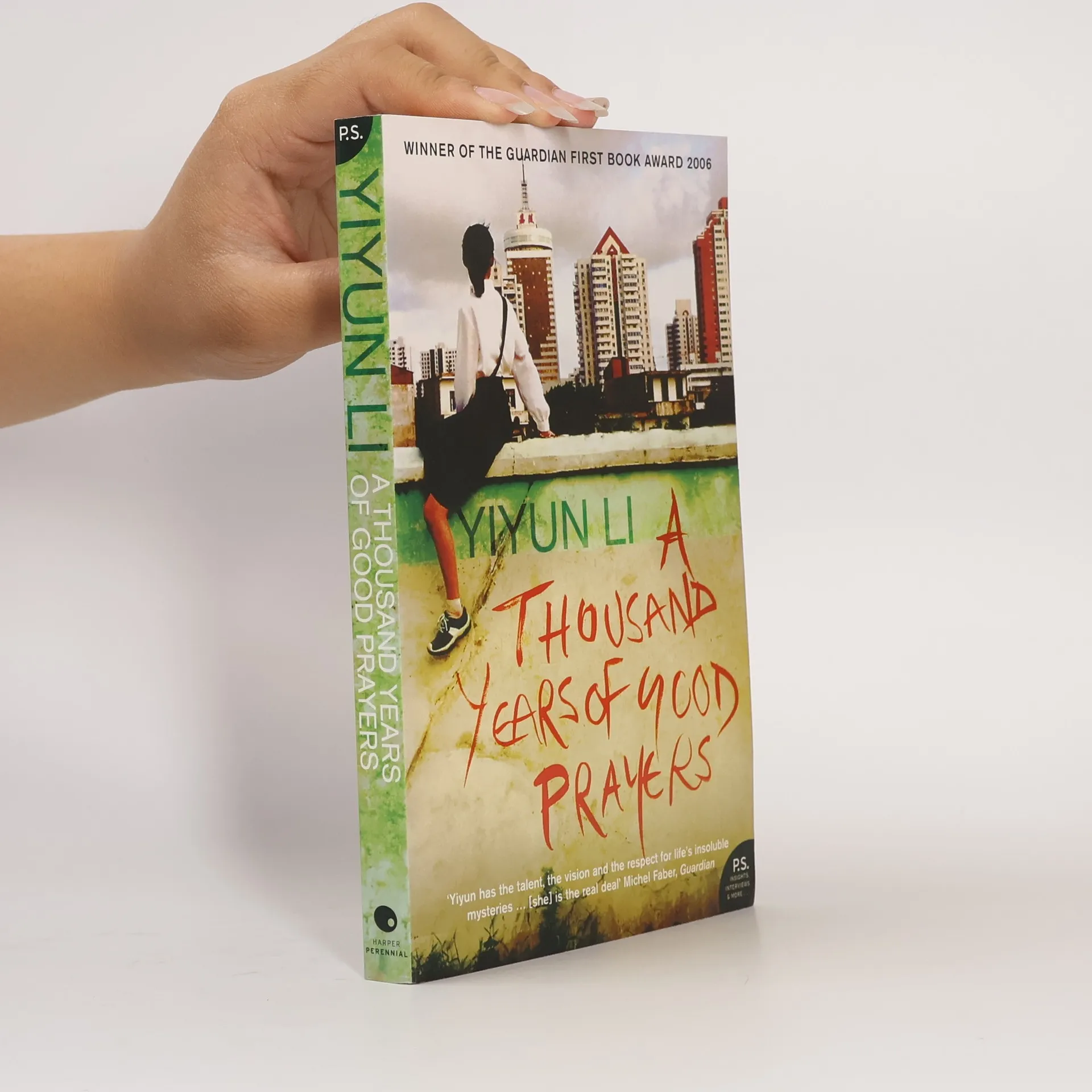
'One of our major novelists' Salman Rushdie'One of our finest living authors' New York TimesA dazzling new collection of short stories, spanning 15 years of writing, from Yiyun Li, the prize-winning author of The Book of Goose and Where Reasons End
'One of our finest living authors ... propulsively entertaining' New York Times 'Sly, profound ... Electrifying' Observer 'Wonderfully strange and alive' Jon McGregor
Lilia Liska is eighty-one. She has shrewdly outlived three husbands, raised five children and seen the birth of seventeen grandchildren. Now she has turned her keen attention to a strange little book published by a vanity press- the diary of a long-forgotten man named Roland Bouley, with whom she once had a fleeting affair. Drawn into an obsession over this fragment of intimate history, Lilia begins to annotate the diary with her own, rather different version of events. Gradually she undercuts Roland's charming but arrogant voice with her sharply incisive and deeply moving commentary. She reveals to us the surprising, long-held secrets of her own life. And she returns inexorably to her daughter, Lucy, who took her own life at the age of twenty-seven. How does the past shape the future? How do we live in the face of the unanswerable? Must I Go considers these questions underlying an extraordinary life, exploring both the painfully finite nature of human life and the infinite depths of human beings.
'Days- the easiest possession. The days he had refused would come, one at a time. They would wait, every daybreak, with their boundless patience and indifference, seeing if they could turn me into an ally or an enemy to myself.' A woman's teenage son takes his own life. It is incomprehensible. The woman is a writer, and so she attempts to comprehend her grief in the space she knows best- on the page, as an imagined conversation with the child she has lost. He is as sharp and funny and serious in death as he was in life, and he will speak back to her, unable to offer explanation or solace, but not yet, not quite, gone. Taking the form of a dialogue between mother and son, Where Reasons End is an extraordinary portrait of parenthood, in all its painful contradictions of joy, humour and sorrow, and of what it is to lose a child.
Yiyun Li's searing personal story of hospitalizations for depression and thoughts of suicide is interlaced with reflections on the solace and affirmations of life and personhood that Li found in reading the journals, diaries, and fiction of other writers. From William Trevor and Katherine Mansfield to Kierkegaard and Larkin, Yiyun Li traces the themes that have preoccupied these writers and herself: time and transformation, presence and absence, the impulse to abandon life and the impulse to carry on. Drawing on personal experiences - her unstable mother, her time in the Chinese army - she constructs a beautiful, interior exploration of selfhood and what is required to choose life.
Late one June afternoon, seven months after my wedding, I woke from a short, deep sleep, in love with my husband. Whether describing the tensions of an arranged marriage, the trauma of having an alcoholic mother, or the petty corruption of an Indian neighbourhood, Akhil Sharma's stories always expose the cultural collisions - the paradoxes, ironies, and harmonies - that characterise modern life. What does it mean to be foreign? And can you find a home in exile? In these elegant, unsparing and unusually intimate stories - five of which were first published in the New Yorker - the Folio Prize-winning author explores these questions with disarming honesty. Marrying the minimalism of Chekhov and Carver with an unparalleled flair for dark comedy, A Life of Adventure and Delight is a book of wisdom, wonder and poignant reflection from a writer courageous enough to explore the darkening margins of the psyche.
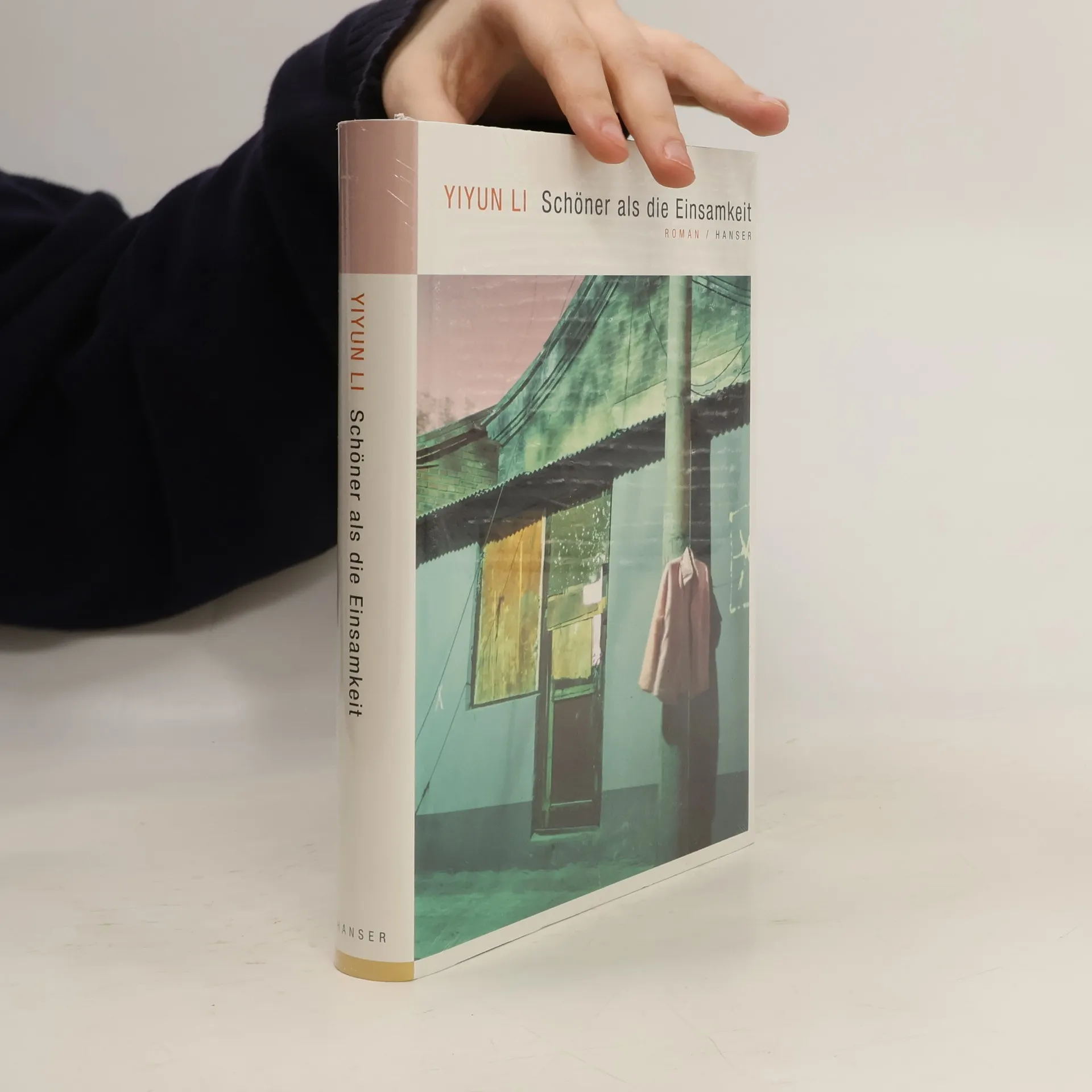
Peking, Ende der achtziger Jahre: Drei ungleiche Freunde wachsen im gleichen Häuserblock auf. Ruyu, ein streng katholisch erzogenes Waisenmädchen aus der Provinz, und die wohlhabenden, aber vernachlässigten Boyang und Moran. Doch als eine weitere Freundin, Shaoai, vergiftet wird und ins Koma fällt, geht ihre Freundschaft auseinander. Shaoai hatte mit dem Tiananmen-Aufstand sympathisiert, der Vorfall wird nicht geklärt. Boyang macht danach im modernen China als Geschäftsmann Karriere und bleibt doch ähnlich heimatlos wie Ruyu und Moran nach ihrer Emigration in die USA. Als nach zwanzig Jahren die Nachricht vom Tod Shaoais kommt, holt sie alle die verdrängte Vergangenheit wieder ein.
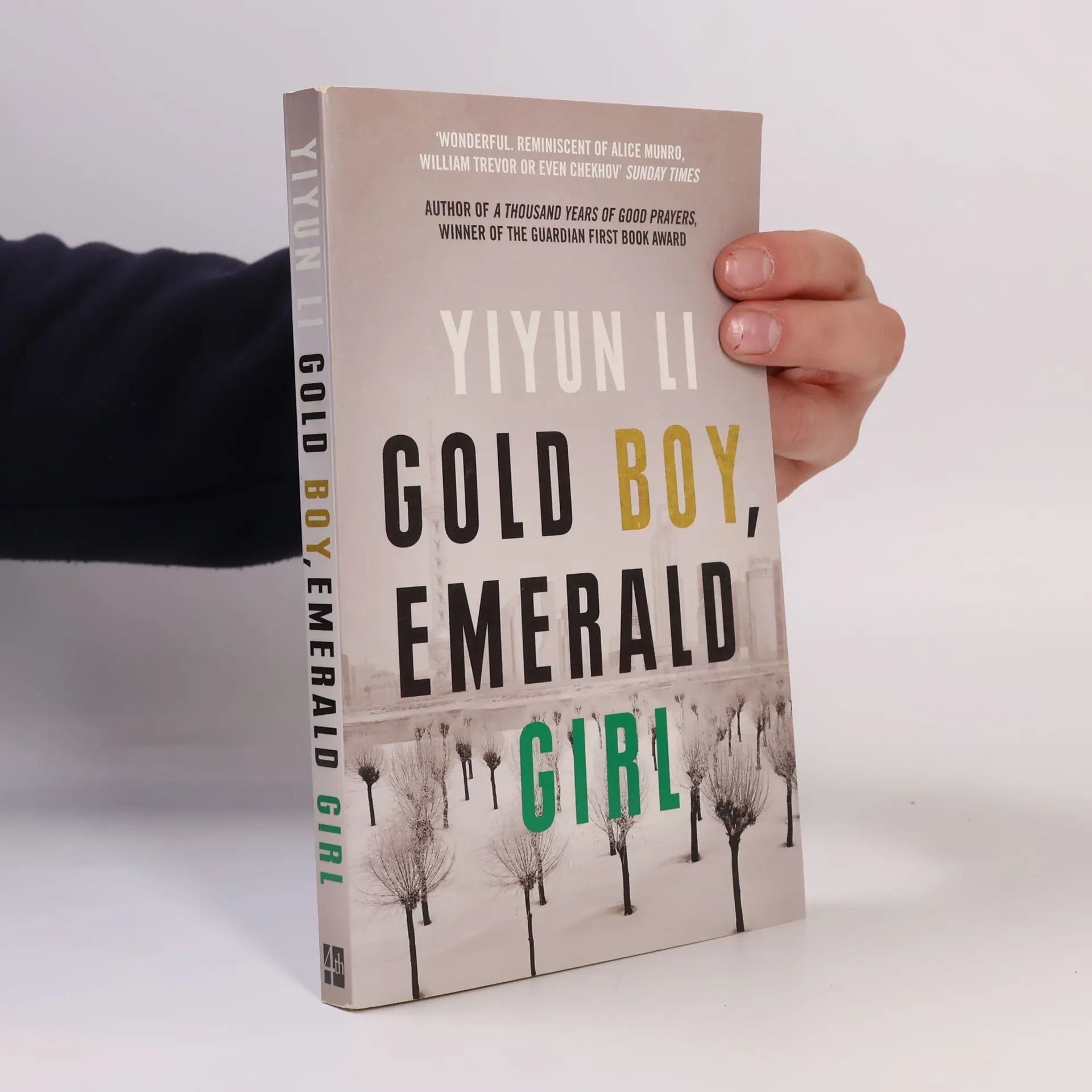
In the title story, a professor introduces her middle-aged son to a favorite student, unaware of the student’s true affections. In “A Man Like Him,” a lifelong bachelor finds kinship with a man wrongly accused of an indiscretion. In “The Proprietress,” a reporter from Shanghai travels to a small town to write an article about the local prison, only to discover a far more intriguing story involving a shopkeeper who offers refuge to the wives and children of inmates. In “House Fire,” a young man who suspects his father of sleeping with the young man’s wife seeks the help of a detective agency run by a group of feisty old women.
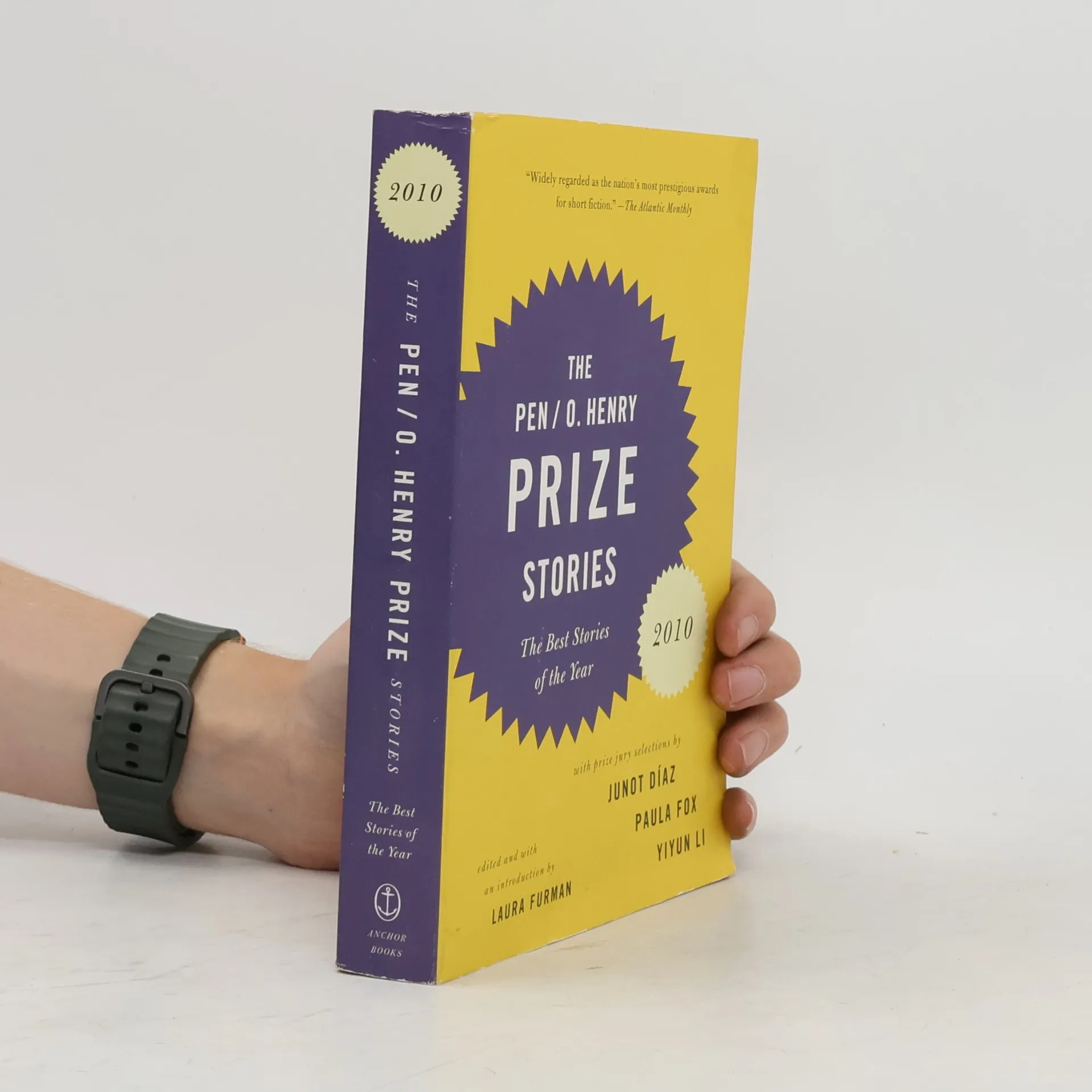
A collection of the twenty best contemporary short stories selected by series editor Laura Furman from hundreds of literary magazines, The PEN/O. Henry Prize Stories 2010 brings to life a dazzling array of subjects: a street orphan in Malaysia, a cowboy and his teenage bride, a Russian nanny in Manhattan, a nineteenth-century Nigerian widow, and political prisoners on a Greek island. Also included are essays from the eminent jurors on their favorite stories, observations from the winners on what inspired them, and an extensive resource list of magazines.
In the provincial town of Muddy Waters in China, a young woman named Gu Shan is sentenced to death for her loss of faith in Communism. She is twenty-eight years old and has already spent ten years in prison. The citizens stage a protest after her death and, over the following six weeks, the town goes through uncertainty, hope and fear until eventually the rebellion is brutally suppressed. They are all taken on a painful journey, from one young woman's death to another. We follow the pain of Gu Shan's parents, the hope and fear of the leaders of the protest and their families. Even those who seem unconnected to the tragedy - an eleven-year-old boy seeking fame and glory, a nineteen-year-old village idiot in love with a young and deformed girl, an old couple making a living by scavenging the town's garbage cans - are caught up in a remorseless turn of events. Yiyun Li's novel is based on the true story which took place in China in 1979.
Brilliant and original, `A Thousand Years of Good Prayers' introduces a remarkable first collection of stories about China from an author set to become a major literary talent.