Bookbot

Umberto Eco

    5 januari 1932 – 19 februari 2016

    Umberto Eco's briljante fictie staat bekend om zijn speelse gebruik van taal en symbolen, zijn verbazingwekkende reeks allusies en verwijzingen, en slimme inzet van raadsels en narratieve vondsten. Zijn scherpzinnige essays over moderne cultuur zijn doordrenkt met een heerlijk gevoel voor humor en ironie. Zijn ideeën over semiotiek, interpretatie en esthetiek hebben hem gevestigd als een van de meest vooraanstaande denkers in de academische wereld.

    Umberto Eco
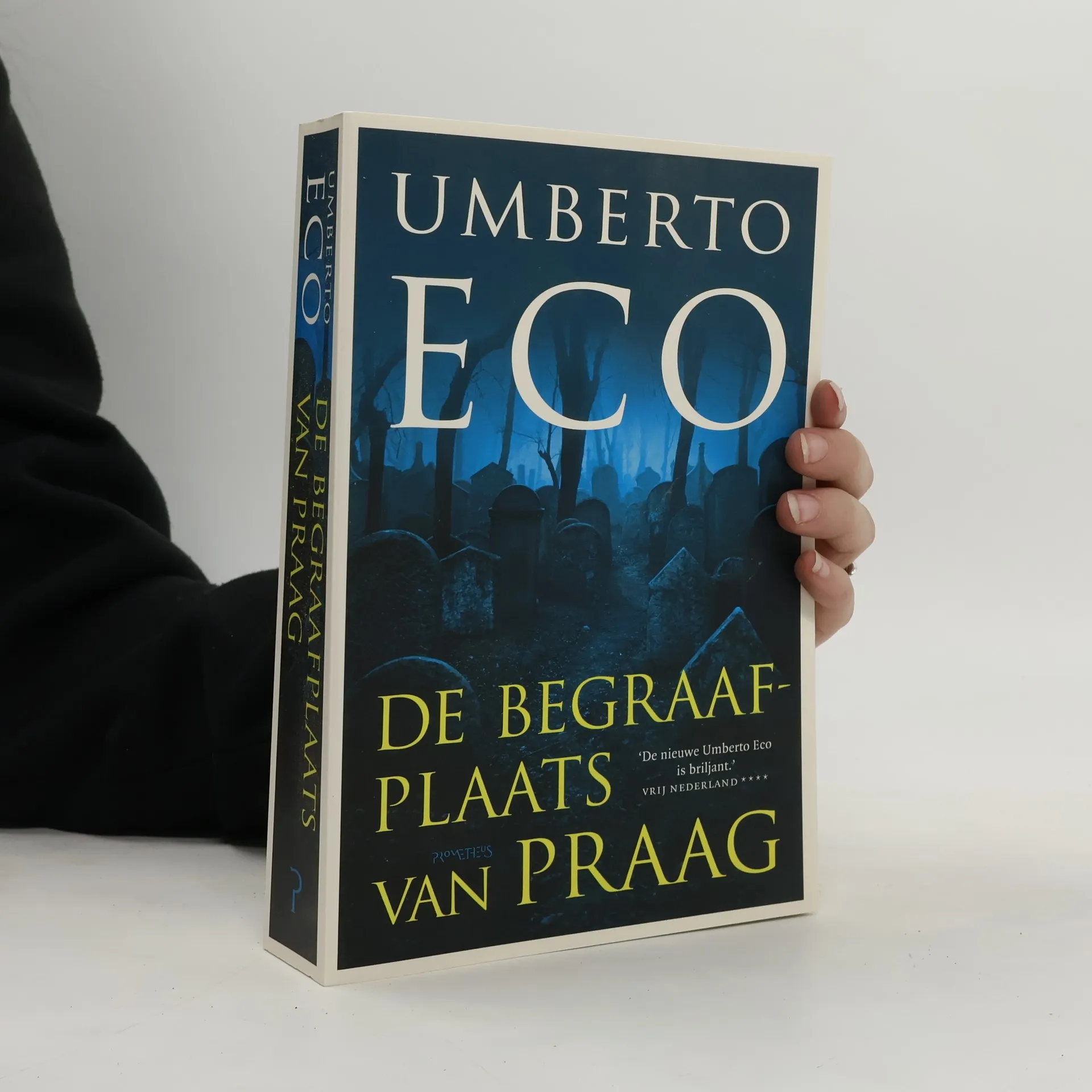
    De begraafplaats van Praag
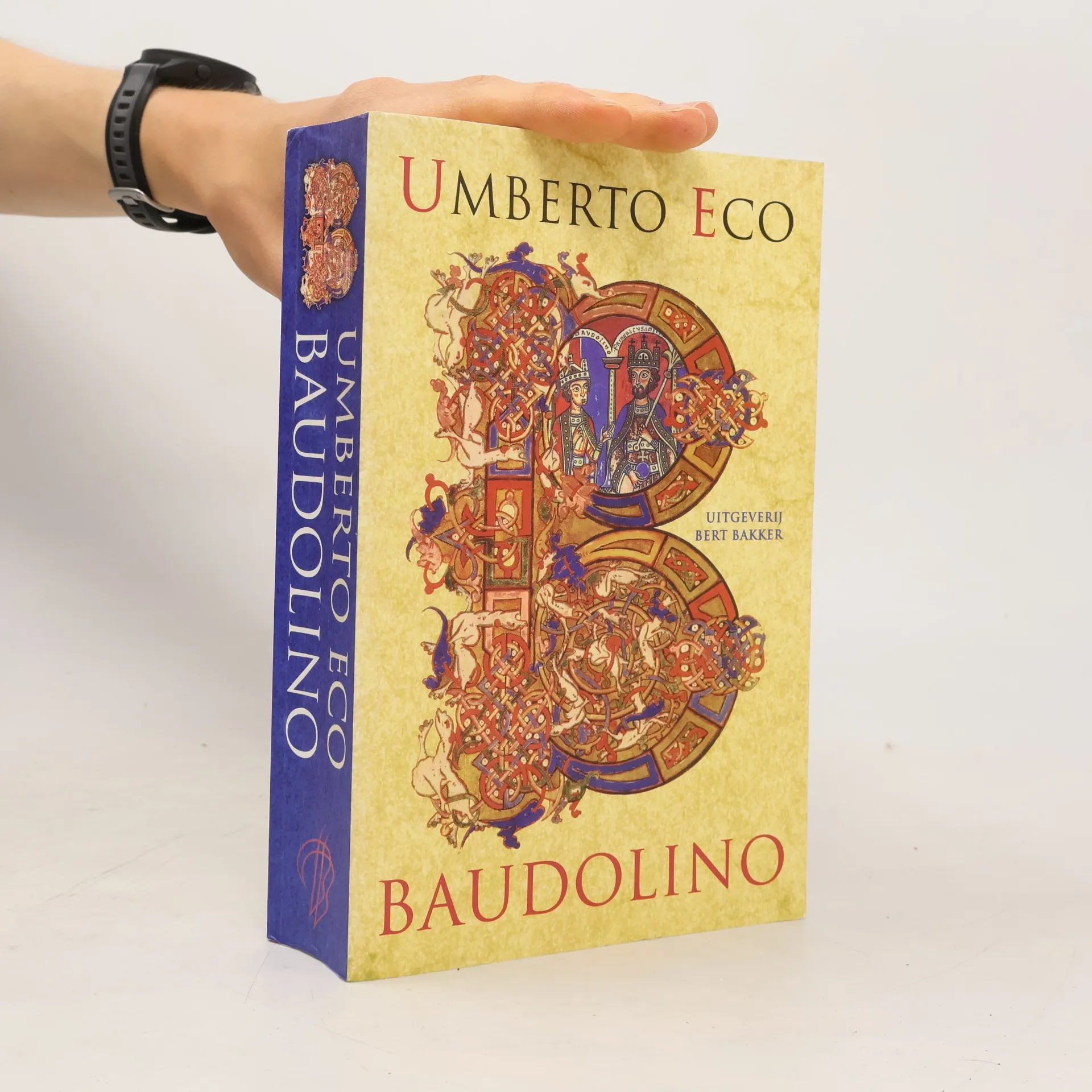
    Baudolino
    De slinger van Foucault
    De geschiedenis van de schoonheid
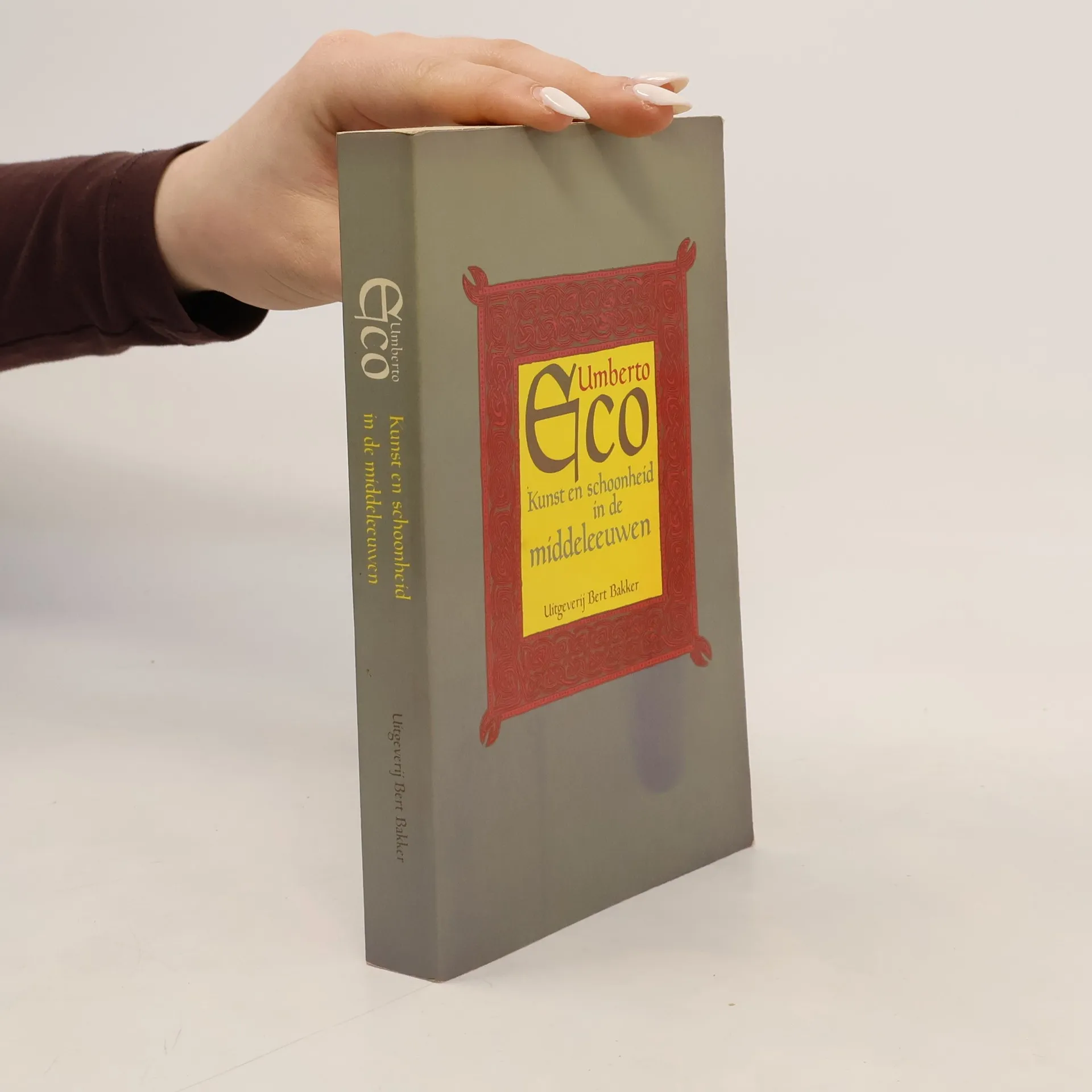
    Kunst en Schoonheid in de Middeleeuwen
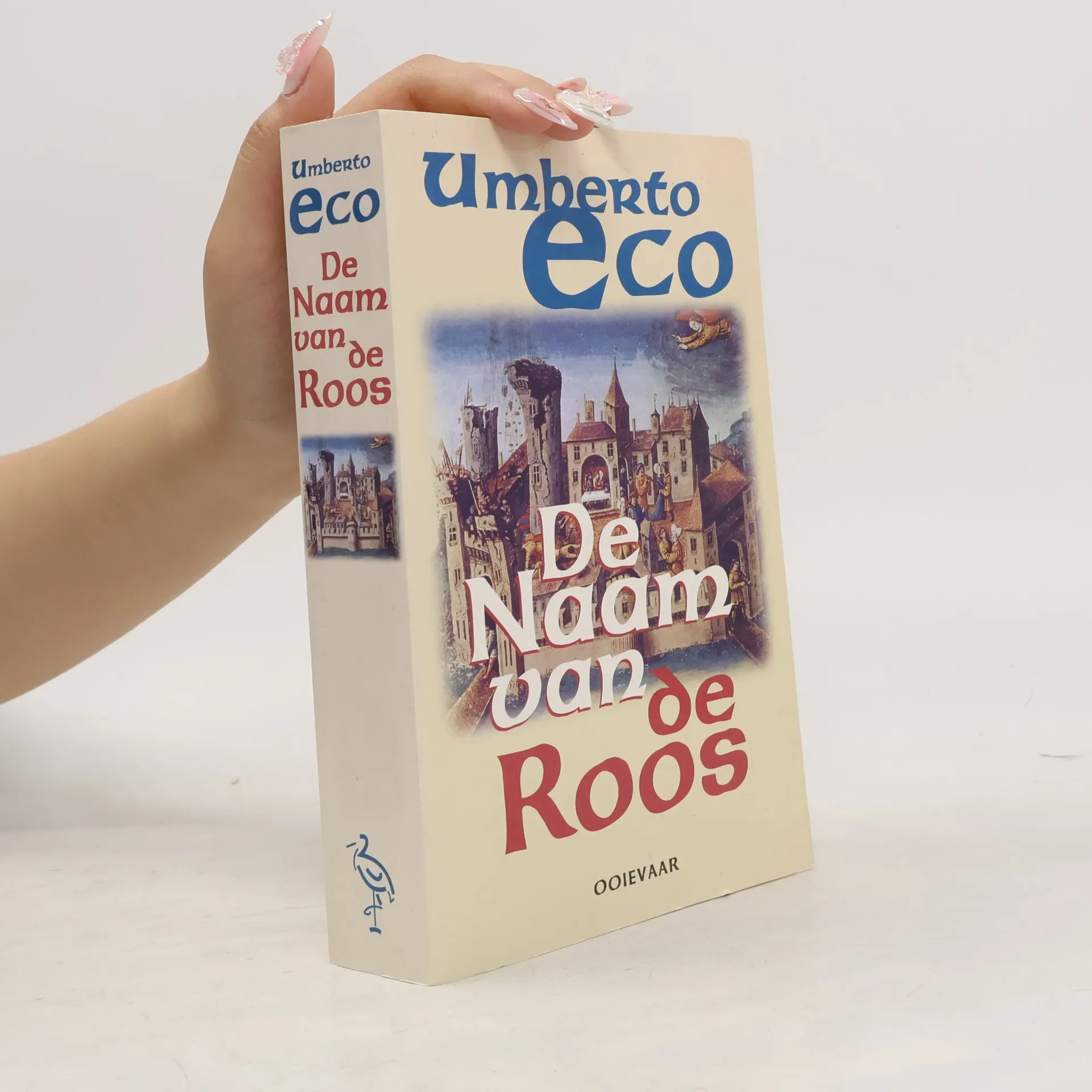
    De naam van de roos
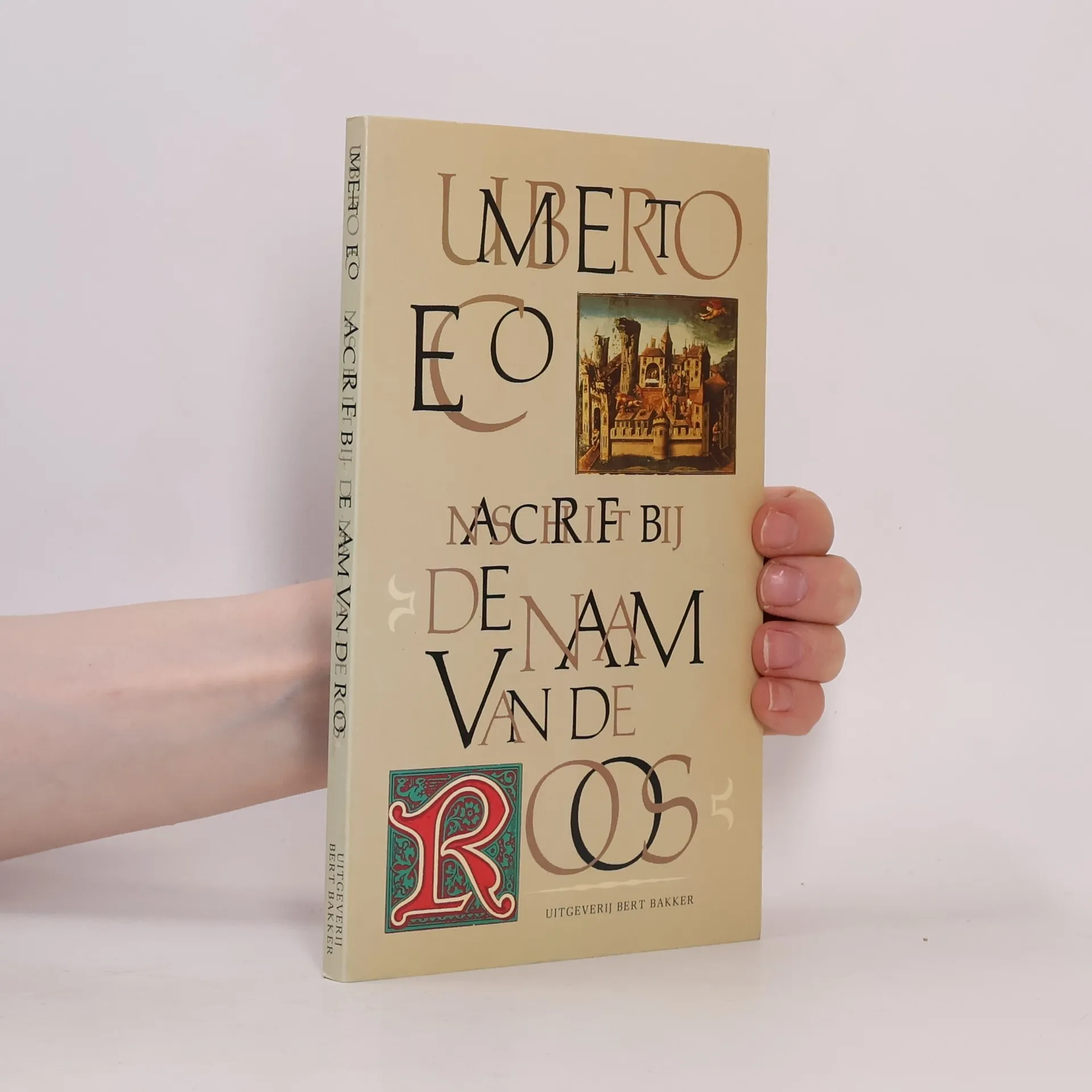
    • De naam van de roos

      • 535bladzijden
      • 19 uur lezen

      Het is de laatste week van november 1327 in een welvarende abdij in het noorden van Italië. Broeder William van Baskerville, een geleerde franciscaner monnik uit Engeland, komt als speciaal gezant van de keizer met een delicate diplomatieke opdracht naar Italië. Hij moet een ontmoeting organiseren tussen de van ketterij verdachte franciscanen en afgevaardigden van de paus. Al spoedig ontwikkelt zijn verblijf in de abdij zich echter tot een tijd vol apocalyptische verschrikkingen: zeven dagen en nachten zijn William en zijn metgezel Adson getuige van de wonderbaarlijkste en voor een abdij hoogst zonderlinge gebeurtenissen. Er worden zeven geheimzinnige misdaden gepleegd, die de muren van de ontoegankelijke, labyrintvormige bibliotheek met bloed besmeuren. Angstige geruchten gaan door de abdij; niet alleen de abt heeft iets te verbergen, overal worden sporen uitgewist. William, een voormalig inquisiteur, wordt door de onderzoekskoorts bevangen. De ontmaskering van de moordenaar gaat hem veel meer in beslag nemen dan de strijd tussen de keizer en de paus. Hij verzamelt aanwijzigingen en ontcijfert manuscripten in geheimtaal. Steeds dieper dringt hij door tot de geheimen van de abdij.

      De naam van de roos
      4,2
    • Wat Eco met dit werk wil aantonen is, dat de middeleeuwer wel degelijk gevoel had voor zintuiglijk waarneembare schoonheid en dat hij daar vreugde aan beleefde. Hij had er zelfs hoogst originele theorieen over. Eco bewijst dat de veroordeling van schoonheid door sommigen juist impliceert dat zij het bestaan ervan erkenden. Zij billijkten alleen het genieten ervan niet, omdat dat afleidde van God. Voor anderen refereerde schoonheid juist direct aan God, in kleuren, proporties, glans of vorm. Eco citeert uitvoerig en veronderstelt een grote achtergrondkennis op allerlei terreinen bij de lezer aanwezig. Dat de niet-specialist door dit boek zal worden meegesleept (flaptekst) moet dan ook ten sterkste betwijfeld worden. Het is echter een must voor (kunst-)historici en geinteresseerden. Zeer uitvoerige bronvermelding en literatuurlijst. Voor de vakman is het taalgebruik helder.

      Kunst en Schoonheid in de Middeleeuwen
      4,0
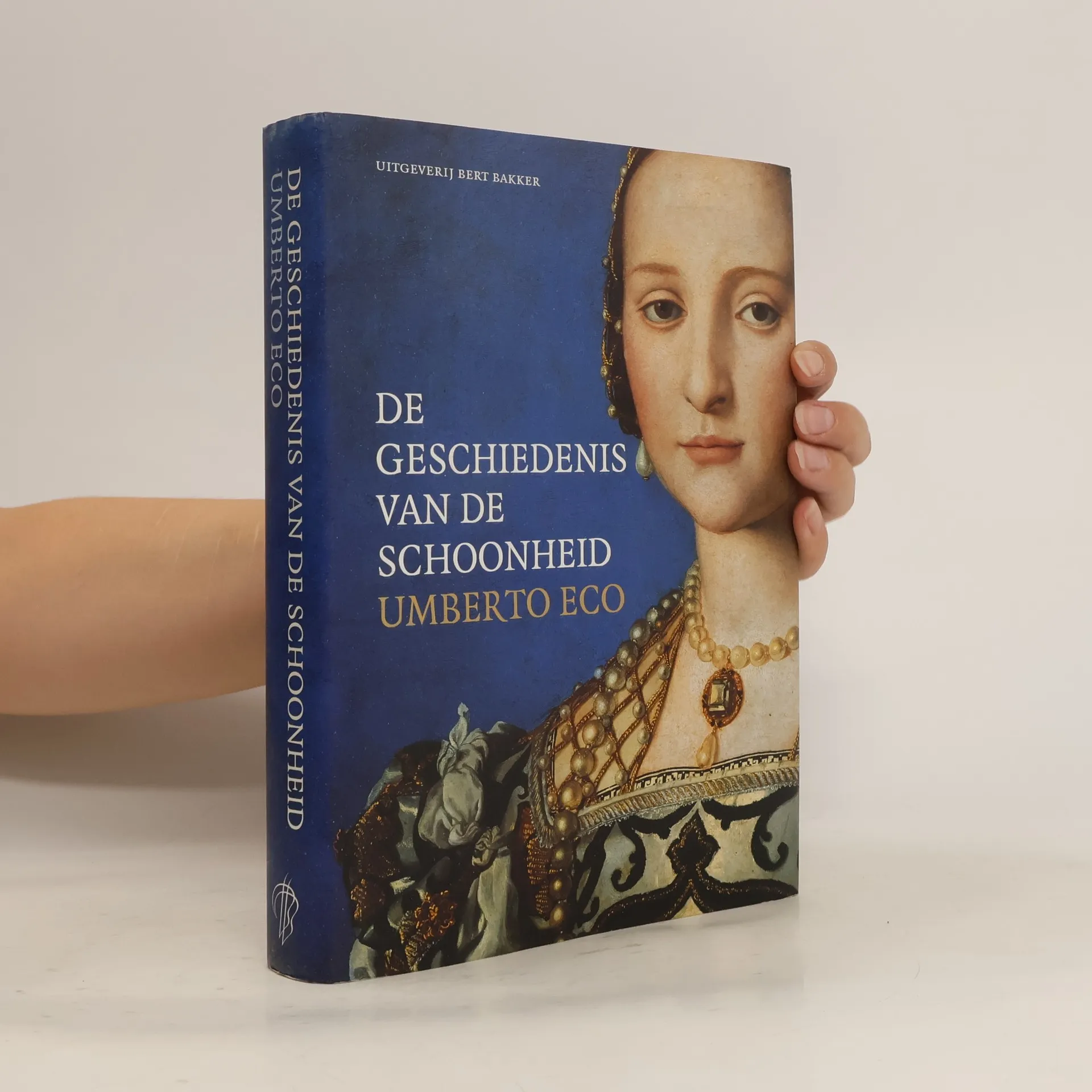
    • De geschiedenis van de schoonheid

      • 438bladzijden
      • 16 uur lezen

      Overzichtswerk in woord en beeld van opvattingen over het begrip schoonheid in de geschiedenis en filosofie vanaf de Griekse beschaving.

      De geschiedenis van de schoonheid
      4,0
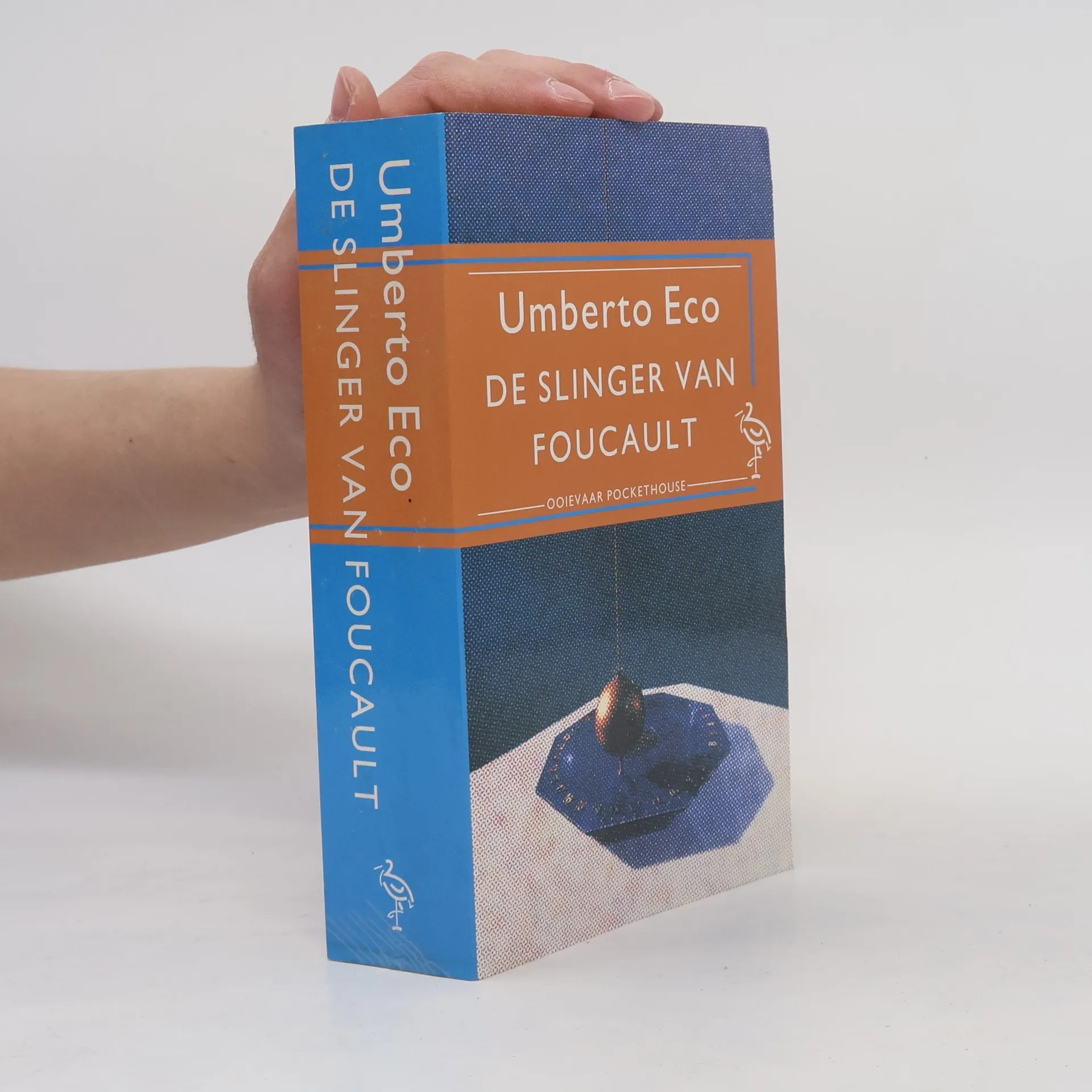
    • De slinger van Foucault

      • 661bladzijden
      • 24 uur lezen

      Foucault's Pendulum is divided into ten segments represented by the ten Sefiroth. The novel is full of esoteric references to the Kabbalah. The title of the book refers to an actual pendulum designed by the French physicist Léon Foucault to demonstrate the rotation of the earth, which has symbolic significance within the novel. Bored with their work, and after reading too many manuscripts about occult conspiracy theories, three vanity publisher employees (Belbo, Diotallevi and Casaubon) invent their own conspiracy for fun. They call this satirical intellectual game "The Plan," a hoax that connects the medieval Knights Templar with other occult groups from ancient to modern times. This produces a map indicating the geographical point from which all the powers of the earth can be controlled—a point located in Paris, France, at Foucault’s Pendulum. But in a fateful turn the joke becomes all too real. The three become increasingly obsessed with The Plan, and sometimes forget that it's just a game. Worse still, other conspiracy theorists learn about The Plan, and take it seriously. Belbo finds himself the target of a real secret society that believes he possesses the key to the lost treasure of the Knights Templar. Orchestrating these and other diverse characters into his multilayered semioticadventure, Eco has created a superb cerebral entertainment.

      De slinger van Foucault
      3,9
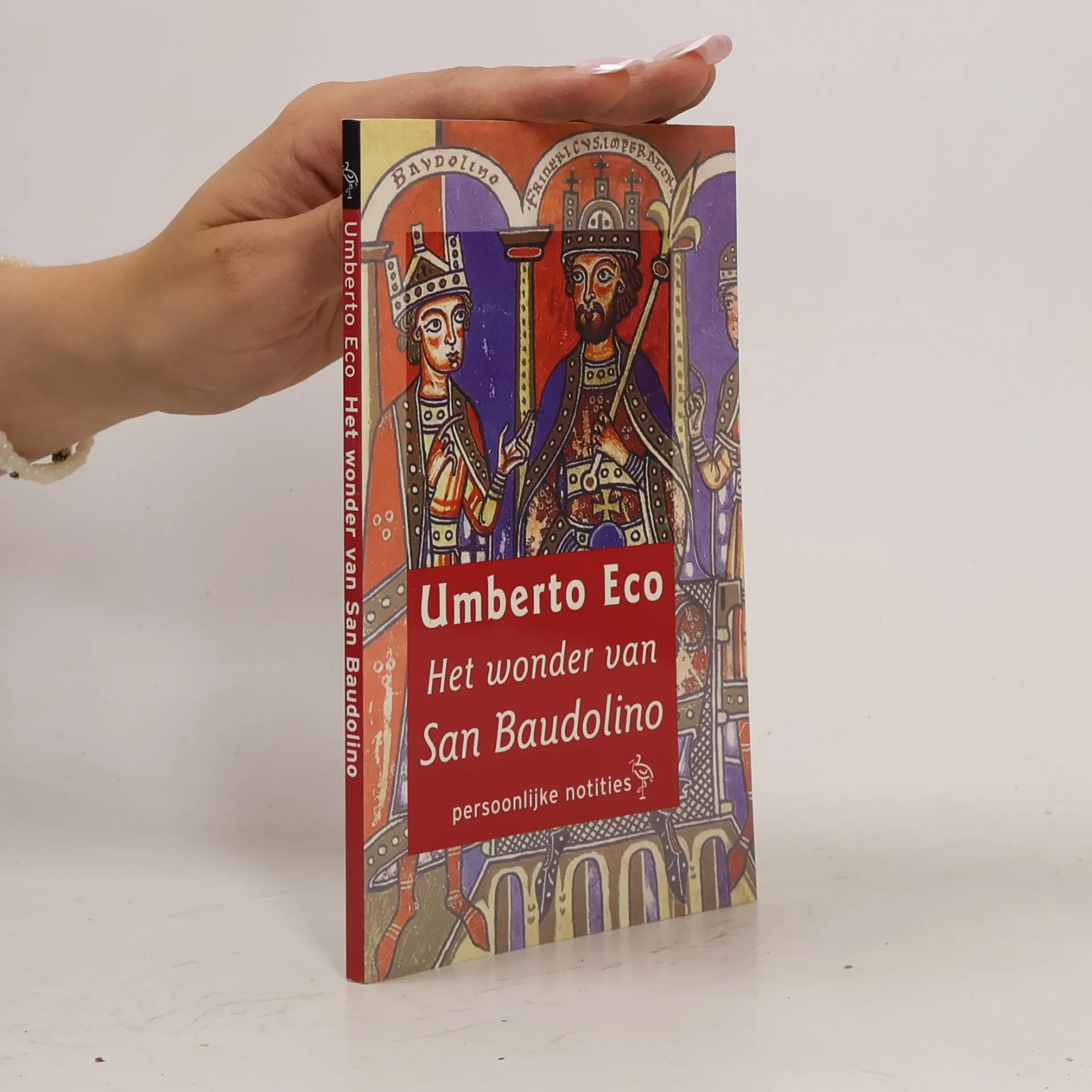
    • Bij de plundering van Constantinopel in 1204 vertelt een avonturier en aartsleugenaar zijn leven aan een geschiedschrijver, waarbij onwaarschijnlijke en fantastische verhalen zich vermengen met een serieuze historische achtergrond.

      Baudolino
      3,5
    • De begraafplaats van Praag

      • 493bladzijden
      • 18 uur lezen

      Als een 19e-eeuwse Italiaanse meestervervalser een antisemitisch document verzint over de joodse begraafplaats in Praag, heeft dat grote gevolgen.

      De begraafplaats van Praag
      3,5
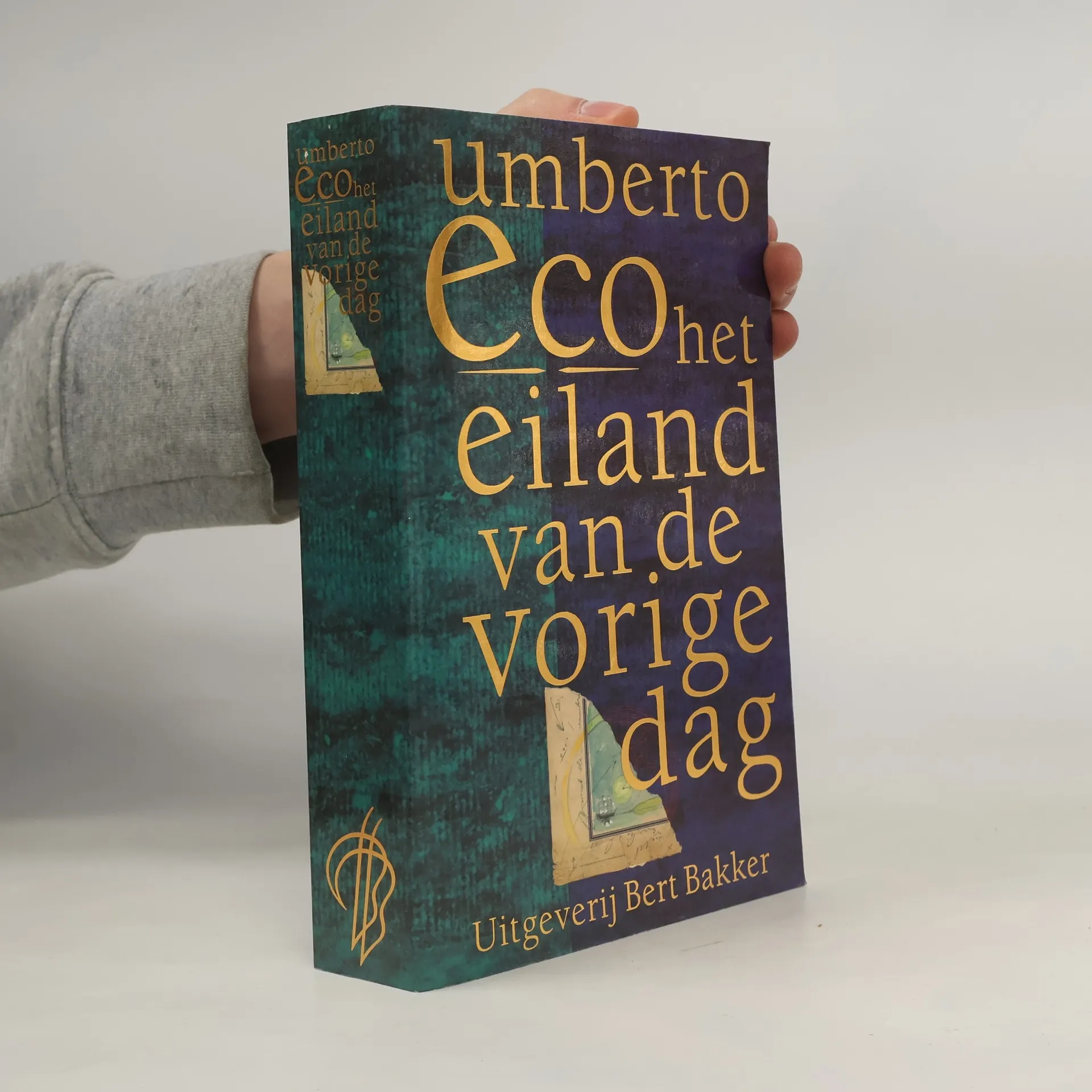
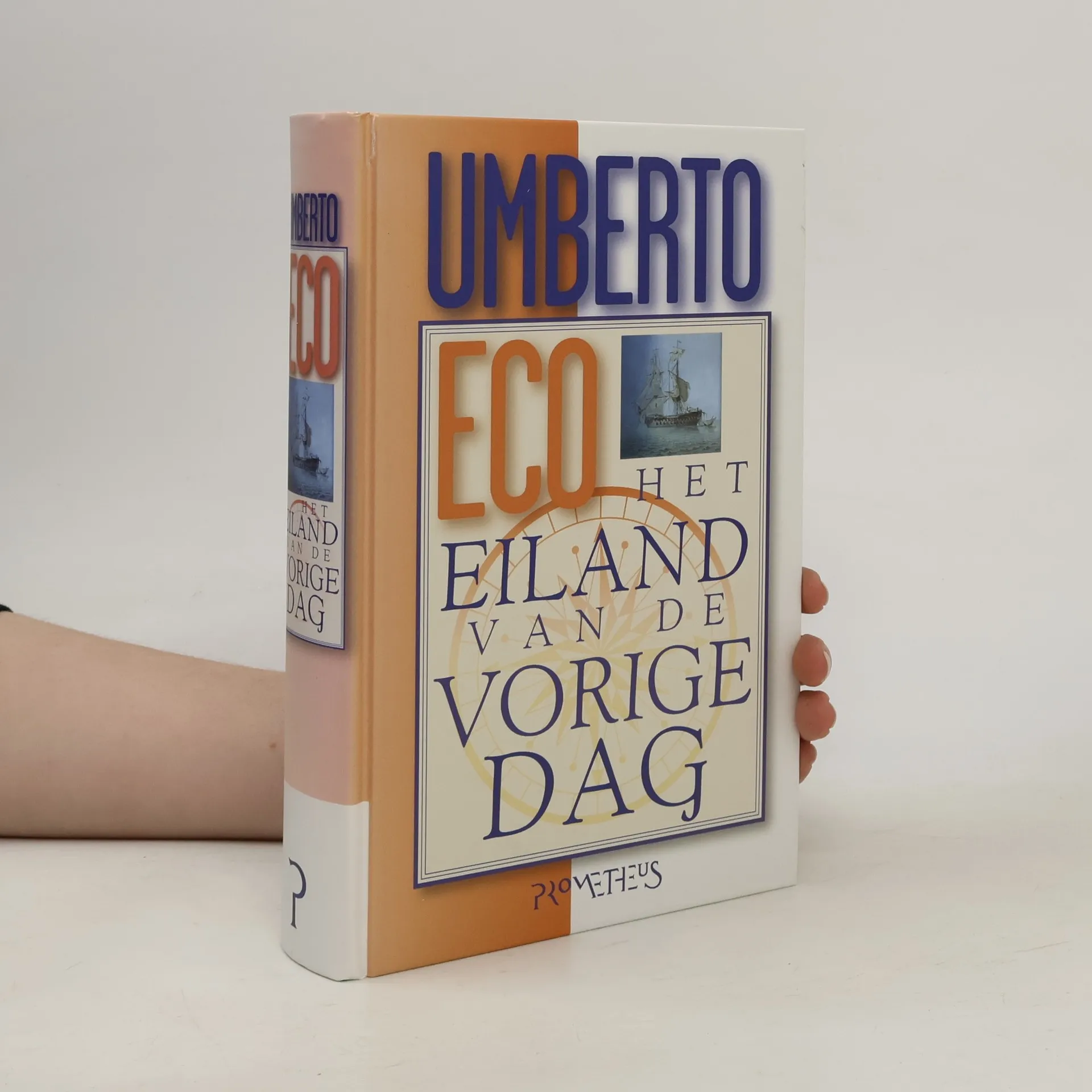
    • Het eiland van de vorige dag

      • 489bladzijden
      • 18 uur lezen

      Tegen de achtergrond van het zeventiende-eeuwse Europa wordt de zoektocht beschreven die de hoofdpersoon onderneemt naar de 180e meridiaan en de liefde die hij opvat voor een onbereikbare schone.

      Het eiland van de vorige dag
      3,5
    • Een man heeft een merkwaardige vorm van geheugenverlies waarbij alleen zijn eigen levensherinneringen verloren gegaan zijn; hij trekt zich terug op de zolder van zijn ouderlijk huis om daar tussen oude kinderboeken en platen naar zijn identiteit te zoeken.

      De mysterieuze vlam van koningin Loana
      3,4
    • Het nulnummer

      • 222bladzijden
      • 8 uur lezen

      Een groep journalisten in Milaan in 1992 bereidt een nulnummer van een krant voor, een proefeditie die niet zal verschijnen; in hun zoektocht naar onderwerpen stuiten ze op de meest onwaarschijnlijke verhalen.

      Het nulnummer
      3,2
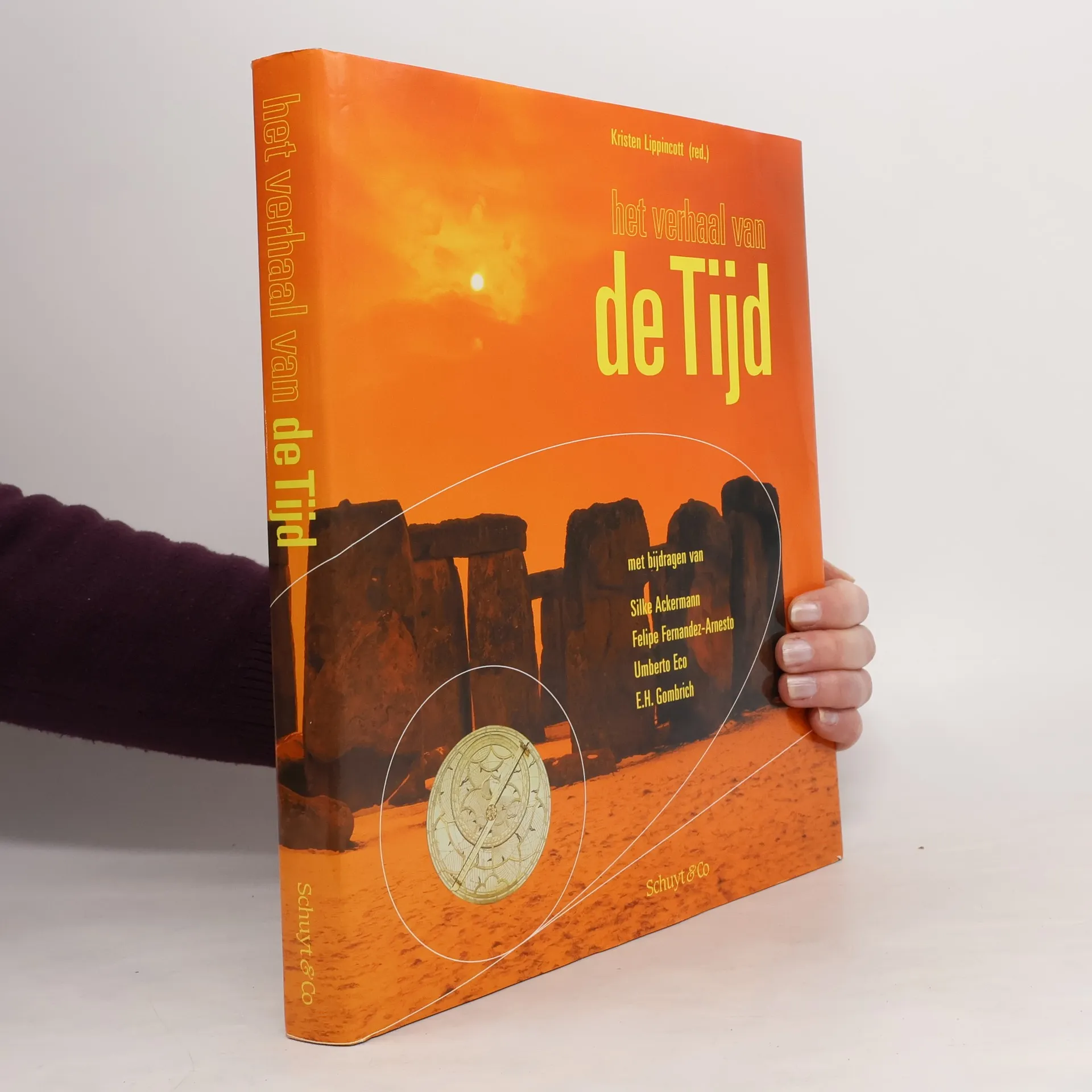
    • Het verhaal van de tijd

      • 304bladzijden
      • 11 uur lezen

      Studie over en beredeneerde catalogus bij een tentoonstelling over het verschijnsel 'tijd'.

      Het verhaal van de tijd
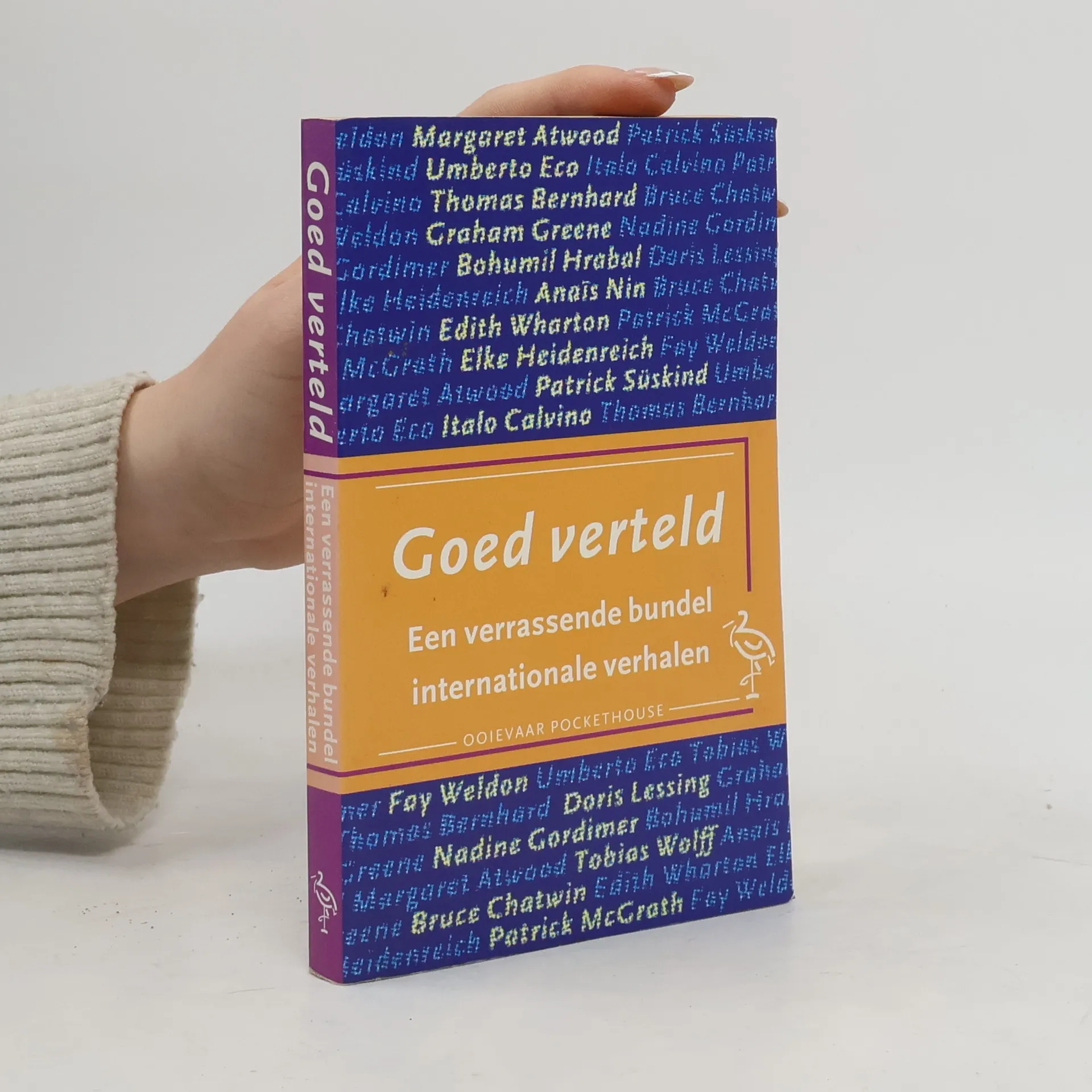
    • Goed verteld

      Een verrassende bundel internationale verhalen

      • 169bladzijden
      • 6 uur lezen

      Keuze van verhalen van buitenlandse auteurs uit het fonds van de uitgeverijen Bert Bakker en Prometheus.

      Goed verteld
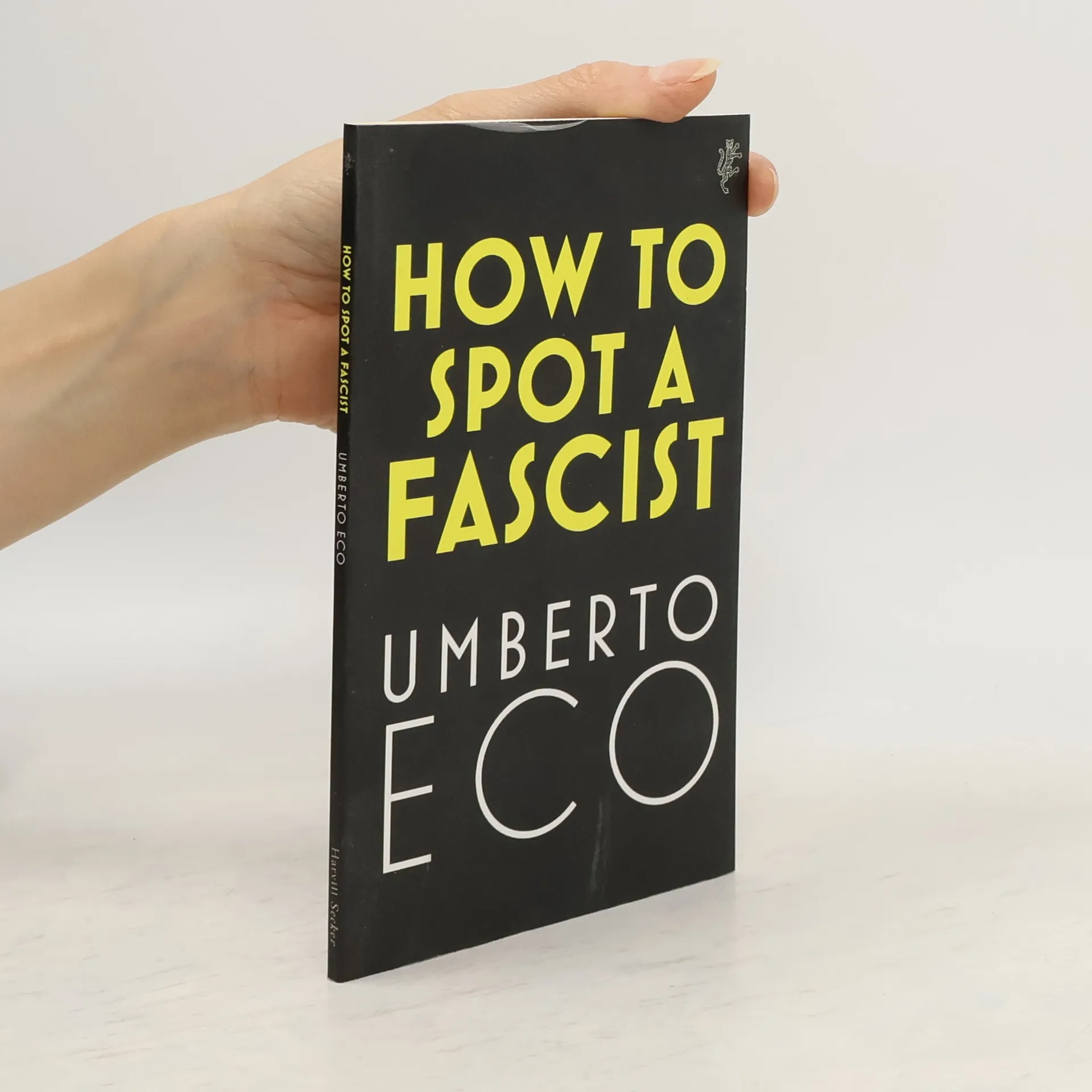
    • How to Spot a Fascist

      • 64bladzijden
      • 3 uur lezen

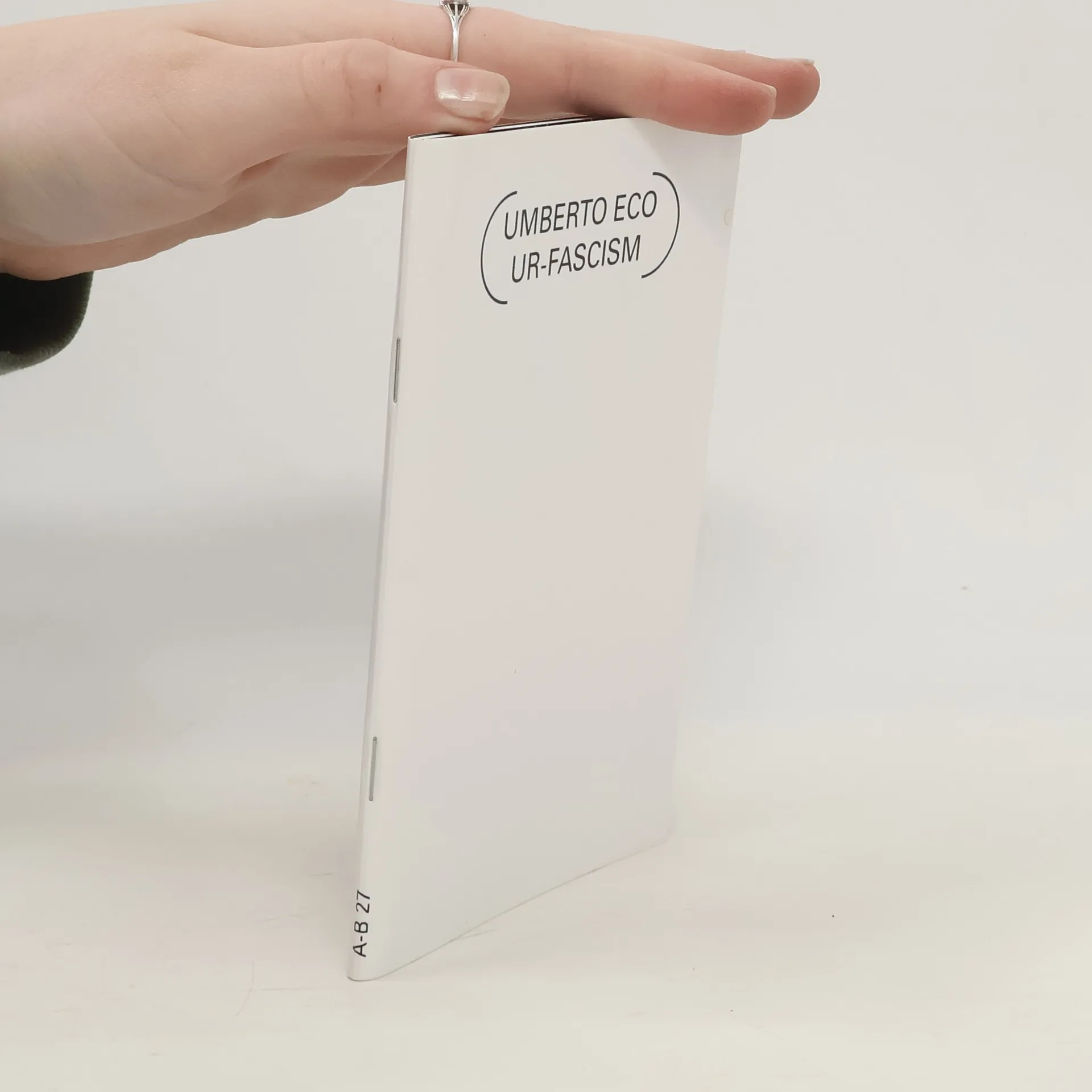
      We are here to remember what happened and to declare solemnly that 'they' must never do it again. But who are 'they'? HOW TO SPOT A FASCIST is a selection of three thought-provoking essays on freedom and fascism, censorship and tolerance - including Eco's iconic essay 'Ur-Fascism', which lists the fourteen essential characteristics of fascism, and draws on his own personal experiences growing up in the shadow of Mussolini. Umberto Eco remains one of the greatest writers and cultural commentators of the last century. In these pertinent pieces, he warns against prejudice and abuses of power and proves a wise and insightful guide for our times. If we strive to learn from our collective history and come together in challenging times, we can hope for a peaceful and tolerant future. Freedom and liberation are never-ending tasks. Let this be our motto: 'Do not forget.'

      How to Spot a Fascist
      4,6
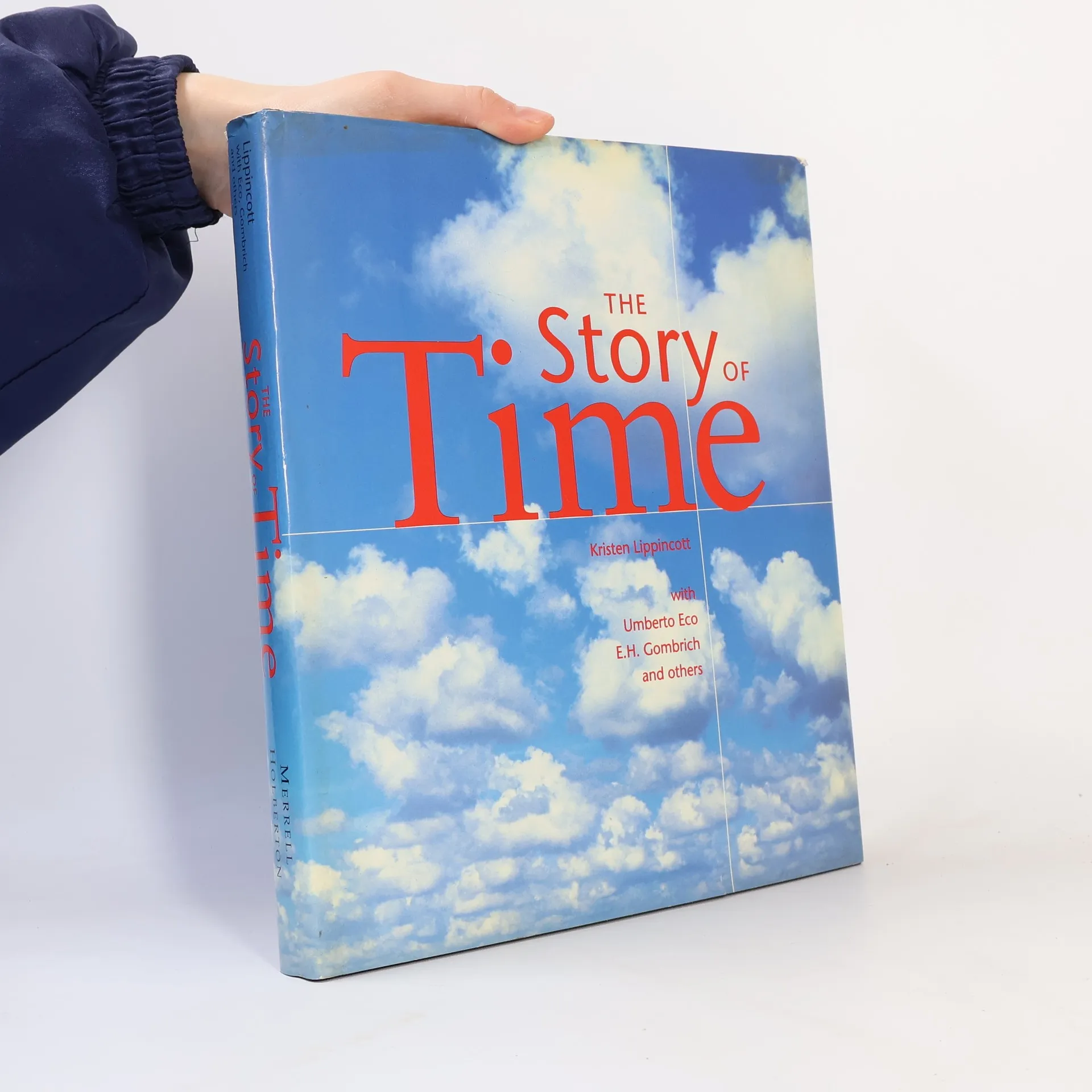
    • The Story of Time

      • 304bladzijden
      • 11 uur lezen

      Exploring this elusive and often controversial subject, Umberto Eco, Sir Ernst Gombrich, and others contributes essays and reflections on the meaning of time.

      The Story of Time
      4,4
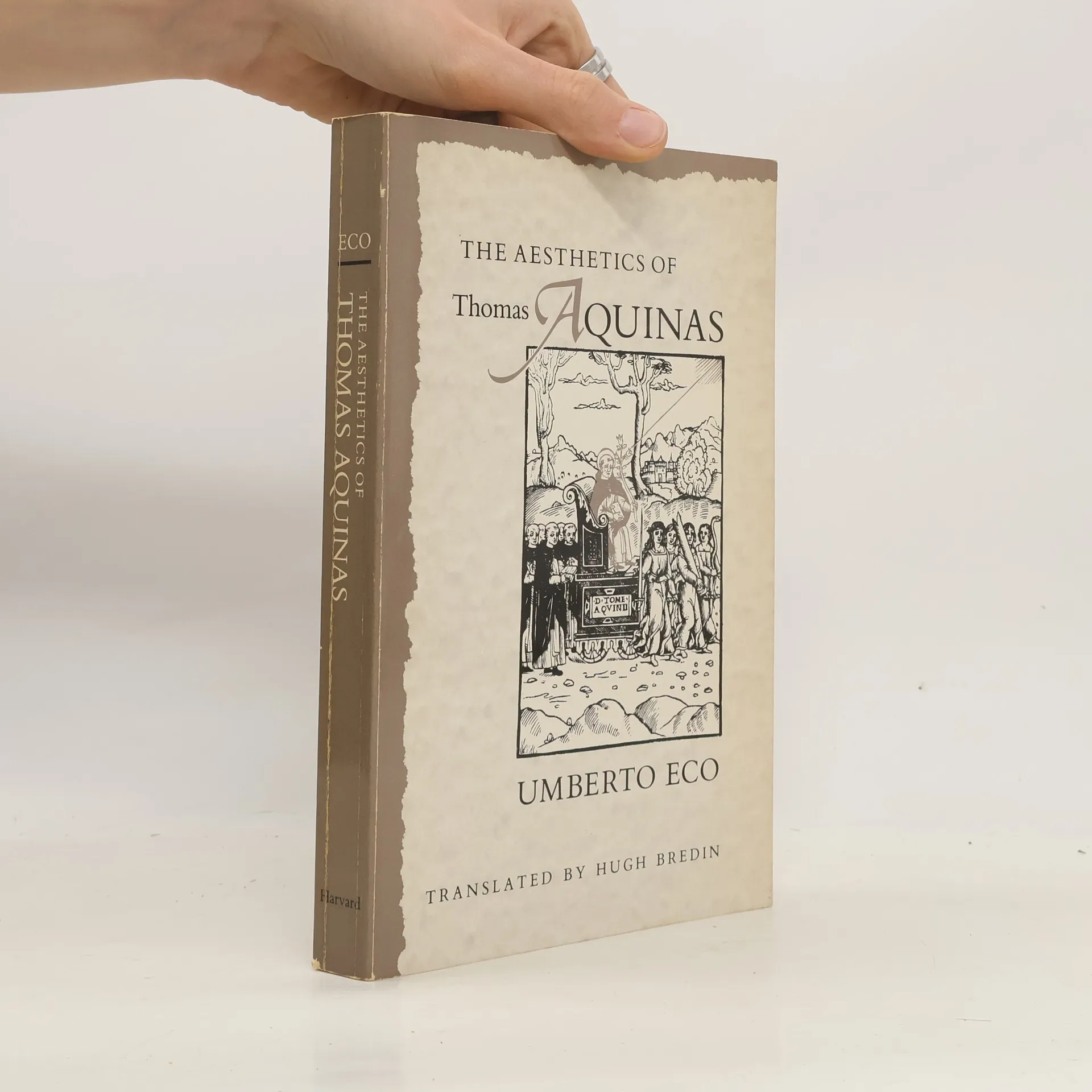
    • The Aesthetics of Thomas Aquinas

      • 302bladzijden
      • 11 uur lezen

      Umberto Eco introduces English-speaking readers to the rich and complex aesthetic theories of Thomas Aquinas, a medieval thinker often recognized primarily as a theologian. Aquinas inherited concepts of art and beauty from classical traditions but transformed them through the lens of Christian theology and advancements in metaphysics and optics during the thirteenth century. Eco sets the context by exploring the vibrant aesthetic sensibility of medieval times and delves into Aquinas's ideas on transcendental beauty, aesthetic perception (visio), and the three conditions of beauty: integrity, proportion, and clarity—principles that later influenced James Joyce. He applies these theories to Aquinas's reflections on God, humanity, music, poetry, and scripture, and compares Aquinas's poetics with those of Dante. In a concluding chapter from the second Italian edition, Eco discusses how Aquinas's aesthetics were absorbed and transformed in late medieval thought, drawing parallels between Thomistic methodology and contemporary structuralism. As the only comprehensive English treatment of Aquinas's aesthetics, this work appeals to philosophers, medievalists, historians, critics, and those engaged in poetics, aesthetics, or the history of ideas.

      The Aesthetics of Thomas Aquinas
      4,4
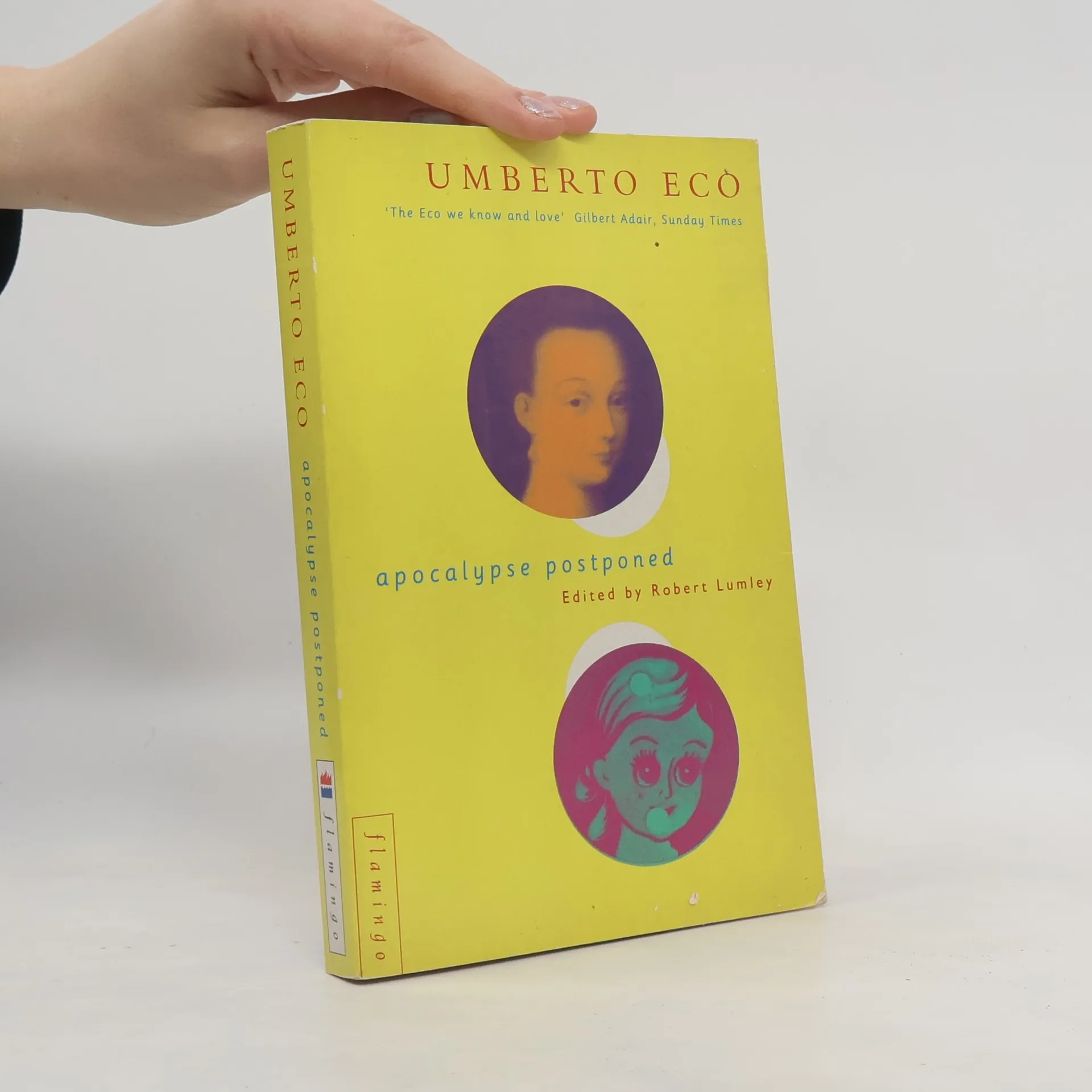
    • Apocalypse Postponed

      • 240bladzijden
      • 9 uur lezen

      "I would like to dedicate the book to those critics whom I have so summarily defined as apocalyptics. Without their unjust, biased, neurotic, desperate censure, I would never have elaborated three quarters of the ideas that I want to share here; without them, perhaps none of us would have realized that the question of mass culture is one in which we are all deeply involved. It is a sign of contradiction in our civilization." - Umberto Eco. This is a witty and erudite collection of Umberto Eco's essays on mass culture from the 1960s through the 1980s, including major pieces never before published in English. The discussion is framed by opposing characterizations of current intellectuals as either apocalyptic (or opposed to all mass culture) or integrated intellectuals (who are so much a part of mass culture as to be unaware of serving it). Organized into four main parts - "Mass Culture: Apocalypse Postponed," "Mass Media and the Limits of Communication," "The Rise and Fall of Countercultures," and "In Search of Italian Genius" - Eco's essays look at a variety of topics and cultural productions, including the world of Charlie Brown, distinctions between highbrow and lowbrow, the future of literacy, Chinese comic strips, whether countercultures exist, Fellini's "Ginger and Fred", and the Italian genius industry.

      Apocalypse Postponed
      4,3
    • On Ugliness

      • 456bladzijden
      • 16 uur lezen

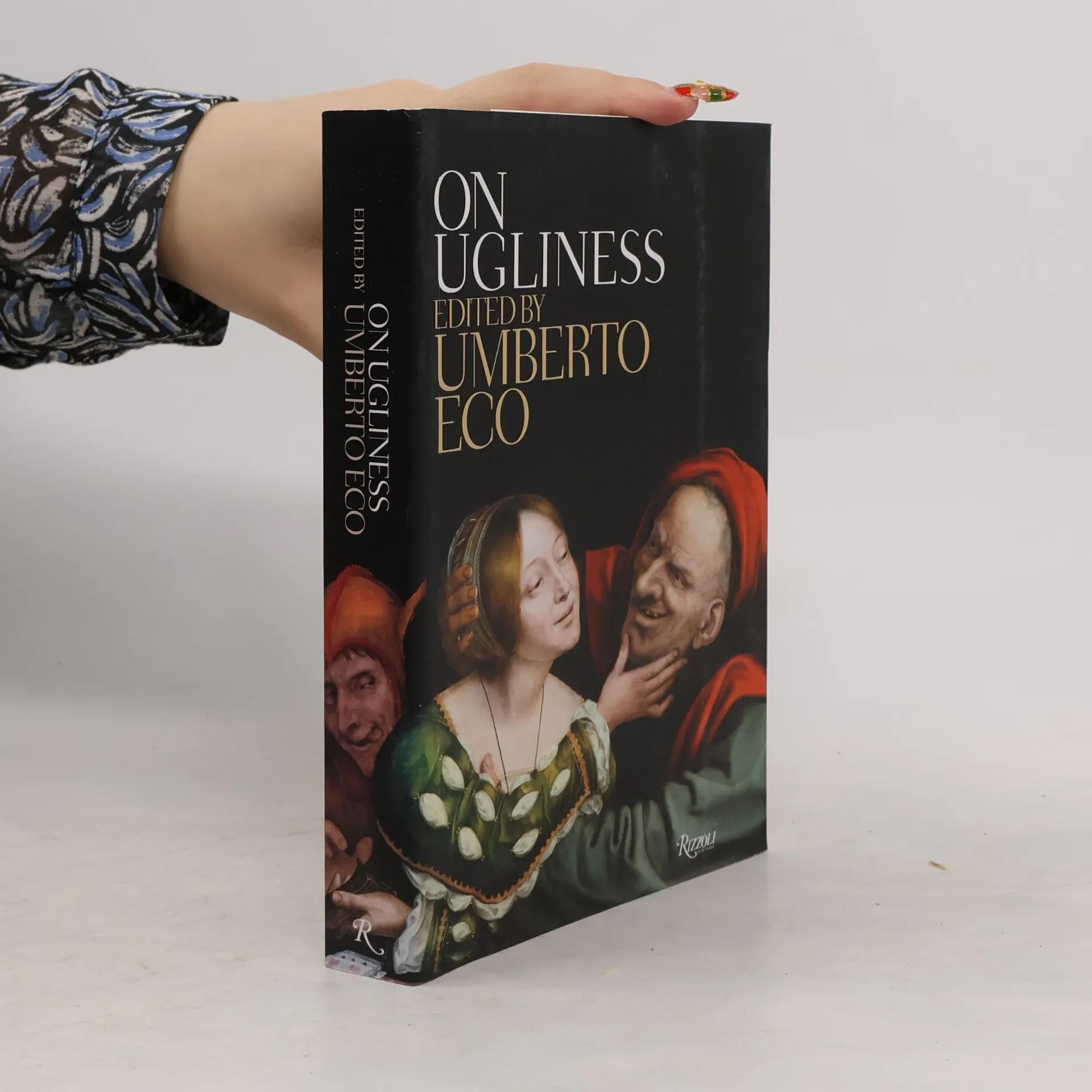
      In the mold of his acclaimed History of Beauty, renowned cultural critic Umberto Eco’s On Ugliness is an exploration of the monstrous and the repellant in visual culture and the arts. What is the voyeuristic impulse behind our attraction to the gruesome and the horrible? Where does the magnetic appeal of the sordid and the scandalous come from? Is ugliness also in the eye of the beholder? Eco’s encyclopedic knowledge and captivating storytelling skills combine in this ingenious study of the Ugly, revealing that what we often shield ourselves from and shun in everyday life is what we’re most attracted to subliminally. Topics range from Milton’s Satan to Goethe’s Mephistopheles; from witchcraft and medieval torture tactics to martyrs, hermits, and penitents; from lunar births and disemboweled corpses to mythic monsters and sideshow freaks; and from Decadentism and picturesque ugliness to the tacky, kitsch, and camp, and the aesthetics of excess and vice. With abundant examples of painting and sculpture ranging from ancient Greek amphorae to Bosch, Brueghel, and Goya among others, and with quotations from the most celebrated writers and philosophers of each age, this provocative discussion explores in-depth the concepts of evil, depravity, and darkness in art and literature.

      On Ugliness
      4,3
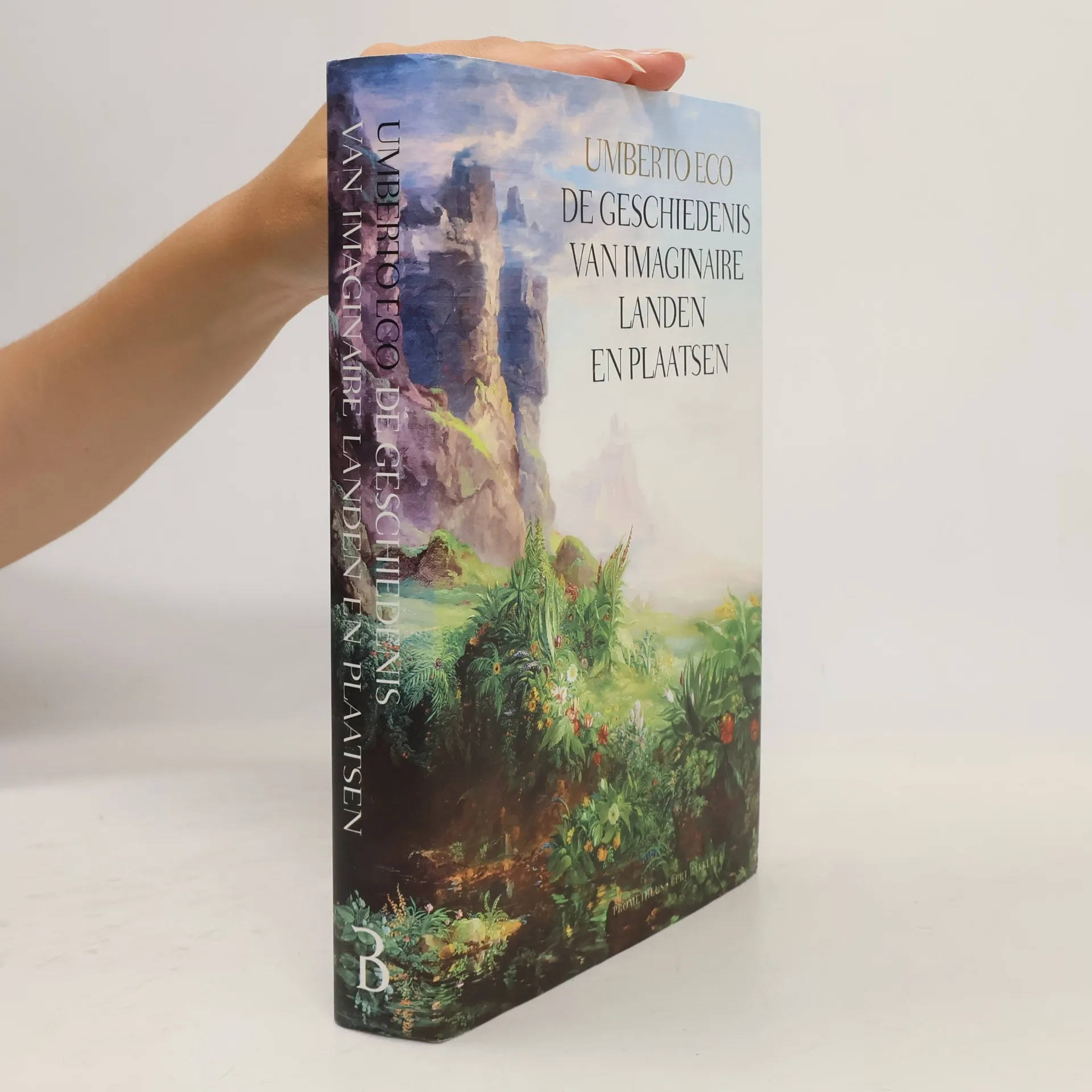
    • The Book of Legendary Lands

      • 480bladzijden
      • 17 uur lezen

      In the tradition of his books On Beauty and On Ugliness and The Infinity of Lists, Umberto Eco presents an enthralling illustrated tour of the fabled places that have awed and eluded us through the ages. "Eco is one of the most influential thinkers of our time" Los Angeles Times From the epic poems of Homer to contemporary science fiction, from the Holy Scriptures to modern mythology and fairy tale, literature and art are full of illusory places we have at some time believed are real, and onto which we have projected our dreams, ideals and fears. Umberto Eco leads us on an illuminating journey through these legendary lands - Atlantis, Thule and Hyperborea, the Earth's interior and the Land of Cockaigne - and explores utopias and dystopias where our imagination can confront concepts that are too incredible, or too challenging, for our limited real world. In The Book of Legendary Lands the author's text is accompanied by several hundred carefully assembled works of art and literature; the result is a beautifully illustrated volume with broad and enduring appeal. Translated from Italian by Alastair McEwen

      The Book of Legendary Lands
      4,2
    • Six Walks in the Fictional Woods

      • 160bladzijden
      • 6 uur lezen

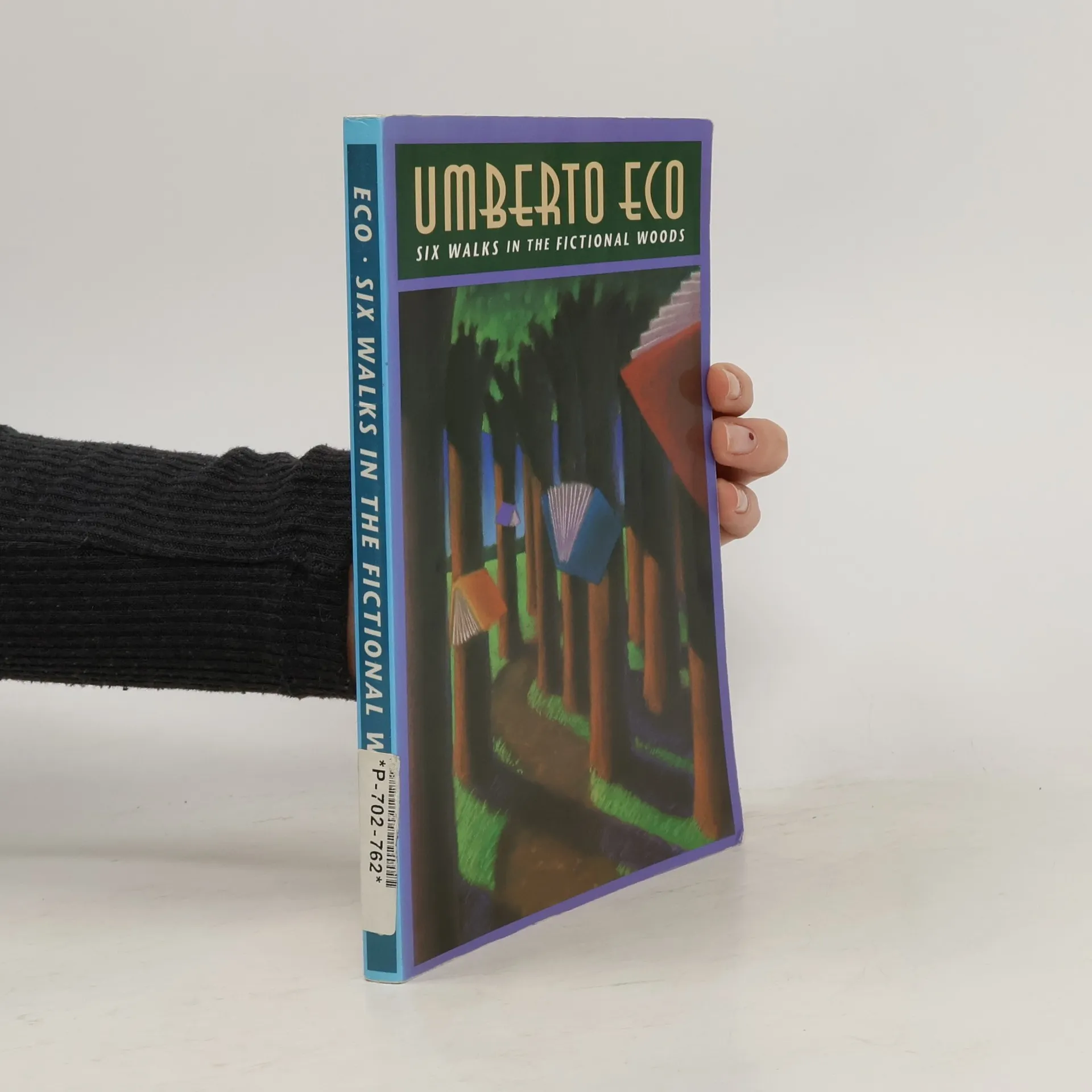
      In Six Walks in the Fictional Woods Umberto Eco shares with us his Secret Life as a reader―his love for MAD magazine, for Scarlett O'Hara, for the nineteenth-century French novelist Nerval's Sylvie , for Little Red Riding Hood, Agatha Christie, Agent 007 and all his ladies. We see, hear, and feel Umberto Eco, the passionate reader who has gotten lost over and over again in the woods, loved it, and come back to tell the tale, The Tale of Tales. Eco tells us how fiction works, and he also tells us why we love fiction so much. This is no deconstructionist ripping the veil off the Wizard of Oz to reveal his paltry tricks, but the Wizard of Art himself inviting us to join him up at his level, the Sorcerer inviting us to become his apprentice.

      Six Walks in the Fictional Woods
      4,2
    • Themes and Movements: Pop

      • 304bladzijden
      • 11 uur lezen

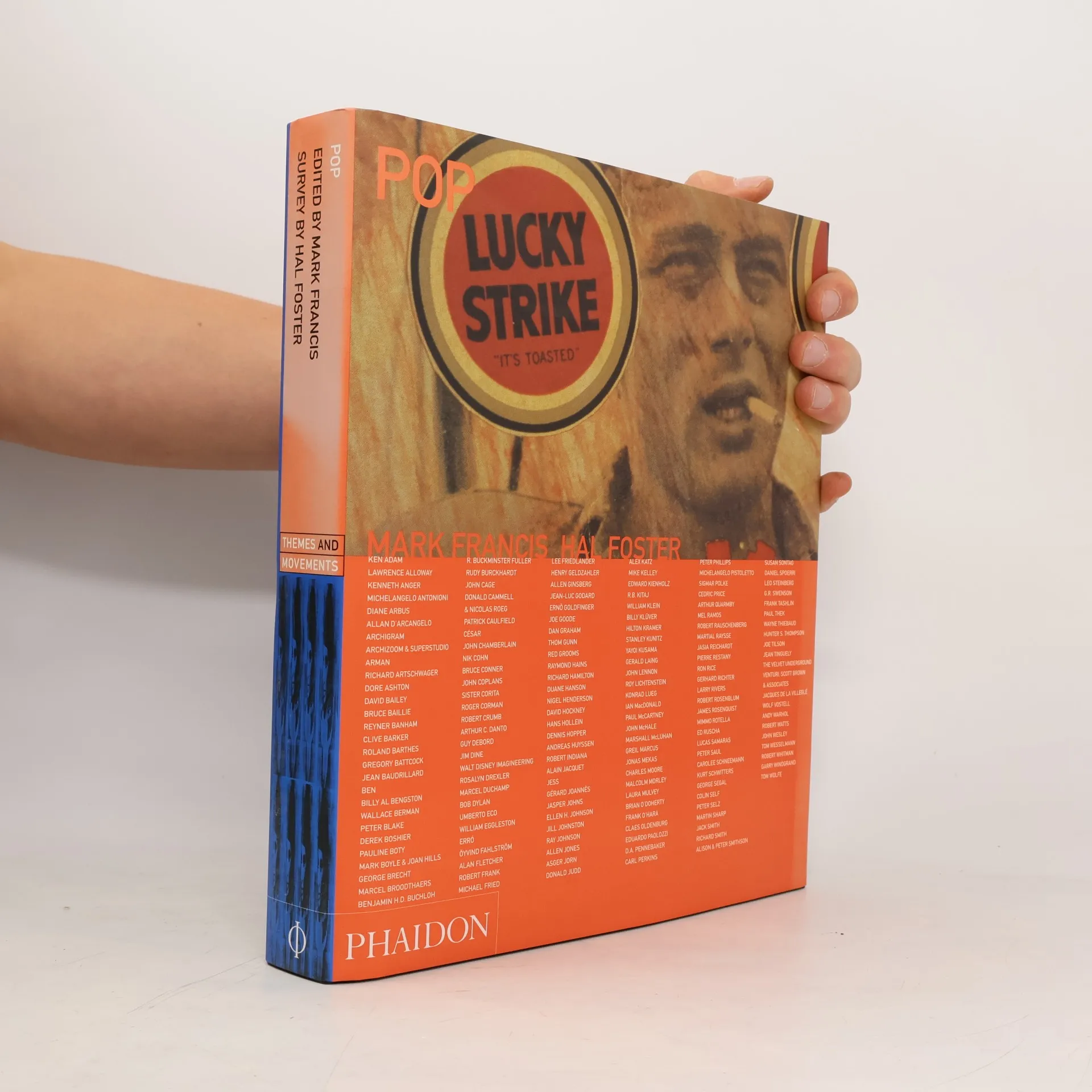
      Exploring the evolution of Pop culture from the late 1950s to the late 1960s, this comprehensive survey examines its impact on art, film, photography, and architecture, highlighting the interplay between mass production and mass media. Unlike other works that focus solely on Pop art, it offers a holistic view of the movement's influence across America, Britain, and Europe, showcasing its diverse manifestations and cultural significance during this transformative era.

      Themes and Movements: Pop
      4,0
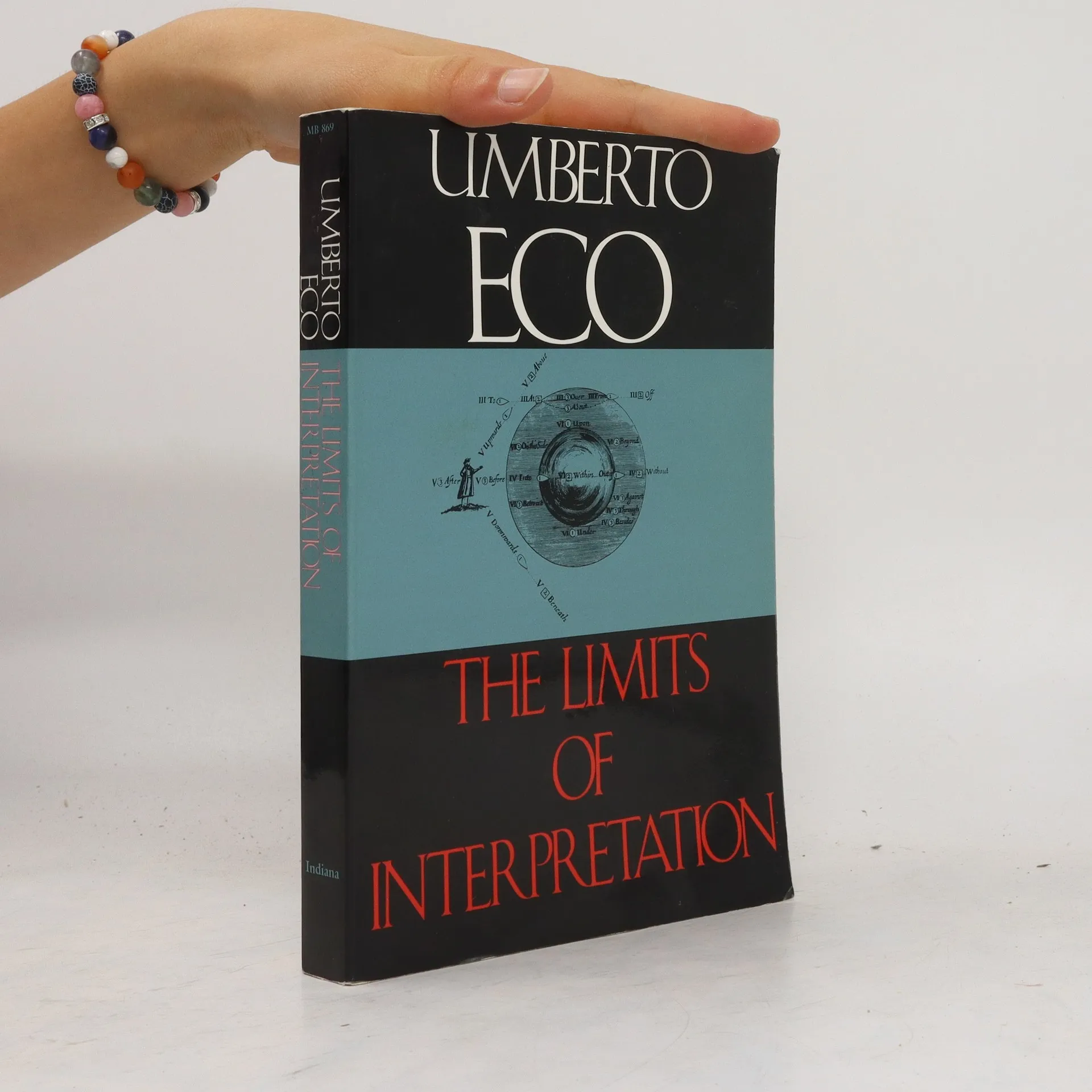
    • The Limits of Interpretation

      • 308bladzijden
      • 11 uur lezen

      Umberto Eco focuses here on what he once called "the cancer of uncontrolled interpretation"--that is, the belief that many interpreters have gone too far in their domination of texts, thereby destroying meaning and the basis for communication.

      The Limits of Interpretation
      4,2
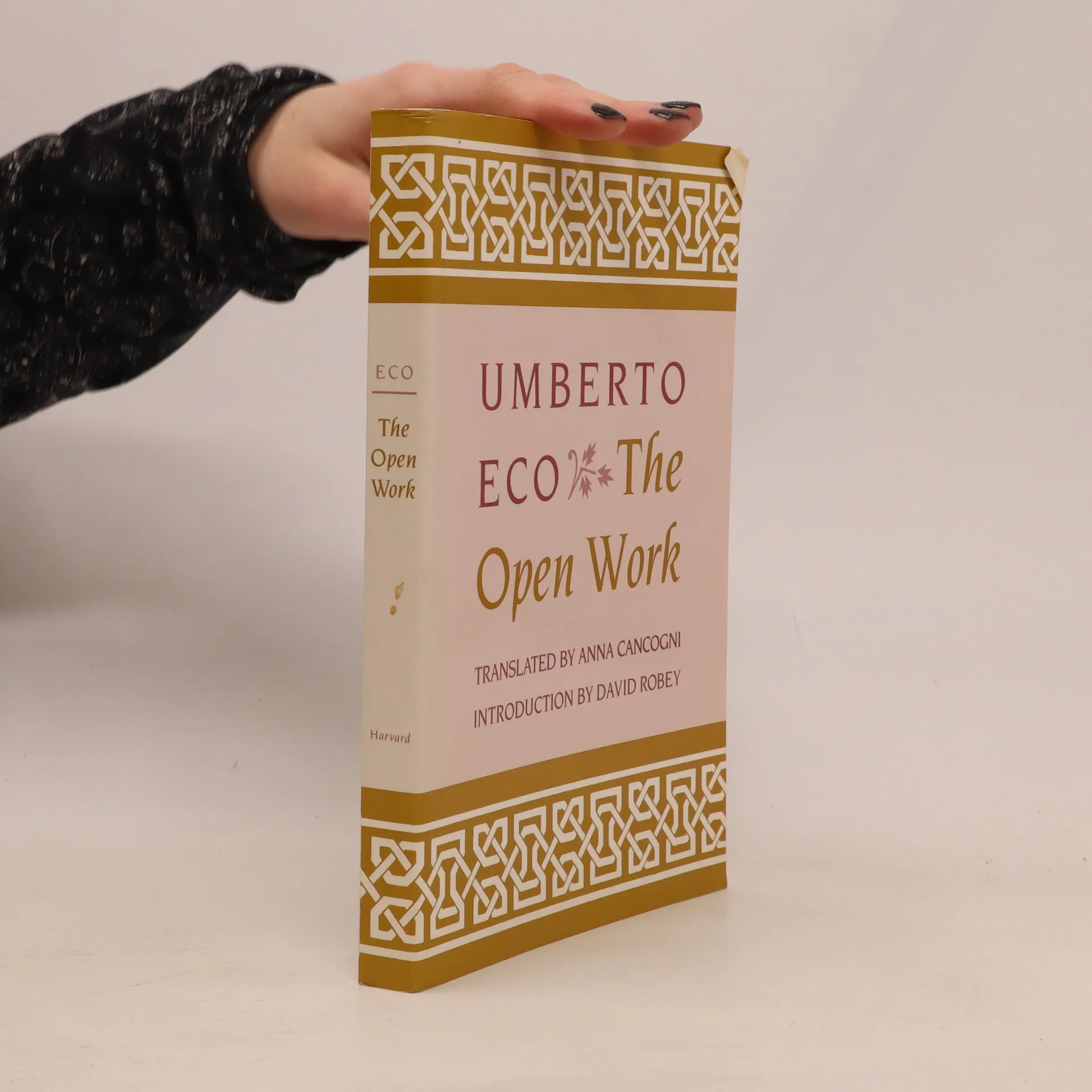
    • This book is significant for its concept of "openness"--the artist's decision to leave arrangements of some constituents of a work to the public or to chance--and for its anticipation of two themes of literary theory: the element of multiplicity and plurality in art, and the insistence on literary response as an interaction between reader and text.

      The Open Work
      4,2
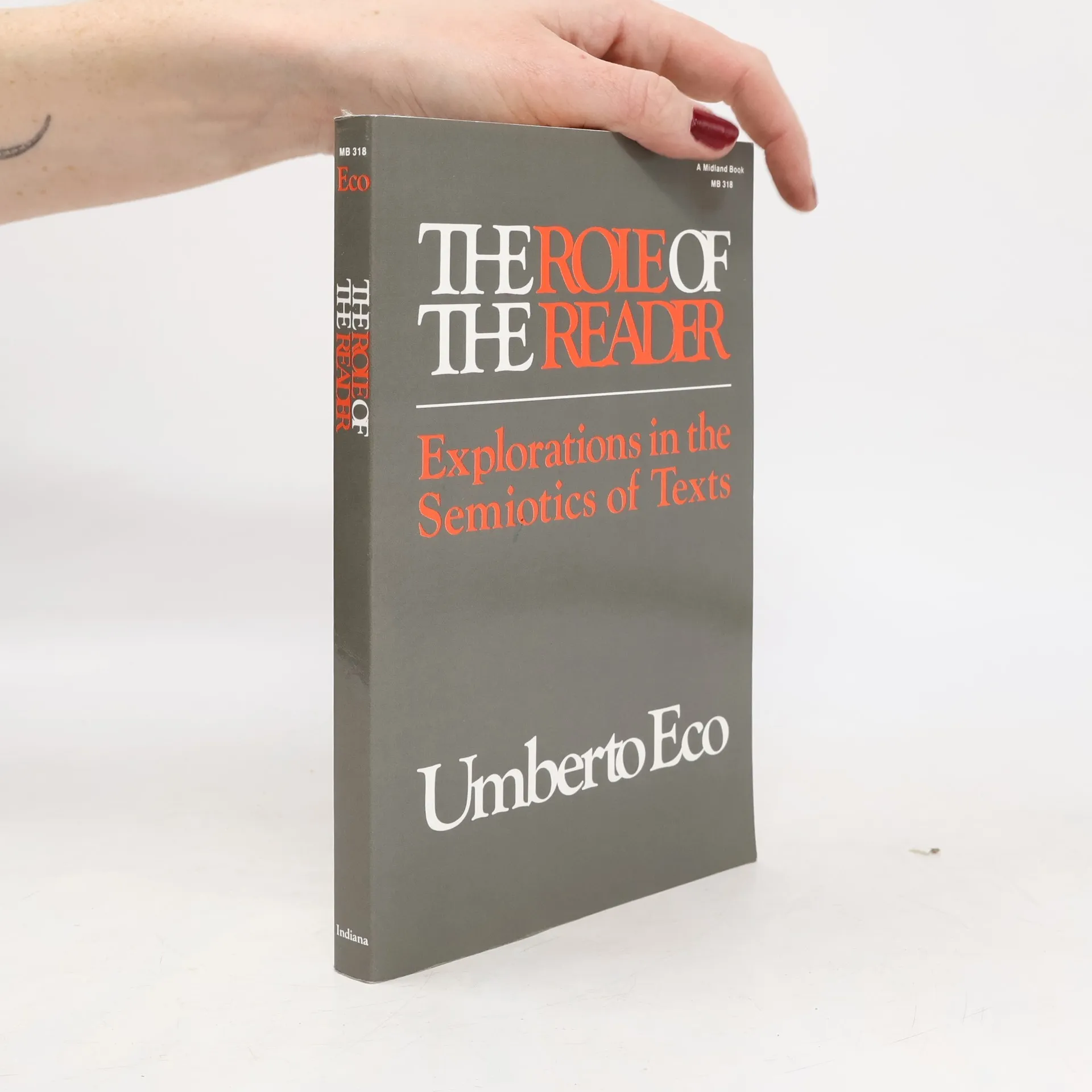
    • The Role of the Reader

      • 284bladzijden
      • 10 uur lezen

      ... not merely interesting and novel, but also exceedingly provocative and heuristically fertile." --The Review of Metaphysics... essential reading for anyone interesting in... the new reader-centered forms of criticism." --Library JournalIn this erudite and imaginative book, Umberto Eco sets forth a dialectic between 'open' and 'closed' texts.

      The Role of the Reader
      4,1
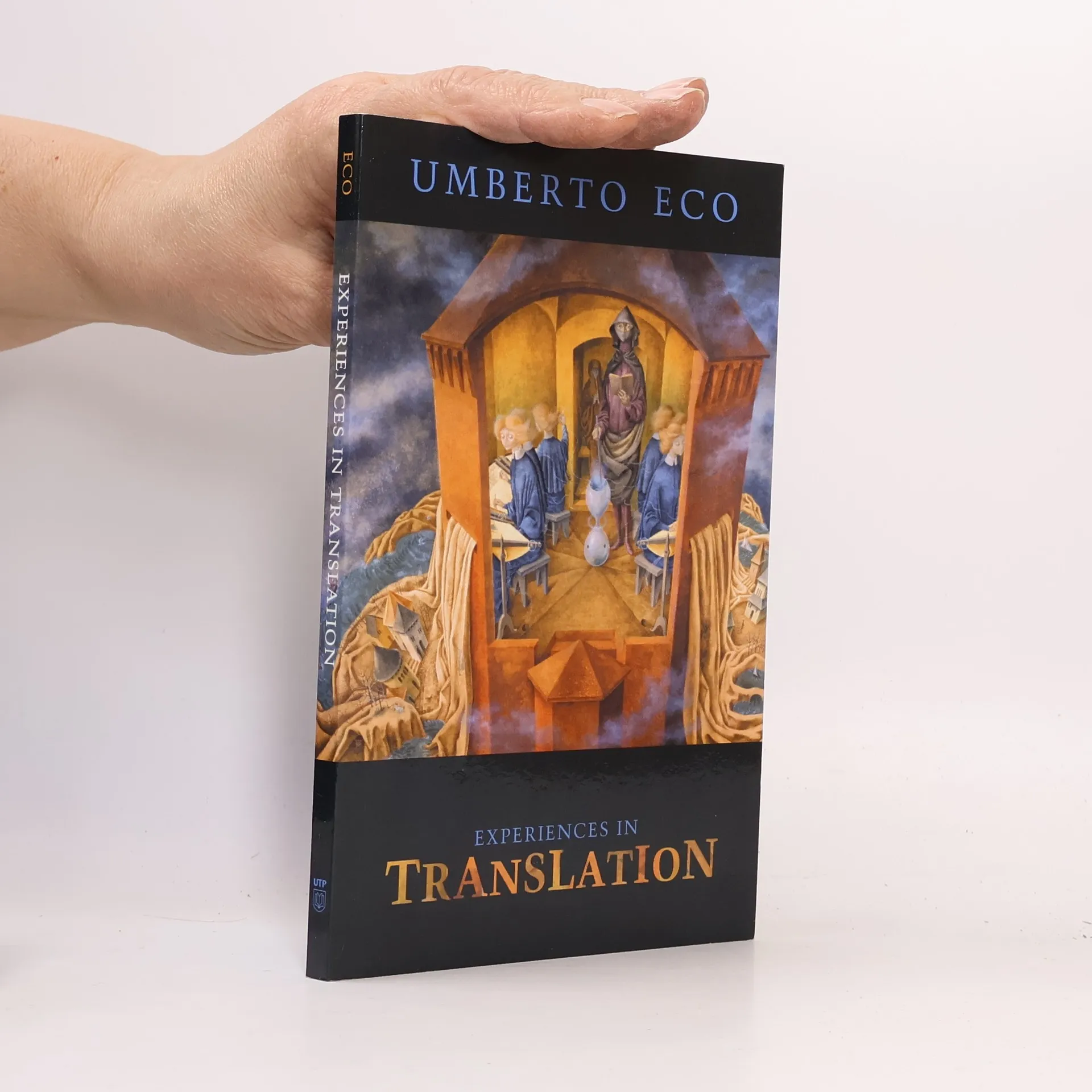
    • In this book Umberto Eco argues that translation is not about comparing two languages, but about the interpretation of a text in two different languages, thus involving a shift between cultures.

      Experiences in Translation
      4,1
    • A Theory of Semiotics

      • 354bladzijden
      • 13 uur lezen

      Focuses on the twin problems of the doctrine of signs - communication and signification - and offers a highly original theory of sign production, including a carefully wrought typology of signs and modes of production.

      A Theory of Semiotics
      4,1
    • On the Shoulders of Giants

      • 336bladzijden
      • 12 uur lezen

      A posthumous collection of essays by one of our greatest contemporary thinkers that provides a towering vision of Western culture. In Umberto Eco’s first novel, The Name of the Rose, Nicholas of Morimondo laments, “We no longer have the learning of the ancients, the age of giants is past!” To which the protagonist, William of Baskerville, replies: “We are dwarfs, but dwarfs who stand on the shoulders of those giants, and small though we are, we sometimes manage to see farther on the horizon than they.” On the Shoulders of Giants is a collection of essays based on lectures Eco famously delivered at the Milanesiana Festival in Milan over the last fifteen years of his life. Previously unpublished, the essays explore themes he returned to again and again in his writing: the roots of Western culture and the origin of language, the nature of beauty and ugliness, the potency of conspiracies, the lure of mysteries, and the imperfections of art. Eco examines the dynamics of creativity and considers how every act of innovation occurs in conversation with a superior ancestor. In these playful, witty, and breathtakingly erudite essays, we encounter an intellectual who reads comic strips, reflects on Heraclitus, Dante, and Rimbaud, listens to Carla Bruni, and watches Casablanca while thinking about Proust. On the Shoulders of Giants reveals both the humor and the colossal knowledge of a contemporary giant.

      On the Shoulders of Giants
      4,0
    • Ranging from the writings of Augustine, Dante, Descartes and Rousseau, arcane treatises on cabbalism and magic, to the history of the study of language and its origins, this book shows how the late eighteenth-century discovery of a proto-language (Indo-European) for the Aryan peoples was perverted to support notions of racial superiority.

      The Search for the Perfect Language
      4,0
    • The book features a provocative exploration of literary interpretation, blending Eco's expertise as a novelist and literary theorist. With a humorous and insightful approach, he navigates a wide array of topics, drawing connections between influential figures like Dante, Chomsky, and Derrida. Eco's unique style shines through, making complex ideas accessible and engaging for readers interested in the nuances of literature and its interpretation.

      Interpretation and Overinterpretation
      4,0
    • On literature

      • 352bladzijden
      • 13 uur lezen

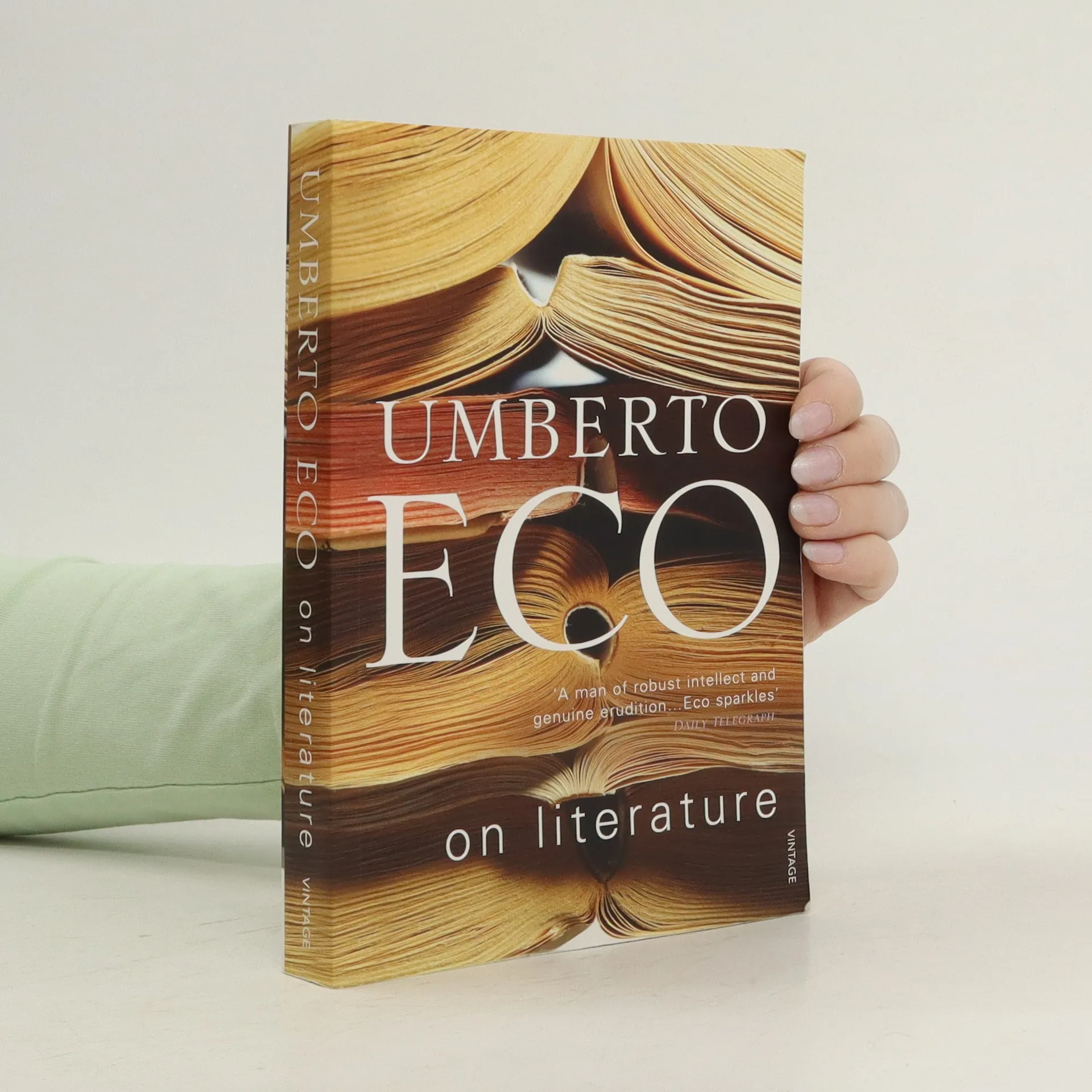
      Remarkably accessible and unfailingly stimulating, this collection of essays exhibits the diversity of interests and the depth of knowledge that made Umberto Eco one of the world's leading writers. From musings on Ptolemy and reflections on the experimental writing of Borges and Joyce, to revelations of his own authorial ambitions and fears, Eco's luminous intelligence is on display throughout. This volume will appeal to anyone interested in how new light is shed on old masters by a great contemporary mind.

      On literature
      4,0
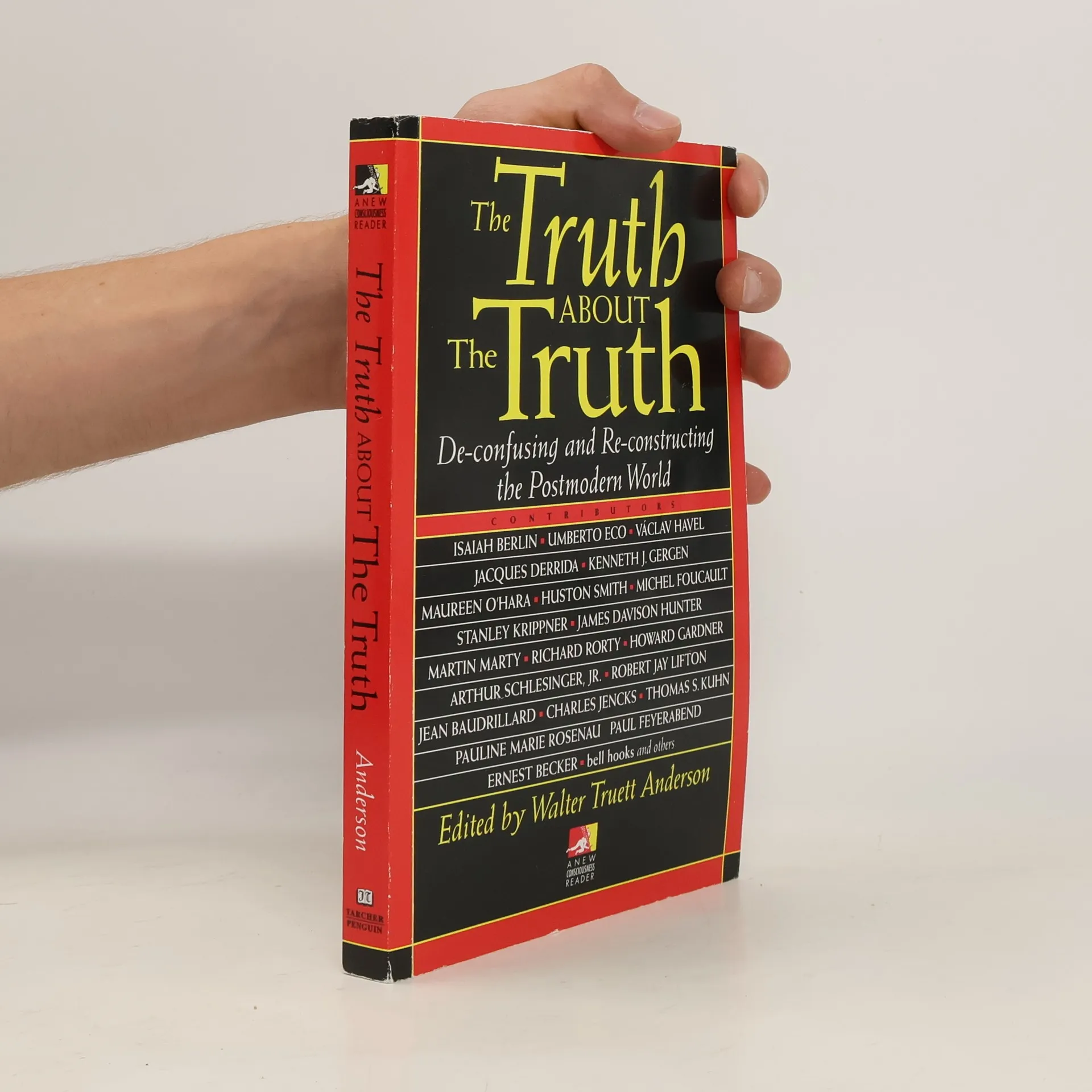
    • The Truth About the Truth

      De-confusing and Re-constructing the Postmodern World

      • 272bladzijden
      • 10 uur lezen

      Includes essays and excerpts from the works of prominent modern thinkers such as Umberto Eco, Jacques Derrida, and Isaiah Berlin among others.

      The Truth About the Truth
      3,9
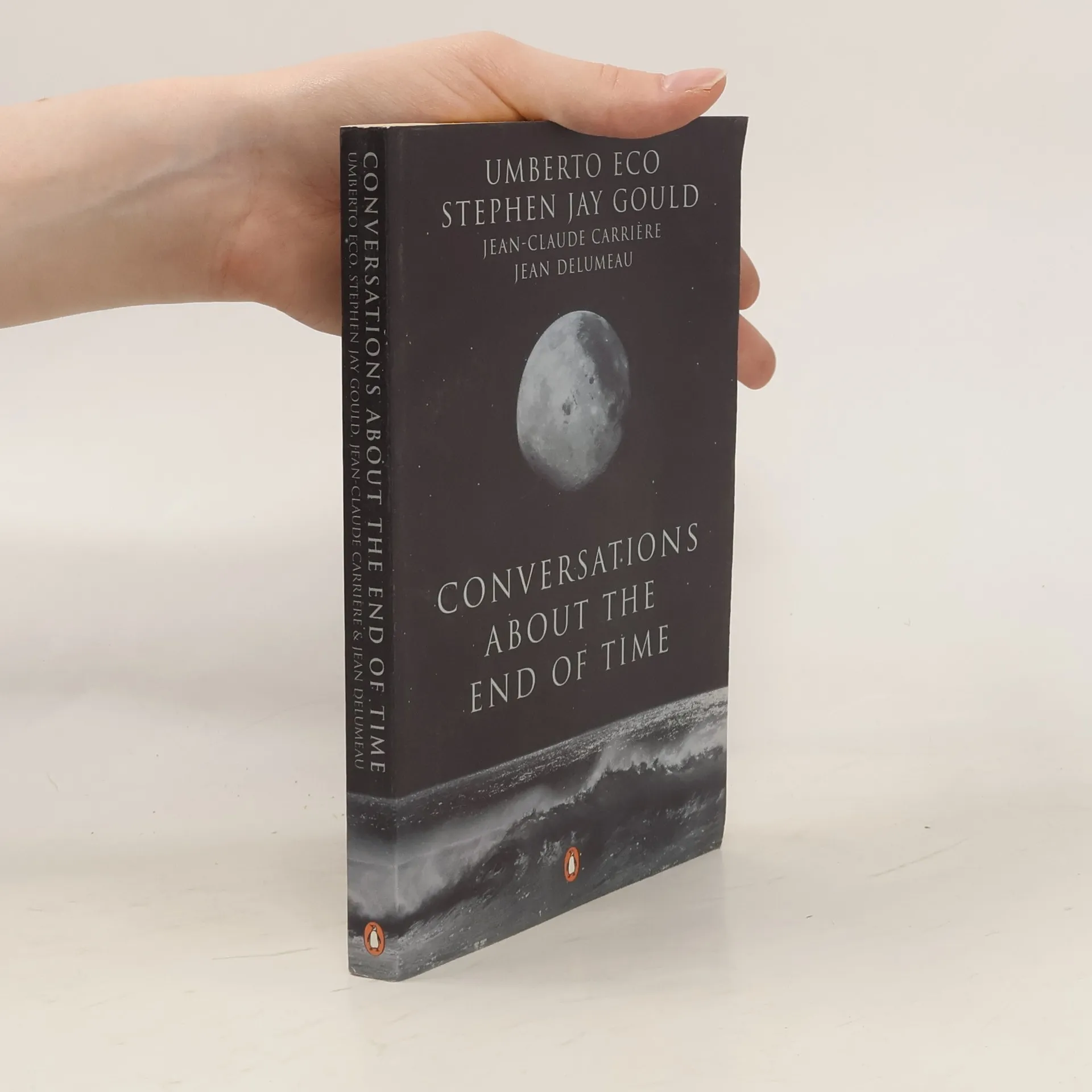
    • Conversations about the End of Time

      • 228bladzijden
      • 8 uur lezen

      Where does our fascination with the Apocalypse come from? Is time cyclical or linear? Can society survive without ideology? Can children be philosophers? The contributors examine these questions and other of our preoccupations, cast back to the fears and hopes of previous generations and examine the challenges to come.

      Conversations about the End of Time
      3,8
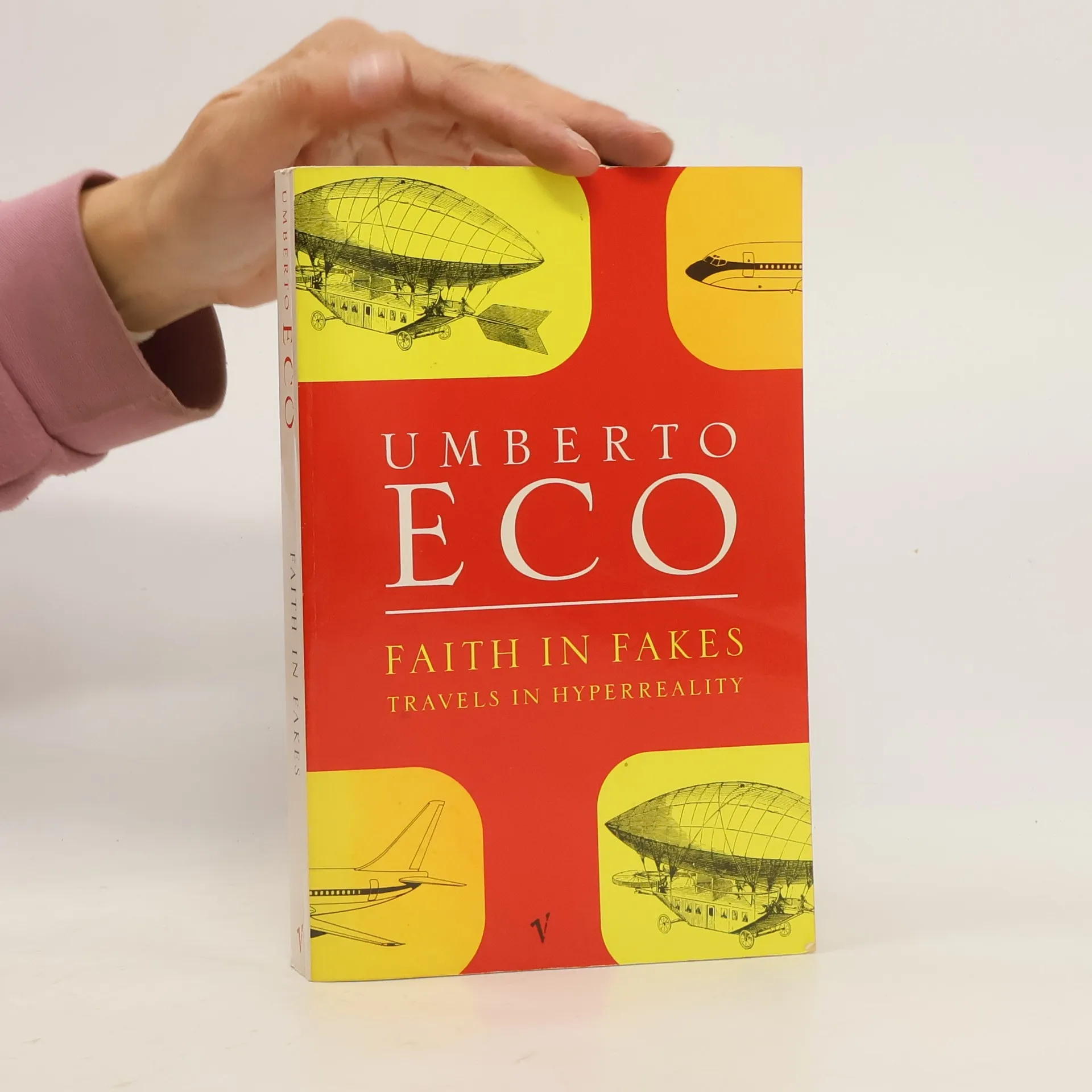
    • Travels in Hyper Reality

      • 328bladzijden
      • 12 uur lezen

      Eco displays in these essays the same wit, learning, and lively intelligence that delighted readers of The Name of the Rose and Foucault's Pendulum. His range is wide, and his insights are acute, frequently ironic, and often downright funny. Translated by William Weaver. A Helen and Kurt Wolff Book

      Travels in Hyper Reality
      3,9
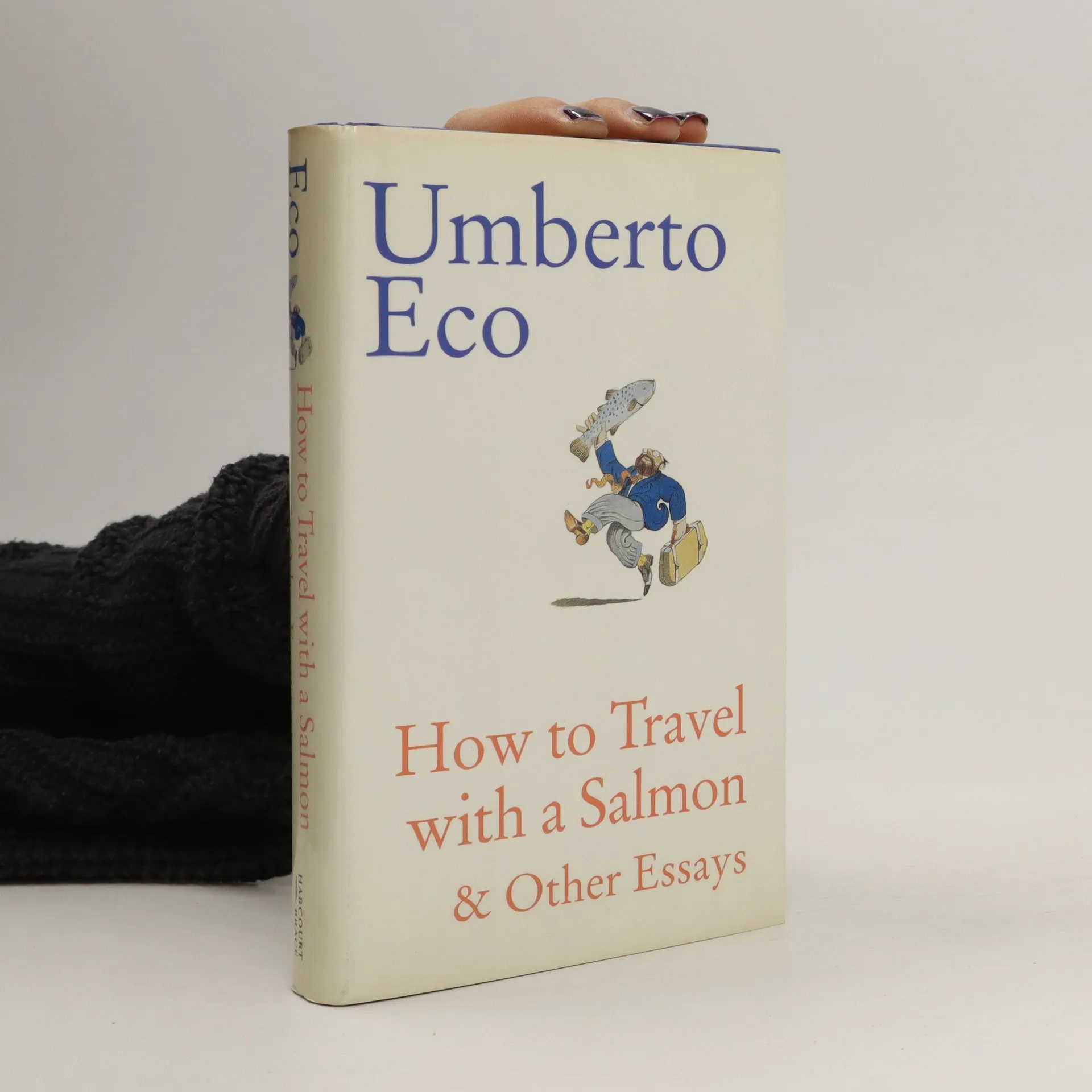
    • How to Travel with a Salmon is a highly engaging collection of what Umberto Eco calls his diario minimo - minimal diaries - after the magazine column in which he began "pursuing the pathways of parody.". These essays, written in the late eighties and early nineties, are his playful but unfailingly accurate takes on militarism, computer jargon, Westerns, art criticism, librarians, bureaucrats, meals on airplanes, Amtrak trains, bad coffee, maniacal taxi drivers, express mail, 33-function watches, fax machines and cellular phones, pornography, soccer fans, academia, and - last but definitely not least - the author's own self. How to Travel with a Salmon gives us Umberto Eco's acute vision of the absurdities of modern life.

      How to Travel with a Salmon & Other Essays
      3,9
    • Five moral pieces

      • 111bladzijden
      • 4 uur lezen

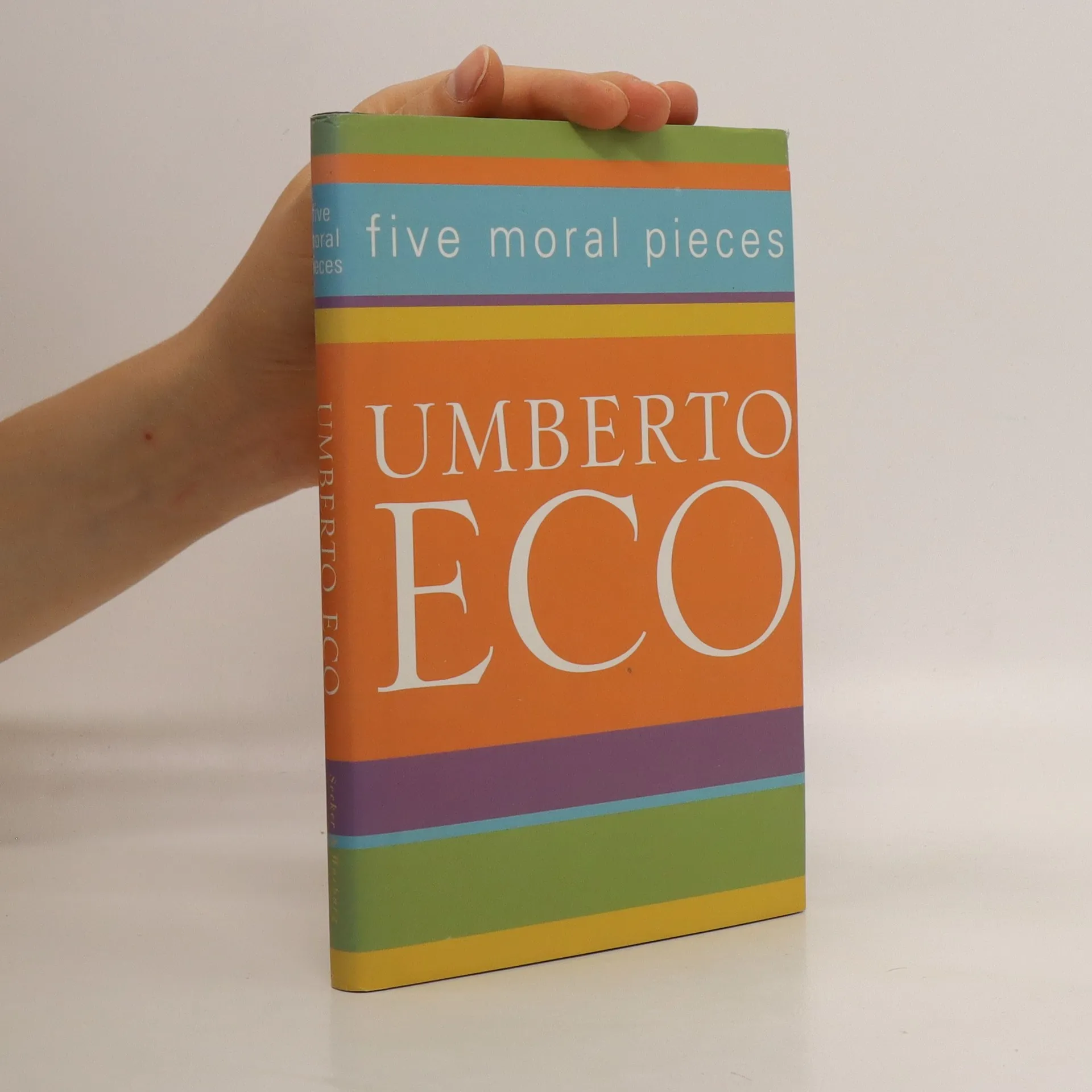
      embracing the web of multi-culturalism that has become a fact of contemporary life from New York to New Delhi, Eco argues that we are more connected to people of othe traditions and customs than ever before, making tolerance the ultimate value in today's world.

      Five moral pieces
      3,9
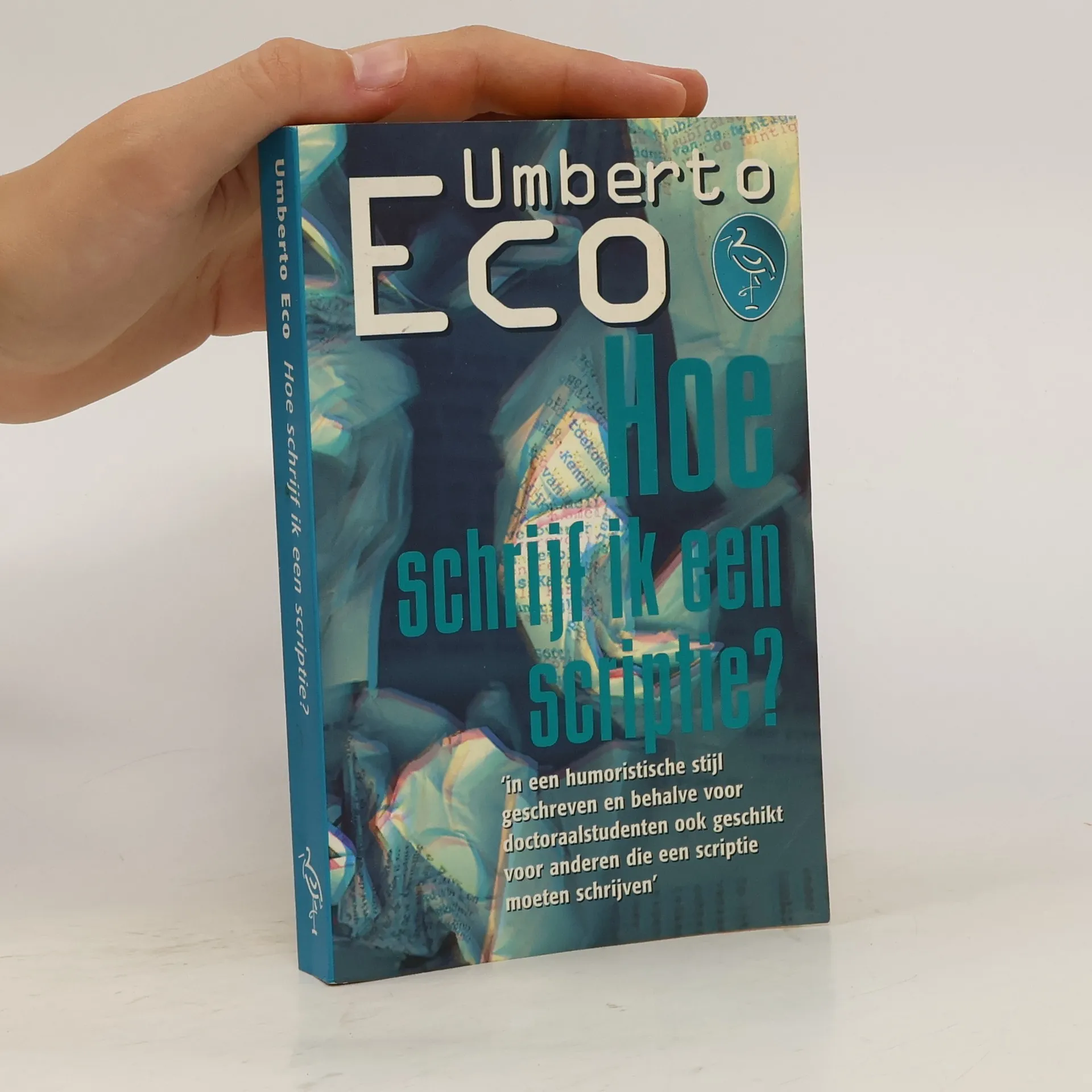
    • How To Write a Thesis

      • 256bladzijden
      • 9 uur lezen

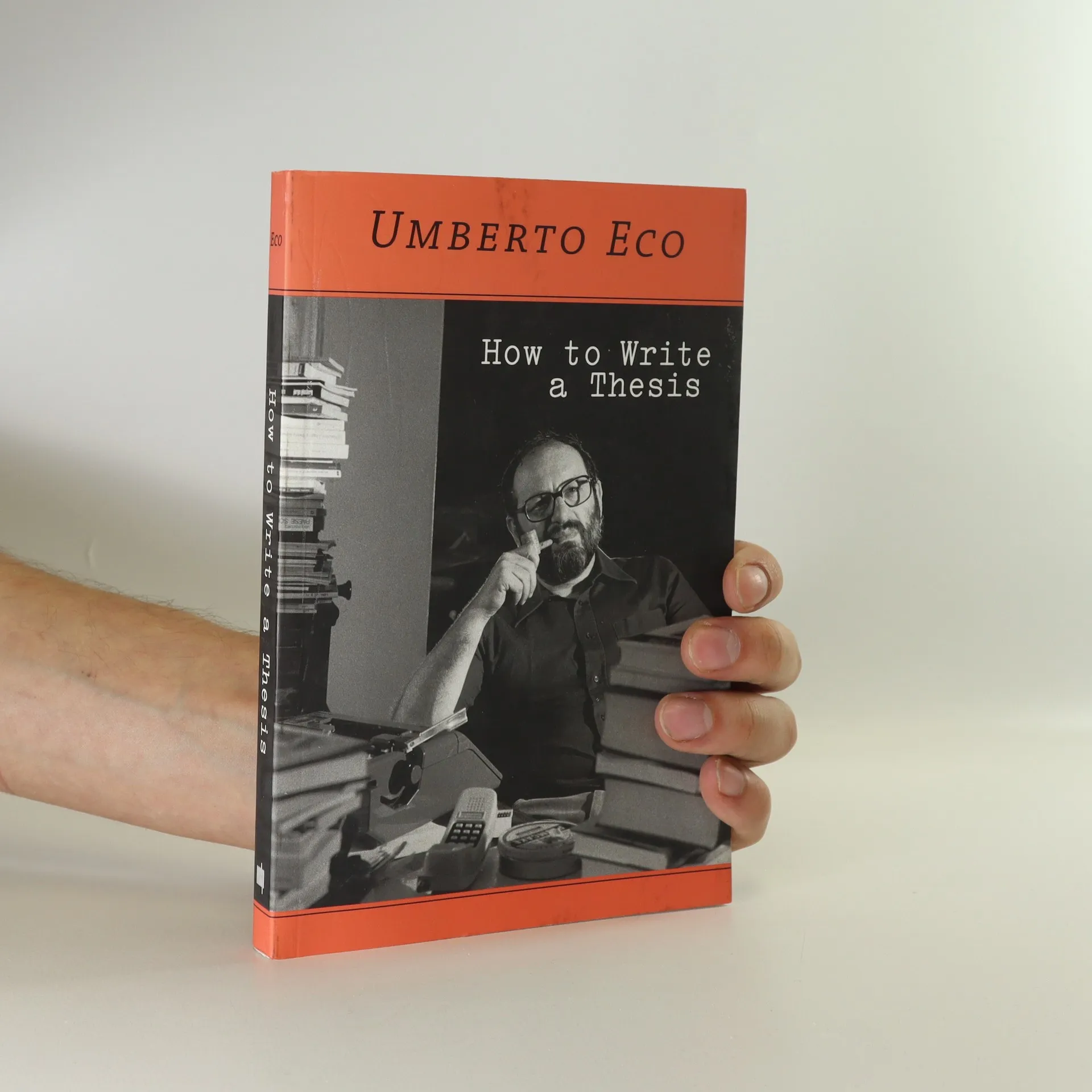
      Umberto Eco's wise and witty guide to researching and writing a thesis, published in English for the first time

      How To Write a Thesis
      3,9
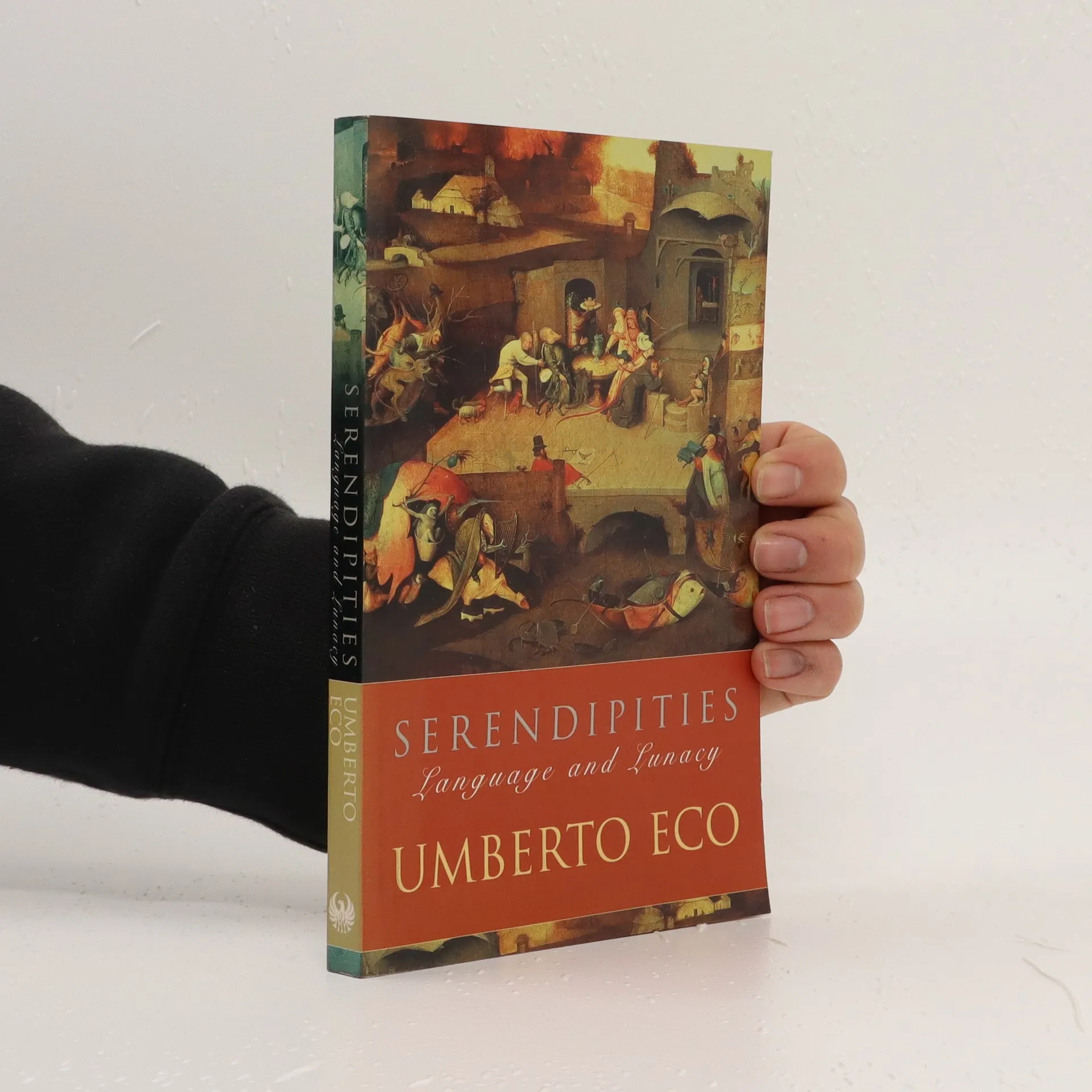
    • Serendipities

      Language & lunacy

      • 176bladzijden
      • 7 uur lezen

      The extraordinary historical consequences of errors and fictional inventions. SERENDIPITIES is an iconoclastic, dazzlingly erudite and witty demonstration, by one of the world's most brilliant thinkers, of how myths and lunacies can produce historical developments of no small significance. In Eco's words, 'even errors can produce interesting side effects'. Eco's book shows how: -- believers in a flat earth helped Columbus accidentally discover America -- the medieval myth of Prester John, the Christian king in Asia, assisted the European drive eastward -- the myth of the Rosicrucians affected the Masons, leading in turn to the widespread belief in a Jewish masonic plot to dominate the world and other forms of paranoid anti-Semitism in the nineteenth and twentieth centuries

      Serendipities
      3,9
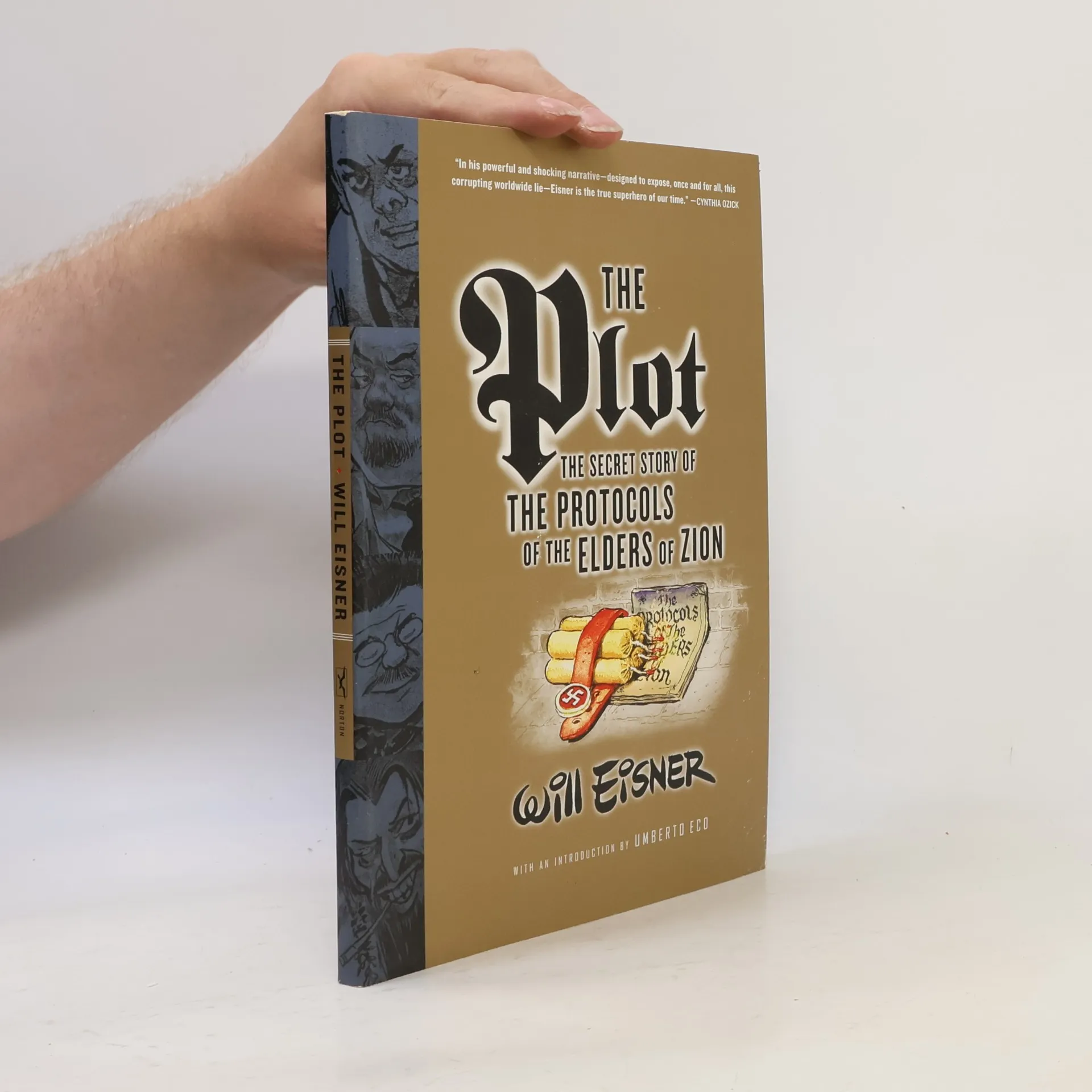
    • Presented in graphic-novel format, an examination of the 1905 plot fabricated by anti-Semitic secret police that was used to accuse Jewish leaders of wanting to take over the world discusses the contributions of such individuals as Tsar Nicholas II, Henry Ford, and Adolph Hitler, tracing how Protocols became an internationally accepted truth and tragically succeeded far beyond propagandistic ambitions. 50,000 first printing.

      The plot : the secret story of The protocols of the elders of Zion
      3,8
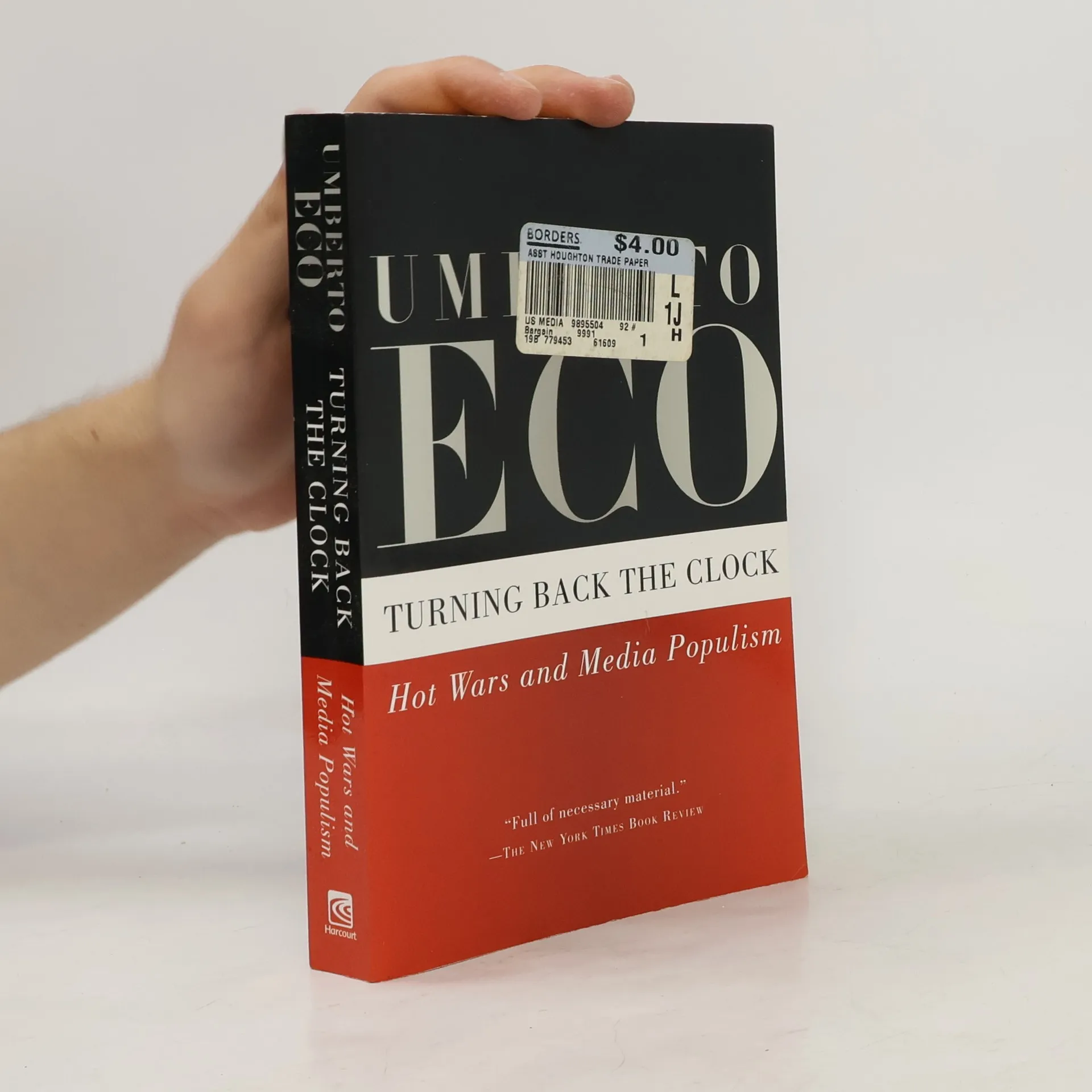
    • The 2000 to 2005, the years of neoconservatism, terrorism, the twenty-four-hour news cycle, the ascension of Bush, Blair, and Berlusconi, and the invasions of Afghanistan and Iraq. Umberto Eco’s response is a provocative, passionate, and witty series of essays—which originally appeared in the Italian newspapers La Repubblica and L’Espresso—that leaves no slogan unexamined, no innovation unexposed. What led us into this age of hot wars and media populism, and how was it sold to us as progress? Eco discusses such topics as racism, mythology, the European Union, rhetoric, the Middle East, technology, September 11, medieval Latin, television ads, globalization, Harry Potter, anti-Semitism, logic, the Tower of Babel, intelligent design, Italian street demonstrations, fundamentalism, The Da Vinci Code, and magic and magical thinking.The famous author and respected scholar shows his practical, engaged an intellectual involved in events both local and global, a man concerned about taste, politics, education, ethics, and where our troubled world is headed.

      Turning Back the Clock. Hot Wars and Media Populism
      3,8
    • Mouse or Rat?

      • 164bladzijden
      • 6 uur lezen

      Based on a series of lectures on translation these essays are thought-provoking and compelling discussions on the difficulties of translating faithfully. Using examples from classic literary texts including his own bestselling novels Eco examines the rights and wrongs, the misunderstandings and the 'negotiations' needed in order to translate. He examines various problems in translation with great wit and humour. Pointing out the pitfalls of literal translation, he asks a machine to translate the beginning of the Bible into Spanish then back into English, then into German and then again back into English. The result is very funny but as Eco points out, it is still vaguely recognisable as a version of the Bible and obviously not the first adventure of Harry Potter. He discusses every form of interpretation and expression from poetry to film and music always demonstrating with vivid examples the disastrous but often hilarious outcome of mistranslation.The main point of all these essays is that translation is always a matter of negotiation; whether it be a loss or a gain on either side a translator's job is to decide what elements are vital and which may be neglected.
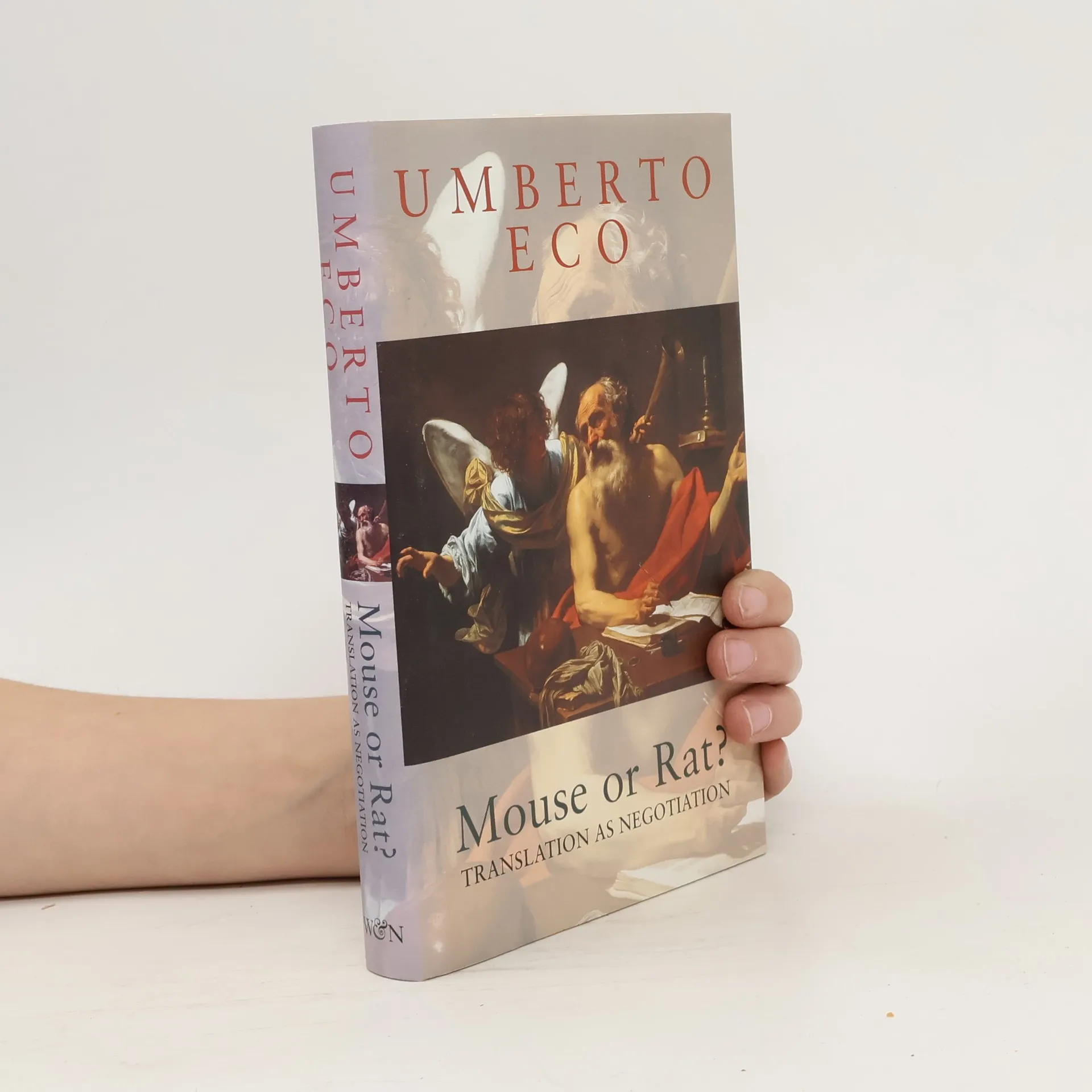
      Mouse or Rat?
      3,8
    • Chronicles of a Liquid Society

      • 320bladzijden
      • 12 uur lezen

      There are people you've never met and yet you miss them when they are gone... Eco's famously ironic voice is penetrating ... The issues Eco addresses are so enormous in their scale they seem insurmountable, yet his measured, erudite commentary assures you that they can be understood and therefore resolved Financial Times

      Chronicles of a Liquid Society
      3,8
    • Turning Back The clock

      • 384bladzijden
      • 14 uur lezen

      'Turning Back the Clock' is a collection of essays by one of the leading intellectuals of our time. With his customary sharpness and wit, Eco explains the tragic steps backwards that have been taken since the end of the last millennium.

      Turning Back The clock
      3,7
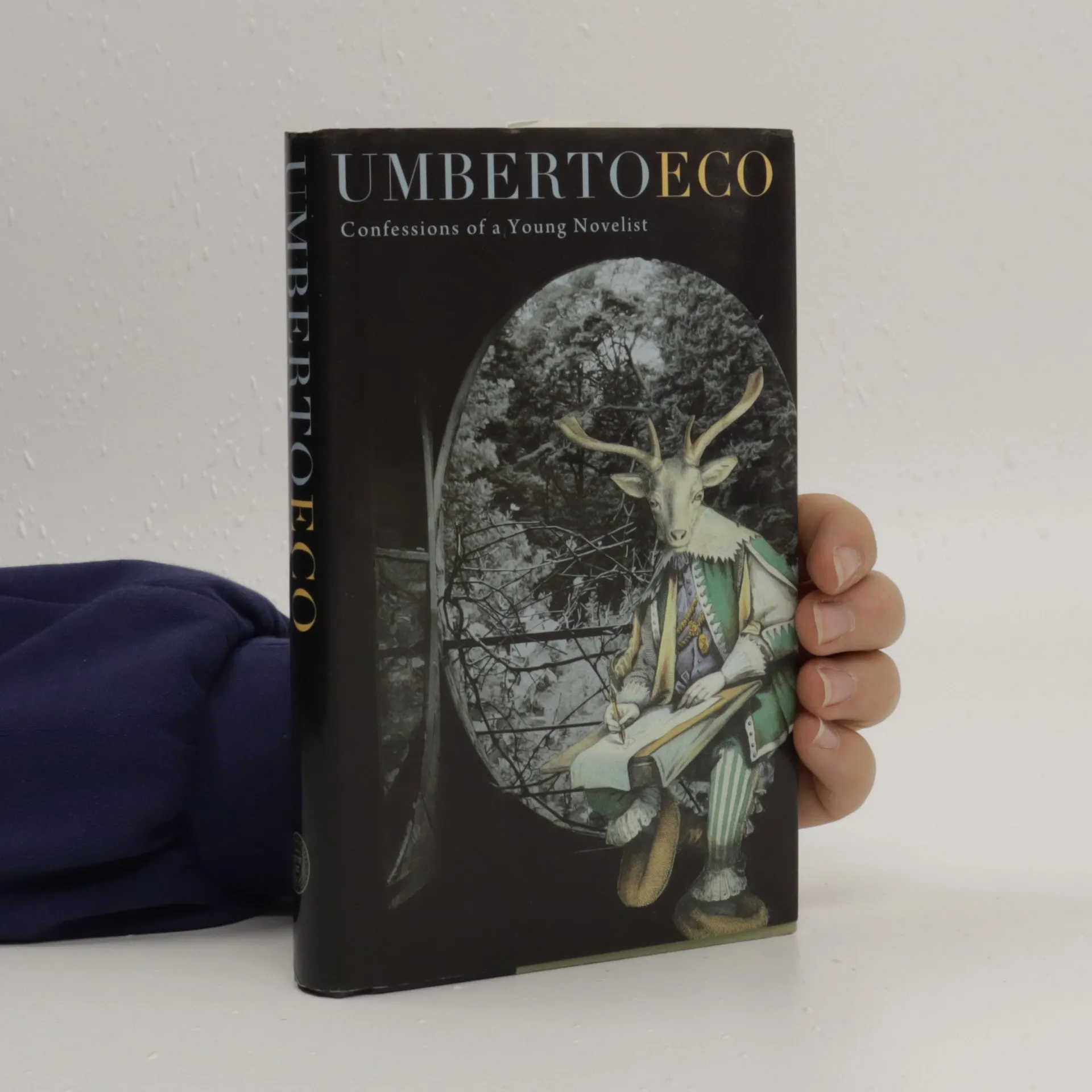
    • Umberto Eco published his first novel, The Name of the Rose, in 1980, when he was nearly fifty. In these “confessions,” the author, now in his late seventies, looks back on his long career as a theorist and his more recent work as a novelist, and explores their fruitful conjunction. He begins by exploring the boundary between fiction and nonfiction—playfully, seriously, brilliantly roaming across this frontier. Good nonfiction, he believes, is crafted like a whodunnit, and a skilled novelist builds precisely detailed worlds through observation and research. Taking us on a tour of his own creative method, Eco recalls how he designed his fictional realms. He began with specific images, made choices of period, location, and voice, composed stories that would appeal to both sophisticated and popular readers. The blending of the real and the fictive extends to the inhabitants of such invented worlds. Why are we moved to tears by a character’s plight? In what sense do Anna Karenina, Gregor Samsa, and Leopold Bloom “exist”? At once a medievalist, philosopher, and scholar of modern literature, Eco astonishes above all when he considers the pleasures of enumeration. He shows that the humble list, the potentially endless series, enables us to glimpse the infinite and approach the ineffable. This “young novelist” is a master who has wise things to impart about the art of fiction and the power of words.

      Confessions of a young novelist
      3,7
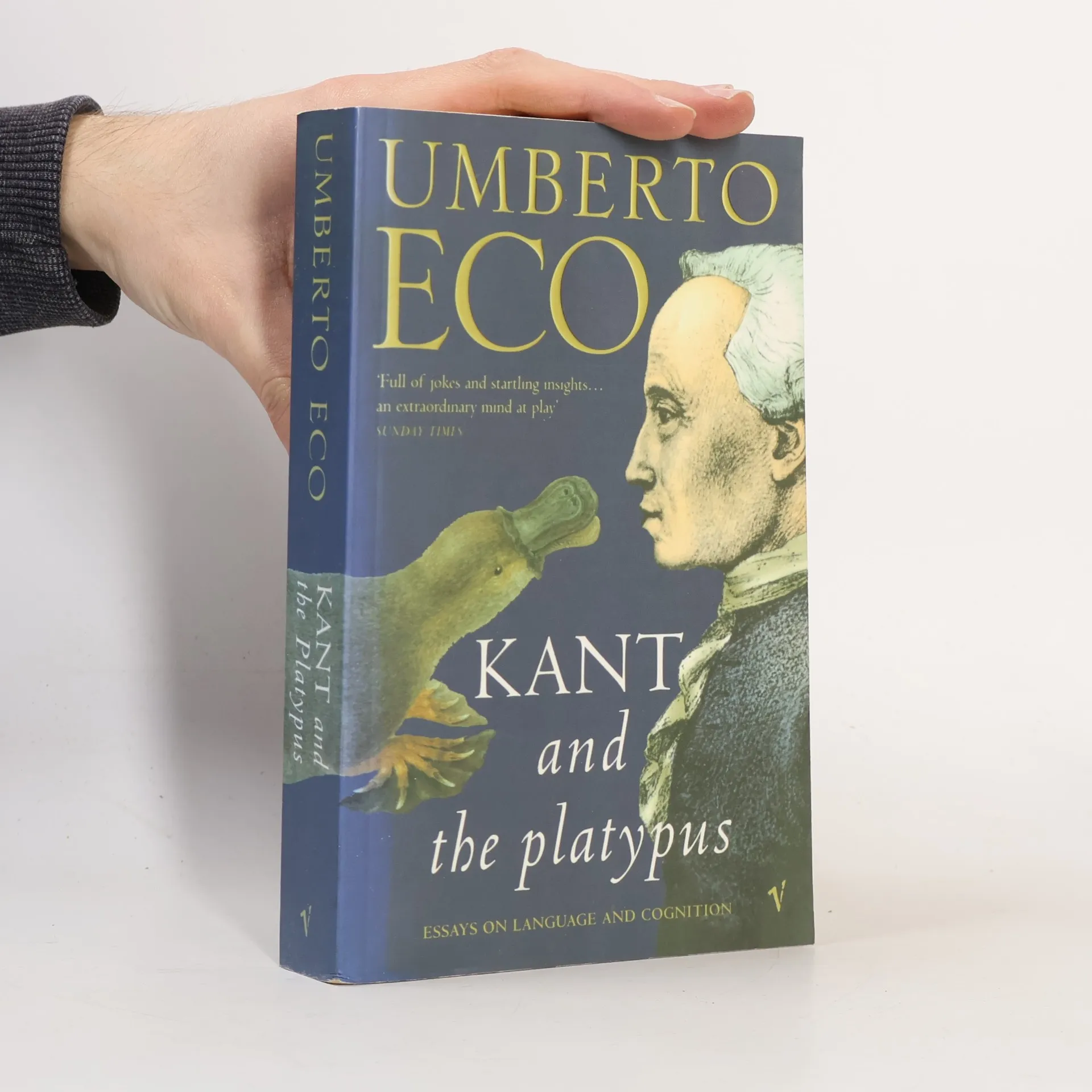
    • How do we know a cat is a cat? And why do we call it a cat? How much of our perception of things is based on cognitive ability, and how much on linguistic resources? Here, in six remarkable essays, Umberto Eco explores in depth questions of reality, perception, and experience. Basing his ideas on common sense, Eco shares a vast wealth of literary and historical knowledge, touching on issues that affect us every day. At once philosophical and amusing, Kant and the Platypus is a tour of the world of our senses, told by a master of knowing what is real and what is not.

      Kant and the Platypus
      3,5
    • Inventing the Enemy

      And Other Occasional Writings

      • 240bladzijden
      • 9 uur lezen

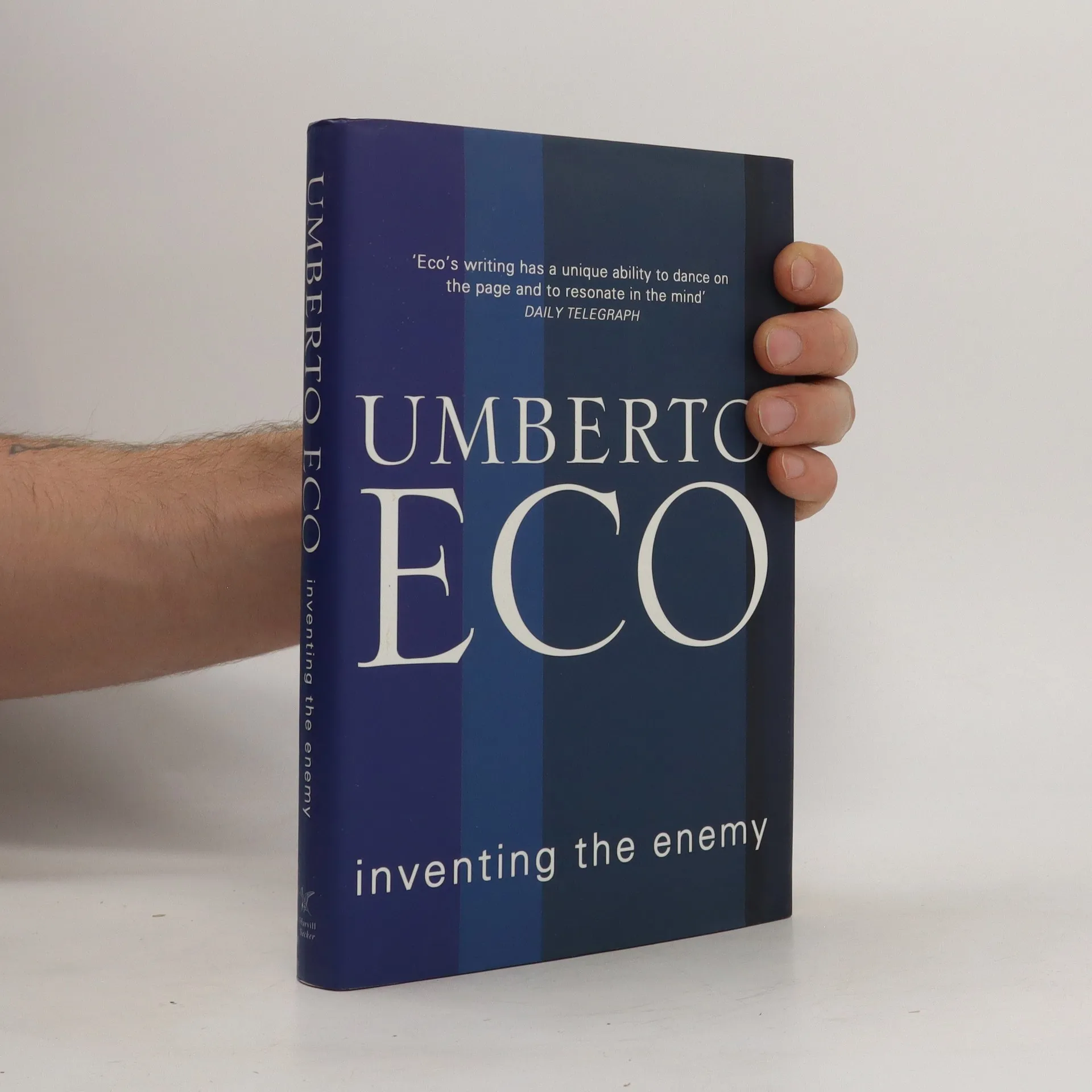
      'Inventing the Enemy and Other Occasional Writings' covers a range of topics on which Umberto Eco has written and lectured over the last ten years, from the discussion of ideas that have inspired his earlier novels to a disquisition on the theme that runs through his most recent novel, that every country needs an enemy, and if it doesn't have one, must invent it.

      Inventing the Enemy
      3,5
    • Vertiges de la liste

      • 410bladzijden
      • 15 uur lezen

      In the history of Western culture we find lists of saints, ranks of soldiers, catalogues of grotesque creatures or medicinal plants, and hordes of treasure. This infinity of lists is no coincidence: a culture prefers enclosed, stable forms when it is sure of its own identity, while when faced with a jumbled series of ill-defined phenomena, it starts making lists. The poetics of lists runs throughout the history of art and literature. We do not only see it at work in ancient bestiaries, the celestial hosts of angels or the naturalist collections of the 16th century. We also find it more obliquely from Homer to Joyce, from the treasures of Gothic cathedrals to the fantastic landscapes of Bosch and cabinets of curiosities, until we get to Andy Warhol and Arman in the 20th century. In this 5-colour illustrated edition, Umberto Eco reflects on how the idea of catalogues has changed over the centuries and how, from one period to another, it has expressed the spirit of the times. His essay is accompanied by a literary anthology and a wide selection of works of art illustrating and analysing the texts presented. This new illustrated essay is a companion volume to On Beauty and On Ugliness.

      Vertiges de la liste
      4,5
    • Portraits

      • 272bladzijden
      • 10 uur lezen

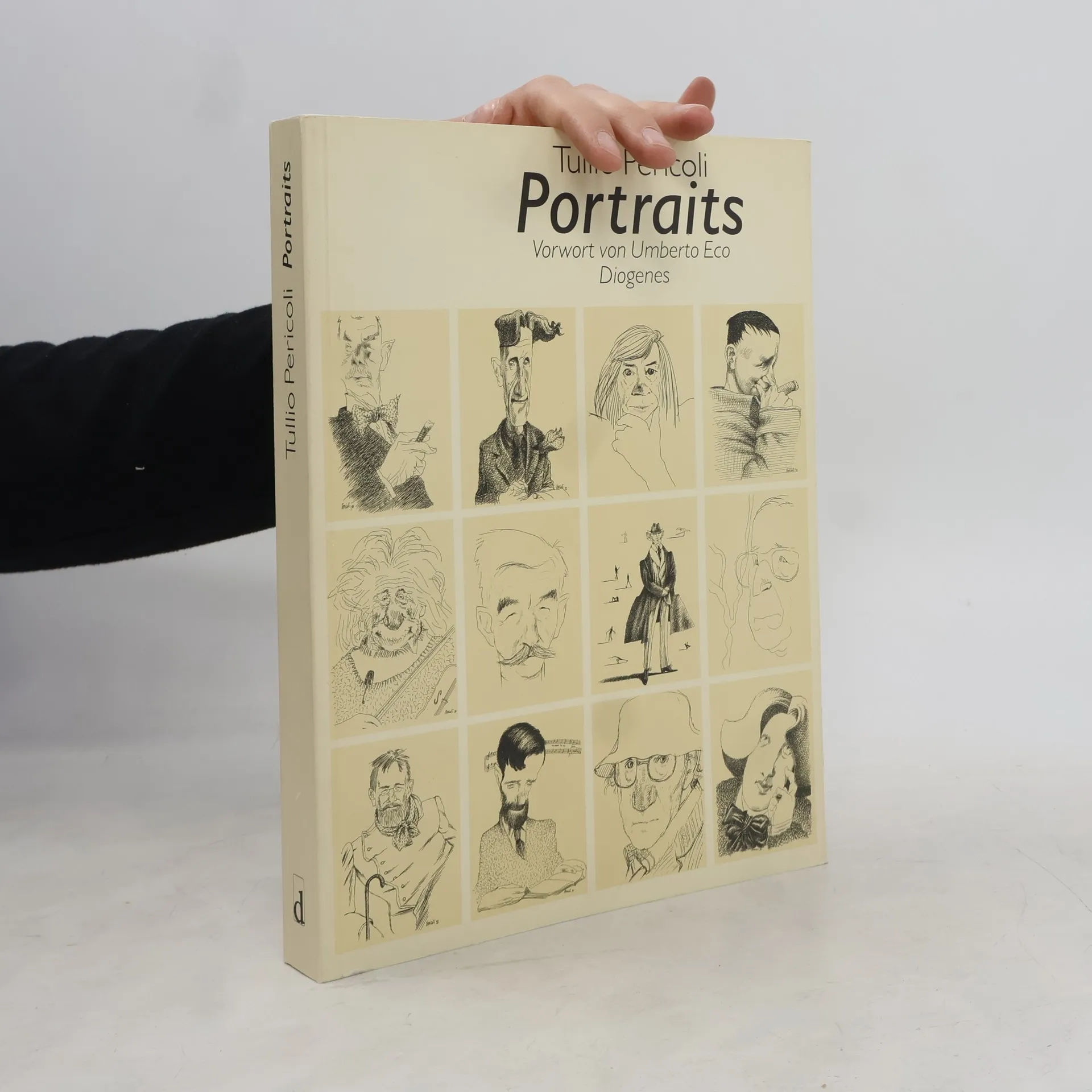
      Tullio Pericoli, seit 1964 eine feste Größe in der italienischen Kulturszene, wurde erstmals 1988 in Deutschland ausgestellt. Bekannt für seine Karikaturen in Zeitungen, hat er sich als politischer Satiriker und Gesellschaftskritiker etabliert. Seine wahre Leidenschaft gilt jedoch dem Portraitieren. Pericoli zeigt in seinen Portraits nicht immer die besten Seiten seiner 'Modelle', sondern vielmehr die interessantesten. Er ist nie boshaft; stattdessen spielt er mit den Schwächen und Stärken der Charaktere, die er darstellt. Humor und Ironie sind seine Mittel, um tiefere Einsichten zu vermitteln. Er diffamiert nicht, sondern entlarvt und schafft durch diese kritische Distanz eine Aussagekraft, die auch bei näherer Betrachtung Bestand hat. Die Sammlung umfasst rund zweihundert Bilder großer Dichter, Denker, Maler und Musiker, von A bis Z, darunter Persönlichkeiten wie Adorno, Borges, Einstein, Kafka, Shakespeare und viele andere. Pericoli gelingt es, die Essenz seiner Modelle einzufangen und gleichzeitig einen kritischen Blick auf deren Charakterzüge zu werfen. Seine Arbeiten sind eine Einladung, die Komplexität menschlicher Natur zu erkunden.

      Portraits
      5,0
    • Breviář politiků

      • 116bladzijden
      • 5 uur lezen

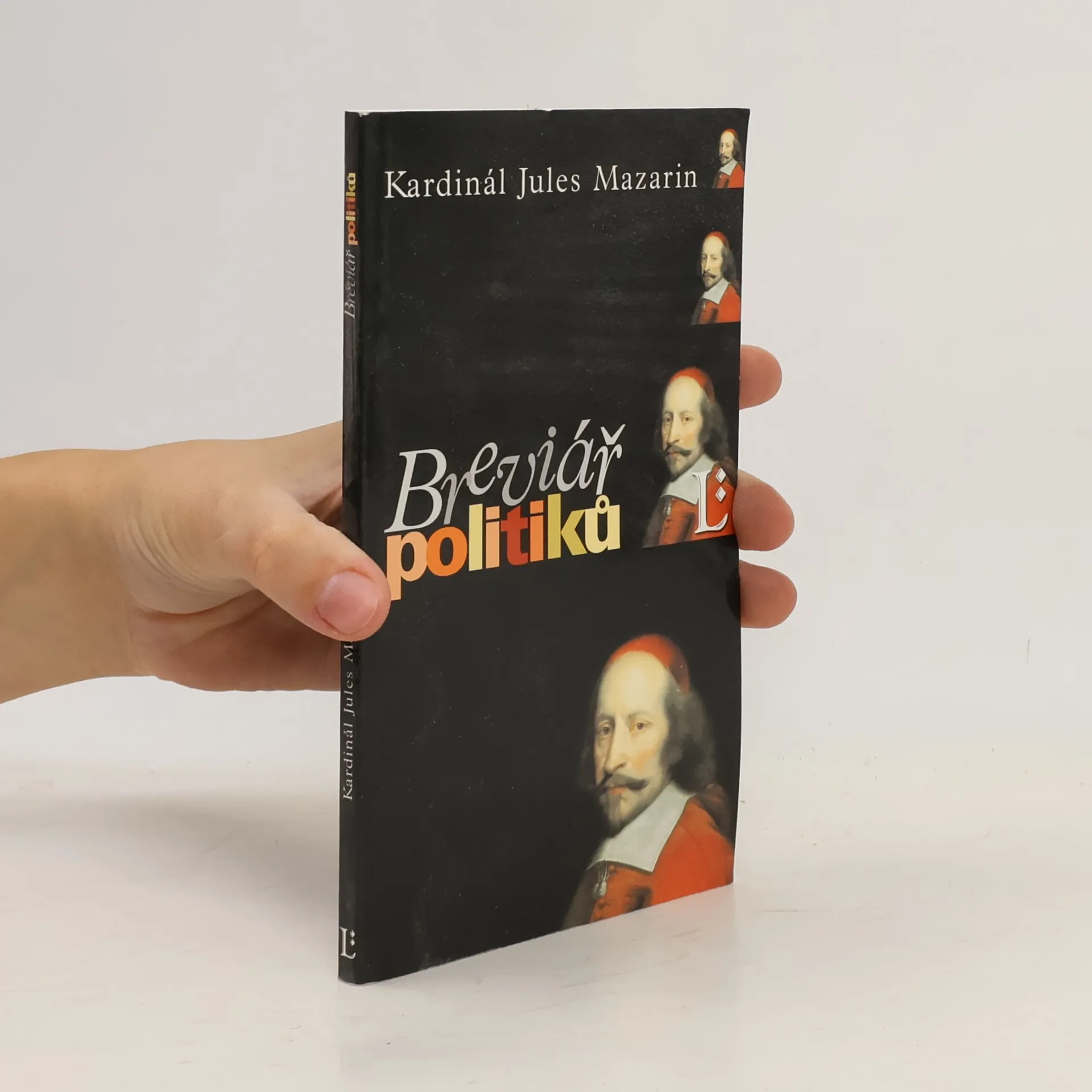
      Získávaje stále přízeň mocných, uměl Mazarin odstranit své nepřátele, dostat se na první místo a udržet si je během dvou vlád až do své smrti. Lze tedy v jeho breviáři najít několik pragmatických lekcí, které ještě dnes mohou být užitečné každému vlivnému člověku. Byť se prohnaný kardinál nezatěžuje morálkou ani spravedlností, staví na odiv udivující svěžest, a dokonce určitou naivitu.

      Breviář politiků
      5,0
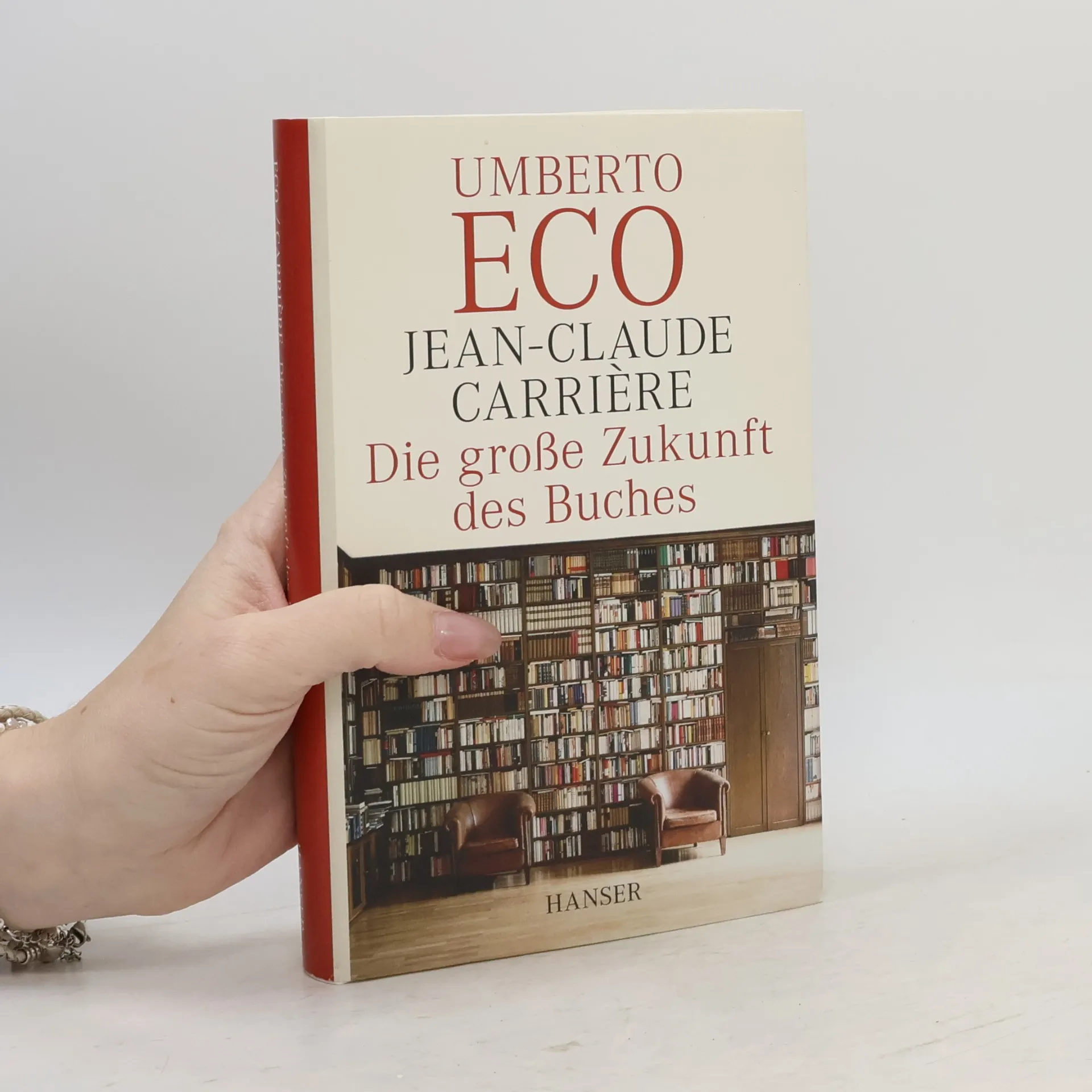
    • Eine schmunzelnde Hommage an die Gutenberg-Galaxie, die alle Leser entzücken wird, die das Buch als Gegenstand lieben. Und womöglich bei den Besitzern von E-Books einige Nostalgie wachruft. 'Was an diesem Buch gefällt, ist die Gelassenheit, mit der sich die beiden alten Bücherfreunde über das Vergnügen und Laster der Bibliophilie austauschen.' Süddeutsche Zeitung 'Am Ende weiß man auch nicht zu sagen, warum man es vor allem gelesen hat - wegen seiner luziden Gedanken oder aus Freude am Lesen, die es entfacht.' Die Welt

      Die große Zukunft des Buches
      4,4
    • V této knize předkládá Umberto Eco své studie o historii znakových teorií. Popisuje dva modely encyklopedického poznání, z nichž jeden vychází z ideje stromu (systematického větvení pojmů) a druhý z ideje labyrintu. V dalších kapitolách pak hledá sémiotickou reflexi ve filozofických systémech od Platóna a Aristotela přes Tomáše Akvinského či Viléma Ockhama ke Kantovi, ale nemenší pozornost věnuje rétorickým spisům (například barokním výkladům o metafoře) či kabalisticky založenému učení o „kombinatorickém umění“ (Raymondovi Lullovi a Picovidella Mirandola). Tato materiálově mimořádně bohatá kniha shrnuje Ecovy různorodé výzkumy z posledních desetiletí, autor jí však dokázal vtisknout přehlednou monografickou podobu.

      Od stromu k labyrintu: Historické studie o znaku a interpretace
      4,6
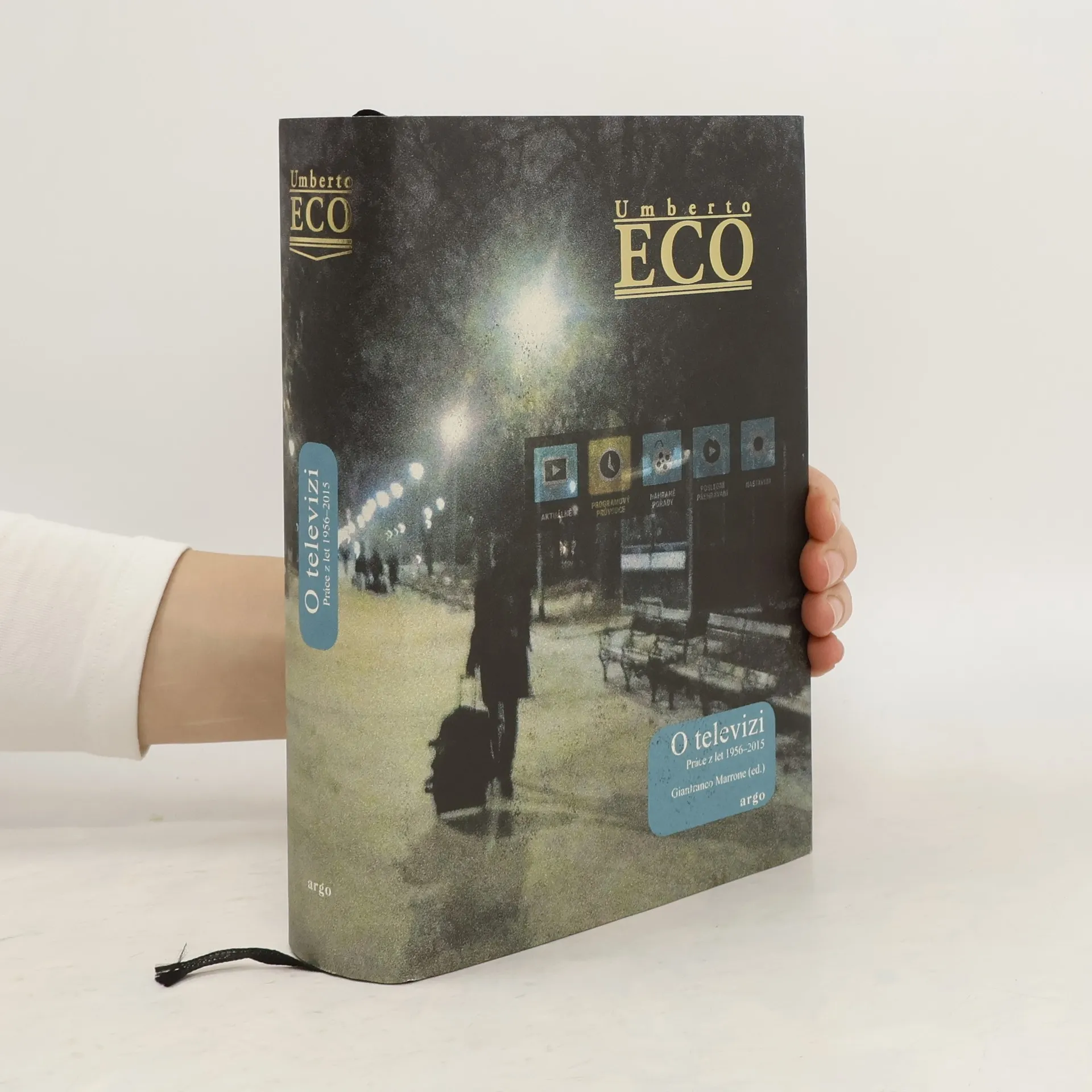
    • Nový svazek díla Umberta Eca je určen všem čtenářům, kteří chtějí poznat různé stránky televize jakožto svébytného jevu. Zahrnuje autorovy práce na dané téma z let 1956–2015 – eseje, příspěvky přednesené na kongresech i novinové články. Úvahy v nich obsažené pokrývají rozsáhlé časové období od prvních vysílaných pořadů až do dnešních dob, kdy se k televizi přidružuje internet a sociální sítě. Masmédia nepřenášejí ideologie, ona sama jsou ideologiemi, shrnuje své poznatky autor.

      O televizi
      4,6
    • Tri príbehy

      • 110bladzijden
      • 4 uur lezen

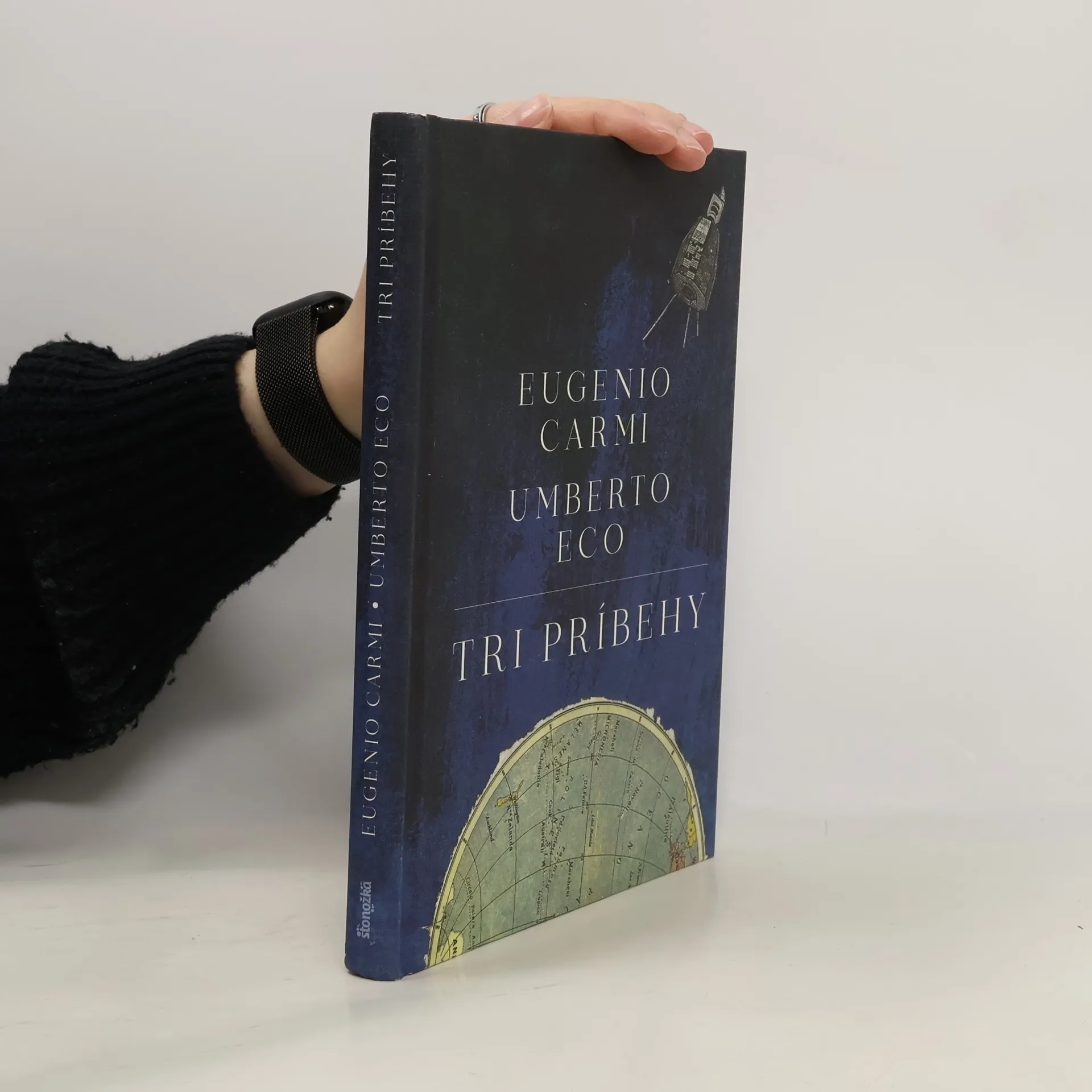
      Atómy uzavreté v jadrovej bombe sa vzbúria proti generálovi, ktorý chce rozpútať vojnu, pričom plánuje použiť obrovský arzenál ukrytý na pôjde. Traja navzájom súperiaci kozmonauti, Američan, Rus a Číňan, prichádzajú na Mars a stretávajú šesťrukého Marťana, vďaka ktorému sa z nich stanú priatelia. Márnomyseľný cisár vysiela prieskumníka, aby na malú, šťastnú a nevinnú planétu priniesol civilizáciu. Tri príbehy, ktoré porozprával Umberto Eco a ilustroval Eugenio Carmi, pre malých aj veľkých, čiže pre každého, kto potrebuje rozprávky. Maliar EUGENIO CARMI sám seba označoval za výrobcu obrázkov. Pri Umbertovi Ecovi sa z neho stal ilustrátor. UMBERTO ECO bol filozof, odborník na stredovek, semiológ a spisovateľ. Sám seba označoval za výrobcu slov. Pri Eugeniovi Carmim sa z neho stal rozprávkar.

      Tri príbehy
      4,4
    • Im Labyrinth der Vernunft

      • 479bladzijden
      • 17 uur lezen

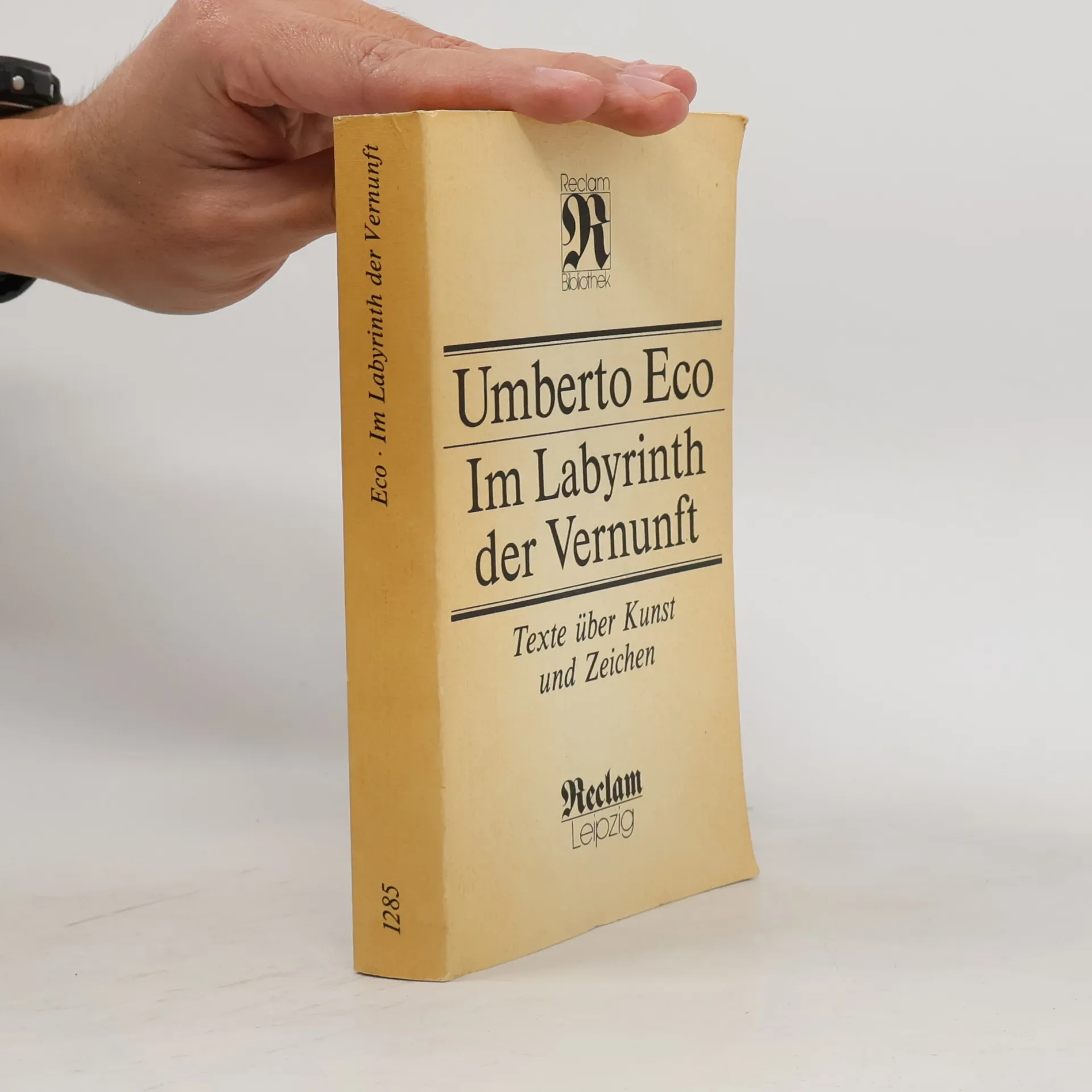
      Signor Sigma hat Bauchweh und muss auf dem Weg zum Arzt an der Ampel warten, den Fahrplan lesen und schließlich die Diagnose einer Trinkerleber erhalten. Diese Erzählung verdeutlicht, dass unsere Lebenswelt ein Reich der Zeichen ist, das wir nur verstehen können, wenn wir lernen, sie zu deuten. Der Ausflug in die semiotische Gelehrsamkeit beginnt mit Herrn Sigma und dem Eco-Reader, der uns in die komplexe Welt von Umberto Eco einführt. Der Titel des Sammelbandes verweist auf die zentrale Bedeutung des Labyrinths in Ecos Denken, besonders in seinem Bestseller, wo die Bibliothek als Metapher für die enzyklopädische Totalität unserer Kultur dient. Alles Kulturelle wird als Kommunikationsprozess verstanden, der die Produktion und Interpretation von Zeichen umfasst. Diese Grundidee der Semiotik zieht sich durch die Sammlung, die Themen wie Massen- und Medienkultur, Kunsttheorie und die Schnittstelle von Erkenntnistheorie und Zeichenlehre behandelt. Eco präsentiert sein Wissen anschaulich und spannend, und obwohl die semiotische Vernunft heute etwas altmodisch erscheinen mag, bleibt die Erkenntnis bestehen, dass Zeichen erst im Gebrauch Bedeutung erlangen. Es geht nicht um die Rose, sondern um den Namen der Rose.

      Im Labyrinth der Vernunft
      4,5
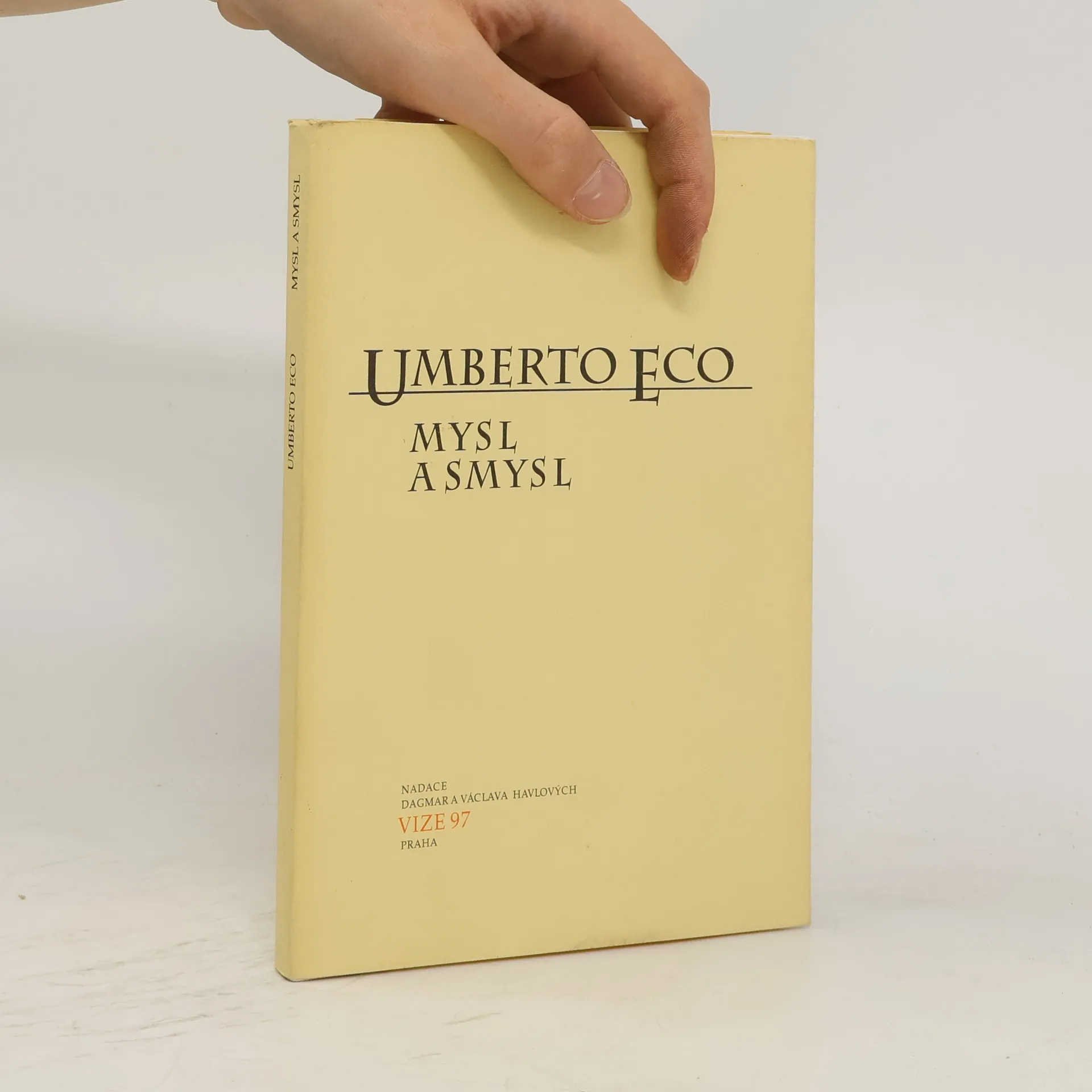
    • Sémiotický pohled na svět. Kniha textů italského spisovatele, literárního kritika, sémiotika, držitele ceny Nadace Dagmar a Václava Havlových Vize 97. Uspořádal Jiří Fiala, z angličtiny a francouzštiny přeložil Jiří Fiala, z italštiny Zdeněk Frýbort. Výt. č. 1-50 číslovány a podepsány autorem.

      Mysl a smysl. Sémiotický pohled na svět
      4,3
    • Book of Kells

      MS 58, Trinity College Library, Dublin: Commentary, Fine Art Facsimile Volume

      • 681bladzijden
      • 24 uur lezen

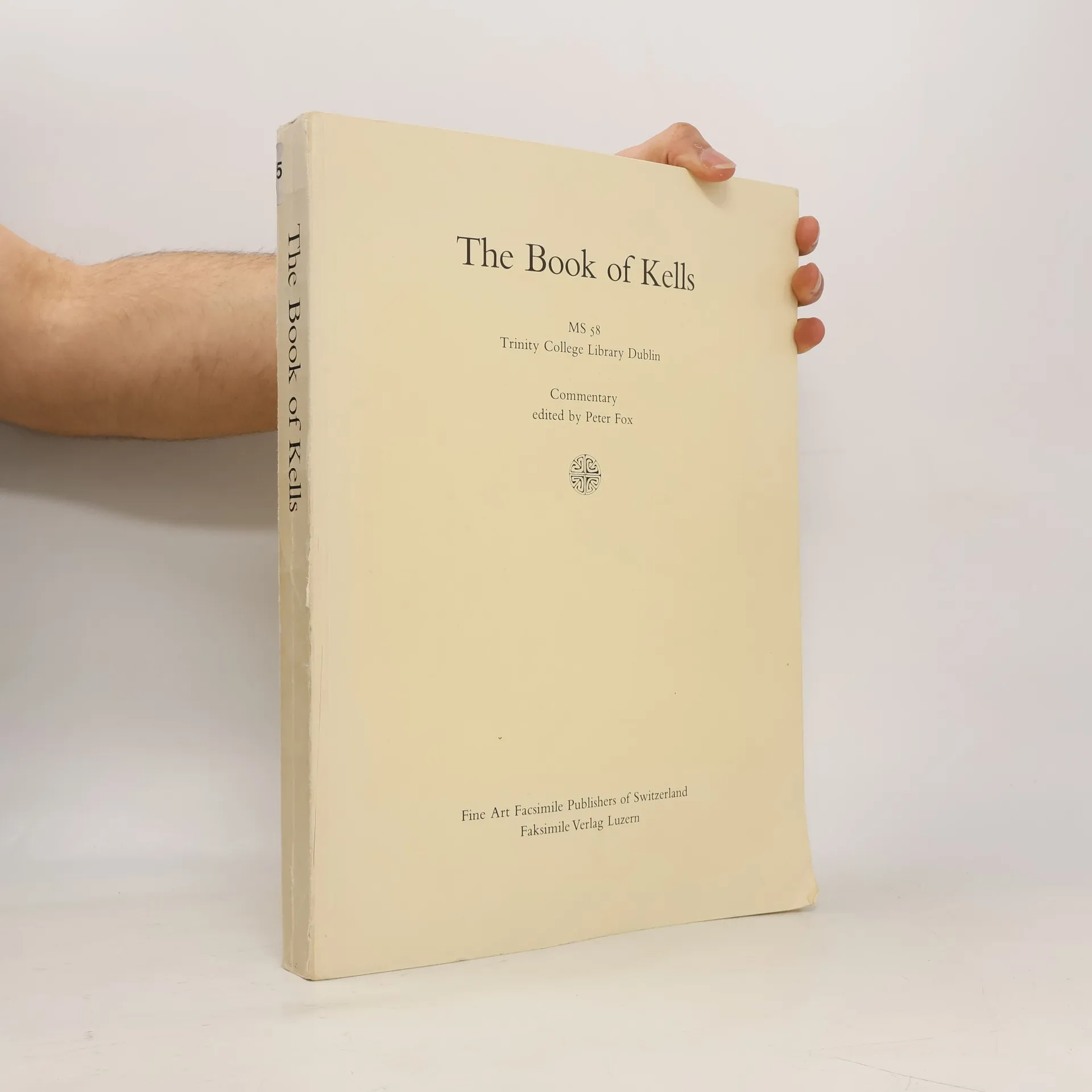
      1990 published fine art full colour facsimile of The Book of Kells (MS 58, Trinity College, Dublin) and the related Commentary edited by Peter Fox which features a forward by Umberto Eco and includes Meehan amongst the contributors, both published by Faksimile Verlag of Luzern.

      Book of Kells
      4,3
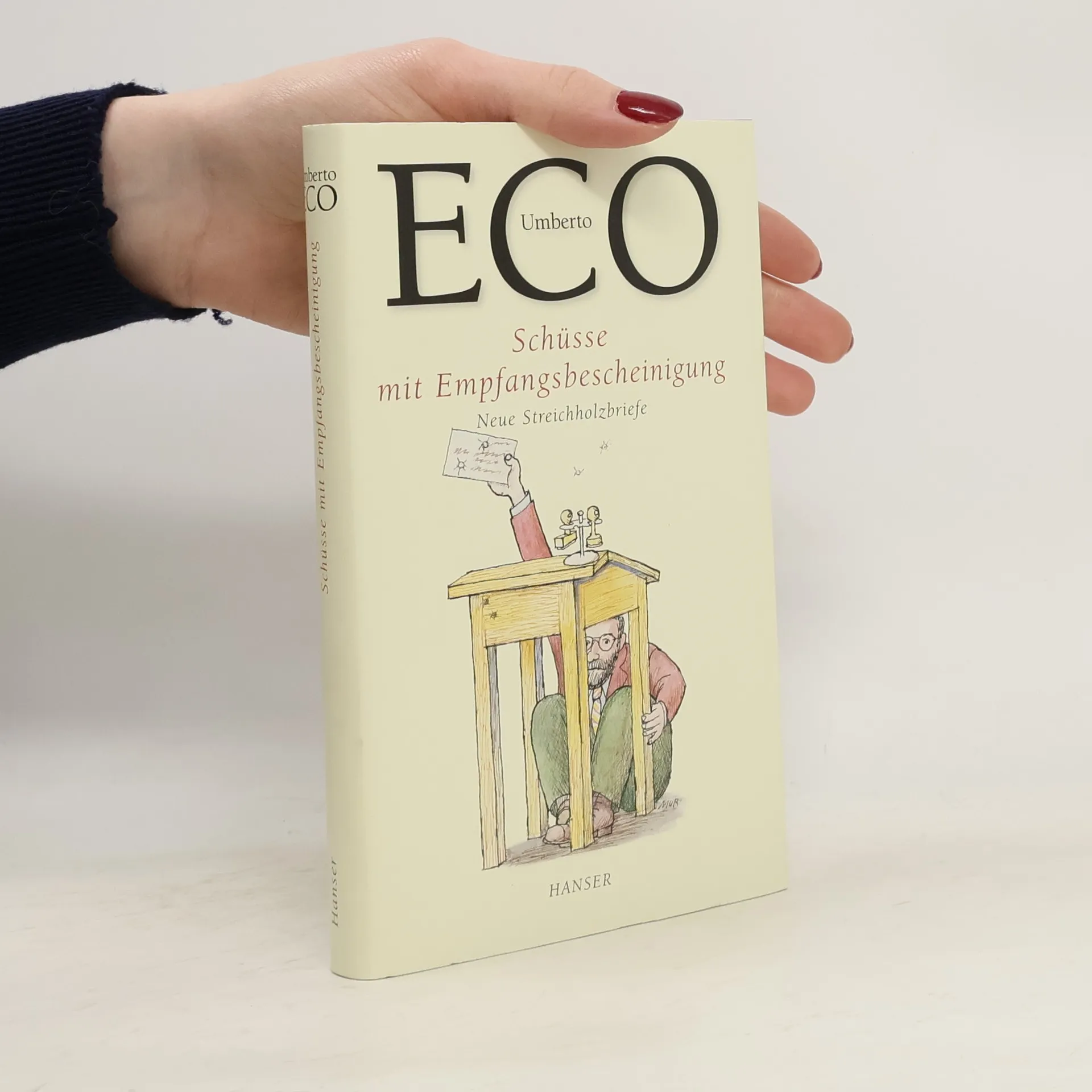
    • Soll man eher auf die Philosophen hören oder auf die Philosophinnen? Soll man Bücher sammeln oder lesen? Oder soll man einfach nur noch ins Kino gehen? Umberto Eco, einer der markantesten und unterhaltsamsten Kommentatoren unserer Alltagswelt, betrachtet in diesen scharfzüngigen Essays und Glossen Politik, Kultur und die allgemeine Lage. Es geht um Romane, Filme und Romanverfilmungen, um neue und antiquarische Bücher, Katastrophennachrichten und um den alltäglichen Krieg. Ein Feuerwerk an Belesenheit und Witz.

      Schüsse mit Empfangsbescheinigung
      4,2
    • Verschwörungen

      Eine Suche nach Mustern

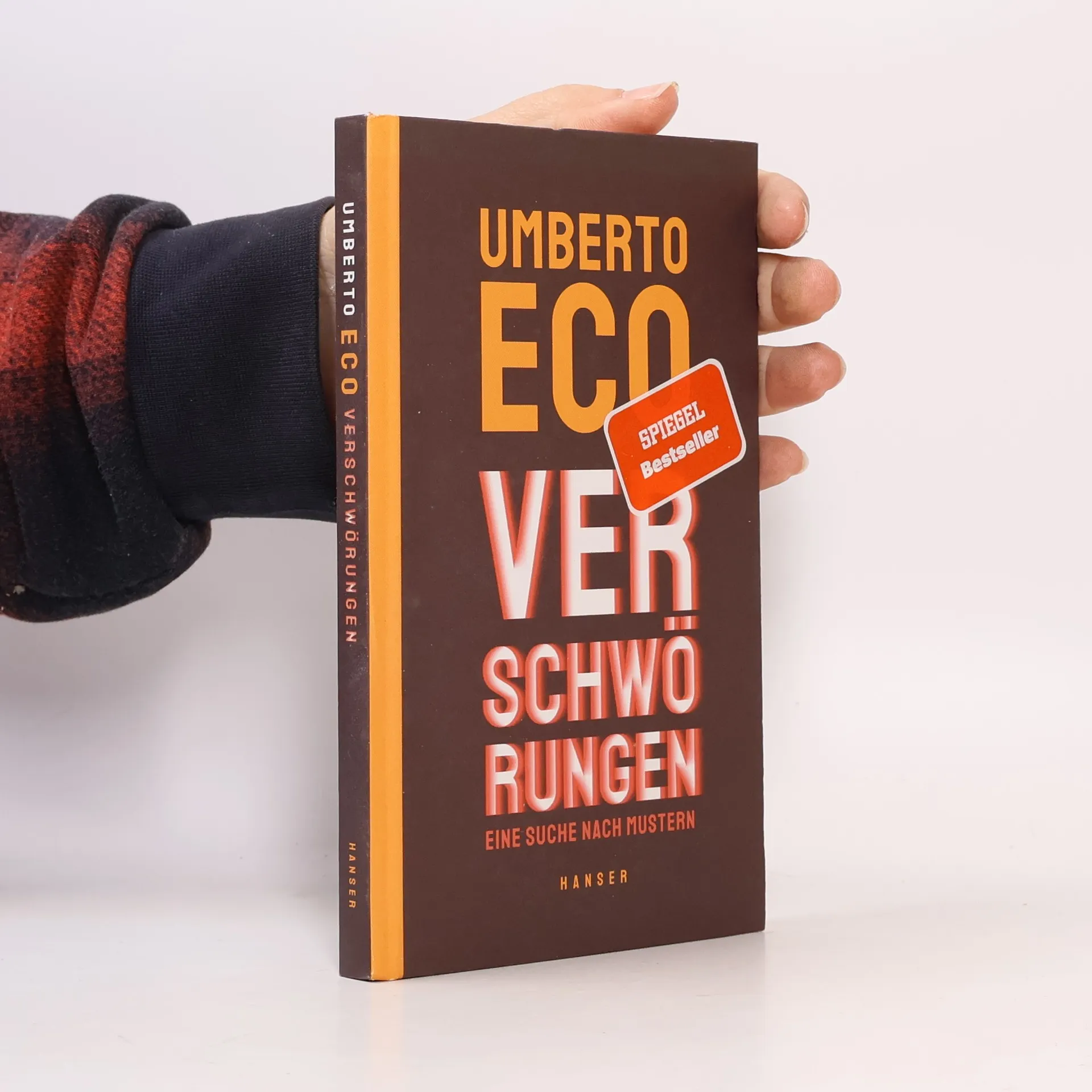
      Wie funktionieren Verschwörungstheorien? Umberto Eco über die historischen Wurzeln von Querdenkern und Co. Der Verschwörungskult um QAnon fabuliert von einer Elite, die das Blut gefolterter Kinder trinke. Selbsternannte Skeptiker wettern gegen vermeintliche Impfkartelle. Andere wähnen sich mitten in Deutschland in einer versteckten Diktatur. Auch wenn sie in immer neuer Gestalt daherkommen, Verschwörungstheorien durchziehen die Geschichte. Dabei verlaufen sie stets nach demselben Muster – das kaum jemand so treffend erkannt und brillant beschrieben hat wie Umberto Eco. In beständigem Ringen mit Antisemitismus, Esoterik und Pseudowissenschaft hat er schon lange vor der aktuellen Flut an Verschwörungstheorien deren überzeitliche Strukturen freigelegt. Eco fehlt – sein Werk ist gültig und aktuell wie nie.

      Verschwörungen
      4,3
    • Do tohoto svazku autor zařadil další novinové sloupky, které psal patnáct let pro list L’Espresso. Zde uveřejněné sloupky se vyznačují značnou rozmanitostí, a to nikoliv nedůsledností autora, ale v důsledku složitosti dnešní doby. Období „tekuté společnosti“, jak ji nazývá Zygmunt Bauman, začalo postmodernismem, který se vyznačoval krizí velkých vyprávění, s hravostí či ironií pojednával o historii a občas čelil výzvám nihilismu. Postmodernismus však byl jen přechodem od modernismu k dosud nijak nepojmenované současnosti. Tu charakterizuje krize státu, těsně spjatá s krizí ideologií, a tím i politických stran. Dnešní krajní individualismus opouští ideu společenství a druhé lidi vnímá jako rivaly.

      Od hlouposti k šílenství. Zprávy o tekuté společnosti
      4,3
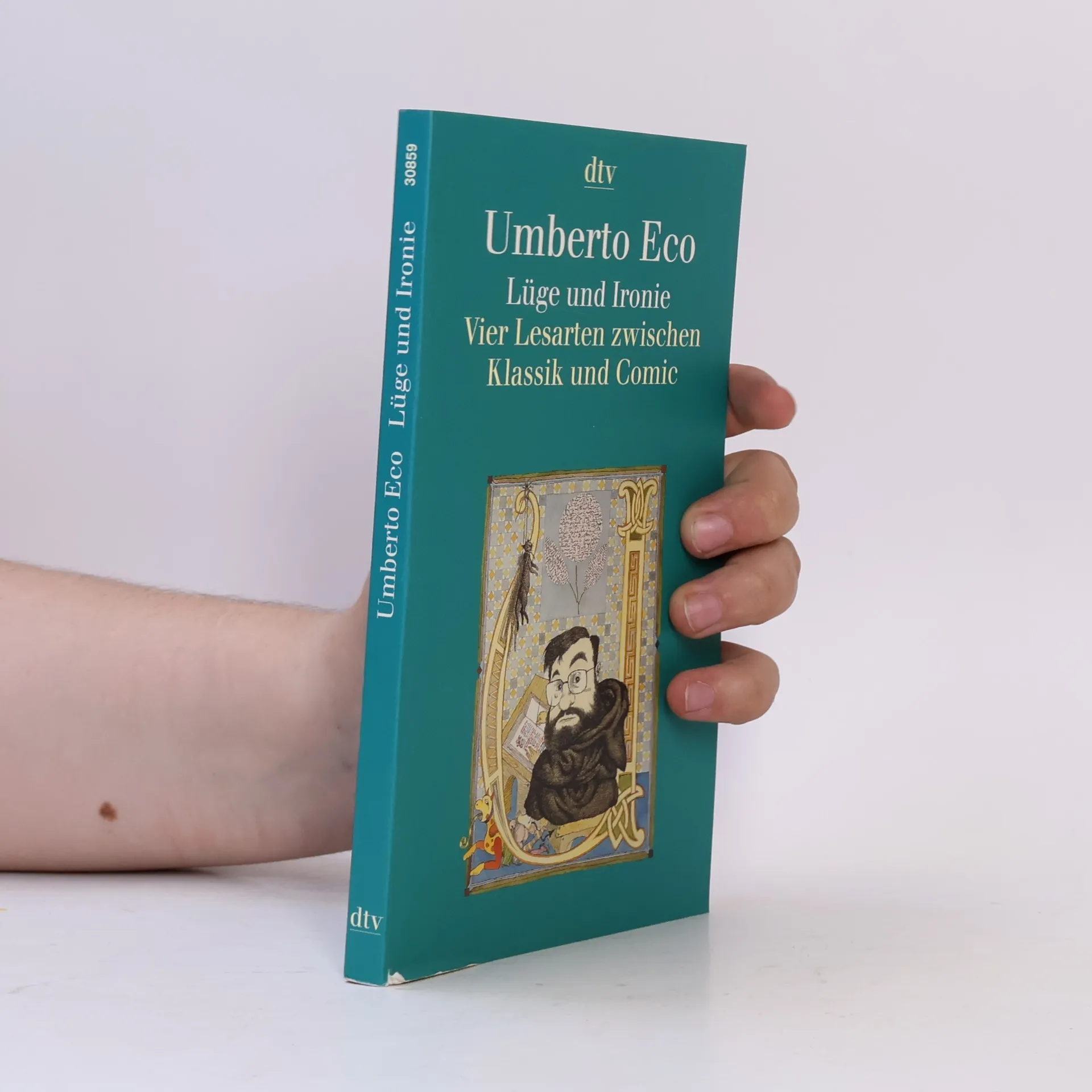
    • Lüge und Ironie

      • 141bladzijden
      • 5 uur lezen

      Umberto Eco ist nicht erst seit seinem Namen der Rose als Spurenleser berühmt, denn schon in seinen Aufsätzen zu Literatur und Kultur zeigte er sich als Meister im Aufschlüsseln von Bildern, Texten und Zeichen. Vier auf den ersten Blick ganz unterschiedliche Themen stellt Eco in seinem neuen Band auf verblüffende Weise nebeneinander, und die Spannweite reicht von Manzonis Verlobten, dem berühmtesten Roman der italienischen Literatur, bis zu Corto Maltese, dem Kult-Comic von Hugo Pratt; von Cagliostro, dem falschen Grafen, der ganz Europa in Atem hielt, bis zu Campanile, dem Ironiker der Literatur unseres Jahrhunderts. »Daß jedoch gerade diese vier Schriften und keine anderen hier versammelt sind«, sagt Eco seinerseits ironisch, »läßt vermuten, daß sie etwas gemeinsam haben.« In allen geht es um Strategien der Lüge, der Verstellung, des Mißbrauchs der Sprache und der Umkehrung dieses Mißbrauchs durch Ironie. Und Umberto Eco zeigt, wie gerne die Leser sich belügen lassen - solange es nur mit der literarischen Phantasie geschieht, die er in seinen vier Lesarten so brillant analysiert.

      Lüge und Ironie
      4,0
    • Apostille au Nom de la rose

      • 90bladzijden
      • 4 uur lezen

      Texte érudit et lumineux, l’Apostille au « Nom de la rose » livre les secrets de fabrication du chef-d’œuvre d’Umberto Eco. Pourquoi l’intrigue se déroule-t-elle au Moyen Age ? Pourquoi en novembre de l’an 1327 et à la fin du mois ? Pourquoi une bibliothèque conçue comme un labyrinthe ? Pourquoi une histoire digne d’un roman policier classique ? etc. Toutes les questions que suscite la lecture du Nom de la rose trouvent ici leur réponse.

      Apostille au Nom de la rose
      4,2
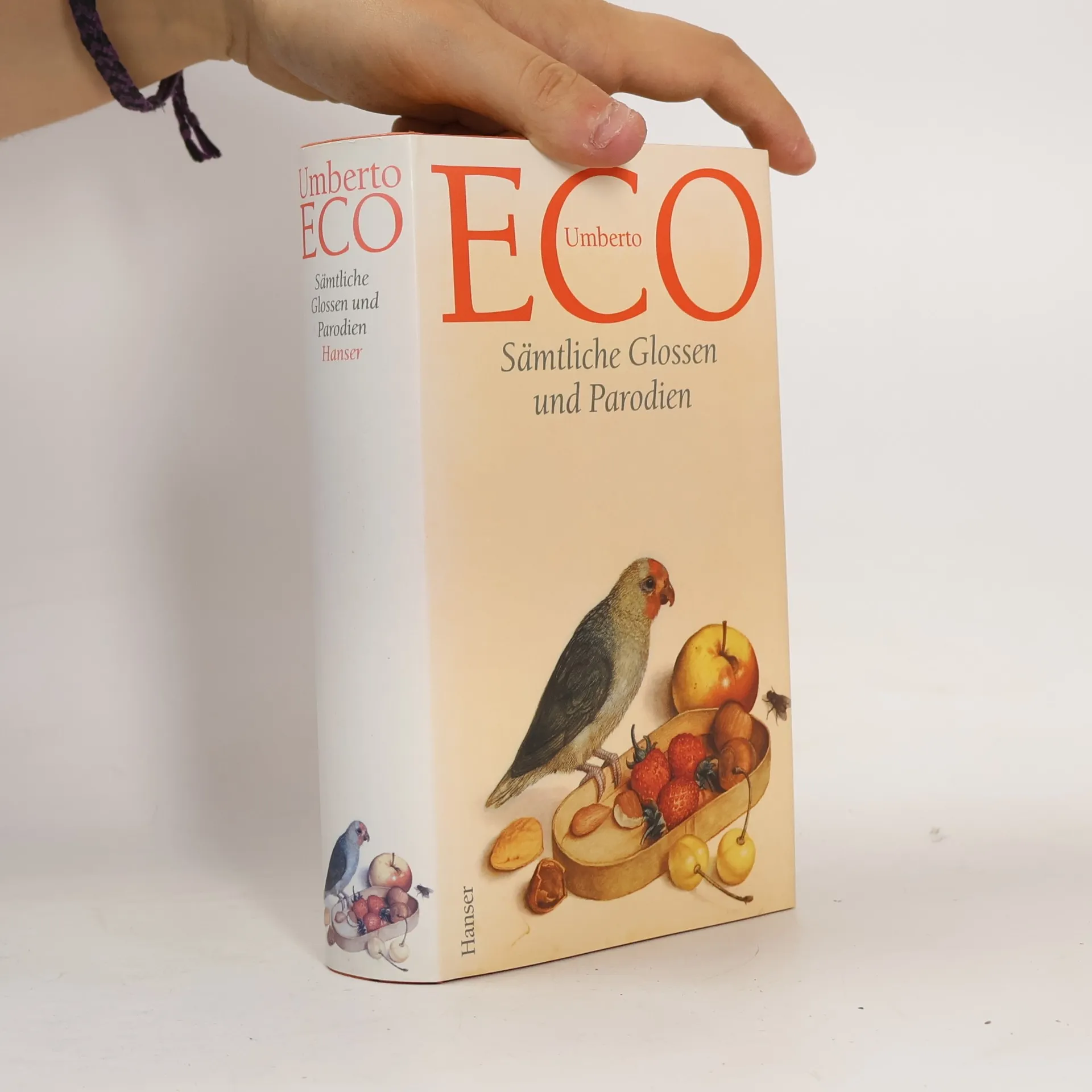
    • Was haben Derrick und sexuelle Repression miteinander zu tun? Umberto Eco verknüpft sie zu einer provozierenden und unterhaltsamen Geschichte der Alltagskultur, die er hier in seinen gesammelten Glossen zum Besten gibt. Ein Buch, das stundenlanges Lesevergnügen verspricht ...§

      Sämtliche Glossen und Parodien
      4,1
    • Briefe an mein Enkelkind

      • 140bladzijden
      • 5 uur lezen

      Liv Ullmann, Schauspielerin und Regisseurin, hat als UNICEF-Sonderbotschafterin 25 weitere prominente Zeitgenossen gebeten, persönliche Erfahrungen und Werte, die ihnen am Herzen liegen, weiterzugeben an real existierende eigene Enkelkinder wie überhaupt an alle jungen Menschen. In Briefen, Prosastücken und Reden sprechen sie von Frieden und Toleranz, von der Achtung von Mensch und Natur sowie von einem Leben in Würde: Harry Belafonte, Gro Harlem Brundtland, Dalai Lama, Umberto Eco, Oriana Fallaci, Marilyn French, Nadine Gordimer, Václav Havel, Thor Heyerdahl, Doris Lessing, Astrid Lindgren, Nelson Mandela, Martina Navratilova, Shimon Peres, Fay Weldon u. a.

      Briefe an mein Enkelkind
      3,0
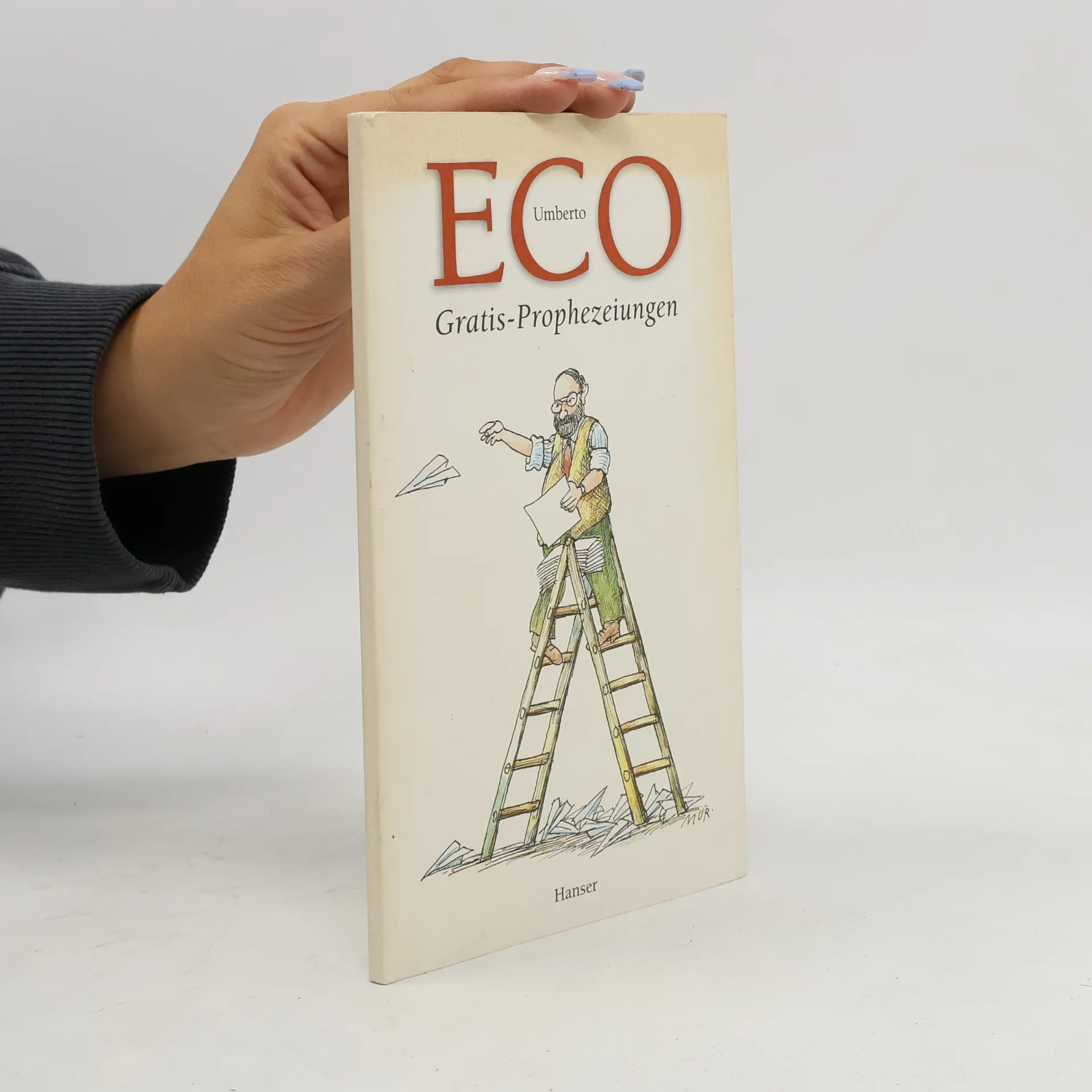
    • Wie wählt man einen Präsidenten? Werden wir im allgemeinen Lärm bald paketweise Stille kaufen? Wird auf die großen Kriege mehr folgen als ein kleiner Frieden? Umberto Eco liefert hier gratis ein paar Prophezeiungen zum Stand der gegenwärtigen Dinge, wobei der scharfsinnigen Ironie dieses großen Schriftstellers und Polemikers natürlich keines der "Wunder" dieses wunderbaren Jahrtausends entgeht.

      Gratis-Prophezeiungen
      3,8
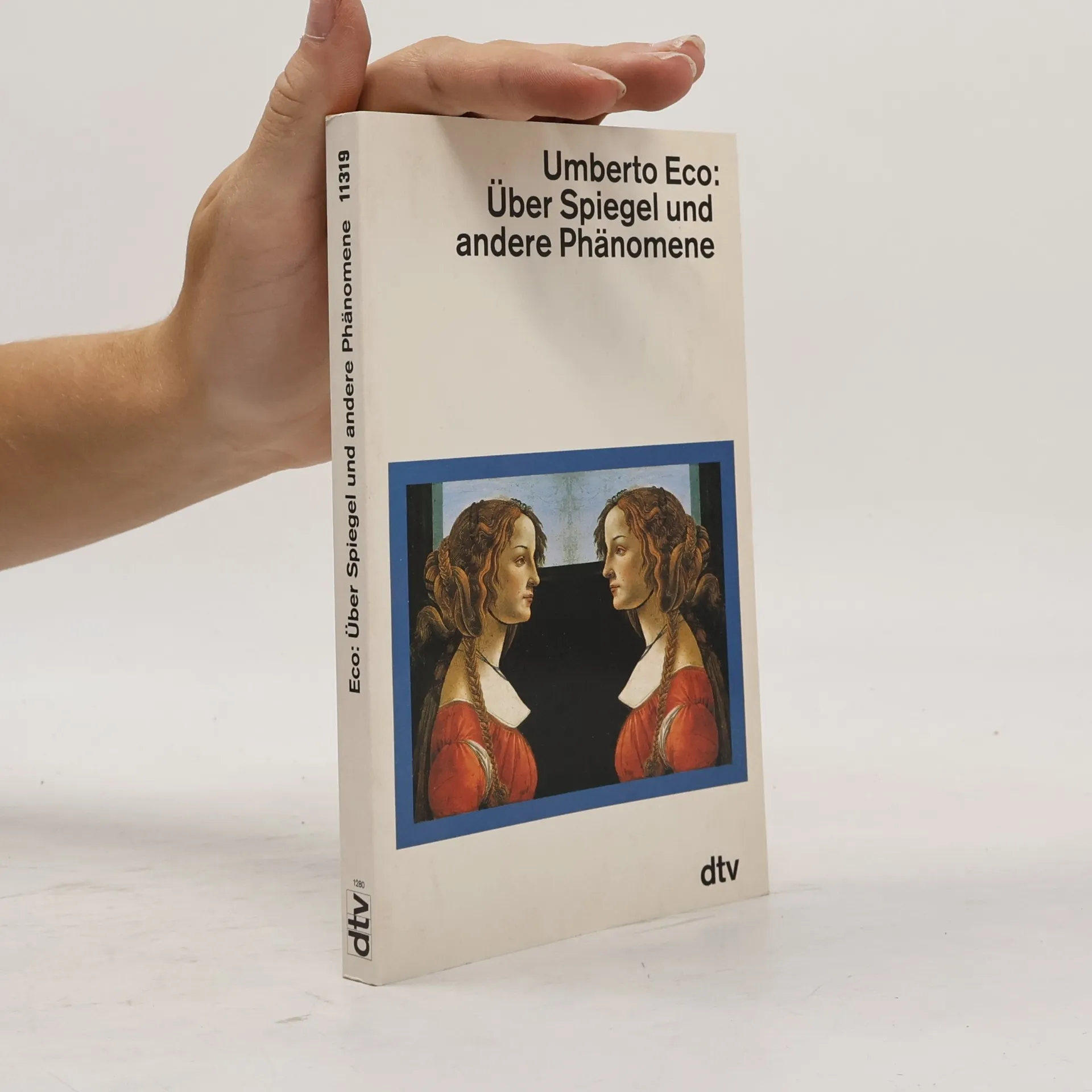
    • Ecos Essayband versammelt unter verschiedenen Themenkreisen Aufsätze zur Ästhetik, Analysen diverser Phänomene der populären Kultur, kritische Textinterpretationen, philosophische und semiotische Schriften. Schwerpunkte sind Formen der Darstellung, experimentelle und avantgardistische Kunst, Massenmedien und Literatur sowie die möglichen Welten der Science-fiction, detektivische Phantasie und Täuschung.

      Über Spiegel und andere Phänomene
      4,1
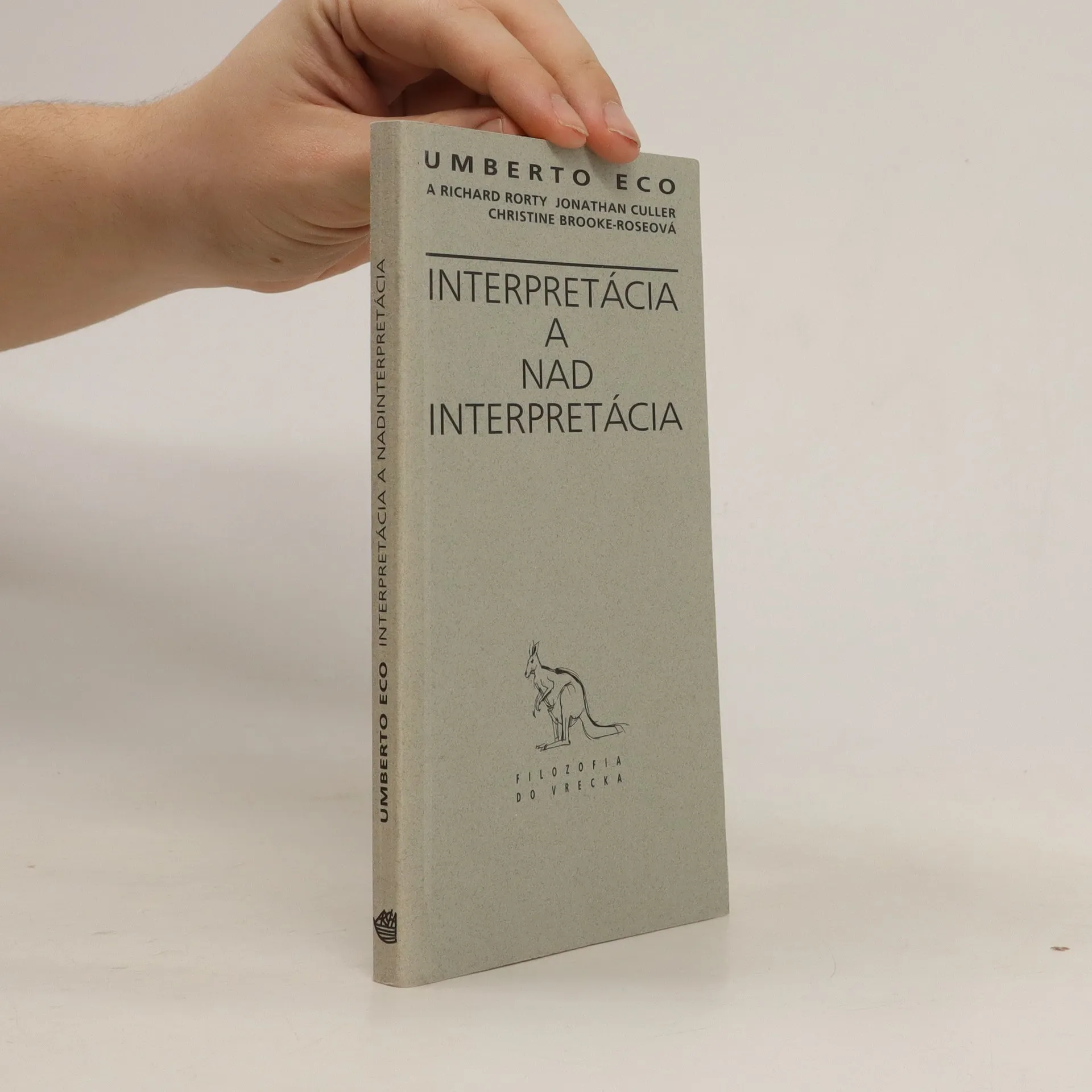
    • Přednášky významného italského myslitele Umberta Eca o podstatě interpretace a polemické příspěvky současných filozofů k těmto textům. Z obálky knihy: Text je nástroj, vynájdený na to, aby utvoril svojho modelového čitateľa. Opakujem: tento čitateľ nie je autorom „jedinej správnej“ domnienky. Text môže rátať aj s takým modelovým čitateľom, ktorý má právo pokúsiť sa o nekonečný počet domnienok. Empirický čitateľ je len aktérom, vyslovujúcim domnienky o povahe modelového čitateľa, ktorého postuluje text. Keďže zámerom textu je v podstate vytvárať modelového čitateľa, schopného vyslovovať o ňom domnienky, vynachádzavosť modelového čitateľa spočíva v nájdení modelového, teda nie empirického, autora, ktorý v konečnom dôsledku splýva so zámerom textu. Text je teda viac než len parametrom, použitým na zhodnotenie interpretácie, je objektom, ktorý vytvára interpretácia v procese kruhové­ho úsilia o potvrdenie svojej právoplatnosti na základe toho, čo podáva ako svoj výsledok. Nehanbím sa priznať, že tak definujem starý a stále platný „hermeneutický kruh“.

      Interpretation and overinterpretation. Slovensky Interpretácia a nadinterpretácia
      4,0
    • Exercises in Style

      • 128bladzijden
      • 5 uur lezen

      On a crowded bus at midday, the narrator observes one man accusing another of jostling him deliberately. When a seat is vacated, the first man takes it. Later, in another part of town, the man is spotted again, while being advised by a friend to have another button sewn onto his overcoat. Exercises in Style retells this apparently unremarkable tale ninety-nine times, employing a variety of styles, ranging from sonnet to cockney to mathematical formula. Too funny to be merely a pedantic thesis, this virtuoso set of themes and variations is a linguistic rust-remover, a guide to literary forms and a demonstration of imagery and inventiveness.

      Exercises in Style
      4,1
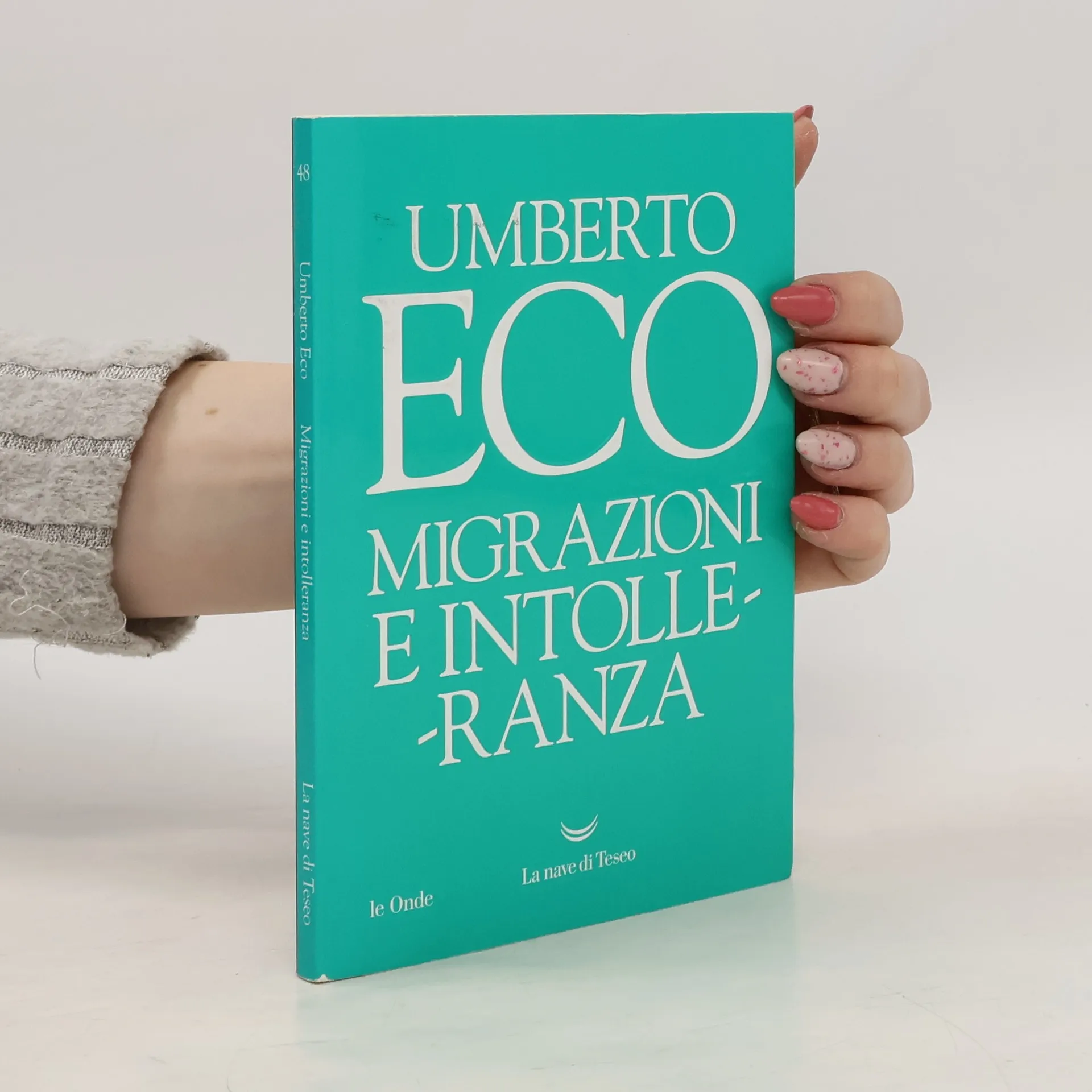
    • Migrazioni e intolleranza

      • 71bladzijden
      • 3 uur lezen

      Le migrazioni differiscono dalle immigrazioni: queste ultime, infatti, possono essere sottoposte a controllo, la politica può servirsene, l'opinione pubblica può schierarsi a favore o contro di esse. Niente di tutto questo è possibile invece per le migrazioni. Violente o pacifiche che siano, sono come i fenomeni naturali: avvengono e nessuno le può controllare. Da sempre, i popoli si sono spostati da un territorio all'altro e, così facendo, hanno fondato civiltà, hanno creato e modificato culture, si sono adattati, hanno modificato l'ambiente in cui migravano, creando costumi e lingue nuove. Nell'epoca della disinformazione e della violenza, questo testo di Umberto Eco getta nuova luce sull'argomento che più divide l'opinione pubblica italiana e consegna al lettore un'interpretazione illuminante, rivoluzionaria, validissima del mondo in cui viviamo, e di come l'umanità tutta è riuscita a costruirlo

      Migrazioni e intolleranza
      4,1
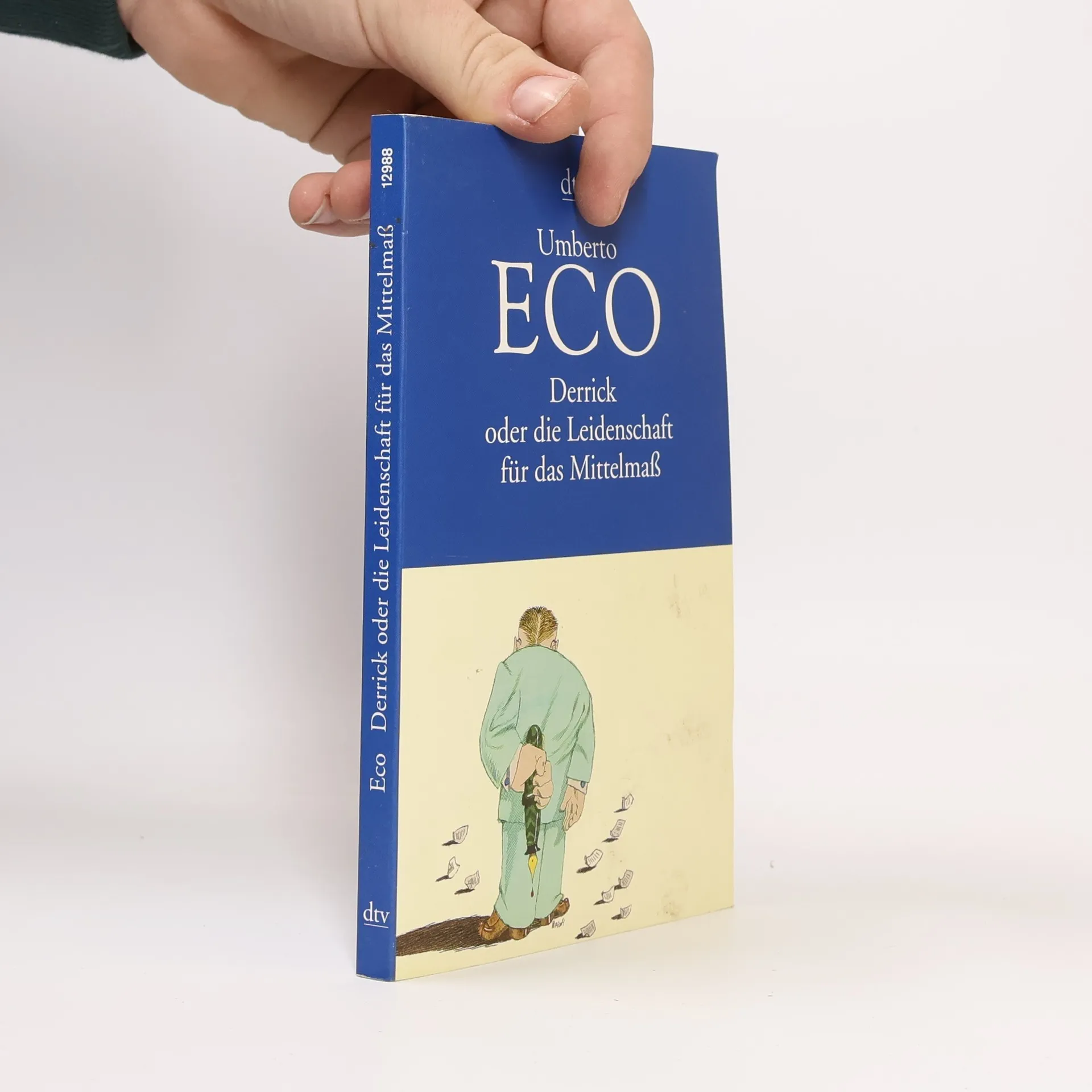
    • Gibt es etwas Deutscheres als Kommissar Derrick, die vollkommene Verkörperung von Durchschnittlichkeit, Phlegma und Beamtenkarriere? Phänomene wie den deutschen Geist im Streifenwagen, Ginger Rogers und Clintons Verfehlungen, Andreottis Mafiaprozess und die neue Computerkultur kann niemand besser erklären als Umberto Eco. Ein Band voll ironisch-intelligenter Parodien.

      Derrick oder die Leidenschaft für das Mittelmaß
      4,0
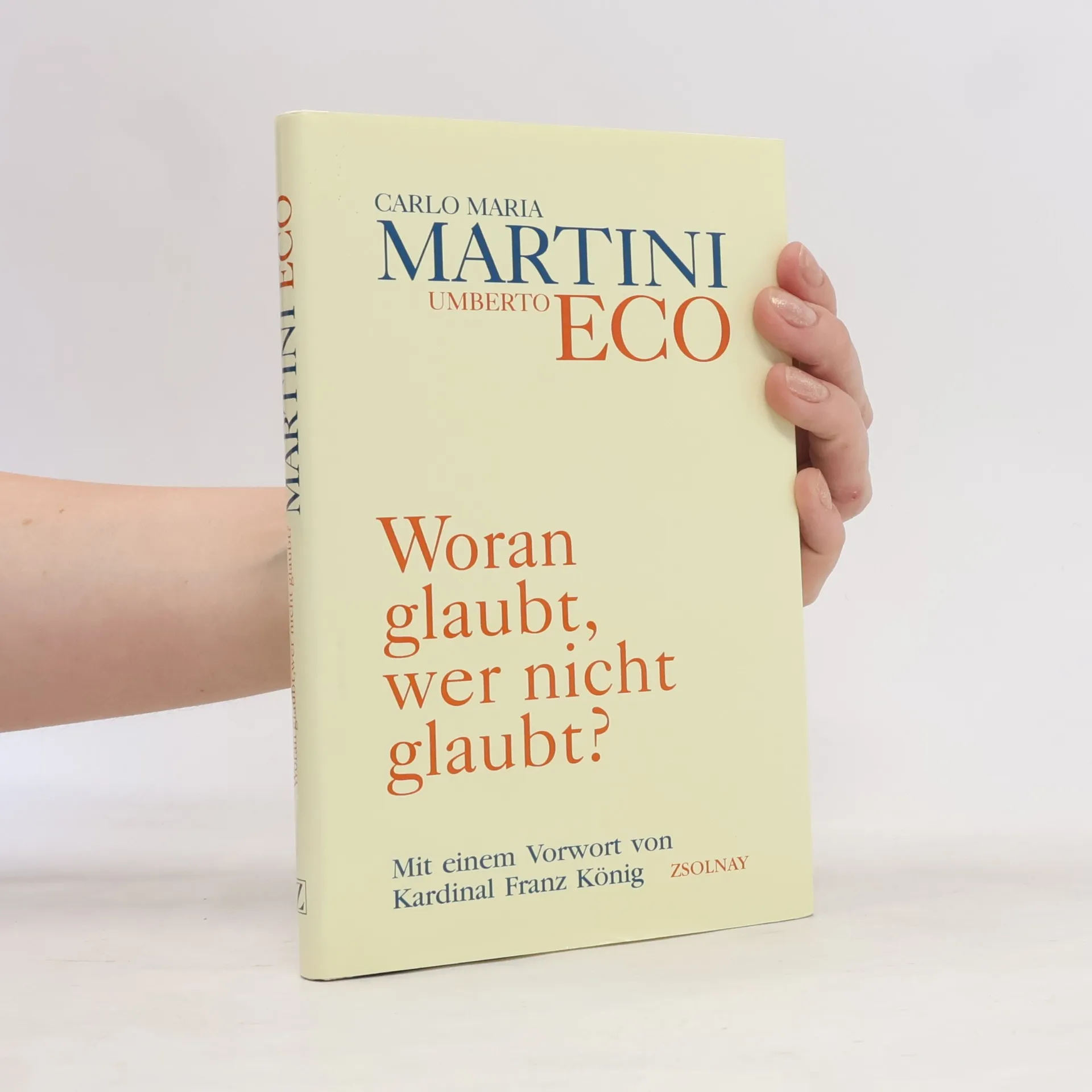
    • Woran glaubt, wer nicht glaubt?

      • 158bladzijden
      • 6 uur lezen

      Hat die Kirche heute all ihre Glaubwürdigkeit verloren? Der Briefwechsel zwischen Carlo Martini, dem Mailänder Kardinal und aussichtsreichen Kandidaten für das Amt des Papstes, und Umberto Eco, dem klassischen Intellektuellen, ist das spannende Dokument eines Dialoges, wie er viel zu selten geführt wird. „Ein intelligenter Beitrag zur immer drängenderen Frage nach der Zukunft des Glaubens.“ (News)

      Woran glaubt, wer nicht glaubt?
      3,9
    • Umfassende und unterhaltsame Reflexionen von Umberto Eco über Alltagsärgernisse und Zeitgeist-Phänomene. In "Streichholzbriefe" versammelt er 26 seiner besten Kolumnen aus "L' Espresso", die sowohl lehrreich als auch amüsant sind.

      Gesammelte Streichholzbriefe. Aus d. Italien. v. Burkhart Kroeber
      3,9
    • Vom Leben und anderen Zumutungen

      Gespräche mit Zeitgenossen

      • 352bladzijden
      • 13 uur lezen

      Giovanni di Lorenzos Interviews mit prominenten Zeitgenossen sind immer wieder ein Ereignis. Wir erfahren, warum Daniel Cohn-Bendit kurz nach seinem fünfundsiebzigsten Geburtstag erstmals seine jüdische Familiengeschichte erzählt. Staunen, dass Telekomchef Timotheus Höttges für das bedingungslose Grundeinkommen plädiert und Udo Jürgens sich nach umjubelten Konzerten manchmal wie ein Nichts fühlte. Nehmen Anteil an den Glaubenszweifeln von Papst Franziskus; spüren die Angst, die ein Despot wie Recep Erdoğan verbreitet. Durch die Intensität der Begegnungen entstehen spannungsreiche Portraits, die zugleich ein Spiegelbild der großen politischen und gesellschaftlichen Themen des vergangenen Jahrzehnts sind – Flüchtlingskrise, Pandemie, Krieg, Fremdenfeindlichkeit oder Cancel-Culture-Debatten. Lesend tauchen wir ein in die Überzeugungen und Biografien von Menschen, die auf unterschiedliche Weise die Gegenwart geprägt haben. Giovanni di Lorenzo schafft dabei eine Atmosphäre seltener Nähe und Offenheit, scheut aber nie die Konfrontation. Und entlockt so auch ausgebufften Medienprofis Dinge, die sie vorher öffentlich nicht gesagt haben.

      Vom Leben und anderen Zumutungen
      3,9