Bookbot

Umberto Eco

    5 januari 1932 – 19 februari 2016

    Umberto Eco's briljante fictie staat bekend om zijn speelse gebruik van taal en symbolen, zijn verbazingwekkende reeks allusies en verwijzingen, en slimme inzet van raadsels en narratieve vondsten. Zijn scherpzinnige essays over moderne cultuur zijn doordrenkt met een heerlijk gevoel voor humor en ironie. Zijn ideeën over semiotiek, interpretatie en esthetiek hebben hem gevestigd als een van de meest vooraanstaande denkers in de academische wereld.

    Umberto Eco
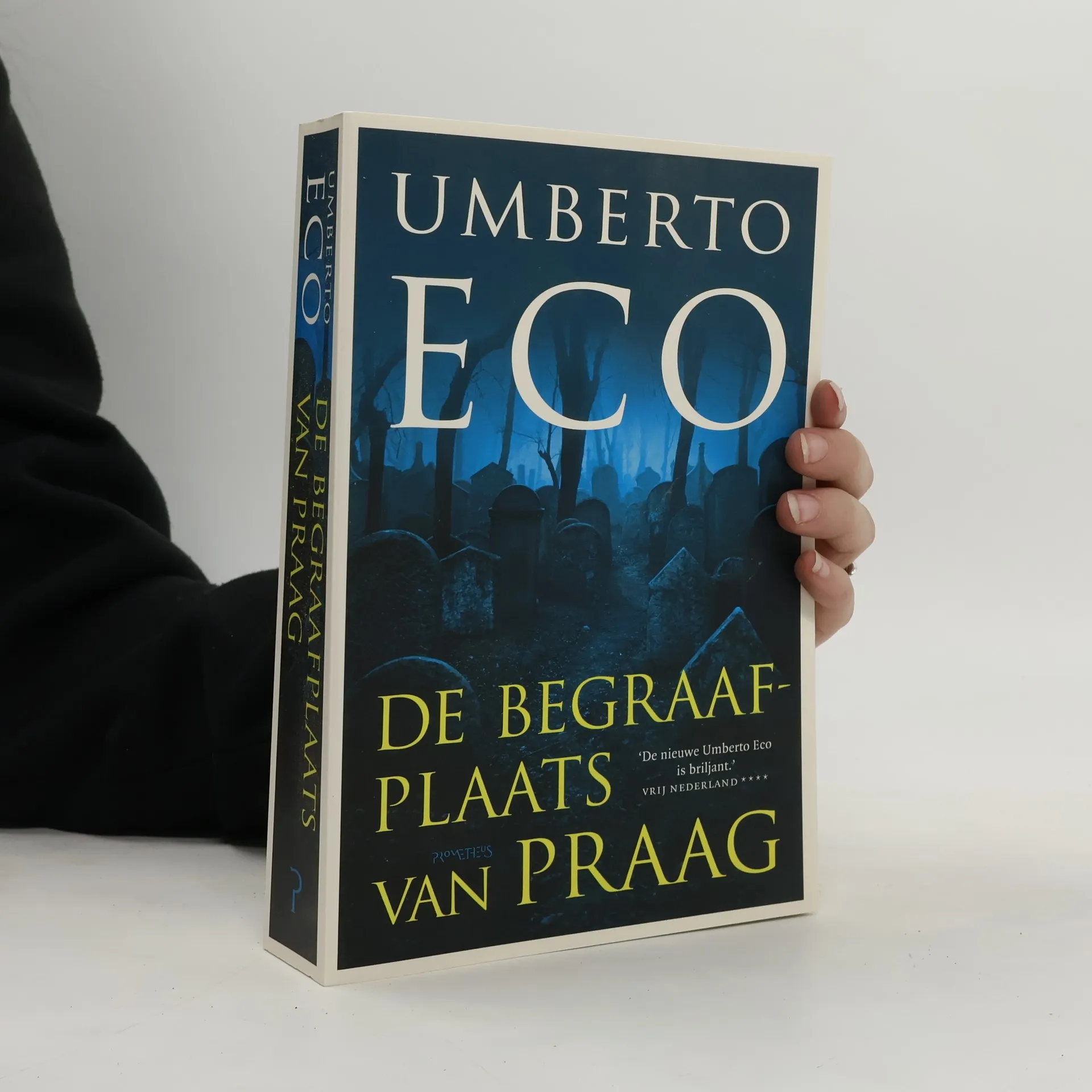
    De begraafplaats van Praag
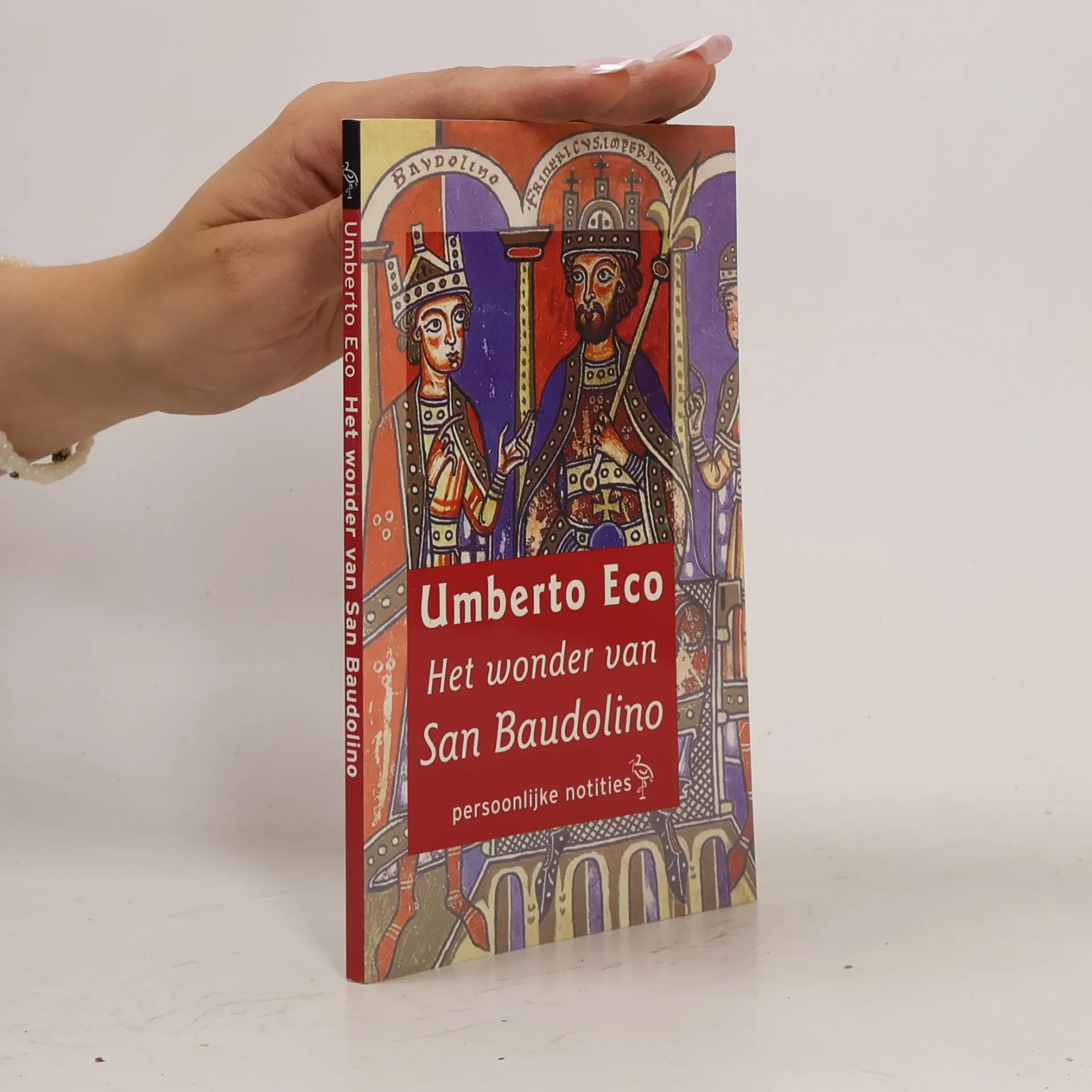
    Baudolino
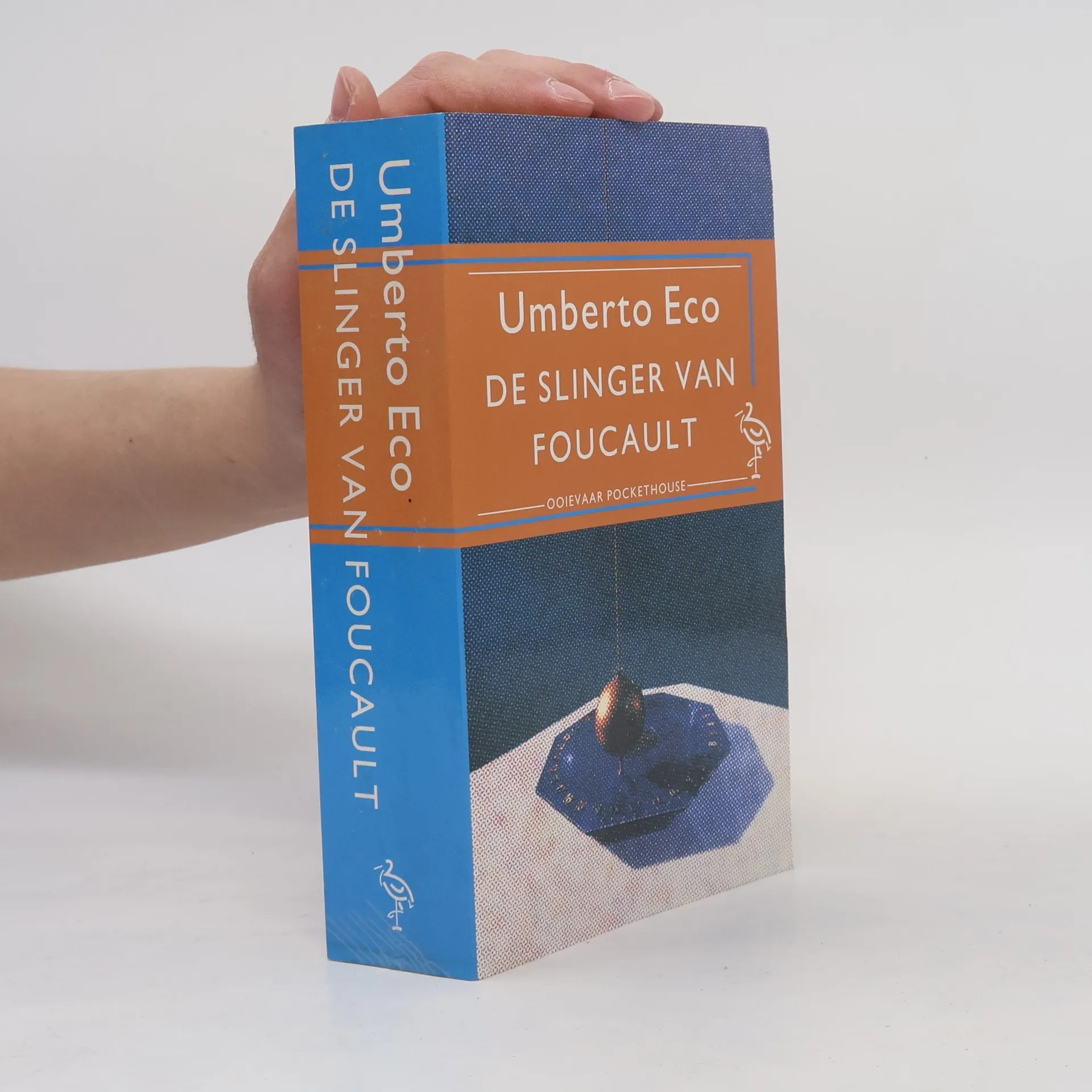
    De slinger van Foucault
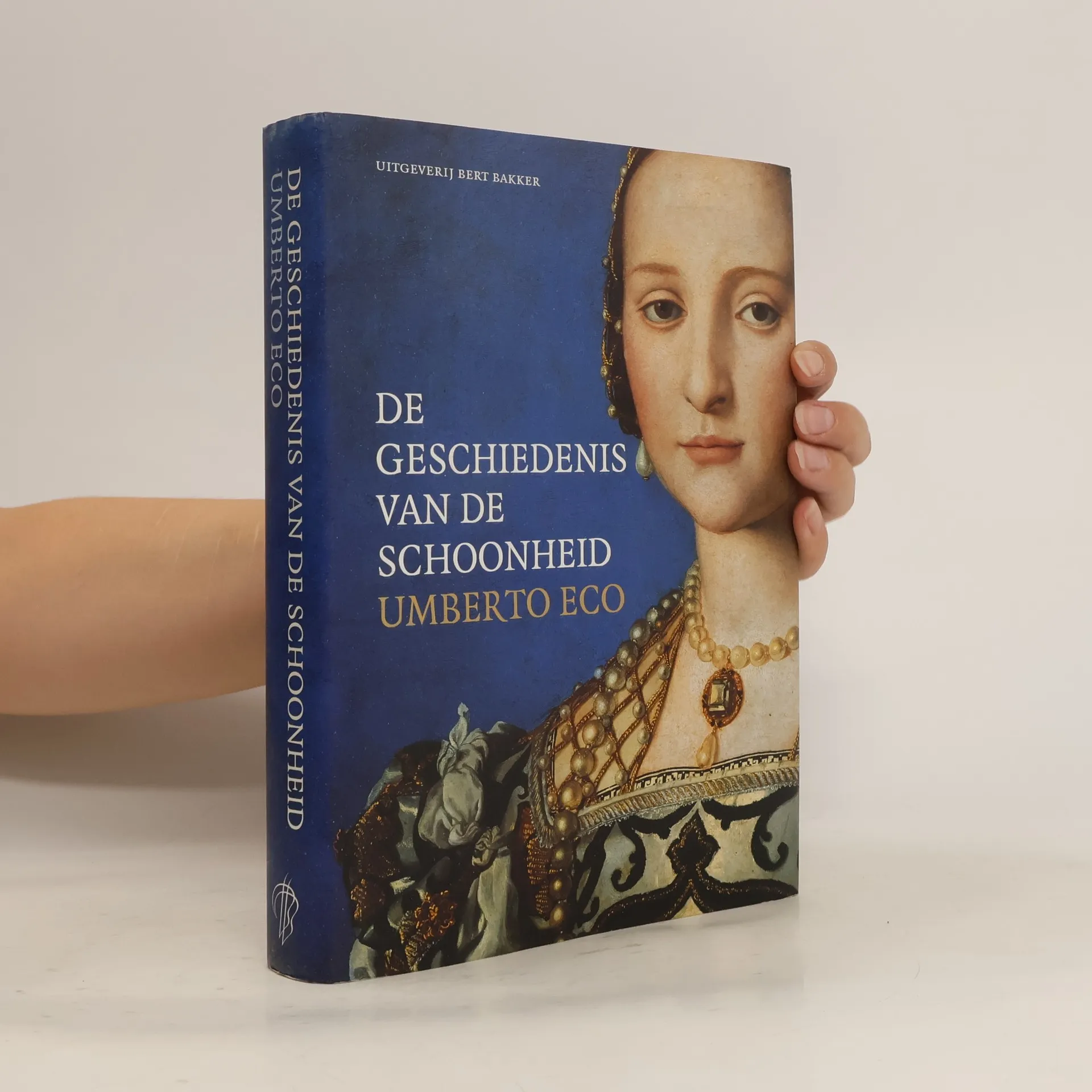
    De geschiedenis van de schoonheid
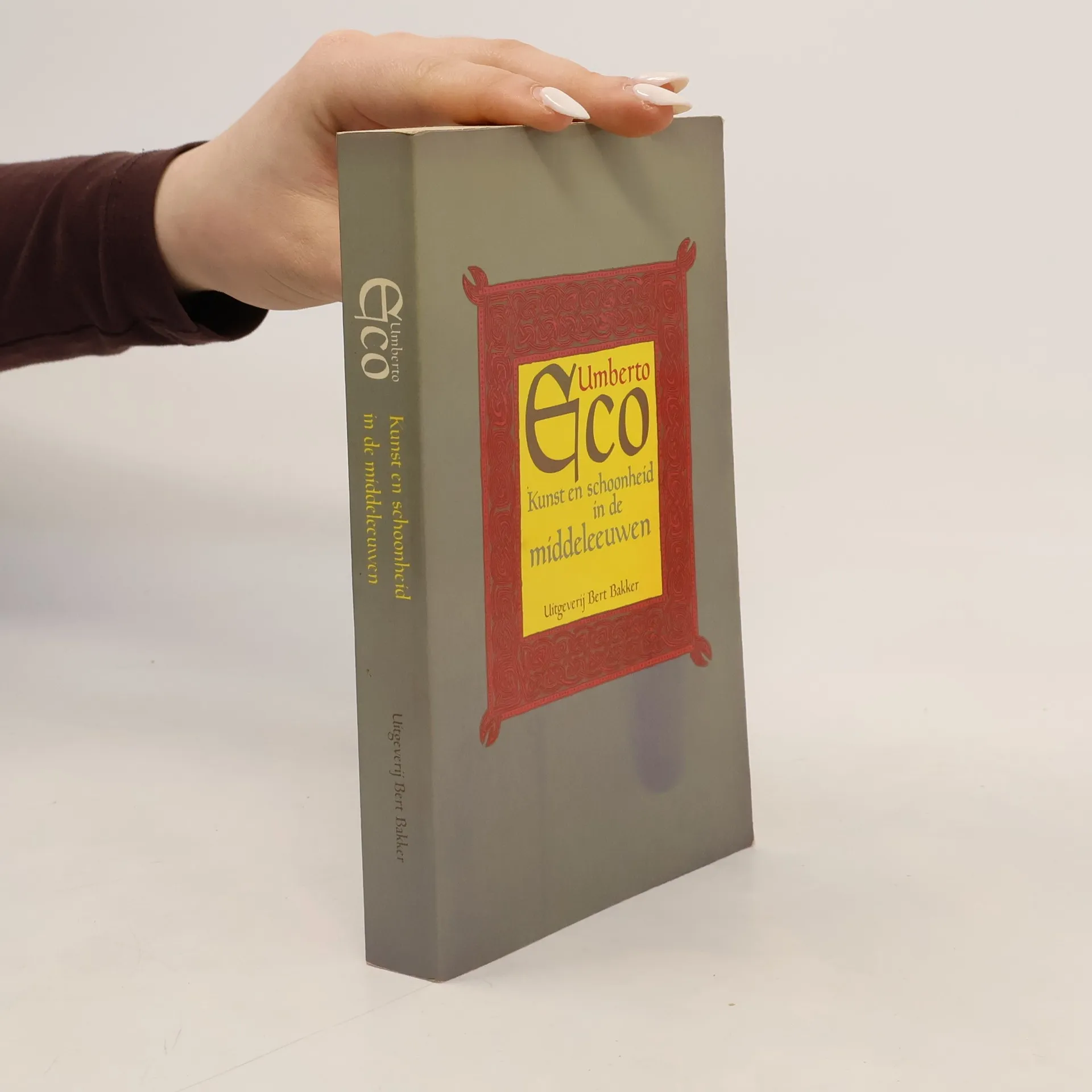
    Kunst en Schoonheid in de Middeleeuwen
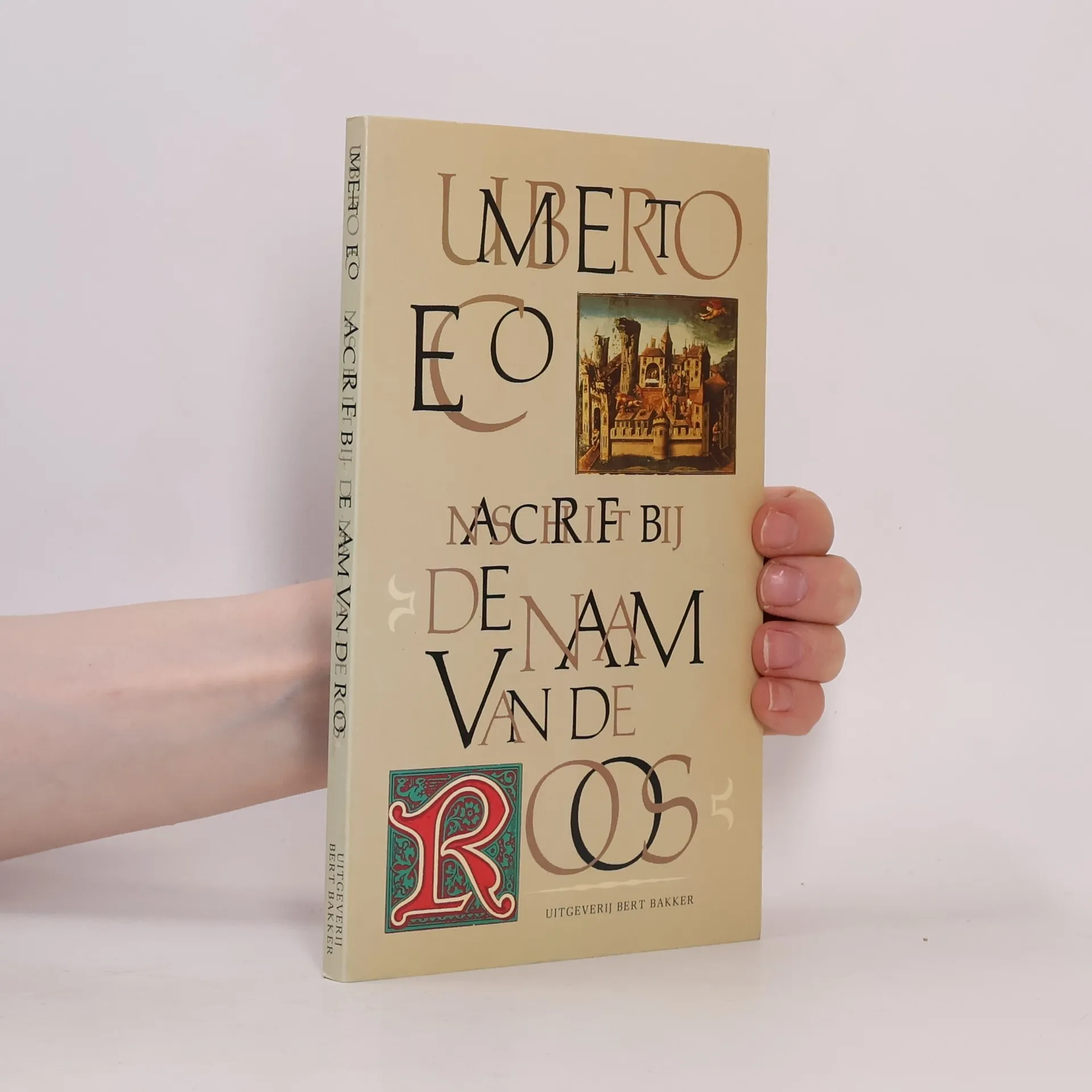
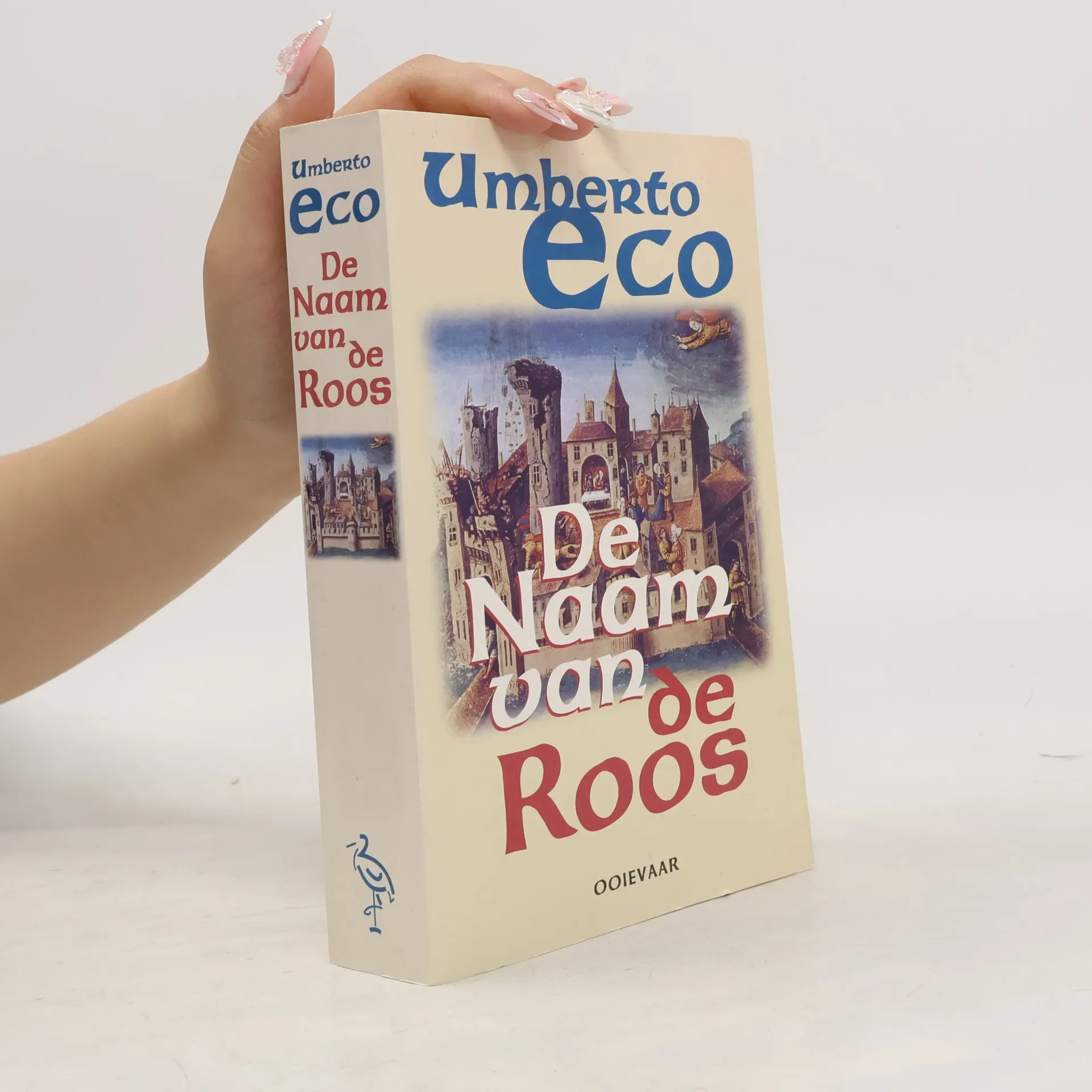
    De naam van de roos
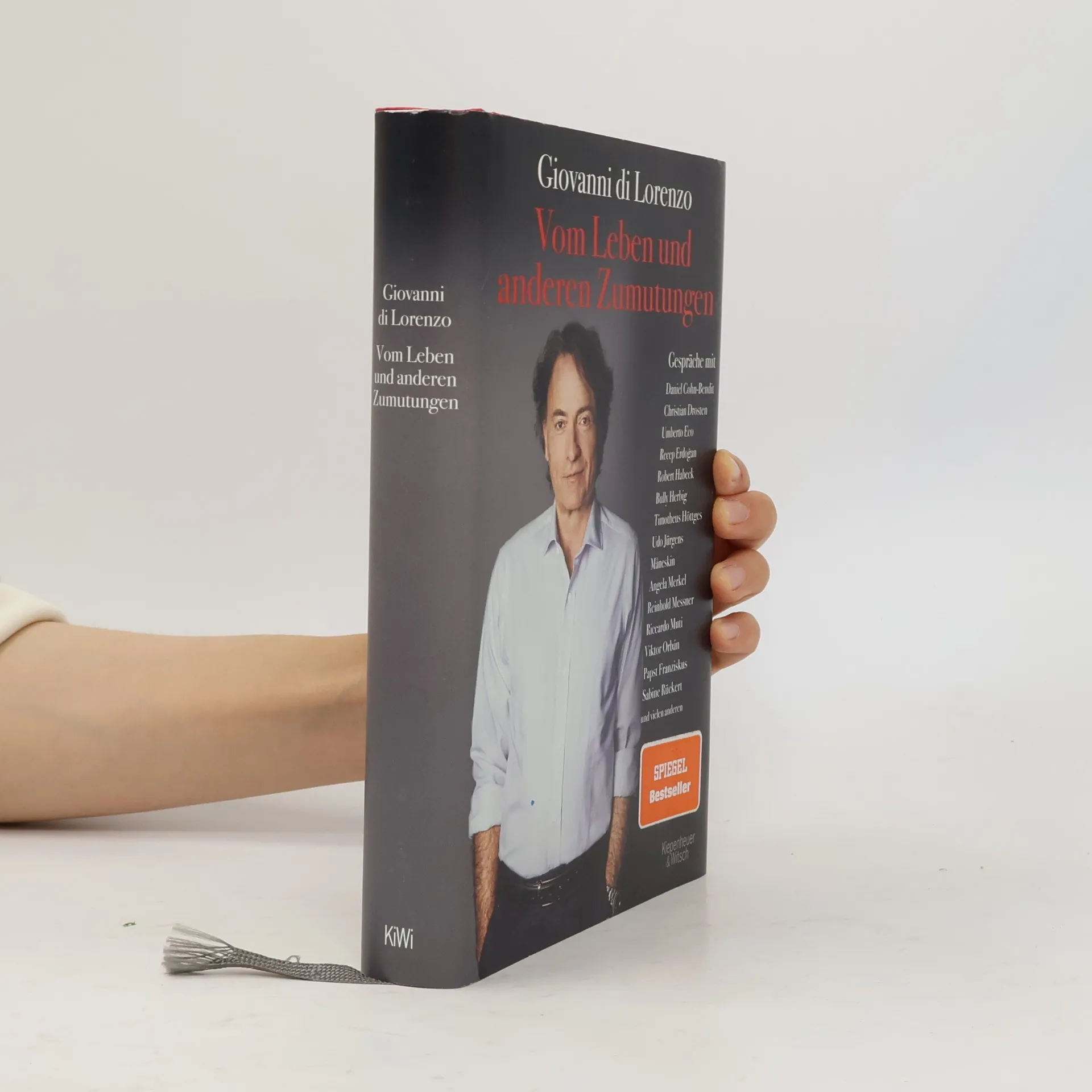
    • Vom Leben und anderen Zumutungen

      Gespräche mit Zeitgenossen

      • 352bladzijden
      • 13 uur lezen

      Giovanni di Lorenzos Interviews mit prominenten Zeitgenossen sind immer wieder ein Ereignis. Wir erfahren, warum Daniel Cohn-Bendit kurz nach seinem fünfundsiebzigsten Geburtstag erstmals seine jüdische Familiengeschichte erzählt. Staunen, dass Telekomchef Timotheus Höttges für das bedingungslose Grundeinkommen plädiert und Udo Jürgens sich nach umjubelten Konzerten manchmal wie ein Nichts fühlte. Nehmen Anteil an den Glaubenszweifeln von Papst Franziskus; spüren die Angst, die ein Despot wie Recep Erdoğan verbreitet. Durch die Intensität der Begegnungen entstehen spannungsreiche Portraits, die zugleich ein Spiegelbild der großen politischen und gesellschaftlichen Themen des vergangenen Jahrzehnts sind – Flüchtlingskrise, Pandemie, Krieg, Fremdenfeindlichkeit oder Cancel-Culture-Debatten. Lesend tauchen wir ein in die Überzeugungen und Biografien von Menschen, die auf unterschiedliche Weise die Gegenwart geprägt haben. Giovanni di Lorenzo schafft dabei eine Atmosphäre seltener Nähe und Offenheit, scheut aber nie die Konfrontation. Und entlockt so auch ausgebufften Medienprofis Dinge, die sie vorher öffentlich nicht gesagt haben.

      Vom Leben und anderen Zumutungen2025
      3,9
    • Der Name der Rose

      Graphic Novel

      • 160bladzijden
      • 6 uur lezen

      Umberto Ecos Bestseller "Der Name der Rose" als Graphic Novel: Milo Manara verwandelt die Geschichte des Franziskanermönchs William von Baskerville und seines Gefährten Adson in eine sinnliche Bilderwelt. Die Charaktere und die Kunstwerke der Abtei des 14. Jahrhunderts erwachen neu zum Leben.

      Der Name der Rose2024
    • Bibliotheken

      Broschierte Sonderausgabe

      • 272bladzijden
      • 10 uur lezen

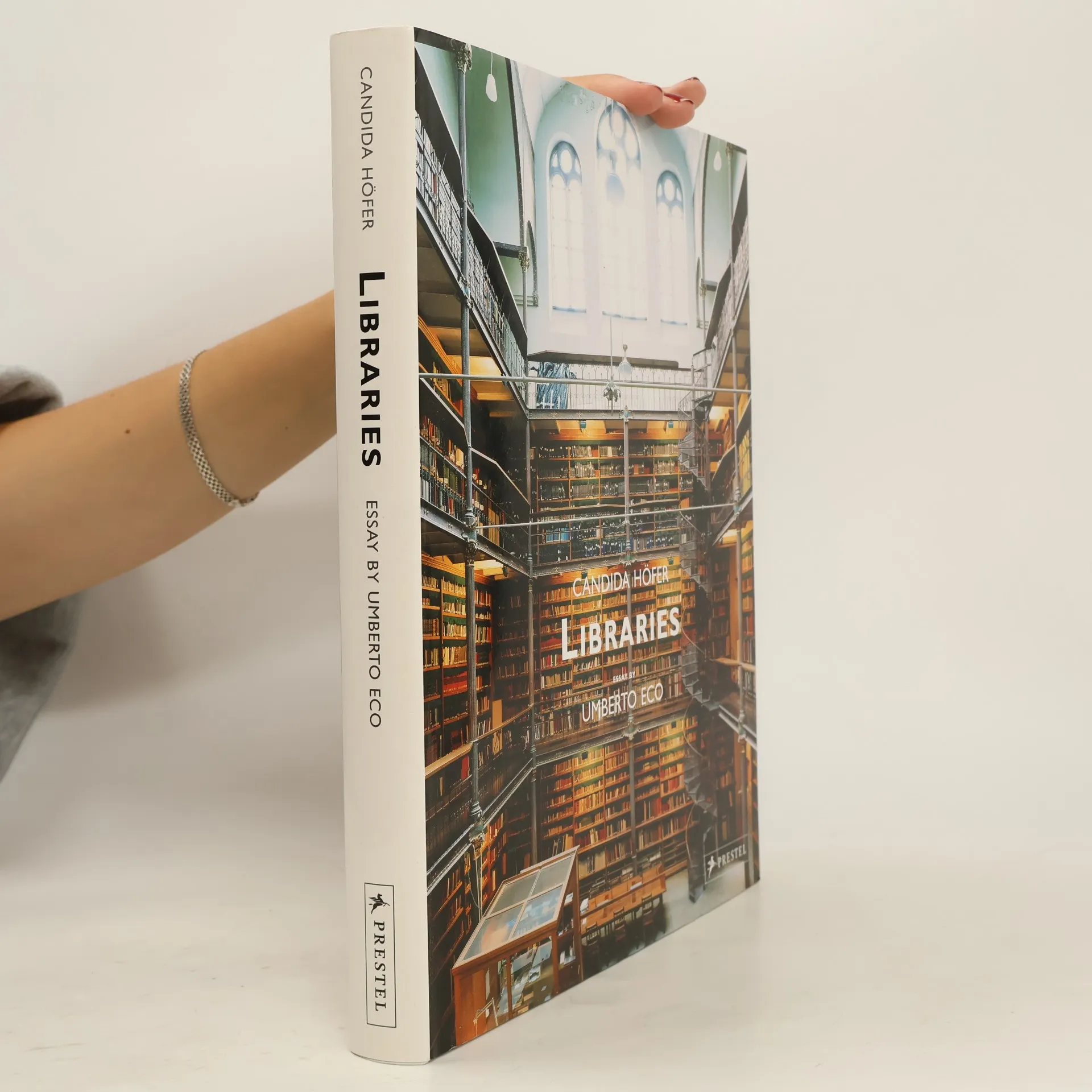
      Bibliotheken sind auratische Orte: Kathedralen des Wissens, Tempel der Weisheit, Oasen der Stille ... Auch die nüchternste, funktionalste Architektur durchweht noch ein Hauch sakraler Feierlichkeit, ganz zu schweigen von den prächtigen Klosterbibliotheken des Barock, den Bücherspeichern altehrwürdiger Universitäten oder den heiteren Bildungskabinetten aufgeklärter Fürsten. Candida Höfers Buch mit Aufnahmen berühmter Bibliotheksräume in Europa und den USA, das 2005 erstmals bei uns erschienen ist, wurde zu einem internationalen Bestseller. Begleitet von einem Essay des italienischen Schriftstellers und Philosophen Umberto Eco, ist es das ideale Buch zum 50. Jubiläum unseres Hauses - in Wort und Bild ein Fest für Bibliophile. Jetzt erstmals als broschierte Ausgabe!

      Bibliotheken2024
    • Nowe wyjątkowe wydanie przedostatniej powieści Umberta Eco, która poruszyła miliony czytelników na całym świecie! Cmentarz w Pradze to powieść kryminalno- szpiegowska, której akcja rozgrywa się w XIX wieku. Umberto Eco przedstawia w niej genezę okrytych złą sławą tzw. Protokołów Mędrców Syjonu, które stanowiły dla Hitlera jedno ze źródeł jego obłąkańczej idei zagłady Żydów i były elementem nazistowskiej propagandy. Autor podkreśla, że oprócz głównego bohatera wszystkie postacie w książce są autentyczne. Cmentarz w Pradze ukazał się 30 lat po Imieniu róży - debiutanckiej powieści profesora semiotyki. Oparta na autentycznej historii tak niezwykłej, że nie trzeba zabarwiać jej wyobraźnią pisarza, by stworzyć porywającą opowieść Eco należy się podziw za przywrócenie życia prawdzie trudniejszej do uwierzenia niż fikcja. New York Times

      Cmentarz w Pradze TW w.20212021
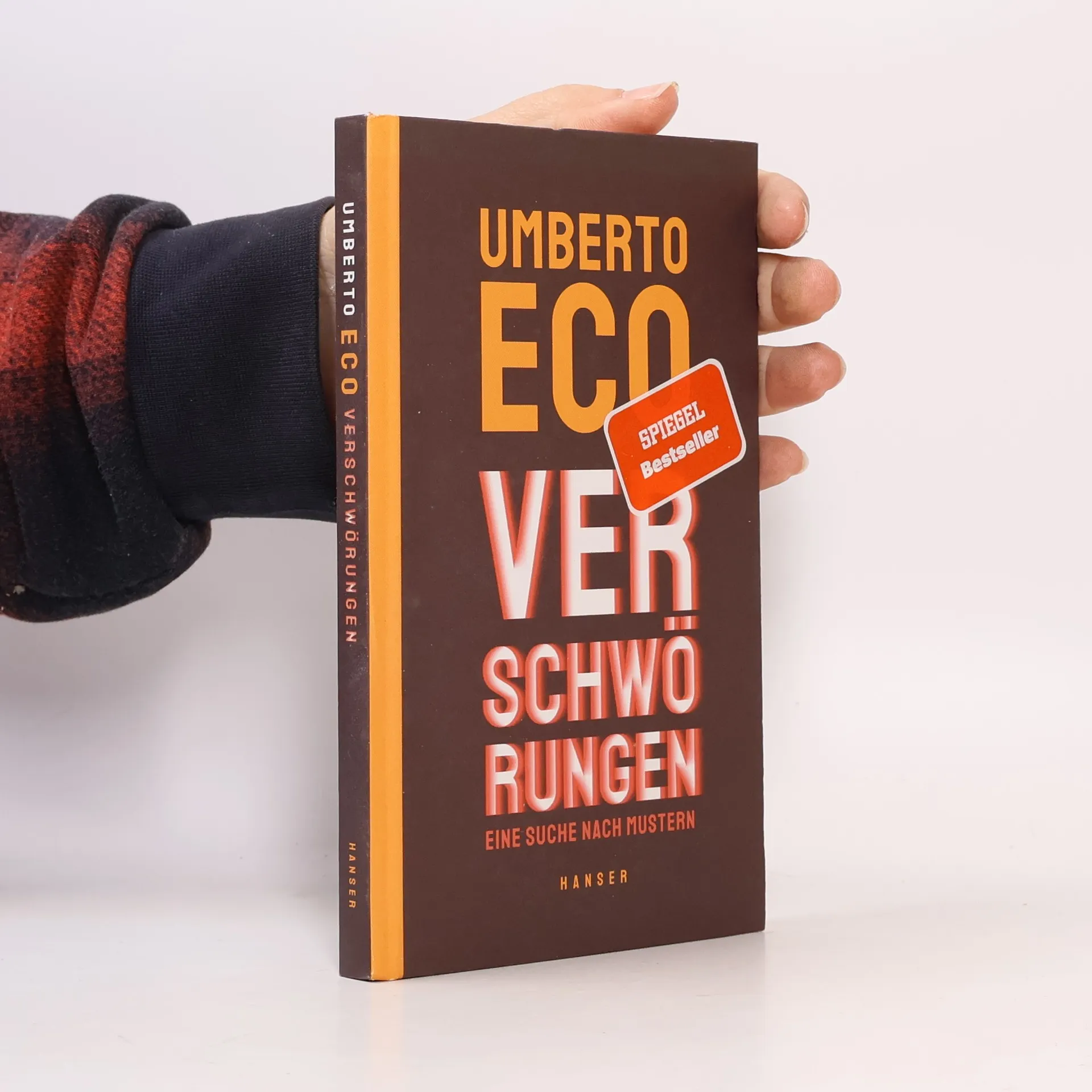
    • Verschwörungen

      Eine Suche nach Mustern

      Wie funktionieren Verschwörungstheorien? Umberto Eco über die historischen Wurzeln von Querdenkern und Co. Der Verschwörungskult um QAnon fabuliert von einer Elite, die das Blut gefolterter Kinder trinke. Selbsternannte Skeptiker wettern gegen vermeintliche Impfkartelle. Andere wähnen sich mitten in Deutschland in einer versteckten Diktatur. Auch wenn sie in immer neuer Gestalt daherkommen, Verschwörungstheorien durchziehen die Geschichte. Dabei verlaufen sie stets nach demselben Muster – das kaum jemand so treffend erkannt und brillant beschrieben hat wie Umberto Eco. In beständigem Ringen mit Antisemitismus, Esoterik und Pseudowissenschaft hat er schon lange vor der aktuellen Flut an Verschwörungstheorien deren überzeitliche Strukturen freigelegt. Eco fehlt – sein Werk ist gültig und aktuell wie nie.

      Verschwörungen2021
      4,3
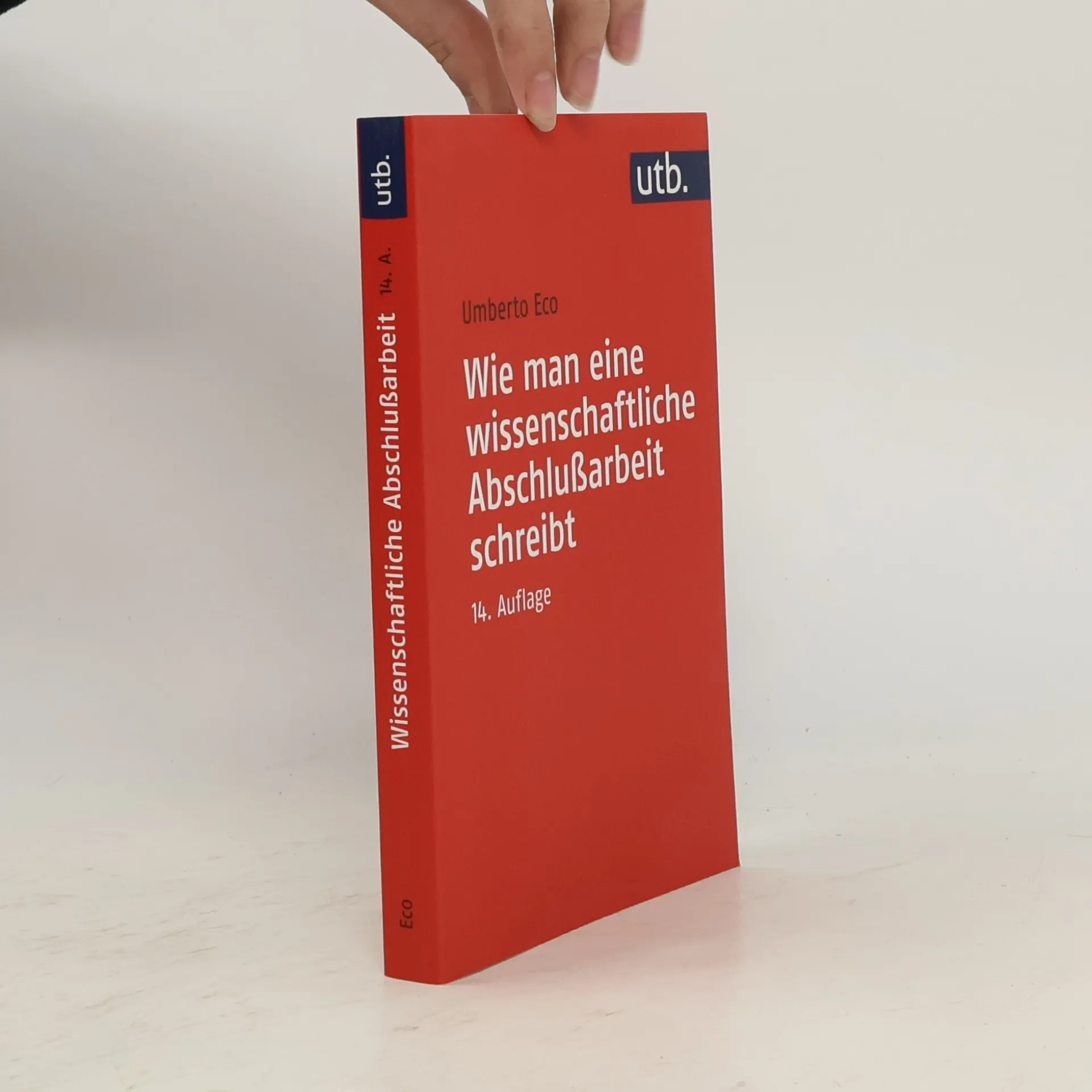
    • Wie man eine wissenschaftliche Abschlussarbeit schreibt

      Doktor-, Diplom- und Magisterarbeit in den Geistes- und Sozialwissenschaften

      Diese Anleitung für die Planung, Gliederung und Niederschrift wissenschaftlicher Arbeiten von Umberto Eco, Professor an der Universität Bologna, ist ebenso gründlich wie virtuos. Nach Ecos eigenen Worten (Einleitung) gibt sein Buch "Auskunft darüber, (1) was man unter einer Abschlussarbeit versteht, (2) wie man das Thema sucht und die Zeit für seine Bearbeitung einteilt, (3) wie man bei der Literatursuche vorgeht, (4) wie man das gefundene Material auswertet und (5) wie man die Ausarbeitung äußerlich gestaltet". Die autorisierte Übersetzung hat Professor Dr. Walter Schick erarbeitet. Eine "erfrischend unkonventionelle Handreichung" nennt er das Buch; es erlaube einen "Blick in die 'Werkstatt' Ecos; denn Beziehungen zu anderen Werken Ecos werden nicht nur durch jenen Abbé Vallet hergestellt, der im vorliegenden Buch wie in 'Der Name der Rose' eine Rolle spielt." Darin liegt freilich nur ein zusätzlicher Reiz und Gewinn der Lektüre. Wichtiger ist: Ecos Buch zeigt, wie man schreiben soll – auf den Leser konzentriert, dem Leser dienend.
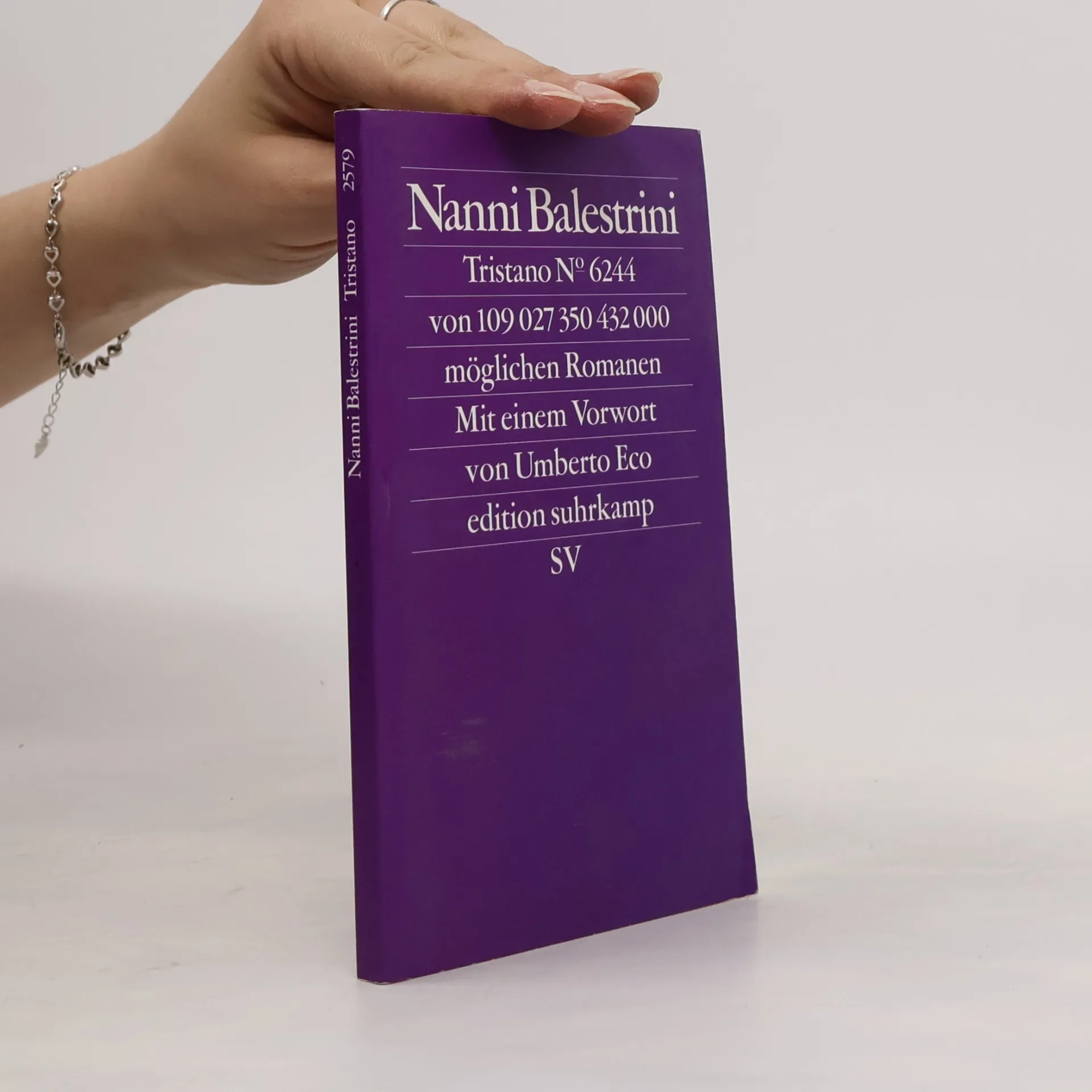
      Wie man eine wissenschaftliche Abschlussarbeit schreibt2020
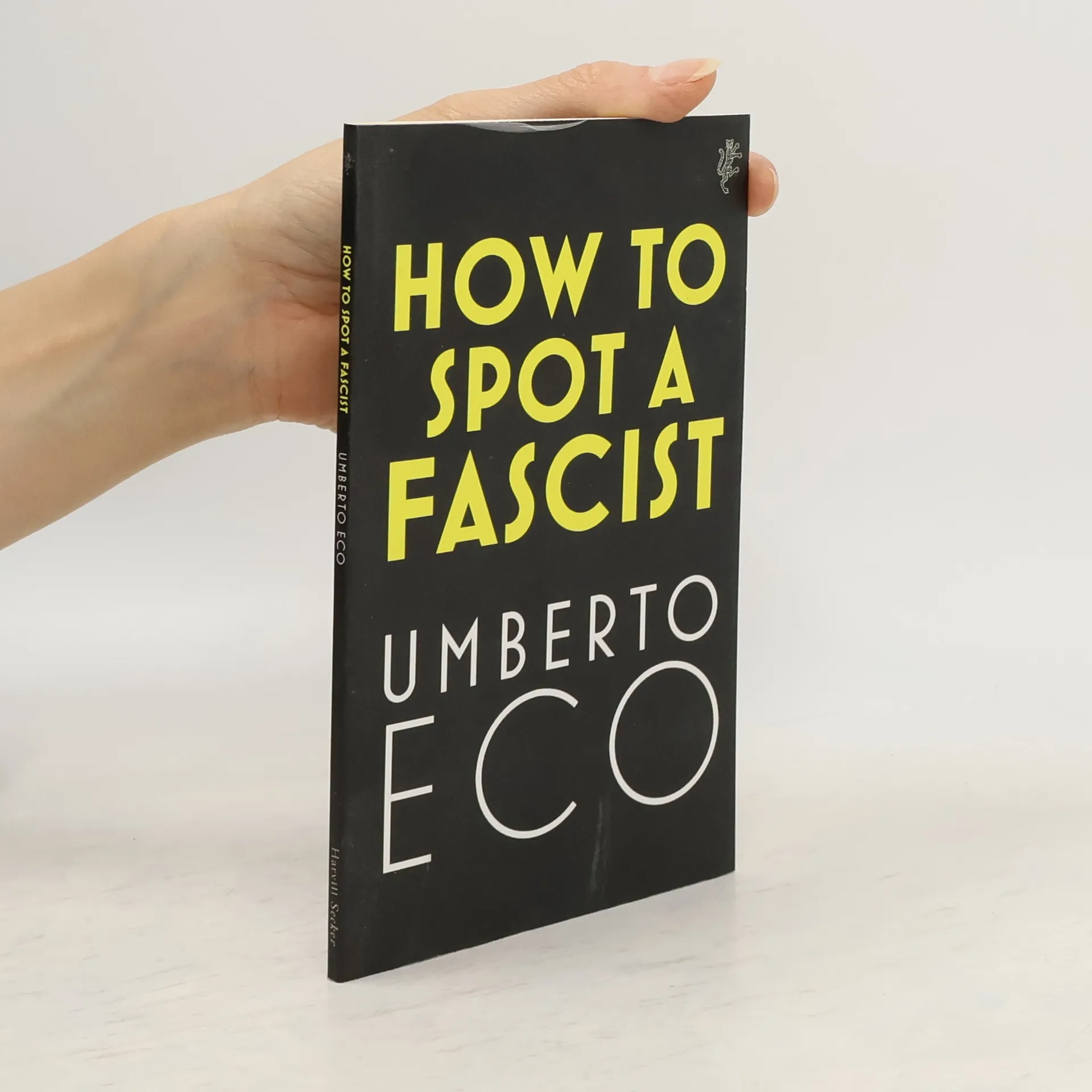
    • How to Spot a Fascist

      • 64bladzijden
      • 3 uur lezen

      We are here to remember what happened and to declare solemnly that 'they' must never do it again. But who are 'they'? HOW TO SPOT A FASCIST is a selection of three thought-provoking essays on freedom and fascism, censorship and tolerance - including Eco's iconic essay 'Ur-Fascism', which lists the fourteen essential characteristics of fascism, and draws on his own personal experiences growing up in the shadow of Mussolini. Umberto Eco remains one of the greatest writers and cultural commentators of the last century. In these pertinent pieces, he warns against prejudice and abuses of power and proves a wise and insightful guide for our times. If we strive to learn from our collective history and come together in challenging times, we can hope for a peaceful and tolerant future. Freedom and liberation are never-ending tasks. Let this be our motto: 'Do not forget.'

      How to Spot a Fascist2020
      4,6
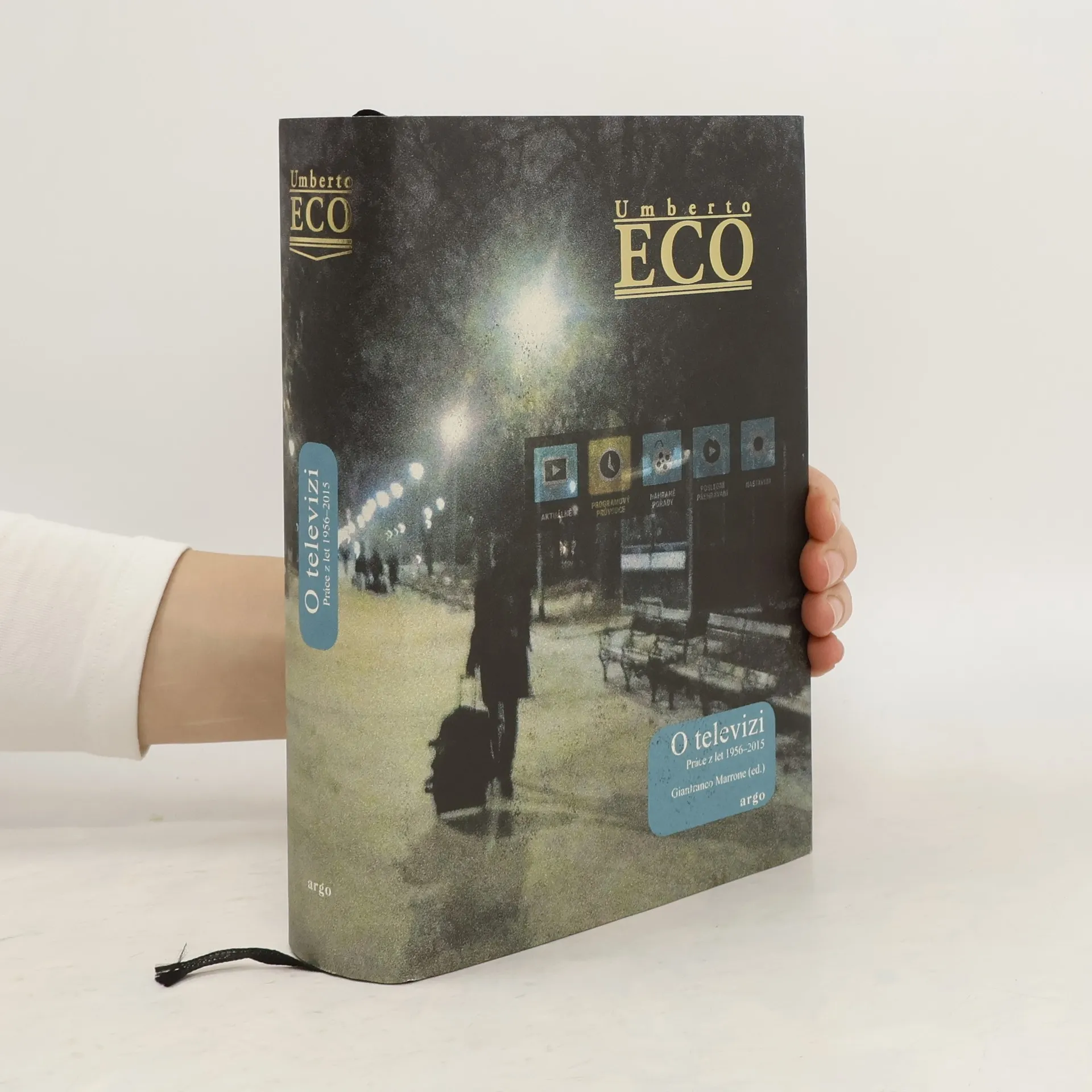
    • Nový svazek díla Umberta Eca je určen všem čtenářům, kteří chtějí poznat různé stránky televize jakožto svébytného jevu. Zahrnuje autorovy práce na dané téma z let 1956–2015 – eseje, příspěvky přednesené na kongresech i novinové články. Úvahy v nich obsažené pokrývají rozsáhlé časové období od prvních vysílaných pořadů až do dnešních dob, kdy se k televizi přidružuje internet a sociální sítě. Masmédia nepřenášejí ideologie, ona sama jsou ideologiemi, shrnuje své poznatky autor.

      O televizi2020
      4,6
    • Migrazioni e intolleranza

      • 71bladzijden
      • 3 uur lezen

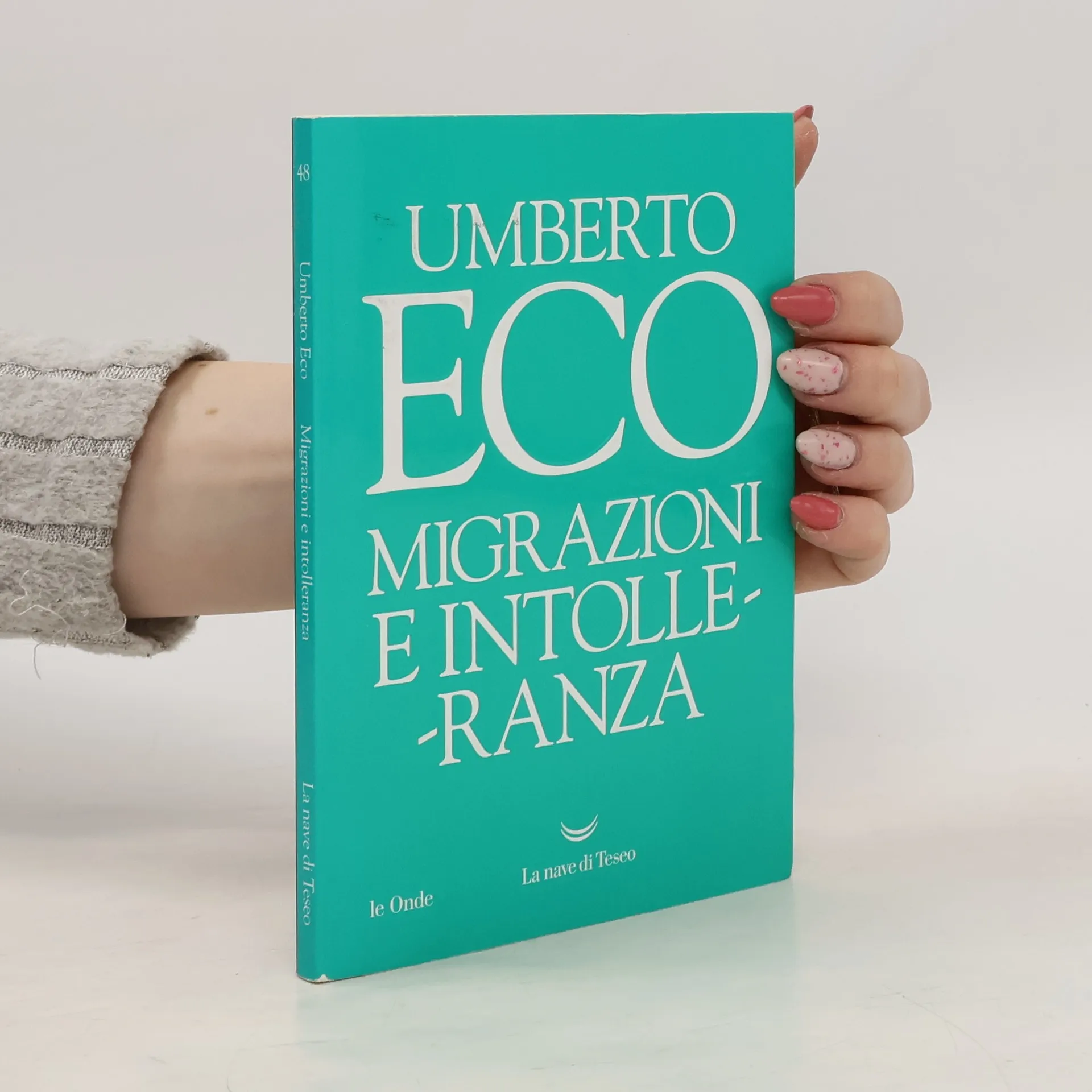
      Le migrazioni differiscono dalle immigrazioni: queste ultime, infatti, possono essere sottoposte a controllo, la politica può servirsene, l'opinione pubblica può schierarsi a favore o contro di esse. Niente di tutto questo è possibile invece per le migrazioni. Violente o pacifiche che siano, sono come i fenomeni naturali: avvengono e nessuno le può controllare. Da sempre, i popoli si sono spostati da un territorio all'altro e, così facendo, hanno fondato civiltà, hanno creato e modificato culture, si sono adattati, hanno modificato l'ambiente in cui migravano, creando costumi e lingue nuove. Nell'epoca della disinformazione e della violenza, questo testo di Umberto Eco getta nuova luce sull'argomento che più divide l'opinione pubblica italiana e consegna al lettore un'interpretazione illuminante, rivoluzionaria, validissima del mondo in cui viviamo, e di come l'umanità tutta è riuscita a costruirlo

      Migrazioni e intolleranza2019
      4,1
    • On the Shoulders of Giants

      • 336bladzijden
      • 12 uur lezen

      A posthumous collection of essays by one of our greatest contemporary thinkers that provides a towering vision of Western culture. In Umberto Eco’s first novel, The Name of the Rose, Nicholas of Morimondo laments, “We no longer have the learning of the ancients, the age of giants is past!” To which the protagonist, William of Baskerville, replies: “We are dwarfs, but dwarfs who stand on the shoulders of those giants, and small though we are, we sometimes manage to see farther on the horizon than they.” On the Shoulders of Giants is a collection of essays based on lectures Eco famously delivered at the Milanesiana Festival in Milan over the last fifteen years of his life. Previously unpublished, the essays explore themes he returned to again and again in his writing: the roots of Western culture and the origin of language, the nature of beauty and ugliness, the potency of conspiracies, the lure of mysteries, and the imperfections of art. Eco examines the dynamics of creativity and considers how every act of innovation occurs in conversation with a superior ancestor. In these playful, witty, and breathtakingly erudite essays, we encounter an intellectual who reads comic strips, reflects on Heraclitus, Dante, and Rimbaud, listens to Carla Bruni, and watches Casablanca while thinking about Proust. On the Shoulders of Giants reveals both the humor and the colossal knowledge of a contemporary giant.

      On the Shoulders of Giants2017
      4,0
    • Tri príbehy

      • 110bladzijden
      • 4 uur lezen

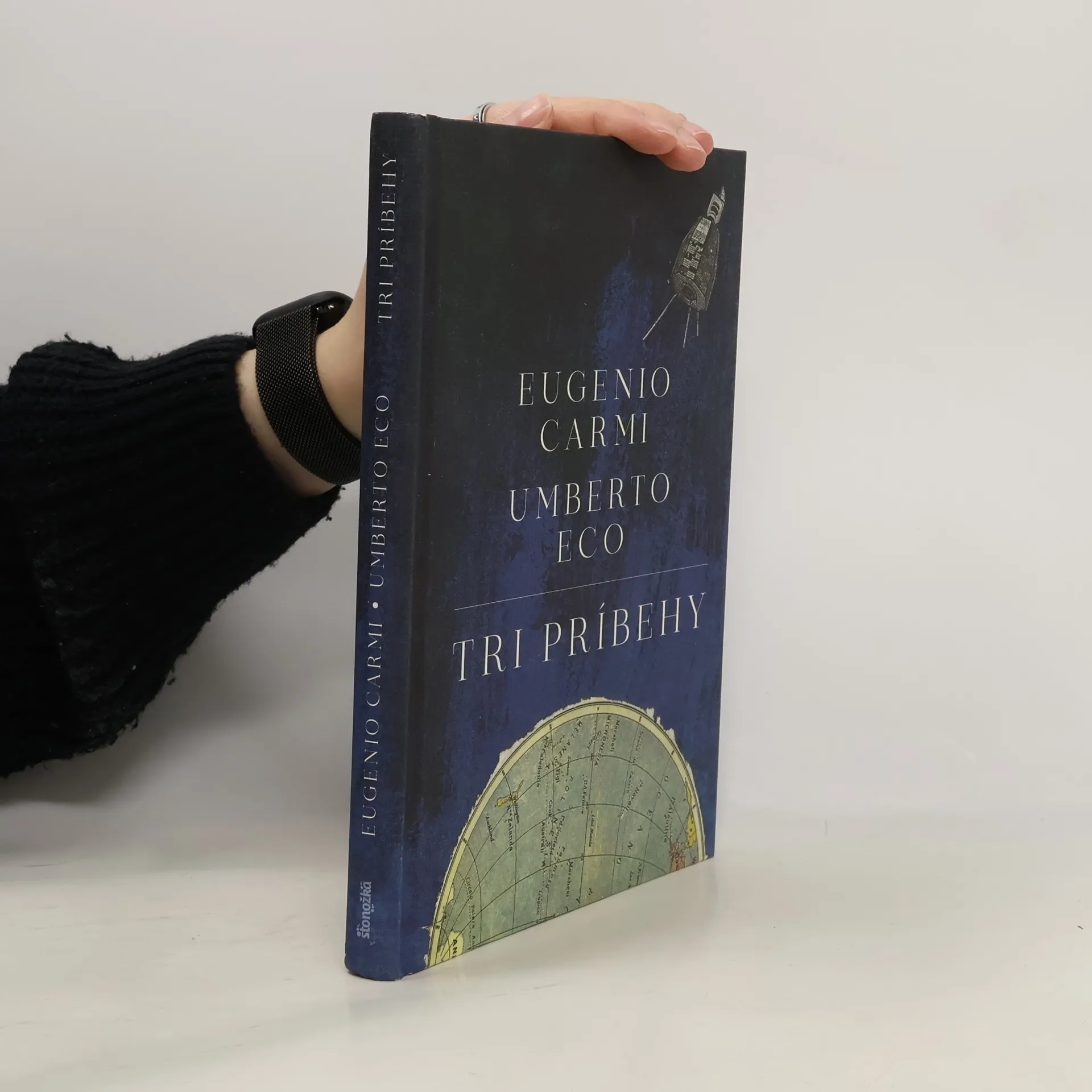
      Atómy uzavreté v jadrovej bombe sa vzbúria proti generálovi, ktorý chce rozpútať vojnu, pričom plánuje použiť obrovský arzenál ukrytý na pôjde. Traja navzájom súperiaci kozmonauti, Američan, Rus a Číňan, prichádzajú na Mars a stretávajú šesťrukého Marťana, vďaka ktorému sa z nich stanú priatelia. Márnomyseľný cisár vysiela prieskumníka, aby na malú, šťastnú a nevinnú planétu priniesol civilizáciu. Tri príbehy, ktoré porozprával Umberto Eco a ilustroval Eugenio Carmi, pre malých aj veľkých, čiže pre každého, kto potrebuje rozprávky. Maliar EUGENIO CARMI sám seba označoval za výrobcu obrázkov. Pri Umbertovi Ecovi sa z neho stal ilustrátor. UMBERTO ECO bol filozof, odborník na stredovek, semiológ a spisovateľ. Sám seba označoval za výrobcu slov. Pri Eugeniovi Carmim sa z neho stal rozprávkar.

      Tri príbehy2017
      4,4
    • Chronicles of a Liquid Society

      • 320bladzijden
      • 12 uur lezen

      There are people you've never met and yet you miss them when they are gone... Eco's famously ironic voice is penetrating ... The issues Eco addresses are so enormous in their scale they seem insurmountable, yet his measured, erudite commentary assures you that they can be understood and therefore resolved Financial Times

      Chronicles of a Liquid Society2016
      3,8
    • Do tohoto svazku autor zařadil další novinové sloupky, které psal patnáct let pro list L’Espresso. Zde uveřejněné sloupky se vyznačují značnou rozmanitostí, a to nikoliv nedůsledností autora, ale v důsledku složitosti dnešní doby. Období „tekuté společnosti“, jak ji nazývá Zygmunt Bauman, začalo postmodernismem, který se vyznačoval krizí velkých vyprávění, s hravostí či ironií pojednával o historii a občas čelil výzvám nihilismu. Postmodernismus však byl jen přechodem od modernismu k dosud nijak nepojmenované současnosti. Tu charakterizuje krize státu, těsně spjatá s krizí ideologií, a tím i politických stran. Dnešní krajní individualismus opouští ideu společenství a druhé lidi vnímá jako rivaly.

      Od hlouposti k šílenství. Zprávy o tekuté společnosti2016
      4,3
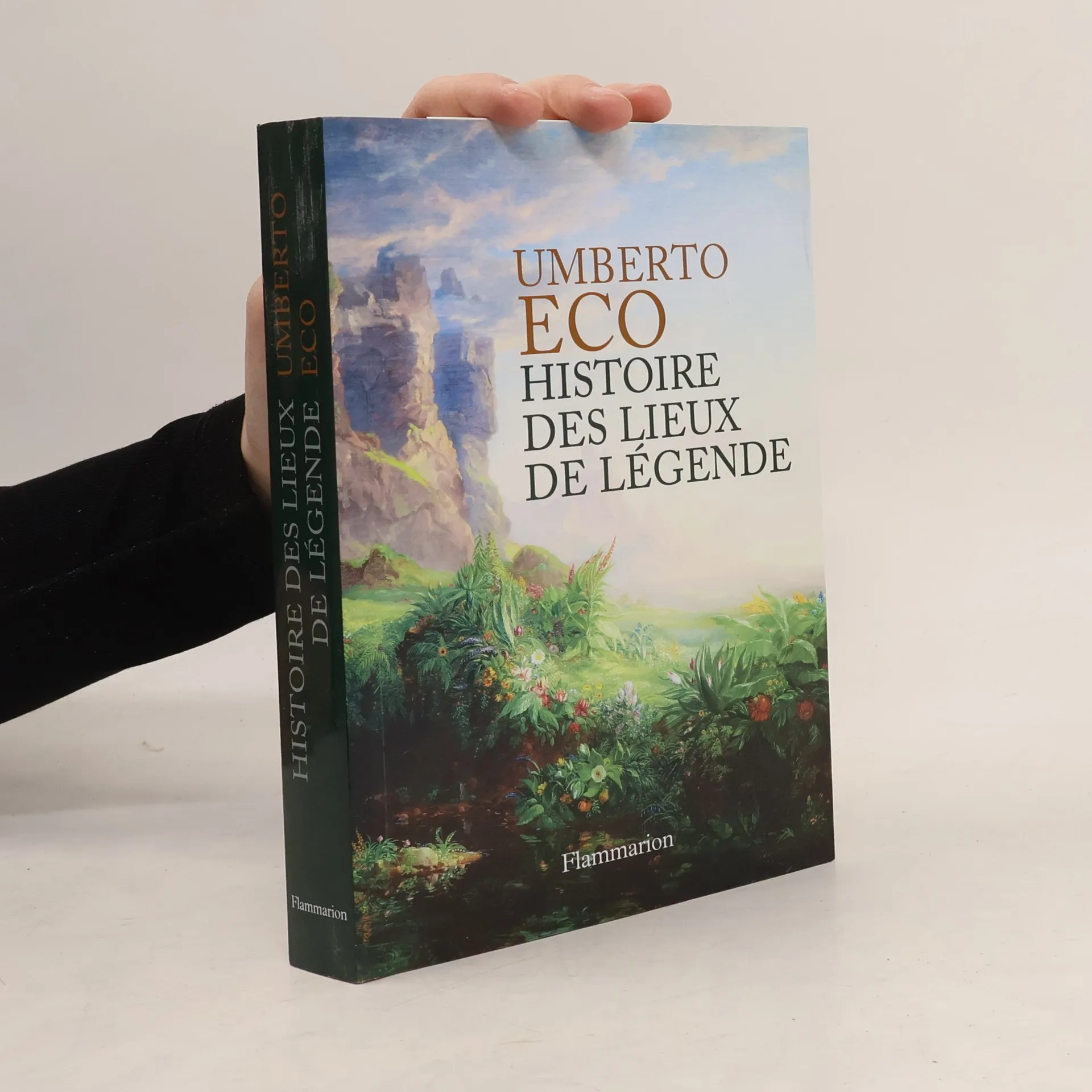
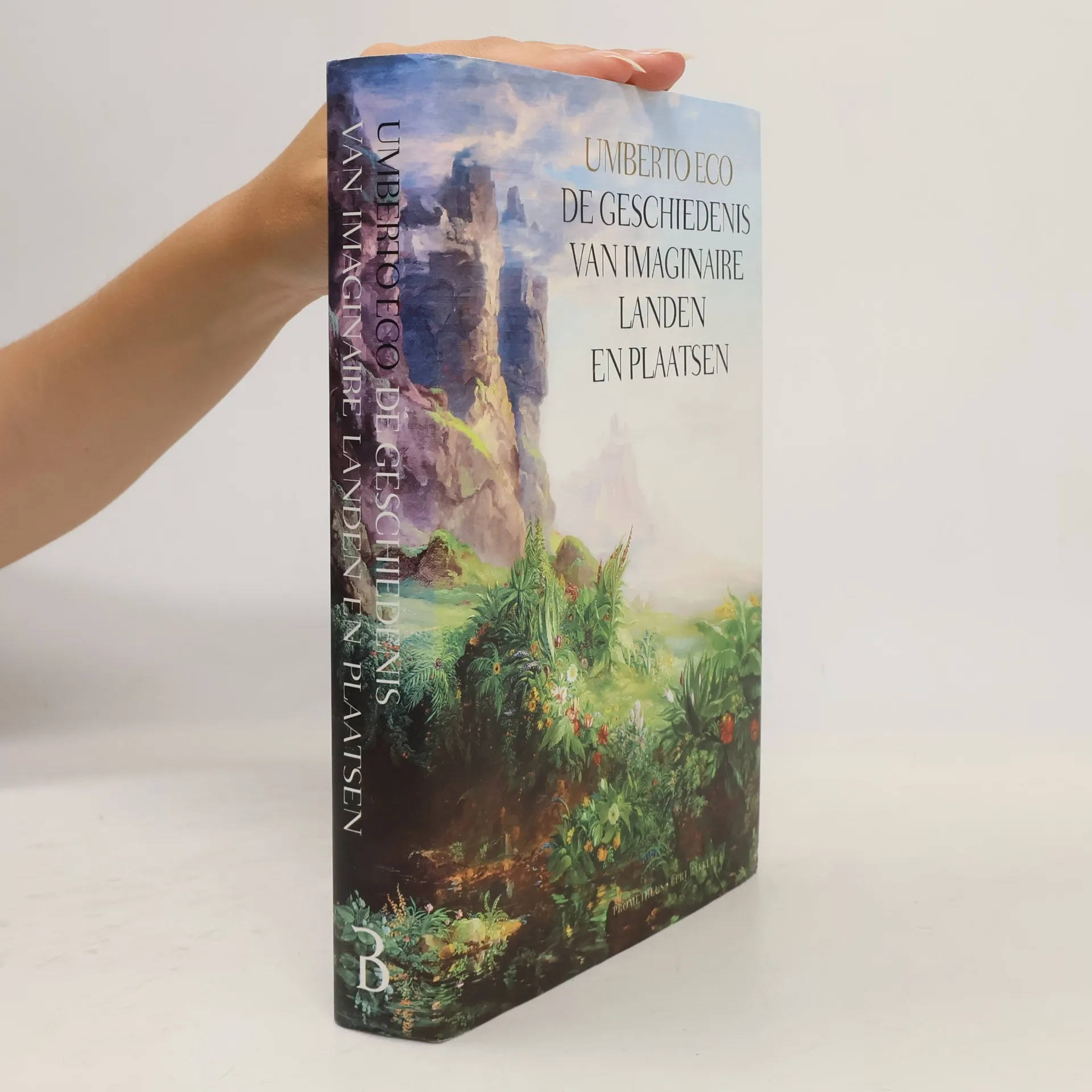
    • Histoire des lieux de légende

      • 478bladzijden
      • 17 uur lezen

      Notre imaginaire abonde en territoires et en lieux n'ayant jamais existé, de la cabane des sept nains aux îles visitées par Gulliver, du temple des Thugs de Salgari à l'appartement de Sherlock Holmes. Mais on sait en général que ces lieux sont nés de l'imagination d'un narrateur ou d'un poète. D'un autre côté, et depuis les temps les plus reculés, l'humanité n'a cessé de rêver à des lieux qu'elle a cru réels, comme l'Atlantide, Mu, la Lémurie, le royaume de la reine de Saba, celui du Prêtre Jean, les lies Fortunées, l'Eldorado, Thulé, l'Hyperborée, le pays des Hespérides, le lieu où l'on conserve le saint Graal, la forteresse des assassins du Vieillard de la Montagne, les îles de l'utopie, celle de Salomon, la Terre australe, l'intérieur d'une Terre creuse et le mystérieux royaume souterrain d'Agarttha. Certains d'entre eux ont simplement donné naissance à de fascinantes légendes et inspiré quelques-unes des splendides représentations visuelles qui illustrent ce livre ; d'autres ont obsédé les esprits détraqués de chercheurs de mystères, d'autres encore ont stimulé des voyages et des explorations : partis à la poursuite d'une illusion, des voyageurs de tous les pays ont ainsi fini par découvrir de nouveaux territoires.

      Histoire des lieux de légende2015
    • Het nulnummer

      • 222bladzijden
      • 8 uur lezen

      Een groep journalisten in Milaan in 1992 bereidt een nulnummer van een krant voor, een proefeditie die niet zal verschijnen; in hun zoektocht naar onderwerpen stuiten ze op de meest onwaarschijnlijke verhalen.

      Het nulnummer2015
      3,2
    • "Нулевой номер" - это всестороннее изучение того, как работает СМИ. В Милане запускается пилотный проект газеты, которая должна стать очередным инструментом политического влияния - для спонсирующего ее медиамагната. Но редакция, состоящая из хронических неудачников, занимается не работой, а мифотворчеством. Один из сотрудников с маниакальной одержимостью собирает доказательный материал, подтверждающий его собственную версию о том, что случилось с Бенито Муссолини в 1945 году, и как спецслужбы Союзников управляли политической жизнью Европы после войны. Вокруг расследования разыгрывается напряженная драма любви и смерти, счастья и страха, реальности и вымысла.

      Нулевой номер. Nulevojj nomer2015
      3,3
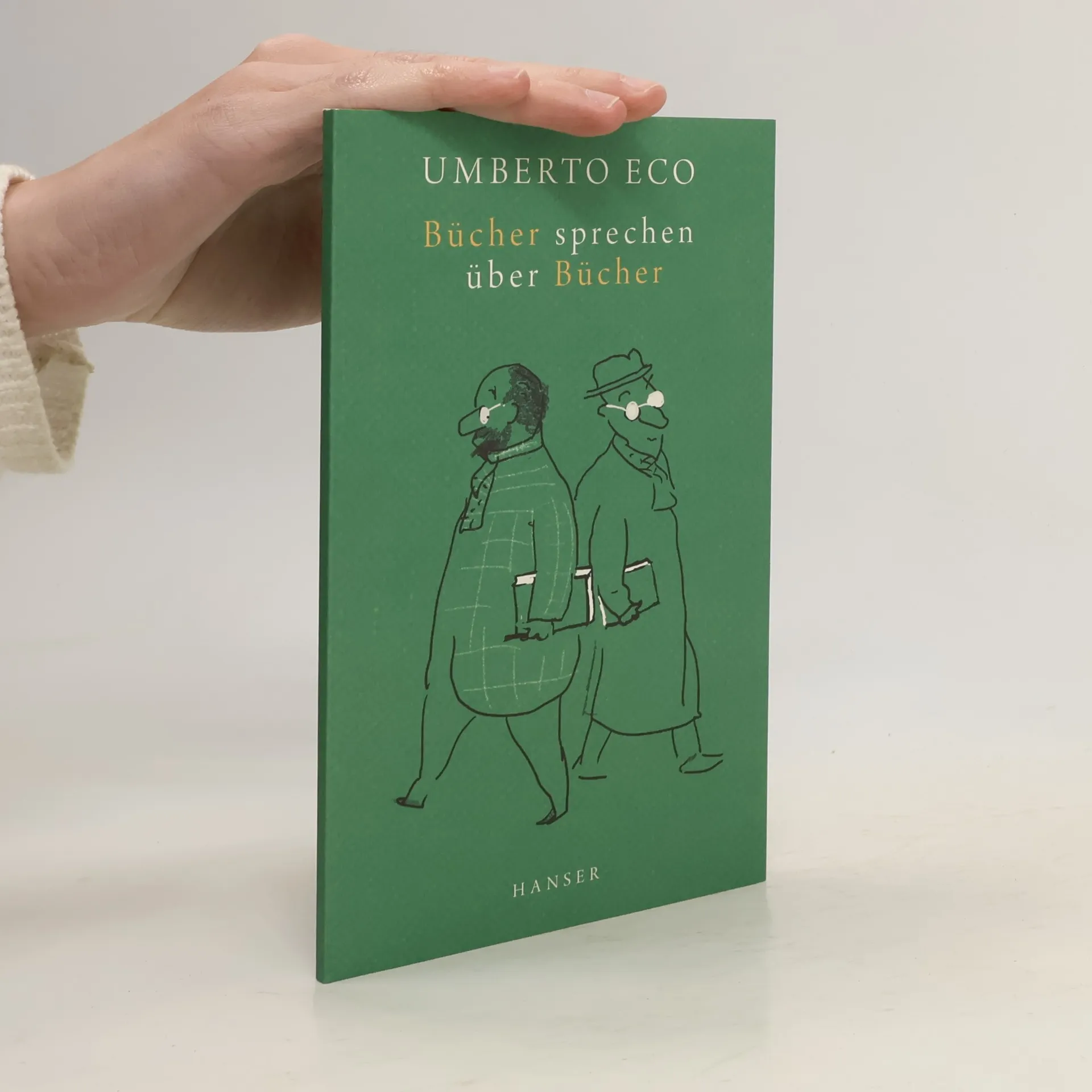
    • Neue flammende Streichholzbriefe von Umberto Eco – immer am Nerv der Zeit und gleichzeitig in die Vergangenheit ältester Epochen wandernd. Ob der große italienische Schriftsteller über das in Mode gekommene Sammeln alter Druckwerke oder ein Plädoyer für die Langsamkeit des Lesens schreibt – stets feiert er die Wichtigkeit des Buches im Zeitalter des digitalen Wahns. Witzig, scharfsinnig wenn nicht bösartig sind Ecos Beobachtungen zum Zeitgeschehen – zwölf kurze Texte über eine rasende Gegenwart, der man am besten mit gesundem Menschenverstand und einem Blick auf das Alte begegnet, das sich immer wieder als prophetisch erweist.

      Bücher sprechen über Bücher2015
      3,3
    • The Book of Legendary Lands

      • 480bladzijden
      • 17 uur lezen

      In the tradition of his books On Beauty and On Ugliness and The Infinity of Lists, Umberto Eco presents an enthralling illustrated tour of the fabled places that have awed and eluded us through the ages. "Eco is one of the most influential thinkers of our time" Los Angeles Times From the epic poems of Homer to contemporary science fiction, from the Holy Scriptures to modern mythology and fairy tale, literature and art are full of illusory places we have at some time believed are real, and onto which we have projected our dreams, ideals and fears. Umberto Eco leads us on an illuminating journey through these legendary lands - Atlantis, Thule and Hyperborea, the Earth's interior and the Land of Cockaigne - and explores utopias and dystopias where our imagination can confront concepts that are too incredible, or too challenging, for our limited real world. In The Book of Legendary Lands the author's text is accompanied by several hundred carefully assembled works of art and literature; the result is a beautifully illustrated volume with broad and enduring appeal. Translated from Italian by Alastair McEwen

      The Book of Legendary Lands2013
      4,2
    • Geschichten für aufgeweckte Kinder

      • 112bladzijden
      • 4 uur lezen

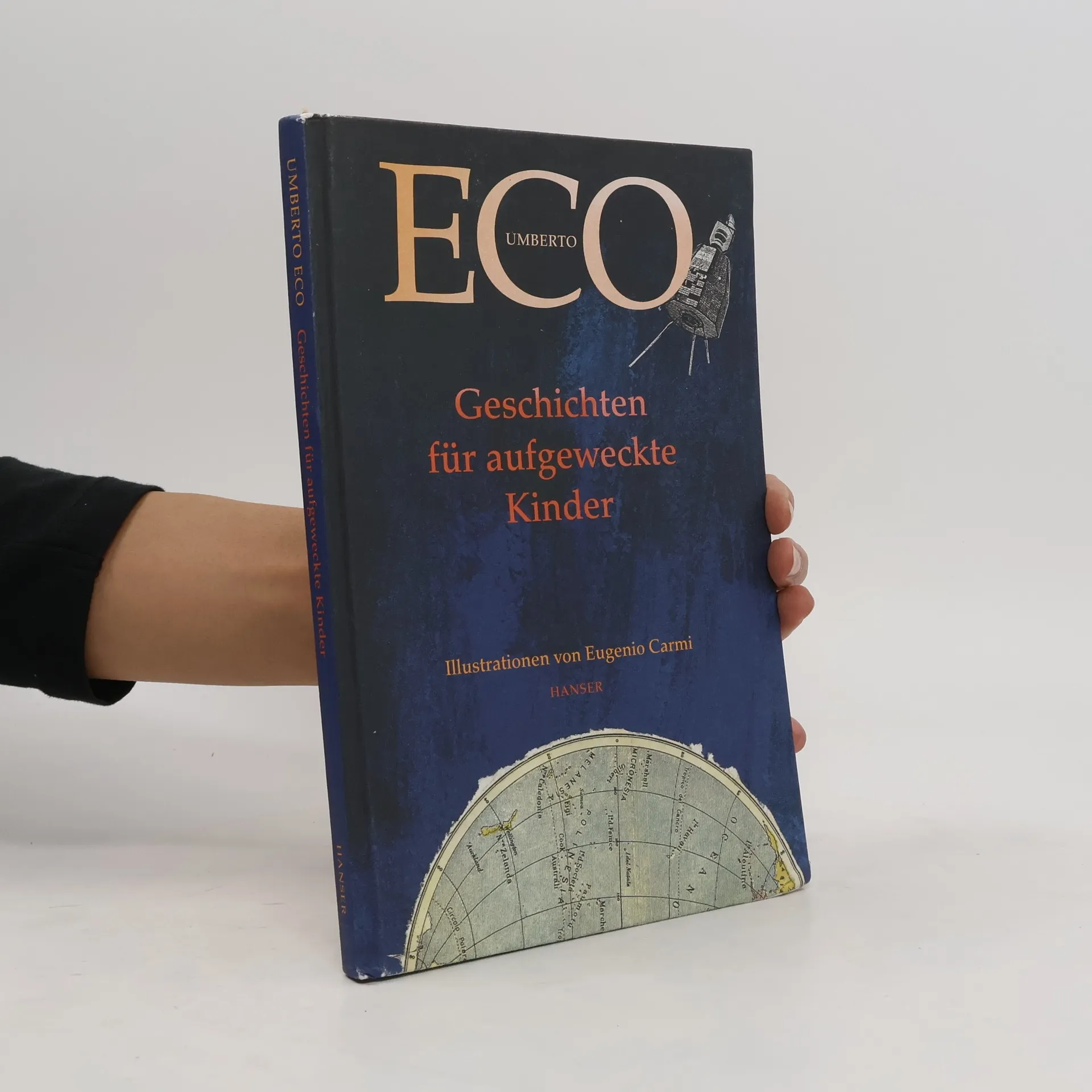
      Umberto Eco erzählt in seinem Kinderbuch mit Wärme und Humor von ernsten Themen wie Abrüstung, Frieden und Umweltschutz. Die Geschichten handeln von Atomspaltung, intergalaktischen Begegnungen und der Wiederbegrünung der Erde, begleitet von künstlerischen Illustrationen von Eugenio Carmi.

      Geschichten für aufgeweckte Kinder2012
      3,2
    • V této knize předkládá Umberto Eco své studie o historii znakových teorií. Popisuje dva modely encyklopedického poznání, z nichž jeden vychází z ideje stromu (systematického větvení pojmů) a druhý z ideje labyrintu. V dalších kapitolách pak hledá sémiotickou reflexi ve filozofických systémech od Platóna a Aristotela přes Tomáše Akvinského či Viléma Ockhama ke Kantovi, ale nemenší pozornost věnuje rétorickým spisům (například barokním výkladům o metafoře) či kabalisticky založenému učení o „kombinatorickém umění“ (Raymondovi Lullovi a Picovidella Mirandola). Tato materiálově mimořádně bohatá kniha shrnuje Ecovy různorodé výzkumy z posledních desetiletí, autor jí však dokázal vtisknout přehlednou monografickou podobu.

      Od stromu k labyrintu: Historické studie o znaku a interpretace2012
      4,6
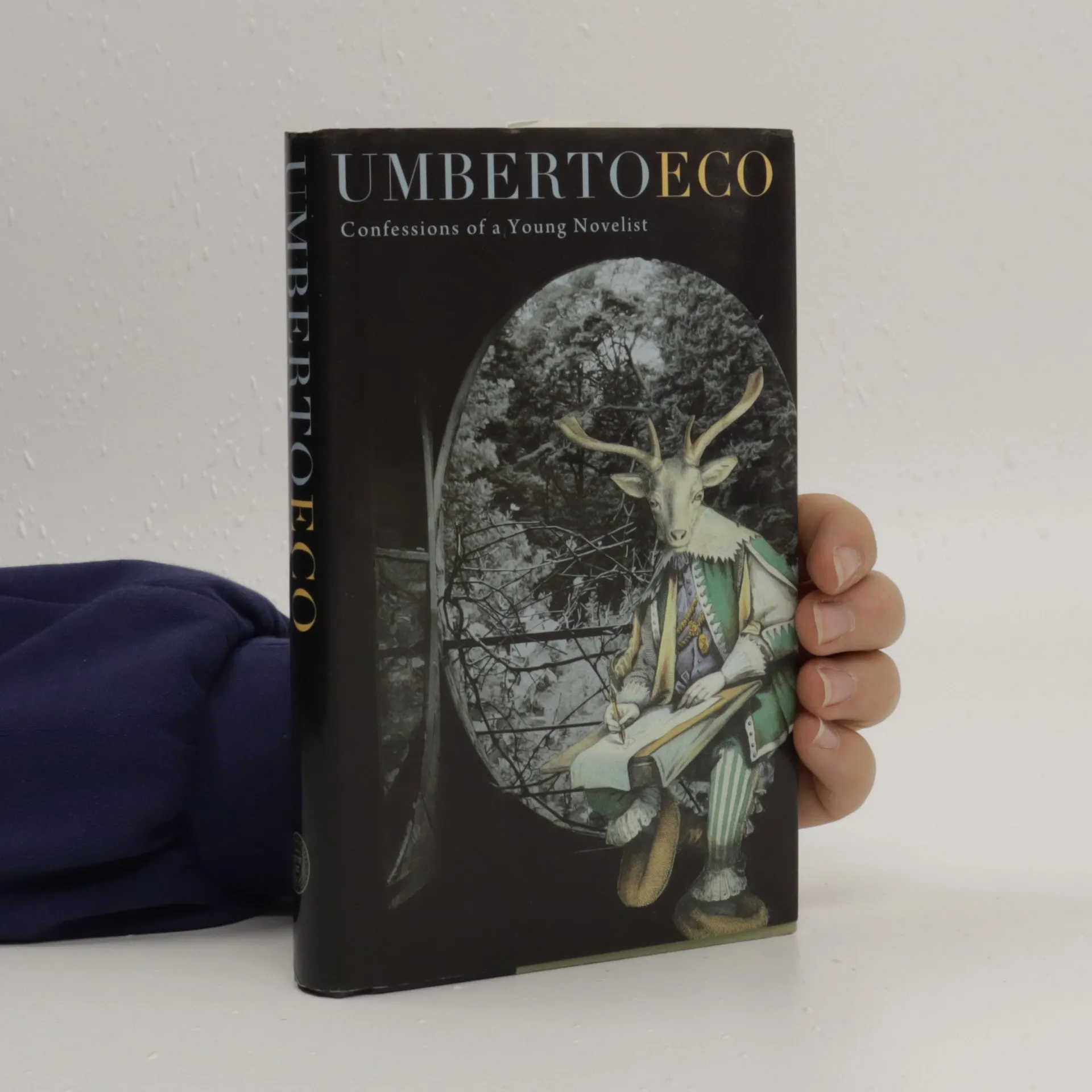
    • Umberto Eco published his first novel, The Name of the Rose, in 1980, when he was nearly fifty. In these “confessions,” the author, now in his late seventies, looks back on his long career as a theorist and his more recent work as a novelist, and explores their fruitful conjunction. He begins by exploring the boundary between fiction and nonfiction—playfully, seriously, brilliantly roaming across this frontier. Good nonfiction, he believes, is crafted like a whodunnit, and a skilled novelist builds precisely detailed worlds through observation and research. Taking us on a tour of his own creative method, Eco recalls how he designed his fictional realms. He began with specific images, made choices of period, location, and voice, composed stories that would appeal to both sophisticated and popular readers. The blending of the real and the fictive extends to the inhabitants of such invented worlds. Why are we moved to tears by a character’s plight? In what sense do Anna Karenina, Gregor Samsa, and Leopold Bloom “exist”? At once a medievalist, philosopher, and scholar of modern literature, Eco astonishes above all when he considers the pleasures of enumeration. He shows that the humble list, the potentially endless series, enables us to glimpse the infinite and approach the ineffable. This “young novelist” is a master who has wise things to impart about the art of fiction and the power of words.

      Confessions of a young novelist2011
      3,7
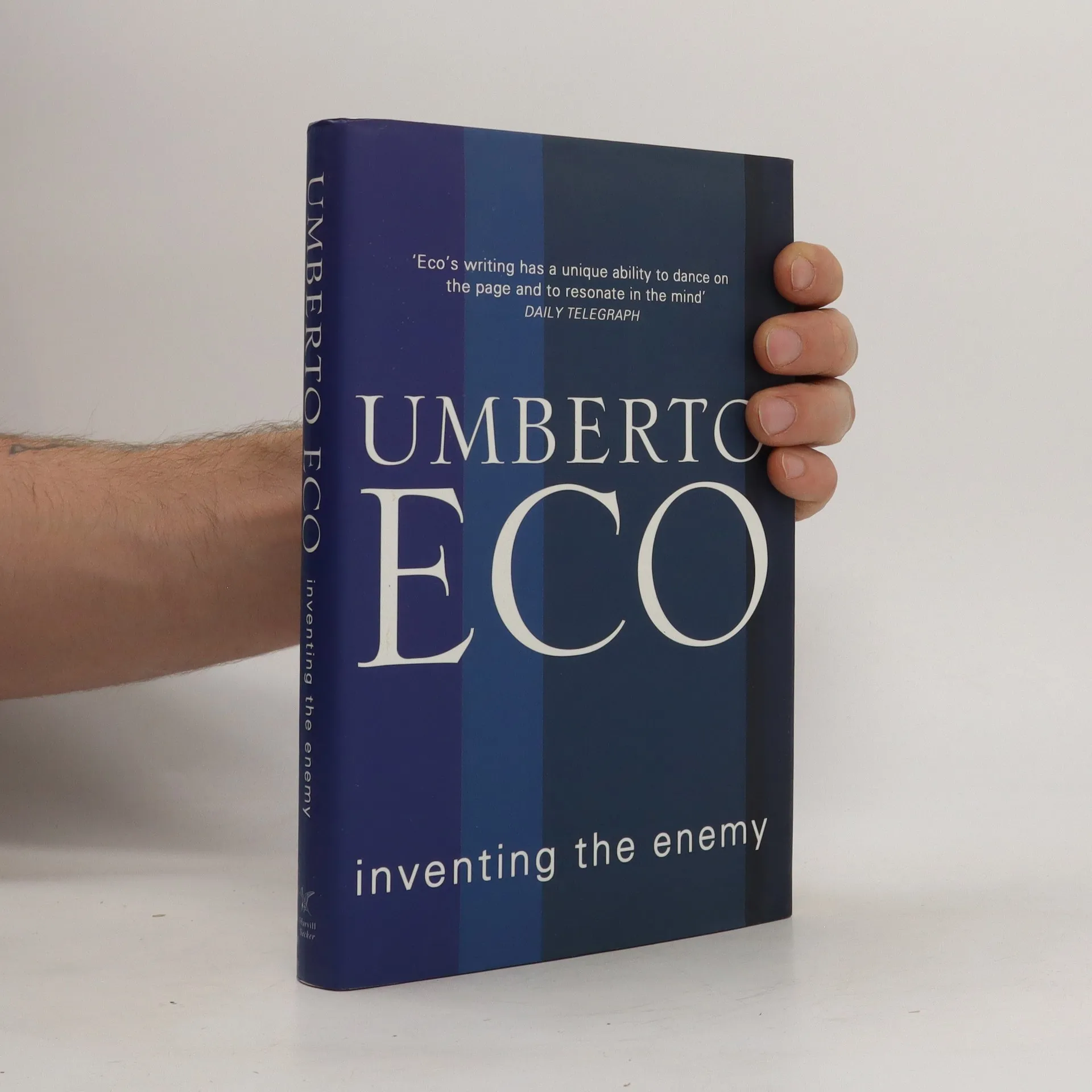
    • Inventing the Enemy

      And Other Occasional Writings

      • 240bladzijden
      • 9 uur lezen

      'Inventing the Enemy and Other Occasional Writings' covers a range of topics on which Umberto Eco has written and lectured over the last ten years, from the discussion of ideas that have inspired his earlier novels to a disquisition on the theme that runs through his most recent novel, that every country needs an enemy, and if it doesn't have one, must invent it.

      Inventing the Enemy2011
      3,5
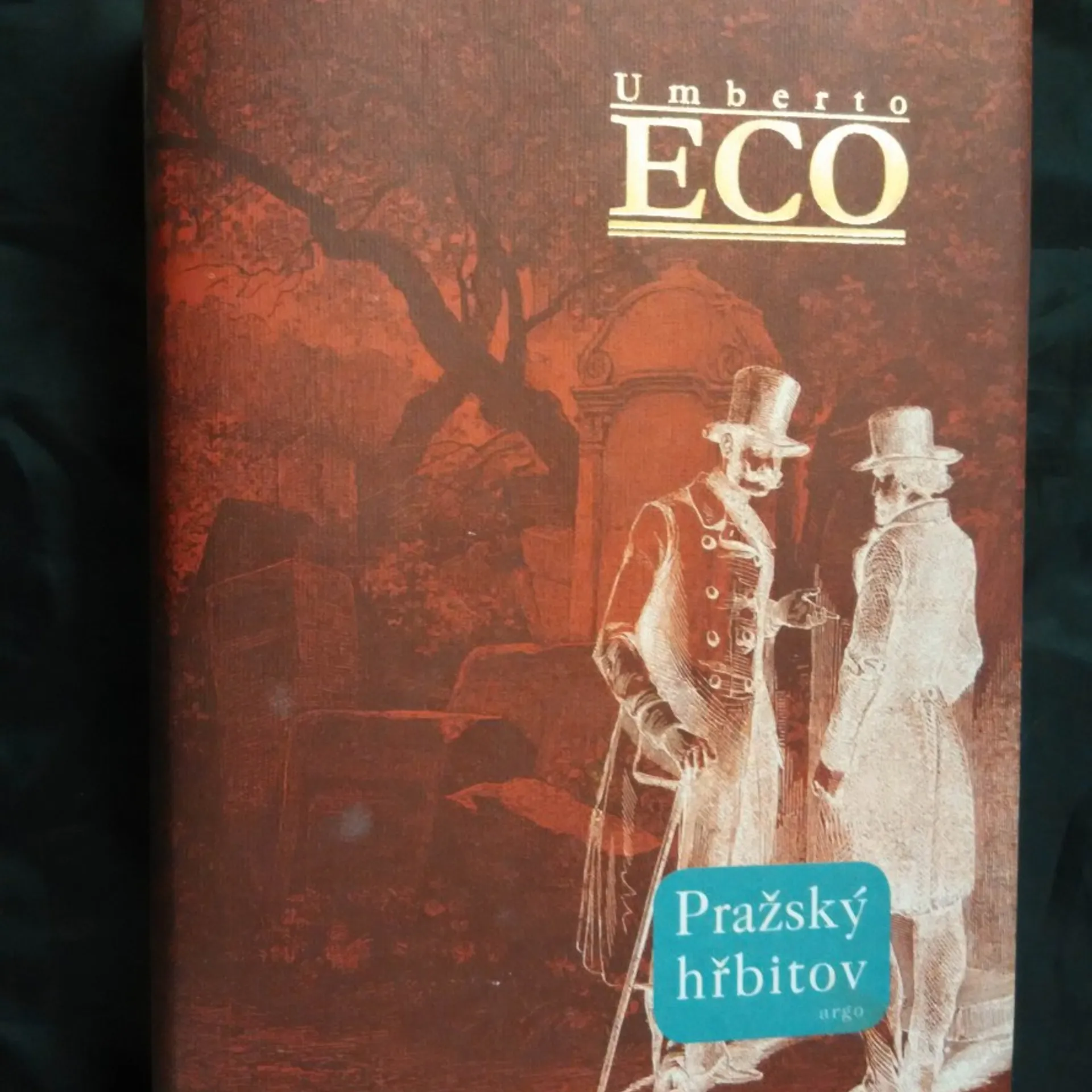
    • De begraafplaats van Praag

      • 493bladzijden
      • 18 uur lezen

      Als een 19e-eeuwse Italiaanse meestervervalser een antisemitisch document verzint over de joodse begraafplaats in Praag, heeft dat grote gevolgen.

      De begraafplaats van Praag2010
      3,5
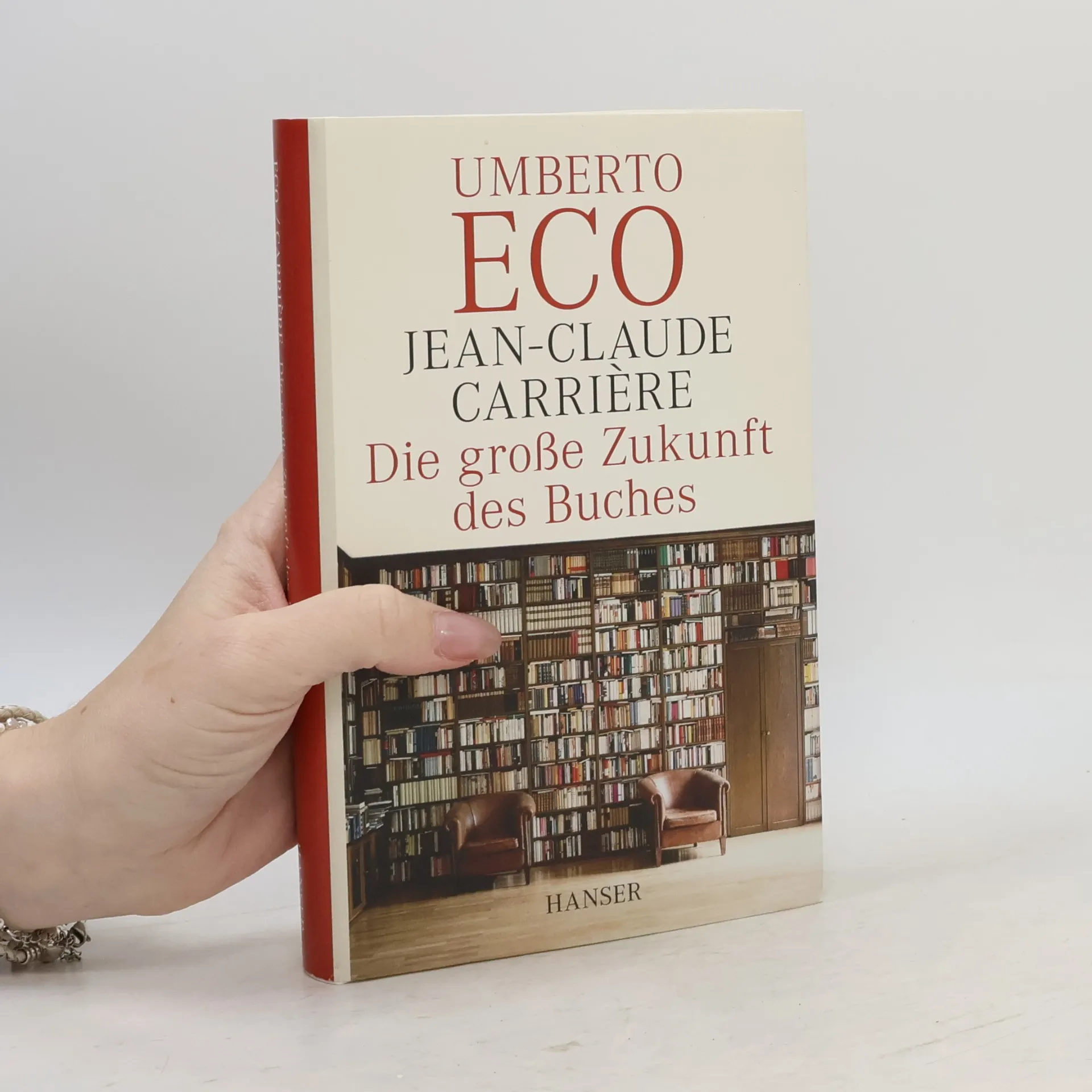
    • Das Buch: Die größte Erfindung der Menschheit. Zu diesem Schluss kommen Umberto Eco und Jean-Claude Carrière, Autoren aus Italien und Frankreich, die zusammenkamen, um sich über die Zukunft des Buches zu unterhalten. In einer rasanten Reise durch die Zeit, von der Papyrusrolle über Gutenberg bis zum E-Book sprechen sie über die Faszination von Bibliotheken, welche Bücher sie vor dem Feuer retten würden, und über die Frage, ob es Sinn macht, „Krieg und Frieden“ als E-Book zu lesen. Die originellen, unterhaltsamen und höchst informativen Anekdoten der beiden Passionierten sind ein Muss für alle, die das Buch als Gegenstand lieben.

      Die große Zukunft des Buches2010
      4,4
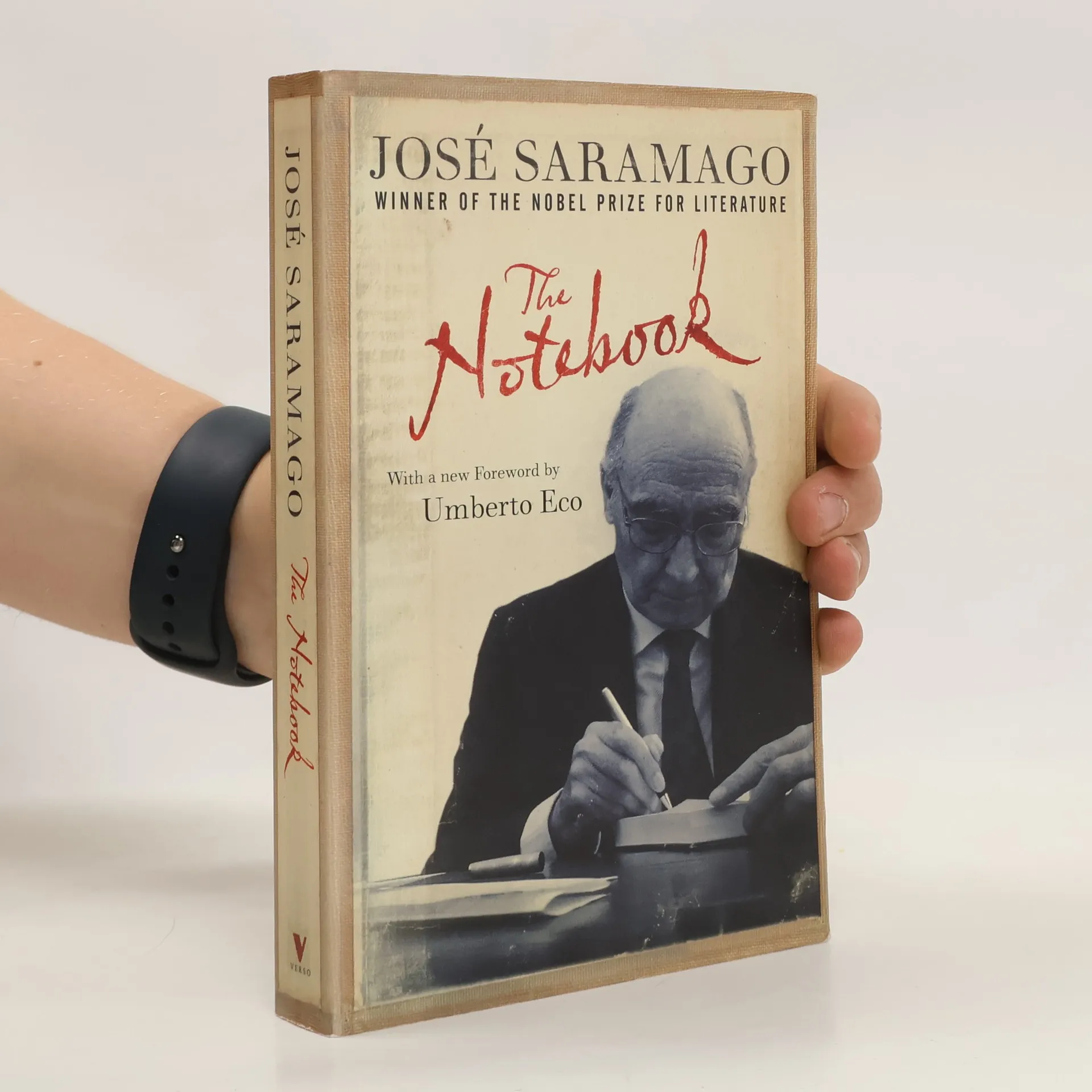
    • Il quaderno

      Testi scritti per il blog

      • 171bladzijden
      • 6 uur lezen

      Dagli ultimi atti del mandato di George W. Bush alle intemperanze del nostro presidente del consiglio, dalla crisi finanziaria che ha sconvolto i mercati occidentali alle polemiche su Guantànamo, dalla libertà limitata di Roberto Saviano ai recenti bombardamenti sulla Striscia di Gaza: "Il quaderno" raccoglie gli interventi pubblicati da Saramago sul suo blog tra il settembre 2008 e il marzo 2009, contributi fulminei e taglienti - al centro di polemiche tutte italiane - capaci di stilare una lucida, ironica e appassionata cartella diagnostica del nostro presente. E se a scandire il tempo e a dettare l'urgenza di queste cronache sono gli accadimenti del mondo, è la poesia più vera a ispirare le pagine dedicate alla notte in cui Obama ha vinto le elezioni americane, al ricordo di Fernando Pessoa o di Rosa Parks la sarta di Montgomery, Alabama, che viaggiando in autobus si rifiutò di cedere il posto a una persona di razza bianca -, come pure l'omaggio alla città di Lisbona o l'episodio del ritorno alla Torre di Belém della statua dell'elefante che dà il titolo al suo ultimo romanzo. Contributi vibranti, densi di acume e fervida immaginazione, che ci rivelano un Saramago, come scrive Umberto Eco nella prefazione, "impenitentemente irritato, e tenero".

      Il quaderno2009
      3,8
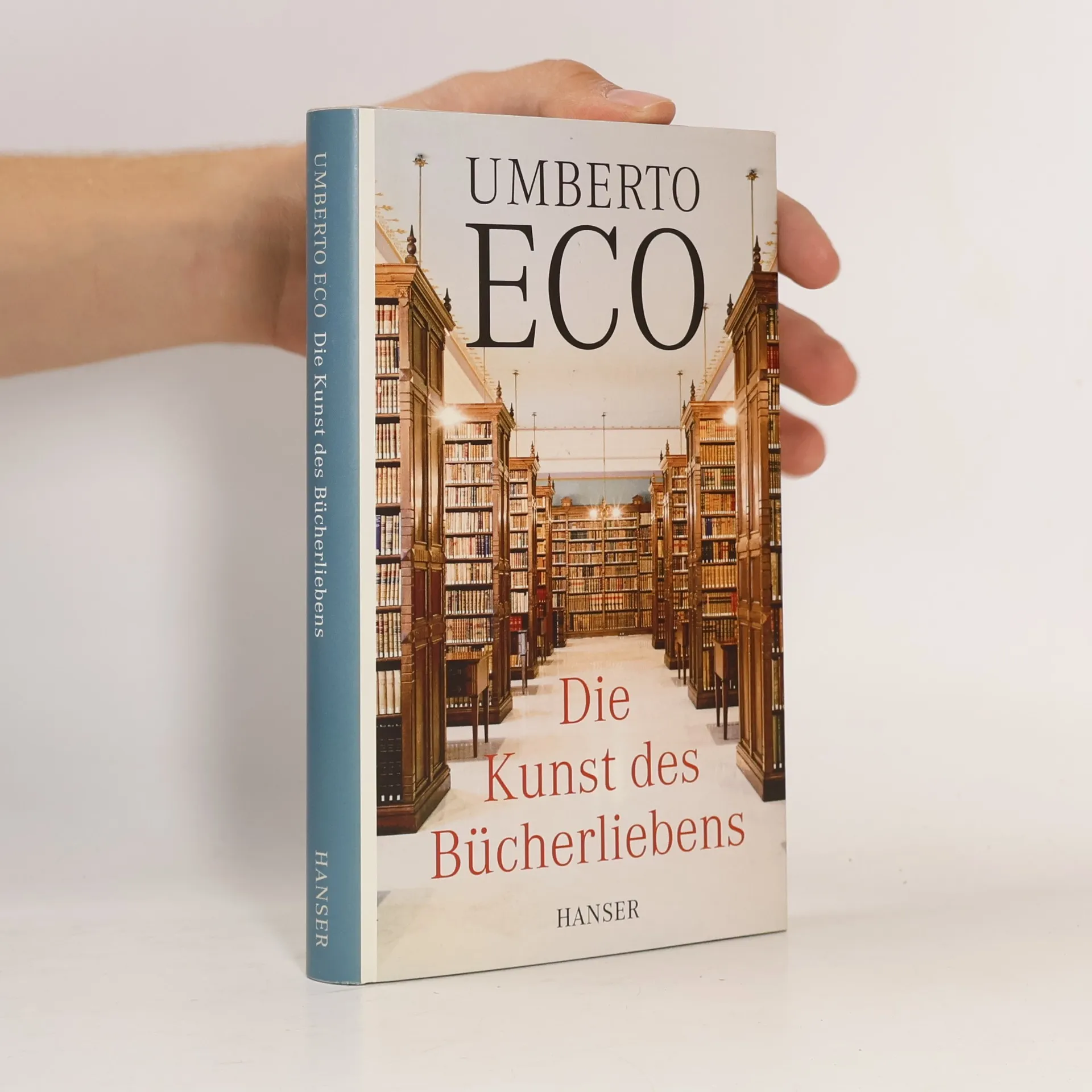
    • »Ich sage es offen, aus Liebe zu einem schönen Buch ist man bereit zu jeder Gemeinheit.« Umberto Eco Leidenschaftliche Leser möchten Bücher nicht nur lesen, sondern auch besitzen. Für sie hat Eco ›Die Kunst des Bücherliebens‹ geschrieben. Eco zeigt, dass mit Büchern, die die Geistesgeschichte seit Jahrhunderten prägen, eine ganze Kultur auf dem Spiel steht. Voller Esprit erzählt er vom Bücherlesen, Büchersammeln, Bücherbesitzen und Bücherlieben. Inhalt: Über Bibliophilie - Das pflanzliche Gedächtnis - Reflexionen über Bibliophilie - Sichtungen eines Sammlers Historica - Über das Book of Lindisfarne - Über die Très Riches Heures - Über die Insularien - Mein Migne und der andere - Der seltsame Fall der Hanau 1609 Literarische Narren (und wissenschaftliche) - Varia et Curiosa - Das Meisterwerk eines Unbekannten - War Shakespeare zufällig Shakespeare? - Innerer Monolog eines E-Books

      Die Kunst des Bücherliebens2009
      3,5
    • Vertiges de la liste

      • 410bladzijden
      • 15 uur lezen

      In the history of Western culture we find lists of saints, ranks of soldiers, catalogues of grotesque creatures or medicinal plants, and hordes of treasure. This infinity of lists is no coincidence: a culture prefers enclosed, stable forms when it is sure of its own identity, while when faced with a jumbled series of ill-defined phenomena, it starts making lists. The poetics of lists runs throughout the history of art and literature. We do not only see it at work in ancient bestiaries, the celestial hosts of angels or the naturalist collections of the 16th century. We also find it more obliquely from Homer to Joyce, from the treasures of Gothic cathedrals to the fantastic landscapes of Bosch and cabinets of curiosities, until we get to Andy Warhol and Arman in the 20th century. In this 5-colour illustrated edition, Umberto Eco reflects on how the idea of catalogues has changed over the centuries and how, from one period to another, it has expressed the spirit of the times. His essay is accompanied by a literary anthology and a wide selection of works of art illustrating and analysing the texts presented. This new illustrated essay is a companion volume to On Beauty and On Ugliness.

      Vertiges de la liste2009
      4,5
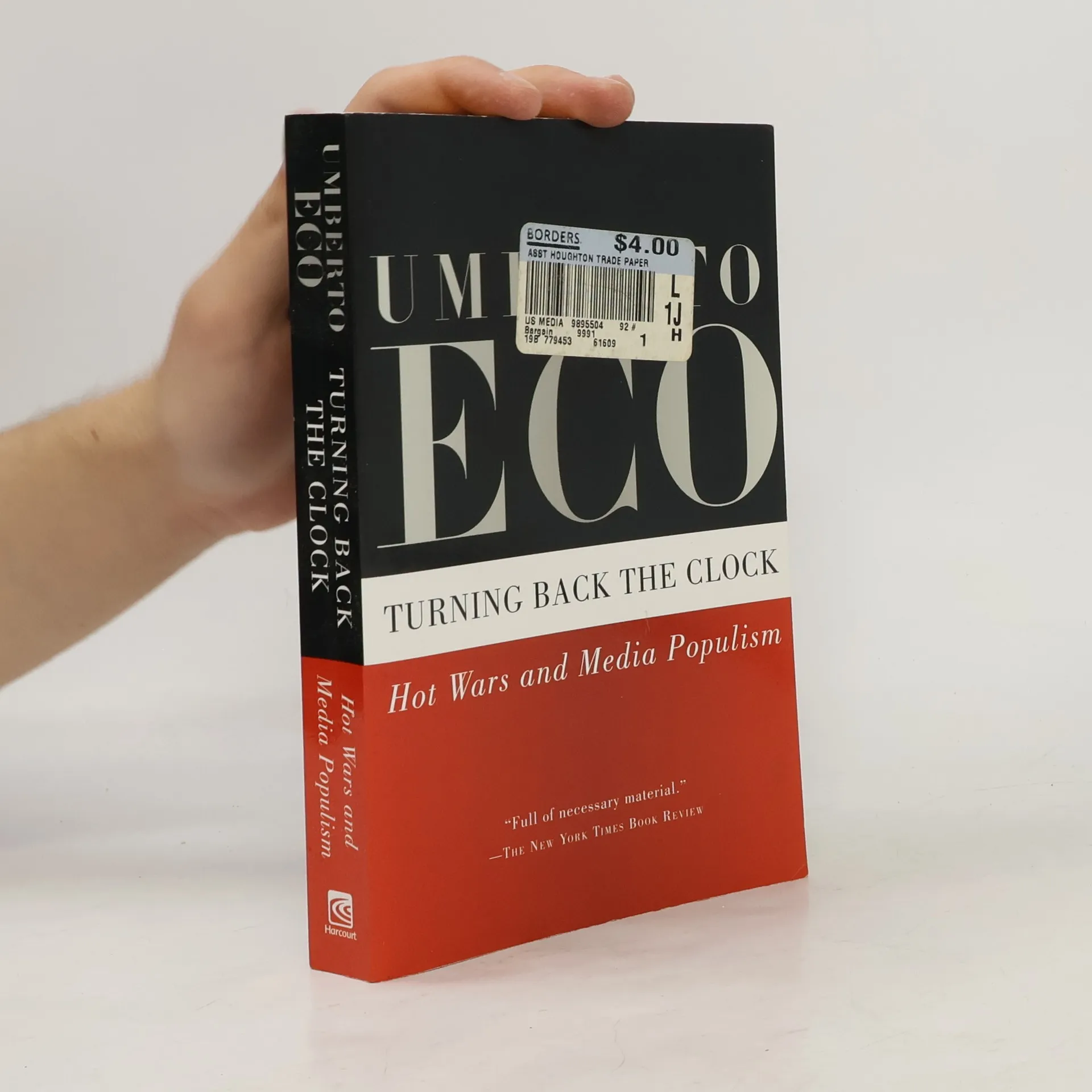
    • The 2000 to 2005, the years of neoconservatism, terrorism, the twenty-four-hour news cycle, the ascension of Bush, Blair, and Berlusconi, and the invasions of Afghanistan and Iraq. Umberto Eco’s response is a provocative, passionate, and witty series of essays—which originally appeared in the Italian newspapers La Repubblica and L’Espresso—that leaves no slogan unexamined, no innovation unexposed. What led us into this age of hot wars and media populism, and how was it sold to us as progress? Eco discusses such topics as racism, mythology, the European Union, rhetoric, the Middle East, technology, September 11, medieval Latin, television ads, globalization, Harry Potter, anti-Semitism, logic, the Tower of Babel, intelligent design, Italian street demonstrations, fundamentalism, The Da Vinci Code, and magic and magical thinking.The famous author and respected scholar shows his practical, engaged an intellectual involved in events both local and global, a man concerned about taste, politics, education, ethics, and where our troubled world is headed.

      Turning Back the Clock. Hot Wars and Media Populism2008
      3,8
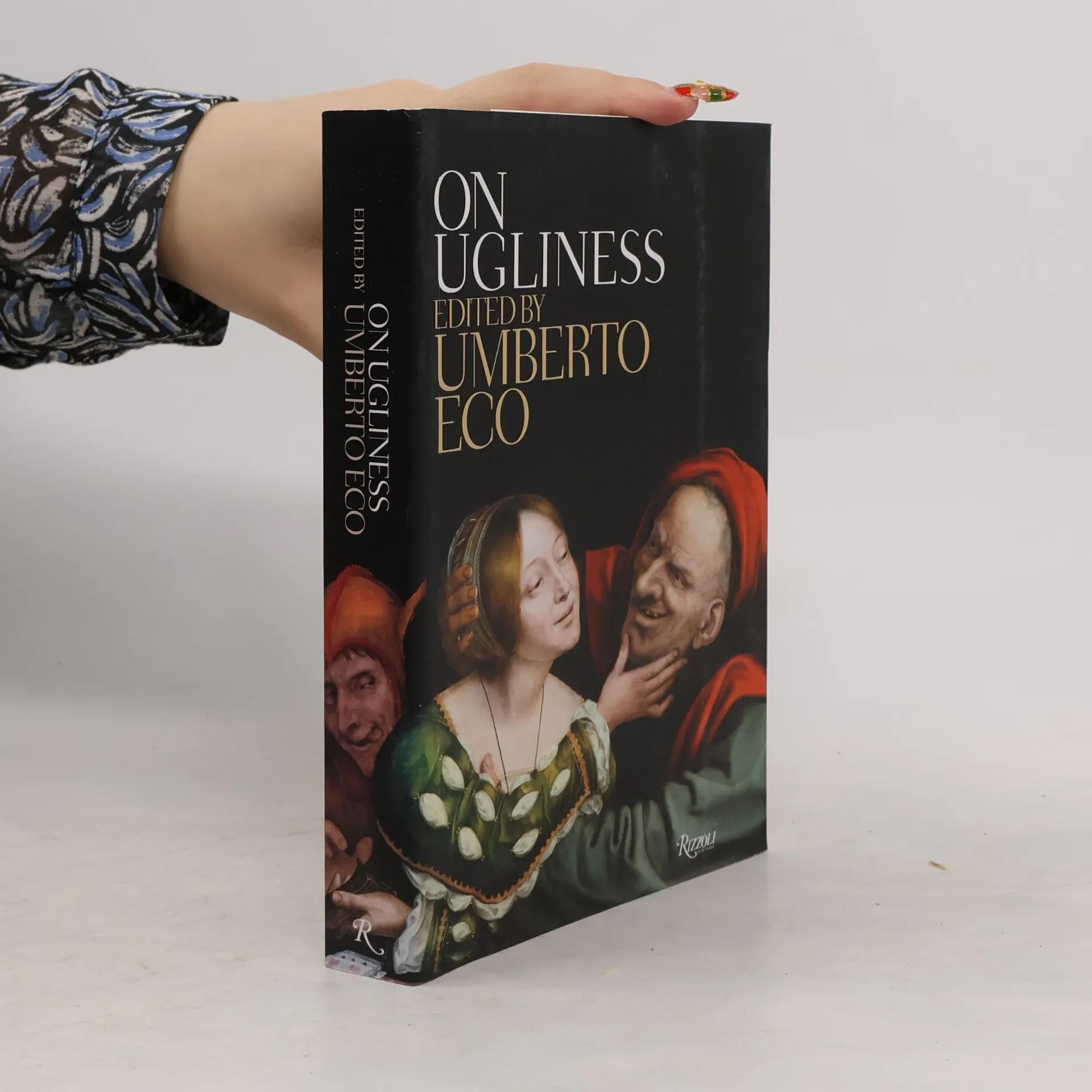
    • On Ugliness

      • 456bladzijden
      • 16 uur lezen

      In the mold of his acclaimed History of Beauty, renowned cultural critic Umberto Eco’s On Ugliness is an exploration of the monstrous and the repellant in visual culture and the arts. What is the voyeuristic impulse behind our attraction to the gruesome and the horrible? Where does the magnetic appeal of the sordid and the scandalous come from? Is ugliness also in the eye of the beholder? Eco’s encyclopedic knowledge and captivating storytelling skills combine in this ingenious study of the Ugly, revealing that what we often shield ourselves from and shun in everyday life is what we’re most attracted to subliminally. Topics range from Milton’s Satan to Goethe’s Mephistopheles; from witchcraft and medieval torture tactics to martyrs, hermits, and penitents; from lunar births and disemboweled corpses to mythic monsters and sideshow freaks; and from Decadentism and picturesque ugliness to the tacky, kitsch, and camp, and the aesthetics of excess and vice. With abundant examples of painting and sculpture ranging from ancient Greek amphorae to Bosch, Brueghel, and Goya among others, and with quotations from the most celebrated writers and philosophers of each age, this provocative discussion explores in-depth the concepts of evil, depravity, and darkness in art and literature.

      On Ugliness2007
      4,3
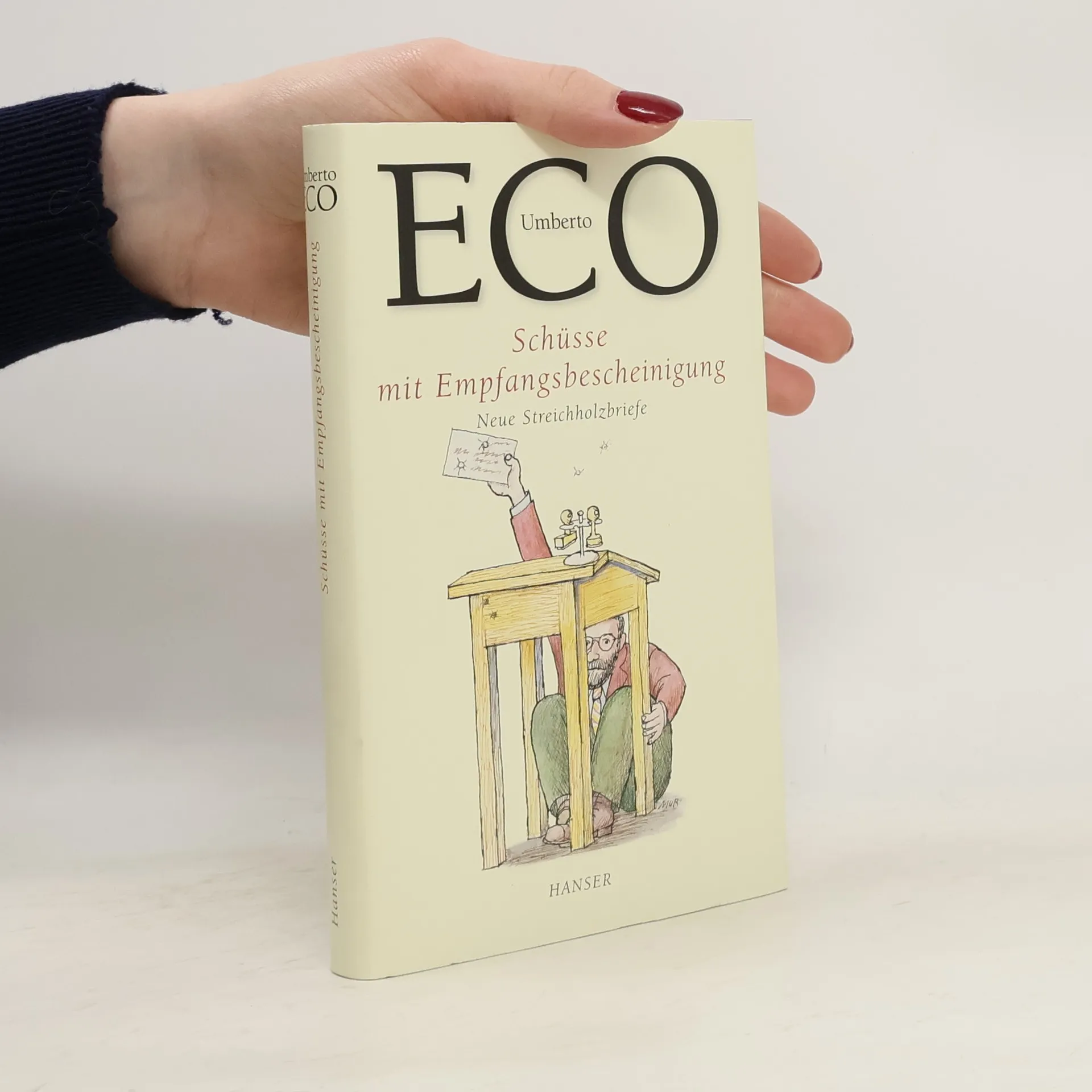
    • Soll man eher auf die Philosophen hören oder auf die Philosophinnen? Soll man Bücher sammeln oder lesen? Oder soll man einfach nur noch ins Kino gehen? Umberto Eco, einer der markantesten und unterhaltsamsten Kommentatoren unserer Alltagswelt, betrachtet in diesen scharfzüngigen Essays und Glossen Politik, Kultur und die allgemeine Lage. Es geht um Romane, Filme und Romanverfilmungen, um neue und antiquarische Bücher, Katastrophennachrichten und um den alltäglichen Krieg. Ein Feuerwerk an Belesenheit und Witz.

      Schüsse mit Empfangsbescheinigung2006
      4,2
    • Sator arepo eccetera

      • 75bladzijden
      • 3 uur lezen

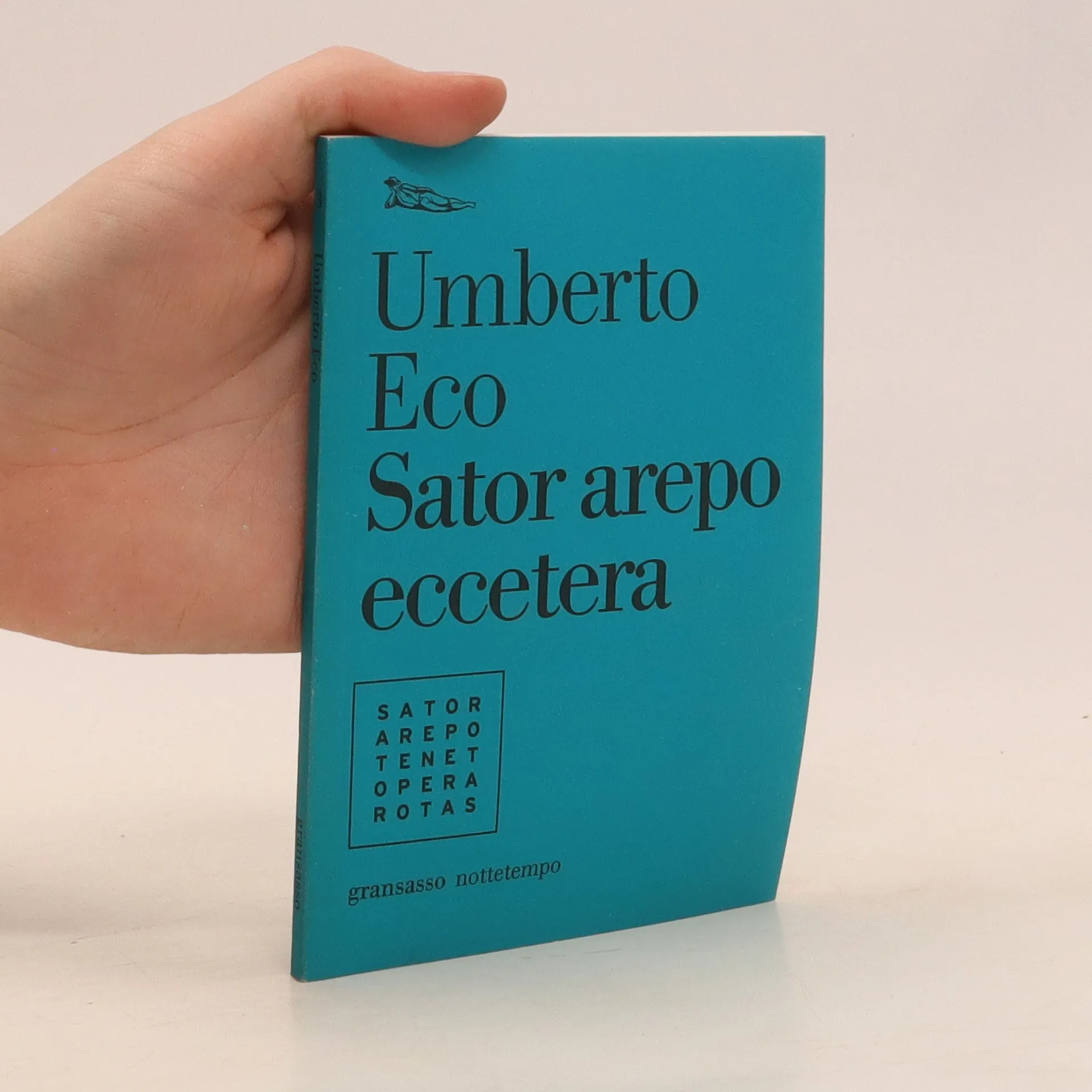
      Omonimi, omofoni e in questo libretto originale e divertente, i giochi linguistici del grande scrittore e semiologo. Un divertissement di Eco, che ha modificato radicalmente il senso dell'opera dantesca fino a portarlo all'opposto dell'originale.

      Sator arepo eccetera2006
      3,8
    • Turning Back The clock

      • 384bladzijden
      • 14 uur lezen

      'Turning Back the Clock' is a collection of essays by one of the leading intellectuals of our time. With his customary sharpness and wit, Eco explains the tragic steps backwards that have been taken since the end of the last millennium.

      Turning Back The clock2006
      3,7
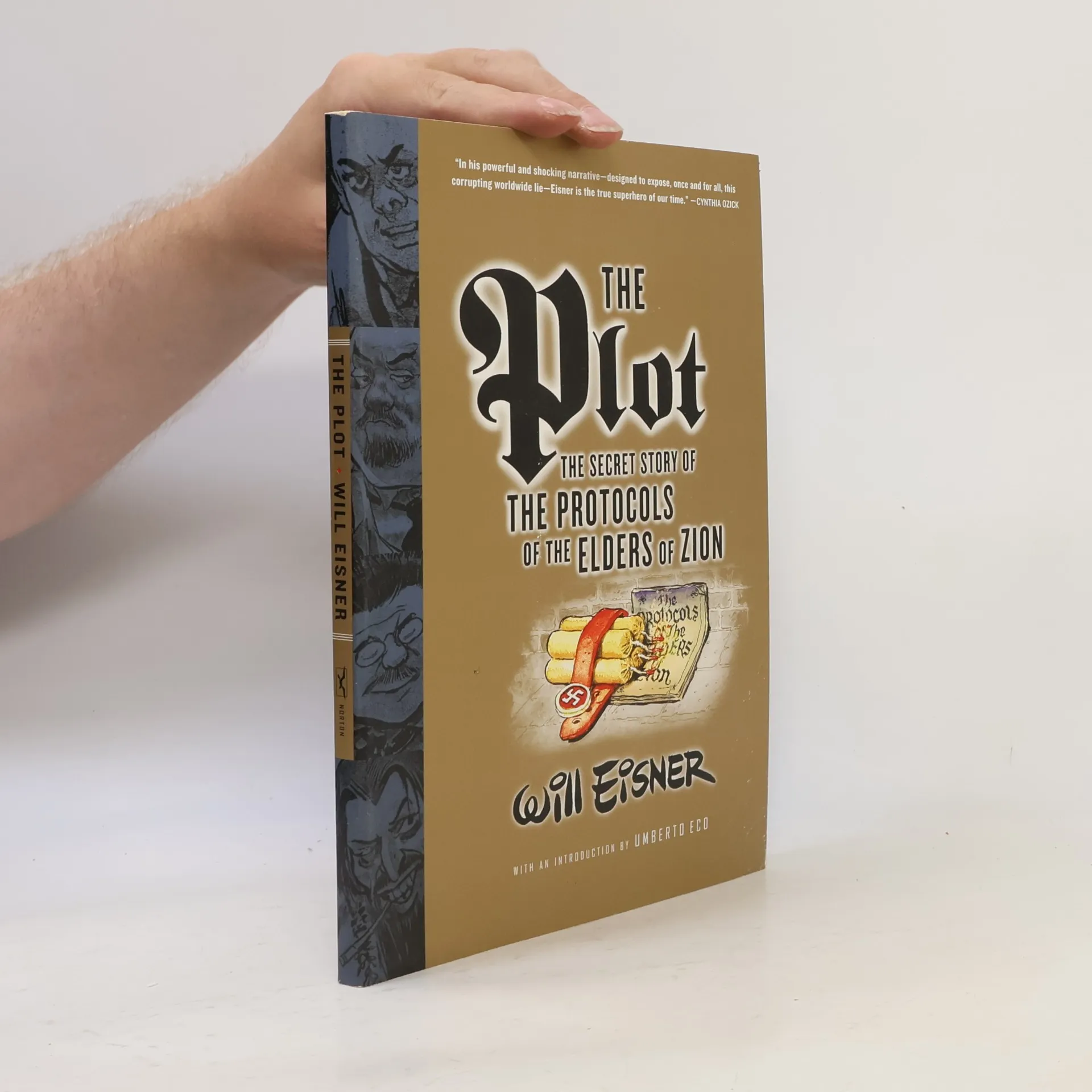
    • Presented in graphic-novel format, an examination of the 1905 plot fabricated by anti-Semitic secret police that was used to accuse Jewish leaders of wanting to take over the world discusses the contributions of such individuals as Tsar Nicholas II, Henry Ford, and Adolph Hitler, tracing how Protocols became an internationally accepted truth and tragically succeeded far beyond propagandistic ambitions. 50,000 first printing.

      The plot : the secret story of The protocols of the elders of Zion2006
      3,8
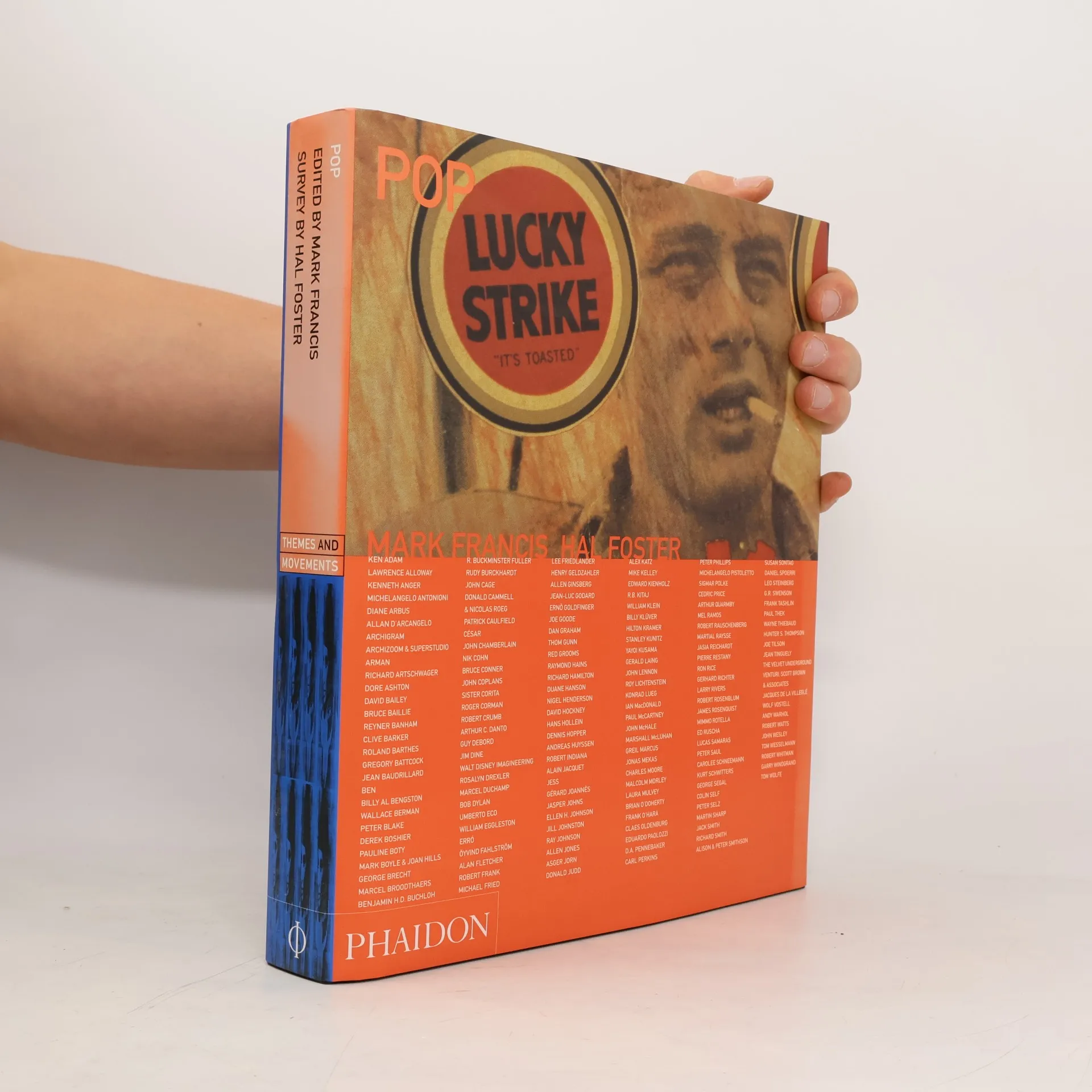
    • Themes and Movements: Pop

      • 304bladzijden
      • 11 uur lezen

      Exploring the evolution of Pop culture from the late 1950s to the late 1960s, this comprehensive survey examines its impact on art, film, photography, and architecture, highlighting the interplay between mass production and mass media. Unlike other works that focus solely on Pop art, it offers a holistic view of the movement's influence across America, Britain, and Europe, showcasing its diverse manifestations and cultural significance during this transformative era.

      Themes and Movements: Pop2005
      4,0
    • The book features a provocative exploration of literary interpretation, blending Eco's expertise as a novelist and literary theorist. With a humorous and insightful approach, he navigates a wide array of topics, drawing connections between influential figures like Dante, Chomsky, and Derrida. Eco's unique style shines through, making complex ideas accessible and engaging for readers interested in the nuances of literature and its interpretation.

      Interpretation and Overinterpretation2004
      4,0
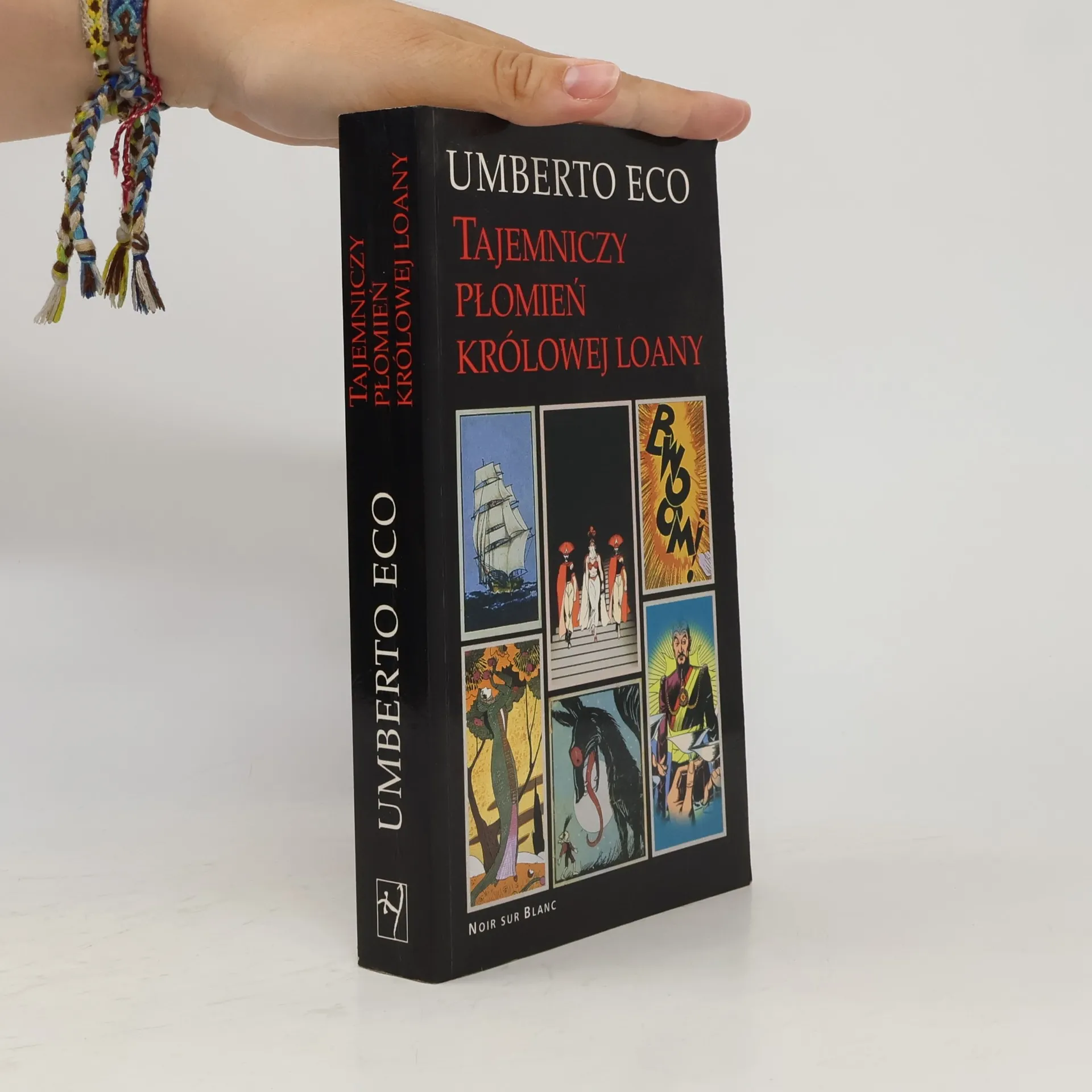
    • Een man heeft een merkwaardige vorm van geheugenverlies waarbij alleen zijn eigen levensherinneringen verloren gegaan zijn; hij trekt zich terug op de zolder van zijn ouderlijk huis om daar tussen oude kinderboeken en platen naar zijn identiteit te zoeken.

      De mysterieuze vlam van koningin Loana2004
      3,4
    • De geschiedenis van de schoonheid

      • 438bladzijden
      • 16 uur lezen

      Overzichtswerk in woord en beeld van opvattingen over het begrip schoonheid in de geschiedenis en filosofie vanaf de Griekse beschaving.

      De geschiedenis van de schoonheid2004
      4,0
    • Wie wählt man einen Präsidenten? Werden wir im allgemeinen Lärm bald paketweise Stille kaufen? Wird auf die großen Kriege mehr folgen als ein kleiner Frieden? Umberto Eco liefert hier gratis ein paar Prophezeiungen zum Stand der gegenwärtigen Dinge, wobei der scharfsinnigen Ironie dieses großen Schriftstellers und Polemikers natürlich keines der "Wunder" dieses wunderbaren Jahrtausends entgeht.

      Gratis-Prophezeiungen2003
      3,8
    • Mouse or Rat?

      • 164bladzijden
      • 6 uur lezen

      Based on a series of lectures on translation these essays are thought-provoking and compelling discussions on the difficulties of translating faithfully. Using examples from classic literary texts including his own bestselling novels Eco examines the rights and wrongs, the misunderstandings and the 'negotiations' needed in order to translate. He examines various problems in translation with great wit and humour. Pointing out the pitfalls of literal translation, he asks a machine to translate the beginning of the Bible into Spanish then back into English, then into German and then again back into English. The result is very funny but as Eco points out, it is still vaguely recognisable as a version of the Bible and obviously not the first adventure of Harry Potter. He discusses every form of interpretation and expression from poetry to film and music always demonstrating with vivid examples the disastrous but often hilarious outcome of mistranslation.The main point of all these essays is that translation is always a matter of negotiation; whether it be a loss or a gain on either side a translator's job is to decide what elements are vital and which may be neglected.

      Mouse or Rat?2003
      3,8
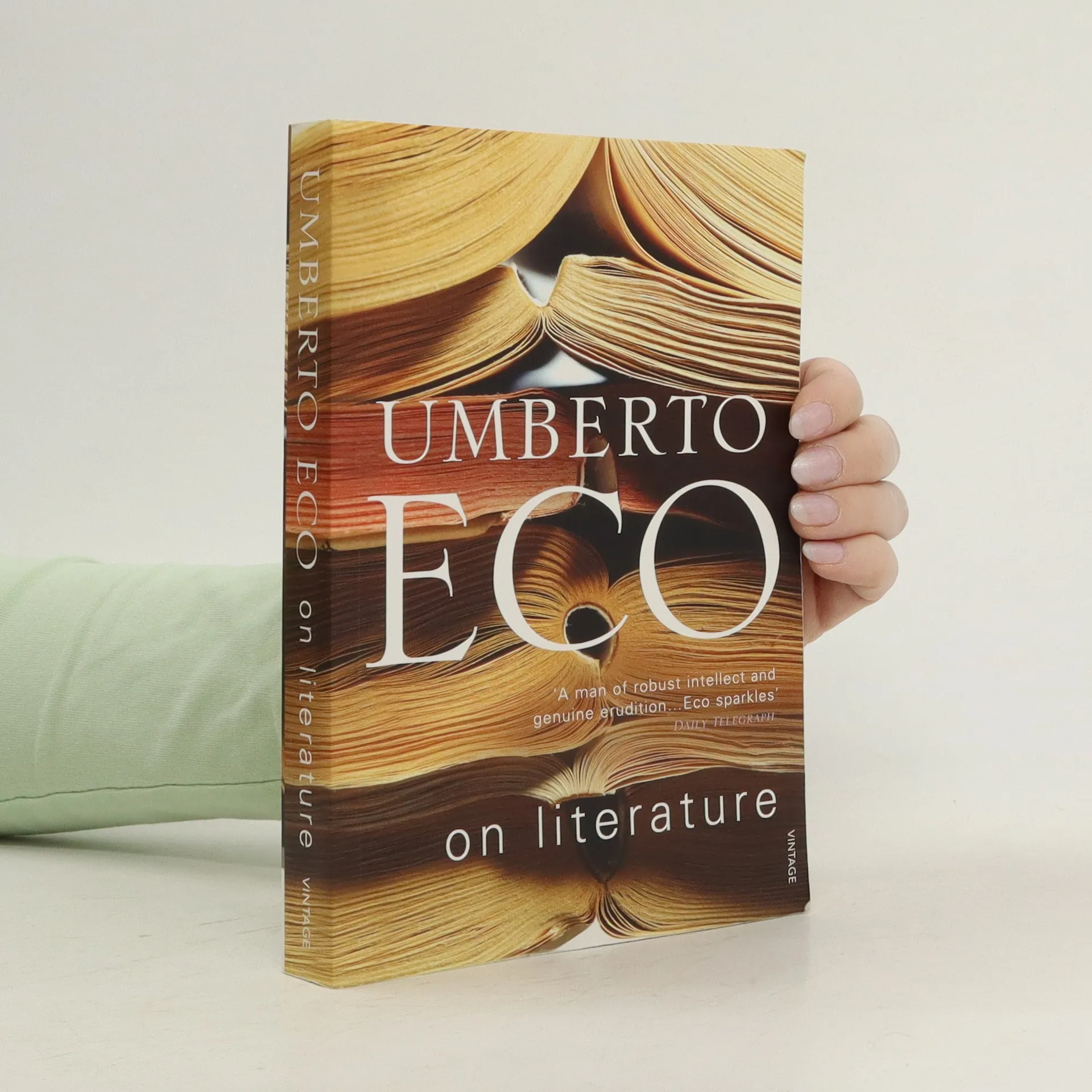
    • On literature

      • 352bladzijden
      • 13 uur lezen

      Remarkably accessible and unfailingly stimulating, this collection of essays exhibits the diversity of interests and the depth of knowledge that made Umberto Eco one of the world's leading writers. From musings on Ptolemy and reflections on the experimental writing of Borges and Joyce, to revelations of his own authorial ambitions and fears, Eco's luminous intelligence is on display throughout. This volume will appeal to anyone interested in how new light is shed on old masters by a great contemporary mind.

      On literature2003
      4,0
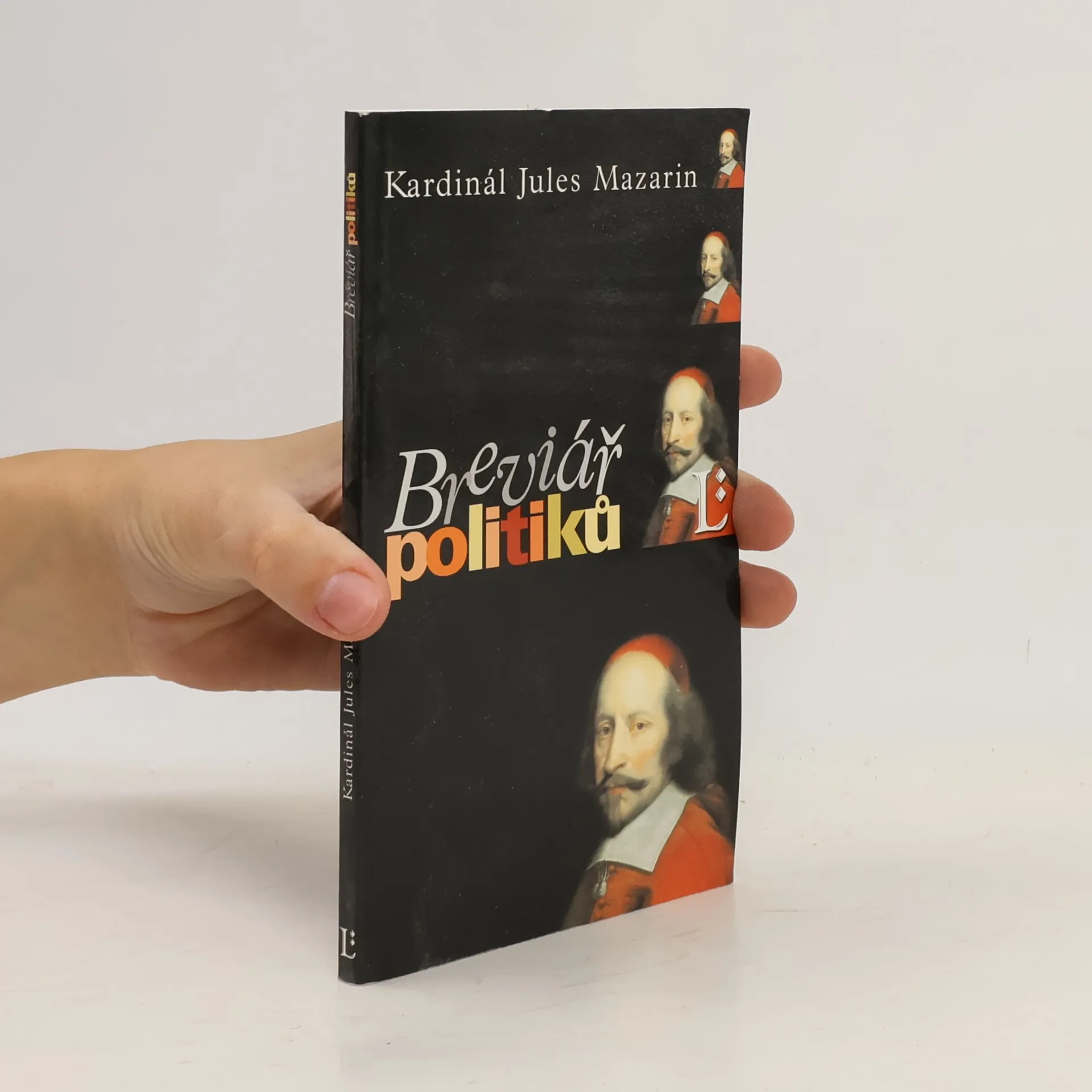
    • Breviář politiků

      • 116bladzijden
      • 5 uur lezen

      Získávaje stále přízeň mocných, uměl Mazarin odstranit své nepřátele, dostat se na první místo a udržet si je během dvou vlád až do své smrti. Lze tedy v jeho breviáři najít několik pragmatických lekcí, které ještě dnes mohou být užitečné každému vlivnému člověku. Byť se prohnaný kardinál nezatěžuje morálkou ani spravedlností, staví na odiv udivující svěžest, a dokonce určitou naivitu.

      Breviář politiků2002
      5,0
    • Was haben Derrick und sexuelle Repression miteinander zu tun? Umberto Eco verknüpft sie zu einer provozierenden und unterhaltsamen Geschichte der Alltagskultur, die er hier in seinen gesammelten Glossen zum Besten gibt. Ein Buch, das stundenlanges Lesevergnügen verspricht ...§

      Sämtliche Glossen und Parodien2001
      4,1
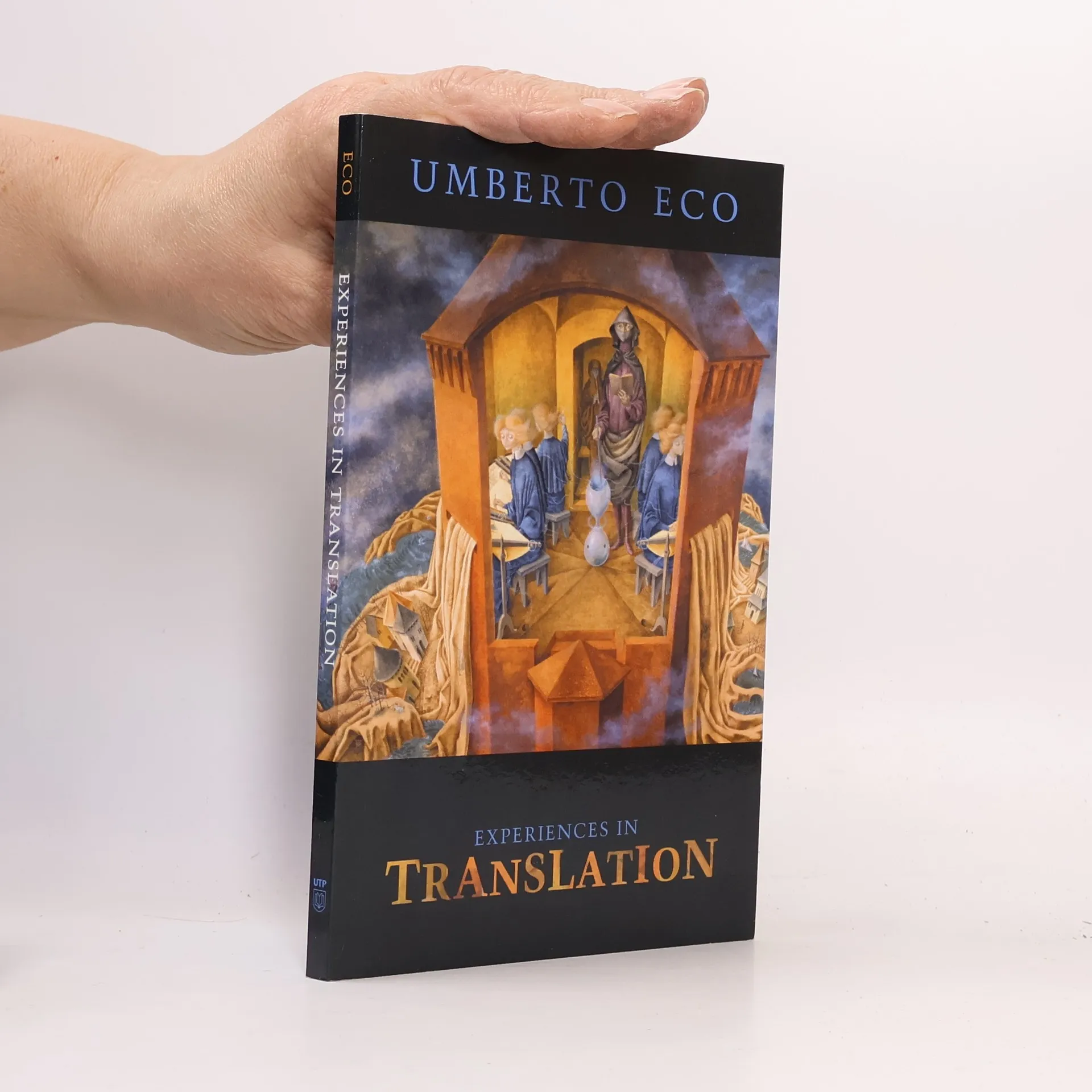
    • In this book Umberto Eco argues that translation is not about comparing two languages, but about the interpretation of a text in two different languages, thus involving a shift between cultures.

      Experiences in Translation2001
      4,1
    • Exercises in Style

      • 128bladzijden
      • 5 uur lezen

      On a crowded bus at midday, the narrator observes one man accusing another of jostling him deliberately. When a seat is vacated, the first man takes it. Later, in another part of town, the man is spotted again, while being advised by a friend to have another button sewn onto his overcoat. Exercises in Style retells this apparently unremarkable tale ninety-nine times, employing a variety of styles, ranging from sonnet to cockney to mathematical formula. Too funny to be merely a pedantic thesis, this virtuoso set of themes and variations is a linguistic rust-remover, a guide to literary forms and a demonstration of imagery and inventiveness.

      Exercises in Style2001
      4,1
    • Conversations about the End of Time

      • 228bladzijden
      • 8 uur lezen

      Where does our fascination with the Apocalypse come from? Is time cyclical or linear? Can society survive without ideology? Can children be philosophers? The contributors examine these questions and other of our preoccupations, cast back to the fears and hopes of previous generations and examine the challenges to come.

      Conversations about the End of Time2000
      3,8
    • Gibt es etwas Deutscheres als Kommissar Derrick, die vollkommene Verkörperung von Durchschnittlichkeit, Phlegma und Beamtenkarriere? Phänomene wie den deutschen Geist im Streifenwagen, Ginger Rogers und Clintons Verfehlungen, Andreottis Mafiaprozess und die neue Computerkultur kann niemand besser erklären als Umberto Eco. Ein Band voll ironisch-intelligenter Parodien.

      Derrick oder die Leidenschaft für das Mittelmaß2000
      4,0
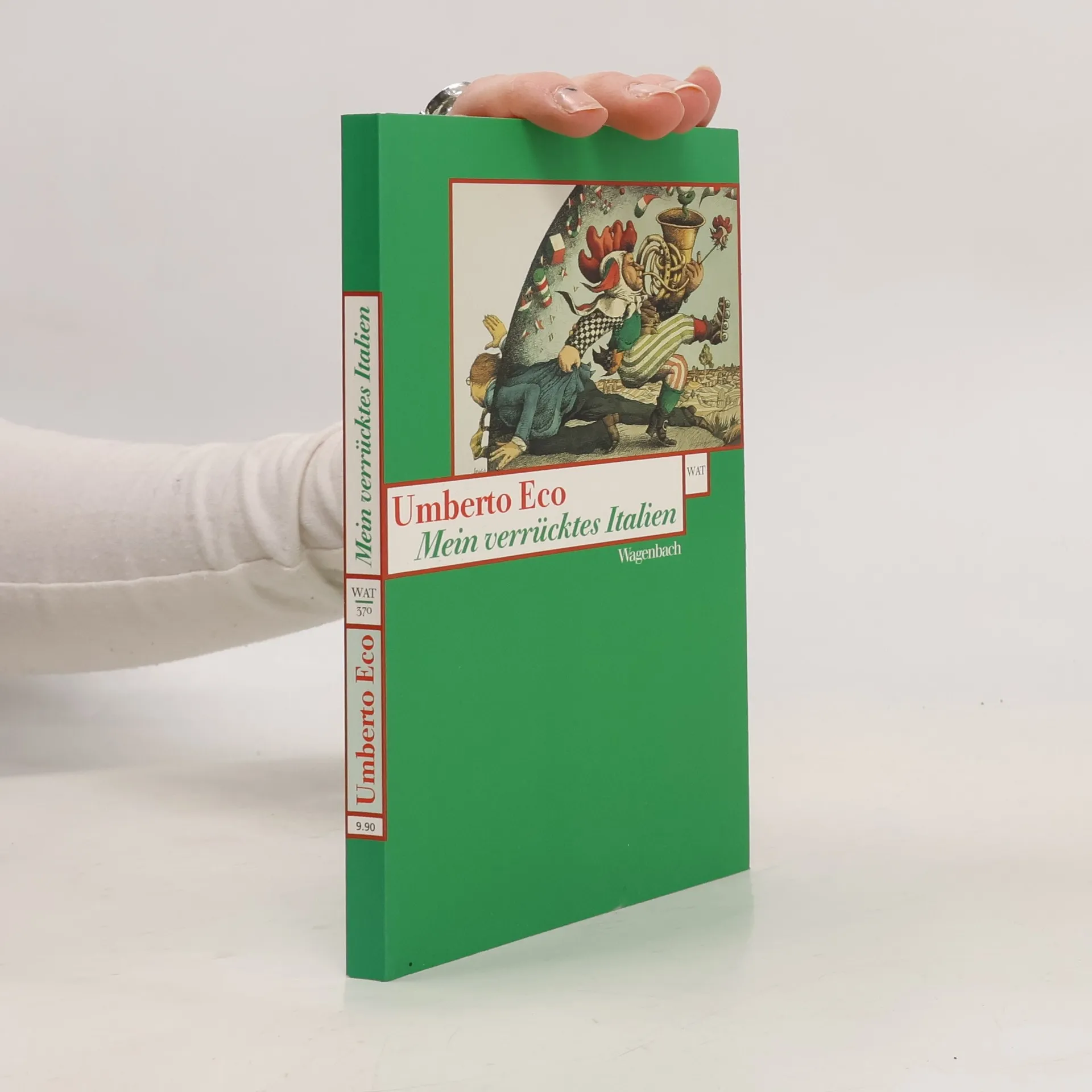
    • Mein verrücktes Italien

      • 123bladzijden
      • 5 uur lezen

      Das Schöne daran, es ist live! ruft die begeisterte Zuschauerin des Palio in Siena. Im Hintergrund schreibt Umberto Eco mit; der Zeichentheoretiker entziffert die Zeichen seines Landes. Eco beschreibt sein Italien in Geschichten: Die Irren auf der Autobahn. Das Tempo der kulturellen Moden. Mailänder Eingeborene. Italien als Mississippi-Dampfer. Der traurige Mangel an Feinden. Fußball als sexuelle Perversion. Wie man ein Mobiltelefon nicht benutzt. Das Behördengestrüpp bei Führerscheinverlust. Von der hemmungslosen Leidenschaft für Großmütter. Aber Eco macht auch Gegenvorschläge: Wie könnte ein ultimativer Film Viscontis aussehen? Wie ein künftiges Italien? Wie die Frauen, wenn sie Dante folgen würden? Ein intelligentes und zugleich kicherndes Vademecum!

      Mein verrücktes Italien2000
      3,7
    • Sémiotický pohled na svět. Kniha textů italského spisovatele, literárního kritika, sémiotika, držitele ceny Nadace Dagmar a Václava Havlových Vize 97. Uspořádal Jiří Fiala, z angličtiny a francouzštiny přeložil Jiří Fiala, z italštiny Zdeněk Frýbort. Výt. č. 1-50 číslovány a podepsány autorem.

      Mysl a smysl. Sémiotický pohled na svět2000
      4,3
    • Bij de plundering van Constantinopel in 1204 vertelt een avonturier en aartsleugenaar zijn leven aan een geschiedschrijver, waarbij onwaarschijnlijke en fantastische verhalen zich vermengen met een serieuze historische achtergrond.

      Baudolino2000
      3,5
    • Het verhaal van de tijd

      • 304bladzijden
      • 11 uur lezen

      Studie over en beredeneerde catalogus bij een tentoonstelling over het verschijnsel 'tijd'.

      Het verhaal van de tijd1999
    • The Story of Time

      • 304bladzijden
      • 11 uur lezen

      Exploring this elusive and often controversial subject, Umberto Eco, Sir Ernst Gombrich, and others contributes essays and reflections on the meaning of time.

      The Story of Time1999
      4,4
    • Woran glaubt, wer nicht glaubt?

      • 158bladzijden
      • 6 uur lezen

      Hat die Kirche heute all ihre Glaubwürdigkeit verloren? Der Briefwechsel zwischen Carlo Martini, dem Mailänder Kardinal und aussichtsreichen Kandidaten für das Amt des Papstes, und Umberto Eco, dem klassischen Intellektuellen, ist das spannende Dokument eines Dialoges, wie er viel zu selten geführt wird. „Ein intelligenter Beitrag zur immer drängenderen Frage nach der Zukunft des Glaubens.“ (News)

      Woran glaubt, wer nicht glaubt?1999
      3,9
    • How do we know a cat is a cat? And why do we call it a cat? How much of our perception of things is based on cognitive ability, and how much on linguistic resources? Here, in six remarkable essays, Umberto Eco explores in depth questions of reality, perception, and experience. Basing his ideas on common sense, Eco shares a vast wealth of literary and historical knowledge, touching on issues that affect us every day. At once philosophical and amusing, Kant and the Platypus is a tour of the world of our senses, told by a master of knowing what is real and what is not.

      Kant and the Platypus1999
      3,5
    • Lüge und Ironie

      • 141bladzijden
      • 5 uur lezen

      Umberto Eco ist nicht erst seit seinem Namen der Rose als Spurenleser berühmt, denn schon in seinen Aufsätzen zu Literatur und Kultur zeigte er sich als Meister im Aufschlüsseln von Bildern, Texten und Zeichen. Vier auf den ersten Blick ganz unterschiedliche Themen stellt Eco in seinem neuen Band auf verblüffende Weise nebeneinander, und die Spannweite reicht von Manzonis Verlobten, dem berühmtesten Roman der italienischen Literatur, bis zu Corto Maltese, dem Kult-Comic von Hugo Pratt; von Cagliostro, dem falschen Grafen, der ganz Europa in Atem hielt, bis zu Campanile, dem Ironiker der Literatur unseres Jahrhunderts. »Daß jedoch gerade diese vier Schriften und keine anderen hier versammelt sind«, sagt Eco seinerseits ironisch, »läßt vermuten, daß sie etwas gemeinsam haben.« In allen geht es um Strategien der Lüge, der Verstellung, des Mißbrauchs der Sprache und der Umkehrung dieses Mißbrauchs durch Ironie. Und Umberto Eco zeigt, wie gerne die Leser sich belügen lassen - solange es nur mit der literarischen Phantasie geschieht, die er in seinen vier Lesarten so brillant analysiert.

      Lüge und Ironie1999
      4,0
    • Serendipities

      Language & lunacy

      • 176bladzijden
      • 7 uur lezen

      The extraordinary historical consequences of errors and fictional inventions. SERENDIPITIES is an iconoclastic, dazzlingly erudite and witty demonstration, by one of the world's most brilliant thinkers, of how myths and lunacies can produce historical developments of no small significance. In Eco's words, 'even errors can produce interesting side effects'. Eco's book shows how: -- believers in a flat earth helped Columbus accidentally discover America -- the medieval myth of Prester John, the Christian king in Asia, assisted the European drive eastward -- the myth of the Rosicrucians affected the Masons, leading in turn to the widespread belief in a Jewish masonic plot to dominate the world and other forms of paranoid anti-Semitism in the nineteenth and twentieth centuries

      Serendipities1999
      3,9
    • Umfassende und unterhaltsame Reflexionen von Umberto Eco über Alltagsärgernisse und Zeitgeist-Phänomene. In "Streichholzbriefe" versammelt er 26 seiner besten Kolumnen aus "L' Espresso", die sowohl lehrreich als auch amüsant sind.

      Gesammelte Streichholzbriefe. Aus d. Italien. v. Burkhart Kroeber1998
      3,9
    • Five moral pieces

      • 111bladzijden
      • 4 uur lezen

      embracing the web of multi-culturalism that has become a fact of contemporary life from New York to New Delhi, Eco argues that we are more connected to people of othe traditions and customs than ever before, making tolerance the ultimate value in today's world.

      Five moral pieces1998
      3,9
    • Briefe an mein Enkelkind

      • 140bladzijden
      • 5 uur lezen

      Liv Ullmann, Schauspielerin und Regisseurin, hat als UNICEF-Sonderbotschafterin 25 weitere prominente Zeitgenossen gebeten, persönliche Erfahrungen und Werte, die ihnen am Herzen liegen, weiterzugeben an real existierende eigene Enkelkinder wie überhaupt an alle jungen Menschen. In Briefen, Prosastücken und Reden sprechen sie von Frieden und Toleranz, von der Achtung von Mensch und Natur sowie von einem Leben in Würde: Harry Belafonte, Gro Harlem Brundtland, Dalai Lama, Umberto Eco, Oriana Fallaci, Marilyn French, Nadine Gordimer, Václav Havel, Thor Heyerdahl, Doris Lessing, Astrid Lindgren, Nelson Mandela, Martina Navratilova, Shimon Peres, Fay Weldon u. a.

      Briefe an mein Enkelkind1997
      3,0
    • The Truth About the Truth

      De-confusing and Re-constructing the Postmodern World

      • 272bladzijden
      • 10 uur lezen

      Includes essays and excerpts from the works of prominent modern thinkers such as Umberto Eco, Jacques Derrida, and Isaiah Berlin among others.

      The Truth About the Truth1995
      3,9