

De favoriet van de lezers is momenteel uitverkocht.

Parameters
- 412bladzijden
- 15 uur lezen
Meer over het boek
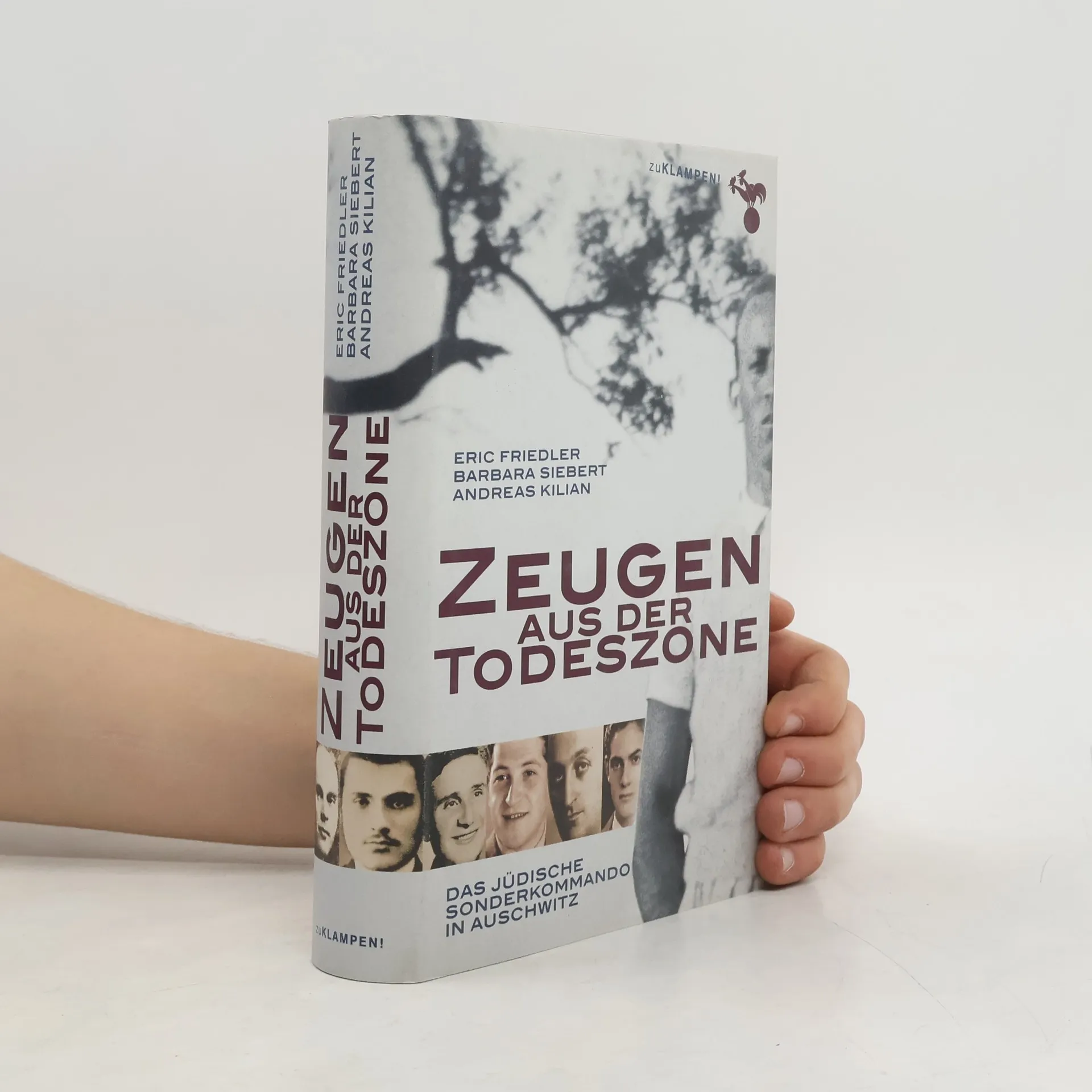
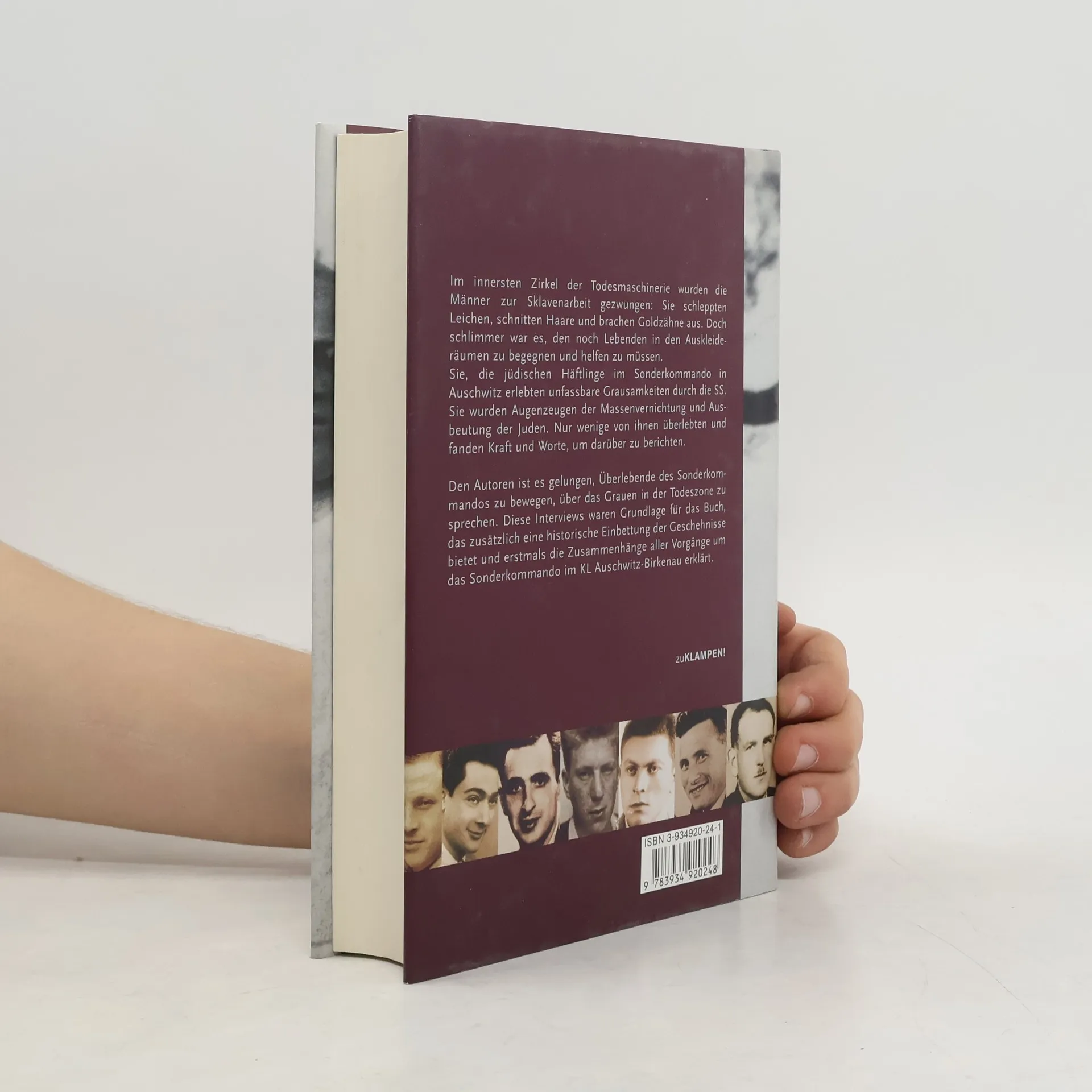
The Sonderkommando was established in Auschwitz in 1942 by the SS. Ca. 2,100 prisoners worked in the unit at various times; 100 of them survived. These prisoners became robot-like creatures who received the victims in the gas chambers and helped them undress, then searched the cadavers and burned them. They learned that, in order to survive, a human being is capable of unimaginable acts. After the war, like other survivors, they feared a confrontation with traumatic memory; however, unlike them, they remained silent due to a deep feeling of guilt.
Taal



Een boek kopen
Zeugen aus der Todeszone, Eric Friedler, Barbara Siebert, Andreas Kilian
- Taal

- Jaar van publicatie
- 2002
- Bindwijze
- (Hardcover)
Betaalmethoden
We missen je recensie hier.
- Ondertitel
- Das jüdische Sonderkommando in Auschwitz
- Taal
- Duits
- Auteurs
- Eric Friedler, Barbara Siebert, Andreas Kilian
- Uitgever
- Bleicher
- Jaar van publicatie
- 2002
- Formaat
- Hardcover
- Aantal pagina's
- 412
- ISBN10
- 3934920241
- ISBN13
- 9783934920248
- Reeks
- Tags
- Non-fictie, Historisch thema, Geschiedenis, Verhalende Journalistiek, Militaire Geschiedenis, Oorlogsproza, Oorlogen, Tweede Wereldoorlog, Dood, Joden, Holocaust, Nazisme, Concentratiekampen, Adolf Hitler, Vervolging, Persecutie, Genocide, Auschwitz (concentratiekamp)
- Eerste editie
- 2005
- Oorspronkelijke titel
- Zeugen aus der Todeszone
- Beoordeling
- 4,65 van 5
- Aantekening
- The Sonderkommando was established in Auschwitz in 1942 by the SS. Ca. 2,100 prisoners worked in the unit at various times; 100 of them survived. These prisoners became robot-like creatures who received the victims in the gas chambers and helped them undress, then searched the cadavers and burned them. They learned that, in order to survive, a human being is capable of unimaginable acts. After the war, like other survivors, they feared a confrontation with traumatic memory; however, unlike them, they remained silent due to a deep feeling of guilt.