

Het boek is momenteel niet op voorraad
Parameters
- 206bladzijden
- 8 uur lezen
Meer over het boek
Nietzsche critiques traditional morality, arguing that past philosophers failed to apply critical thinking and accepted dogma without question. He proposes an affirmative approach that transcends conventional notions of good and evil, emphasizing the importance of understanding the subjective nature of knowledge and the challenges faced by individuals in the modern world. This work encourages readers to confront these complexities rather than adhere to outdated moral frameworks.


Uitgave
- 2024

- 2024
- 2023
- 2023
- 2023
- 2023
- 2023
- 2023
- 2023
- 2023
- 2023
- 2023

- 2022
- 2022
- 2022
- 2022
- 2022
- 2022
- 2022
- 2021
- 2021
- 2021
- 2021
- 2021
- 2021
- 2021
- 2021

- 2020
- 2020
- 2020
- 2020
- 2020
- 2020
- 2020
- 2020
- 2020
- 2020
- 2020
- 2020
- 2020
- 2020
- 2020
- 2020
- 2020
- 2020
- 2020

- 2019
- 2019
- 2019
- 2019
- 2019


- 2018

- 2018
- 2018
- 2018
- 2018
- 2018
- 2018
- 2018
- 2018
- 2018
- 2017
- 2017
- 2017
- 2017
- 2016

- 2013
- 2012
- 2010
- 2009
- 2009

- 2008
- 2008
- 2008
- 2008
- 2007
- 2007
- 2006
- 2005
- 2005
- 2004
- 2004







Een boek kopen
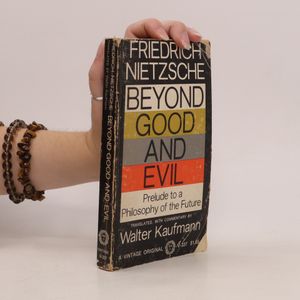
Beyond Good & Evil, Friedrich Wilhelm Nietzsche
- Taal

- Jaar van publicatie
- 2013
Zodra we het ontdekt hebben, sturen we een e-mail.
Betaalmethoden
We missen je recensie hier.
- Titel
- Beyond Good & Evil
- Taal
- Engels
- Auteurs
- Friedrich Wilhelm Nietzsche
- Uitgever
- PSI
- Jaar van publicatie
- 2013
- Aantal pagina's
- 206
- ISBN13
- 9781940177359
- Reeks
- Tags
- Non-fictie, Sociale Wetenschappen, Waargebeurde verhalen, Psychologische thema’s, Filosofisch thema, Duitse literatuur, Opiniejournalistiek & Essays, 19e Eeuw
- Eerste editie
- 1886
- Oorspronkelijke titel
- Jenseits von Gut und Böse
- Beoordeling
- 4,25 van 5
- Aantekening
- Nietzsche critiques traditional morality, arguing that past philosophers failed to apply critical thinking and accepted dogma without question. He proposes an affirmative approach that transcends conventional notions of good and evil, emphasizing the importance of understanding the subjective nature of knowledge and the challenges faced by individuals in the modern world. This work encourages readers to confront these complexities rather than adhere to outdated moral frameworks.