

Het boek is momenteel niet op voorraad
Parameters
- 218bladzijden
- 8 uur lezen
Meer over het boek
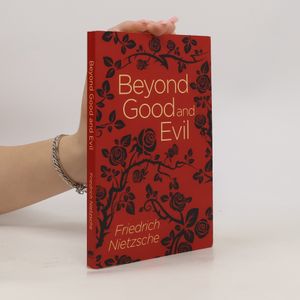
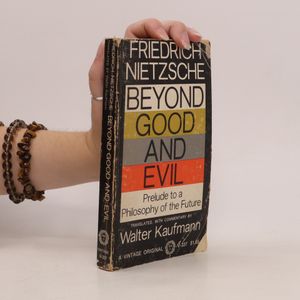
Friedrich Nietzsche's work critiques traditional morality and challenges the blind acceptance of Christian ideals by previous philosophers. Through a series of essays and aphorisms, he argues that human values are not absolute, highlighting the hypocrisy in value distinctions. This influential collection, first published in 1886, has significantly shaped modern intellectual thought, inviting readers to reconsider the foundations of their moral beliefs.


Uitgave
- 2024

- 2024
- 2023
- 2023
- 2023
- 2023
- 2023
- 2023
- 2023
- 2023
- 2023
- 2023

- 2022
- 2022
- 2022
- 2022
- 2022
- 2022
- 2022
- 2021
- 2021
- 2021
- 2021
- 2021
- 2021
- 2021
- 2021

- 2020
- 2020
- 2020
- 2020
- 2020
- 2020
- 2020
- 2020
- 2020
- 2020
- 2020
- 2020
- 2020
- 2020
- 2020
- 2020
- 2020
- 2020
- 2020

- 2019
- 2019
- 2019
- 2019
- 2019


- 2018
- 2018
- 2018
- 2018
- 2018
- 2018
- 2018
- 2018
- 2018
- 2018
- 2017
- 2017
- 2017
- 2017
- 2016

- 2013
- 2012
- 2010
- 2009
- 2009

- 2008
- 2008
- 2008
- 2008
- 2007
- 2007
- 2006
- 2005
- 2005
- 2004
- 2004







Een boek kopen
Beyond Good and Evil, Friedrich Wilhelm Nietzsche
- Taal

- Jaar van publicatie
- 2022
Zodra we het ontdekt hebben, sturen we een e-mail.
Betaalmethoden
We missen je recensie hier.
- Titel
- Beyond Good and Evil
- Taal
- Engels
- Auteurs
- Friedrich Wilhelm Nietzsche
- Uitgever
- General Press
- Jaar van publicatie
- 2022
- Aantal pagina's
- 218
- ISBN13
- 9789354993749
- Reeks
- Tags
- Non-fictie, Sociale Wetenschappen, Waargebeurde verhalen, Psychologische thema’s, Filosofisch thema, Duitse literatuur, Opiniejournalistiek & Essays, 19e Eeuw
- Eerste editie
- 1886
- Oorspronkelijke titel
- Jenseits von Gut und Böse
- Beoordeling
- 4,25 van 5
- Aantekening
- Friedrich Nietzsche's work critiques traditional morality and challenges the blind acceptance of Christian ideals by previous philosophers. Through a series of essays and aphorisms, he argues that human values are not absolute, highlighting the hypocrisy in value distinctions. This influential collection, first published in 1886, has significantly shaped modern intellectual thought, inviting readers to reconsider the foundations of their moral beliefs.