

Meer over het boek
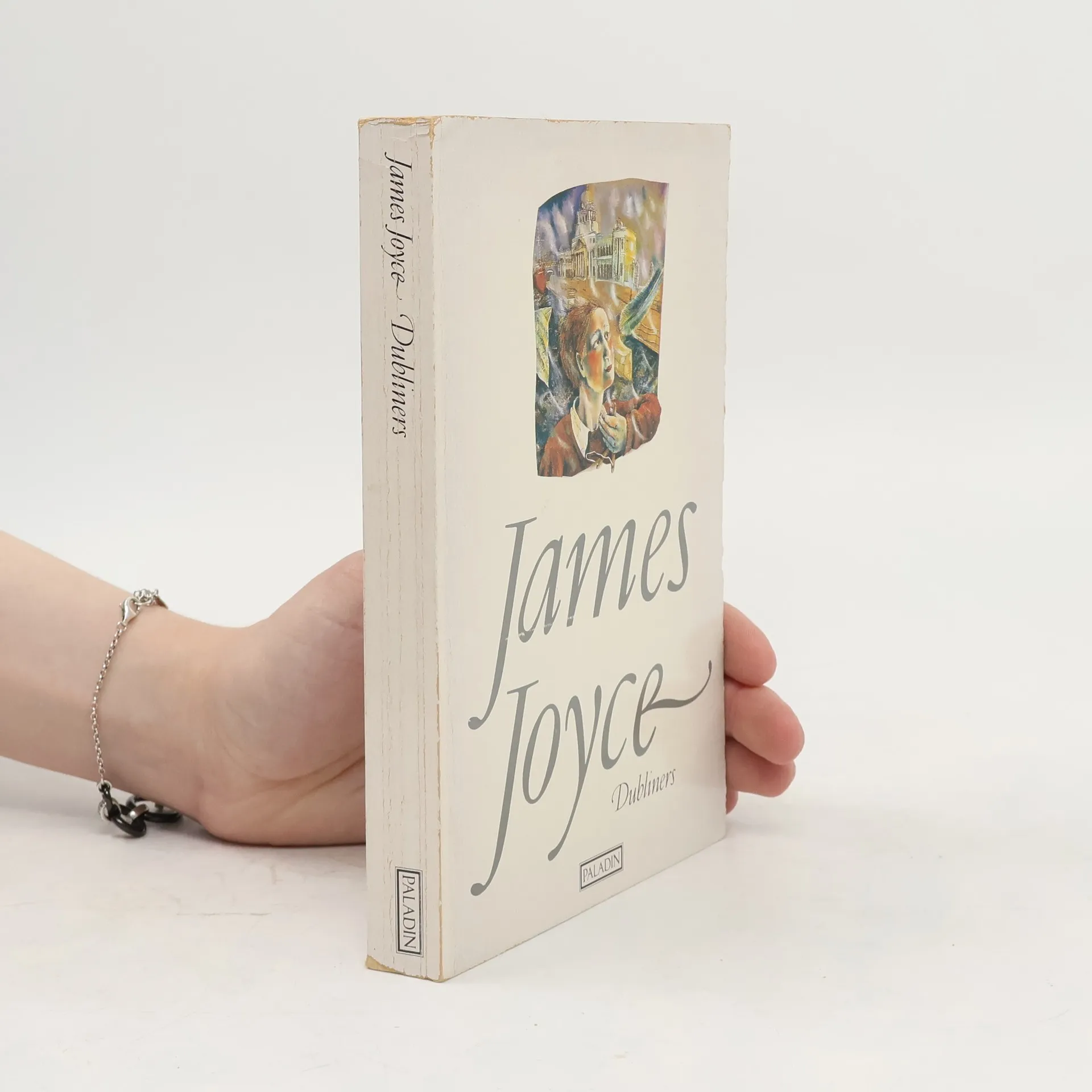
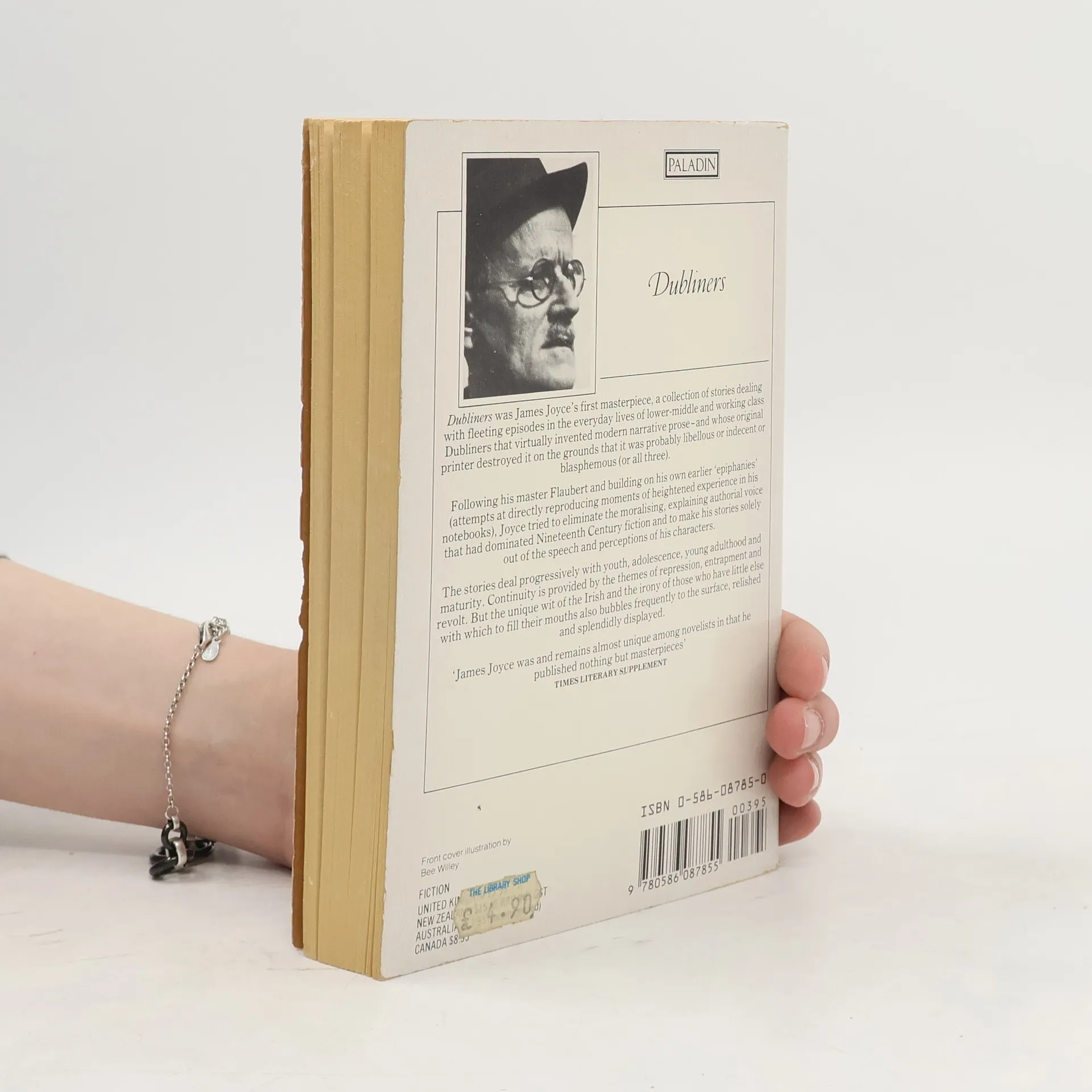
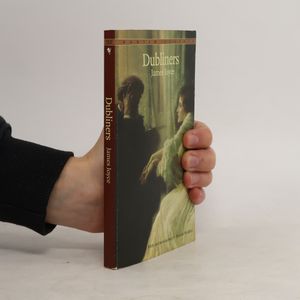
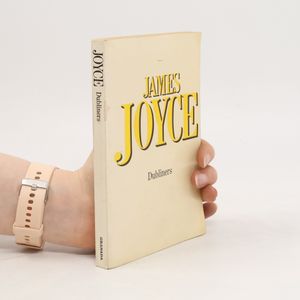
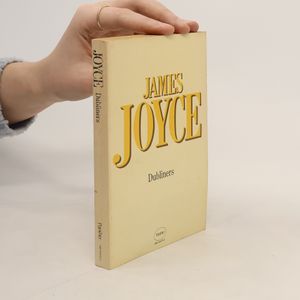
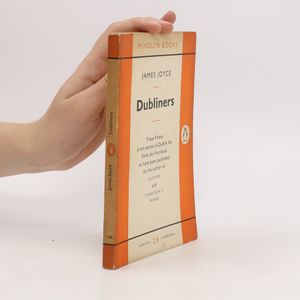
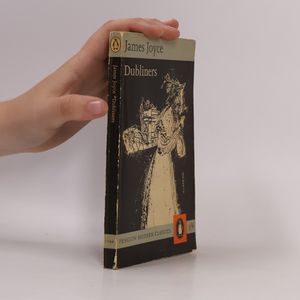
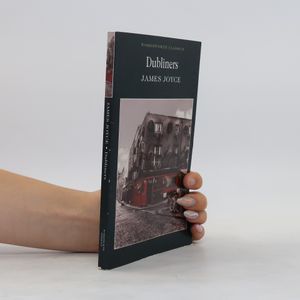
Dubliners was James Joyce's first masterpiece, a collection of stories dealing with fleeting episodes in the everyday lives of lower-middle and working class Dubliners that virtually invented modern narrative prose-and whose original printer destroyed it on the grounds that it was probably libellous or indecent or blasphemous (or all three). Following his master Flaubert and building on his own earlier 'epiphanies' (attempts at directly reproducing moments of heightened experience in his notebooks), Joyce tried to eliminate the moralising, explaining authorial voice that had dominated Nineteenth Century fiction and to make his stories solely out of the speech and perceptions of his characters. The stories deal progressively with youth, adolescence, young adulthood and maturity. Continuity is provided by the themes of repression, entrapment and revolt. But the unique wit of the Irish and the irony of those who have little else with which to fill their mouths also bubbles frequently to the surface, relished and splendidly displayed. --back cover

Uitgave

- 2024

- 2024
- 2023
- 2023
- 2023
- 2023
- 2023
- 2023
- 2023
- 2023
- 2023
- 2023
- 2023
- 2022
- 2022
- 2022
- 2022
- 2021
- 2021
- 2021
- 2020

- 2020
- 2020
- 2020
- 2020
- 2020
- 2020
- 2020
- 2020
- 2020
- 2020
- 2020
- 2020
- 2020
- 2020
- 2020
- 2020
- 2019
- 2019
- 2019
- 2019
- 2019

- 2018
- 2018
- 2018
- 2018
- 2017


- 2016
- 2016
- 2016
- 2015


- 2014
- 2013
- 2013
- 2013
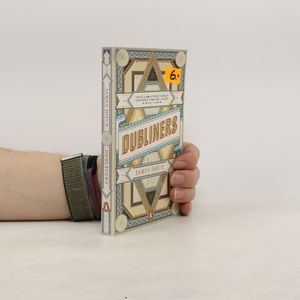


- 2012
- 2012
- 2012
- 2012
- 2012
- 2012
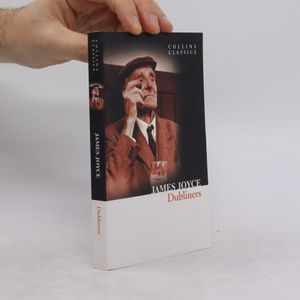
- 2011
- 2010
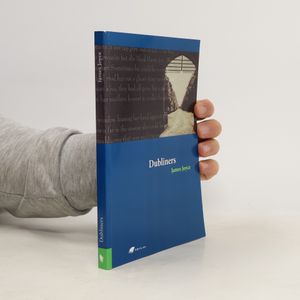
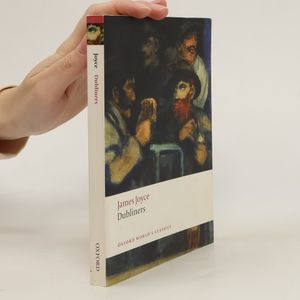
- 2008
- 2008


- 2004


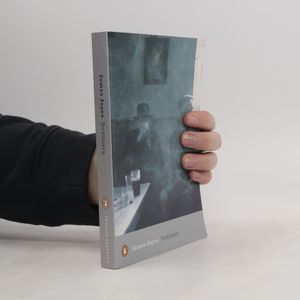
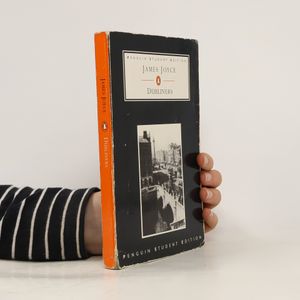
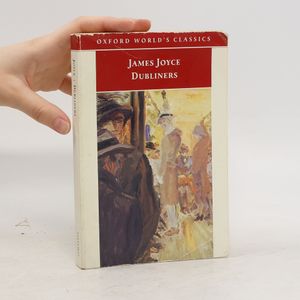


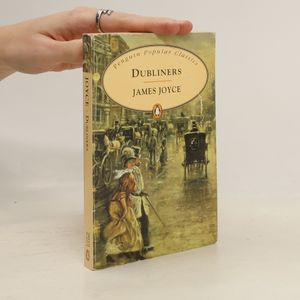
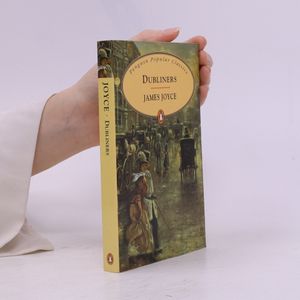
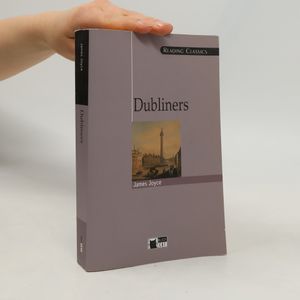
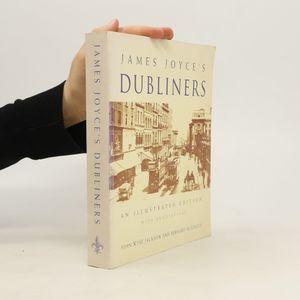
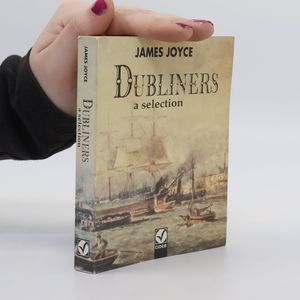


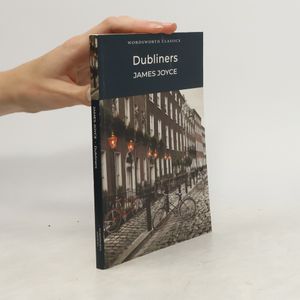
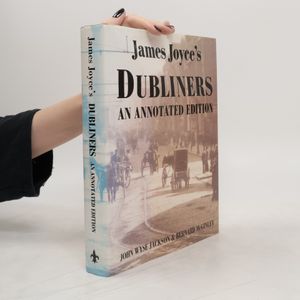
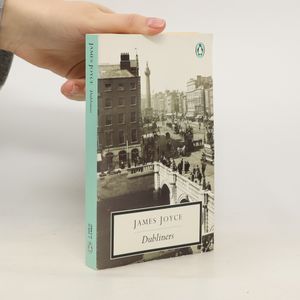

- 1992


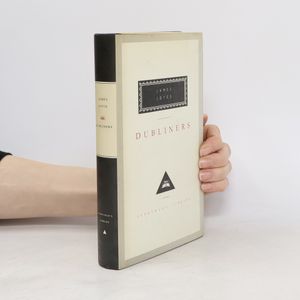










Een boek kopen
Dubliners, James Joyce, Robert Scholes, Robin Jacques
- Taal

- Jaar van publicatie
- 1994
- product-detail.submit-box.info.binding
- (Paperback)
Betaalmethoden
We missen je recensie hier.
- Titel
- Dubliners
- Taal
- Engels
- Auteurs
- James Joyce, Robert Scholes, Robin Jacques
- Uitgever
- Flamingo
- Jaar van publicatie
- 1994
- Formaat
- Paperback
- Aantal pagina's
- 262
- ISBN10
- 0586087850
- ISBN13
- 9780586087855
- Reeks
- Tags
- Fictie, Historisch thema, Klassiekers, Samenleving, Leven, Ierland, Ierse literatuur, Dublin, Epifanie
- Eerste editie
- 1914
- Oorspronkelijke titel
- Dubliners
- Beoordeling
- 3,45 van 5
- Aantekening
- Dubliners was James Joyce's first masterpiece, a collection of stories dealing with fleeting episodes in the everyday lives of lower-middle and working class Dubliners that virtually invented modern narrative prose-and whose original printer destroyed it on the grounds that it was probably libellous or indecent or blasphemous (or all three). Following his master Flaubert and building on his own earlier 'epiphanies' (attempts at directly reproducing moments of heightened experience in his notebooks), Joyce tried to eliminate the moralising, explaining authorial voice that had dominated Nineteenth Century fiction and to make his stories solely out of the speech and perceptions of his characters. The stories deal progressively with youth, adolescence, young adulthood and maturity. Continuity is provided by the themes of repression, entrapment and revolt. But the unique wit of the Irish and the irony of those who have little else with which to fill their mouths also bubbles frequently to the surface, relished and splendidly displayed. --back cover