

Meer over het boek
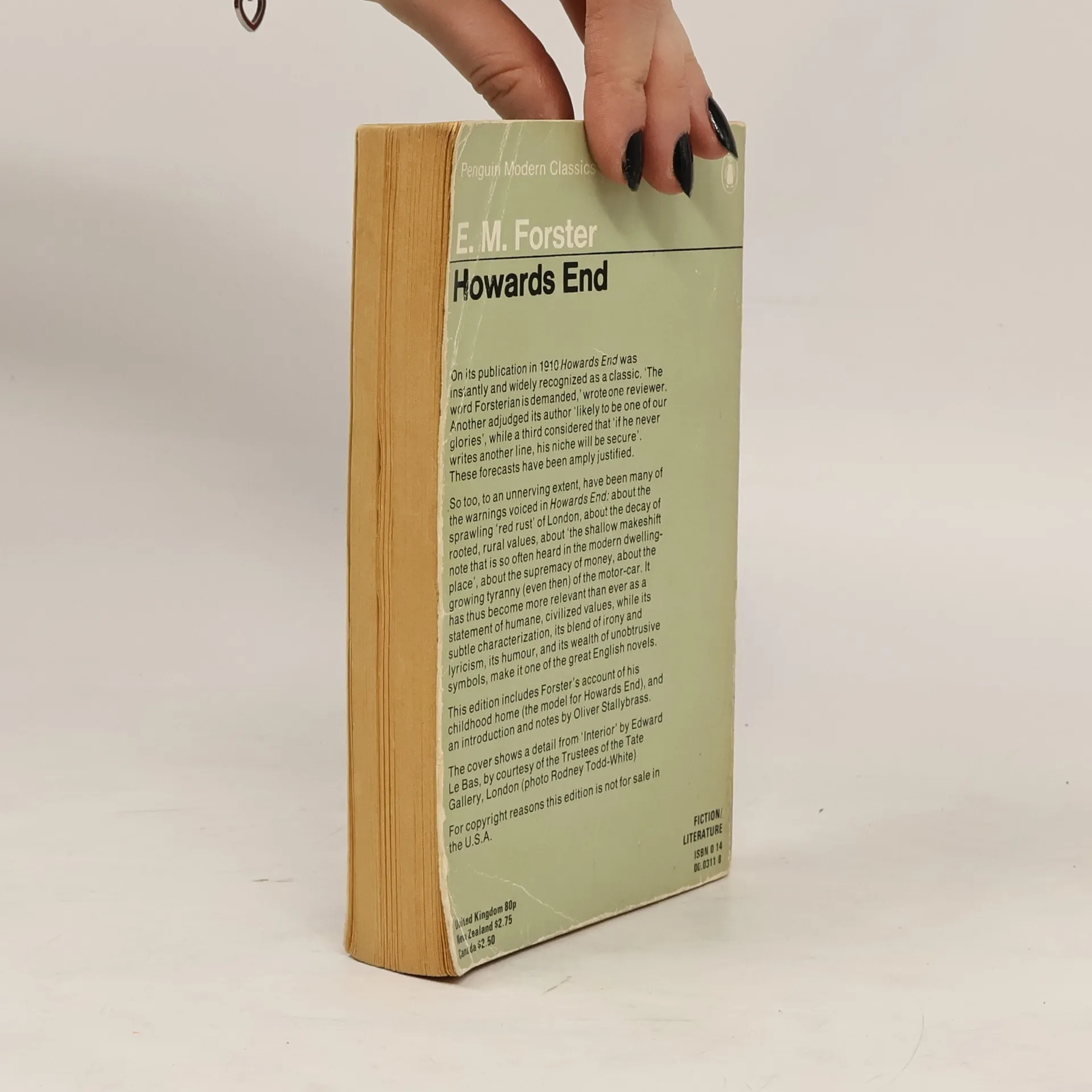
On its publication in 1910 Howards End was instantly and widely recognized as a classic. 'The word Forsterian is demanded,' wrote one reviewer. Another adjudged its author 'likely to be one of our glories', while a third considered that 'if he never writes another line, his niche will be secure'. These forecasts have been amply justified. So too, to an unnerving extent, have been many of the warnings voiced in Howards End: about the sprawling 'red rust' of London, about the decay of rooted, rural values, about 'the shallow makeshift note that is so often heard in the modern dwelling-place', about the supremacy of money, about the growing tyranny (even then) of the motor-car. It has thus become more relevant than ever as a statement of humane, civilized values, while its subtle characterization, its blend of irony and lyricism, its humour, and its wealth of unobtrusive symbols, make it one of the great English novels. This edition includes Forster's account of his childhood home (the model for Howards End), and an introduction and notes by Oliver Stallybrass.





Een boek kopen
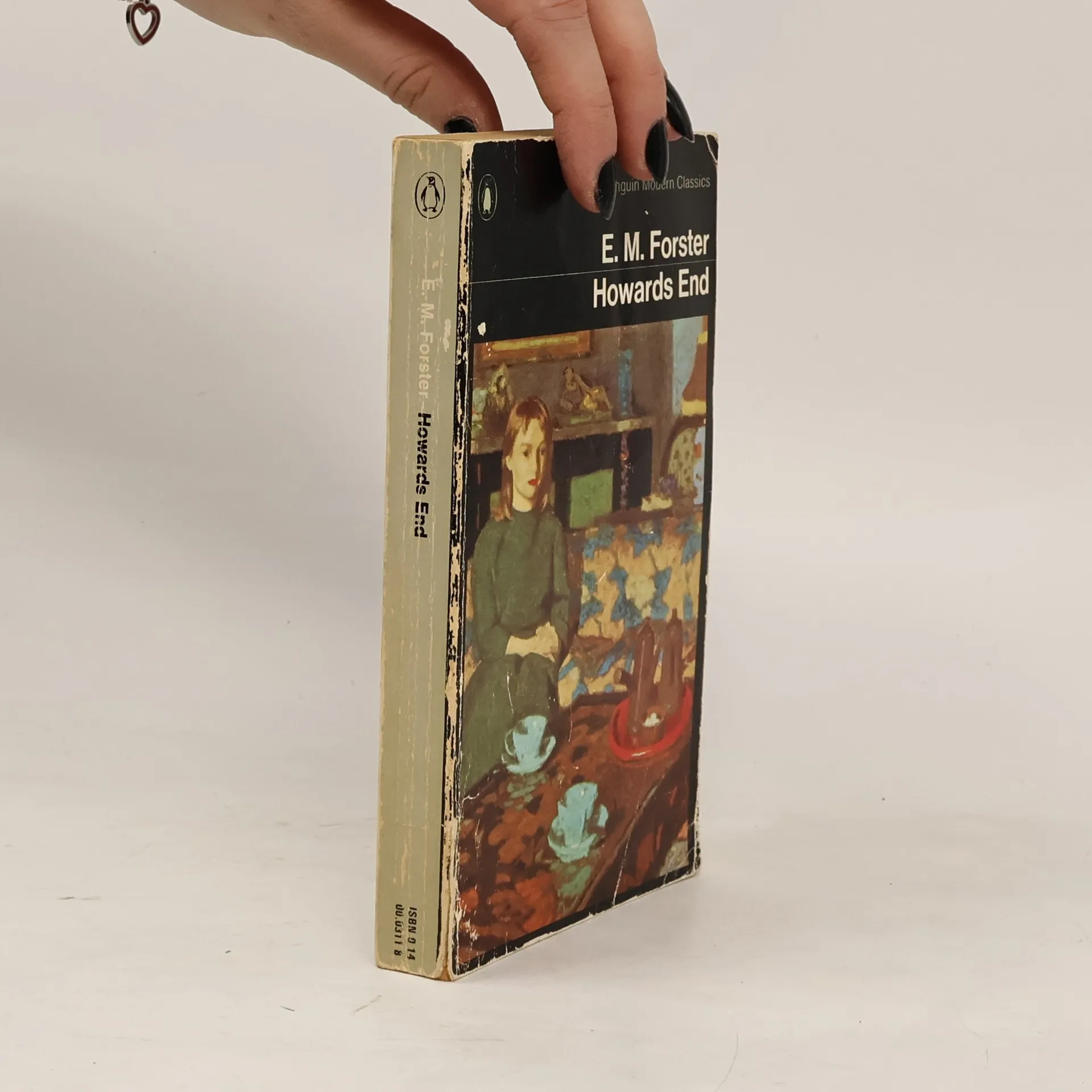
Howards End, Edward M. Forster
- Taal

- Jaar van publicatie
- 1969
- product-detail.submit-box.info.binding
- (Paperback)
Betaalmethoden
We missen je recensie hier.
- Titel
- Howards End
- Taal
- Engels
- Auteurs
- Edward M. Forster
- Uitgever
- Penguin Books
- Jaar van publicatie
- 1969
- Formaat
- Paperback
- ISBN10
- 0140003118
- ISBN13
- 9780140003116
- Reeks
- Tags
- Fictie, Historisch thema, Liefde, Familie, Klassiekers, Vriendschap, 20e Eeuw, Samenleving, Engeland, Maatschappijkritiek, Broers en zussen, Rijkdom
- Eerste editie
- 2010
- Oorspronkelijke titel
- The Finkler Question
- Beoordeling
- 3,95 van 5
- Aantekening
- On its publication in 1910 Howards End was instantly and widely recognized as a classic. 'The word Forsterian is demanded,' wrote one reviewer. Another adjudged its author 'likely to be one of our glories', while a third considered that 'if he never writes another line, his niche will be secure'. These forecasts have been amply justified. So too, to an unnerving extent, have been many of the warnings voiced in Howards End: about the sprawling 'red rust' of London, about the decay of rooted, rural values, about 'the shallow makeshift note that is so often heard in the modern dwelling-place', about the supremacy of money, about the growing tyranny (even then) of the motor-car. It has thus become more relevant than ever as a statement of humane, civilized values, while its subtle characterization, its blend of irony and lyricism, its humour, and its wealth of unobtrusive symbols, make it one of the great English novels. This edition includes Forster's account of his childhood home (the model for Howards End), and an introduction and notes by Oliver Stallybrass.