

Meer over het boek
Horacio Oliveira, an Argentinian writer in Paris, lives with his mistress La Maga and a group of bohemian friends called "the Club." A child's death and La Maga's disappearance disrupt his life of superficial pleasures and intellectual pursuits, leading him to return to Buenos Aires. There, he takes on various jobs, including a salesman, a caretaker of a circus cat that can count, and an attendant in an insane asylum. The narrative unfolds as a dazzling account of Oliveira's remarkable adventures. Influenced by Henry Miller's quest for truth in post-decadent Paris and Daisetz Teitaro Suzuki's teachings on Zen Buddhism, the book showcases Cortázar's unique style, employing interior monologue, puns, slang, and multiple languages. His work reflects the influences of Modernist writers like Joyce, Surrealism, and the French New Novel, while also drawing from jazz and New Wave Cinema aesthetics. In 1966, Gregory Rabassa became the first translator to win the National Book Award for his English edition, which Cortázar praised, recommending him to Gabriel García Márquez for the translation of One Hundred Years of Solitude. García Márquez later remarked that Rabassa's translation improved the original.







Een boek kopen
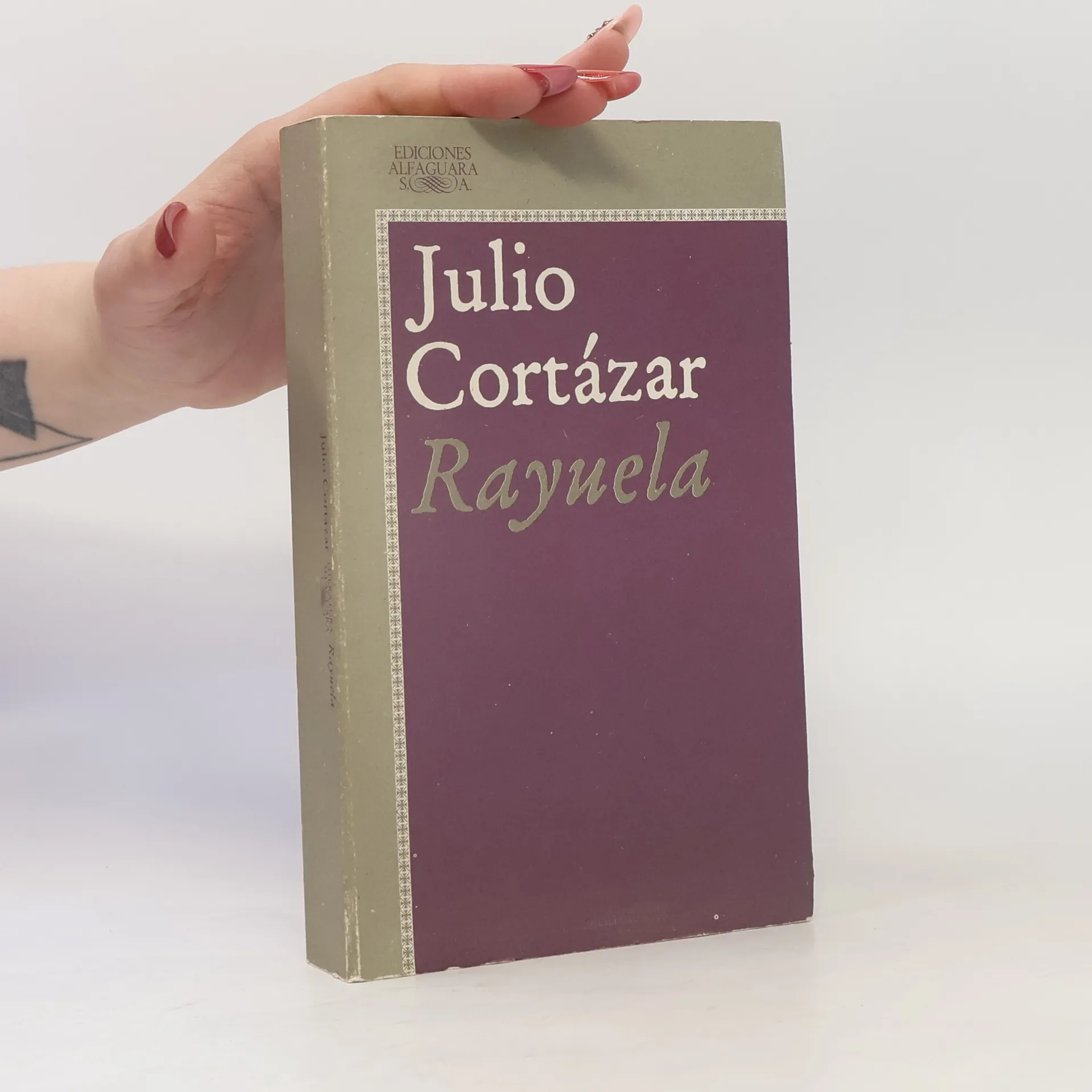
Rayuela/Hopscotch, Julio Cortázar
- Taal

- Jaar van publicatie
- 1984
- Bindwijze
- (Paperback)
Betaalmethoden
We missen je recensie hier.
- Titel
- Rayuela/Hopscotch
- Taal
- Spaans
- Auteurs
- Julio Cortázar
- Uitgever
- Alfaguara
- Jaar van publicatie
- 1984
- Formaat
- Paperback
- Aantal pagina's
- 598
- ISBN10
- 8420421529
- ISBN13
- 9788420421520
- Reeks
- Tags
- Fictie, Liefde, Klassiekers, Vriendschap, Frankrijk, Vermaak, Herinneringen, Spaanse literatuur, Parijs, Magisch realisme, Kunstenaars, Fraude, Mannen, Hispano-Amerikaanse literatuur, Jazz, Argentinië, Argentijnse literatuur, Experimentele literatuur, Buenos Aires, Boheems Leven
- Eerste editie
- 1963
- Oorspronkelijke titel
- Rayuela
- Beoordeling
- 4,25 van 5
- Aantekening
- Horacio Oliveira, an Argentinian writer in Paris, lives with his mistress La Maga and a group of bohemian friends called "the Club." A child's death and La Maga's disappearance disrupt his life of superficial pleasures and intellectual pursuits, leading him to return to Buenos Aires. There, he takes on various jobs, including a salesman, a caretaker of a circus cat that can count, and an attendant in an insane asylum. The narrative unfolds as a dazzling account of Oliveira's remarkable adventures. Influenced by Henry Miller's quest for truth in post-decadent Paris and Daisetz Teitaro Suzuki's teachings on Zen Buddhism, the book showcases Cortázar's unique style, employing interior monologue, puns, slang, and multiple languages. His work reflects the influences of Modernist writers like Joyce, Surrealism, and the French New Novel, while also drawing from jazz and New Wave Cinema aesthetics. In 1966, Gregory Rabassa became the first translator to win the National Book Award for his English edition, which Cortázar praised, recommending him to Gabriel García Márquez for the translation of One Hundred Years of Solitude. García Márquez later remarked that Rabassa's translation improved the original.