

Parameters
- 296bladzijden
- 11 uur lezen
Meer over het boek
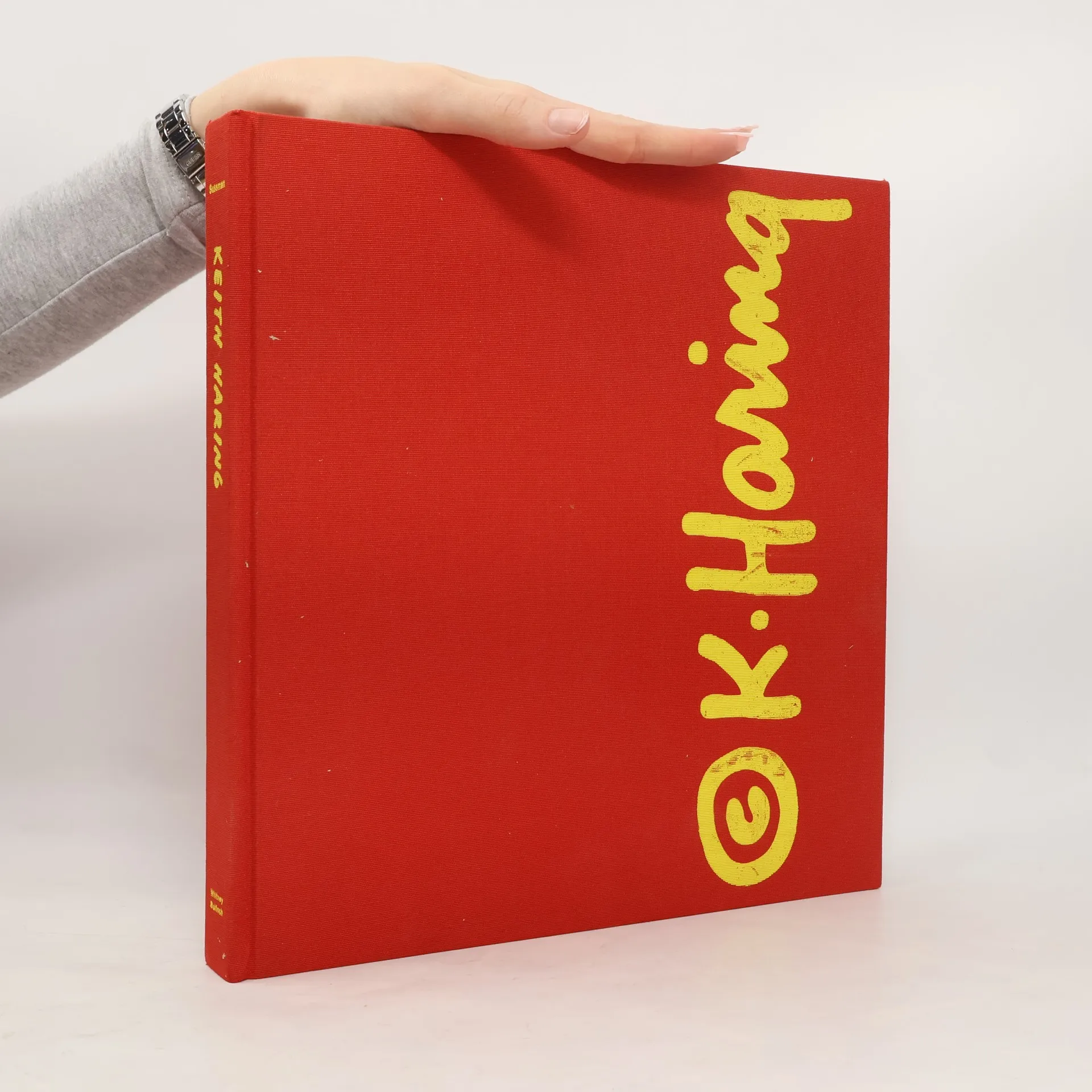
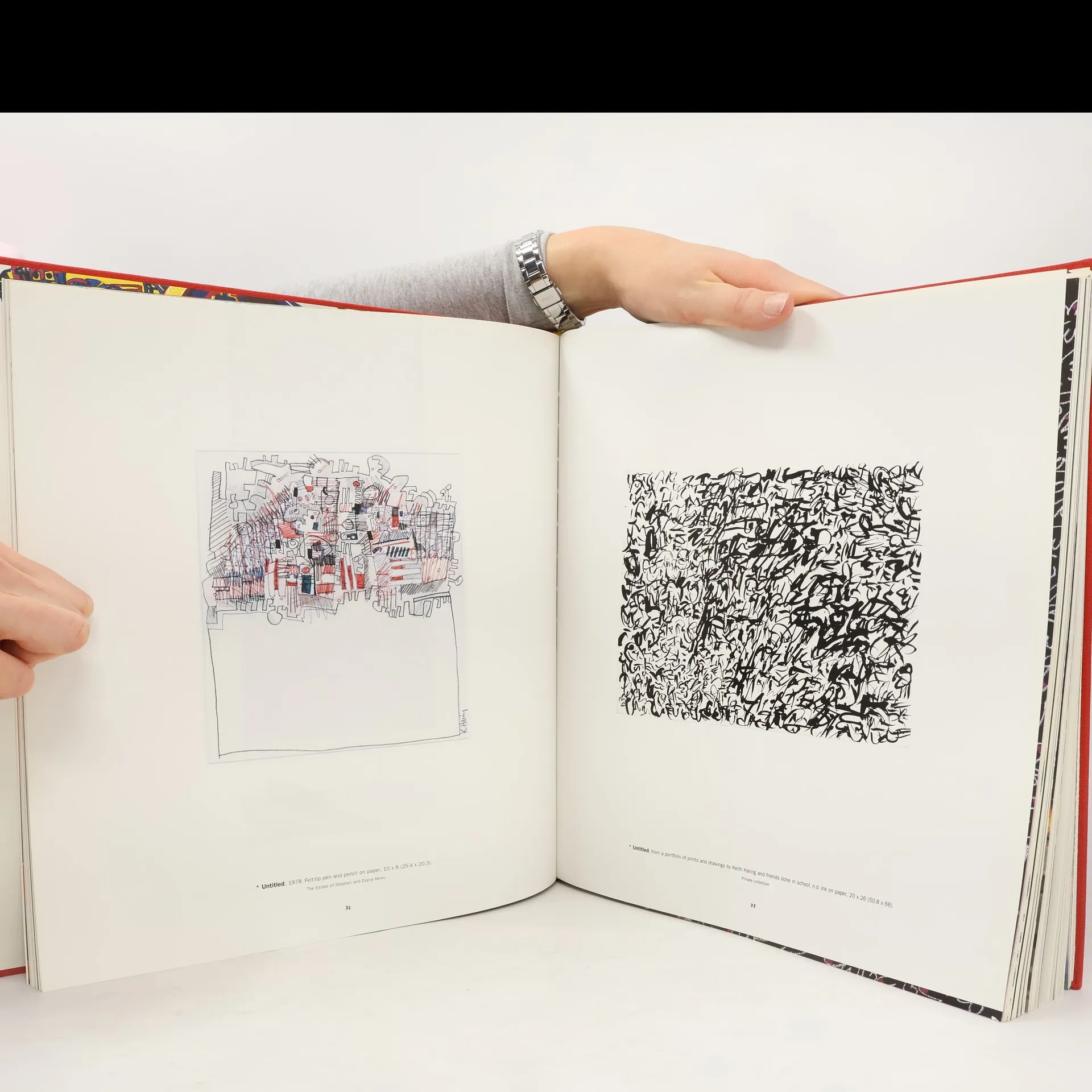
In 1980, mysterious chalk drawings of simple outline figures began appearing on unused advertising space in New York City subway stations. Combining the appeal of Disney cartoons with the sophisticated primitivism of such artists as Jean Dubuffet, these underground artworks were bold, humorous, accessible, subversive - and the work of one man - Keith Haring. Over the next decade, Haring went on to create a body of work that would capture the energy and excitement of New York's brash street culture - and transmute punk, new wave, hip-hop, graffiti and break dancing into an instantly recognizable pop iconography. He frequently bypassed the gallery scene, preferring to address people directly through drawings and paintings in public spaces and with mass-produced items based on his designs. By the time he died of AIDS in 1990 he had become New York's most celebrated artist since Andy Warhol.






Een boek kopen
Keith Haring, Keith Haring, Whitney Museum of American Art, Elisabeth Sussman, David Frankel, Jellybean (Musician)
- Taal

- Jaar van publicatie
- 1997
- product-detail.submit-box.info.binding
- (Paperback)
Betaalmethoden
We missen je recensie hier.
- Titel
- Keith Haring
- Taal
- Engels
- Auteurs
- Keith Haring, Whitney Museum of American Art, Elisabeth Sussman, David Frankel, Jellybean (Musician)
- Uitgever
- Whitney Museum of Art
- Jaar van publicatie
- 1997
- Formaat
- Paperback
- Aantal pagina's
- 296
- ISBN10
- 0874271126
- ISBN13
- 9780874271126
- Reeks
- Tags
- Non-fictie, Kunst / Cultuur, Waargebeurde verhalen, Biographies, Beeldende Kunst, Schilderkunst & Beeldhouwkunst, Kunst, Autobiografie en memoires, Verenigde Staten, Amerikaanse Literatuur, Opiniejournalistiek & Essays, Geschiedenis en theorie van de kunst, Kunstgeschiedenis, New York, Kunstenaars, Moderne Kunst, Graffiti, Kunstwerken, Pop Art
- Beoordeling
- 4,2 van 5
- Aantekening
- In 1980, mysterious chalk drawings of simple outline figures began appearing on unused advertising space in New York City subway stations. Combining the appeal of Disney cartoons with the sophisticated primitivism of such artists as Jean Dubuffet, these underground artworks were bold, humorous, accessible, subversive - and the work of one man - Keith Haring. Over the next decade, Haring went on to create a body of work that would capture the energy and excitement of New York's brash street culture - and transmute punk, new wave, hip-hop, graffiti and break dancing into an instantly recognizable pop iconography. He frequently bypassed the gallery scene, preferring to address people directly through drawings and paintings in public spaces and with mass-produced items based on his designs. By the time he died of AIDS in 1990 he had become New York's most celebrated artist since Andy Warhol.